Western Herbalism
Prune
Prunus
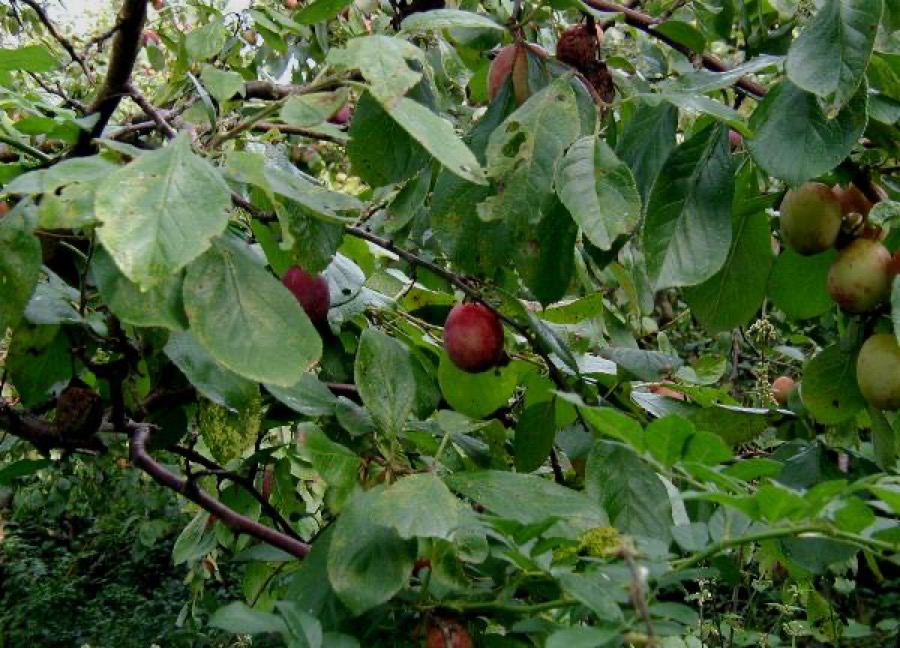
Also known as Prune tree, Plum tree, European plum.
Prunus domestica, the European plum, is a small deciduous tree in the rose family cultivated widely in temperate climates, its dried fruit known as the prune. The dried fruit is the part used medicinally, prized for centuries as a gentle, reliable laxative and nutritive food-medicine, particularly for the elderly and convalescent. Older eclectic and physiomedical writers also described uses for the leaf and bark of various Prunus species, though these are little used today and overlap with related stone fruits such as the peach.

Ask Herbert about Prune. Herbert is the master herbalist inside Bountiful Herbs: he answers from this plate and eleven hundred others, with dosing, pairing and cautions. Your first ten questions are free.
Ask HerbertActions
Indications what the tradition reached for it in
- Constipation
- Chronic functional constipation
- Irritable bowel syndrome with constipation
- Hemorrhoids from straining
- Sluggish bowel in the elderly
- Convalescent nutrition support
- Mild dyspepsia with sluggish digestion
- Dietary support for bone mineral density
- General nutritive support during recovery from illness
Specific indications
Dry, hard stool with a sluggish, atonic bowel in the elderly or during convalescence
Chronic constipation that has not responded adequately to bulk fiber alone
Safety
Low dose botanical. Used in drop doses in the classical practice; not a plant to dose freely.
The record lists 5 contraindications; open the plate in the library to read them in full.
In practice
Dried prunes are one of the most dependable food-based laxatives in practice, useful where a gentle, non-habituating bowel stimulant is wanted rather than a stronger anthraquinone laxative. The combination of sorbitol, dihydroxyphenylisatin-like compounds, soluble and insoluble fiber, and phenolic acids gives both an osmotic and a mild stimulant effect on colonic motility, along with a prebiotic benefit to the gut microbiota.
Dosing as the sources wrote it
| Preparation | As written | Metric |
|---|---|---|
| Dried fruit (prunes) | 50-100 g (about 5-10 prunes) daily, with adequate fluid | 50000-100000 mg |
| Prune juice | 125-250 mL once or twice daily | 125-250 mL |
| Bark decoction (traditional, rarely used) | 2-4 g dried bark decocted, once daily | 2000-4000 mg |
| Action, Medical Uses, and Dosage: In Germany, a sort of brandy is made from this fruit. Dried prunes are mildly laxative, and are frequently employed in decoction, or the fruit eaten stewed, in convalescence from acute diseases, forming a nourishing and agreeable diet. They are often added to cathartic decoctions, to improve the flavor, and promote the purgative effect. They enter into the composition of the confection of senna. In large quantities, and with some dyspeptics, they are apt to disorder the bowels. The following preparation has been administered with much success in leucorrhoea, irregular menstruation, and in debility from frequent abortions: Take of small raisins, or dried currants, 2 ounces, anise-seed, mace, and cinnamon, of each, ½ ounce | 62207 mg | |
| and 1 nutmeg, in powder. To these add 1 quart of prune brandy, and let them macerate for 2 weeks, frequently agitating. This is the formula as originally given. Of the clear tincture thus made, 1 fluid ounce may be given previous to a meal, and repeated 3 times daily. | 29.57 mL |
Doses are reproduced from the sources for practitioners and are not a recommendation for any person.
From the sources
Overview. Prunus domestica, the European plum, is a small deciduous tree in the rose family cultivated widely in temperate climates, its dried fruit known as the prune. The dried fruit is the part used medicinally, prized for centuries as a gentle, reliable laxative and nutritive food-medicine, particularly for the elderly and convalescent. Older eclectic and physiomedical writers also described uses for the leaf and bark of various Prunus species, though these are little used today and overlap with related stone fruits such as the peach.
Clinical Notes. Dried prunes are one of the most dependable food-based laxatives in practice, useful where a gentle, non-habituating bowel stimulant is wanted rather than a stronger anthraquinone laxative. The combination of sorbitol, dihydroxyphenylisatin-like compounds, soluble and insoluble fiber, and phenolic acids gives both an osmotic and a mild stimulant effect on colonic motility, along with a prebiotic benefit to the gut microbiota.
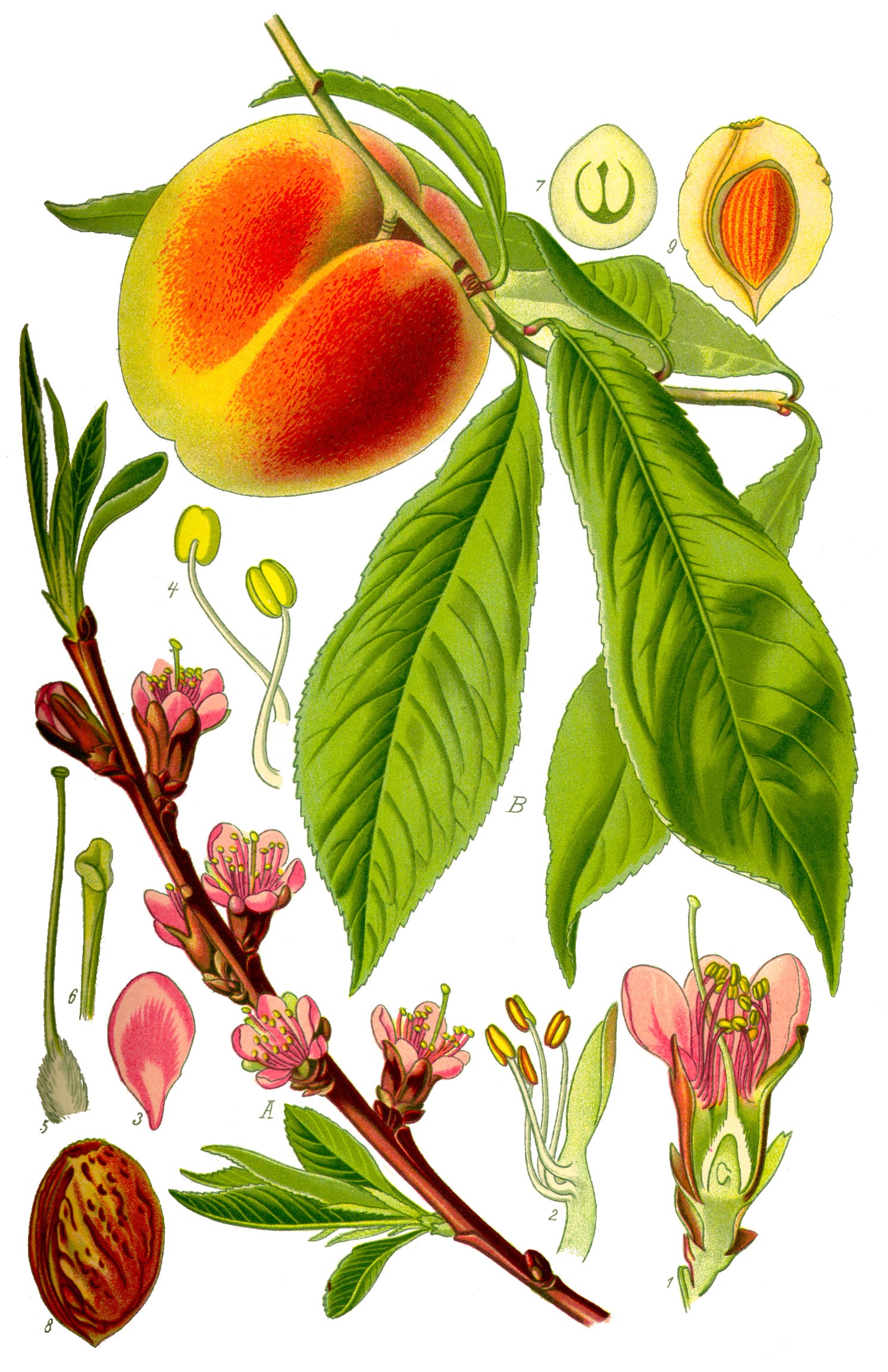
Action, Medical Uses, and Dosage. Peach leaves in infusion have been recommended in morbid irritability of the bladder and urethra, pertussis, ischuria, hematuria, and nausea, as well as in all inflammations of the stomach and abdomen.
Specific Indications and Uses. Gastric and abdominal tenderness, irritation, or congestion, with elongated, pointed tongue with reddened tips and edges, and prominent papillae, nausea and vomiting; intestinal and bronchial irritation, irritative cough; irritative diarrhoea.
Drawn from King's American Dispensatory, 18th edition (Felter and Lloyd), and the Bountiful Herbs editorial.
In formulas
Prune stands in 136 documented formulas in the library, among them ùng gián công chi tāng, má huáng tâng, sǎn ǎo tāng, hua gài sǎn, má huáng xing rén yì yi gàn cǎo tàng, dà ging lóng tàng.
Often paired with
 Wild cherryPrunus serotina
 Licorice rootGlycyrrhiza glabra
 PeachPrunus persica
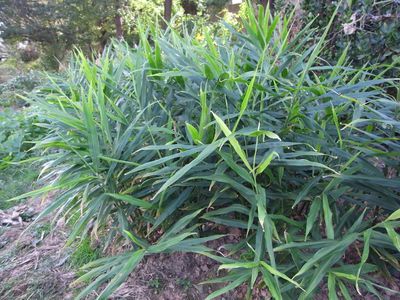 GingerZingiber officinale
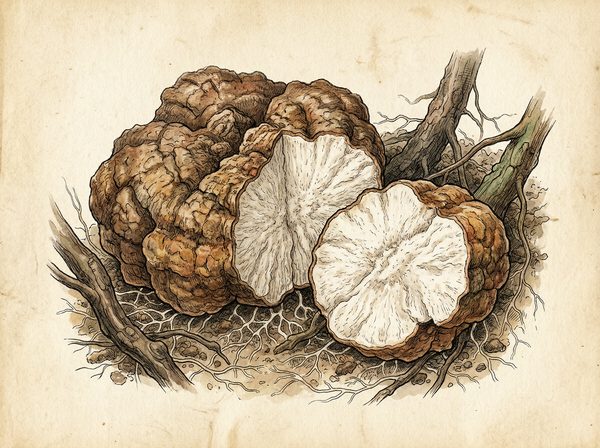 PoriaWolfiporia extensa
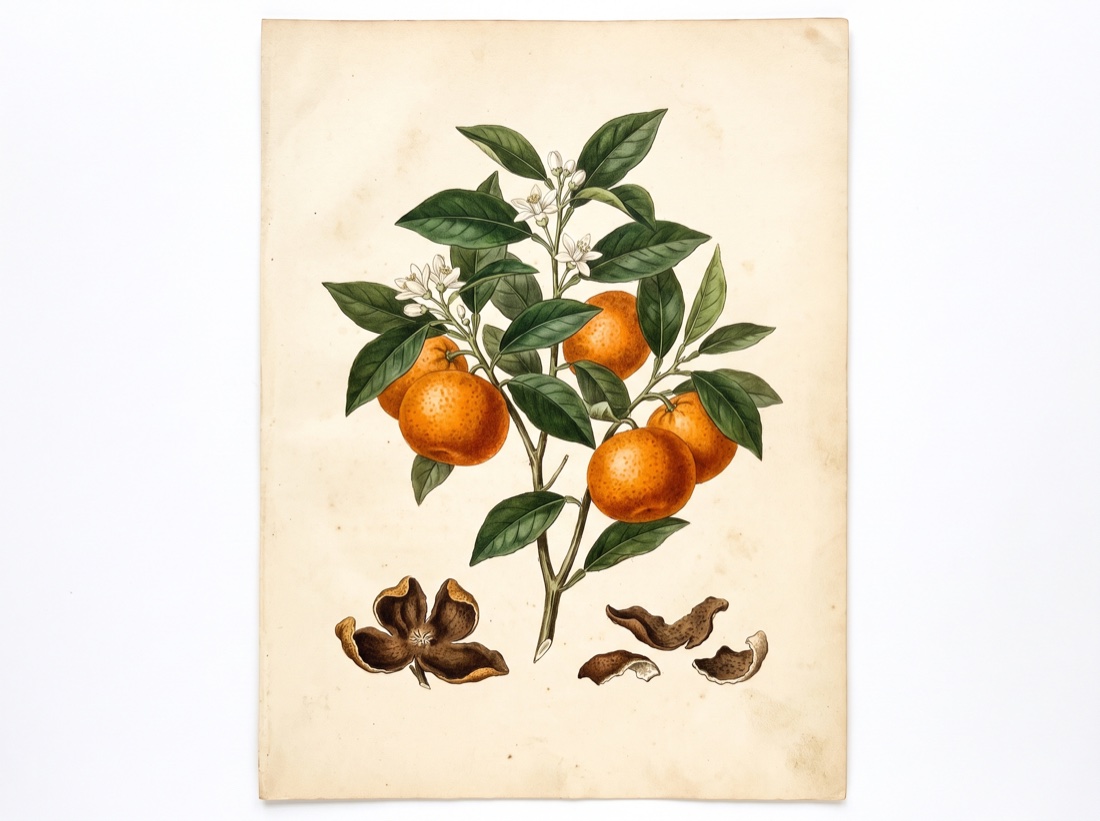 tangerineCitrus reticulata
Nearby on the shelf
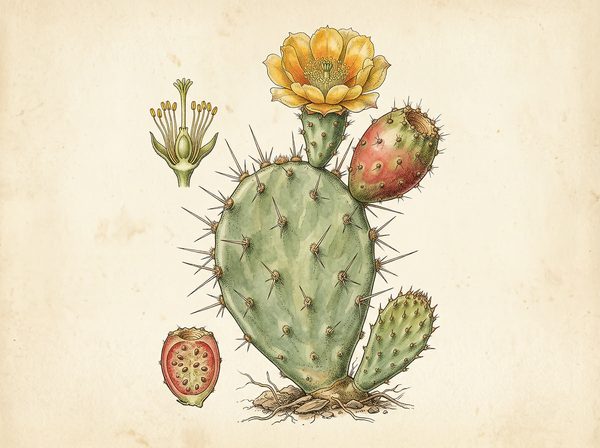 Prickly PearOpuntia ficus-indica
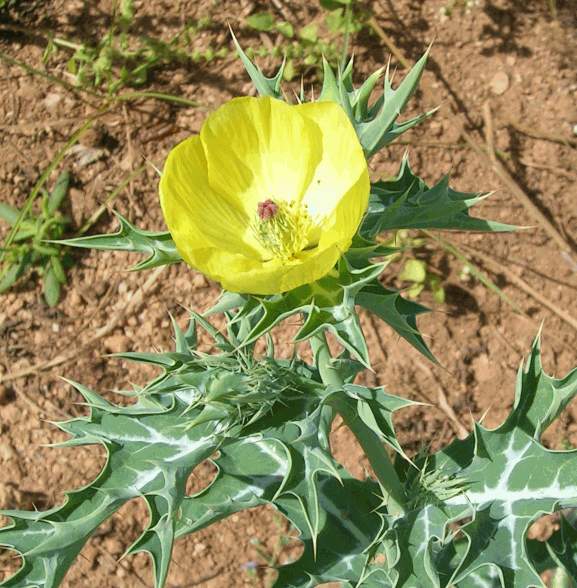 Prickly PoppyArgemone
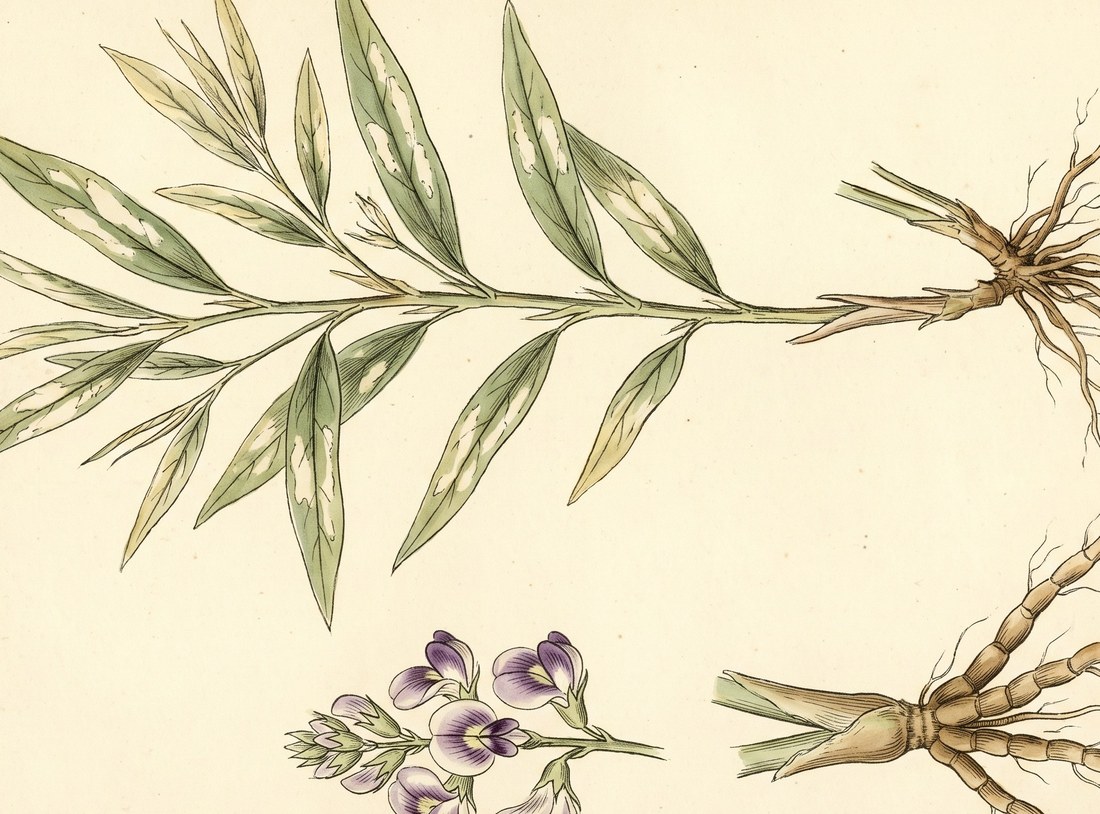 PrishniparniUraria picta
 PrivetLigustrum lucidum
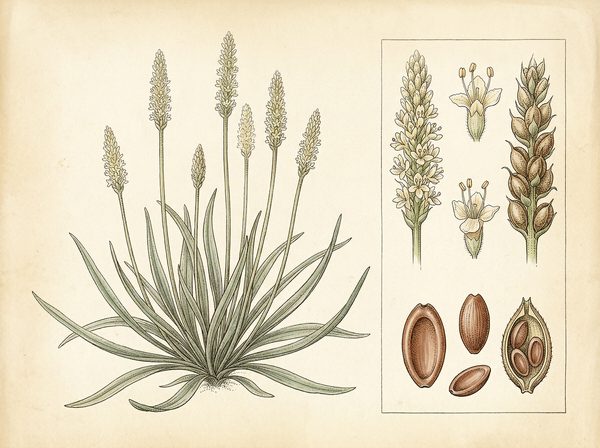 PsylliumPlantago ovata
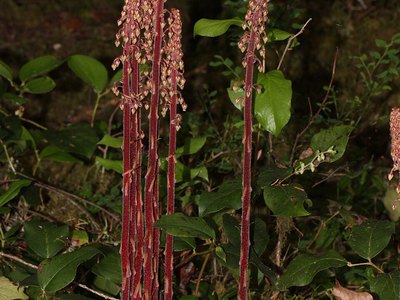 Pterospora andromedeaPterospora andromedea
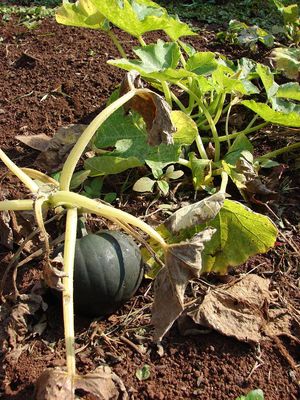 PumpkinCurcurbita pepo
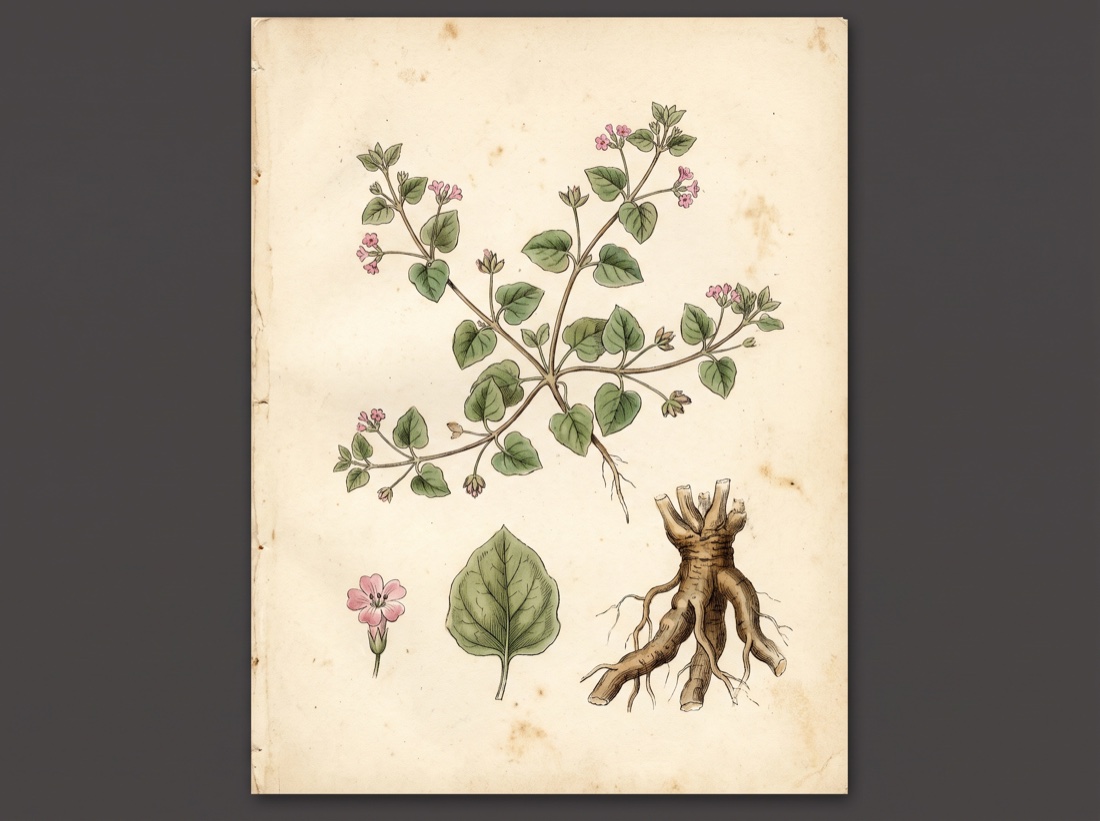 PunarnavaBoerhavia diffusa
The whole plate is in the library. The compass, Compare, the Sky of eleven hundred plants and the formulary open with an email address and a password, free, with the formula builder and its safety engine. Herbert without limit, his formulating, clients, the handouts and the labels are the paid room.
Open the library, free