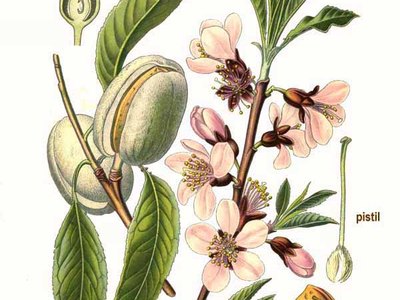
Western Herbalism
Sweet almond
Amygdalus communis dulcis
Also known as Almond.
Sweet almond is the kernel of a small deciduous tree native to Persia, Syria, and North Africa, long cultivated across the Mediterranean and now worldwide for its edible seed. The kernel and its expressed fixed oil, not the leaf or bark, are the parts used medicinally. In the older physiomedical and eclectic materia medica the almond emulsion, a milky preparation of blanched almonds beaten with water, sugar, and gum arabic, served as a gentle demulcent vehicle for coughs, irritated membranes, and as a pleasant base for other medicines. Sweet almond is always distinguished from the bitter almond, a related variety with a much higher content of the cyanogenic compound amygdalin, which is not used as food or as a simple demulcent.

Ask Herbert about Sweet almond. Herbert is the master herbalist inside Bountiful Herbs: he answers from this plate and eleven hundred others, with dosing, pairing and cautions. Your first ten questions are free.
Ask HerbertActions
Indications what the tradition reached for it in
- Dry irritating cough
- Sore throat
- Hoarseness
- Irritated bladder or urethra with scalding urine
- Dyspepsia with a sense of burning or rawness
- Mild constipation
- Dry or chapped skin
- Cracked lips or nipples
- Convalescent nutritional support
- Softening of impacted ear wax
Specific indications
Dry, hacking, unproductive cough with a raw, tight feeling in the throat, calling for a rich, oily demulcent rather than a stimulating expectorant
Scalding, irritated urination where a bland mucilaginous drink is wanted to coat and calm the urinary tract
Safety
The record lists 3 contraindications; open the plate in the library to read them in full.
In practice
The classic use of sweet almond in Western herbal practice is as an emulsion, essentially an almond milk thickened with gum arabic and sweetened lightly, given by the spoonful for a dry, tickling cough or a raw, irritated throat.
Dosing as the sources wrote it
| Preparation | As written | Metric |
|---|---|---|
| Almond emulsion (traditional almond mixture) | 15-30 mL of a prepared emulsion (from about 15 g blanched almonds per 250 mL water) several times daily as a demulcent | 15-30 mL |
| Sweet almond oil, oral | 5-15 mL once daily as a mild laxative | 5-15 mL |
| Sweet almond oil, topical | applied liberally to dry skin, chapped lips or nipples, or softened into the outer ear as needed |
Doses are reproduced from the sources for practitioners and are not a recommendation for any person.
From the sources
Overview. Sweet almond is the kernel of a small deciduous tree native to Persia, Syria, and North Africa, long cultivated across the Mediterranean and now worldwide for its edible seed. The kernel and its expressed fixed oil, not the leaf or bark, are the parts used medicinally.
Clinical Notes. The classic use of sweet almond in Western herbal practice is as an emulsion, essentially an almond milk thickened with gum arabic and sweetened lightly, given by the spoonful for a dry, tickling cough or a raw, irritated throat.
Properties and Uses. The cotyledons of the almond drupe are edible, and a fine table luxury. When deprived of their reddish-brown envelope, they are said to be blanched; and when beaten up in a mortar with a moderate quantity of water, they form an emulsion of elegant flavor and superior demulcent properties.
Description. Natural Order, Rosaceae. A tree of fifteen to twenty feet high; native of Persia, Syria, and Northern Africa; much cultivated in Spain and Southern France; capable of cultivation in the Gulf States and Mexico. Flowers large, pale red varying to white, in pairs, nearly sessile upon the branches, appearing before the leaves; calyx five-parted, reddish; petals five; stamens twenty or more, spreading. Leaves elliptical, pointed, three inches long, alternate, short- petioled, minutely serrate, bright green. Fruit a drupe, as in the peach, but the sarcocarp (fleshy portion) becoming thin, tough, and dry; the ripe pit constituting the well-known almond nuts of commerce.
Drawn from Cook's Physio-Medical Dispensatory, and the Bountiful Herbs editorial.
Often paired with
 AlmondAmygdala
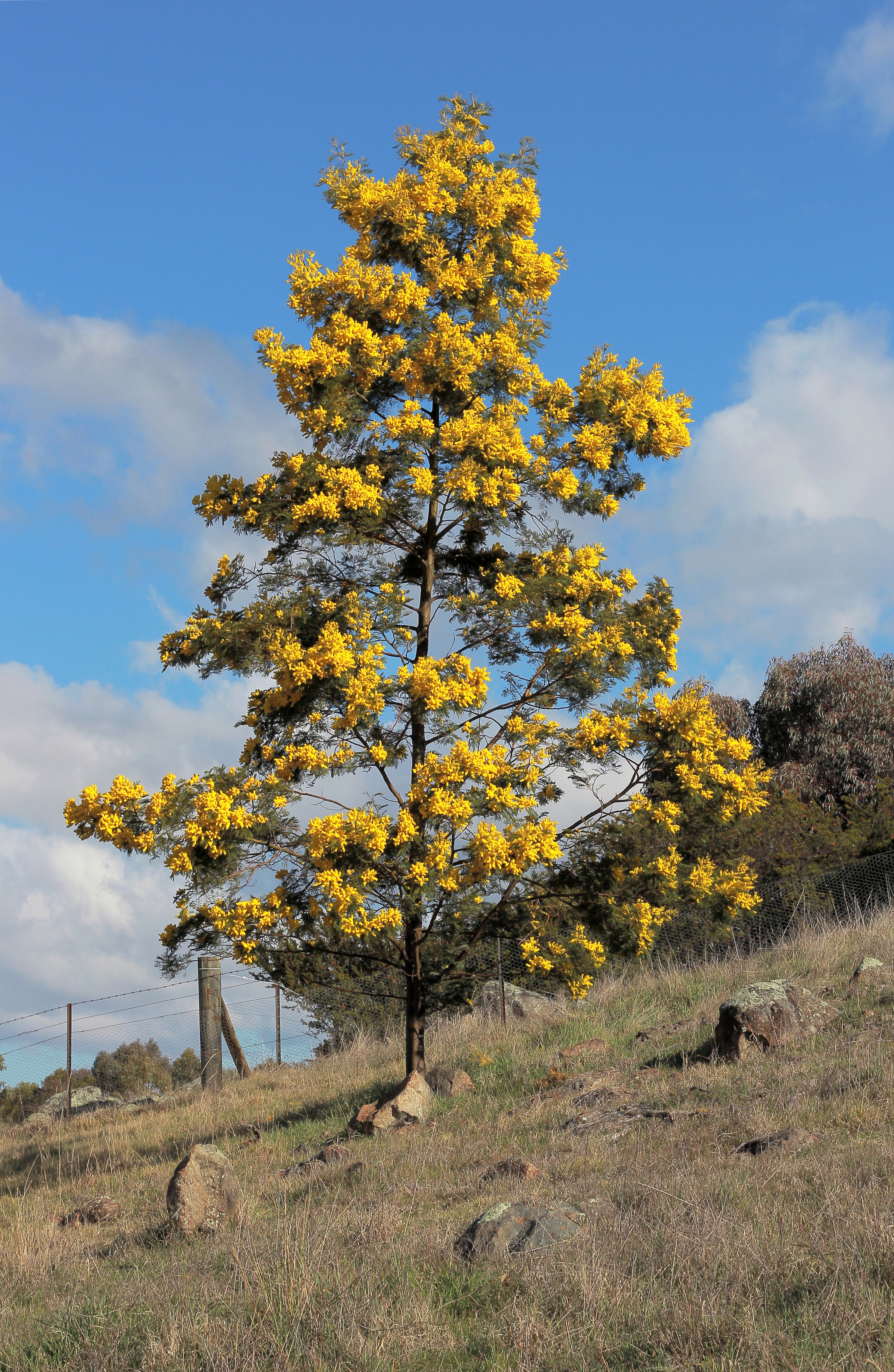 AcaciaAcacia
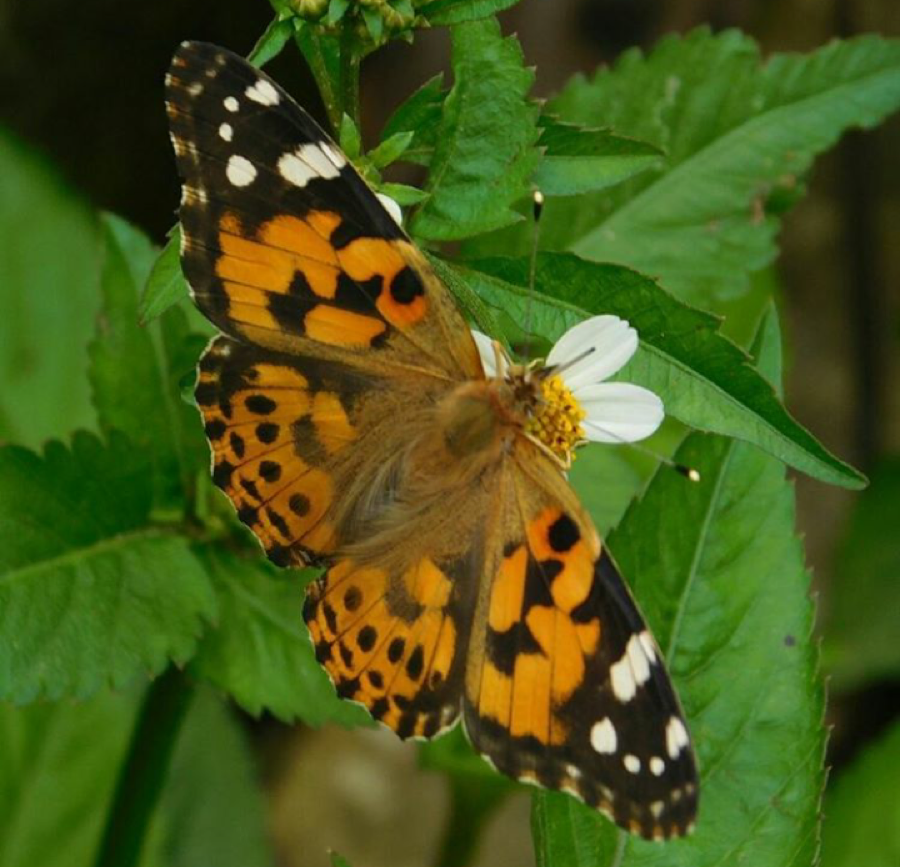 OrangeOrange
 PygeumPrunus africana
Nearby on the shelf
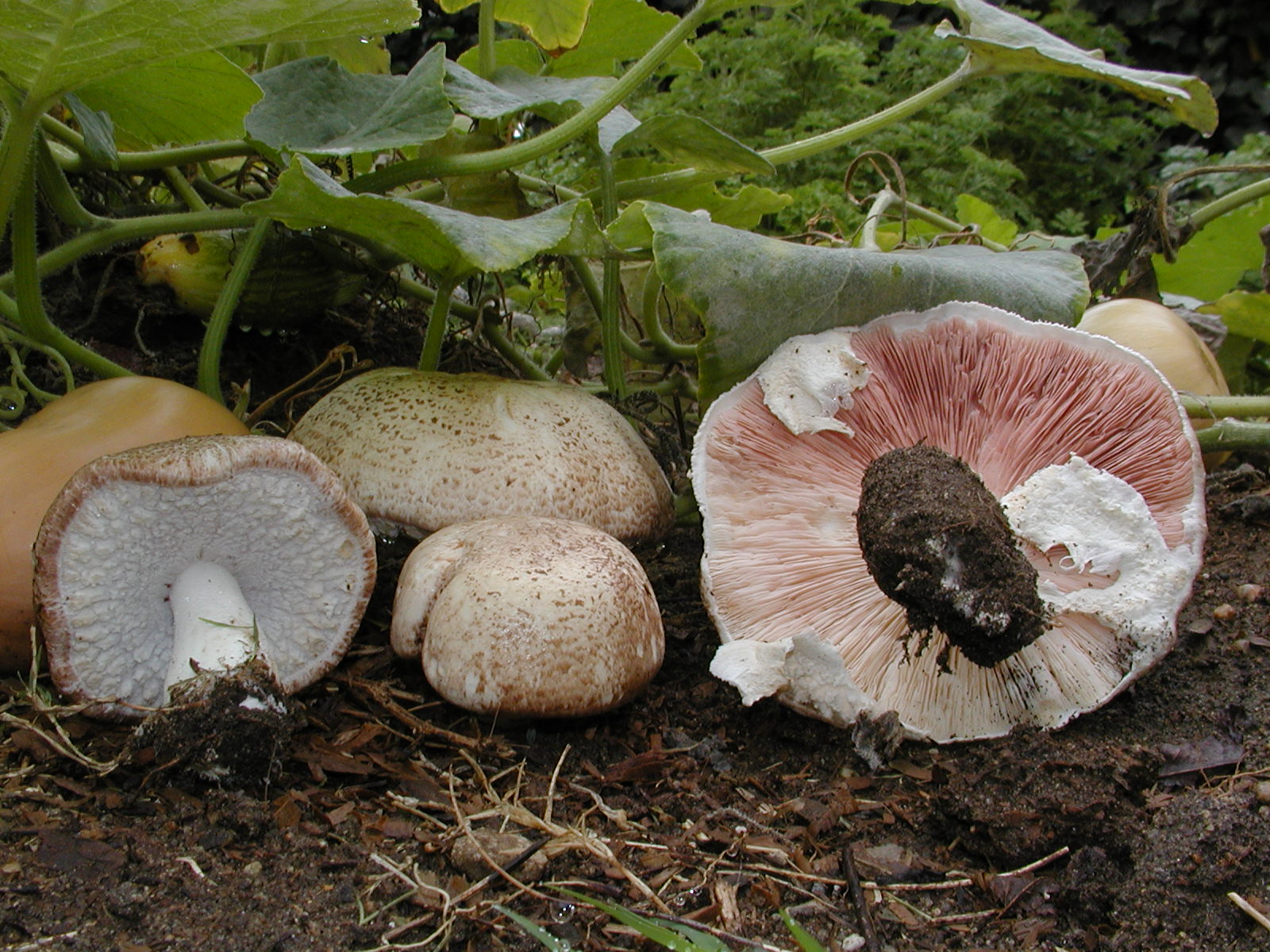 Sun MushroomAgaricus subrufescens
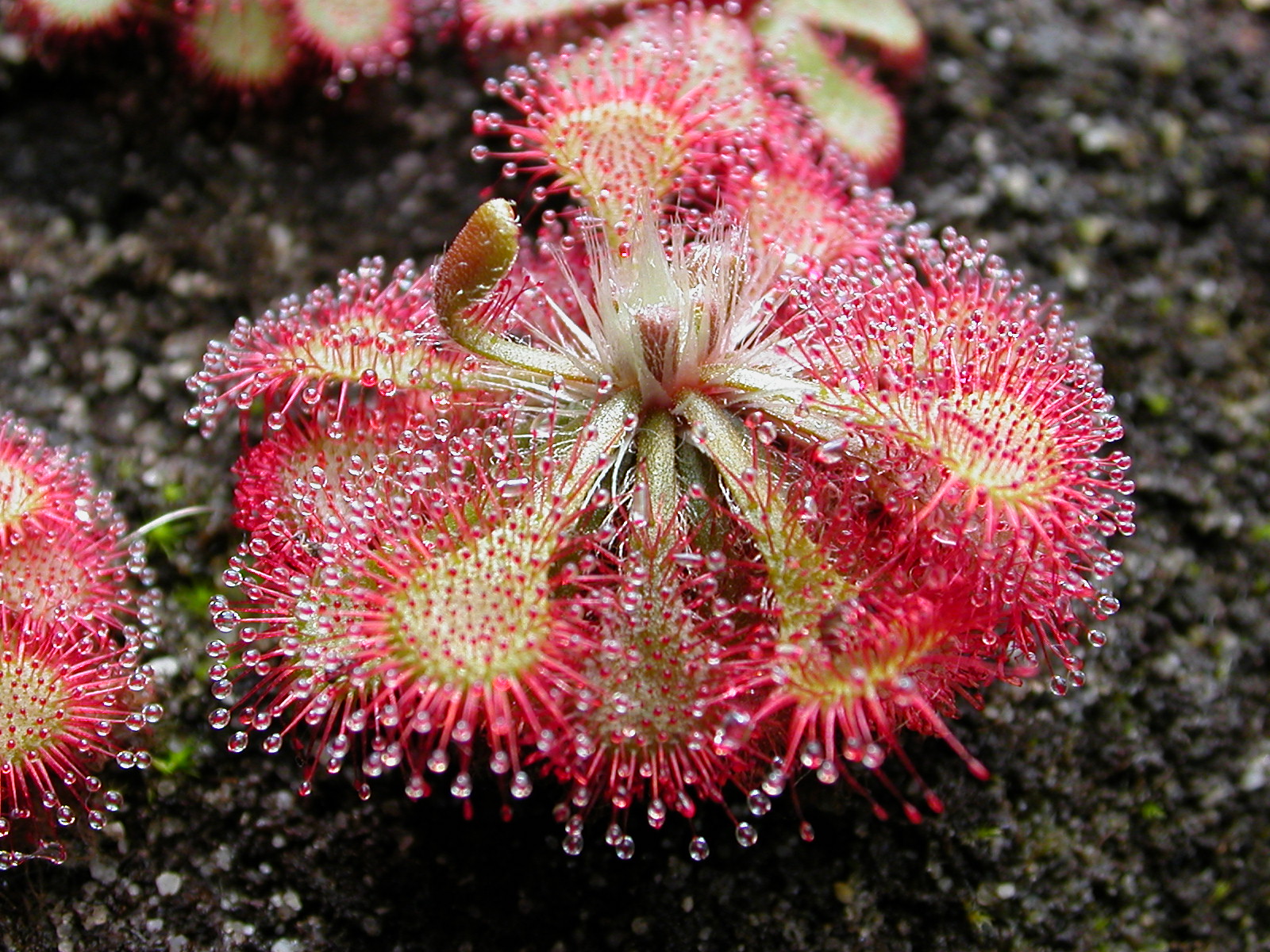 SundewDrosera rotundifolia
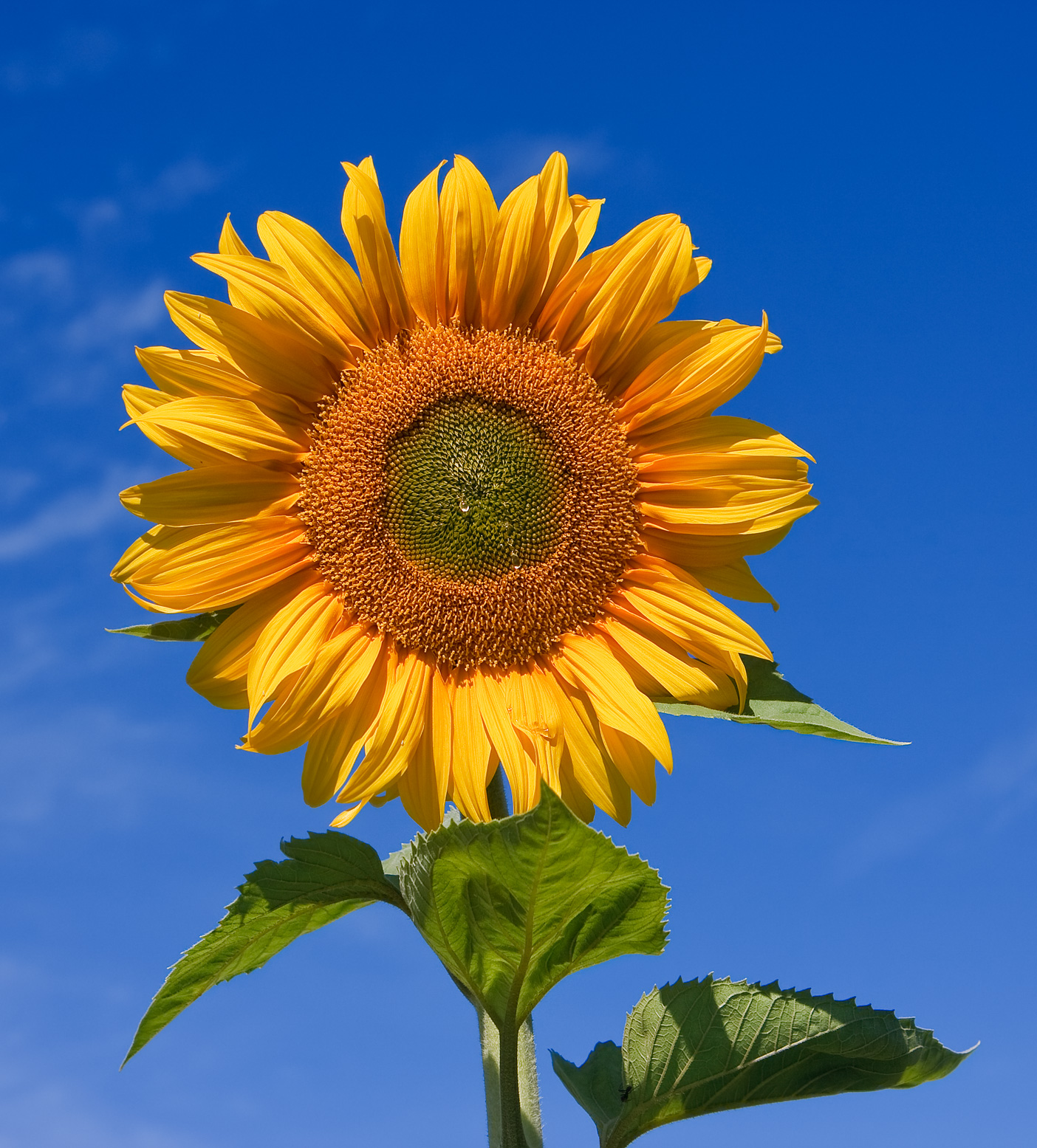 SunflowerHelianthus annuus
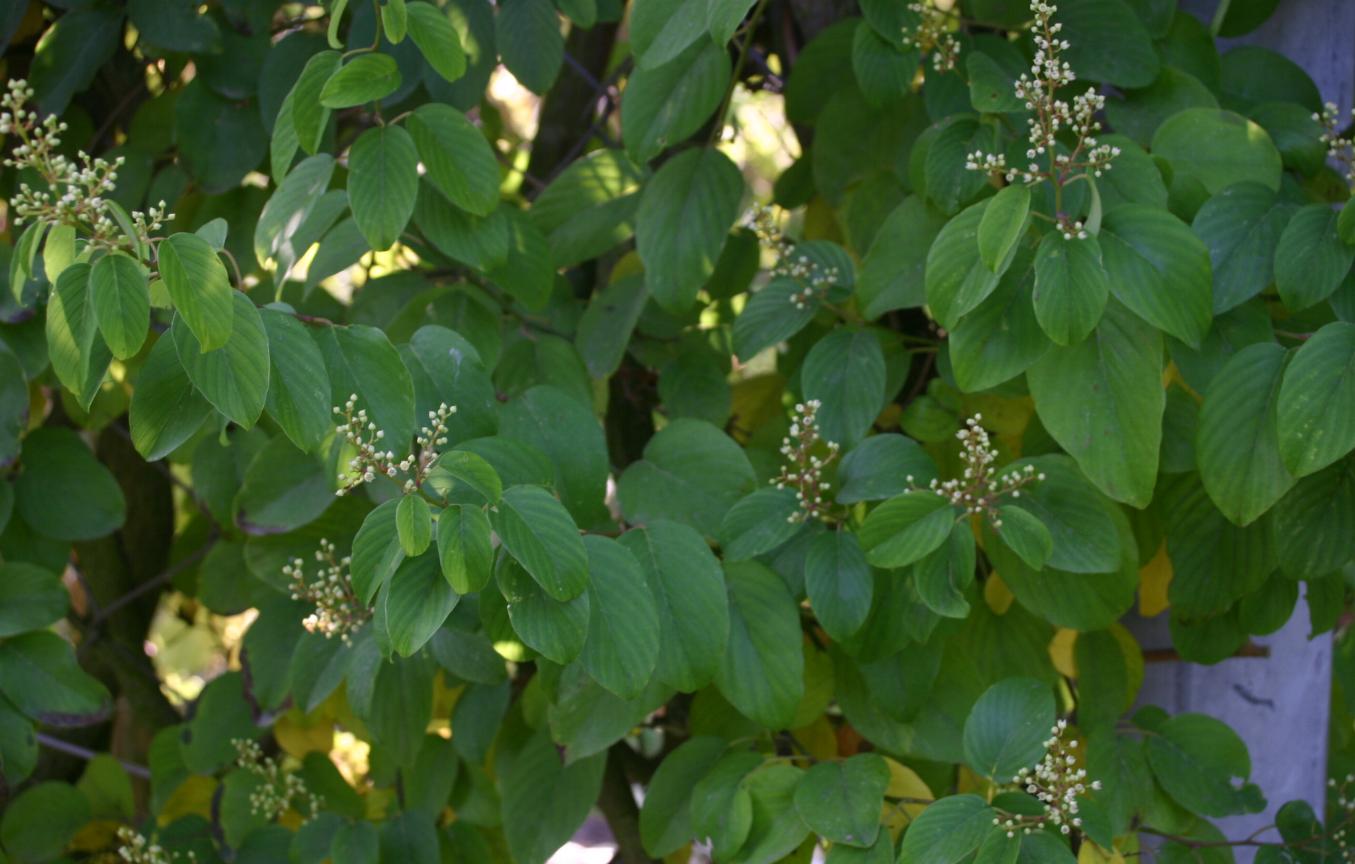 Supple jackBerchemia volubilis
 Sweet chestnutCastanea vesca
 Sweet cicelyOsmorhiza longistylis
 Sweet cloverMelilotus officinalis
 Sweet flagAcorus calamus
The whole plate is in the library. The compass, Compare, the Sky of eleven hundred plants and the formulary open with an email address and a password, free, with the formula builder and its safety engine. Herbert without limit, his formulating, clients, the handouts and the labels are the paid room.
Open the library, free