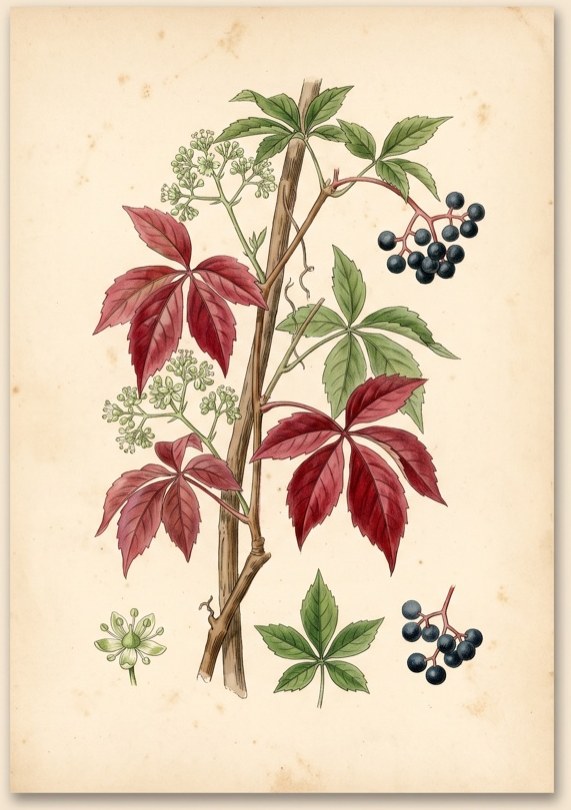
Western Herbalism
Virginia creeper
Ampelosis quinquefolia
Also known as American ivy, Woodbine, False grape, Five-leaved ivy, Virginian creeper, Five leaves, Wild wood vine.
Virginia creeper is a vigorous climbing vine of the grape family, native throughout the eastern and central United States, where it is a familiar sight scaling trees, walls, and houses by means of adhesive tendrils. The bark and young twigs were the parts used by nineteenth century physiomedicalist practitioners, who classed the plant as a mild alterative and tonic with a modest astringent quality. It never became a major remedy but held a small place in the physiomedical materia medica for chronic chest complaints and as a background alterative in compound syrups.

Ask Herbert about Virginia creeper. Herbert is the master herbalist inside Bountiful Herbs: he answers from this plate and eleven hundred others, with dosing, pairing and cautions. Your first ten questions are free.
Ask HerbertActions
Indications what the tradition reached for it in
- Chronic bronchial cough
- Bronchitis with copious mucus
- Chronic catarrh
- Sluggish or torpid skin action
- Mild diarrhea
- Chronic skin eruptions requiring alterative treatment
- Dropsy (fluid retention), historical use
- Rheumatic complaints, historical use
Specific indications
Chronic, relaxed cough with free but poorly cleared mucus in a person of low general tone
Sluggish skin action where a gentle alterative and mild diaphoretic stimulus is wanted
Safety
Low dose botanical. Used in drop doses in the classical practice; not a plant to dose freely.
Pregnancy: Avoid in pregnancy, as there is no reliable safety data for this rarely used botanical.
Breastfeeding: Avoid during lactation in the absence of any safety information.
The record lists 4 contraindications; open the plate in the library to read them in full.
In practice
Physiomedical writers such as Cook reached for Virginia creeper bark in cases of chronic, relaxed cough where the tissue was toned down and mucus was abundant but poorly cleared. The combination of a mild mucous membrane stimulant action with a slight astringency was thought to firm secreting tissue while still supporting expectoration, rather than drying the cough outright.
Dosing as the sources wrote it
| Preparation | As written | Metric |
|---|---|---|
| Bark decoction (traditional) | 57 g dried bark decocted in 1 L water down to 500 mL, dose 30 mL 4-6 times daily | 57000 mg |
| Tincture (1:5, 45%) | 2-4 mL three times daily | 2-4 mL |
| syrup or decoction | Dose of the syrup or decoction, 2 to 4 fluid ounces, 3 times a day; tincture, 10 to 30 drops, 3 times a day. | 59.15-118 mL |
Doses are reproduced from the sources for practitioners and are not a recommendation for any person.
From the sources
Overview. Virginia creeper is a vigorous climbing vine of the grape family, native throughout the eastern and central United States, where it is a familiar sight scaling trees, walls, and houses by means of adhesive tendrils. The bark and young twigs were the parts used by nineteenth century physiomedicalist practitioners, who classed the plant as a mild alterative and tonic with a modest astringent quality. It never became a major remedy but held a small place in the physiomedical materia medica for chronic chest complaints and as a background alterative in compound syrups.
Clinical Notes. Physiomedical writers such as Cook reached for Virginia creeper bark in cases of chronic, relaxed cough where the tissue was toned down and mucus was abundant but poorly cleared. The combination of a mild mucous membrane stimulant action with a slight astringency was thought to firm secreting tissue while still supporting expectoration, rather than drying the cough outright.
Properties and Uses. The bark and twigs are used. They are mildly stimulating to the mucous membranes and secreting organs, and slightly astringent-a combination of qualities which has led the plant to be classed as alterant and tonic. It improves the vigor of the lungs, promotes expectoration moderately, and slowly increases the action of the skin. By these influences, it becomes of service in chronic coughs and bronchitis, in the early stages of scrofulous phthisis, and in mild cutaneous affections. Combined with more vigorous alterants, it gives a tone to the system which is often valuable. The article probably deserves more notice than it has yet received.
Action, Medical Uses, and Dosage. This syrup is an excellent alterative and antisyphilitic, and is beneficial in syphilis, scrofula, and rheumatism. If required, iodide of potassium may be added to it, as in the instance of Compound Syrup of Stillingia. The dose is a teaspoonful, 3 or 4 times a day, in ½ gill of water (J. King).
Drawn from Cook's Physio-Medical Dispensatory; Scudder's Specific Medication and Specific Medicines; King's American Dispensatory, 18th edition (Felter and Lloyd), and the Bountiful Herbs editorial.
In formulas
Virginia creeper stands in 6 documented formulas in the library, among them qin jião biê jiǎ sǎn, wũ yè lú gẽn tāng, ning xuè tàng, èr qing gão.
Often paired with
 Dwarf ElderAralia Hispida
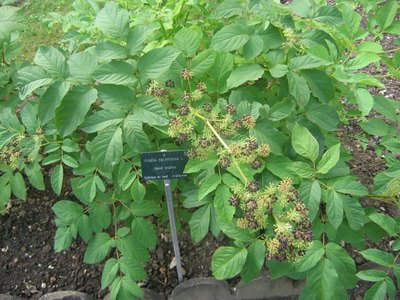 SpikenardAralia Racemosa
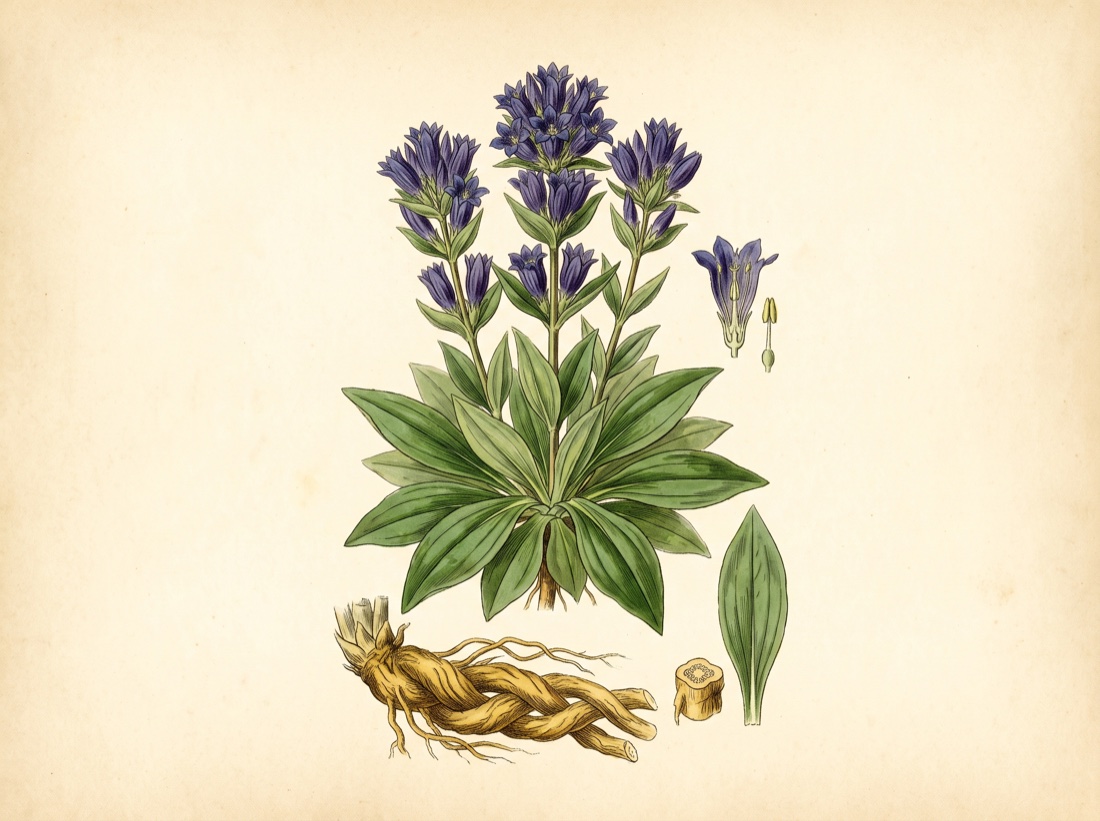 large-leaf gentianGentiana macrophylla
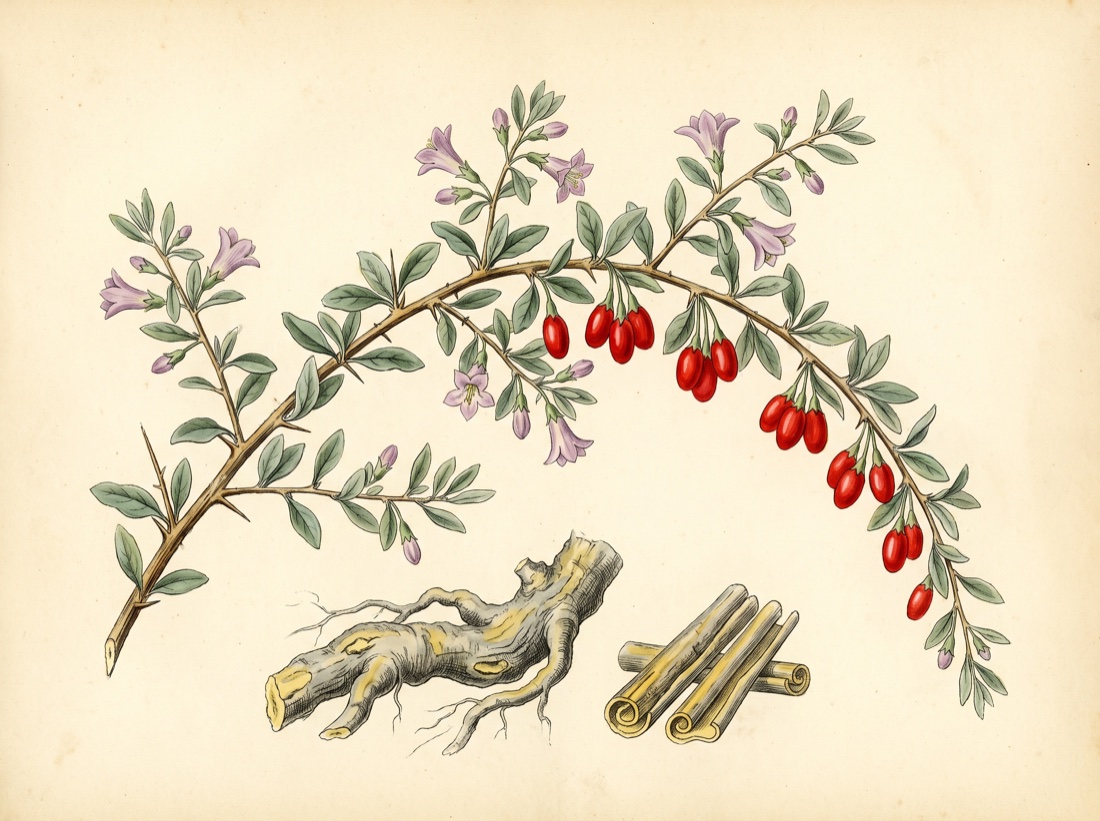 Chinese boxthornLycium chinense
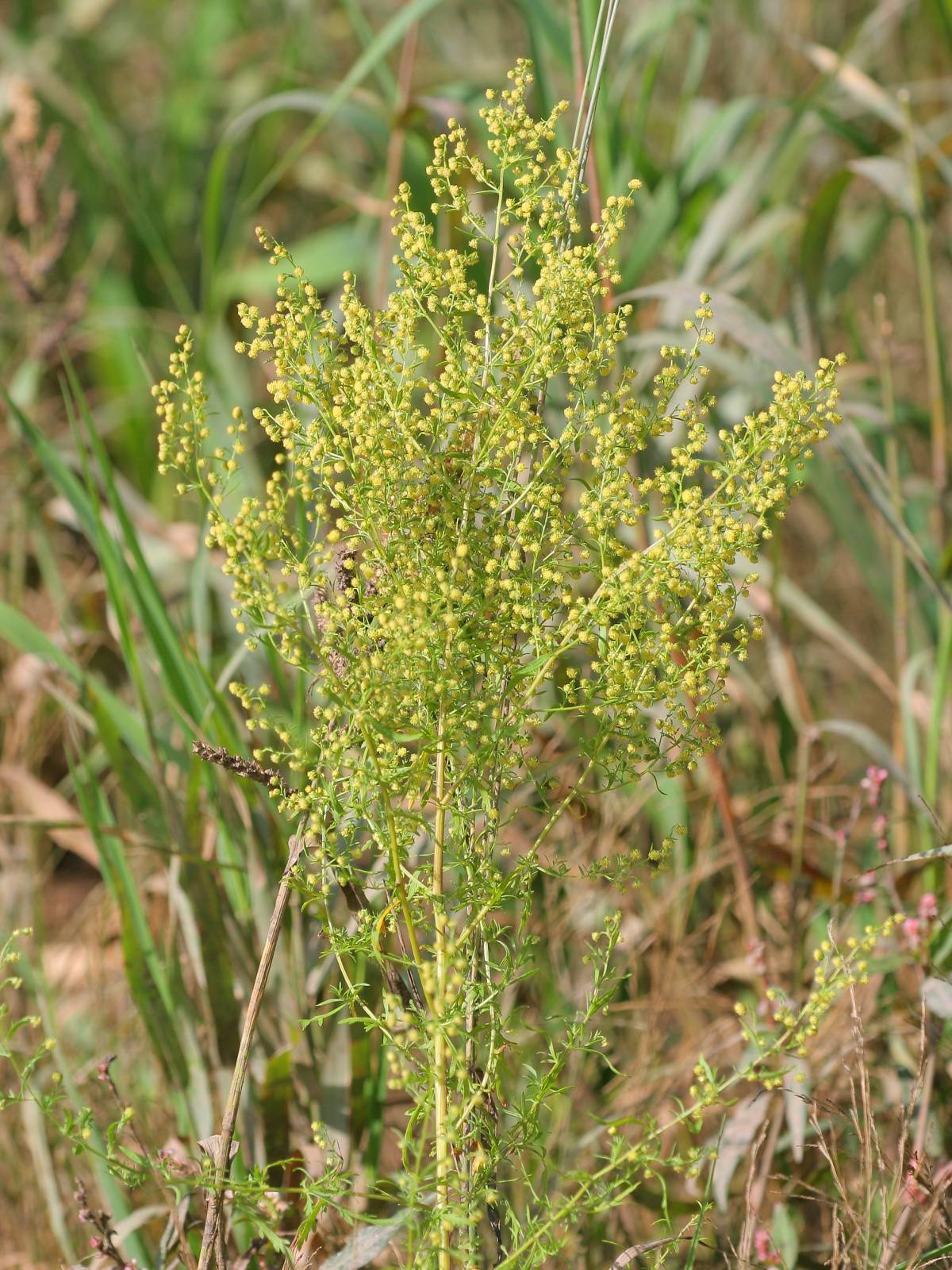 Sweet WormwoodArtemisia annua
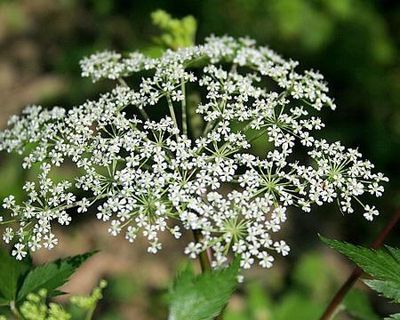 Dong QuaiAngelica sinensis
Nearby on the shelf
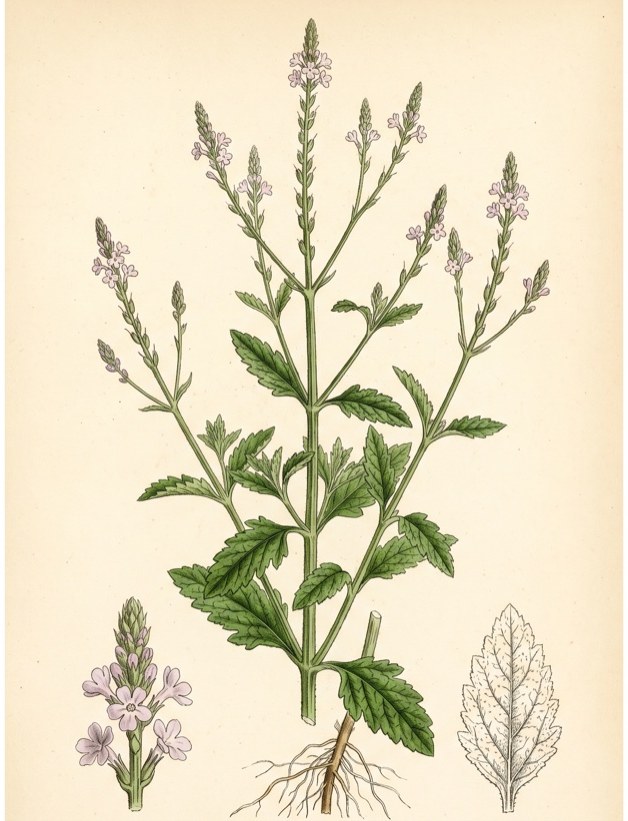 VervainVerbena officinalis
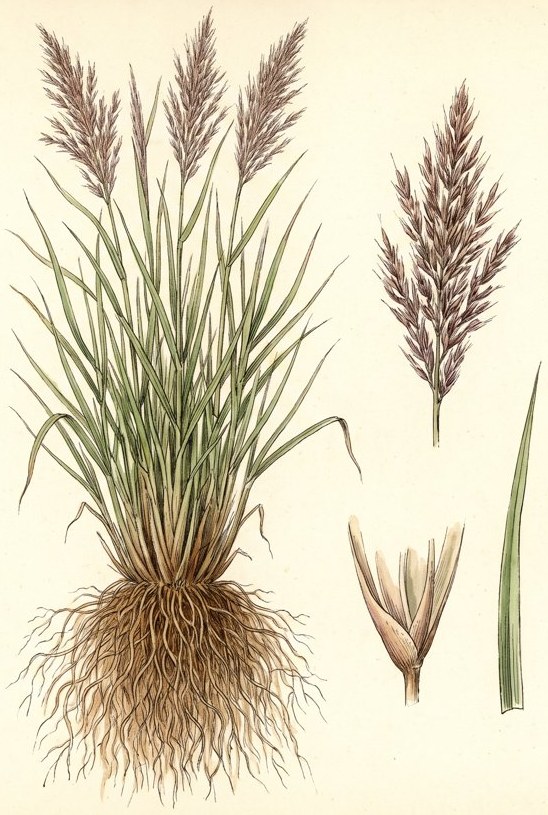 VetiverChrysopogon zizanioides
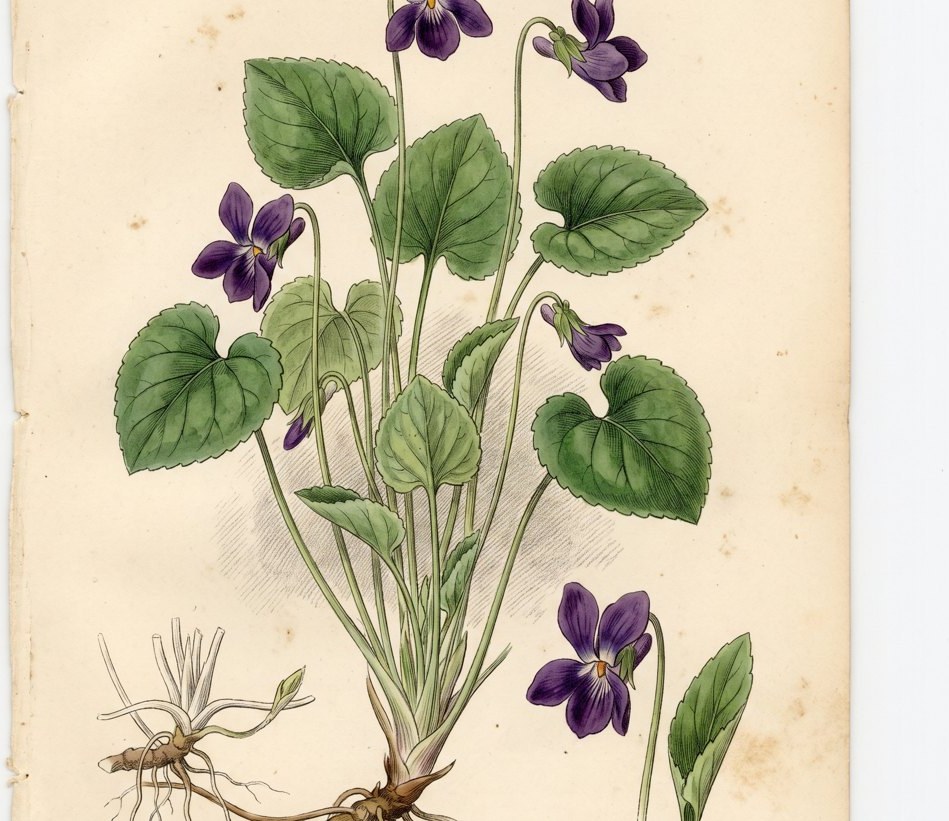 VioletViola
 Virgin's bowerClematis virginiana
 Wafer ashPtelea trifoliata
 WahooEuonymus atropurpureus
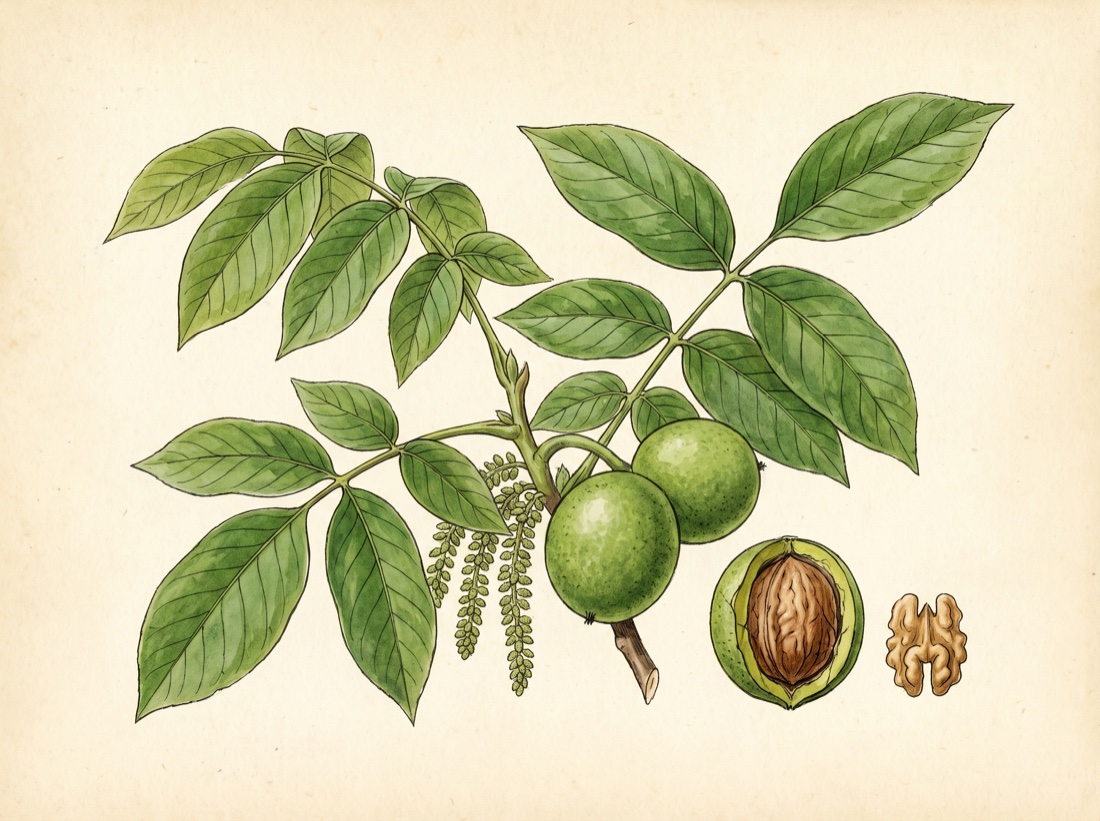 WalnutJuglans regia
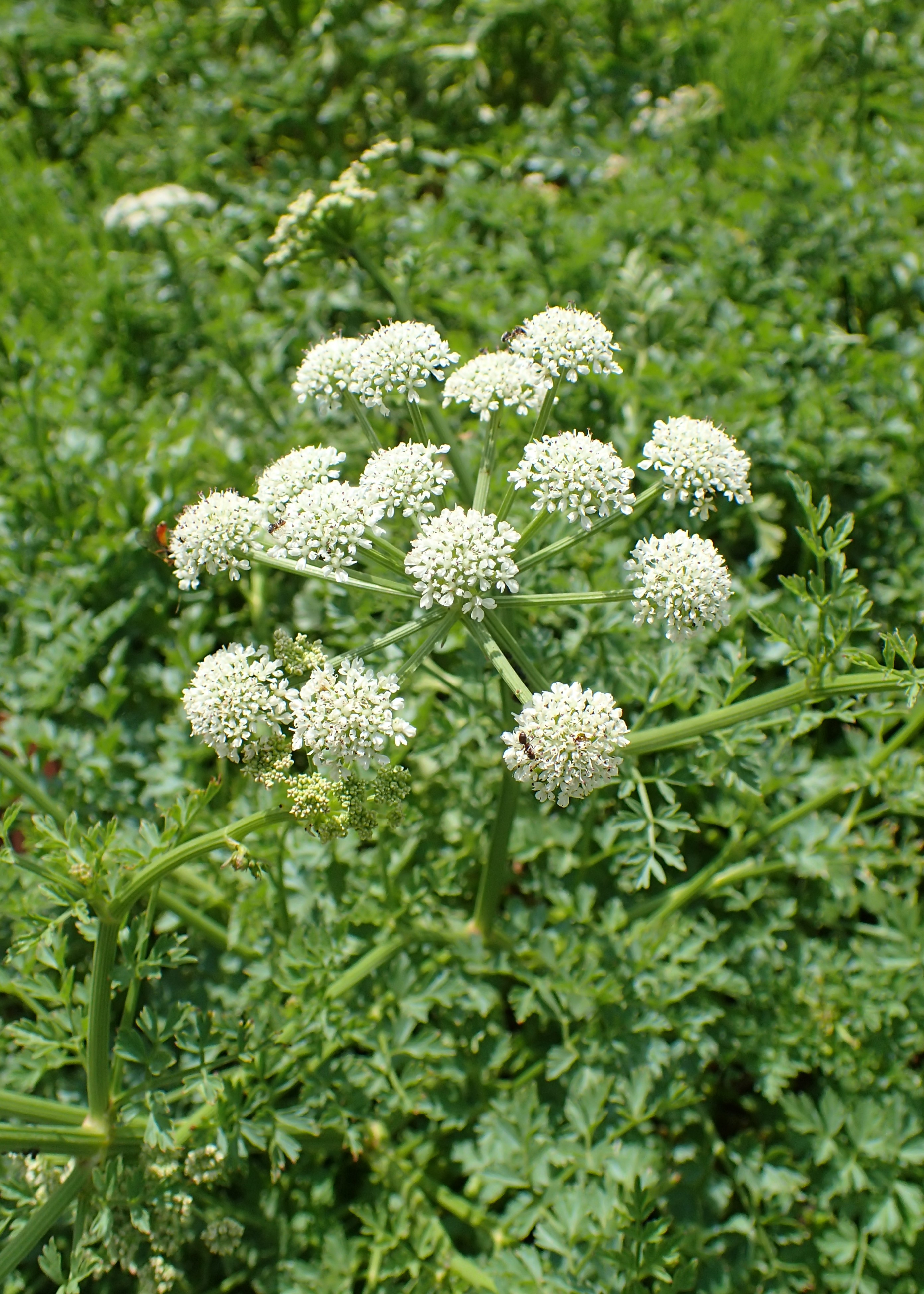 Water fennelPhellandrium
The whole plate is in the library. The compass, Compare, the Sky of eleven hundred plants and the formulary open with an email address and a password, free, with the formula builder and its safety engine. Herbert without limit, his formulating, clients, the handouts and the labels are the paid room.
Open the library, free