Western Herbalism
Wafer ash
Ptelea trifoliata
Also known as Hop tree, Wing seed, Shrubby trefoil, Stinking ash, Swamp dogwood (regional, misapplied), Ptelea, Swamp dogwood.
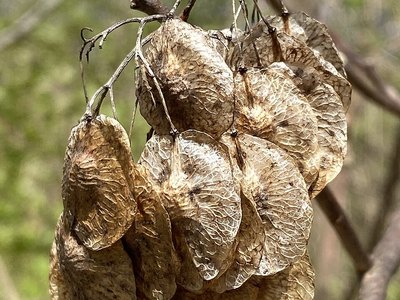
Ptelea trifoliata, commonly called hop tree or wafer ash, is a small tree or tall shrub native to eastern and central North America, in the same family as prickly ash and citrus. It bears distinctive winged, wafer-like fruits, from which its common names derive, and its root bark was the part valued in nineteenth century Eclectic medicine. Eclectic physicians prized it as a clean, intensely bitter tonic, sometimes described as a mild substitute for quinine-based bitters in weak, convalescent patients. The dried fruit has historically been used in home brewing as a hop substitute, giving rise to the name hop tree.

Ask Herbert about Wafer ash. Herbert is the master herbalist inside Bountiful Herbs: he answers from this plate and eleven hundred others, with dosing, pairing and cautions. Your first ten questions are free.
Ask HerbertActions
Indications what the tradition reached for it in
- Atonic dyspepsia with poor appetite
- Debility during convalescence after acute illness
- Anorexia from low vitality
- Chronic gastritis with sluggish digestion
- Low-grade intermittent fevers as an adjunct tonic
- General fatigue with weak digestion
- Sluggish liver function with dull appetite
- Poor nutrient assimilation in the elderly or debilitated
Specific indications
Weak, atonic digestion with loss of appetite and low vitality after acute illness, calling for a clean, non-astringent bitter
Sluggish, torpid digestion with a coated tongue and dull, unenthusiastic appetite, unresponsive to milder bitters
Asthmatic dyspnea; chronic diseases with constriction of chest and short breathing.
Safety
The record lists 3 contraindications; open the plate in the library to read them in full.
In practice
Hop tree root bark was reached for by Eclectic practitioners as a gentle, non-astringent bitter tonic for patients whose digestion had become weak and appetite poor, particularly during convalescence from fevers or prolonged illness.
Dosing as the sources wrote it
| Preparation | As written | Metric |
|---|---|---|
| Tincture (1:5, fresh root bark, 45-60%) | 1-2 mL three times daily before meals | 1-2 mL |
| Fluid extract (1:1) | 0.3-1 mL three times daily before meals | 0.3-1 mL |
| Dose of the powder, ten to fifteen grains three times a day | 648-972 mg | |
| Dose, on sugar, one or two drops | 0.04-0.04 mL | |
| Specific Medicine Ptelea | Dose, from one to twenty minims. | 0.06-1.23 mL |
| Dose, 5 to 30 grains. | 324-1944 mg |
Doses are reproduced from the sources for practitioners and are not a recommendation for any person.
From the sources
Overview. Ptelea trifoliata, commonly called hop tree or wafer ash, is a small tree or tall shrub native to eastern and central North America, in the same family as prickly ash and citrus. It bears distinctive winged, wafer-like fruits, from which its common names derive, and its root bark was the part valued in nineteenth century Eclectic medicine. Eclectic physicians prized it as a clean, intensely bitter tonic, sometimes described as a mild substitute for quinine-based bitters in weak, convalescent patients. The dried fruit has historically been used in home brewing as a hop substitute, giving rise to the name hop tree.
Clinical Notes. Hop tree root bark was reached for by Eclectic practitioners as a gentle, non-astringent bitter tonic for patients whose digestion had become weak and appetite poor, particularly during convalescence from fevers or prolonged illness.
Action and Therapy. Ptelea is regarded by some as second only to hydrastis as a tonic. It acts as a sedative to irritated membranes, and is said to be tolerated by the stomach when other tonics might aggravate. The field in which it has been mostly used is in convalescence from fevers, debility resulting from gastro-intestinal irritation, and in asthmatic seizures accompanied by a sense of constriction in the thorax.
Therapy. The agent is a mild tonic, exercising a direct influence upon the stomach and digestive apparatus, correcting certain faults of gastric secretion, overcoming dyspepsia and improving the appetite. It may be given to good advantage with other stomachic tonics and iron. It corrects atonic diarrhea and is of benefit in dysentery, its pungent properties and sufficient astringency renders it of benefit in mild cases. In full doses it acts upon the skin as a diaphoretic. It has been given in lung troubles, but we have other active remedies which produce more gratifying results.
Drawn from Cook's Physio-Medical Dispensatory; Scudder's Specific Medication and Specific Medicines; King's American Dispensatory, 18th edition (Felter and Lloyd); Ellingwood's American Materia Medica, Therapeutics and Pharmacognosy, and the Bountiful Herbs editorial.
Often paired with
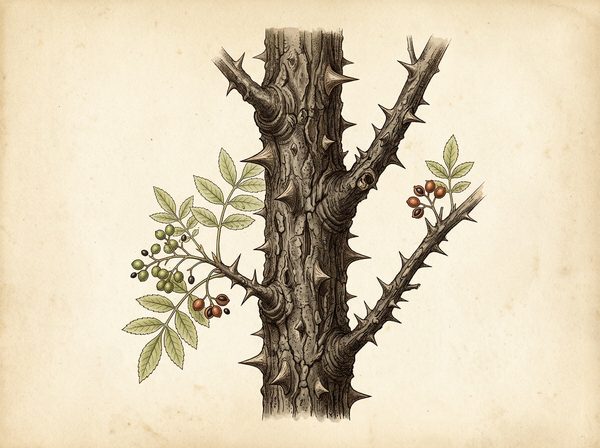 Prickly AshZanthoxylum americanum
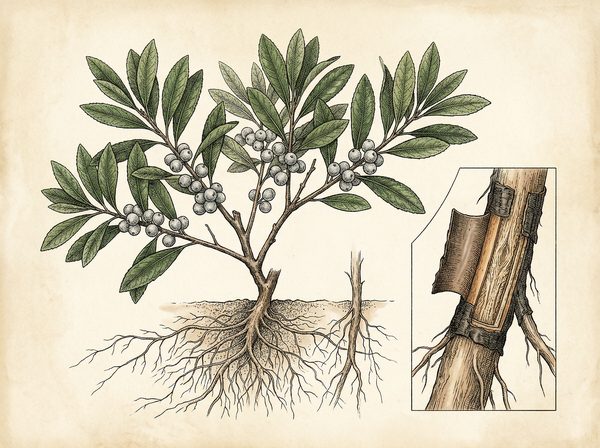 BayberryMyrica cerifera
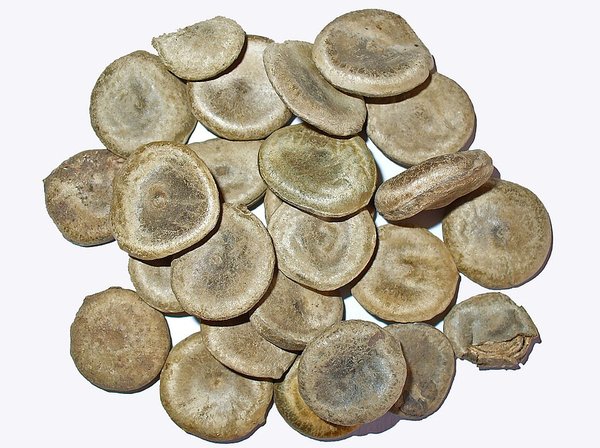 Nux VomicaStrychnos nux-vomica
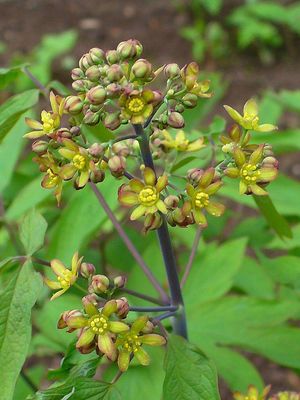 Blue cohoshCaulophyllum thalictroides
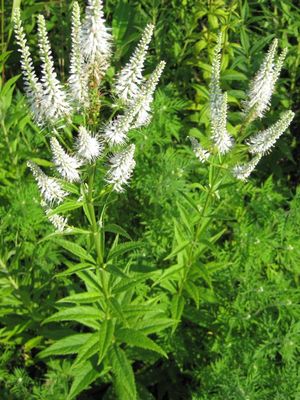 Culver's rootVeronicastrum virginicum
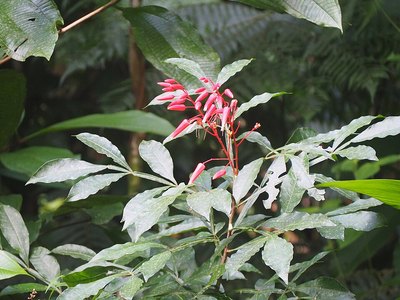 QuassiaQuassia amara
Nearby on the shelf
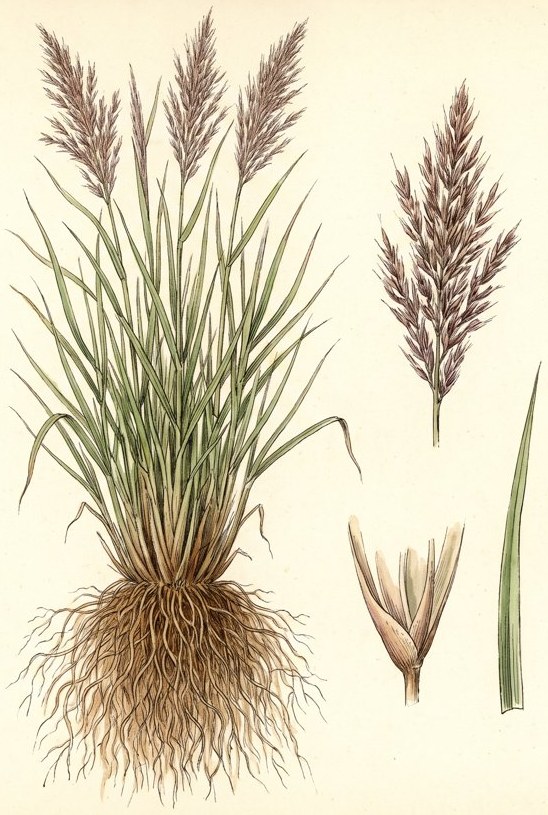 VetiverChrysopogon zizanioides
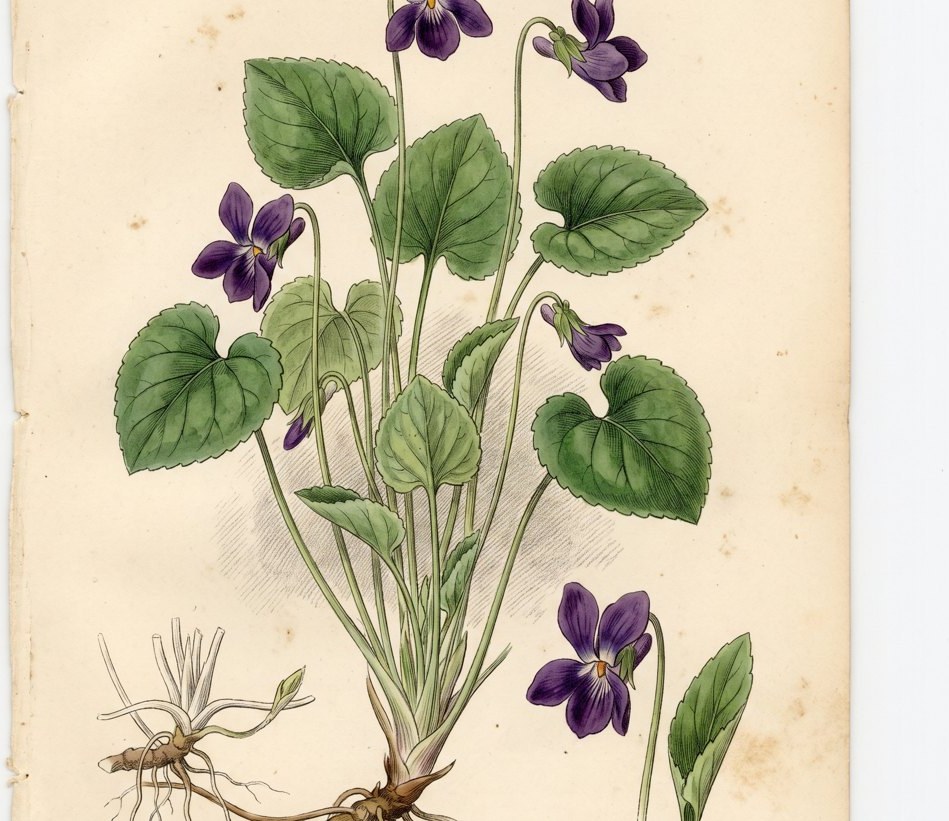 VioletViola
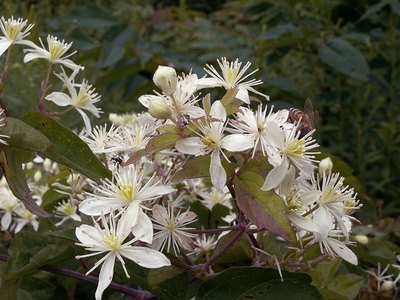 Virgin's bowerClematis virginiana
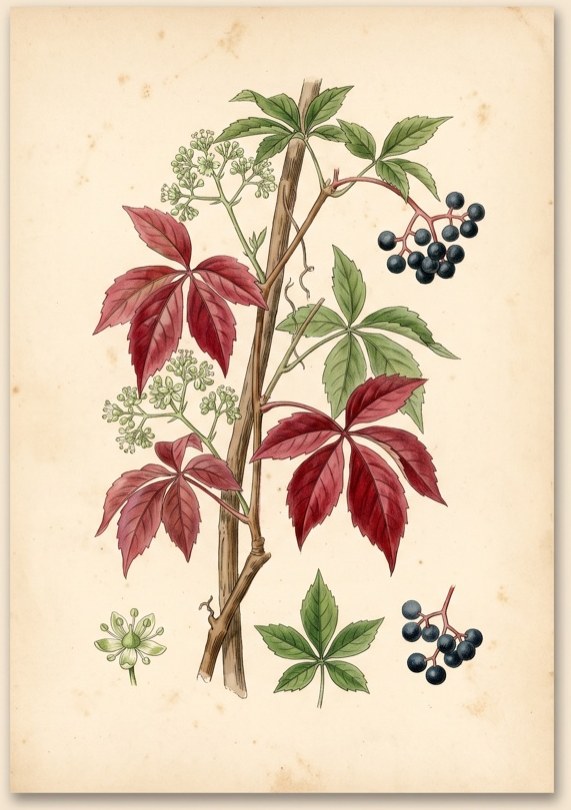 Virginia creeperAmpelosis quinquefolia
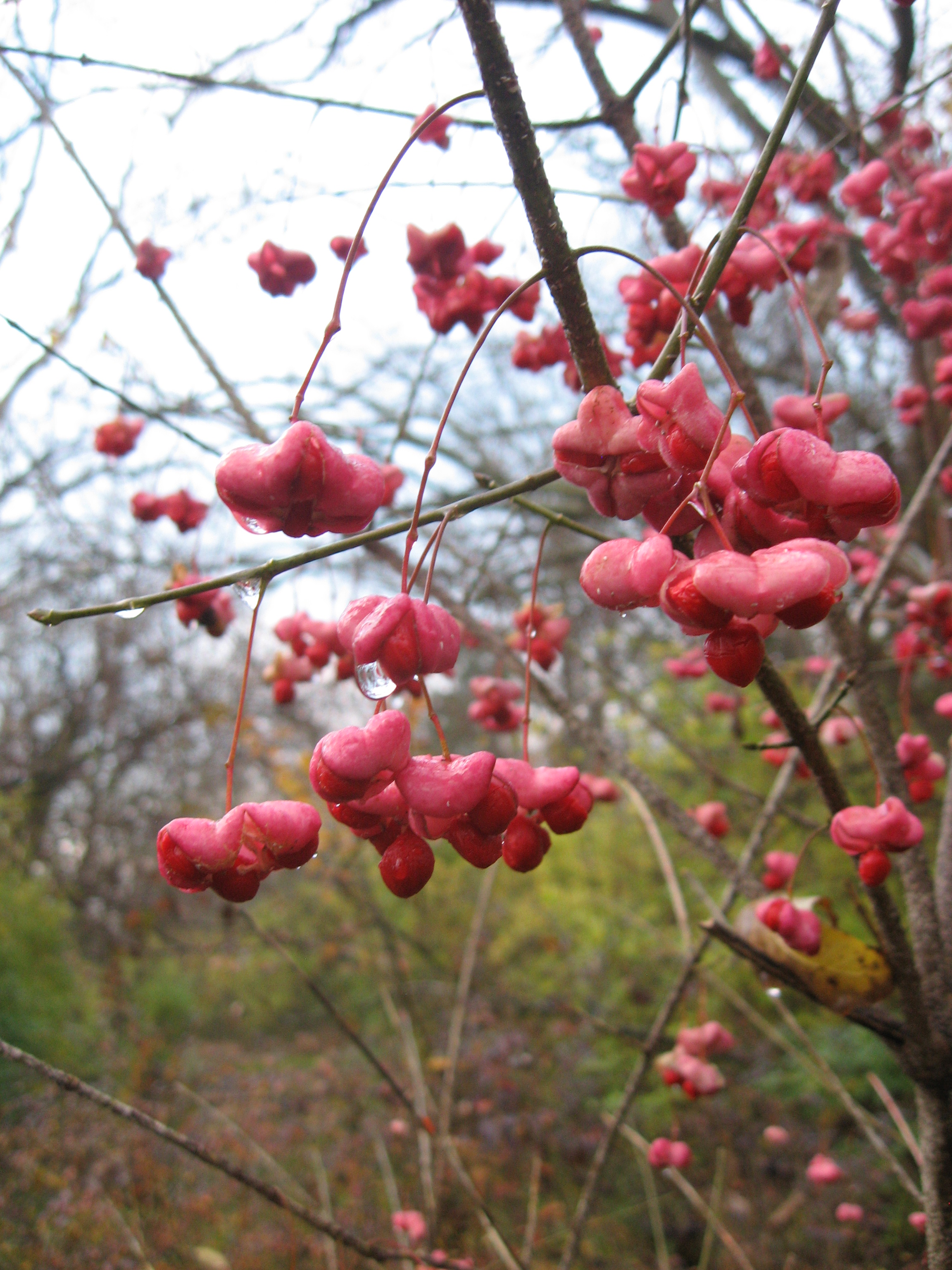 WahooEuonymus atropurpureus
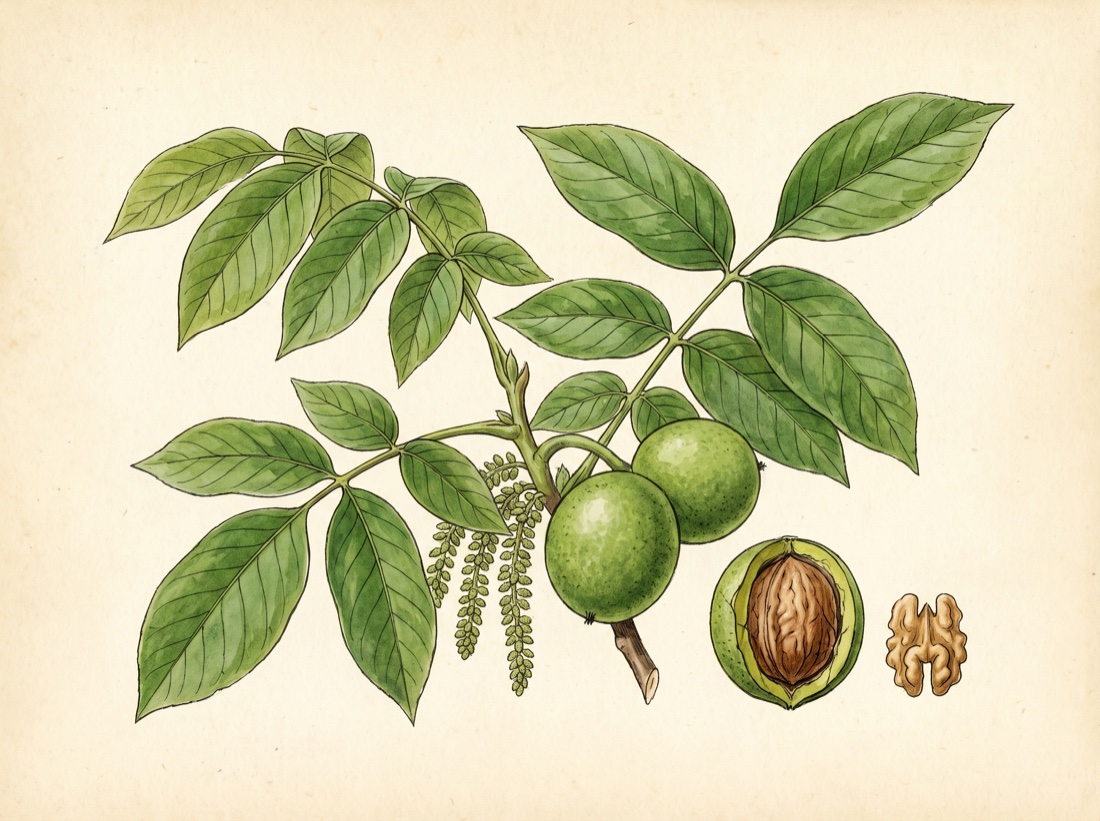 WalnutJuglans regia
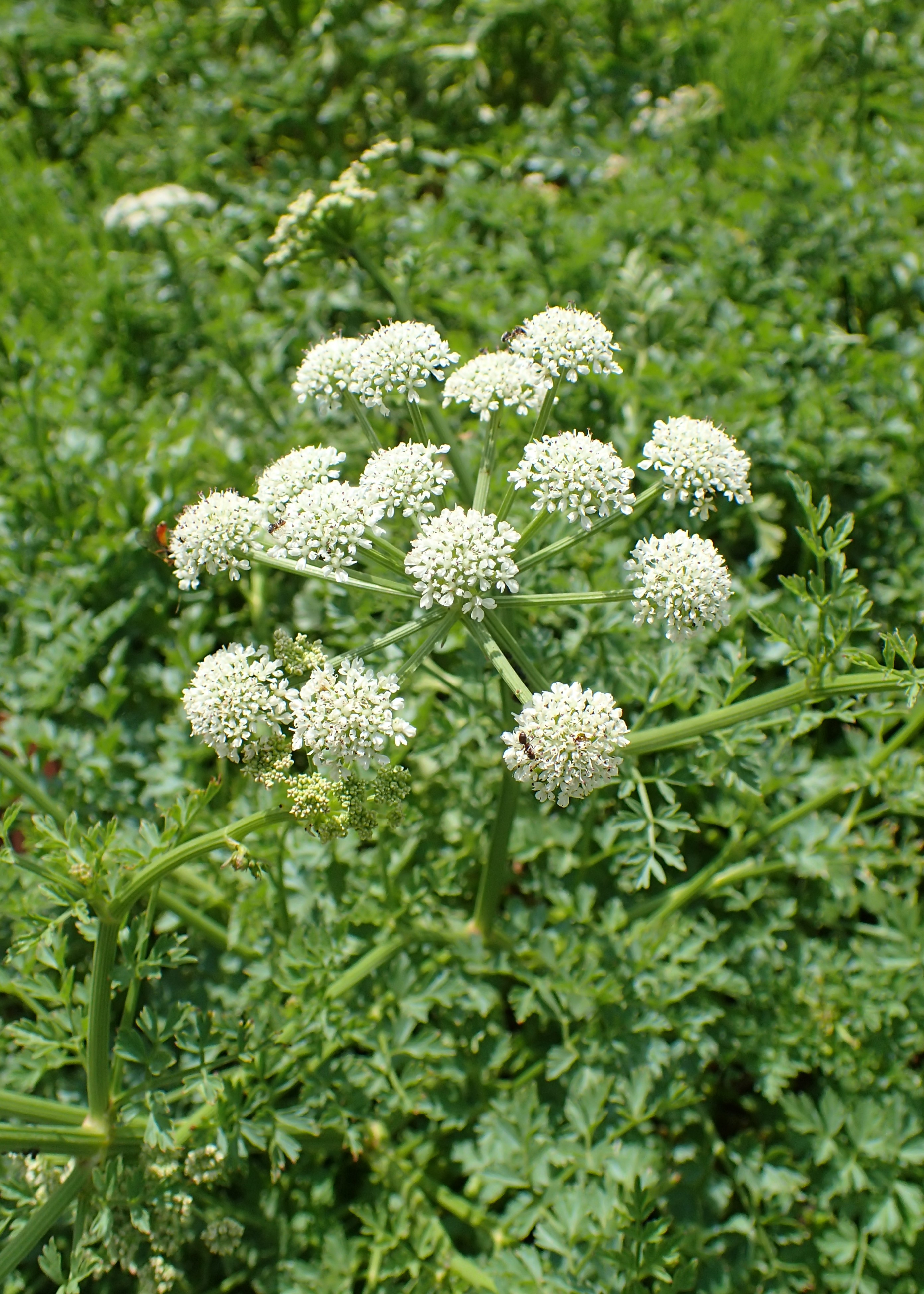 Water fennelPhellandrium
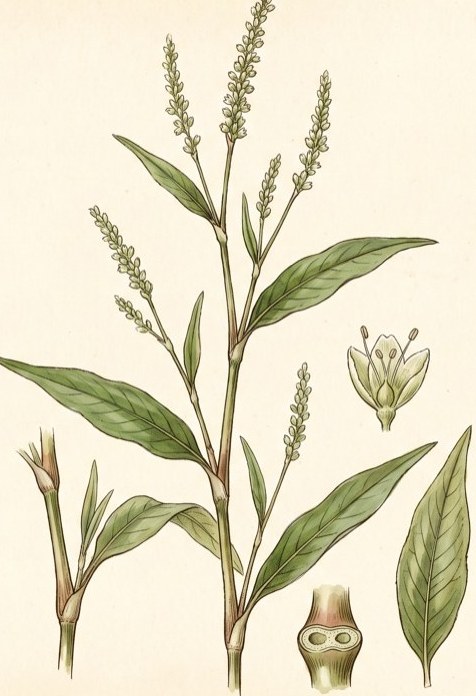 Water pepperPolygonum punctatum
The whole plate is in the library. The compass, Compare, the Sky of eleven hundred plants and the formulary open with an email address and a password, free, with the formula builder and its safety engine. Herbert without limit, his formulating, clients, the handouts and the labels are the paid room.
Open the library, free