Western, Chinese and Ayurvedic herbalism
Velvet Bean
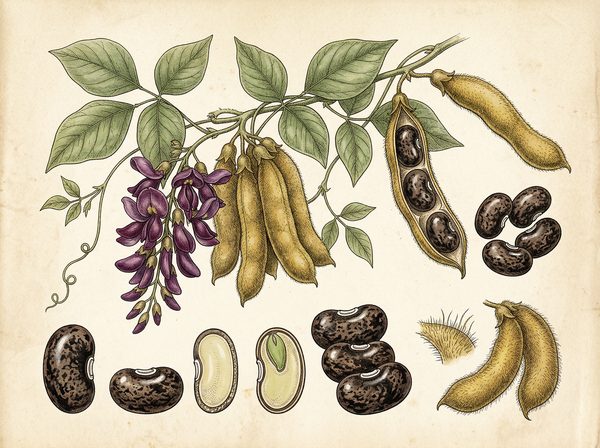
Mucuna pruriens
Also known as Cowhage, Cowitch, Kapikachchu, Cowage (Seta siliquae hirsutae), kapikacchu, itching bean, Bengal bean, cì máo lí dòu, Kapikacchu, Atmagupta.
Mucuna pruriens is a vigorous annual climbing legume of the Fabaceae with purple flowers and pods covered in orange hairs that cause intense itching on contact. It grows wild in scrub and forest margins across the plains and lower hills of India and is cultivated as a fodder and green manure crop; the seeds are the medicine. Ayurveda knows it as Kapikacchu or Atmagupta, the foremost vajikarana seed, a heavy, sweet, warming tonic for the reproductive and nervous systems, and its seeds are now valued worldwide as the richest natural source of L-dopa.
Ask Herbert about Velvet Bean. Herbert is the master herbalist inside Bountiful Herbs: he answers from this plate and eleven hundred others, with dosing, pairing and cautions. Your first ten questions are free.
Ask HerbertActions
Indications what the tradition reached for it in
- Sciatica
- Low libido
- Bradykinesia
- Senile debility
- Low motility
- Nervous disorders
- Dysuria
- Arthritis
- Parkinson's disease (tremors)
- Tinnitus
- Helminthiasis
- Male infertility
- Diabetes
- Stress
- Anxiety
- Ulcers
- Snake bites
- Backache
- Rigidity
- Infected wounds
- Nephropathy
- Amenorrhea
- Nervous exhaustion
- Neuralgia
- Hemiplegia
- Facial palsy
- Scorpion stings
- Low sperm count
- Burnout
- Fatigue
Specific indications
Age related muscle loss with tremulousness and poor sleep in a vata constitution
Safety
Low dose botanical. Used in drop doses in the classical practice; not a plant to dose freely.
Pregnancy: Pregnancy Caution
Breastfeeding: Lactation (source flag notSafeInLactation)
The record lists 8 contraindications; open the plate in the library to read them in full.
In Ayurveda
Rasa: madhura (sweet), tikta (bitter). Virya: ushna (heating). Vipaka: madhura (sweet). Guna: guru (heavy), snigdha (unctuous). Dosha: pacifies vata; increases kapha and, in excess, pitta. Prabhava: Vrishya: the seed is regarded as one of the strongest aphrodisiac and semen building drugs of the materia medica. Karma: vrishya (aphrodisiac); vajikarana (promotes sexual vigor and fertility); balya (strengthening); brimhana (nourishing, builds tissue); shukrala (increases semen); vatahara (pacifies vata); rasayana (rejuvenative); krimighna (anthelmintic, pod hairs); kaphakara (increases kapha). Classical indications: klaibya (male sexual dysfunction); shukra kshaya (depleted semen, low sperm); kampavata (tremor disorders including parkinsonism); vatavyadhi (neuromuscular disorders of vata); daurbalya (weakness and debility); krimi (worms, using the pod hairs); vandhyatva (infertility); pakshaghata (hemiplegia, as supportive tonic); vrishchika damsha (scorpion sting, root paste). The mature seed, dehusked and often roasted or boiled to remove the irritant coat, is powdered for churna and taken with warm milk or ghee; it enters vajikarana confections, ghritas and pak preparations, and the root is decocted for nervous disorders. The stinging pod hairs were given with jaggery as a mechanical vermifuge and are no longer used. Classical formulations: Kapikacchu churna, Vanari kalpa, Vanari gutika, Kapikacchu pak, Musali pak, Ashwagandhadi churna (variants), Kaunch pak. Described in: Charaka Samhita, Sushruta Samhita, Ashtanga Hridaya, Bhavaprakasha Nighantu, Dhanvantari Nighantu, Raja Nighantu, Kaiyadeva Nighantu, Ayurvedic Pharmacopoeia of India.
Dosing as the sources wrote it
| Preparation | As written | Metric |
|---|---|---|
| Seed powder: 3-10 g/day | 3000-10000 mg | |
| Standardized extract | Standardized extract (15-60% L-DOPA): 100-600 mg/day | 100-600 mg |
| Tincture | Tincture (1:5): 2-4 mL 1-2x/day | 2-4 mL |
| Decoction: 5-15 mL | 5-15 mL | |
| Dose, from 1 drachm to ½ ounce, in syrup or molasses, and followed a few hours afterward by a purgative. | 3888-15552 mg | |
| Churna | 3-6 g dehusked seed powder daily with warm milk | 3000-6000 mg |
Doses are reproduced from the sources for practitioners and are not a recommendation for any person.
From the sources
Overview. Mucuna pruriens is a vigorous annual climbing legume of the Fabaceae with purple flowers and pods covered in orange hairs that cause intense itching on contact. It grows wild in scrub and forest margins across the plains and lower hills of India and is cultivated as a fodder and green manure crop; the seeds are the medicine. Ayurveda knows it as Kapikacchu or Atmagupta, the foremost vajikarana seed, a heavy, sweet, warming tonic for the reproductive and nervous systems, and its seeds are now valued worldwide as the richest natural source of L-dopa.
Clinical Notes. Seeds require processing (boiling/roasting) to reduce anti-nutritional factors and toxicity Natural L-DOPA may provide neuroprotection with fewer side effects than synthetic Ayurvedic Rasayana (rejuvenative) Use under medical supervision due to L-DOPA content Pod hairs cause severe skin irritation
Clinical Notes. The Ayurvedic practitioner gives Kapikacchu to build shukra and steady vata: the man with low sperm count or sexual weakness, the thin patient with tremor and wasting, the elder whose strength is failing.
Properties and Uses. The hairs or bristles of cowhage pods are employed as a vermifuge, and seem to act against the several species of worms, except the tape-worm. They are given in substance, and seem to act by piercing the worm, as no fluid preparation of them is of any worth as a vermifuge.
Drawn from Cook's Physio-Medical Dispensatory; King's American Dispensatory, 18th edition (Felter and Lloyd), and the Bountiful Herbs editorial.
In formulas
Velvet Bean stands in 11 documented formulas in the library, among them Kuṭajāriṣta, Mṛtasaṅjīvanī Surā, Miśreyārka, Amṛtaprāśa Ghṛta, Mahā Kalyāṇaka Ghṛta, Vastyāmayāntaka Ghṛta.
Often paired with
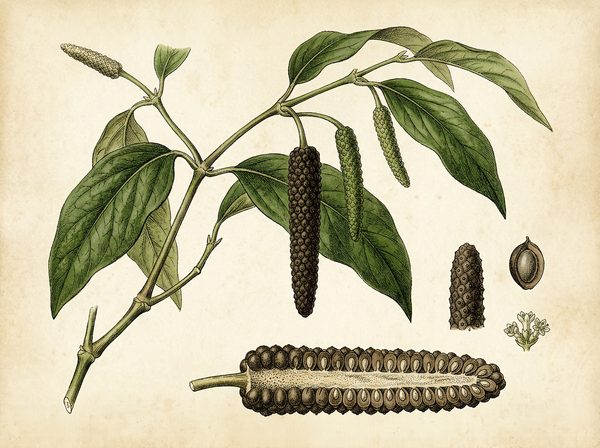 long pepperPiper longum
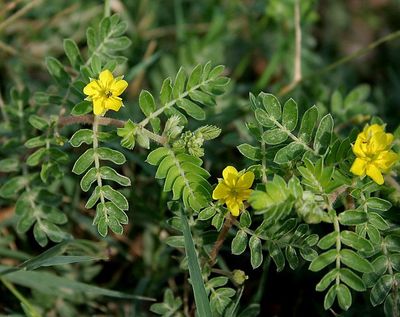 puncture vineTribulus terrestris
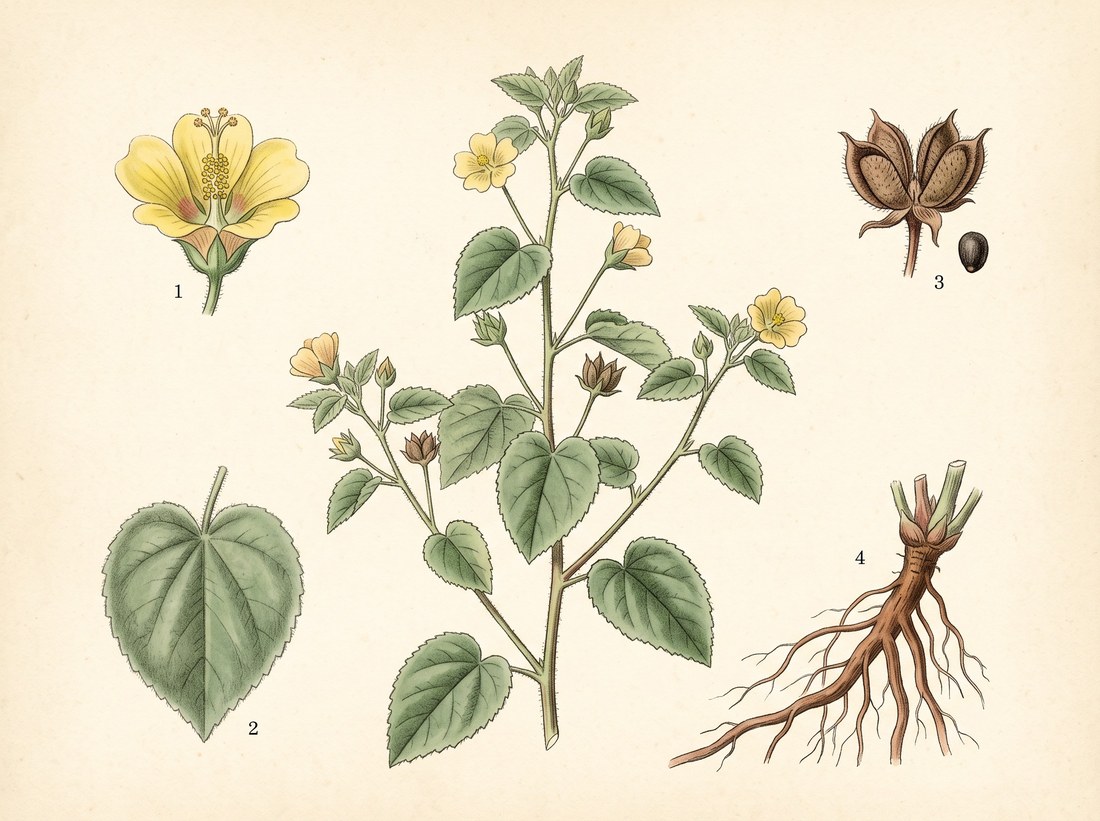 balaSida cordifolia
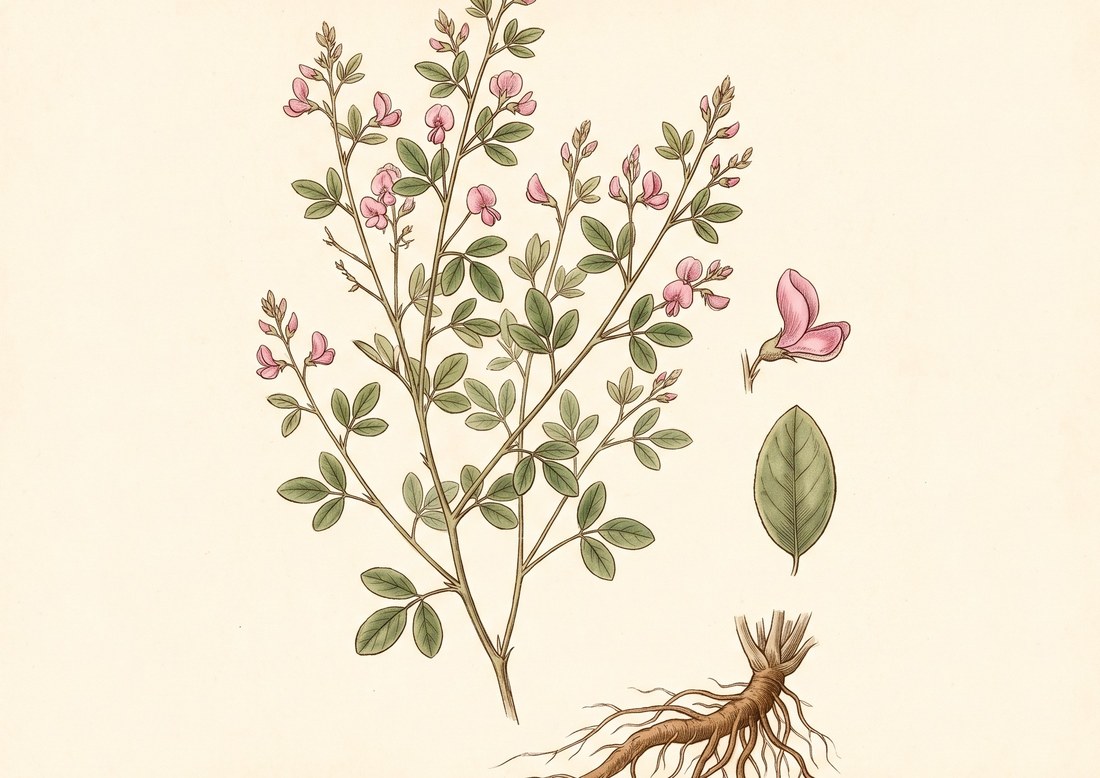 shalparniDesmodium gangeticum
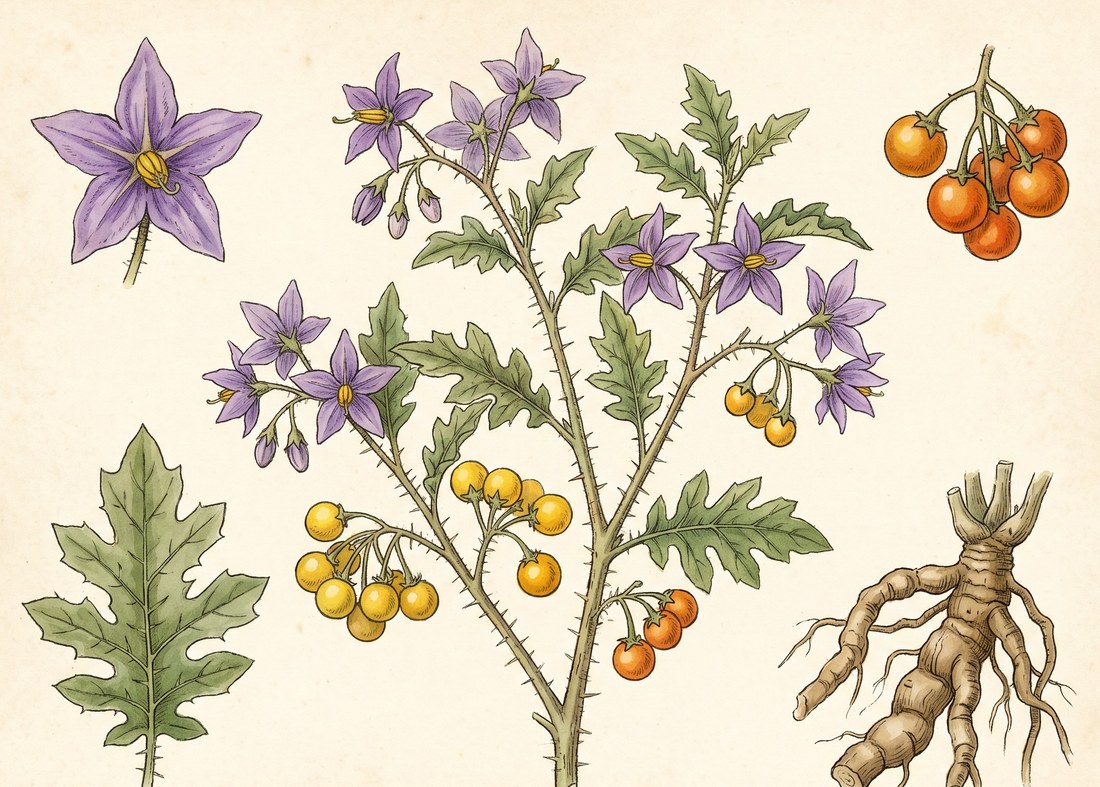 Indian nightshadeSolanum indicum
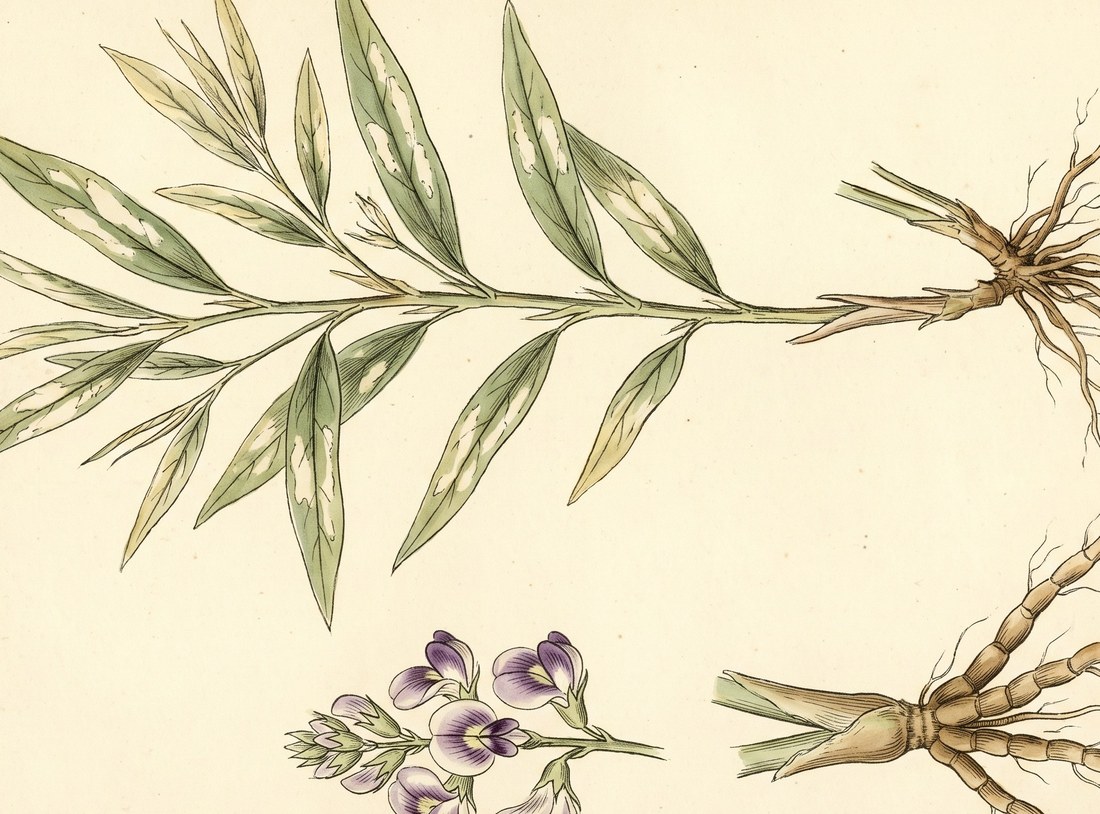 prishniparniUraria picta
Nearby on the shelf
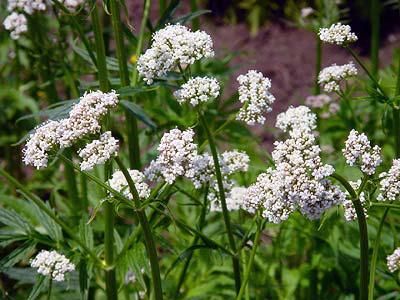 ValerianValeriana officinalis
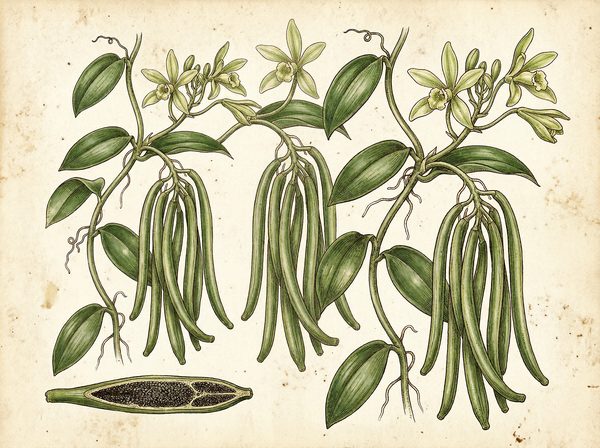 VanillaVanilla planifolia
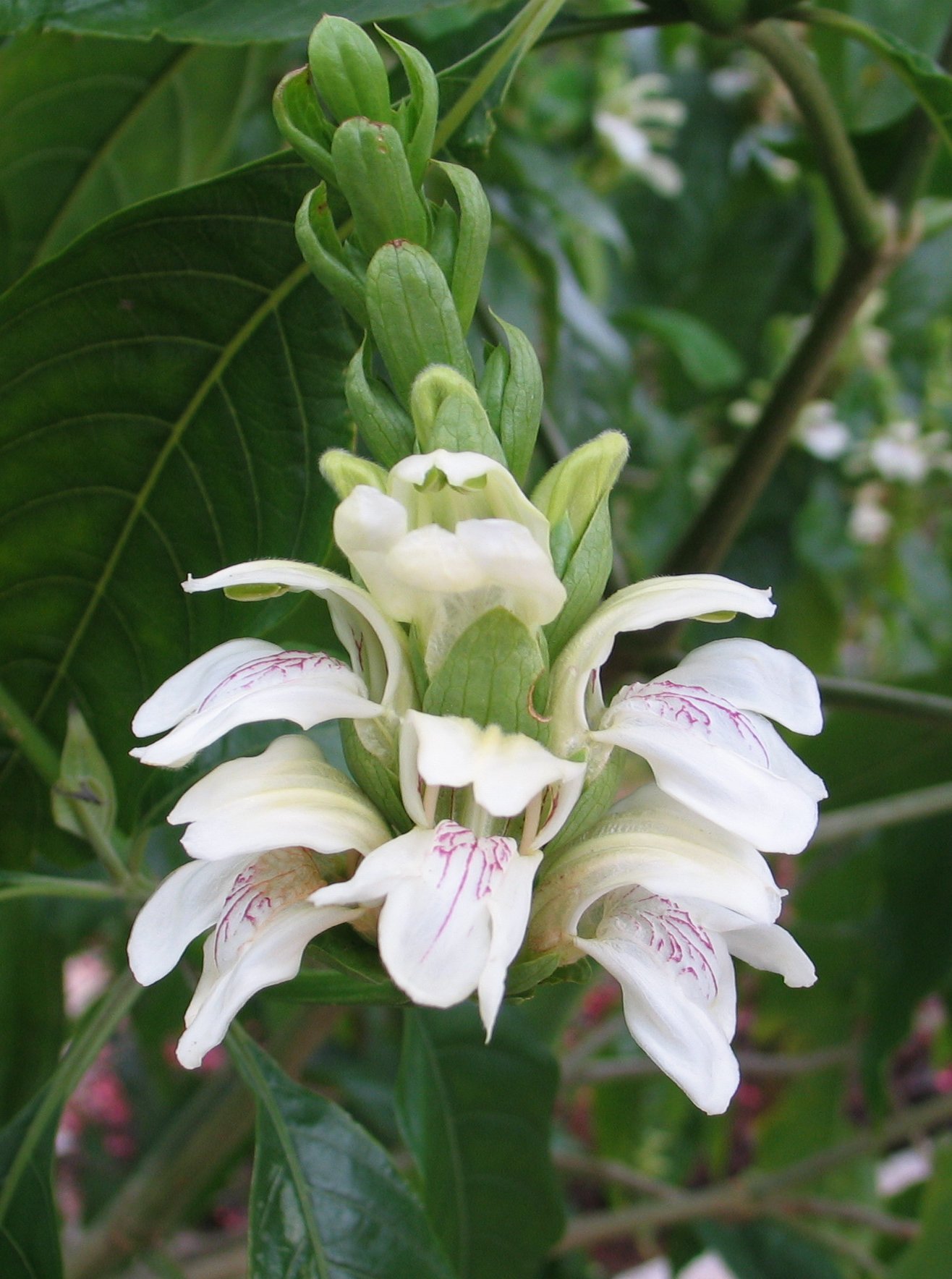 VasakaAdhatoda vasica
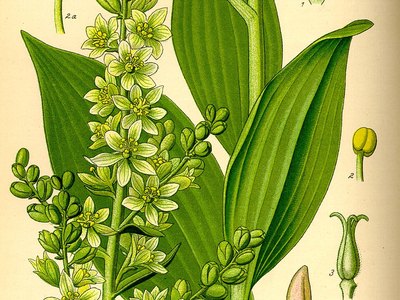 Veratrum AlbumWhite Hellebore
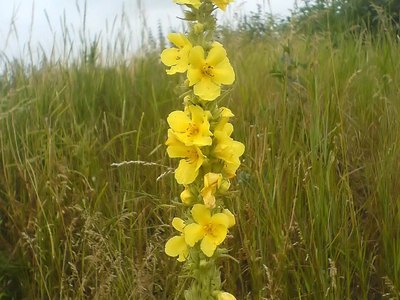 Verbascum densiflorumVerbascum densiflorum
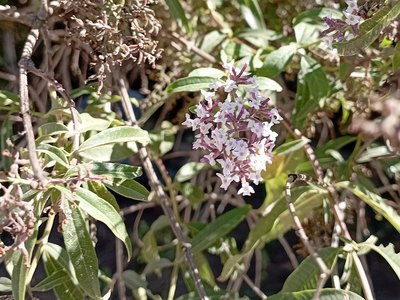 Verbena triphylla L'HerAloysia triphylla
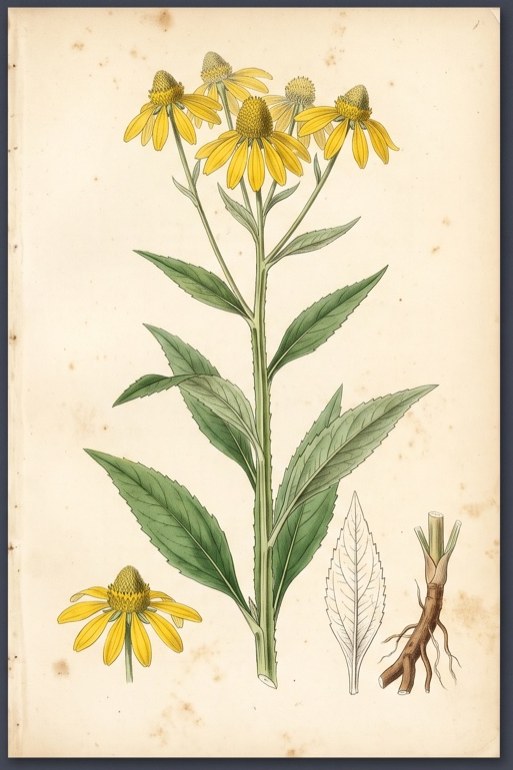 VerbesinaVerbesina
The whole plate is in the library. The compass, Compare, the Sky of eleven hundred plants and the formulary open with an email address and a password, free, with the formula builder and its safety engine. Herbert without limit, his formulating, clients, the handouts and the labels are the paid room.
Open the library, free