Western, Chinese and Ayurvedic herbalism
Henbane
Hyoscyamus niger
Also known as Hyoscyamus, black henbane, stinking nightshade, Khurasani ajwain, làng táng zǐ, làng dàng, tiān xiān zǐ.
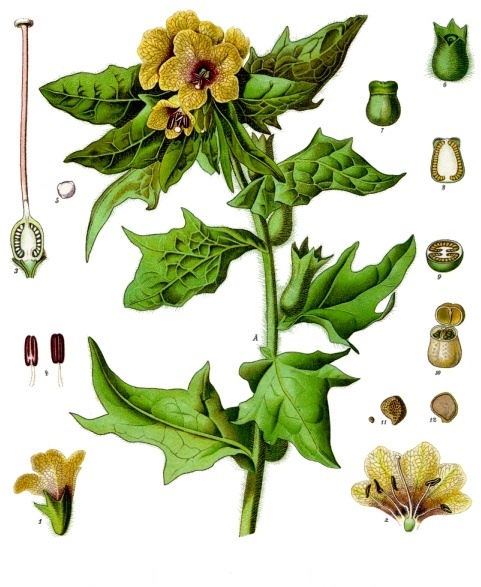
Hyoscyamus niger is a coarse, sticky, foul smelling annual or biennial of the nightshade family with lobed hairy leaves and dull yellow flowers veined in purple, native to Europe and western Asia and naturalized in the western Himalaya, Kashmir and parts of northern India, where its seeds are collected. It reached Indian medicine from Persia, as its Sanskrit name Parasika yavani, the Persian ajwain, records, and it is described in the later nighantus as an intoxicating, pain relieving, sleep inducing seed used in tiny doses. It is the henbane of Western pharmacy and the source of hyoscyamine and scopolamine. It is a restricted, potentially lethal drug.
Ask Herbert about Henbane. Herbert is the master herbalist inside Bountiful Herbs: he answers from this plate and eleven hundred others, with dosing, pairing and cautions. Your first ten questions are free.
Ask HerbertActions
Indications what the tradition reached for it in
- Urinary tract infection
- Kidney stone
- Motion sickness
- Muscle spasms (severe)
- Interstitial cystitis
- Pain
- Pain (severe)
- Anxiety
- Colic
- Cramps
- Insomnia
- Muscle spasms
- Restlessness
- Infection
- Nausea
- Urinary complaints
- Spasmodic colic of the gut, bile duct or ureter (restricted, supervised)
- Painful diarrhea with cramping
- Insomnia with pain and restlessness (restricted)
- Spasmodic cough and asthma (historical, as smoke)
- Toothache and neuralgia (topical or smoke, historical)
- Bladder spasm and urinary frequency
- Tremor and rigidity (historical antiparkinsonian use)
- Motion sickness and vomiting (scopolamine, pharmaceutical)
- Painful joints and neuralgia (seed oil, topical)
- Excess salivation and secretions
- Agitation and mania (historical, dangerous)
Safety
Recognised toxicity. This plant carries a toxicity flag in the record; it is for trained practitioners only.
Low dose botanical. Used in drop doses in the classical practice; not a plant to dose freely.
Pregnancy: Pregnancy Caution
Breastfeeding: Lactation
The record lists 11 contraindications; open the plate in the library to read them in full.
In Ayurveda
Rasa: tikta (bitter), katu (pungent). Virya: ushna (heating). Vipaka: katu (pungent). Guna: laghu (light), ruksha (dry), tikshna (sharp), vyavayi (spreads quickly), madakari (intoxicating). Dosha: pacifies vata and kapha; aggravates pitta; disturbs the mind in excess. Prabhava: madakari (intoxicant) and vedanasthapana (pain relieving), a specific action independent of its taste. Karma: vedanasthapana (relieves pain); nidrajanana (induces sleep); madakari (intoxicant, sedative); shulaprashamana (relieves colic); grahi (checks diarrhea and discharges); kaphahara (reduces kapha); shvasahara (relieves dyspnea, as smoke); krimighna (anthelmintic); akshepahara (antispasmodic); mutrasangrahaniya (reduces urinary frequency). Classical indications: shula (colic and spasmodic pain); anidra (insomnia); unmada (mania, agitation); atisara (diarrhea); pravahika (dysentery); kasa (spasmodic cough); shvasa (asthma, as fumigation); dantashula (toothache, as smoke or local application); akshepaka (convulsions and spasms); krimi (worms); mutratisara (urinary frequency). The seed is the drug of the Indian tradition, used in very small doses as churna with sugar or in compound powders for pain, colic, diarrhea and sleeplessness, and burned so the smoke can be inhaled for toothache and asthma; the seed oil and paste are applied to painful joints. The leaf is the Western drug and is little used in India. It entered Ayurveda from Persian and Unani practice and is treated as a controlled, potent drug. Classical formulations: Parasika yavani churna (with sugar, low dose), Compound powders for shula and atisara (regional), Dhupana for dantashula (seed smoke), Taila for external use on painful joints, Unani compounds containing Bazr ul banj. Described in: Bhavaprakasha Nighantu, Raja Nighantu, Ayurvedic Pharmacopoeia of India.
Dosing as the sources wrote it
| Preparation | As written | Metric |
|---|---|---|
| Tincture (1:10) | 2-10 gtts TID (always start low dose | 0.04-0.2 mL |
| Extractum Hyoscyami, Extract of Hyoscyamus | Dose, from one to two grains. | 64.8-130 mg |
| Extractum Hyoscyami Fluidum, Fluid Extract of Hyoscyamus | Dose, from five to twenty minims. | 0.31-1.23 mL |
| Specific Hyoscyamus | Dose, from one to ten minims. | 0.06-0.62 mL |
| I add the above to two ounces of water or other simple menstruum, and give it in teaspoonful doses every ten, twenty or thirty minutes until the first effects are observed. | 62207 mg | |
| The alkaloid Hyoscyamine Sulphate, in doses of one-eightieth of a grain, works better often than other forms of the agent in paralysis agitans , locomotor ataxia, the tremors of old age, and in tetanus. | 64.8-64.8 mg |
Doses are reproduced from the sources for practitioners and are not a recommendation for any person.
From the sources
Overview. Hyoscyamus niger is a coarse, sticky, foul smelling annual or biennial of the nightshade family with lobed hairy leaves and dull yellow flowers veined in purple, native to Europe and western Asia and naturalized in the western Himalaya, Kashmir and parts of northern India, where its seeds are collected. It reached Indian medicine from Persia, as its Sanskrit name Parasika yavani, the Persian ajwain, records, and it is described in the later nighantus as an intoxicating, pain relieving, sleep inducing seed used in tiny doses. It is the henbane of Western pharmacy and the source of hyoscyamine and scopolamine. It is a restricted, potentially lethal drug.
Clinical Notes. Atropine to scopolamine ration in mature plants=1.2:1 Toxicity=Call 911, GI lavage, induce vomiting, tannins Toxicity-red as a beet, dry as a bone, mad as a hatter, blind as a bat
Clinical Notes. In the Indian tradition Parasika yavani is a drug of the later texts and of Unani practice, given in doses of a fraction of a gram of seed powder with sugar for colic, cramping diarrhea, painful spasm and sleeplessness, and burned so the smoke may be drawn over an aching tooth or inhaled for spasmodic asthma.
Therapy. According to the dose in which it is administered hyoscyamus is a cerebral stimulant or a cerebral sedative. It is largely used under conditions in which opium would be indicated, but is not acceptable on account of the constipation, nausea, and headache induced by it.
Drawn from Scudder's Specific Medication and Specific Medicines; King's American Dispensatory, 18th edition (Felter and Lloyd); Ellingwood's American Materia Medica, Therapeutics and Pharmacognosy; Felter's Eclectic Materia Medica, Pharmacology and Therapeutics, and the Bountiful Herbs editorial.
In formulas
Henbane stands in 14 documented formulas in the library, among them Karpūrādyarka, Balā Taila, Sahacarādi Taila, Paṅca Guṇa Taila.
Often paired with
 hriberaColeus vettiveroides
 sandalwoodSantalum album
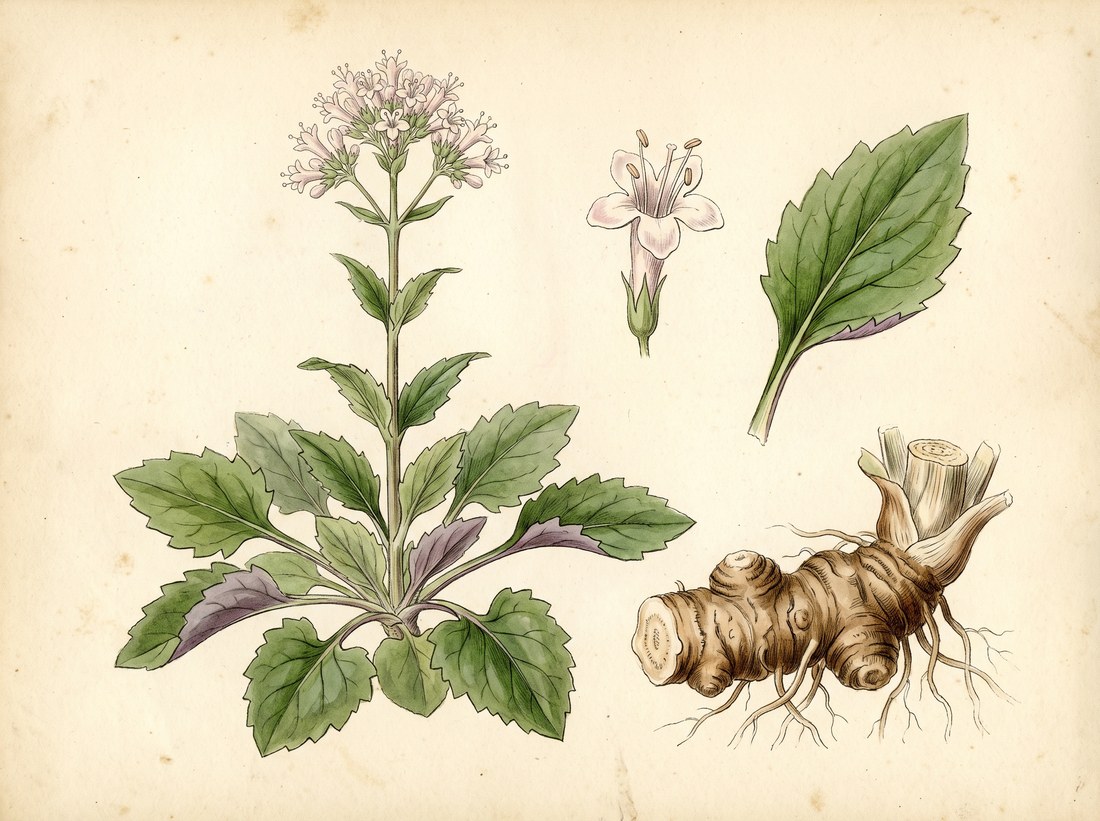 Indian valerianValeriana jatamansi
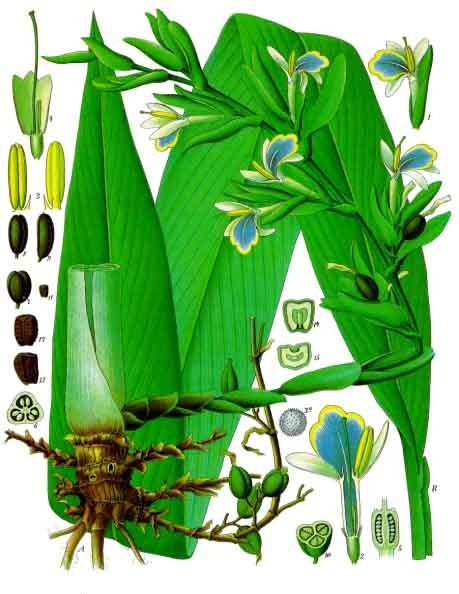 cardamomElettaria cardamomum
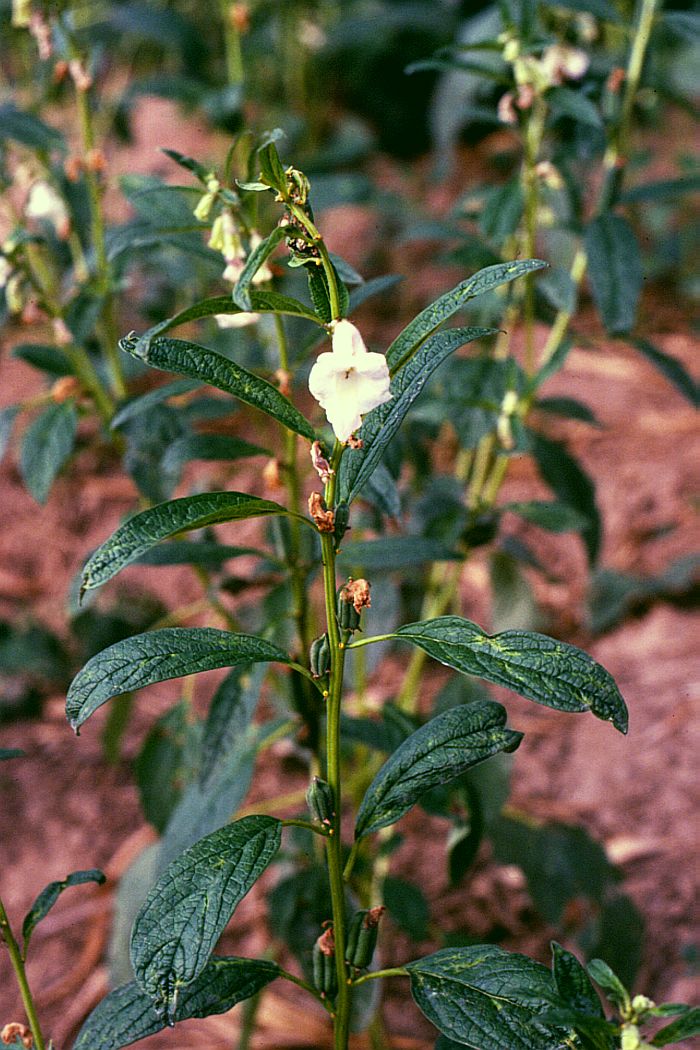 sesameSesamum indicum
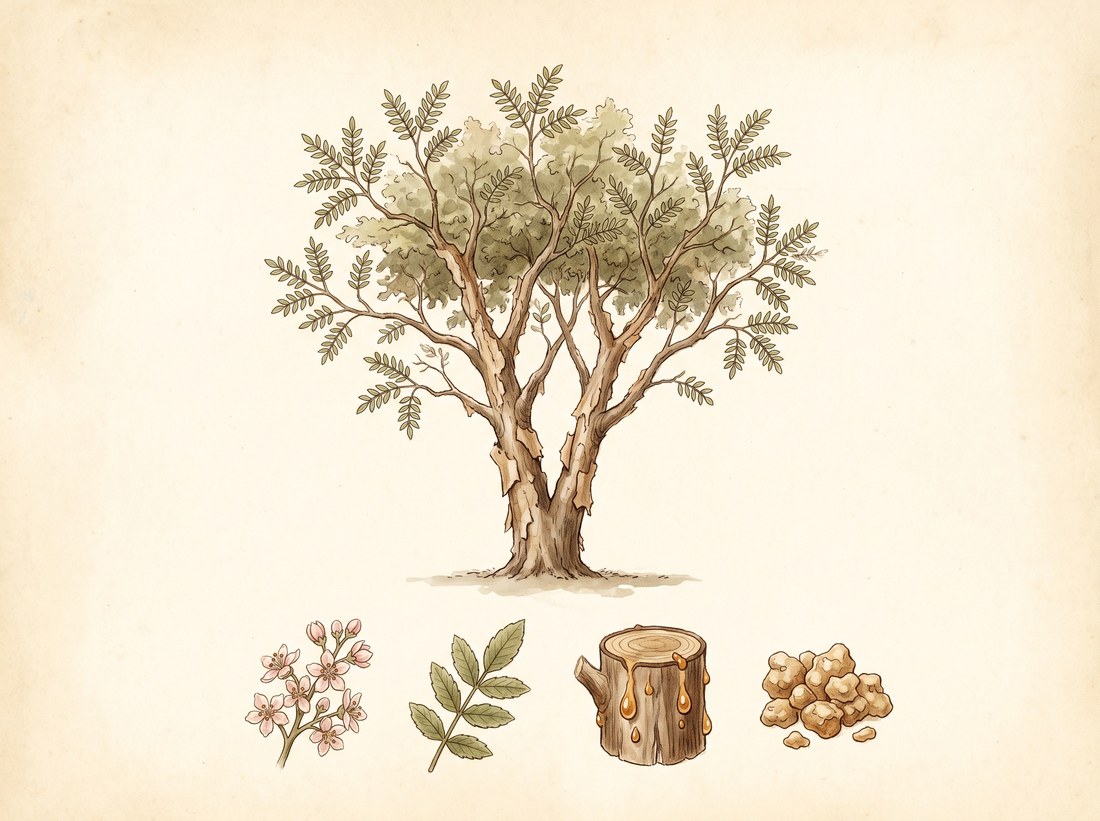 Indian frankincenseBoswellia serrata
Nearby on the shelf
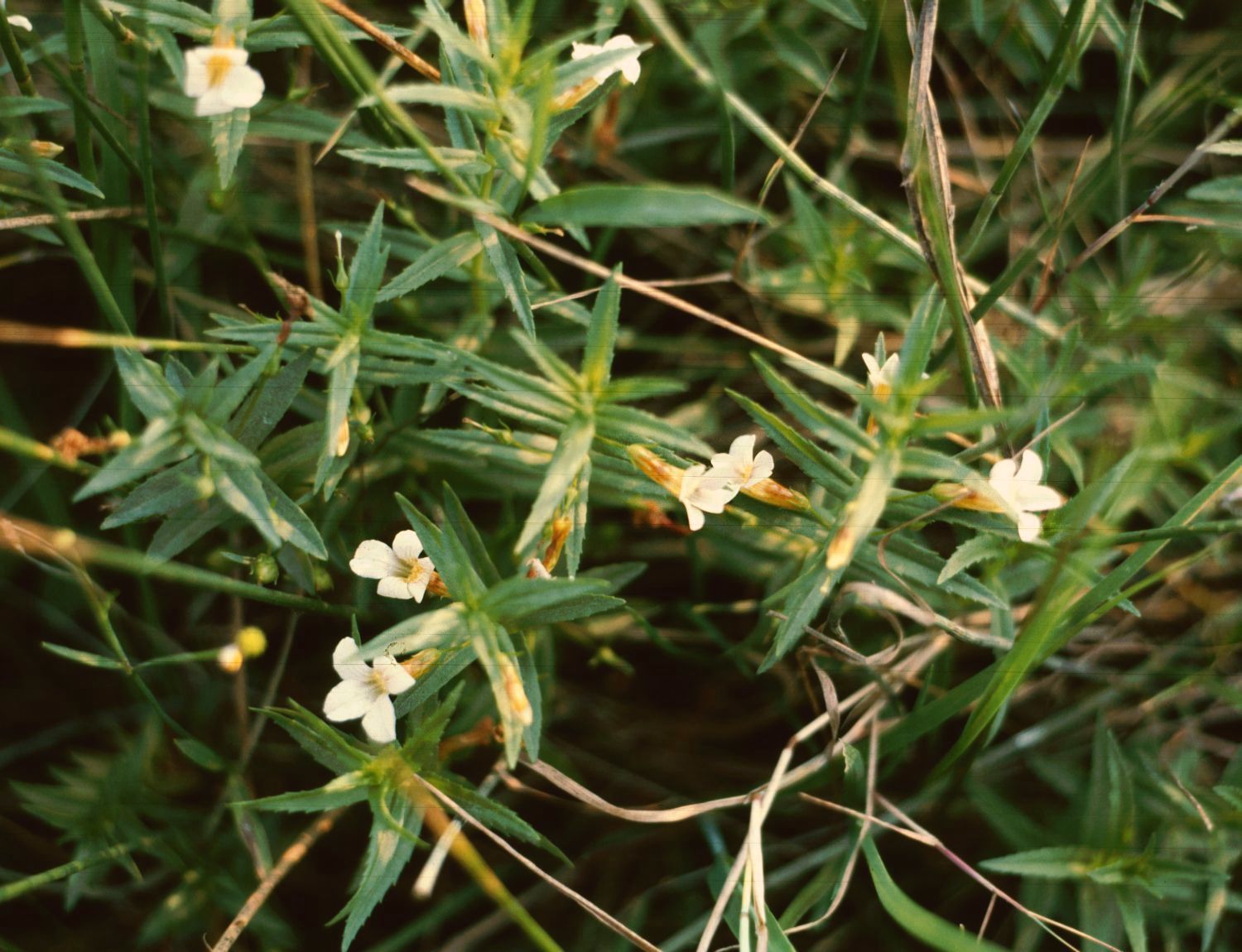 Hedge-hyssopGratiola
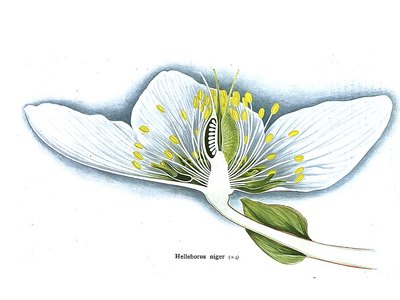 HelleborusHelleborus niger
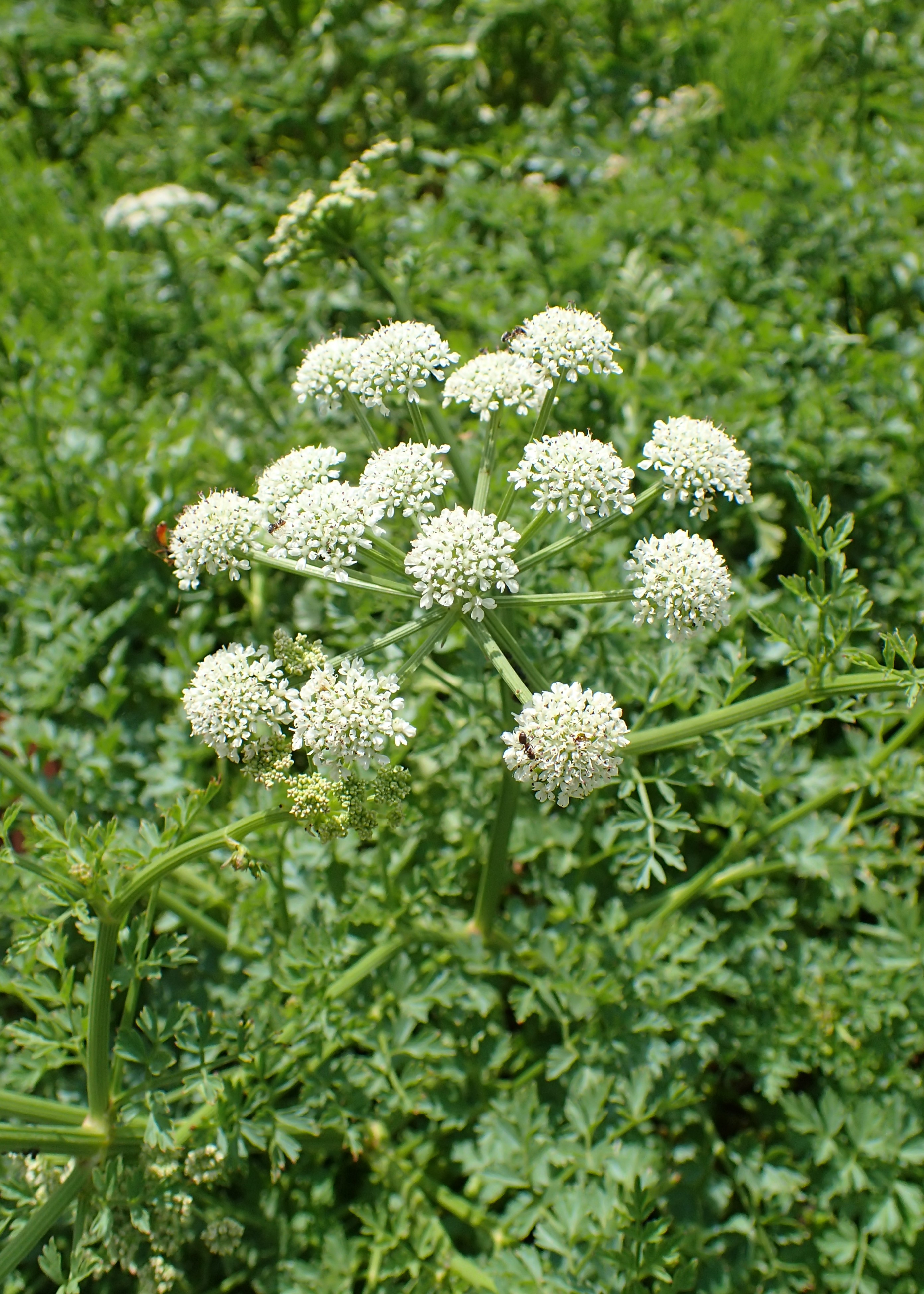 Hemlock water dropwortOenanthe crocata
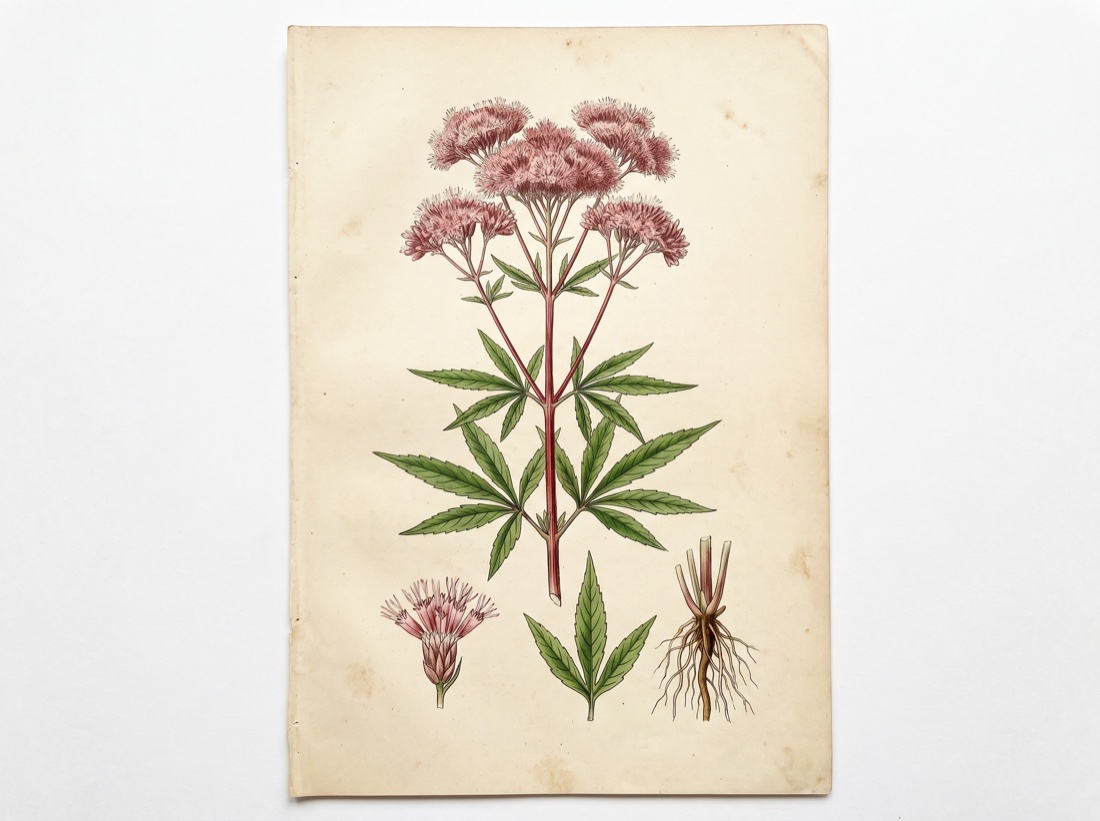 Hemp agrimonyEupatorium cannabinum
 HennaLawsonia inermis
 Herb RobertGeranium robertianum
 Hercules-clubZanthoxylum clava-herculis
 Himalayan cedarCedrus deodara
The whole plate is in the library. The compass, Compare, the Sky of eleven hundred plants and the formulary open with an email address and a password, free, with the formula builder and its safety engine. Herbert without limit, his formulating, clients, the handouts and the labels are the paid room.
Open the library, free