Ayurvedic Herbalism
Spanish cherry
Mimusops elengi
Also known as bullet wood, medlar, bakul, Bakula, Vakula, Keshara.
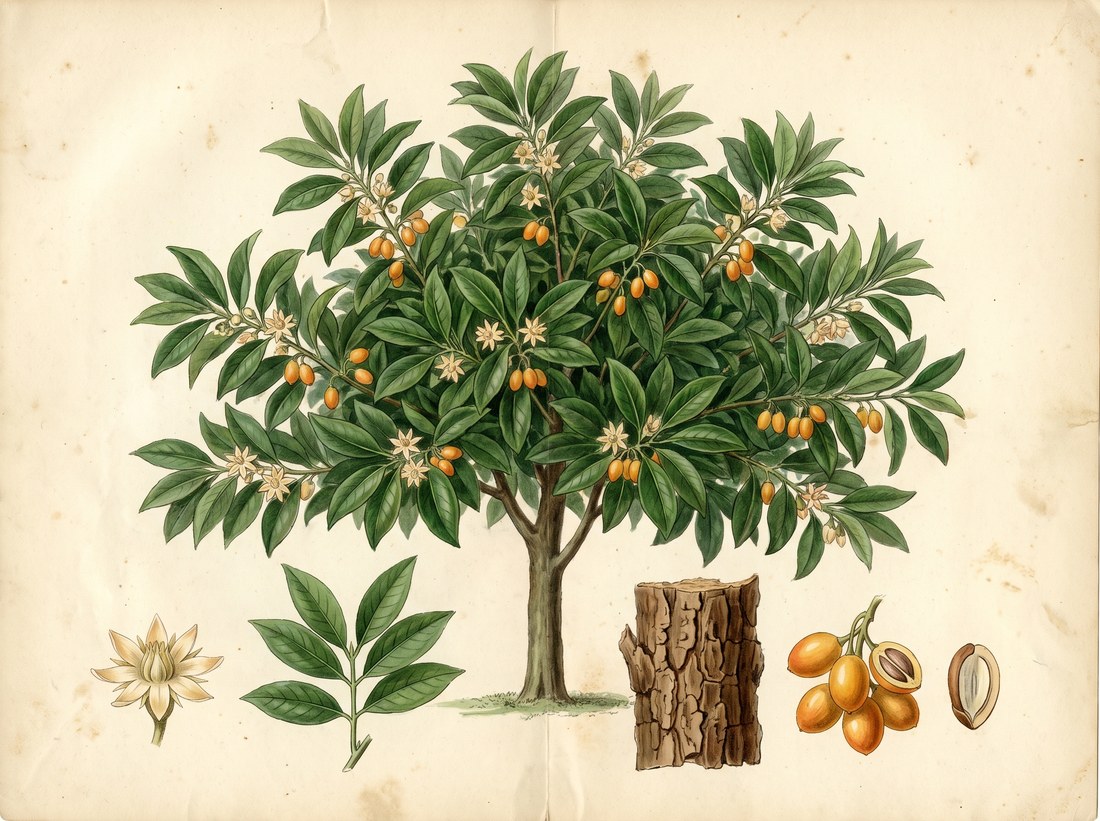
Mimusops elengi is a handsome evergreen tree with dense glossy foliage, small star-shaped cream flowers of lasting fragrance and orange-yellow edible berries, native to the Western Ghats, the Andaman Islands and the humid forests of peninsular India, and planted in temple courtyards and avenues across the country. Ayurveda calls it Bakula and prizes the astringent bark above all for the teeth and gums: it firms loose teeth, stops bleeding gums and cleanses the mouth, and internally it checks diarrhea and bleeding. The flowers are gathered for their scent and for perfumed medicines of the head.

Ask Herbert about Spanish cherry. Herbert is the master herbalist inside Bountiful Herbs: he answers from this plate and eleven hundred others, with dosing, pairing and cautions. Your first ten questions are free.
Ask HerbertActions
Indications what the tradition reached for it in
- Gingivitis and bleeding gums
- Loose teeth and periodontal disease
- Halitosis and mouth ulcers
- Dental caries prevention (tooth powder)
- Chronic diarrhea and dysentery
- Leukorrhea and heavy menstrual bleeding
- Nosebleeds and bleeding hemorrhoids
- Headache and heaviness of the head (flower snuff, traditional)
- Chronic wounds and skin ulcers (topical)
- Sore throat and pharyngitis (gargle)
Specific indications
Spongy, bleeding gums with loosening teeth and bad breath in a patient who neglects oral care or has a hot, damp constitution
Recurrent mouth ulcers and a sore, inflamed throat, treated with a cool bark decoction held in the mouth
Chronic loose stools with mucus and a tendency to bleed, in a patient of pitta-kapha type
A dull, heavy headache with nasal congestion that lifts with the fragrant flower powder
Safety
The record lists 5 contraindications; open the plate in the library to read them in full.
In practice
The Ayurvedic practitioner reaches for Bakula in kapha-pitta disorders of the mouth: gums that bleed, teeth that loosen, ulcers that recur and breath that offends. The bark decoction is held in the mouth and gargled two or three times daily (kavala and gandusha), and the fine bark powder is rubbed onto the gums or mixed into tooth powders with Khadira, Babbula, Triphala and a little Lavanga.
In Ayurveda
Rasa: kashaya (astringent), madhura (sweet). Virya: sheeta (cooling). Vipaka: katu (pungent). Guna: guru (heavy), snigdha (unctuous). Dosha: pacifies kapha and pitta; the bark may aggravate vata in excess. Prabhava: dantya: the bark is the classical drug for firming loose teeth and healing the gums. Karma: dantya (strengthens teeth and gums); grahi (absorbent, binds stool); stambhana (arrests discharge and bleeding); vishaghna (counters poisons); krimighna (anthelmintic); jvaraghna (relieves fever); hridya (supports the heart); vrishya (aphrodisiac, fruit); shirovirechana (clears the head, flowers as snuff); vranaropana (heals wounds). Classical indications: dantaroga (dental disease); dantachala (loose teeth); dantaveshta (gingivitis and bleeding gums); mukharoga (diseases of the mouth); atisara (diarrhea); pravahika (dysentery); raktapitta (bleeding disorders); shiroroga (diseases of the head, flowers); krimi (worms); jvara (fever); vrana (wounds); pradara (leukorrhea and menorrhagia). The stem bark is the principal drug, used as a decoction for gargling and mouth rinsing, as a fine powder in tooth powders, and internally as churna or kwatha for diarrhea and bleeding. The fragrant flowers are dried for snuff and perfumed waters and used for headache; the ripe fruit is eaten and the astringent unripe fruit given for diarrhea; the seed oil is used externally. Classical formulations: Bakula twak kwatha (gargle), Bakuladi churna (tooth powder), Bakula pushpa churna, Bakula taila, Lodhrasava (some versions), Pushyanuga churna (some versions). Described in: Charaka Samhita, Sushruta Samhita, Bhavaprakasha Nighantu, Dhanvantari Nighantu, Raja Nighantu, Kaiyadeva Nighantu, Madanapala Nighantu, Ayurvedic Pharmacopoeia of India.
Dosing as the sources wrote it
| Preparation | As written | Metric |
|---|---|---|
| Kwatha (gargle) | 50-100 mL decoction of bark used as a mouth rinse two to three times daily | 50-100 mL |
| Churna | 3-6 g powdered bark twice daily with honey or rice water | 3000-6000 mg |
| Kwatha (internal) | 50-100 mL decoction twice daily | 50-100 mL |
| Churna, dental topical | 1-2 g bark powder rubbed on the gums daily | 1000-2000 mg |
| Pushpa churna, nasal | 125-250 mg dried flower powder inhaled as snuff | 125-250 mg |
Doses are reproduced from the sources for practitioners and are not a recommendation for any person.
From the sources
Overview. Mimusops elengi is a handsome evergreen tree with dense glossy foliage, small star-shaped cream flowers of lasting fragrance and orange-yellow edible berries, native to the Western Ghats, the Andaman Islands and the humid forests of peninsular India, and planted in temple courtyards and avenues across the country. Ayurveda calls it Bakula and prizes the astringent bark above all for the teeth and gums: it firms loose teeth, stops bleeding gums and cleanses the mouth, and internally it checks diarrhea and bleeding. The flowers are gathered for their scent and for perfumed medicines of the head.
Clinical Notes. The Ayurvedic practitioner reaches for Bakula in kapha-pitta disorders of the mouth: gums that bleed, teeth that loosen, ulcers that recur and breath that offends. The bark decoction is held in the mouth and gargled two or three times daily (kavala and gandusha), and the fine bark powder is rubbed onto the gums or mixed into tooth powders with Khadira, Babbula, Triphala and a little Lavanga.
Ayurvedic Profile. Rasa: kashaya (astringent), madhura (sweet). Virya: sheeta (cooling). Vipaka: katu (pungent). Guna: guru (heavy), snigdha (unctuous). Dosha: pacifies kapha and pitta; the bark may aggravate vata in excess.
In formulas
Spanish cherry stands in 3 documented formulas in the library, among them Aṇu Taila, Kuṅkumādi Taila, Vāriśoṣaṇa Rasa.
Often paired with
 Indian nightshadeSolanum indicum
 yellow-berried nightshadeSolanum xanthocarpum
 Indian barberryBerberis aristata
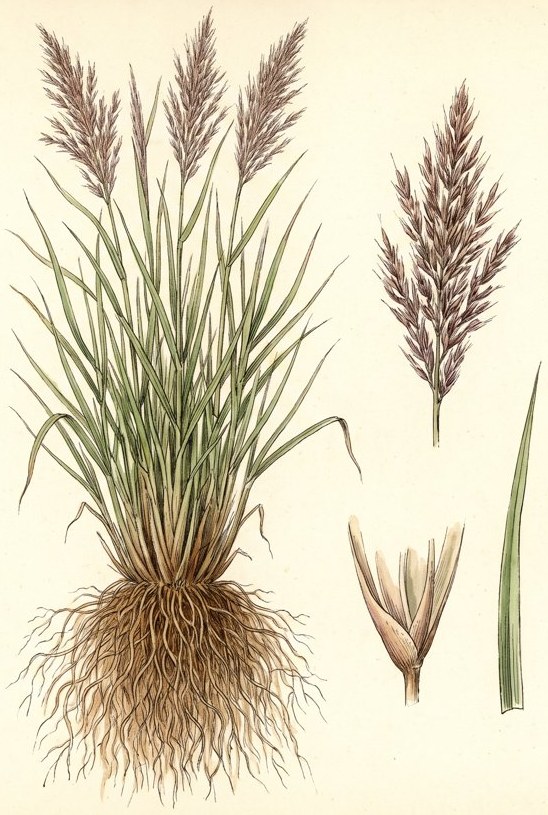 vetiverChrysopogon zizanioides
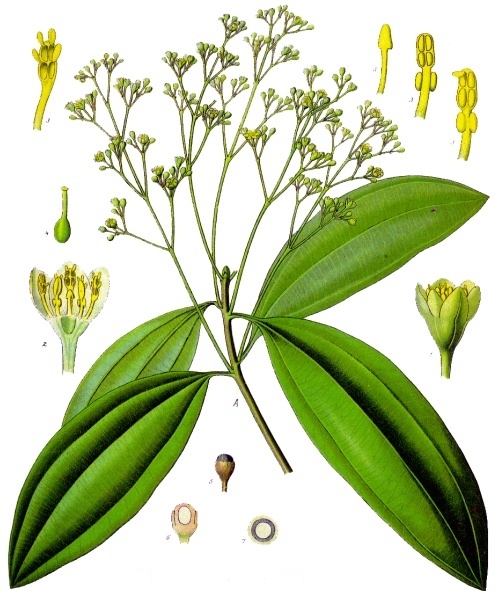 Indian bay leafCinnamomum tamala
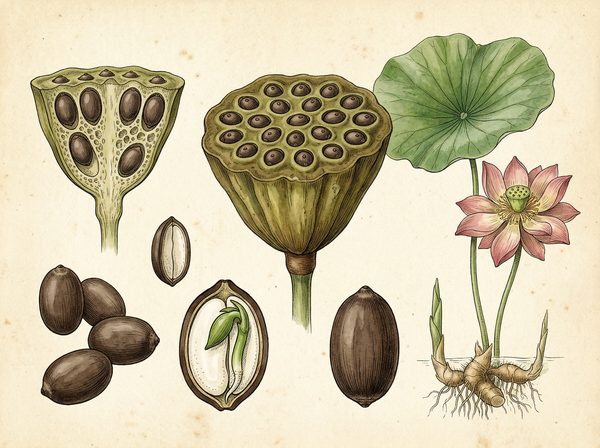 sacred lotusNelumbo nucifera
Nearby on the shelf
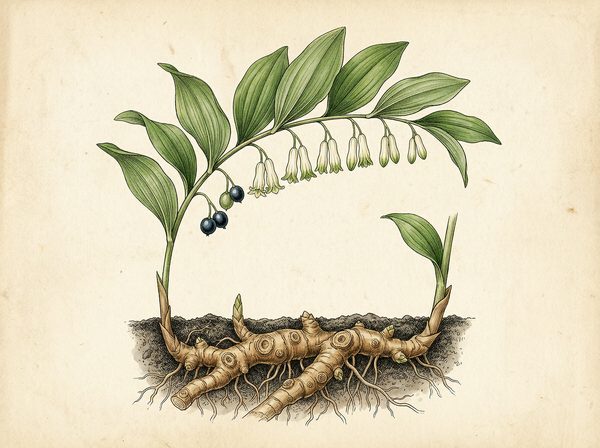 Solomon's SealPolygonatum biflorum
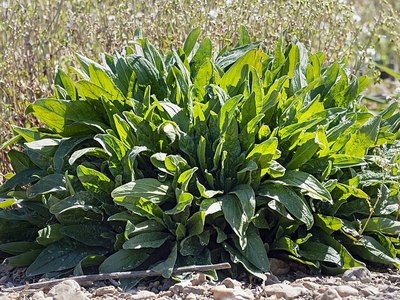 SorrelRumex Acetosa
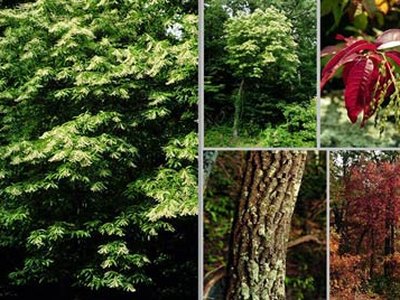 SourwoodOxydendrum arboreum
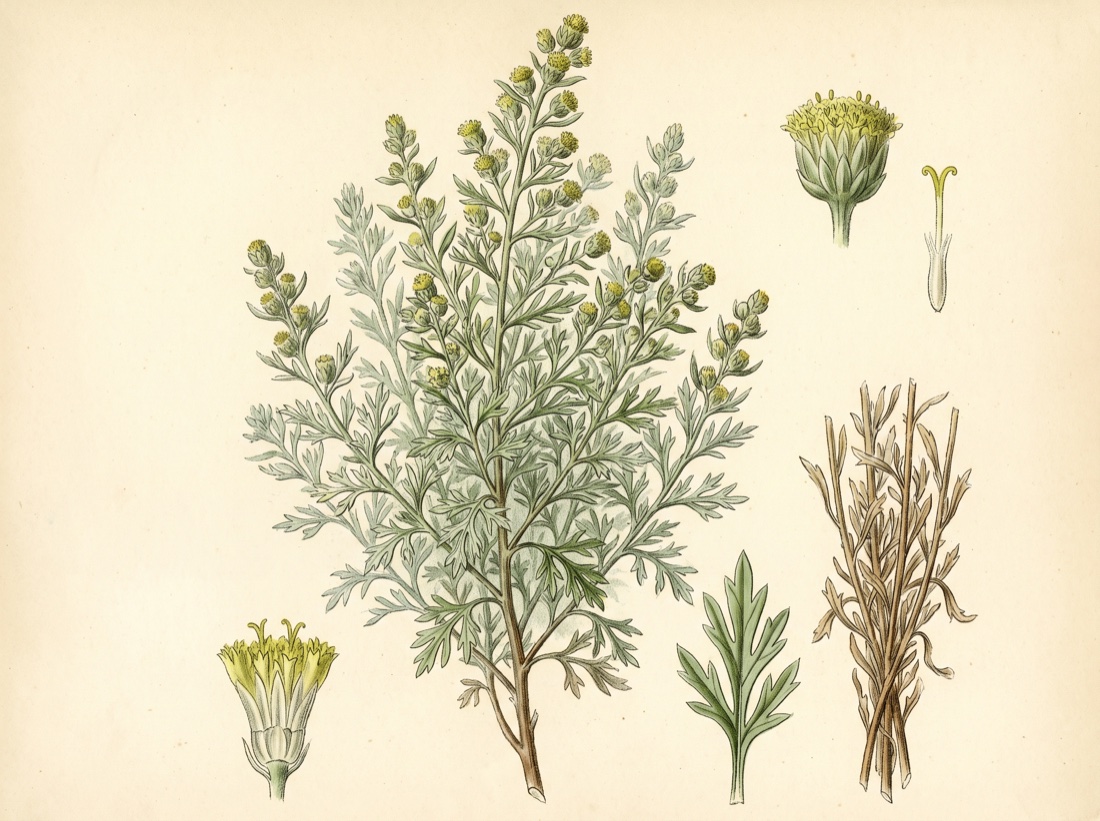 SouthernwoodArtemisia abrotanum
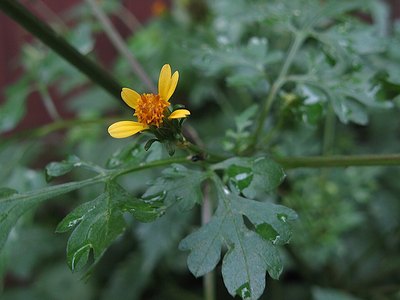 Spanish needlesBidens bipinnata
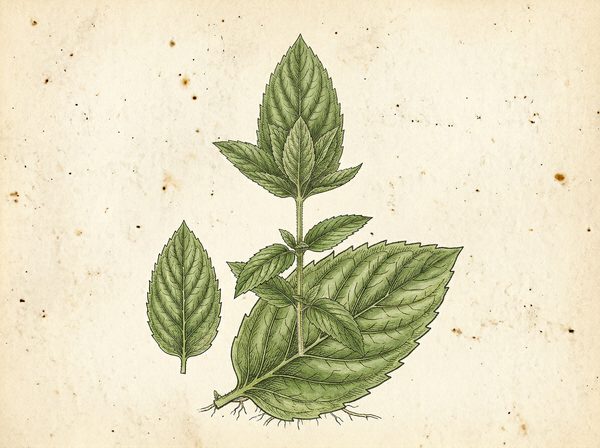 SpearmintMentha spicata
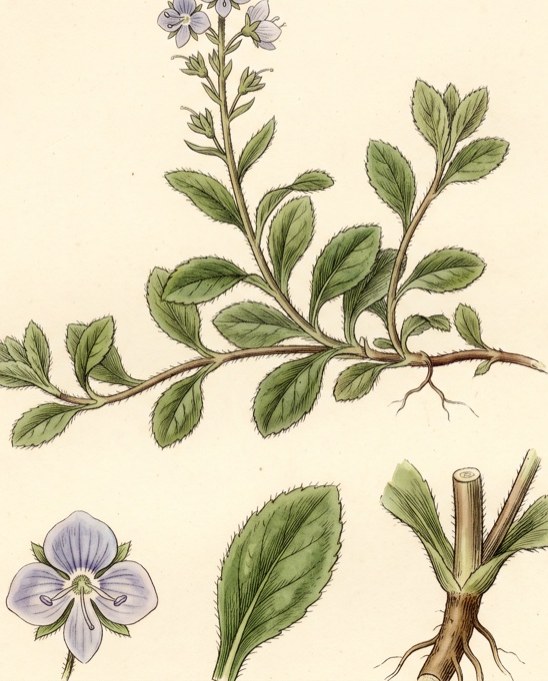 SpeedwellVeronica officinalis
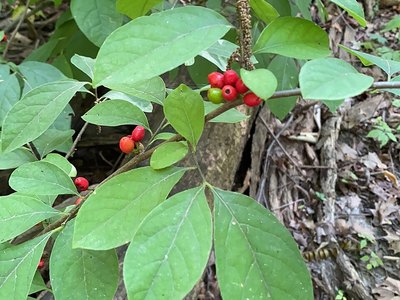 SpicebushBenzoin odoriferum
The whole plate is in the library. The compass, Compare, the Sky of eleven hundred plants and the formulary open with an email address and a password, free, with the formula builder and its safety engine. Herbert without limit, his formulating, clients, the handouts and the labels are the paid room.
Open the library, free