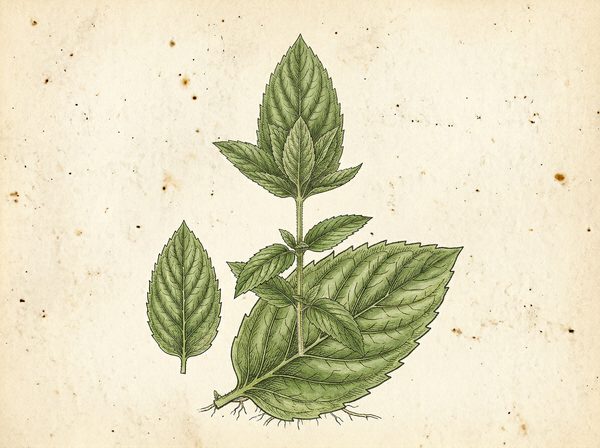
Western Herbalism
Spearmint
Mentha spicata
Anti-androgenic effects support use in PCOS and hirsutism (clinical evidence) Significant chemotype variation in essential oil composition by region Widely used traditionally for digestive and respiratory issues Generally safe with no major toxicity in studies Medicinal Uses Flatulence

Ask Herbert about Spearmint. Herbert is the master herbalist inside Bountiful Herbs: he answers from this plate and eleven hundred others, with dosing, pairing and cautions. Your first ten questions are free.
Ask HerbertActions
Indications what the tradition reached for it in
- Intestinal cramps
- Motion sickness
- Flatulence
- Bronchitis
- Asthma
- Dyspepsia
- Nausea
- Toothache
- Headache
- Anxiety
- Irritable bowel syndrome
- Cough
- Polycystic ovarian syndrome
- Colds
- Abdominal pain
- Flu
- Diarrhea
- Hirsutism
- Skin conditions
- Sore throat
- Bloating
- Indigestion
- Colitis
- Abdominal distension
- Colic
- Cramps
- Digestive discomfort
- Edema
- Fluid retention
- Gas
Specific indications
Scanty secretion of high-colored urine; simple nausea.
Safety
Pregnancy: Limited safety data in pregnancy
Breastfeeding: Use with care while breastfeeding
The record lists 1 contraindication; open the plate in the library to read them in full.
Dosing as the sources wrote it
| Preparation | As written | Metric |
|---|---|---|
| Tea: 2 cups daily (handful leaves steeped 5 min) | ||
| Essential oil drops: 20-40 drops 3x daily after meals | 0.6-1.2 mL | |
| Tincture: 6-12 drops 3x daily | 0.12-0.24 mL | |
| Topical (diluted in carrier) | Topical: typical 1-3% in carrier; face/sensitive 0.5-1; dermal maximum 5%. Lower menthol than peppermint ... gentler and lower apnea risk, but still keep off infants' faces. | |
| Internal (oral) | Not recommended internally ... insufficient current safety data for the essential oil; use the culinary herb or tea instead. Use the herb/tea; oil not established for casual oral dosing. | |
| Dose, 60 to 120 grains. | 3888-7776 mg |
Doses are reproduced from the sources for practitioners and are not a recommendation for any person.
From the sources
Clinical Notes. Anti-androgenic effects support use in PCOS and hirsutism (clinical evidence) Significant chemotype variation in essential oil composition by region Widely used traditionally for digestive and respiratory issues Generally safe with no major toxicity in studies Medicinal Uses Flatulence
Action and Therapy. Spearmint is used much like peppermint. though it is somewhat inferior as a carminative. It is especially valuable to allay nausea, particularly that following a sick headache. The warm infusion is a very agreeable and simple medicine for an acute cold. Spearmint is one of the surest and kindliest diuretics if given in cold infusion; or the essence may be used well diluted with cold water. We frequently employ it to render acetate of potash more effective as well as pleasanter to take. The spearmint increases the watery flow; the potash salt the solids of the urine. Spearmint may be used in strangury, suppression of urine, and scalding of urine, with difficult micturition.
Properties and Uses. Spearmint is largely relaxant, of the distinctly antispasmodic order; and though usually supposed to be identical with peppermint, is widely different from that article, and much more soothing and acceptable to the stomach.
Action, Medical Uses, and Dosage. This preparation is antispasmodic, carminative, and diuretic, and may be employed similarly to the essence of peppermint. Added to solution of potassium acetate it adds to the diuretic efficiency of the latter, by increasing the watery constituents of the urine, whereas the solid constituents are removed by the potassium salt. The dose is from 20 to 40 drops, on sugar or mixed with sweetened water.
Drawn from Cook's Physio-Medical Dispensatory; Scudder's Specific Medication and Specific Medicines; King's American Dispensatory, 18th edition (Felter and Lloyd); Felter's Eclectic Materia Medica, Pharmacology and Therapeutics, and the Bountiful Herbs editorial.
Often paired with
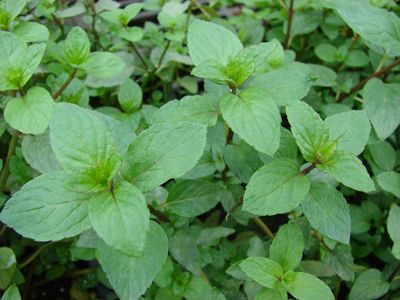 PeppermintMentha piperita
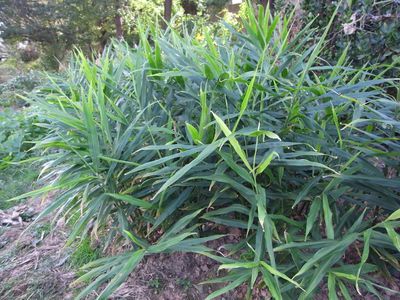 GingerZingiber officinale
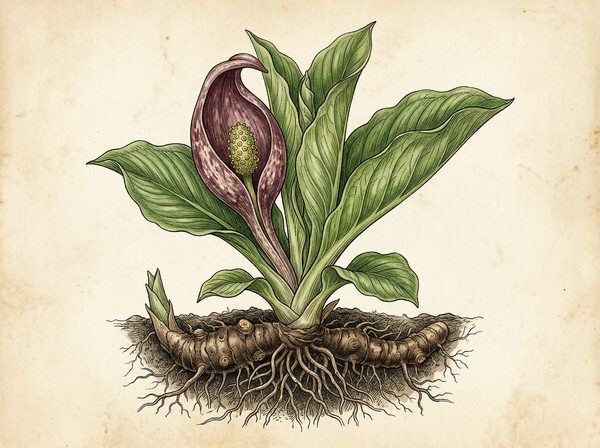 Skunk CabbageSymplocarpus foetidus
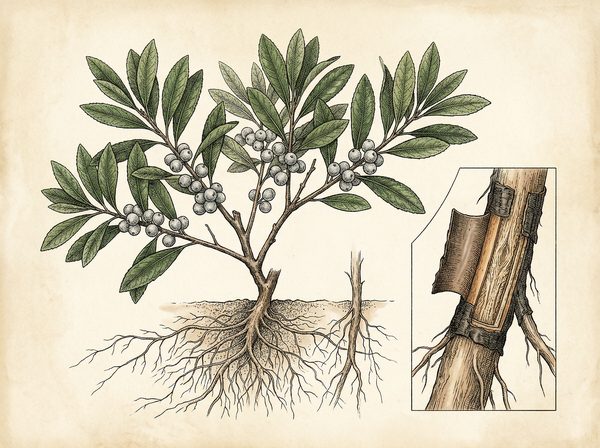 BayberryMyrica cerifera
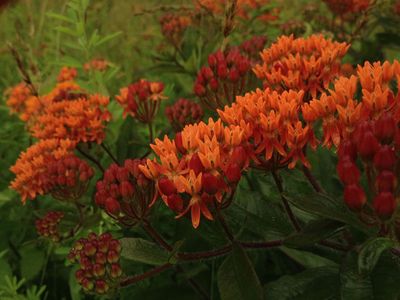 Pleurisy rootAsclepias tuberosa
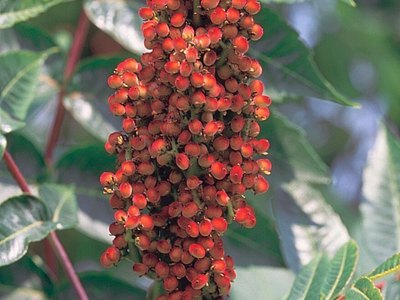 Rhus GlabraRhus Glabra
Nearby on the shelf
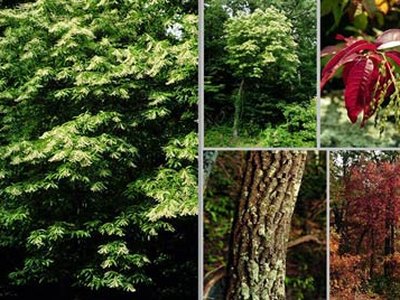 SourwoodOxydendrum arboreum
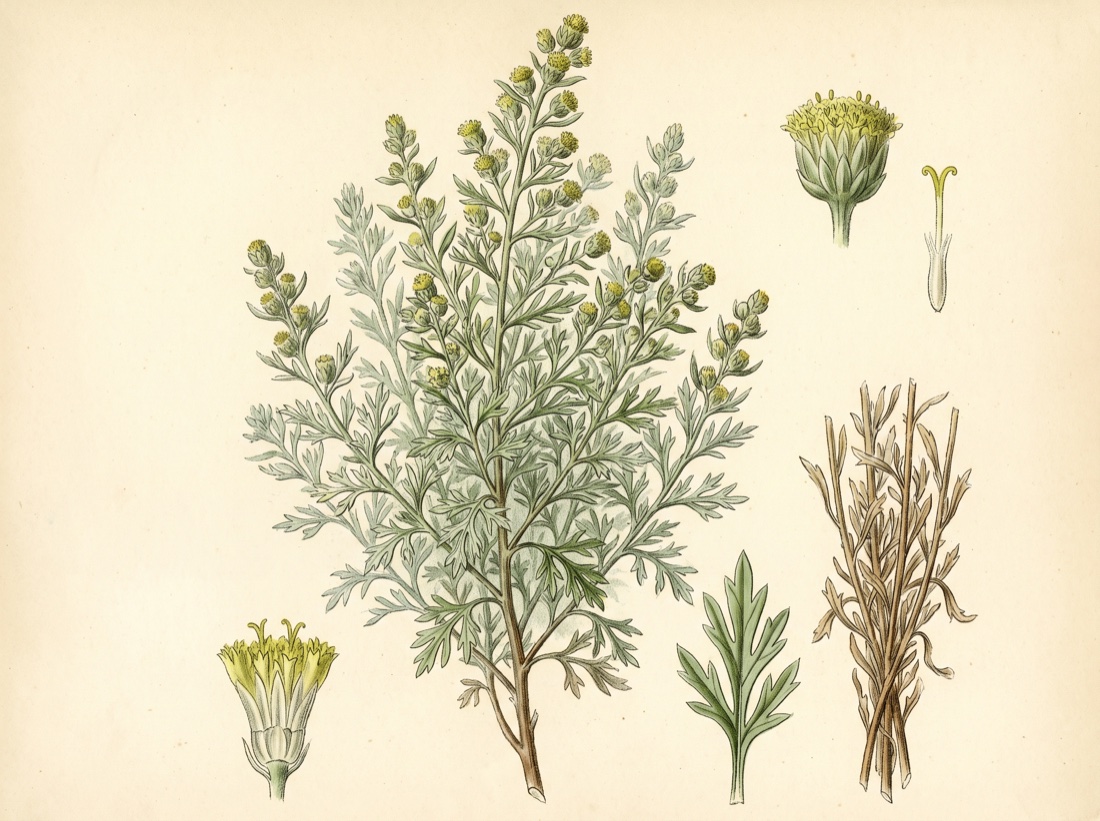 SouthernwoodArtemisia abrotanum
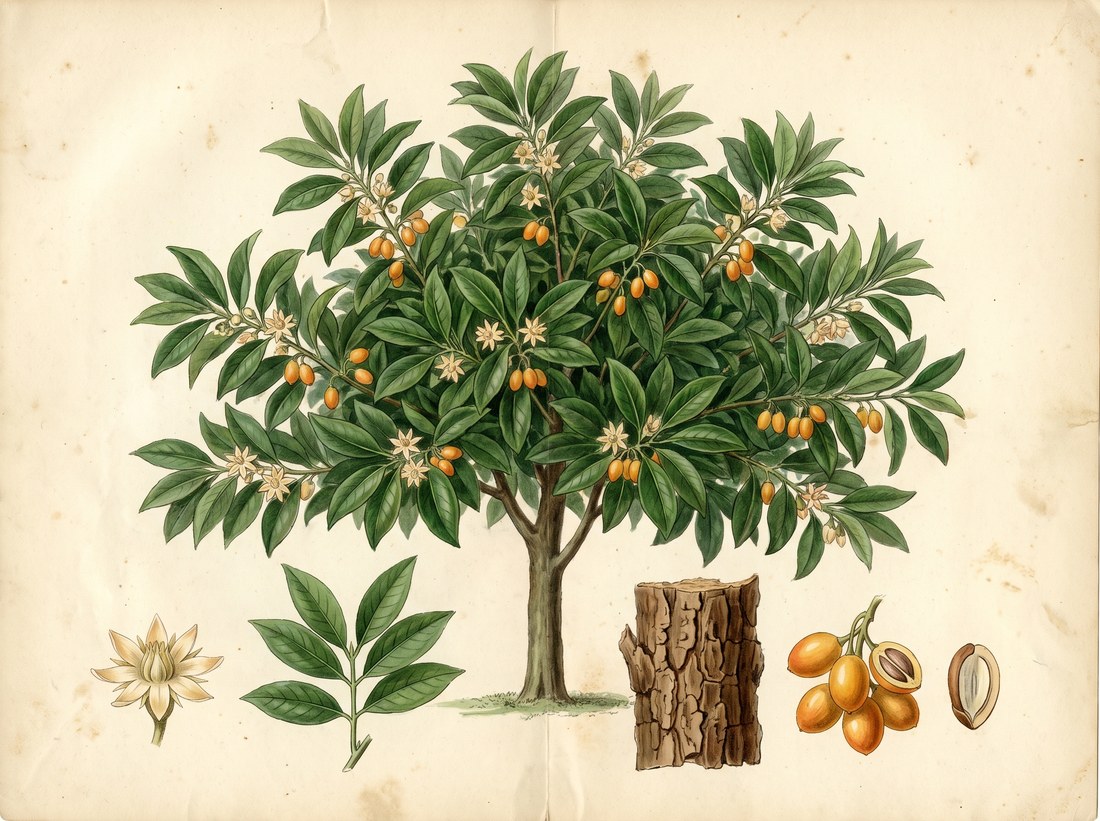 Spanish cherryMimusops elengi
 Spanish needlesBidens bipinnata
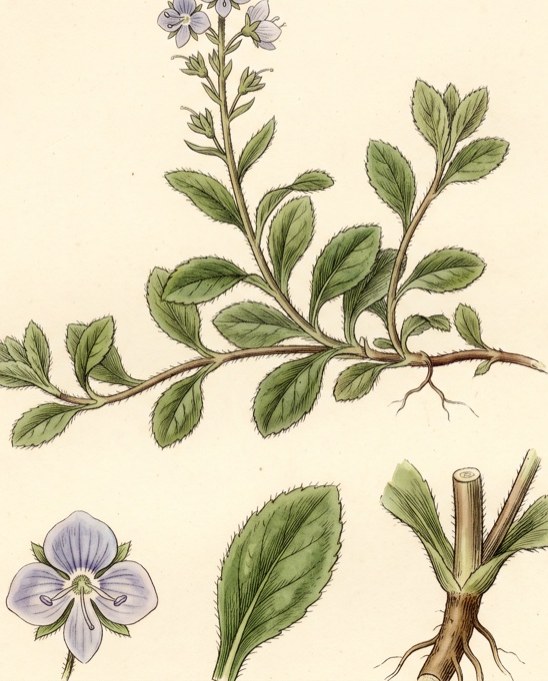 SpeedwellVeronica officinalis
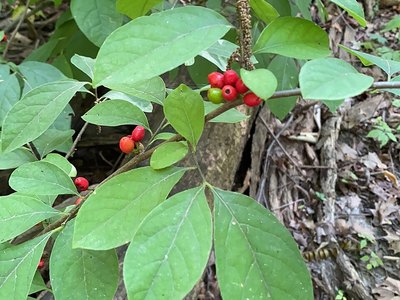 SpicebushBenzoin odoriferum
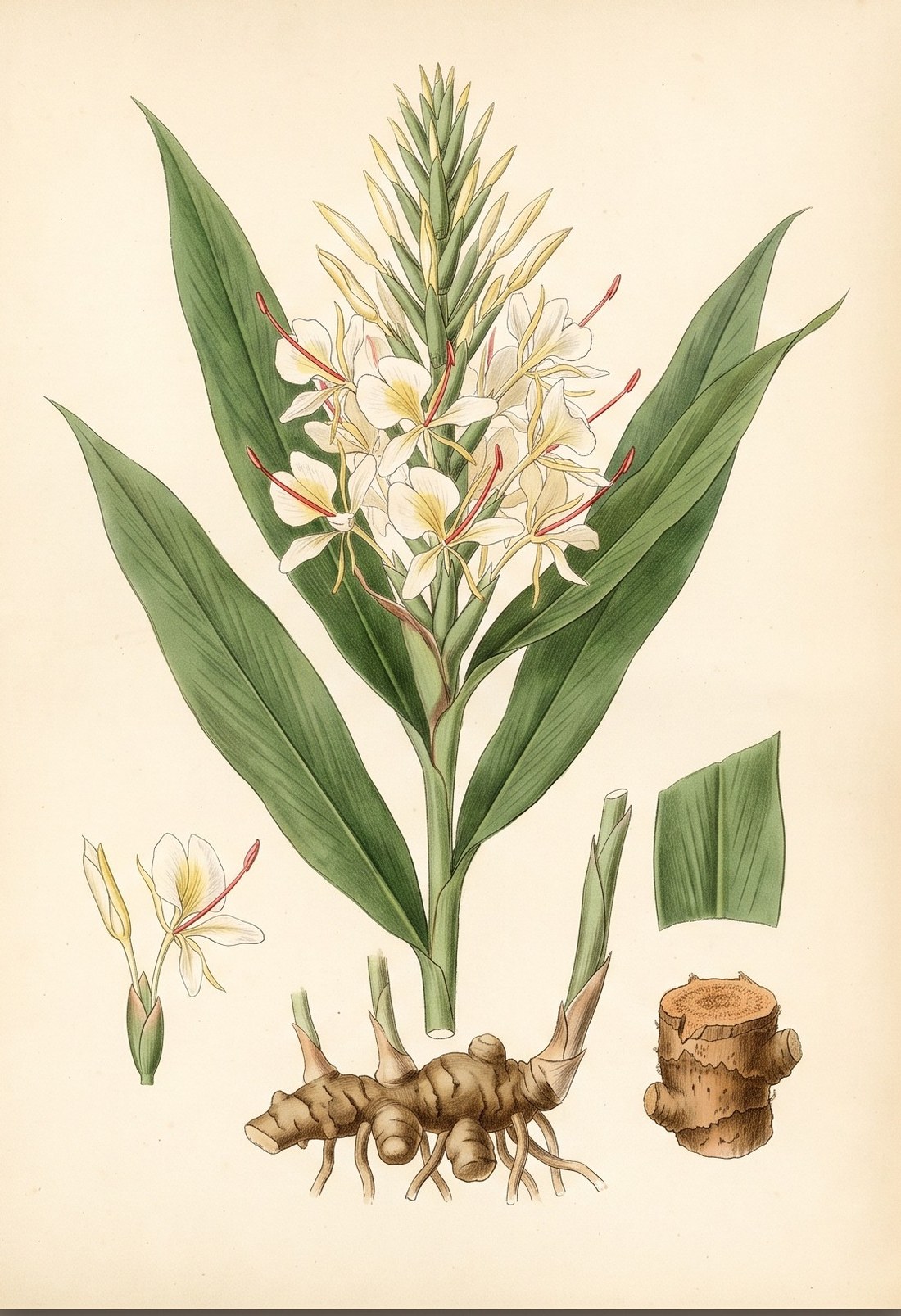 Spiked ginger lilyHedychium spicatum
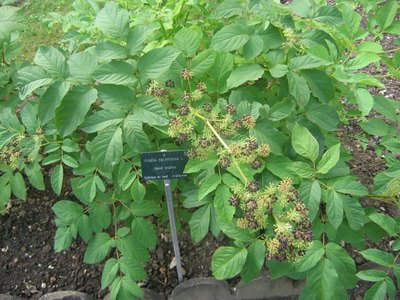 SpikenardAralia Racemosa
The whole plate is in the library. The compass, Compare, the Sky of eleven hundred plants and the formulary open with an email address and a password, free, with the formula builder and its safety engine. Herbert without limit, his formulating, clients, the handouts and the labels are the paid room.
Open the library, free