Western Herbalism
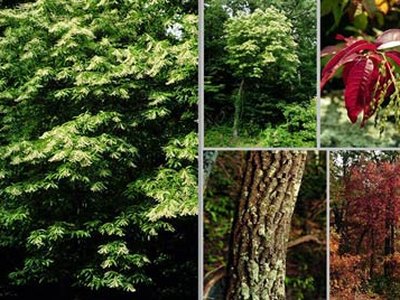
Sourwood
Oxydendrum arboreum
Also known as Sorrel tree, Elk tree, Lily-of-the-valley tree, Oxydendrum, Sour wood, Sourwood Tree.
Oxydendrum arboreum is a deciduous tree of the heath family native to the Appalachian region and southeastern United States, notable for its distinctly sour-tasting leaves, which contain oxalic acid and give the tree its common name, sourwood. The leaves and occasionally the bark were used by nineteenth century Eclectic physicians in tincture, fluid extract, or solid extract form as a diuretic and mild cardiac tonic, particularly for dropsical conditions and urinary complaints in the elderly. It has largely fallen out of modern practice and is rarely discussed in current herbal literature.

Ask Herbert about Sourwood. Herbert is the master herbalist inside Bountiful Herbs: he answers from this plate and eleven hundred others, with dosing, pairing and cautions. Your first ten questions are free.
Ask HerbertActions
Indications what the tradition reached for it in
- Dropsy (edema) in elderly or debilitated patients
- Cardiac weakness with fluid retention
- Deficient renal action
- Painful urination
- Urinary irregularities of the aged
- Chronic diarrhea
- General debility with loss of vital tone
- Low-grade fevers
- Atonic cystitis in older men
- Benign prostatic symptoms with dribbling urination
- Dysuria with scanty, painful urine
- Microscopic or gross hematuria of atonic origin
- Edema and mild dropsical effusion
- Diarrhea associated with visceral congestion
- Capillary fragility
- Feverish or heat conditions with restlessness
Specific indications
Dropsical swelling in an elderly patient with a feeble pulse and marked loss of vital tone
Scanty, painful urination with deficient renal action in the aged
Safety
Low dose botanical. Used in drop doses in the classical practice; not a plant to dose freely.
Pregnancy: Avoid in pregnancy: no modern safety data and possible cardioactive constituents make use inappropriate.
Breastfeeding: Avoid during lactation: no safety data available and potential for potent cardiac or renal effects.
The record lists 7 contraindications; open the plate in the library to read them in full.
In practice
Eclectic practitioners reached for sourwood specifically in cases of dropsy occurring in aged, debilitated patients whose cardiac action had grown weak and whose urine was scanty and painful to pass. It was dosed with notable caution, the specific tincture given by the minim (drops), which suggests the older physicians regarded it as a potent remedy requiring careful titration rather than a gentle bulk diuretic.
Dosing as the sources wrote it
| Preparation | As written | Metric |
|---|---|---|
| Specific tincture (historical) | 0.1-0.6 mL (2-10 minims) up to three times daily | 0.1-0.6 mL |
| Solid extract pill (historical) | 0.2-0.4 g (3-6 grains) as needed | 200-400 mg |
| He gives from twenty to thirty drops of the specific medicine every four hours and could give even larger doses. | 0.4-0.6 mL | |
| Dose, 1 to 60 grains. | 64.8-3888 mg | |
| Specific Medicine Oxydendron | Dose, 1 to 60 minims. | 0.06-3.7 mL |
| Extractum Oxydendri | Dose, 3 to 6 grains. | 194-389 mg |
Doses are reproduced from the sources for practitioners and are not a recommendation for any person.
From the sources
Overview. Oxydendrum arboreum is a deciduous tree of the heath family native to the Appalachian region and southeastern United States, notable for its distinctly sour-tasting leaves, which contain oxalic acid and give the tree its common name, sourwood. The leaves and occasionally the bark were used by nineteenth century Eclectic physicians in tincture, fluid extract, or solid extract form as a diuretic and mild cardiac tonic, particularly for dropsical conditions and urinary complaints in the elderly. It has largely fallen out of modern practice and is rarely discussed in current herbal literature.
Overview. Sourwood is a small to medium deciduous tree native to the eastern United States, well known for its drooping, lily of the valley like flowers and the tart, sour taste of its leaves, from which both the common name and the old genus name derive. The dried leaf was used by nineteenth century American eclectic physicians as a cooling diuretic and mild astringent tonic, particularly for atonic urinary complaints in older men and for congestive, hyperemic states of the bowel. It has largely fallen out of use in modern herbal practice and today is better known as a honey plant than a medicine.
Clinical Notes. Eclectic practitioners reached for sourwood specifically in cases of dropsy occurring in aged, debilitated patients whose cardiac action had grown weak and whose urine was scanty and painful to pass. It was dosed with notable caution, the specific tincture given by the minim (drops), which suggests the older physicians regarded it as a potent remedy requiring careful titration rather than a gentle bulk diuretic.
Clinical Notes. Eclectic physicians reached for sourwood leaf mainly in older men with a relaxed, atonic bladder and prostate: scanty, painful urination, a sense of dribbling rather than a strong stream, and sometimes blood appearing at the end of voiding.
Drawn from King's American Dispensatory, 18th edition (Felter and Lloyd); Ellingwood's American Materia Medica, Therapeutics and Pharmacognosy; Felter's Eclectic Materia Medica, Pharmacology and Therapeutics, and the Bountiful Herbs editorial.
Nearby on the shelf
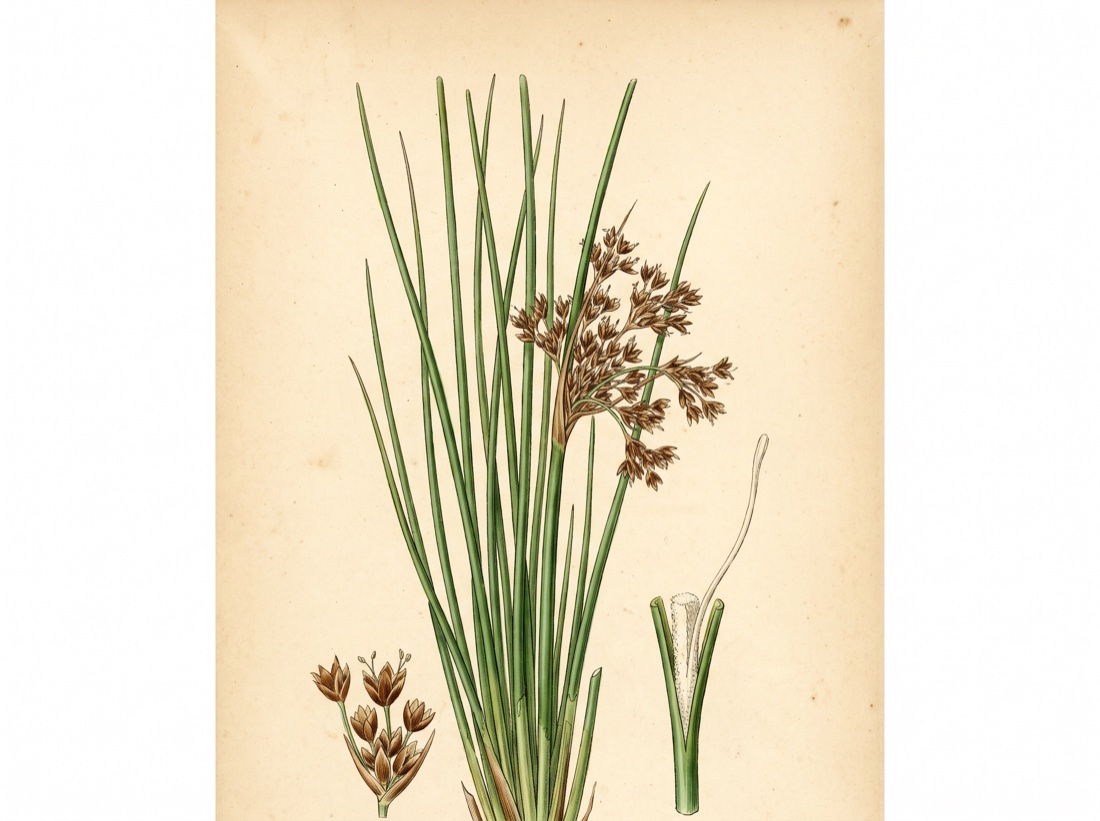 Soft rushJuncus effusus
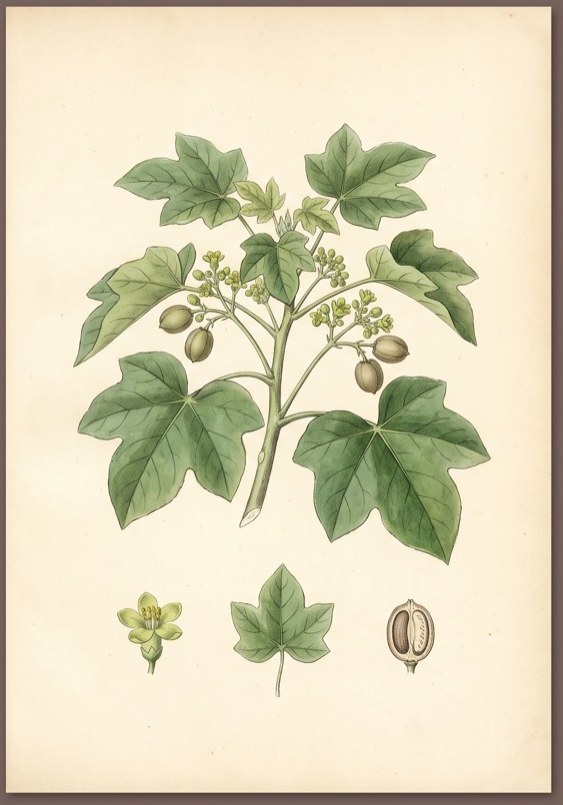 SolanumJatropha
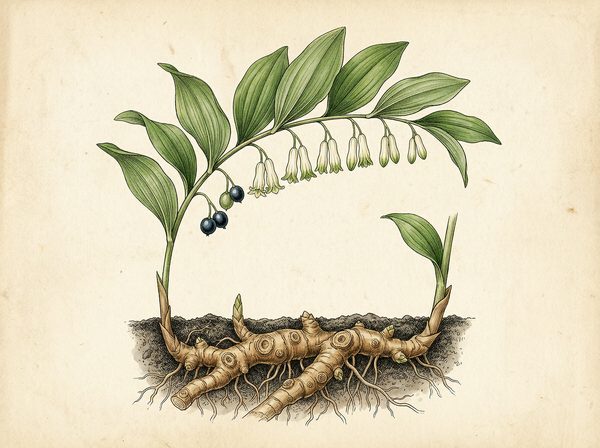 Solomon's SealPolygonatum biflorum
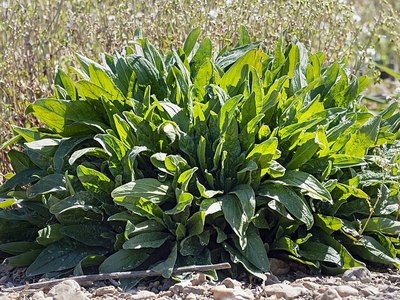 SorrelRumex Acetosa
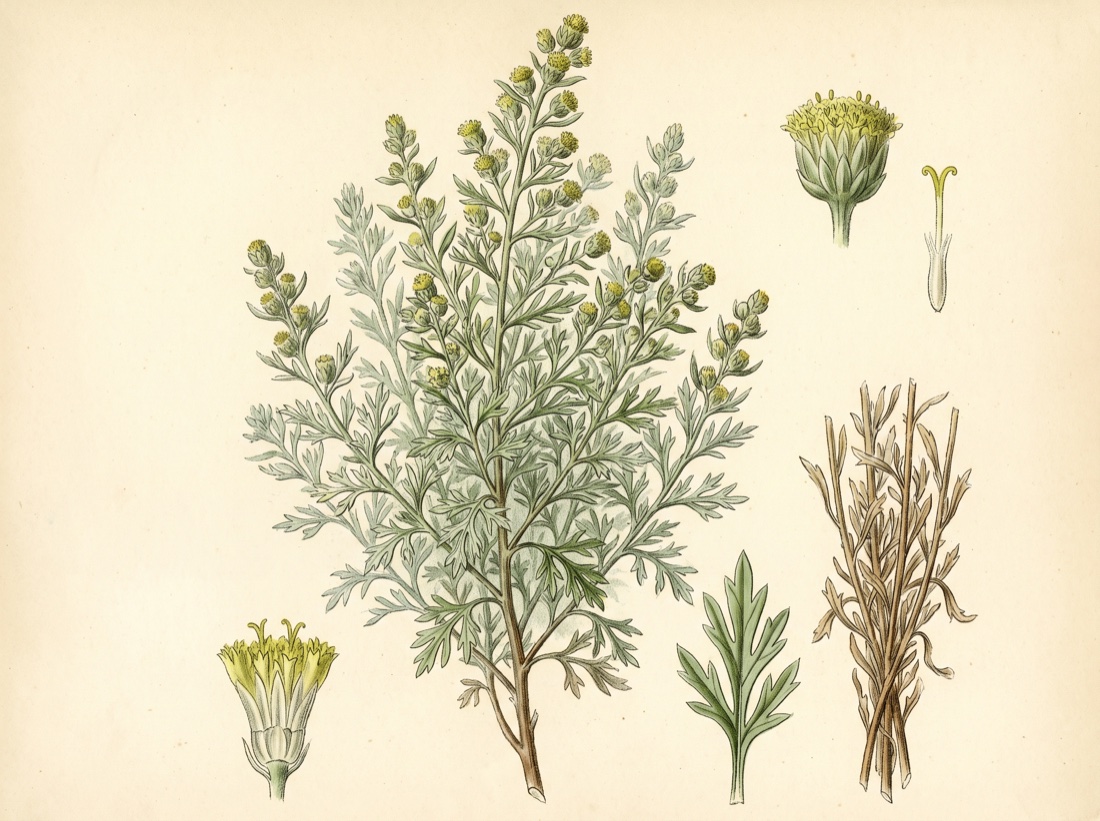 SouthernwoodArtemisia abrotanum
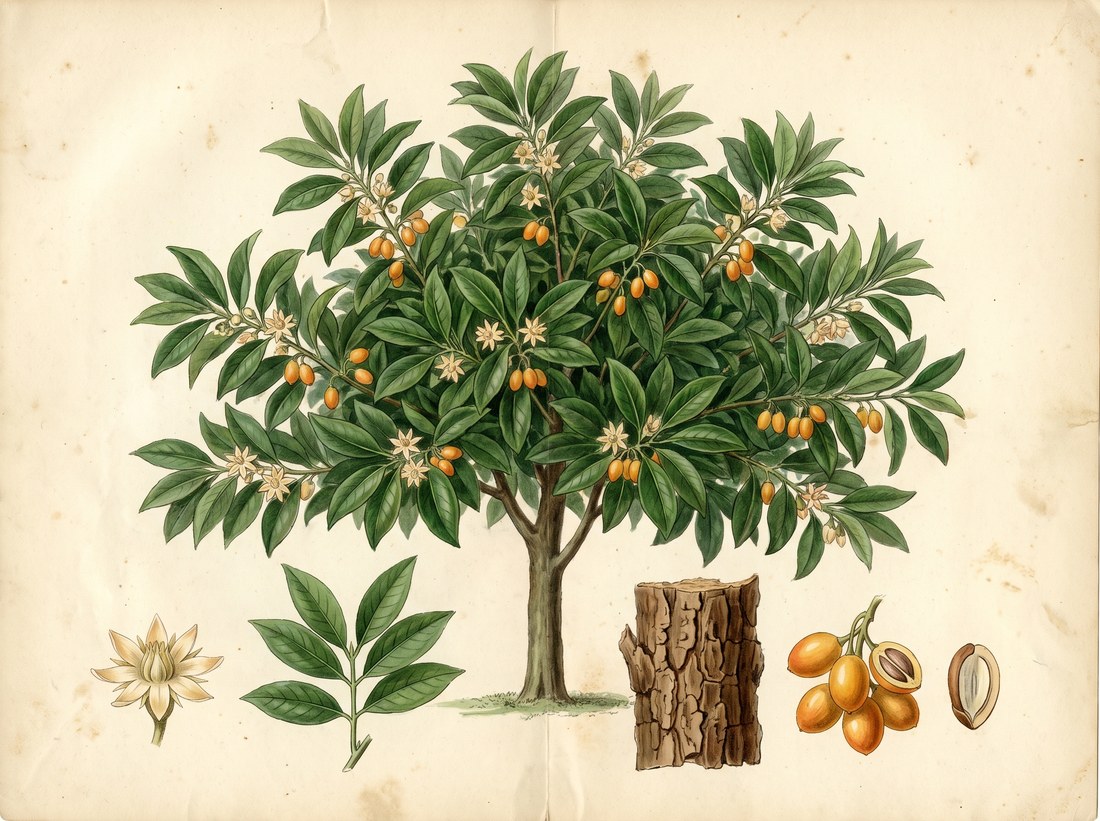 Spanish cherryMimusops elengi
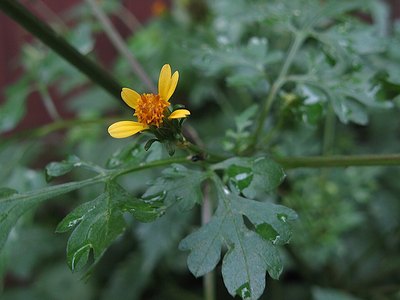 Spanish needlesBidens bipinnata
 SpearmintMentha spicata
The whole plate is in the library. The compass, Compare, the Sky of eleven hundred plants and the formulary open with an email address and a password, free, with the formula builder and its safety engine. Herbert without limit, his formulating, clients, the handouts and the labels are the paid room.
Open the library, free