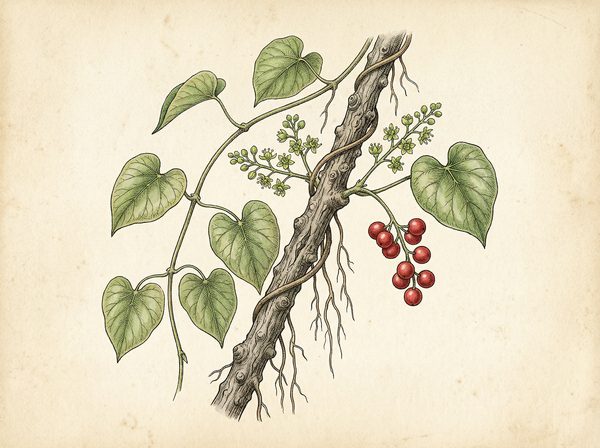
Ayurvedic Herbalism
Guduchi
Tinospora cordifolia
Also known as giloy, heart-leaved moonseed, Indian tinospora, Guduchi, Amrita, Madhuparni.
Tinospora cordifolia is a large, glabrous, deciduous climbing shrub of the moonseed family, sending down long aerial roots from trees across the plains of India, Sri Lanka, Bangladesh and Myanmar, and cultivated widely in Kerala, Karnataka and Madhya Pradesh. Ayurveda calls it Amrita, the nectar plant, and uses the mature stem as a rasayana that balances all three doshas and as its first choice for chronic and recurrent fevers. It is one of the few herbs in the tradition that is at once bitter and heating yet suitable for pitta, which is why it turns up in formulas for fever, skin disease, arthritis and diabetes alike.

Ask Herbert about Guduchi. Herbert is the master herbalist inside Bountiful Herbs: he answers from this plate and eleven hundred others, with dosing, pairing and cautions. Your first ten questions are free.
Ask HerbertActions
Indications what the tradition reached for it in
- Recurrent or lingering low-grade fever
- Post-viral fatigue and slow convalescence
- Recurrent upper respiratory infections
- Type 2 diabetes and prediabetes (adjunct)
- Chronic inflammatory arthritis including rheumatoid arthritis
- Gout and hyperuricemia
- Chronic skin disease with heat and itching
- Allergic rhinitis
- Drug-induced liver strain and mild transaminase elevation
- Chronic urticaria
- Debility with poor appetite after illness
- Thirst
- Gout
- Leprosy
- Urinary dysfunction
- Worm infestation
- Loss of appetite
- Burning sensation
- Constipation
- Weakness
- Arthritis
- Bronchitis
- Asthma
- Diabetes
- Cardiac disorders
- Rheumatoid arthritis
- Cough
- Piles
- Jaundice
- Bleeding disorders
Specific indications
A patient whose fever has broken but who stays hot, thirsty, tired and off food for weeks, with a coated tongue and sluggish digestion
The person who catches every cold and takes months to shake it, with sinus congestion, aching joints and no reserve
Chronic inflammatory joint pain with heat and swelling in someone who also has a sensitive gut and cannot tolerate strong bitter purgatives
A prediabetic patient with itchy skin, recurrent boils or urinary infections, and a heavy, foggy feeling after meals
Safety
Pregnancy: Pregnancy Caution
The record lists 7 contraindications; open the plate in the library to read them in full.
In practice
Guduchi is the herb an Ayurvedic physician reaches for when a fever has lingered, when ama has settled into the joints, or when a patient needs building up without being heated. In jvara it is decocted alone or with Musta, Kiratatikta and Shunthi; for burning fevers and thirst the satva is stirred into cold water or milk.
In Ayurveda
Rasa: tikta (bitter), kashaya (astringent). Virya: ushna (heating). Vipaka: madhura (sweet). Guna: laghu (light), snigdha (unctuous). Dosha: pacifies all three doshas (tridoshahara); its sweet vipaka and unctuous quality keep it gentle on pitta despite the heating virya. Prabhava: amrita (the nectar of immortality): a rejuvenative that clears fever and ama at the same time. Karma: rasayana (rejuvenative); jvaraghna (relieves fever); deepana (kindles digestion); pachana (digests ama); balya (strengthening); medhya (supports intellect); raktashodhana (purifies blood); kushthaghna (relieves skin disease); pramehaghna (relieves urinary disorders and diabetes); tridoshahara (balances all three doshas); amapachana (ripens undigested toxins). Classical indications: jvara (fever, especially chronic and recurrent fever); vishama jvara (intermittent fever); prameha (urinary disorders including diabetes); kushtha (skin disease); kamala (jaundice); pandu (anemia); vatarakta (gouty arthritis); amavata (rheumatoid arthritis); trishna (thirst); daha (burning sensation); krimi (parasites); kshaya (wasting). The fresh or dried mature stem is the main drug, given as swarasa (fresh juice), kwatha (decoction), churna (powder) and as satva, the starchy sediment washed out of the crushed stem, which is the classic form for burning fevers and thirst. The stem is also fermented into Amritarishta and cooked into ghrita; the root and leaf are used less often. Classical formulations: Guduchi satva, Amritarishta, Guduchyadi kwatha, Samshamani vati, Amrita ghrita, Guduchi taila, Chyawanprash, Rasayana churna. Described in: Charaka Samhita, Sushruta Samhita, Ashtanga Hridaya, Bhavaprakasha Nighantu, Dhanvantari Nighantu, Raja Nighantu, Kaiyadeva Nighantu, Madanapala Nighantu, Sharngadhara Samhita, Ayurvedic Pharmacopoeia of India.
Dosing as the sources wrote it
| Preparation | As written | Metric |
|---|---|---|
| Churna | 3-6 g powdered stem daily with honey or warm water | 3000-6000 mg |
| Kwatha | 50-100 mL decoction twice daily | 50-100 mL |
| Swarasa | 10-20 mL fresh stem juice daily | 10-20 mL |
| Satva | 1-2 g stem starch twice daily with water or milk | 1000-2000 mg |
| Arishta | 15-30 mL twice daily after food | 15-30 mL |
| Standardized extract | 500-1000 mg water extract daily in divided doses | 500-1000 mg |
Doses are reproduced from the sources for practitioners and are not a recommendation for any person.
From the sources
Overview. Tinospora cordifolia is a large, glabrous, deciduous climbing shrub of the moonseed family, sending down long aerial roots from trees across the plains of India, Sri Lanka, Bangladesh and Myanmar, and cultivated widely in Kerala, Karnataka and Madhya Pradesh. Ayurveda calls it Amrita, the nectar plant, and uses the mature stem as a rasayana that balances all three doshas and as its first choice for chronic and recurrent fevers. It is one of the few herbs in the tradition that is at once bitter and heating yet suitable for pitta, which is why it turns up in formulas for fever, skin disease, arthritis and diabetes alike.
Clinical Notes. Guduchi is the herb an Ayurvedic physician reaches for when a fever has lingered, when ama has settled into the joints, or when a patient needs building up without being heated. In jvara it is decocted alone or with Musta, Kiratatikta and Shunthi; for burning fevers and thirst the satva is stirred into cold water or milk.
primary-actions. Guduchi acts primarily as: Adaptogen, Immunomodulator, Hepatoprotective, Antipyretic, Anti-inflammatory, Digestive tonic. Secondary actions include Antioxidant, Antiviral, Diuretic, Bitter tonic.
indications. Guduchi is traditionally indicated for: Thirst, Gout, Leprosy, Urinary dysfunction, Worm infestation, Loss of appetite, Burning sensation, Constipation, Weakness, Arthritis, Bronchitis, Asthma, Diabetes, Cardiac disorders, Rheumatoid arthritis, and 26 further conditions.
In formulas
Guduchi stands in 35 documented formulas in the library, among them Daśamūlāriṣṭa, Devadārvāriṣṭa, Punarnavāsava, Sārivādyāsava, Kaṇṭakāryavaleha, Śivā Guṭikā.
Often paired with
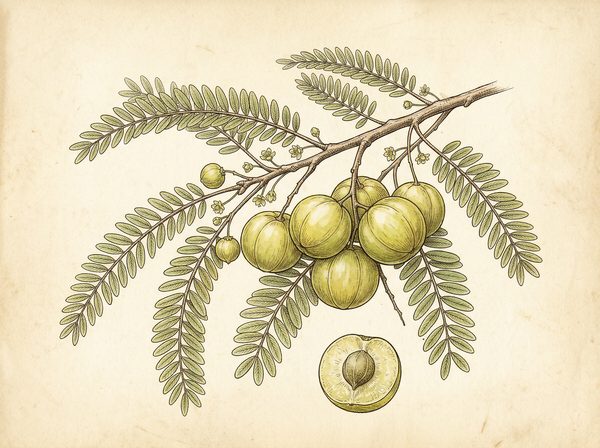 Indian gooseberryPhyllanthus emblica
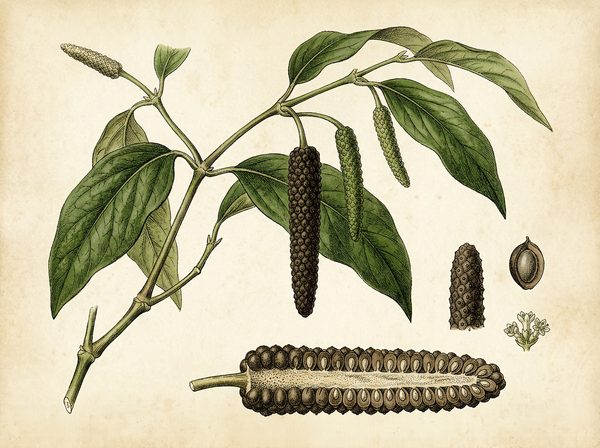 long pepperPiper longum
 chebulic myrobalanTerminalia chebula
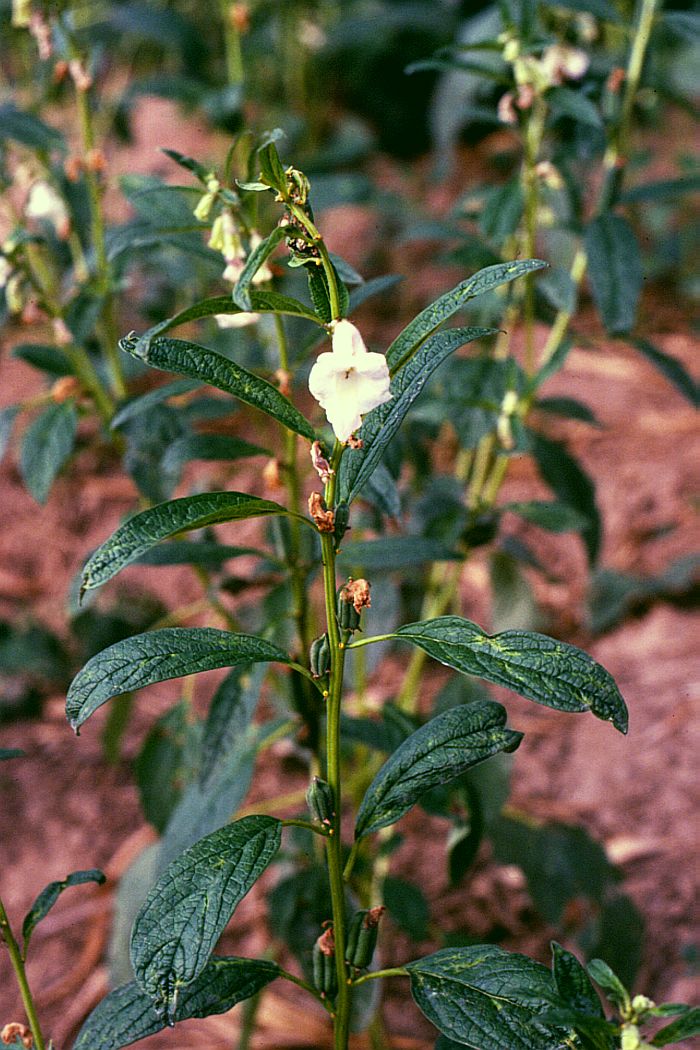 sesameSesamum indicum
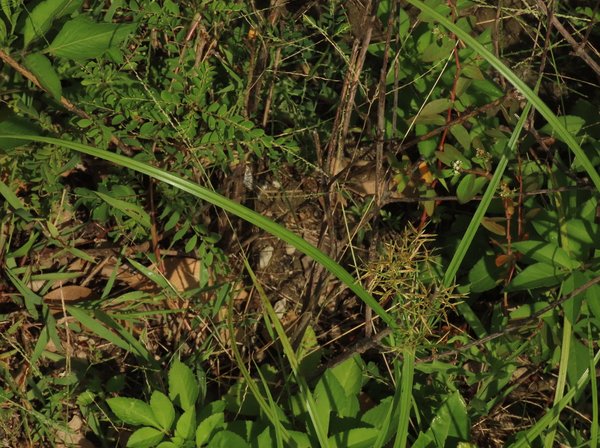 nut grassCyperus rotundus
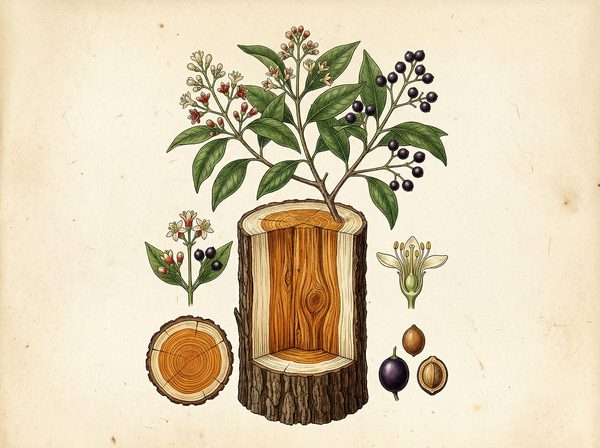 sandalwoodSantalum album
Nearby on the shelf
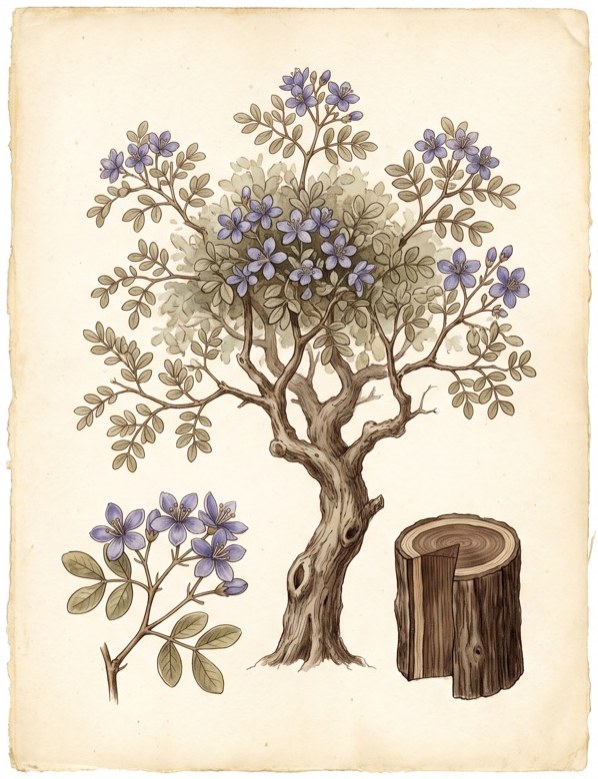 GuaiacumGuaiacum officinale
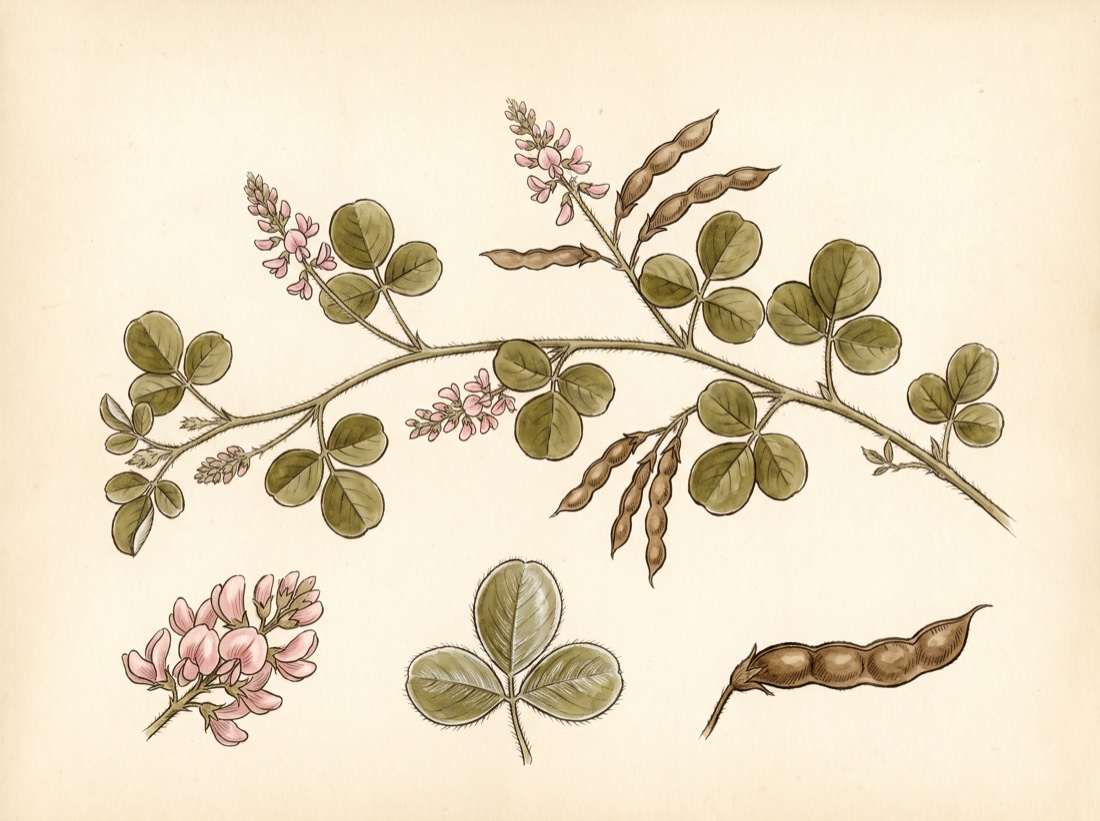 Guangdong money grassGrona styracifolia
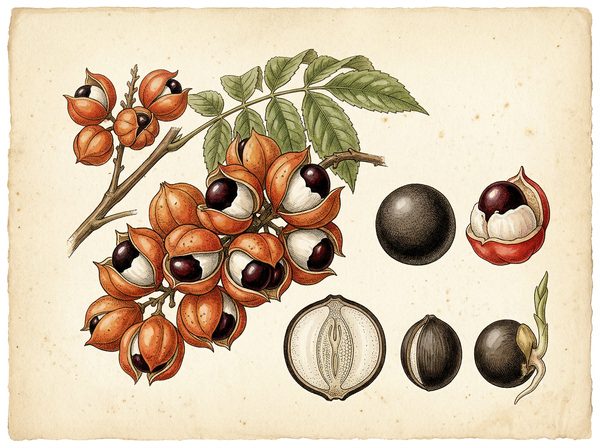 GuaranaPaullinia cupana
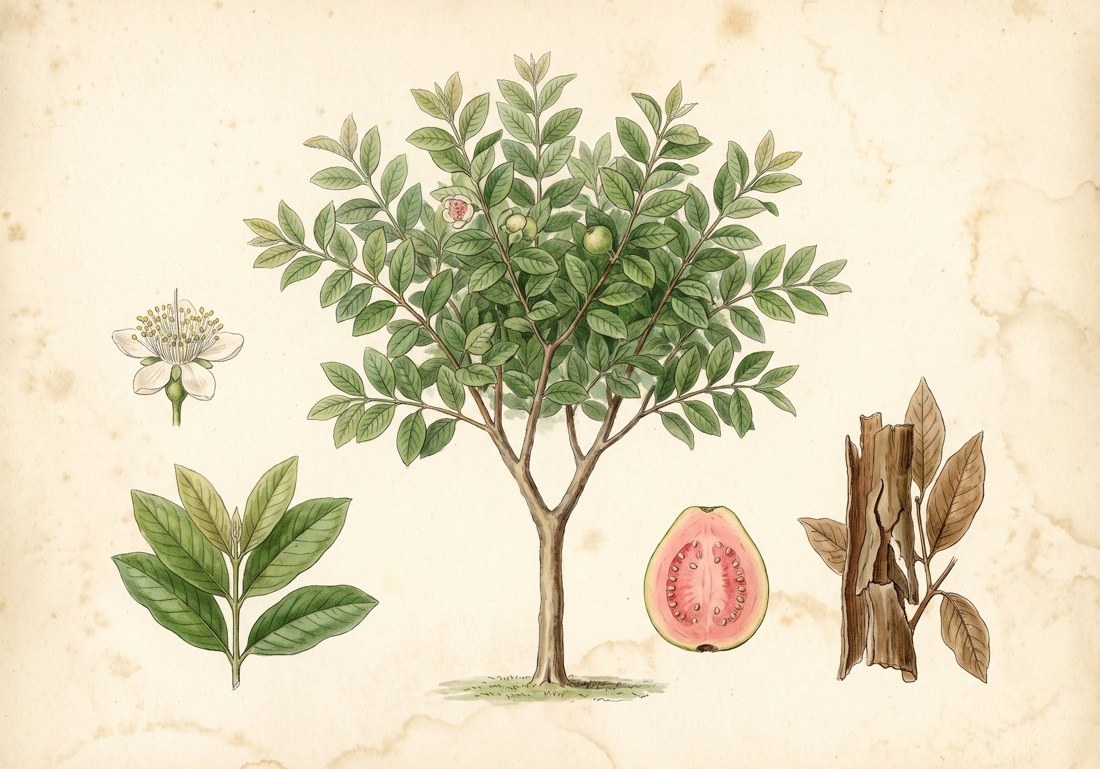 GuavaPsidium guajava
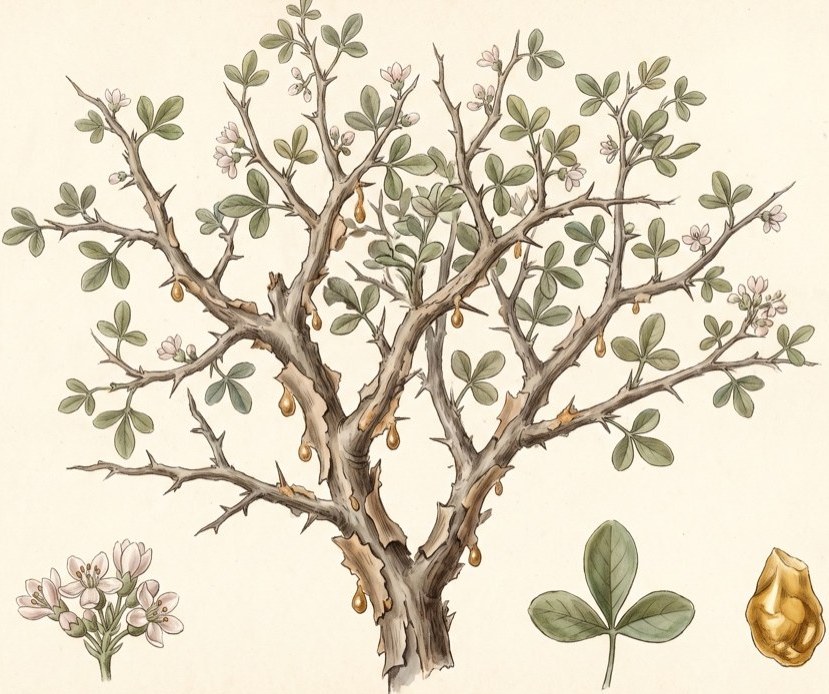 GuggulCommiphora mukul
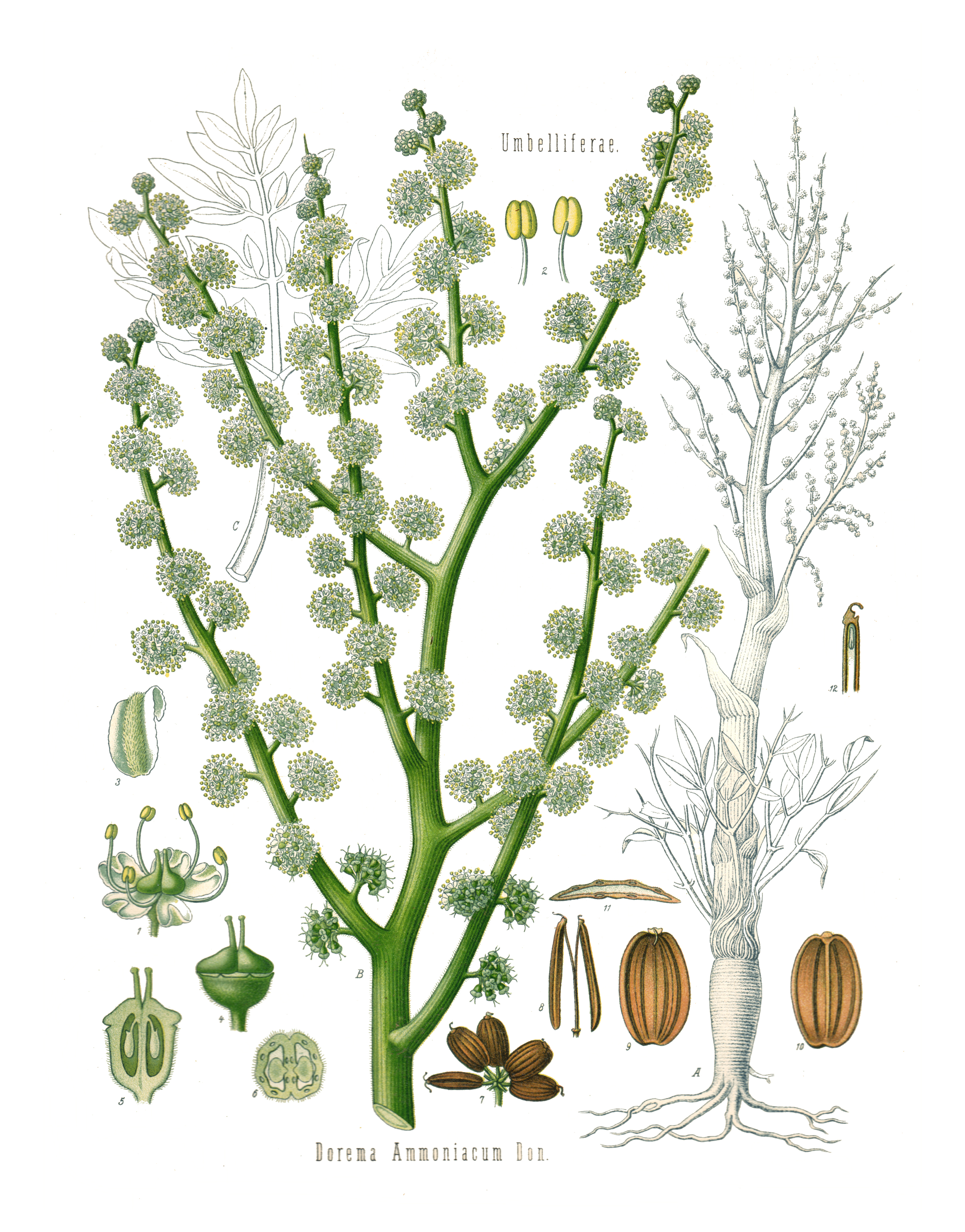 Gum ammoniacumDorema ammoniacum
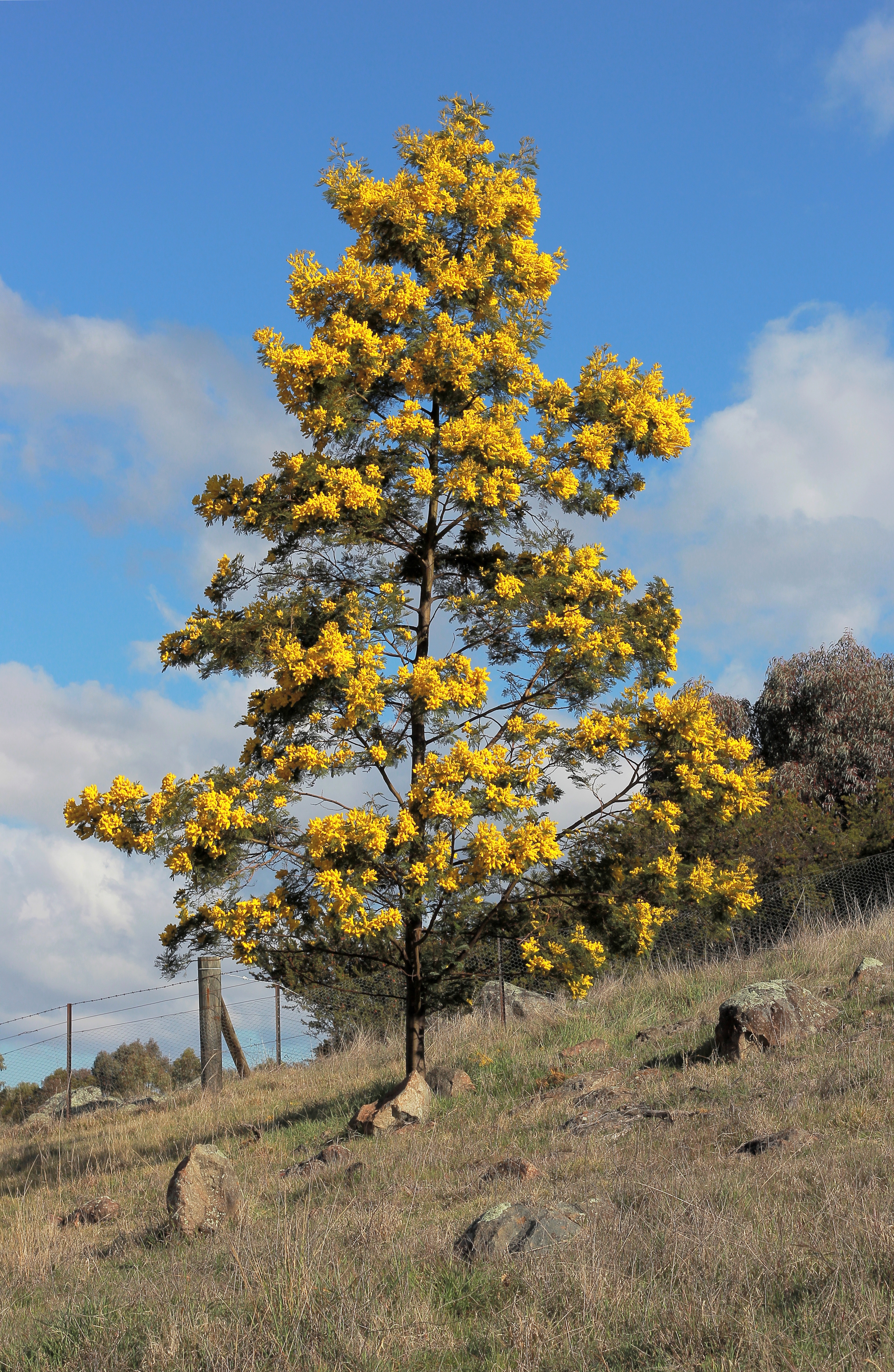 Gum arabicAcacia vera
 Gum weedGrindelia spp.
The whole plate is in the library. The compass, Compare, the Sky of eleven hundred plants and the formulary open with an email address and a password, free, with the formula builder and its safety engine. Herbert without limit, his formulating, clients, the handouts and the labels are the paid room.
Open the library, free