Western Herbalism
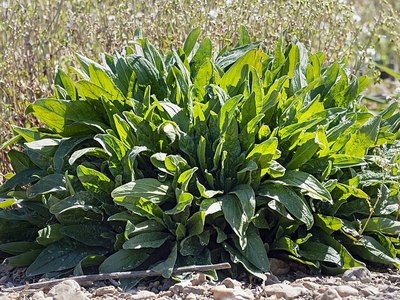
Sorrel
Rumex Acetosa
Also known as garden sorrel, common sorrel, sour dock, spinach dock.
Rumex acetosa is a perennial dock native to Europe and temperate Asia, long grown as a culinary and medicinal herb for its sharply sour, lemony leaves. The fresh or dried leaf has been used in eclectic and European folk practice as a cooling, diuretic, mildly astringent remedy, and the young leaves have served as a spring green rich in vitamin C. It is best known today as one component of a standardized European five-herb combination used for acute sinusitis.

Ask Herbert about Sorrel. Herbert is the master herbalist inside Bountiful Herbs: he answers from this plate and eleven hundred others, with dosing, pairing and cautions. Your first ten questions are free.
Ask HerbertActions
Indications what the tradition reached for it in
- Feverish thirst
- Mild scurvy or vitamin C deficiency
- Mouth ulcers and inflamed gums
- Mild sluggish digestion
- Skin eruptions and minor wounds (topical)
- Urinary complaints with scanty urine
- Loss of appetite
- Acute sinus congestion and catarrh (as part of combination formulas)
Specific indications
Feverish thirst with a dry mouth and a craving for something sharp and sour tasting
Acute viral rhinosinusitis with thick catarrh, used as one component of a multi-herb combination rather than alone
Safety
Low dose botanical. Used in drop doses in the classical practice; not a plant to dose freely.
Pregnancy: Avoid medicinal (concentrated) doses in pregnancy given the oxalate content; ordinary culinary use of the fresh leaf is not a concern.
The record lists 4 contraindications; open the plate in the library to read them in full.
In practice
Sorrel is rarely reached for as a stand-alone remedy in modern practice, but it has a long folk history as a refreshing, cooling drink for feverish states and as a spring tonic when fresh greens were scarce.
Dosing as the sources wrote it
| Preparation | As written | Metric |
|---|---|---|
| Dried leaf infusion | 2-4 g dried leaf as infusion, once or twice daily | 2000-4000 mg |
| Tincture (1:5, 45%) | 2-4 mL three times daily | 2-4 mL |
| Fresh leaf juice | 10-20 mL fresh pressed juice, diluted, once daily, short term only | 10-20 mL |
| this should be followed by an emetic or stomach-pump, and subsequently by lenitives. Wrapped up and roasted, the leaves form an excellent application to indolent tumors, wens, boils, etc., hastening suppuration. The inspissated juice, applied on leather, is said to form an effectual but painful cure for tumors, and the improbable claim has been made that it will cure incipient cancers. Acting upon this hint, the following preparation has been used as a remedy in cutaneous cancers, viz.: Take of burnt alum, 1 drachm | 3888 mg | |
| citric or tartaric acid | citric or tartaric acid, 2 drachms | 7776-7776 mg |
| oxalic acid | oxalic acid, 2 drachms | 7776-7776 mg |
Doses are reproduced from the sources for practitioners and are not a recommendation for any person.
From the sources
Overview. Rumex acetosa is a perennial dock native to Europe and temperate Asia, long grown as a culinary and medicinal herb for its sharply sour, lemony leaves. The fresh or dried leaf has been used in eclectic and European folk practice as a cooling, diuretic, mildly astringent remedy, and the young leaves have served as a spring green rich in vitamin C. It is best known today as one component of a standardized European five-herb combination used for acute sinusitis.
Clinical Notes. Sorrel is rarely reached for as a stand-alone remedy in modern practice, but it has a long folk history as a refreshing, cooling drink for feverish states and as a spring tonic when fresh greens were scarce.
Medical Uses and Dosage. This article, unless in great attenuation, is an unfit agent for internal administration, though it has been given in doses of three-quarters of a grain every 3 hours in diphtheria. Such a procedure is certainly dangerous, and an infusion of sorrel, sumac-bobs, and similar substances containing the acid in combination, would even be hazardous.
Drawn from King's American Dispensatory, 18th edition (Felter and Lloyd), and the Bountiful Herbs editorial.
Nearby on the shelf
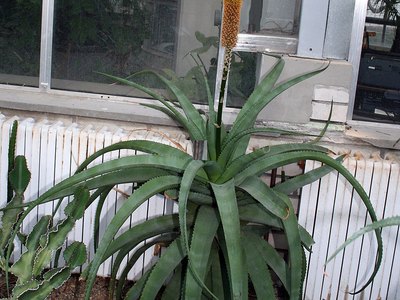 Socotrine aloesAloes socotrina
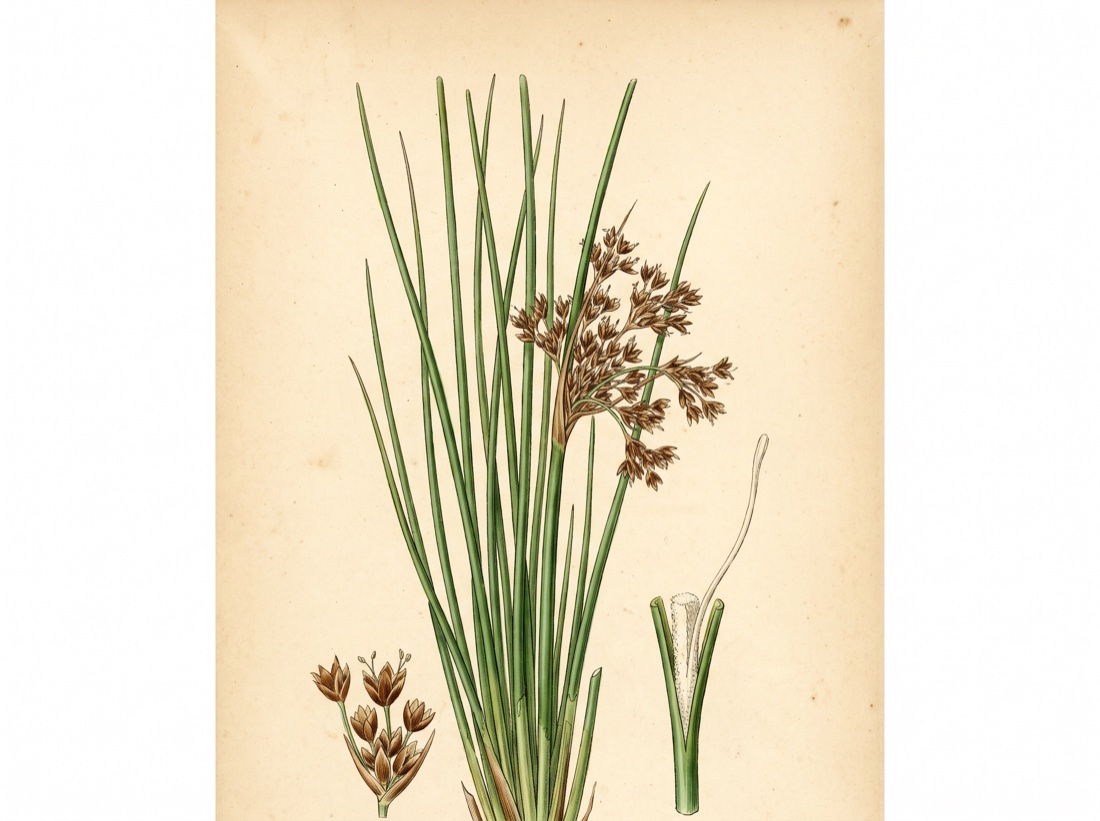 Soft rushJuncus effusus
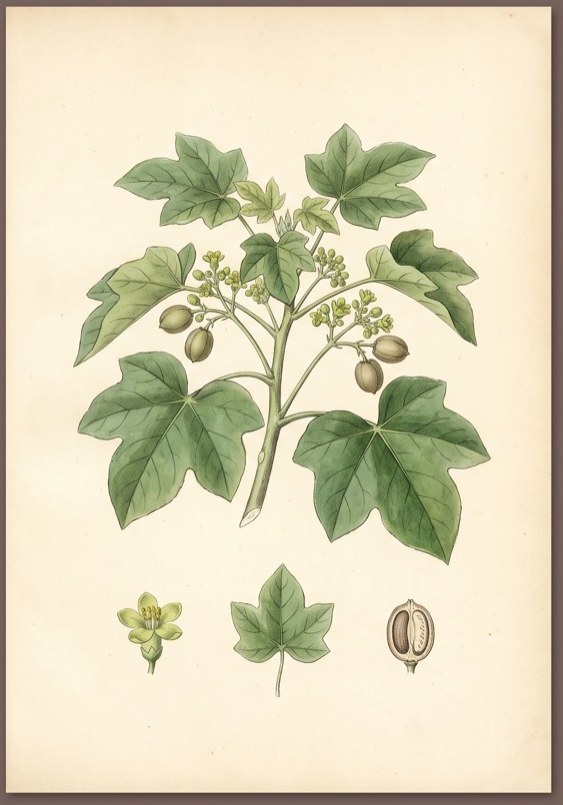 SolanumJatropha
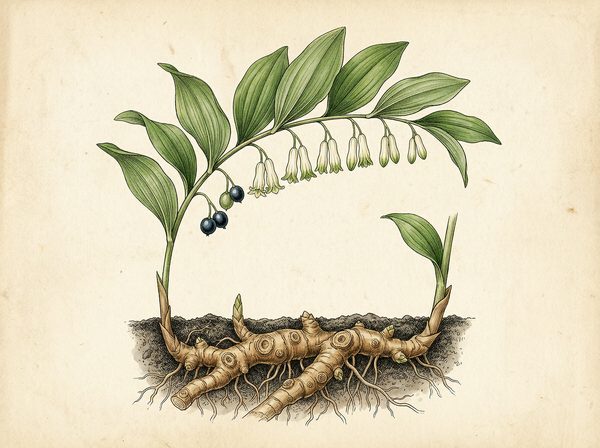 Solomon's SealPolygonatum biflorum
 SourwoodOxydendrum arboreum
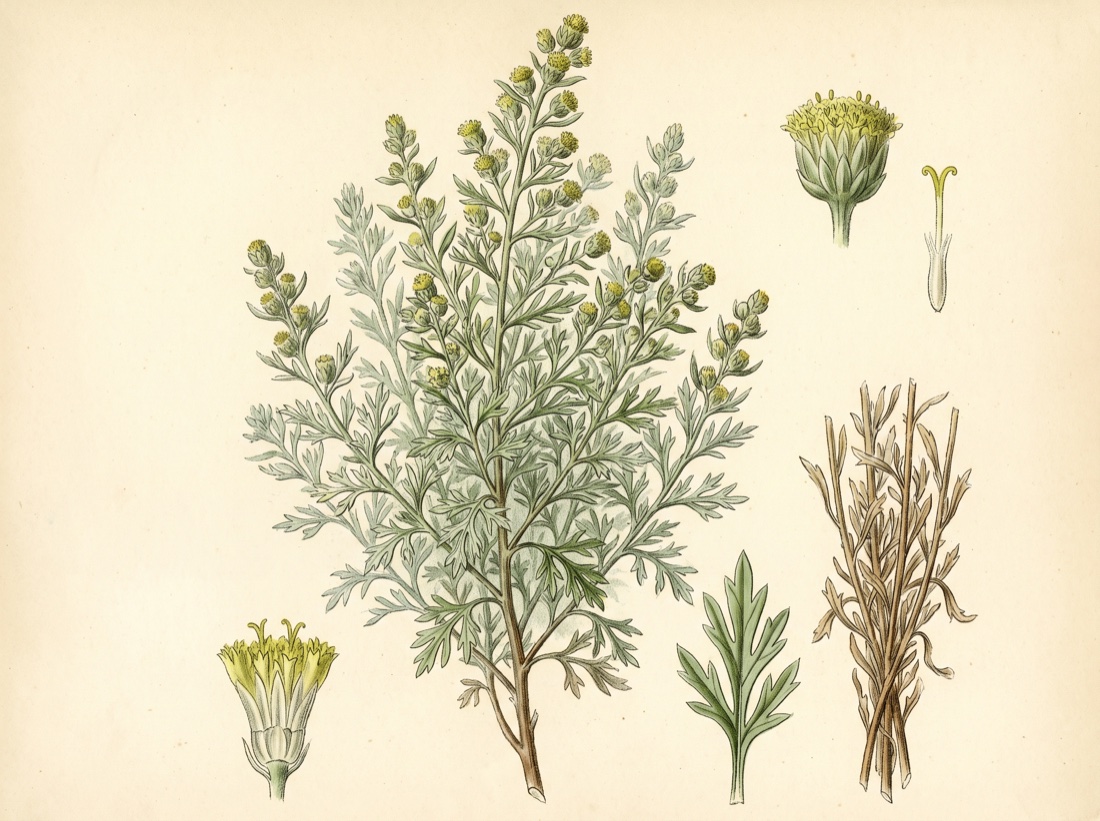 SouthernwoodArtemisia abrotanum
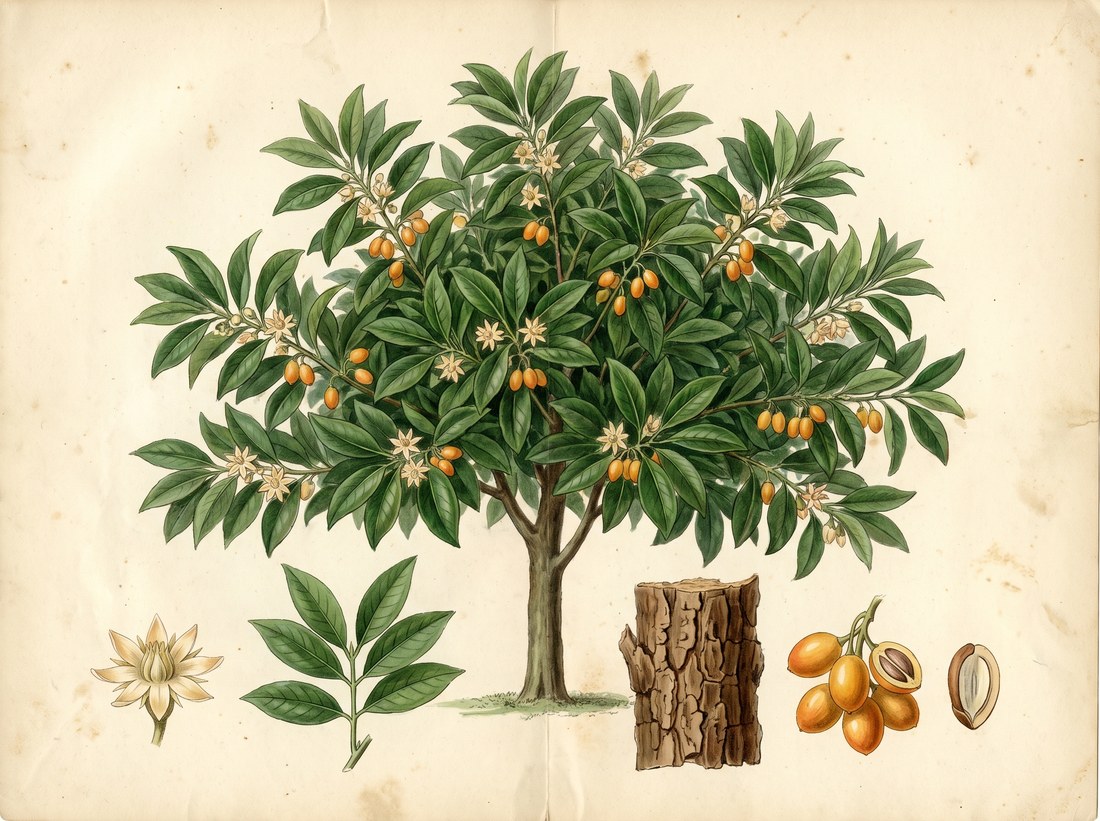 Spanish cherryMimusops elengi
 Spanish needlesBidens bipinnata
The whole plate is in the library. The compass, Compare, the Sky of eleven hundred plants and the formulary open with an email address and a password, free, with the formula builder and its safety engine. Herbert without limit, his formulating, clients, the handouts and the labels are the paid room.
Open the library, free