Western and Ayurvedic herbalism
Senna
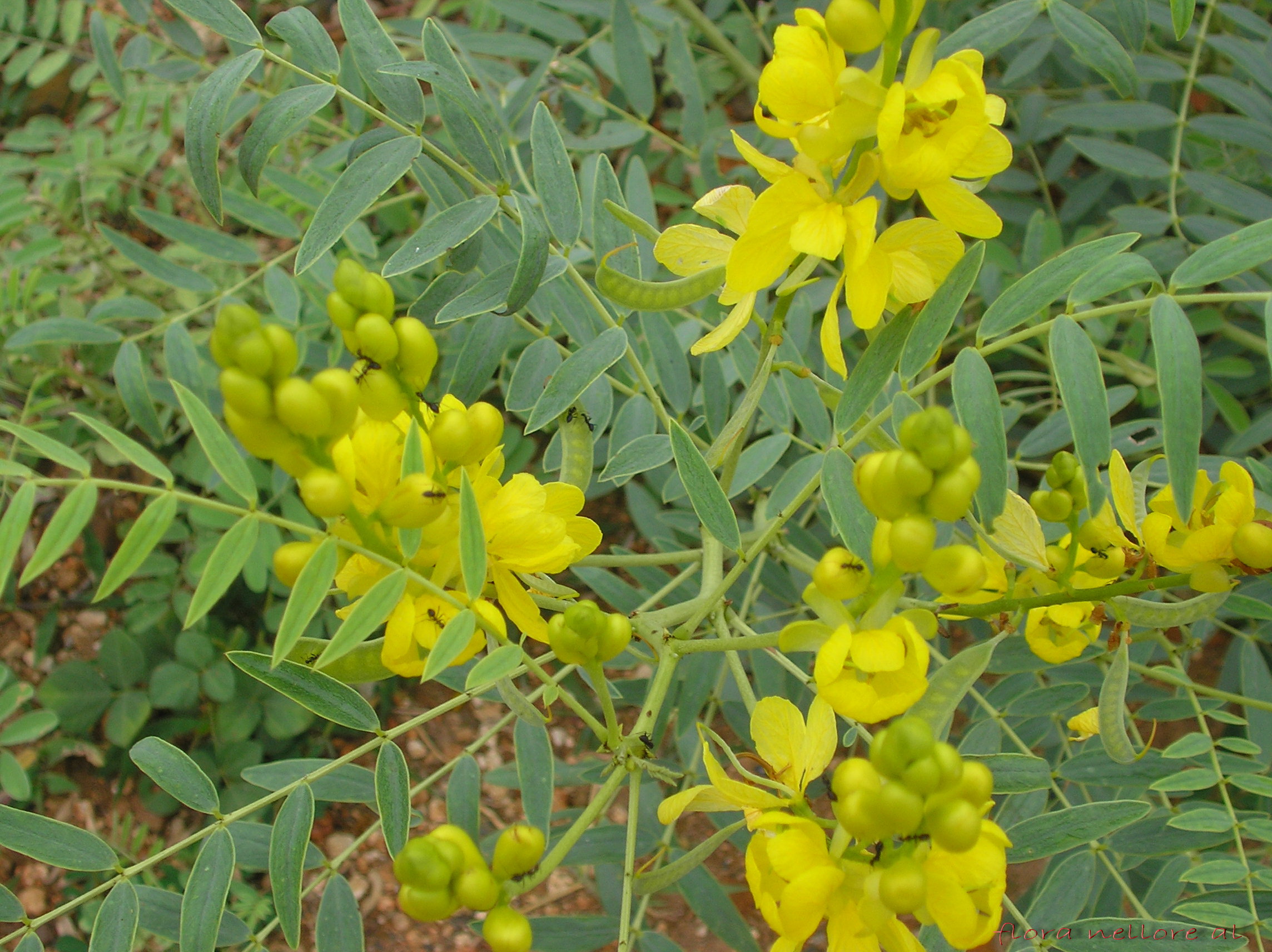
Senna alexandrina
Also known as Alexandrian Senna, Indian Senna, Khartoum Senna, Tinnevelly Senna, Alexandria Senna, (1) Alexandria Senna, (2) India or Tinnivelly Senna, Svarnapatri, Markandika, Svarnamukhi.
Senna alexandrina is a small shrub of the pea family native to the hot dry lands from Egypt and Sudan across Arabia to northwestern India, cultivated on a large scale in Tamil Nadu around Tirunelveli, whose narrow leaflets and flat pods are the senna of world commerce. Ayurveda calls it Svarnapatri, golden leaf, and although it is a later addition to the materia medica than the classical purgatives such as Trivrit and Haritaki, it has become the everyday laxative of Indian households and of the laxative churnas sold everywhere in India. It is a stimulant purgative, used for short periods and always tempered with aromatics.

Ask Herbert about Senna. Herbert is the master herbalist inside Bountiful Herbs: he answers from this plate and eleven hundred others, with dosing, pairing and cautions. Your first ten questions are free.
Ask HerbertActions
Indications what the tradition reached for it in
- Atonic constipation
- Hemorrhoids
- Anal fissure
- Rectal surgery
- Constipation
- Combination with ispaghula for constipation
- Occasional constipation
- Constipation from opioids or bed rest (short term)
- Hard stool with hemorrhoids or anal fissure, to keep the stool soft
- Bowel preparation before examination (under supervision)
- Constipation in kapha and pitta patients with heat and heaviness
- Sluggish liver with constipation and headache (traditional)
- Intestinal worms as part of a purgative regimen (traditional)
- Chronic constipation in the elderly, short courses, when bulk and osmotic agents fail
- Skin eruptions with constipation (traditional alterative use)
Specific indications
Flatulence and colic; a laxative for non-inflammatory conditions of the intestinal tract.
Safety
Low dose botanical. Used in drop doses in the classical practice; not a plant to dose freely.
Breastfeeding: Not for use while breastfeeding
The record lists 8 contraindications; open the plate in the library to read them in full.
In Ayurveda
Rasa: tikta (bitter), katu (pungent), madhura (sweet). Virya: ushna (heating). Vipaka: katu (pungent). Guna: laghu (light), ruksha (dry), tikshna (sharp). Dosha: pacifies kapha and pitta by purgation; aggravates vata with repeated use. Prabhava: rechana (purgative) at ordinary dose. Karma: rechana (purgative); bhedana (breaks up hard stool); anulomana (carries downward); krimighna (anthelmintic); kaphapittahara (reduces kapha and pitta); pittasaraka (drains bile); shothahara (reduces swelling); kushthaghna (relieves skin disease); yakrituttejaka (stimulates the liver). Classical indications: vibandha (constipation); udavarta (upward movement of vata with retained stool and gas); arsha (hemorrhoids with constipation); krimi (intestinal worms); kushtha (skin disease); shotha (edema); kamala (jaundice); pittaja and kaphaja disorders needing purgation; gulma (abdominal mass or distension). The dried leaflets and pods are given as churna with warm water at night, as phanta (hot infusion) or hima (cold infusion) to reduce griping, and as an ingredient of laxative churnas with aromatic correctives; the pod is gentler than the leaf. Classical formulations: Svarnapatri churna, Panchasakara churna, Shatsakara churna, Kabz har churna and similar laxative powders, Sanay ka phanta (senna infusion). Described in: Bhavaprakasha Nighantu, Raja Nighantu, Ayurvedic Pharmacopoeia of India.
Dosing as the sources wrote it
| Preparation | As written | Metric |
|---|---|---|
| Tincture (1:5) | 1-2 ml hs | 1-2 mL |
| Tincture (1:5) | 5-10 gtts 3-5 x/day to retrain bowel | 0.1-0.2 mL |
| Infusion | 1/2-2 tsp/c hs | |
| Avoid use for more than | Avoid use for more than 10 days | |
| (G6, G7) 0.6-0.2 g (equivalent to 20 -30 mg hydroxyanthracene glycosides calculated as sennosides B) | 600-200 mg | |
| S 537 Dried leaflets 0.5-2.0 g(G6, G7) (equivalent to 20 -30 mg hydro- xyanthracene glycosides calculated as sennoside B) | 500-2000 mg |
Doses are reproduced from the sources for practitioners and are not a recommendation for any person.
From the sources
Overview. Senna alexandrina is a small shrub of the pea family native to the hot dry lands from Egypt and Sudan across Arabia to northwestern India, cultivated on a large scale in Tamil Nadu around Tirunelveli, whose narrow leaflets and flat pods are the senna of world commerce. Ayurveda calls it Svarnapatri, golden leaf, and although it is a later addition to the materia medica than the classical purgatives such as Trivrit and Haritaki, it has become the everyday laxative of Indian households and of the laxative churnas sold everywhere in India. It is a stimulant purgative, used for short periods and always tempered with aromatics.
Clinical Notes. The Ayurvedic physician uses Svarnapatri as a rechana, a dependable stimulant purgative for constipation with heat and heaviness, for hemorrhoids that need soft stool, for worms, for edema and for skin disease where purgation is part of the plan.
Action and Therapy. Senna is a manageable and useful cathartic producing copious yellowish-brown evacuations, and causing considerable griping when used alone. While it influences the whole intestinal tract, exciting peristalsis as it passes along, the greater action is exerted upon the colon.
Therapy. Senna is an efficient remedy, mild, kindly, certain and uniform in its action. It is a constituent of the larger number of the proprietary laxative or cathartic compounds, syrups, cordials or elixirs. It is used in all cases of temporary constipation, however induced.
Drawn from Cook's Physio-Medical Dispensatory; Scudder's Specific Medication and Specific Medicines; King's American Dispensatory, 18th edition (Felter and Lloyd); Ellingwood's American Materia Medica, Therapeutics and Pharmacognosy, and the Bountiful Herbs editorial.
In formulas
Senna stands in 30 documented formulas in the library, among them Compound Infusion of Senna, Pulvis Glycyrrhizae Compositus, Pulvis Jalapae Compositus, xi gǎn ming mù sǎn, Sārivādyāsava, wu zĩ tāng.
Often paired with
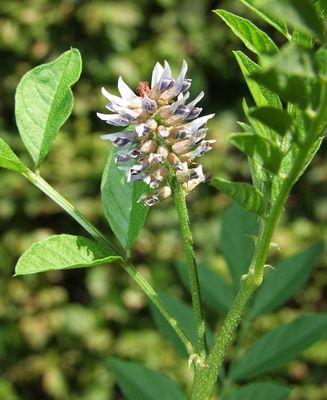 Licorice rootGlycyrrhiza glabra
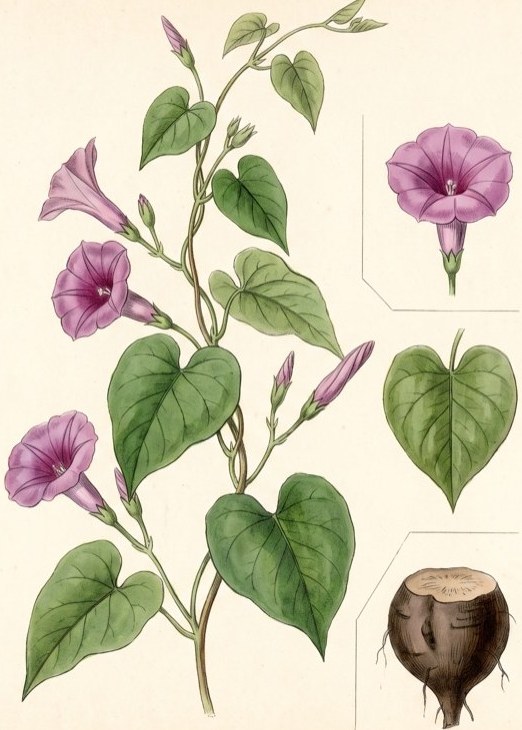 JalapIpomea jalapa
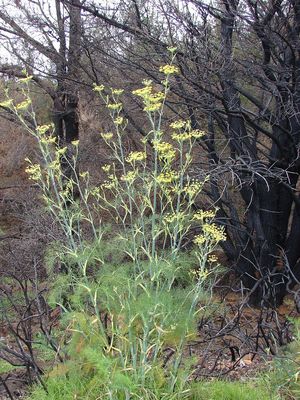 FennelFoeniculum vulgare
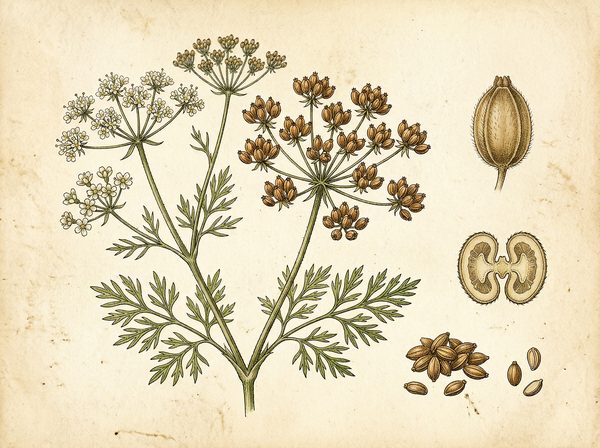 AnisePimpinella anisum
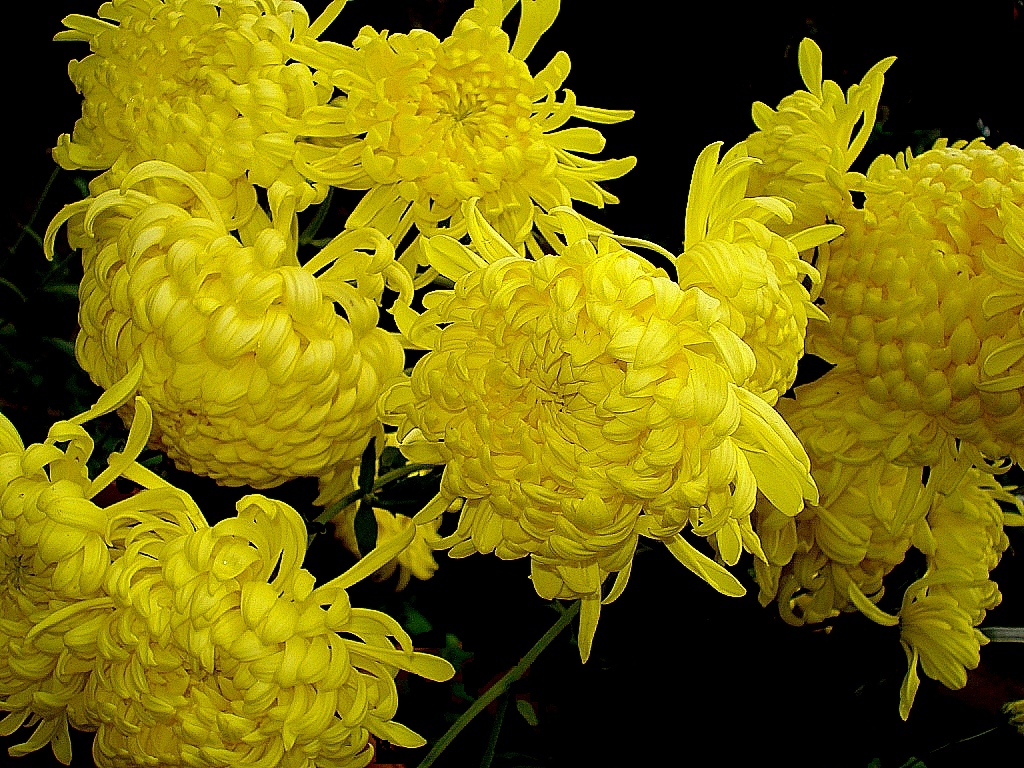 ChrysanthemumChrysanthemum × morifolium
 GingerZingiber officinale
Nearby on the shelf
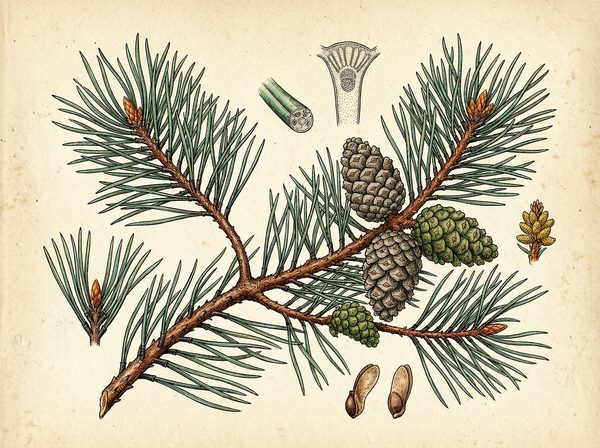 Scotch PinePinus sylvestris
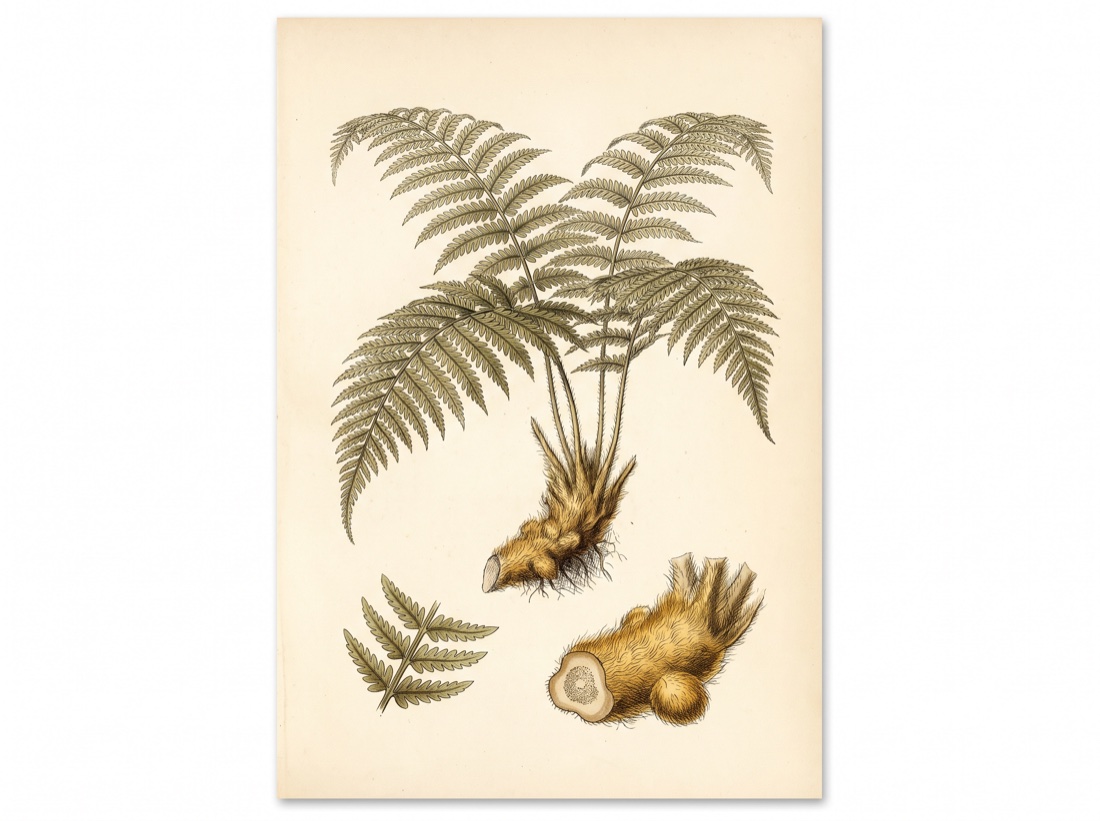 Scythian lambCibotium barometz
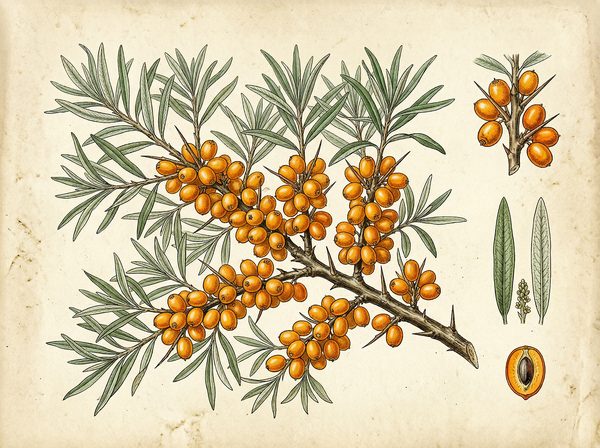 Sea BuckthornHippophae rhamnoides
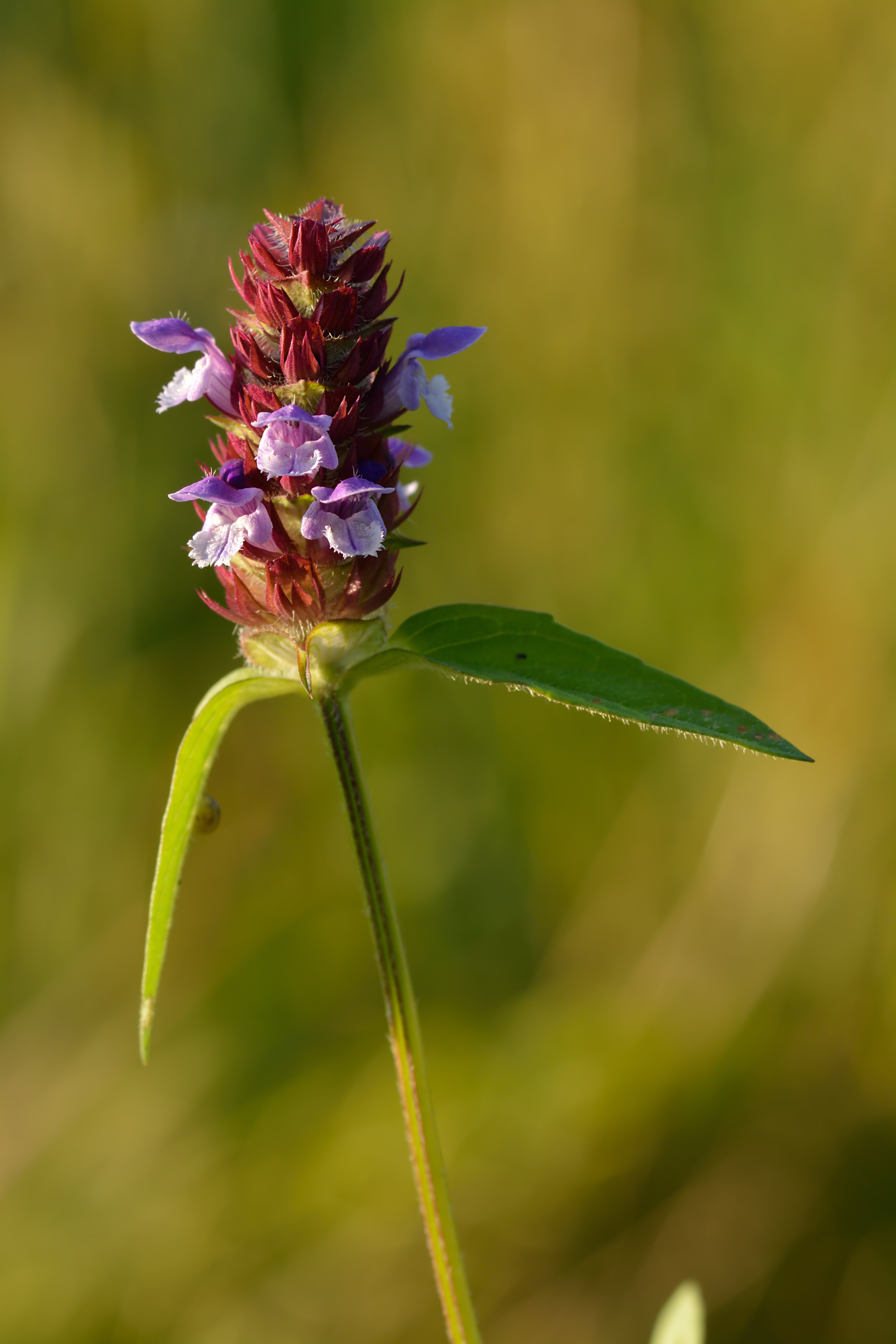 Self-HealPrunella vulgaris
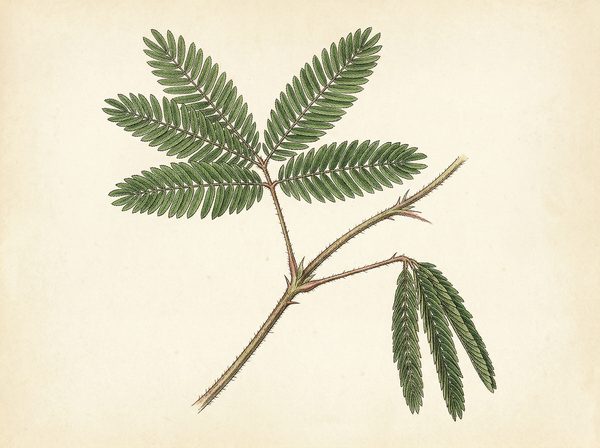 Sensitive plantMimosa pudica
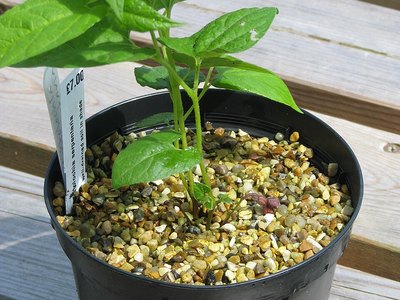 SerpentariaAristolochia serpentaria
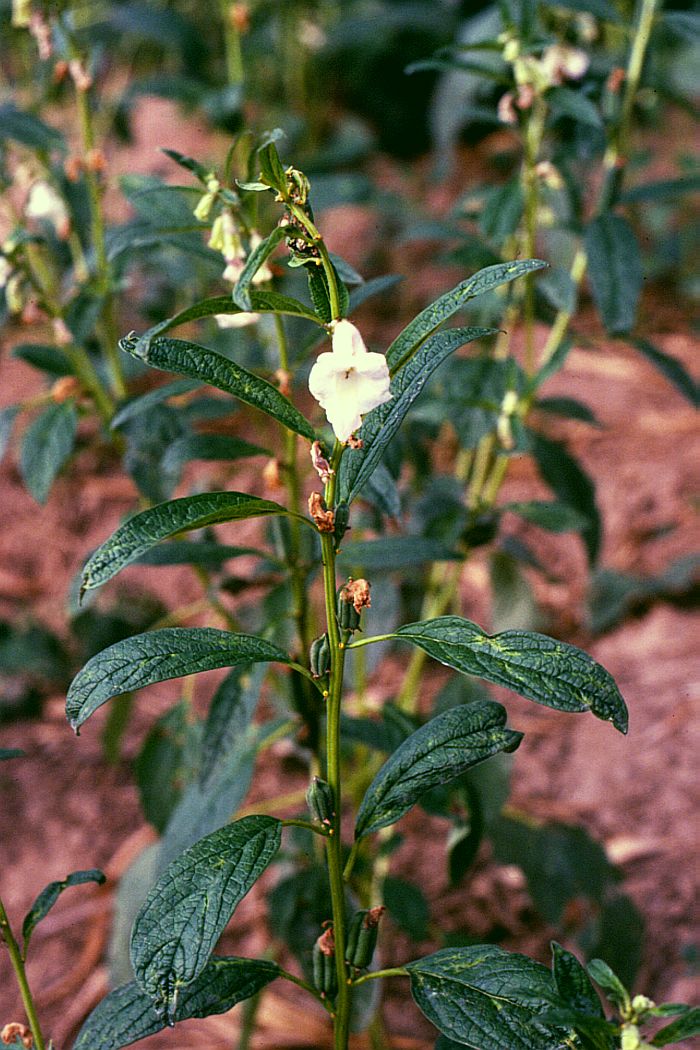 SesameSesamum indicum
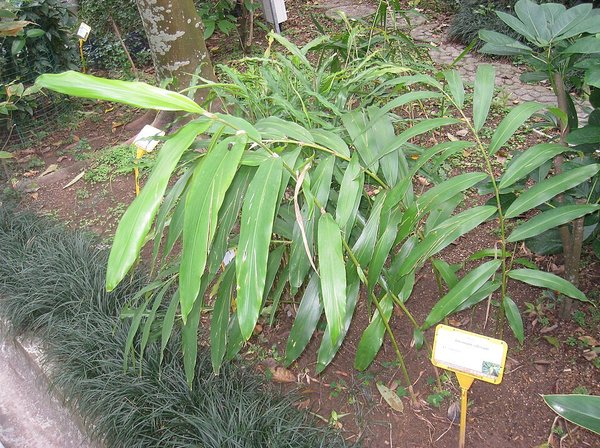 Sha RenAmomum villosum
The whole plate is in the library. The compass, Compare, the Sky of eleven hundred plants and the formulary open with an email address and a password, free, with the formula builder and its safety engine. Herbert without limit, his formulating, clients, the handouts and the labels are the paid room.
Open the library, free