Chinese Herbalism
Scythian lamb
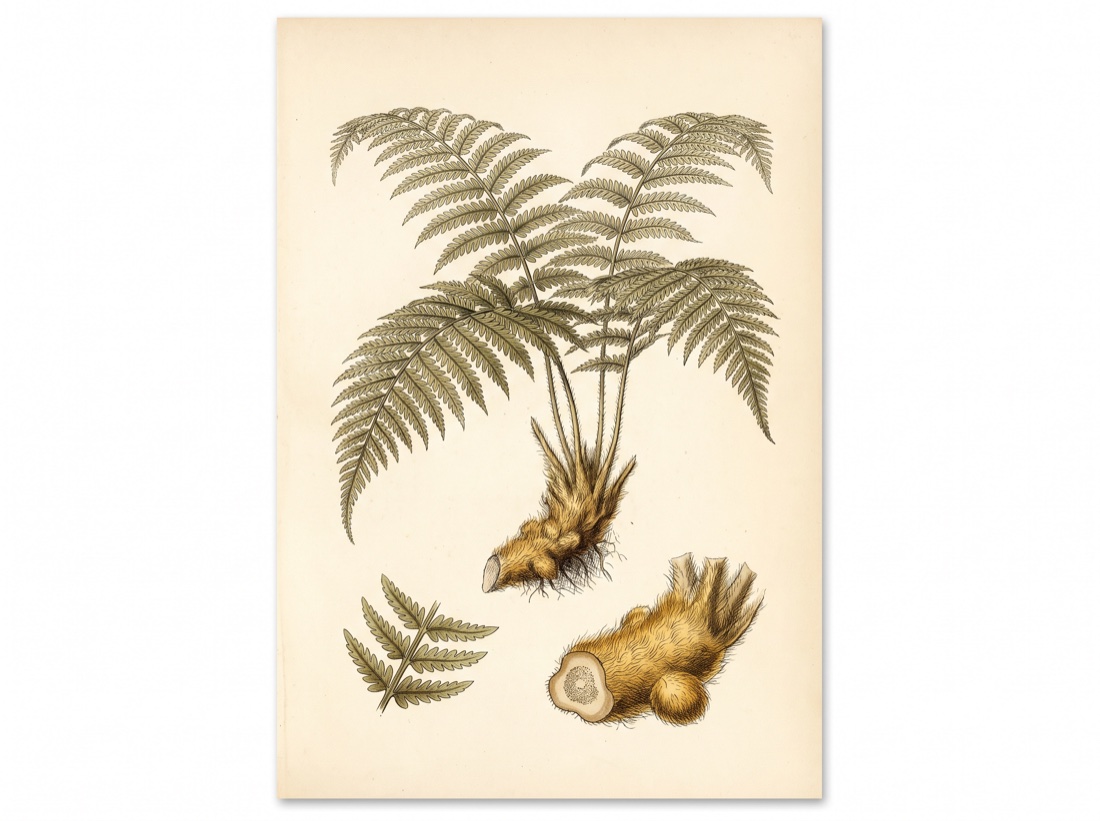
Cibotium barometz
Also known as golden chicken fern, woolly fern, vegetable lamb of Tartary, chain fern, cibotium, gou ji, gǒu jǐ.
Gou ji is a large tree fern of southern China, Indochina and the Malay Peninsula, named for its thick rhizome that is covered in dense golden brown hairs and, when cut, resembles a dog's spine. The sliced, dried rhizome is the medicine; the golden hairs are kept separately as a traditional styptic. In Chinese medicine it is a warm tonic for the liver and kidney that specifically strengthens the lower back, sinews and bones, and it is a routine ingredient in formulas for the aching, weak lumbar spine of aging.

Ask Herbert about Scythian lamb. Herbert is the master herbalist inside Bountiful Herbs: he answers from this plate and eleven hundred others, with dosing, pairing and cautions. Your first ten questions are free.
Ask HerbertActions
Indications what the tradition reached for it in
- Chronic low back pain with weakness and stiffness
- Weak, sore knees and legs in older adults
- Osteoarthritis of the spine, hips and knees
- Rheumatic pain worsened by cold and damp
- Post-injury stiffness of the lumbar spine
- Osteoporosis and age-related bone loss (supportive)
- Urinary frequency and dribbling from kidney deficiency
- Chronic clear vaginal discharge with lower back weakness
- Bleeding from minor cuts (topical hairs)
Specific indications
An older patient with a stiff, aching lower back that feels cold and weak, worse in damp weather, who cannot stand or walk for long
Knee pain with a sense of the legs giving way, combined with nocturia, in a kidney deficiency picture
Safety
The record lists 6 contraindications; open the plate in the library to read them in full.
In practice
Gou ji is a dependable structural herb for the lower body. Think of it whenever the presenting picture is low back or knee weakness with pain that is dull, stiff and cold rather than hot and inflamed, especially in patients past middle age or after a lumbar injury that never fully recovered.
In Chinese medicine
Temperature: warm. Taste: bitter, sweet. Channels: Liver, Kidney. Actions: Tonifies the liver and kidney; Strengthens the sinews and bones; Dispels wind-dampness from the lower back and legs; Stabilizes the kidney to stop leakage (urinary frequency, vaginal discharge).
Dosing as the sources wrote it
| Preparation | As written | Metric |
|---|---|---|
| Decoction | 6-12 g dried rhizome daily in decoction | 6000-12000 mg |
| Powder or pill | 2-4 g powdered rhizome twice daily | 2000-4000 mg |
| Tincture (1:5, 40%) | 2-4 mL three times daily | 2-4 mL |
| Topical hairs | small pinch of dried golden hairs pressed onto a bleeding cut as needed |
Doses are reproduced from the sources for practitioners and are not a recommendation for any person.
From the sources
Overview. Gou ji is a large tree fern of southern China, Indochina and the Malay Peninsula, named for its thick rhizome that is covered in dense golden brown hairs and, when cut, resembles a dog's spine. The sliced, dried rhizome is the medicine; the golden hairs are kept separately as a traditional styptic. In Chinese medicine it is a warm tonic for the liver and kidney that specifically strengthens the lower back, sinews and bones, and it is a routine ingredient in formulas for the aching, weak lumbar spine of aging.
Clinical Notes. Gou ji is a dependable structural herb for the lower body. Think of it whenever the presenting picture is low back or knee weakness with pain that is dull, stiff and cold rather than hot and inflamed, especially in patients past middle age or after a lumbar injury that never fully recovered.
Chinese Medicine Profile. Temperature: warm. Taste: bitter, sweet. Channels: Liver, Kidney. Actions: Tonifies the liver and kidney; Strengthens the sinews and bones; Dispels wind-dampness from the lower back and legs; Stabilizes the kidney to stop leakage (urinary frequency, vaginal discharge).
Nearby on the shelf
 SaxifrageSaxifraga pennsylvanica
 ScammonyConvolvulus scammonia
 Scotch BroomCytisus scoparius
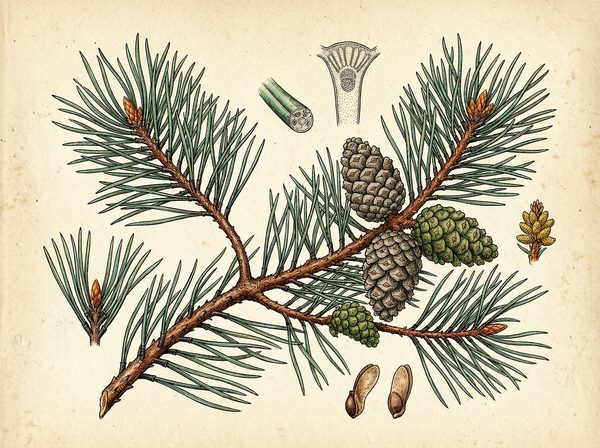 Scotch PinePinus sylvestris
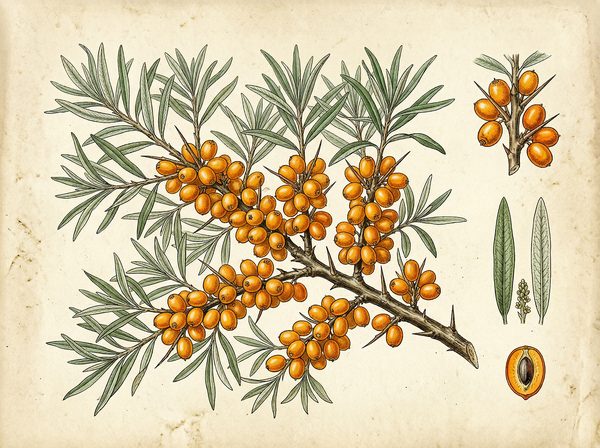 Sea BuckthornHippophae rhamnoides
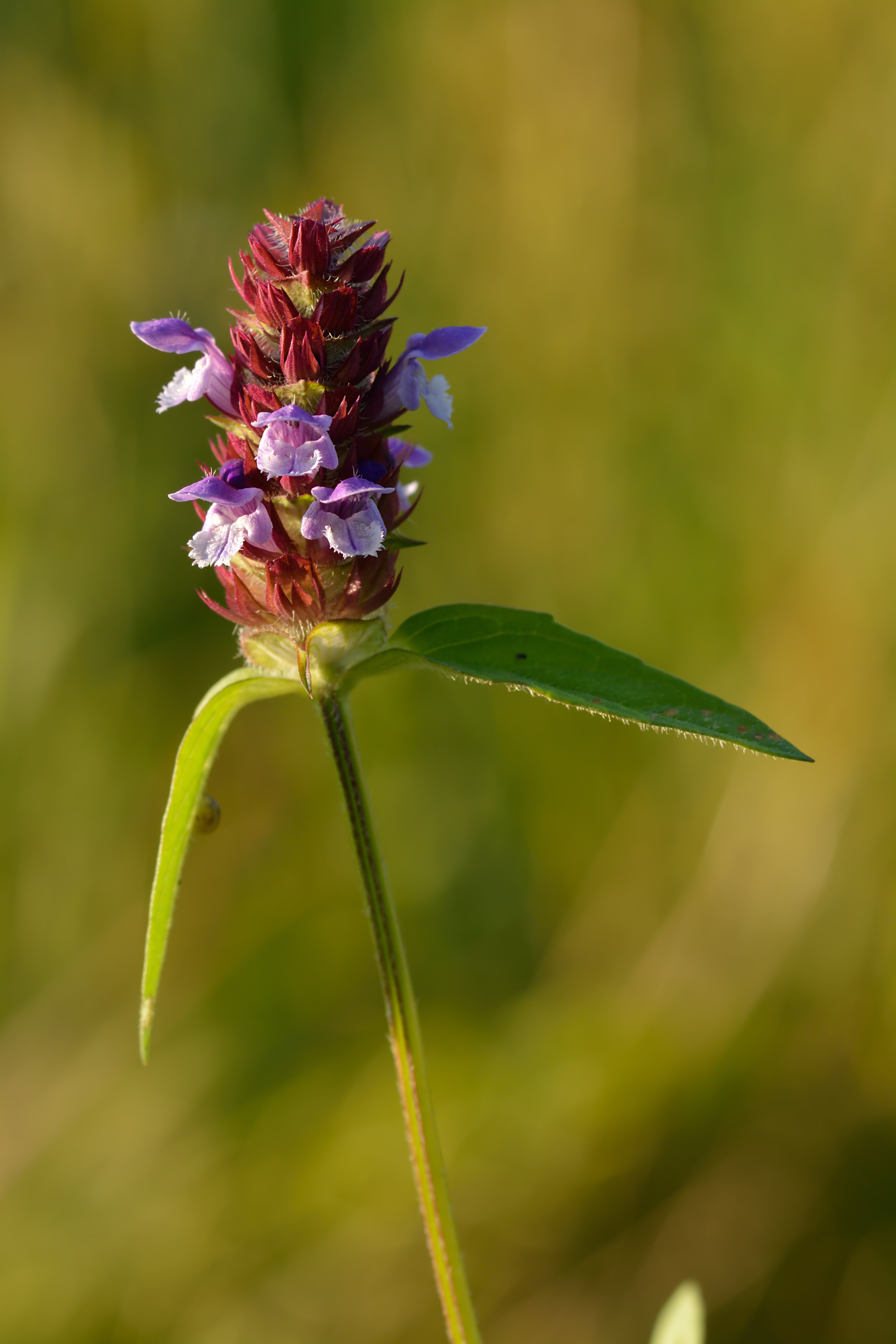 Self-HealPrunella vulgaris
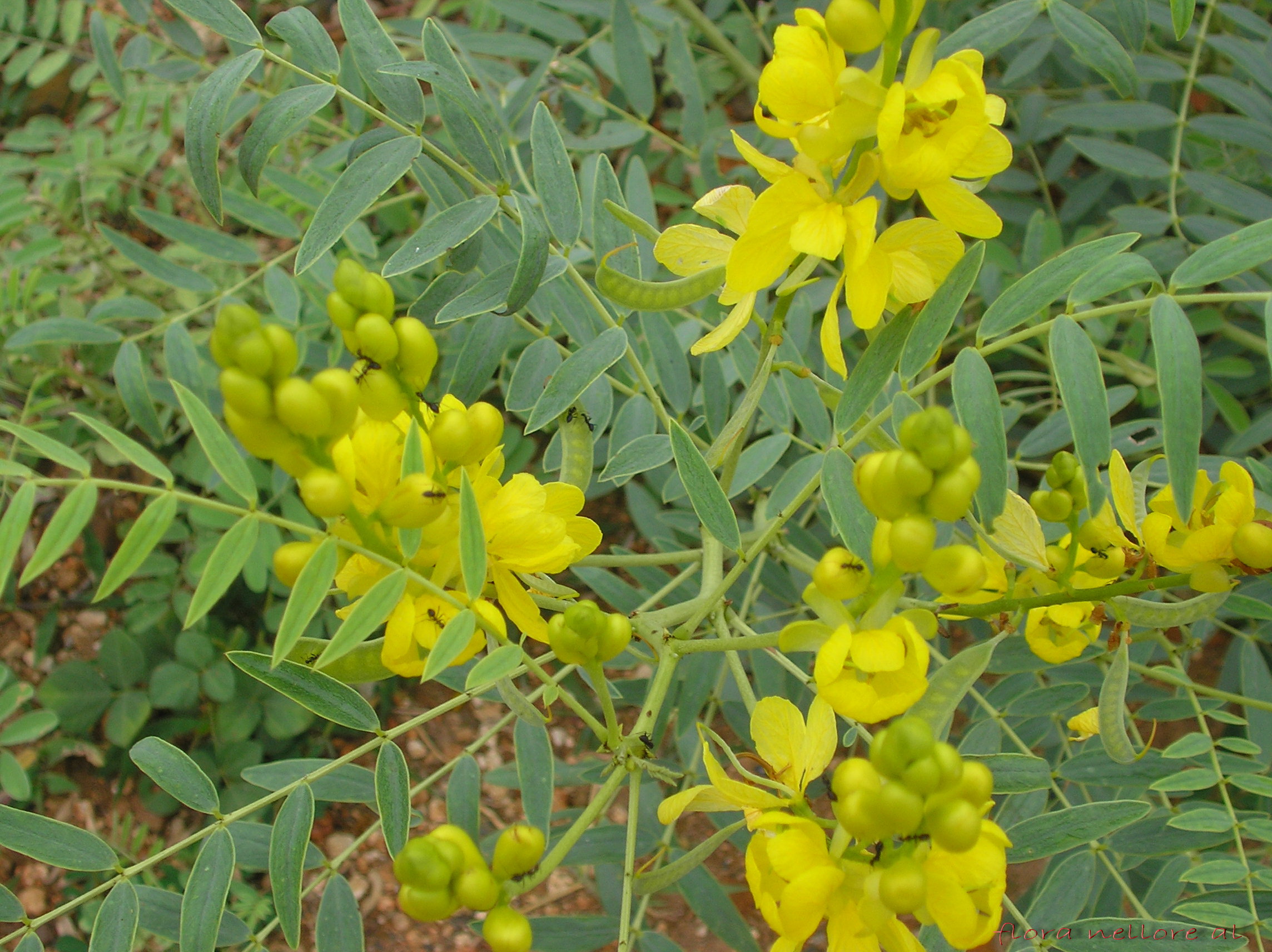 SennaSenna alexandrina
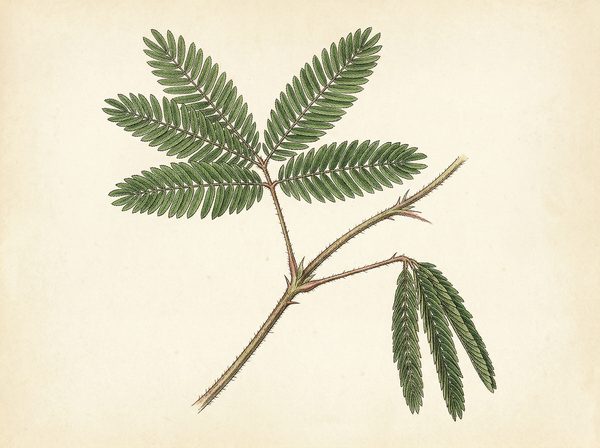 Sensitive plantMimosa pudica
The whole plate is in the library. The compass, Compare, the Sky of eleven hundred plants and the formulary open with an email address and a password, free, with the formula builder and its safety engine. Herbert without limit, his formulating, clients, the handouts and the labels are the paid room.
Open the library, free