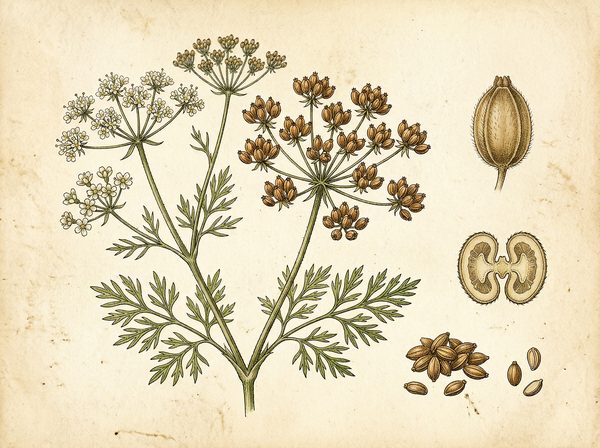
Western Herbalism
Anise
Pimpinella anisum
Also known as Aniseed, Anisi Fructus.
Traditionally used in Iranian medicine as carminative, galactagogue, diuretic clinical trials support use in menopausal hot flashes, dysmenorrhea, diabetes (hypoglycemic), constipation

Ask Herbert about Anise. Herbert is the master herbalist inside Bountiful Herbs: he answers from this plate and eleven hundred others, with dosing, pairing and cautions. Your first ten questions are free.
Ask HerbertActions
Indications what the tradition reached for it in
- Catarrh upper respiratory tract
- Nausea
- Chronic constipation
- Colic infants
- Loss of appetite
- Dyspeptic complaints
- Cough
- Gas
- Flatulence
- Whooping cough
- Bronchitis
- Menopausal hot flashes
- Dysmenorrhea
- Bloating
- Mild spasmodic gastrointestinal complaints
- Abdominal cramps
- Indigestion
- Abdominal distension
- Colic
- Constipation
- Cramps
- Digestive discomfort
- Fungal infections
- Insufficient lactation
- Muscle spasms
- Respiratory congestion
- Digestive complaints
- Respiratory complaints
- Low milk supply
- Bacterial infection
Specific indications
Flatulence, with colicky pain.
Safety
Pregnancy: Pregnancy Caution
The record lists 6 contraindications; open the plate in the library to read them in full.
Dosing as the sources wrote it
| Preparation | As written | Metric |
|---|---|---|
| Tea: 1-3g seed infused 10 min, 2-3x/day | 1000-3000 mg | |
| Powder: 3g/day or 5g/day | 3000-3000 mg | |
| Essential oil: 0.3g/day | 300-300 mg | |
| Tincture: 1-3ml 1:5 | 1-3 mL | |
| Dried fruit Adults: 1.0-5.0 g crushed fruits in 150 mL water as an infusion several times daily | 1000-5000 mg | |
| (G52) Oil 0.05-0.2 mL three times daily .(G7) Spirit of anise (BPC 1949) 0.3 -1.0 mL three times daily | 0.05-0.2 mL |
Doses are reproduced from the sources for practitioners and are not a recommendation for any person.
From the sources
Clinical Notes. Traditionally used in Iranian medicine as carminative, galactagogue, diuretic clinical trials support use in menopausal hot flashes, dysmenorrhea, diabetes (hypoglycemic), constipation
Action and Therapy. Anise is an agreeable stimulating carminative employed principally for the relief of nausea, flatulency, and the flatulent colic of infants. Anise imparts its odor to the milk of nursing mothers. It is an ingredient of Paregoric (Camphorated Tincture of Opium), and is largely used to impart to or correct flavor in medicinal preparations, especially cough mixtures. For infants the infusion is the best preparation and it should not be sweetened. The spirit (1/2 to 1 fluidrachm) given in hot water is more agreeable and effective for older children and adults. The oil (1 to 5 drops) on sugar may be used by the latter, if desired.
Properties and Uses. The oil is one of the most pleasant and sweet of the aromatics, nearly a pure relaxant, and valued for its carminative and nervine influence in flatulent colic, both of children and adults. Few carminatives are so reliable; and it is equally excellent to prevent the griping of stimulating cathartics, and to cover the taste of bitter and nauseating medicines.
Action, Medical Uses, and Dosage. Both the seeds and oil of star-anise possess the stimulant, diuretic, carminative, and slightly anodyne properties of anise. Locally applied and internally administered, they have been used for abdominal pains, particularly when associated with flatus, and in bronchitis, and locally alone in earache and rheumatic complaints. The dose of the powder is from 10 to 20 grains; of the oil, from 1 to 10 drops. Oil of star-anise is largely employed to impart a flavor to spirits, especially in France, Germany and Italy.
Drawn from Cook's Physio-Medical Dispensatory; King's American Dispensatory, 18th edition (Felter and Lloyd); Felter's Eclectic Materia Medica, Pharmacology and Therapeutics, and the Bountiful Herbs editorial.
Often paired with
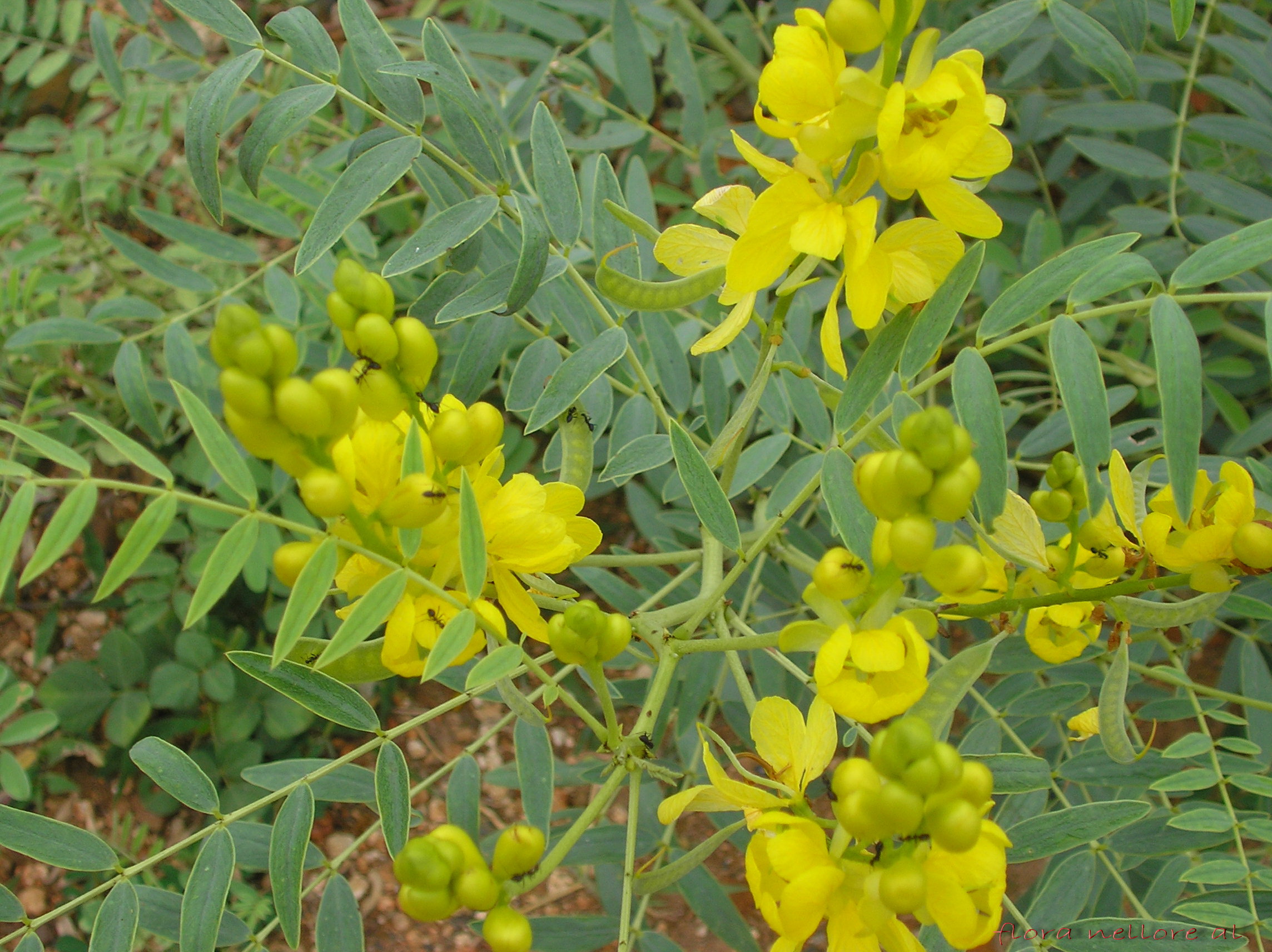 SennaSenna alexandrina
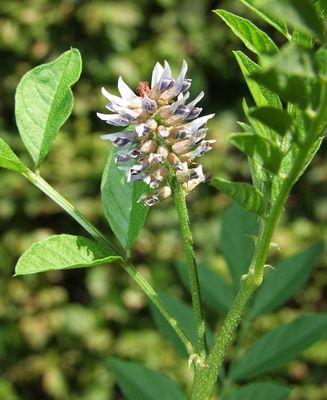 Licorice rootGlycyrrhiza glabra
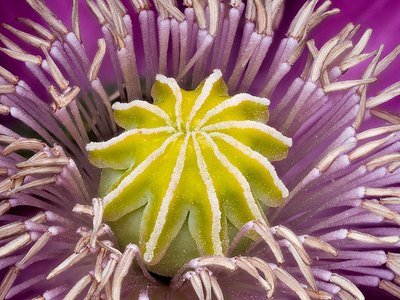 Opium poppyPapaver somniferum
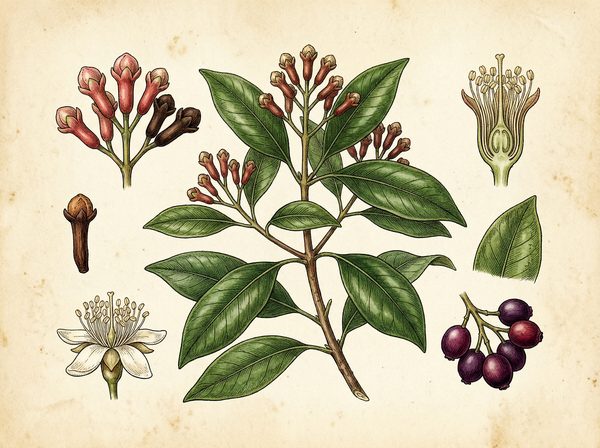 cloveSyzygium aromaticum
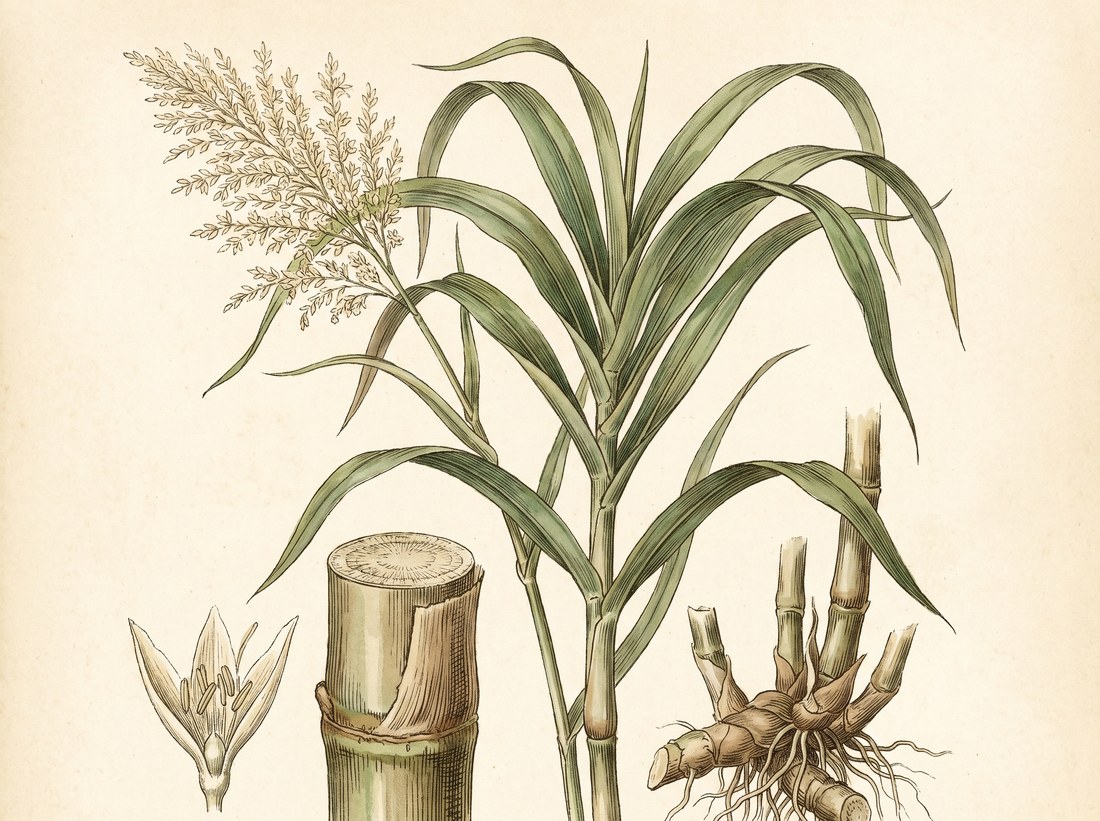 SugarSaccharum
 WormseedChenopodium ambrosioides
Nearby on the shelf
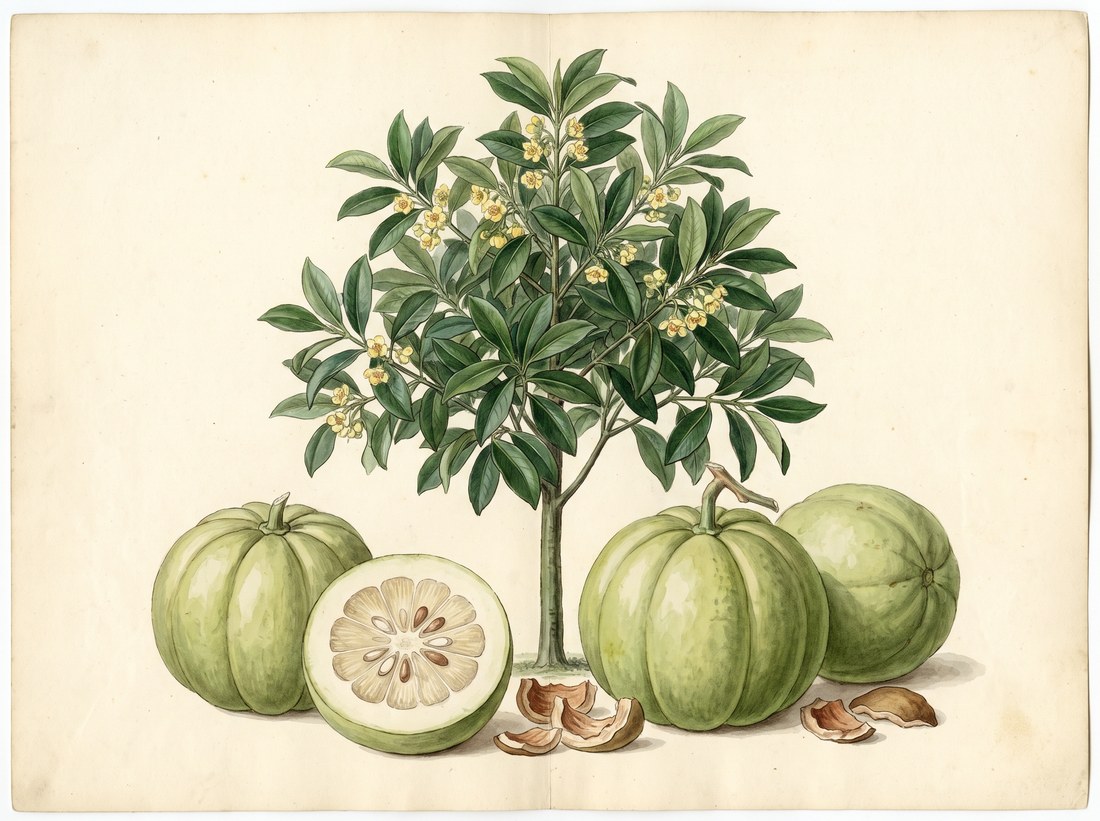 Amlavetasa (in the Ayurvedic sense)Garcinia pedunculata
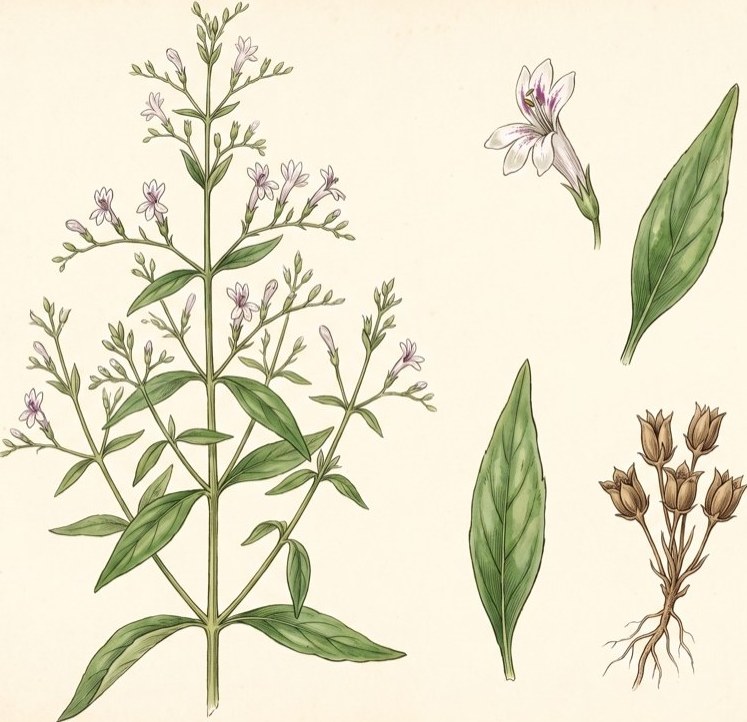 AndrographisAndrographis paniculata
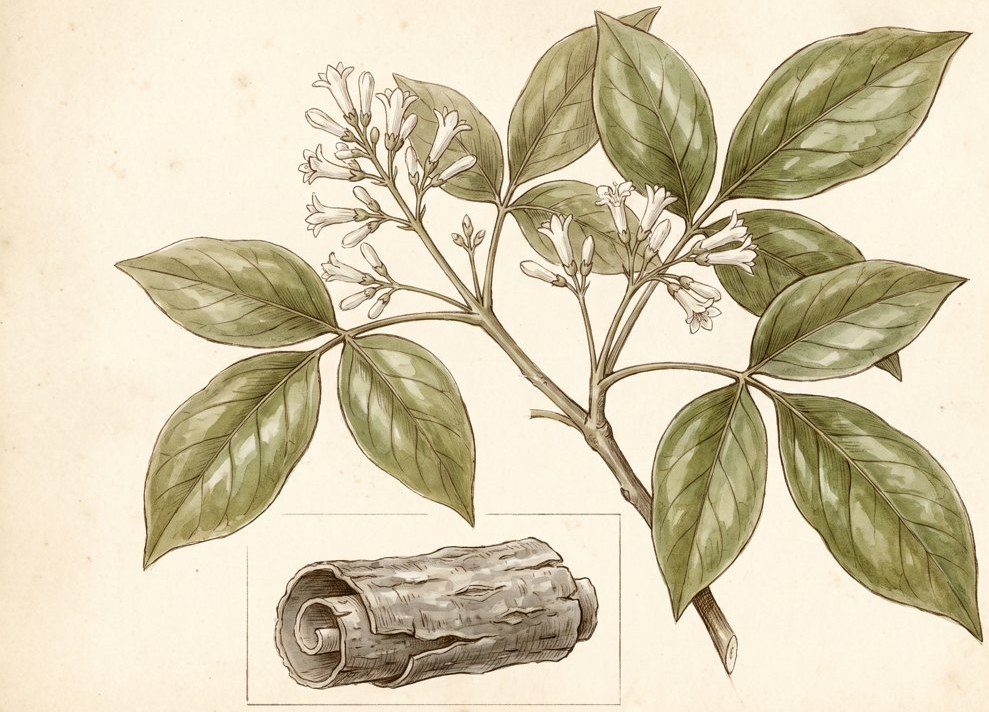 AngusturaGalipea cusparia
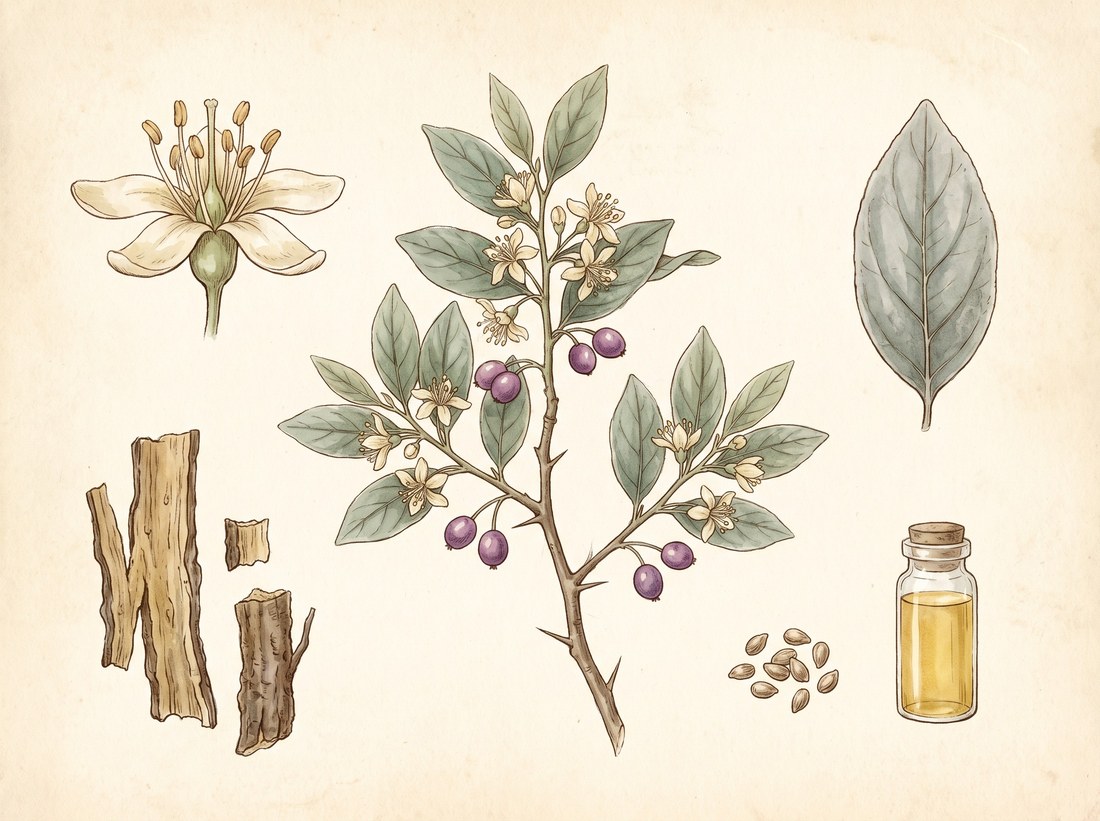 AnkolaAlangium salviifolium
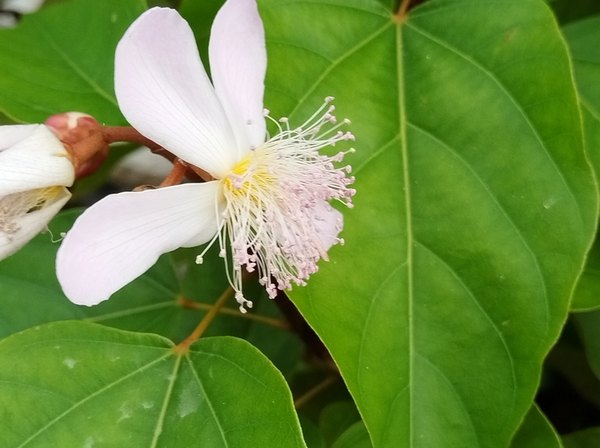 AnnattoBixa orellana
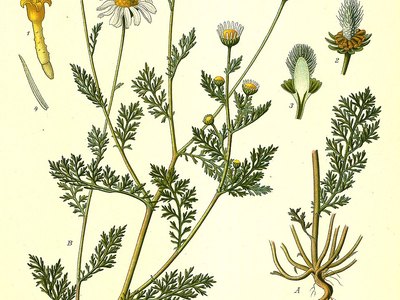 Anthemis cotulaAnthemis cotula
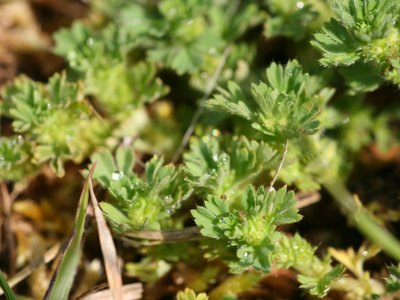 AphanesAphanes arvensis
The whole plate is in the library. The compass, Compare, the Sky of eleven hundred plants and the formulary open with an email address and a password, free, with the formula builder and its safety engine. Herbert without limit, his formulating, clients, the handouts and the labels are the paid room.
Open the library, free