Western Herbalism
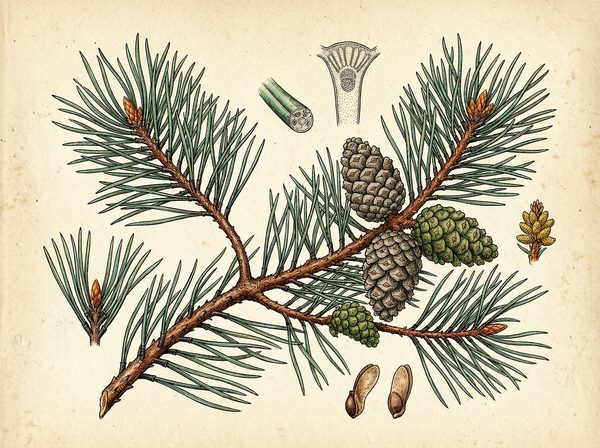
Scotch Pine
Pinus sylvestris
Also known as Scots Pine, Pine (Scots).
Essential oil quality per European Pharmacopoeia avoid δ-3-carene chemotype for oral use use airtight storage to prevent oxidation approves pine sprouts (Pini turiones) for catarrhal respiratory conditions internally, mild muscle/nerve pain externally primary use for respiratory support

Ask Herbert about Scotch Pine. Herbert is the master herbalist inside Bountiful Herbs: he answers from this plate and eleven hundred others, with dosing, pairing and cautions. Your first ten questions are free.
Ask HerbertActions
Indications what the tradition reached for it in
- Tuberculosis
- Bladder infections
- Flatulence
- Catarrh upper and lower respiratory tract
- Sinusitis
- Chest congestion
- Constipation
- Rheumatism
- Kidney ailments
- Arthritis
- Bronchitis
- Asthma
- Respiratory tract infections
- Psoriasis
- Cough
- Gas
- Nerve pain
- Tiredness
- Colds
- Muscle pain
- Insomnia
- Leukorrhea
- Wounds
- Fever
- Eczema
- Hemorrhoids
- Nervous exhaustion
- Gall bladder diseases
- Edema
- Fluid retention
Safety
Pregnancy: Pregnancy Caution
Breastfeeding: Lactation (source flag notSafeInLactation)
The record lists 7 contraindications; open the plate in the library to read them in full.
Dosing as the sources wrote it
| Preparation | As written | Metric |
|---|---|---|
| Essential oil | Essential oil (3-4 drops on sugar/water several x daily internal under supervision | 0.09-0.12 mL |
| bath | bath 5g) | 5000-5000 mg |
| EO oral max α-pinene 40 mg/day | 40-40 mg | |
| Topical (diluted in carrier) | Topical: typical 1-3% in carrier; face/sensitive avoid on face; dermal maximum 5%. Use fresh oil; oxidized pine is markedly more sensitizing. | |
| Internal (oral) | Not recommended internally ... insufficient current safety data for the essential oil; use the culinary herb or tea instead. No established oral oil dose. | |
| Infusion (½ tsp twigs/cup water steep 10-15 min, 3x daily) |
Doses are reproduced from the sources for practitioners and are not a recommendation for any person.
From the sources
Clinical Notes. Essential oil quality per European Pharmacopoeia avoid δ-3-carene chemotype for oral use use airtight storage to prevent oxidation approves pine sprouts (Pini turiones) for catarrhal respiratory conditions internally, mild muscle/nerve pain externally primary use for respiratory support
indications. Scotch Pine is traditionally indicated for: Tuberculosis, Bladder infections, Flatulence, Catarrh upper and lower respiratory tract, Sinusitis, Chest congestion, Constipation, Rheumatism, Kidney ailments, Arthritis, Bronchitis, Asthma, Respiratory tract infections, Psoriasis, Cough, and 26 further conditions.
constituents. Notable constituents of Scotch Pine include: α-pinene (32-60%), β-pinene (5-22%), δ-3-carene (6-18%), limonene (7-12%), β-myrcene (1.5-10%), camphene (0.5-2%), bornyl acetate (1-4%), β-caryophyllene (1-6%), other monoterpenes.
dose-reference. Reference preparation/dosing for Scotch Pine: Infusion (½ tsp twigs/cup water steep 10-15 min, 3x daily); Tincture (1-2 ml 3x daily); Essential oil (3-4 drops on sugar/water several x daily internal under supervision; inhalation few drops hot water; bath 5g); Inhalant (handfuls twigs 2L water boil 5 min inhale); Bath (3 handfuls twigs boil add to bath); EO oral max α-pinene 40 mg/day
Often paired with
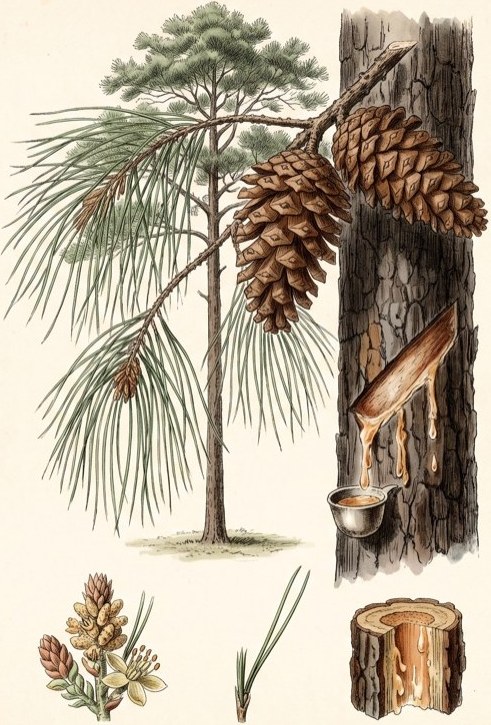 TurpentineOleum Terebinthinae
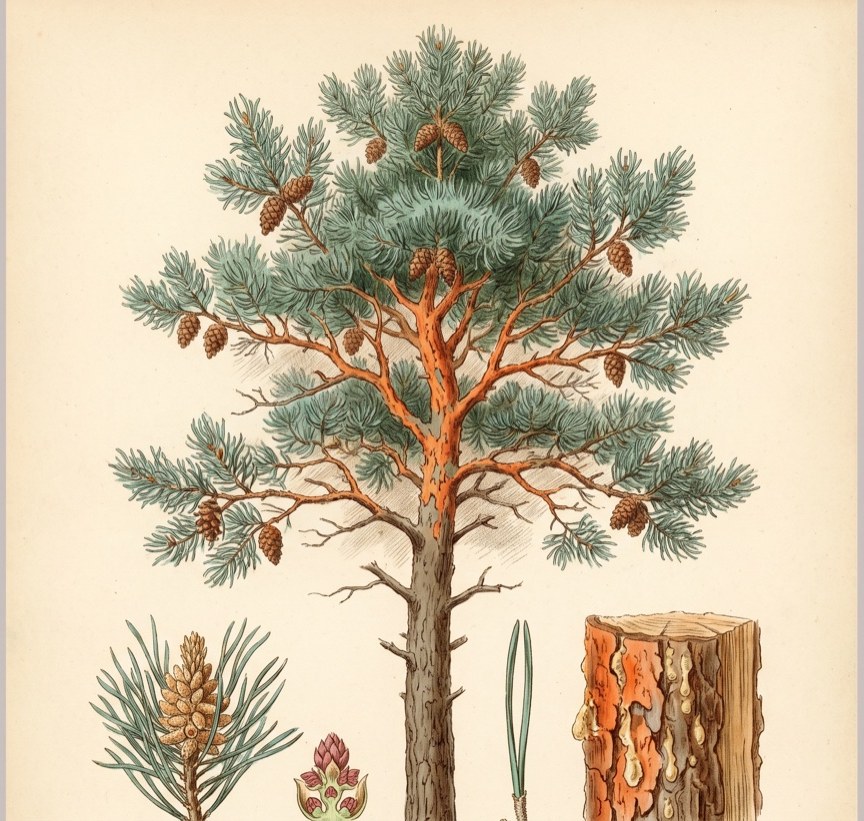 Pine tarPix Liquida
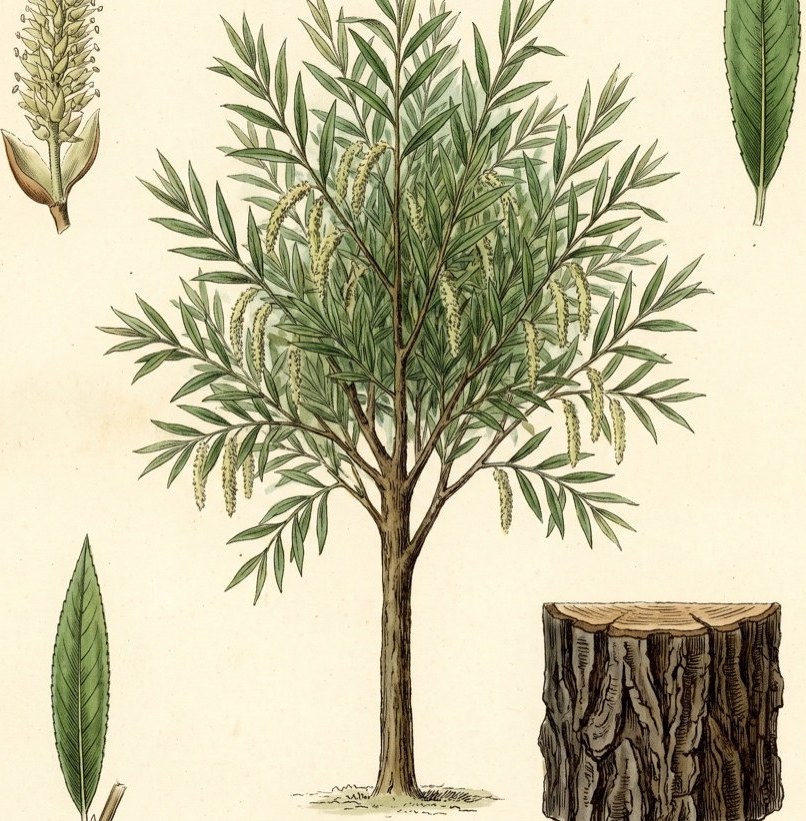 Black willowSalix Nigra
Nearby on the shelf
 Saw palmettoSerenoa repens
 SaxifrageSaxifraga pennsylvanica
 ScammonyConvolvulus scammonia
 Scotch BroomCytisus scoparius
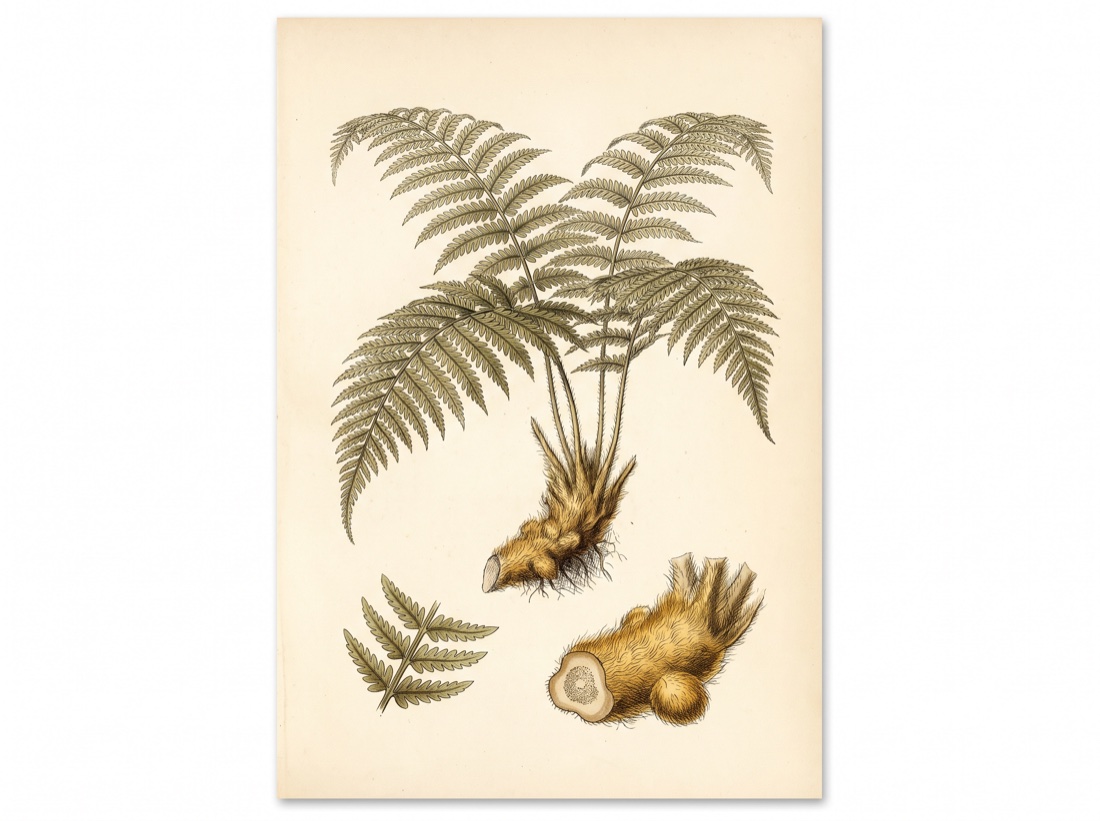 Scythian lambCibotium barometz
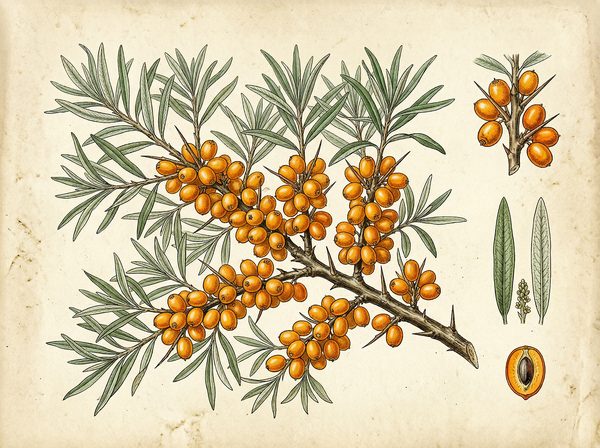 Sea BuckthornHippophae rhamnoides
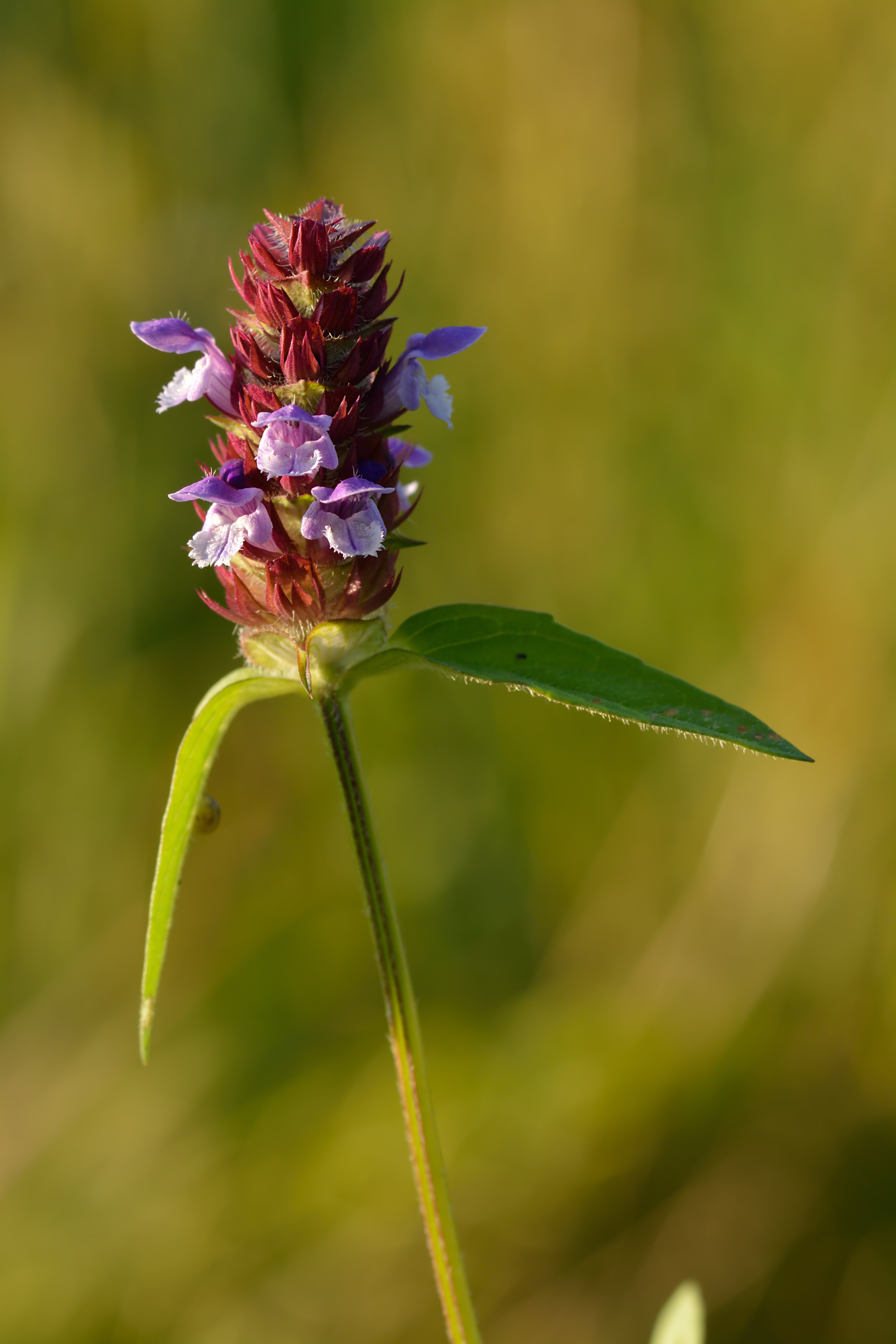 Self-HealPrunella vulgaris
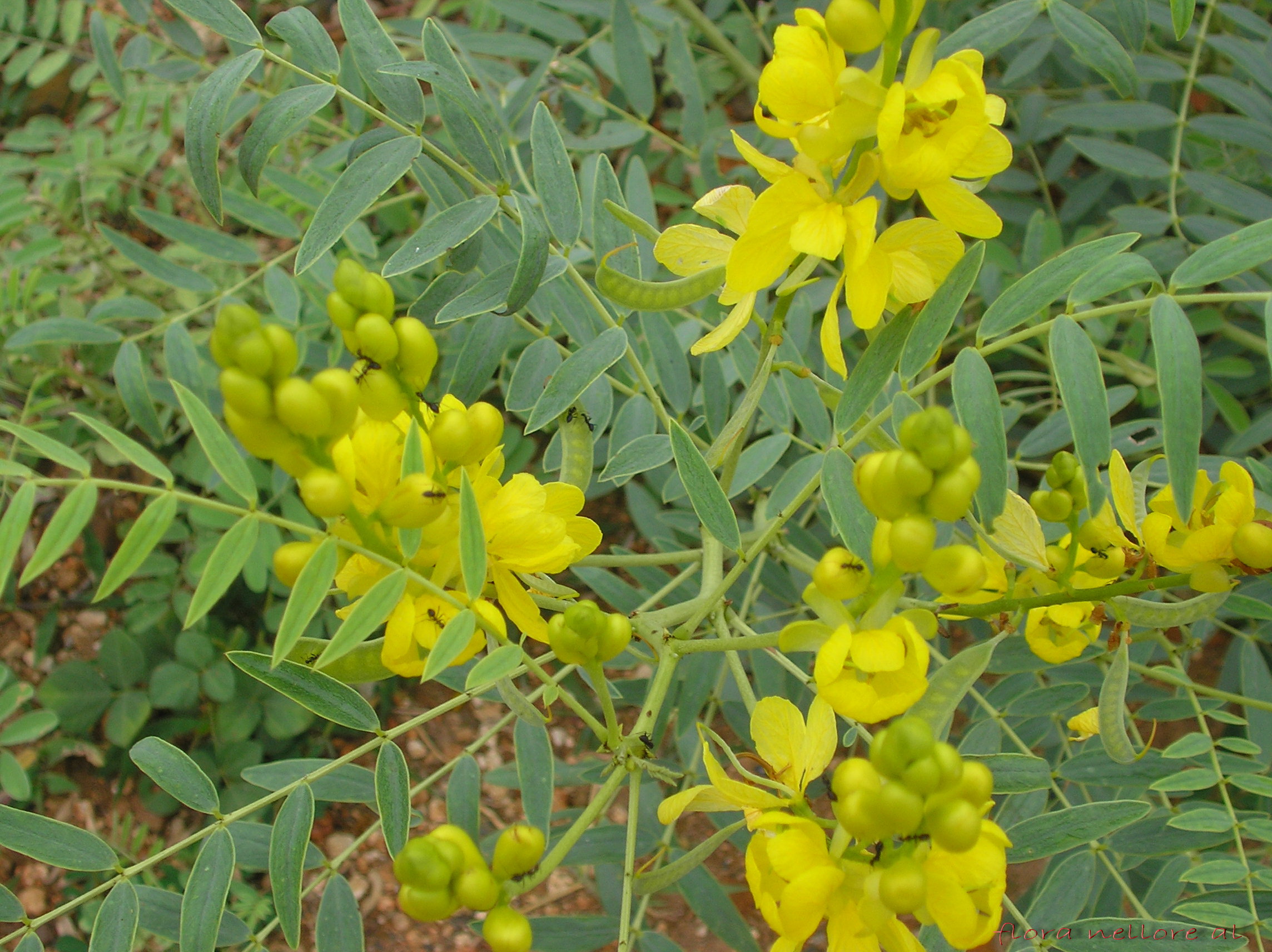 SennaSenna alexandrina
The whole plate is in the library. The compass, Compare, the Sky of eleven hundred plants and the formulary open with an email address and a password, free, with the formula builder and its safety engine. Herbert without limit, his formulating, clients, the handouts and the labels are the paid room.
Open the library, free