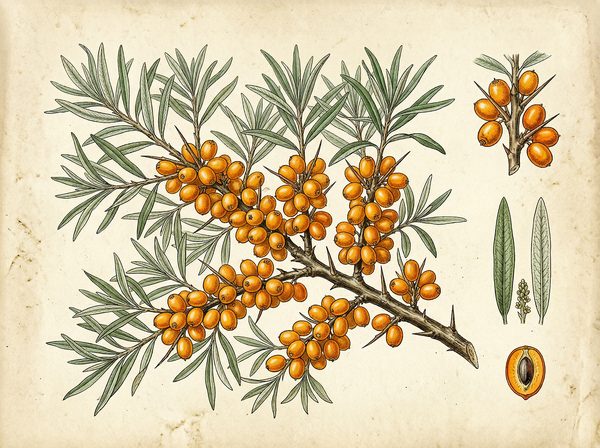
Western Herbalism
Sea Buckthorn
Hippophae rhamnoides
Used traditionally in TCM and Tibetan medicine for over 1000 years for cough indigestion blood stagnation High in vitamin C Supports mucosal regeneration via omega-7

Ask Herbert about Sea Buckthorn. Herbert is the master herbalist inside Bountiful Herbs: he answers from this plate and eleven hundred others, with dosing, pairing and cautions. Your first ten questions are free.
Ask HerbertActions
Indications what the tradition reached for it in
- Traumatic swelling
- Amenorrhea due to blood stagnation
- Radiation dermatitis
- Dry skin
- Infection
- NAFLD
- Viral diarrhea
- Ecchymosis
- Burns
- Sjögren's syndrome
- Chronic gastritis
- Dermatitis
- Functional dyspepsia
- Irritable bowel syndrome
- Aging skin
- Food stagnation
- Cardiovascular disease
- Vaginal inflammation
- Gastric ulcer
- Abdominal pain
- Wounds
- Liver fibrosis
- Dry eyes
- Cough with profuse expectoration
- Indigestion
- Burnout
- Bleeding
- Bronchitis
- Cough
- Diarrhea
Safety
Pregnancy: No concern in culinary amounts. Safe as a food in normal dietary amounts; a natural medicines database and a university herbal safety sheet find no safety data for medicinal doses in pregnancy.
Breastfeeding: No concern in culinary amounts. Safe as a food in normal dietary amounts while breastfeeding; the same references find no data for medicinal doses or concentrated oils.
The record lists 1 contraindication; open the plate in the library to read them in full.
Dosing as the sources wrote it
| Preparation | As written |
|---|---|
| Pulp/seed oil | Pulp/seed oil 1-3 g/day |
| Berry puree | Berry puree 5-45 g/day |
| Juice up to | Juice up to 300 ml/day |
| Leaf infusion | Leaf infusion 2 tsp/cup |
| Emulsion | Emulsion 20-30 g/day in clinical trials |
Doses are reproduced from the sources for practitioners and are not a recommendation for any person.
From the sources
Clinical Notes. Used traditionally in TCM and Tibetan medicine for over 1000 years for cough indigestion blood stagnation High in vitamin C Supports mucosal regeneration via omega-7
action_berry. Berries are adaptogenic, antiinflammatory, antiscorbutic, aperient, astringent tonic, cholagogue, hepatic stimulant, immunomodulatory, lipotropic, restorative, virilific and vulnerary, with antimicrobial, antiulcerogenic, antioxidant, anticancer and radioprotective activity.
action_hepatoprotective. Internally it expedites healing of psoriasis by increasing liver function; the leaves and seed oil demonstrate hepatoprotective activity, and the bark tea can be used to treat the liver.
action_hypoxia_protection. The leaves provide protection against hypobaric hypoxia and modulate transvascular fluid leakage in lungs, while the seed oil protects against hypoxia-induced transvascular leakage in brain.
Nearby on the shelf
 ScammonyConvolvulus scammonia
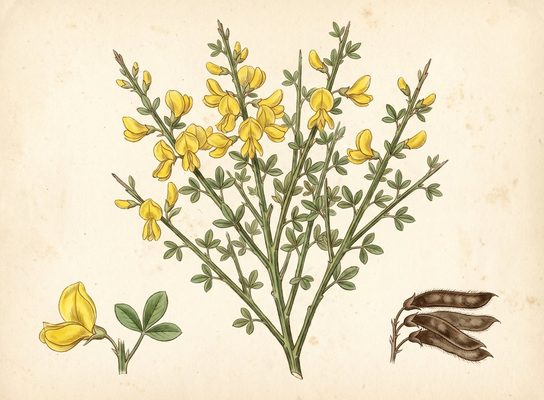 Scotch BroomCytisus scoparius
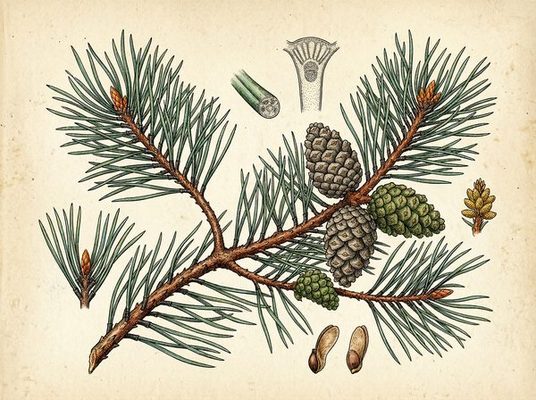 Scotch PinePinus sylvestris
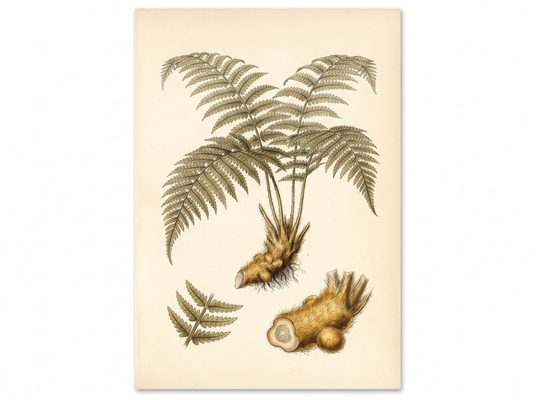 Scythian lambCibotium barometz
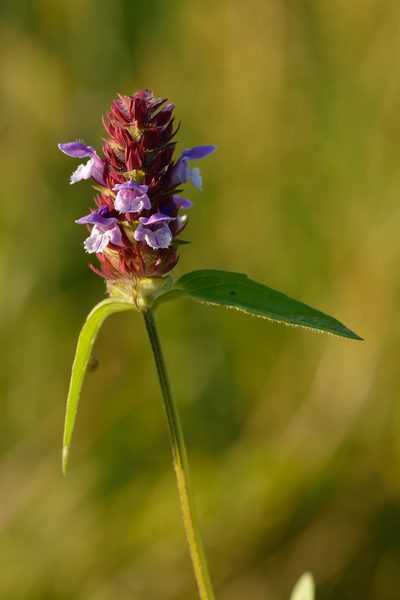 Self-HealPrunella vulgaris
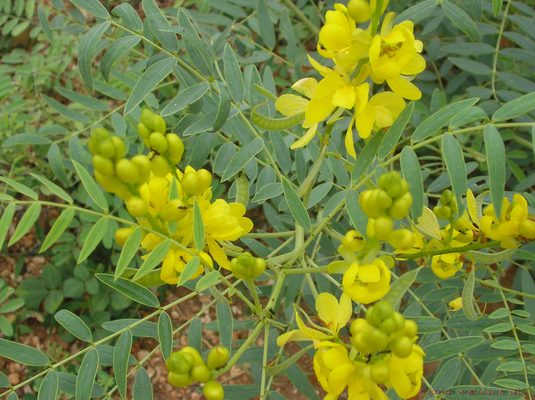 SennaSenna alexandrina
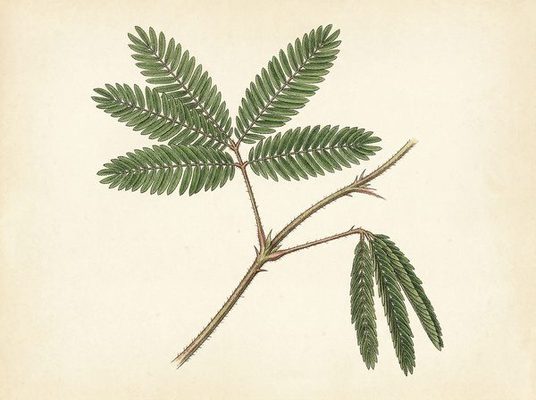 Sensitive plantMimosa pudica
The whole plate is in the library. The compass, Compare, the Sky of eleven hundred plants and the formulary open with an email address and a password, free, with the formula builder and its safety engine. Herbert in full, his formulating, clients, the handouts and the labels are the paid room.
Open the library, free