Western and Ayurvedic herbalism
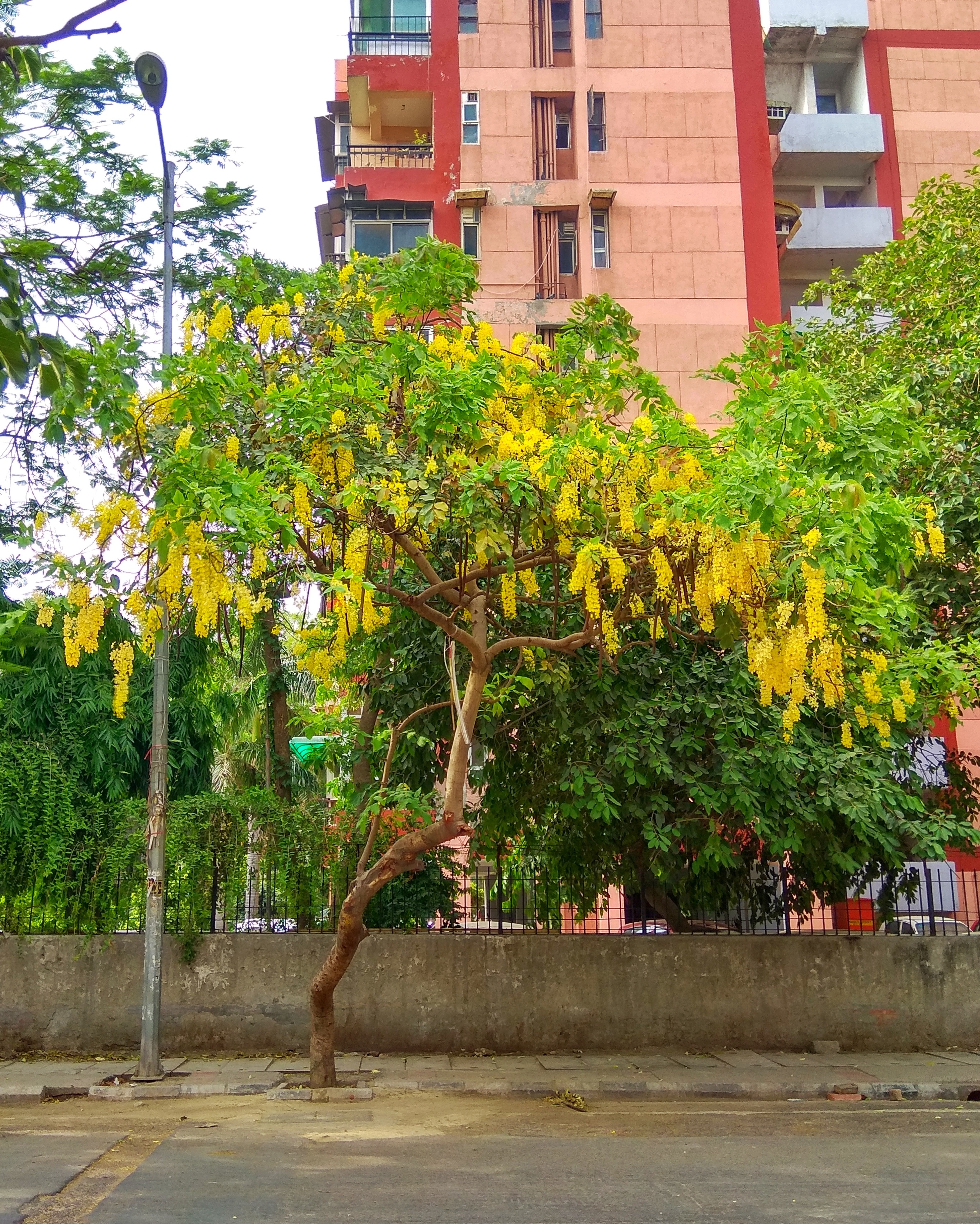
Golden shower tree
Cassia fistula
Also known as Indian laburnum, purging cassia, pudding-pipe tree, amaltas, Cassia Fistula, AND SYNONYM: Purging cassia; Fructus cassiae fistulae, Aragvadha, Rajavriksha, Shampaka.
Cassia fistula is a medium-sized deciduous tree famous for its hanging racemes of golden flowers in early summer and its long dark cylindrical pods, native to India and Southeast Asia and planted as an ornamental throughout the tropics; it is the state flower of Kerala. In Ayurveda the sweet dark pulp of the pod is Aragvadha, the king of trees, praised in the Charaka Samhita as the mildest of purgatives, safe for children, the old, the pregnant and the weak. The bark, leaves and flowers are used for skin disease and fever, and the Aragvadhadi gana of skin-clearing herbs takes its name from the tree.

Ask Herbert about Golden shower tree. Herbert is the master herbalist inside Bountiful Herbs: he answers from this plate and eleven hundred others, with dosing, pairing and cautions. Your first ten questions are free.
Ask HerbertActions
Indications what the tradition reached for it in
- Constipation in children, the elderly and the frail
- Constipation in pregnancy (traditional, see safety)
- Constipation with fever or heat
- Constipation in chronic kidney disease (adjunct)
- Hemorrhoids with hard stool
- Skin eruptions with itching and constipation
- Ringworm and fungal skin infection (topical leaf paste)
- Fever with a dry, hot bowel
- Gout and hot swollen joints with constipation (adjunct)
- Intestinal worms (adjunct)
- Type 2 diabetes with constipation (adjunct)
- Simple constipation
- Habitual constipation in children and the elderly
- Constipation where a non-griping action is preferred
- Constipation of pregnancy when dietary measures fail
- Fever with constipation (traditional combined use)
- Skin eruptions and ringworm (traditional topical paste)
- Minor wounds and burns (traditional topical use)
- Abdominal discomfort from sluggish bowel
Specific indications
A pitta patient with hard, dry, hot stools, a burning sensation and irritability, for whom senna and castor oil are too harsh and who needs to be softened rather than driven
An elderly or debilitated patient with chronic constipation who cannot tolerate stimulant laxatives, given a small nightly dose of the pod pulp in warm water
The child with fever and a blocked bowel, where the sweet, cool pulp brings the fever down as the bowel opens
Itchy skin eruptions or acne that flare when the bowel is sluggish, treated with the pulp inside and the leaf paste outside
Safety
Recognised toxicity. This plant carries a toxicity flag in the record; it is for trained practitioners only.
Low dose botanical. Used in drop doses in the classical practice; not a plant to dose freely.
Pregnancy: Use only short courses and only when bulk and diet have failed: no published safety class is known to us, the classical texts single it out as safe for pregnant women, and an animal study found no fetal malformations, but the modern position on anthraquinone laxatives in pregnancy is cautious.
The record lists 9 contraindications; open the plate in the library to read them in full.
In practice
Aragvadha is the laxative the Ayurvedic practitioner reaches for when the bowel is hot, dry and hard but the patient is delicate: a child, an old person, a fever case, a pitta patient who cannot bear the cramping of stronger purgatives.
In Ayurveda
Rasa: madhura (sweet), with a tikta (bitter) secondary note. Virya: sheeta (cooling). Vipaka: madhura (sweet). Guna: guru (heavy), mridu (soft), snigdha (unctuous). Dosha: pacifies pitta and kapha, and by its soft laxative action also relieves vata trapped in the bowel; the classical texts call it the gentlest of the purgatives. Prabhava: sramsana (a soft, non-violent laxative safe for the delicate) is the special quality the tradition names. Karma: sramsana (gentle laxative); kushthaghna (treats skin disease); jvarahara (reduces fever); krimighna (anthelmintic); kandughna (relieves itching); vishaghna (counters toxins); vranashodhana (cleanses wounds); dahaprashamana (relieves burning); shothahara (reduces swelling); hridya (supports the heart); anulomana (moves the bowel downward). Classical indications: vibandha (constipation); udavarta (upward movement of vata with retained stool and gas); kushtha (skin disease); jvara (fever); kandu (itching); krimi (worms); prameha (urinary disorders including diabetes); hridroga (heart disease); udara (abdominal enlargement); raktapitta (bleeding disorders); vatarakta (gout and inflammatory arthritis); shotha (swelling); gulma (abdominal mass or bloating). The dark sweet pulp between the seeds of the long pod (phala majja) is the laxative, taken as a paste with water, in decoction, or as an avaleha. The stem bark and root bark are used in kwatha and as the Aragvadhadi gana for skin disease and fever, the leaves as a paste and in medicated oils for skin, and the flowers as a cooling food and medicine. Classical formulations: Aragvadhadi kwatha, Aragvadhadi gana yogas, Aragvadha phala majja, Aragvadhadi taila, Aragvadharishta, Aragvadha patra lepa. Described in: Charaka Samhita, Sushruta Samhita, Ashtanga Hridaya, Bhavaprakasha Nighantu, Dhanvantari Nighantu, Raja Nighantu, Kaiyadeva Nighantu, Madanapala Nighantu, Ayurvedic Pharmacopoeia of India.
Dosing as the sources wrote it
| Preparation | As written | Metric |
|---|---|---|
| Phala majja | 5-10 g pod pulp at night in warm water | 5000-10000 mg |
| Kwatha | 50-100 mL decoction of bark or pulp twice daily | 50-100 mL |
| Arishta | 15-25 mL twice daily after food | 15-25 mL |
| Kalka, topical | 5-10 g leaf paste applied to affected skin once daily | 5000-10000 mg |
| Fruit pulp (macerated in water) | 5-10 g pulp soaked in warm water, strained and taken at bedtime | 5000-10000 mg |
| Confection or electuary (traditional preparation) | 4-8 g pulp, often combined with tamarind or manna, once daily as needed | 4000-8000 mg |
Doses are reproduced from the sources for practitioners and are not a recommendation for any person.
From the sources
Overview. Cassia fistula is a medium-sized deciduous tree famous for its hanging racemes of golden flowers in early summer and its long dark cylindrical pods, native to India and Southeast Asia and planted as an ornamental throughout the tropics; it is the state flower of Kerala. In Ayurveda the sweet dark pulp of the pod is Aragvadha, the king of trees, praised in the Charaka Samhita as the mildest of purgatives, safe for children, the old, the pregnant and the weak. The bark, leaves and flowers are used for skin disease and fever, and the Aragvadhadi gana of skin-clearing herbs takes its name from the tree.
Overview. Cassia fistula is a deciduous tropical tree native to South and Southeast Asia, now widely planted throughout the tropics for its long racemes of golden yellow flowers. The long, cylindrical, dark brown pods contain a sweet, dark, sticky pulp between woody partitions, and it is this pulp that has been used for centuries in Indian, Middle Eastern, and later Western pharmacy as a gentle laxative. Nineteenth century eclectic physicians in America regarded it as a mild, well tolerated substitute for imported senna, useful when a softer, less griping action was wanted.
Clinical Notes. Aragvadha is the laxative the Ayurvedic practitioner reaches for when the bowel is hot, dry and hard but the patient is delicate: a child, an old person, a fever case, a pitta patient who cannot bear the cramping of stronger purgatives.
Clinical Notes. The pulp of cassia fistula pods was historically prized as a gentler alternative to senna, particularly for patients such as children, convalescents, or the elderly who needed help with occasional constipation but could not tolerate senna's tendency to grip.
Drawn from King's American Dispensatory, 18th edition (Felter and Lloyd), and the Bountiful Herbs editorial.
In formulas
Golden shower tree stands in 8 documented formulas in the library, among them Brāhmī Ghṛta, Mahātiktaka Ghṛta, Mahā Paṅcagavya Ghṛtā, Miśraka Sneha, Kuṣṭharākṣasa Taila, Somarājī Taila.
Often paired with
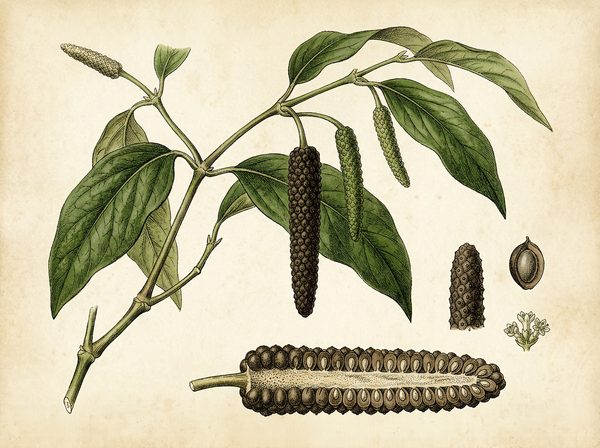 long pepperPiper longum
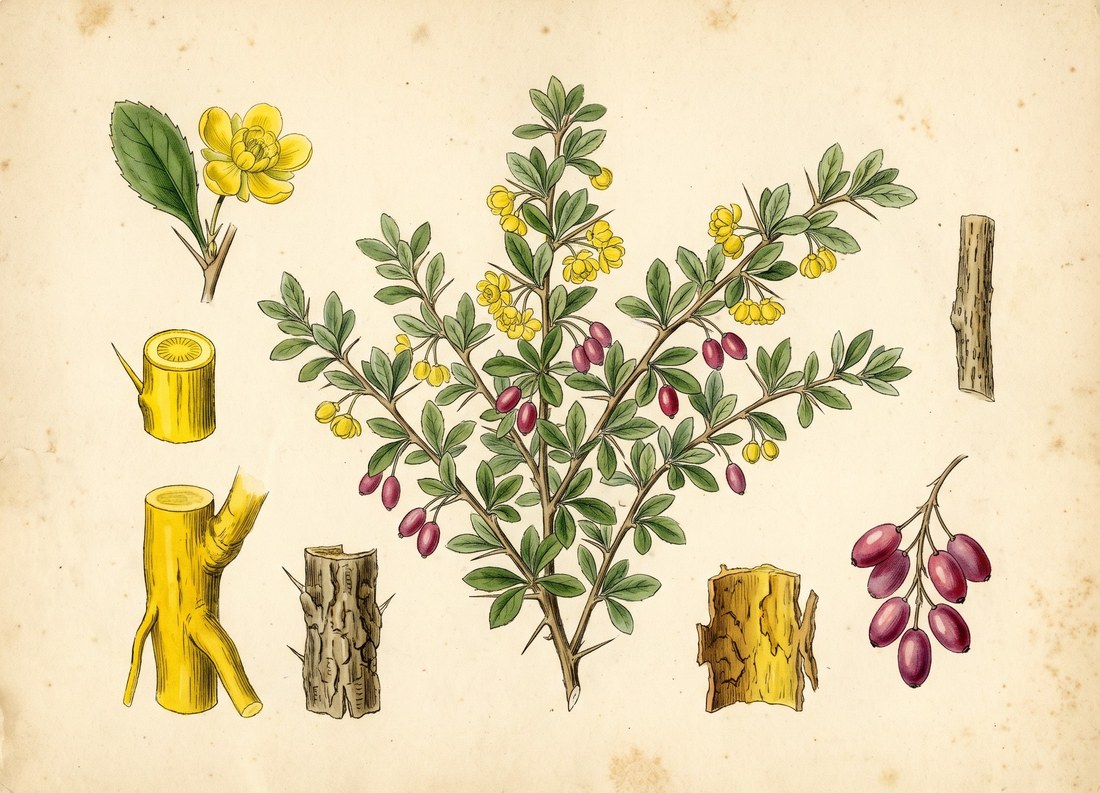 Indian barberryBerberis aristata
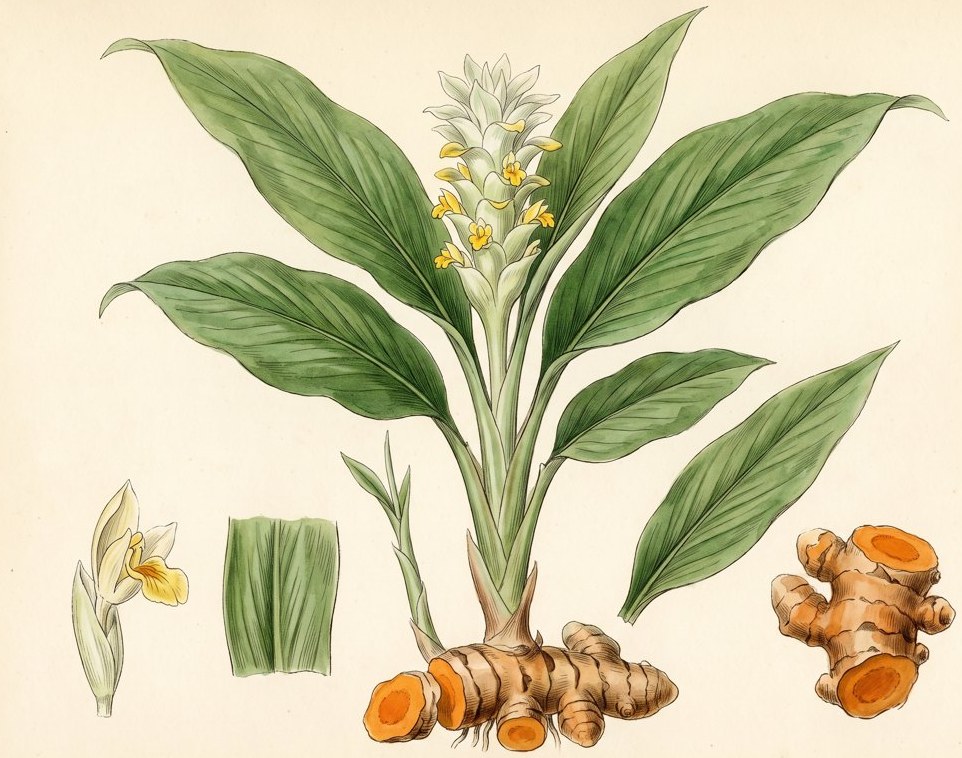 turmericCurcuma longa
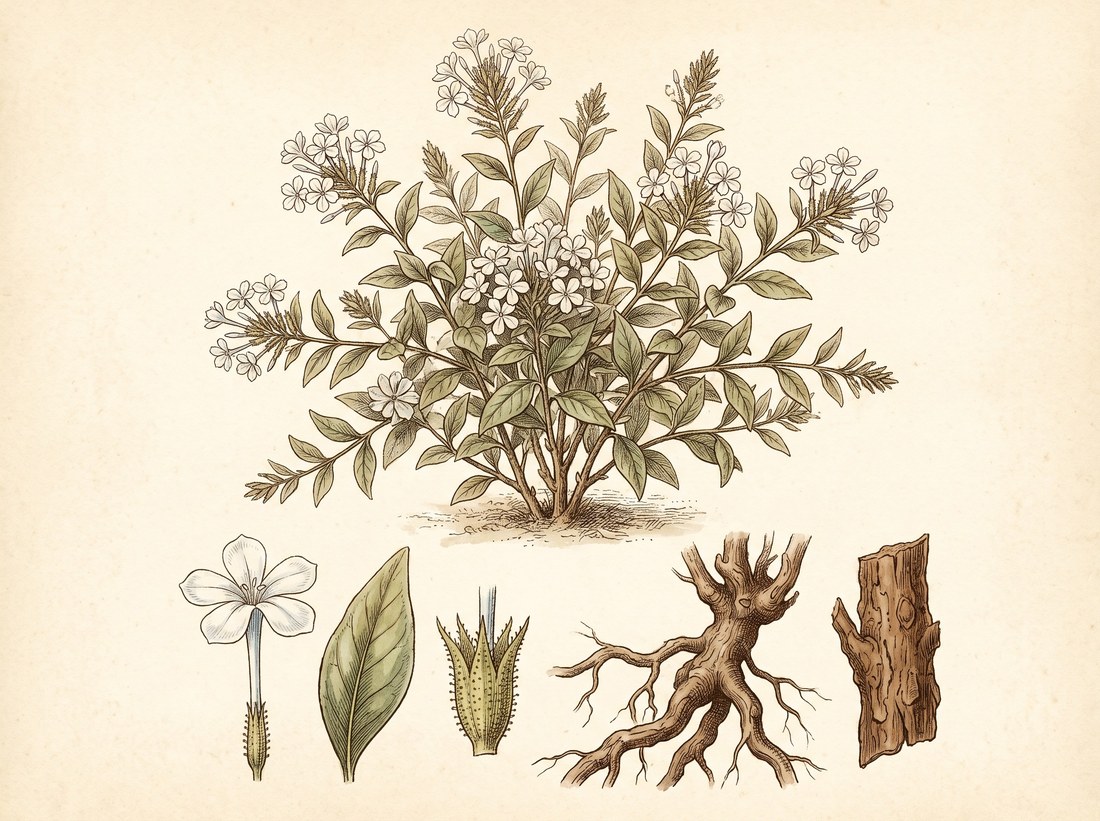 Ceylon leadwortPlumbago zeylanica
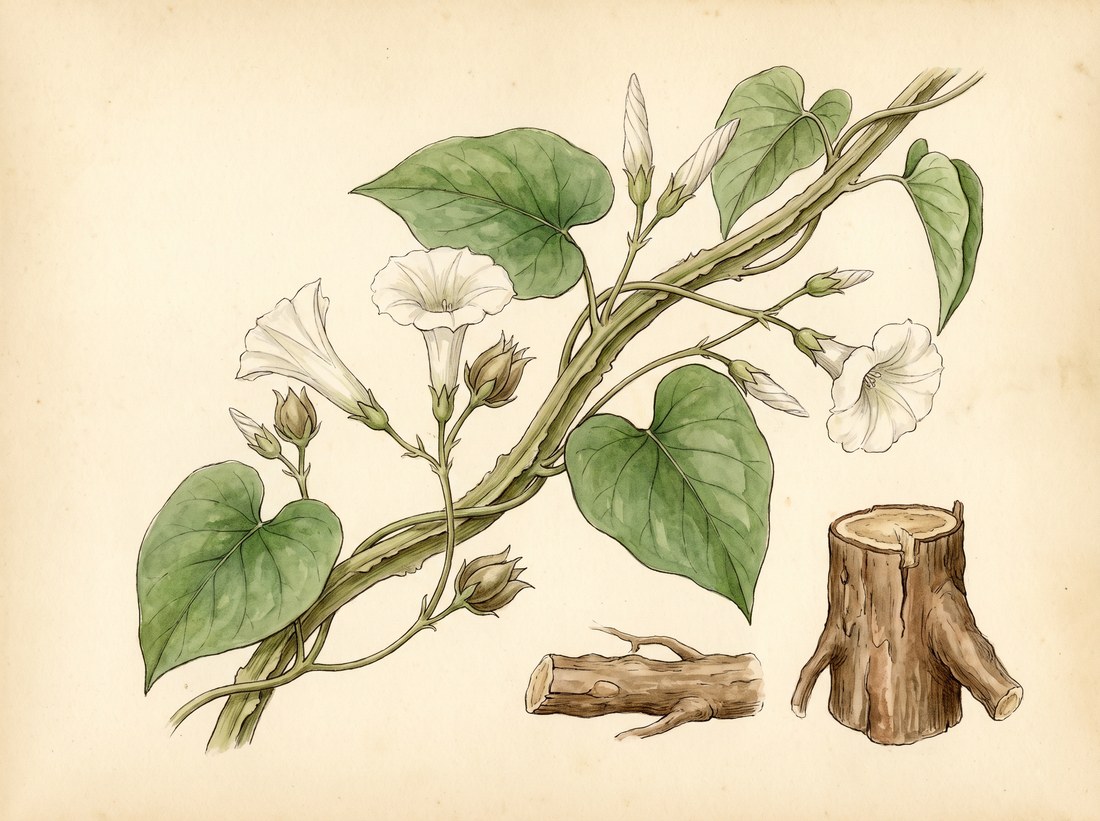 turpethOperculina turpethum
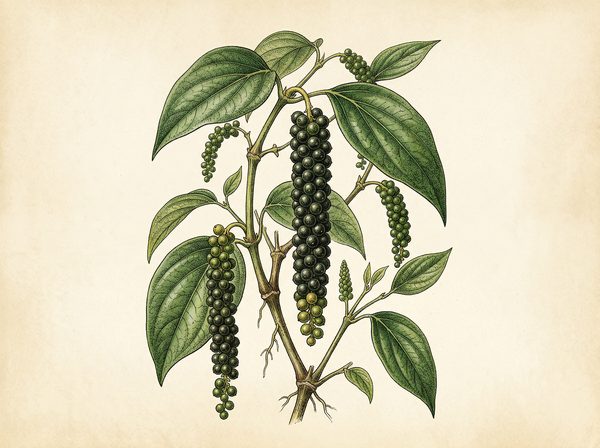 black pepperPiper nigrum
Nearby on the shelf
 Goat's RueGalega officinalis
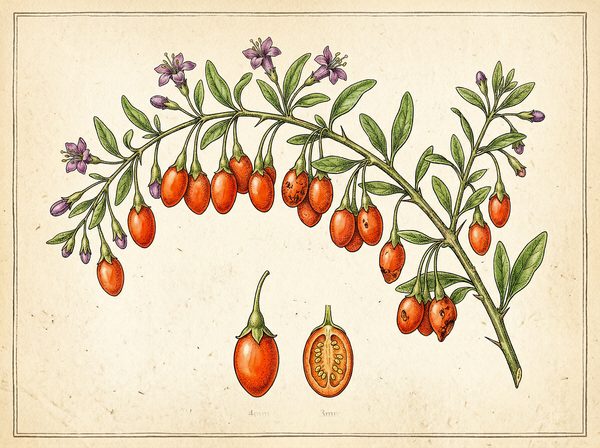 Goji berryLycium barbarum
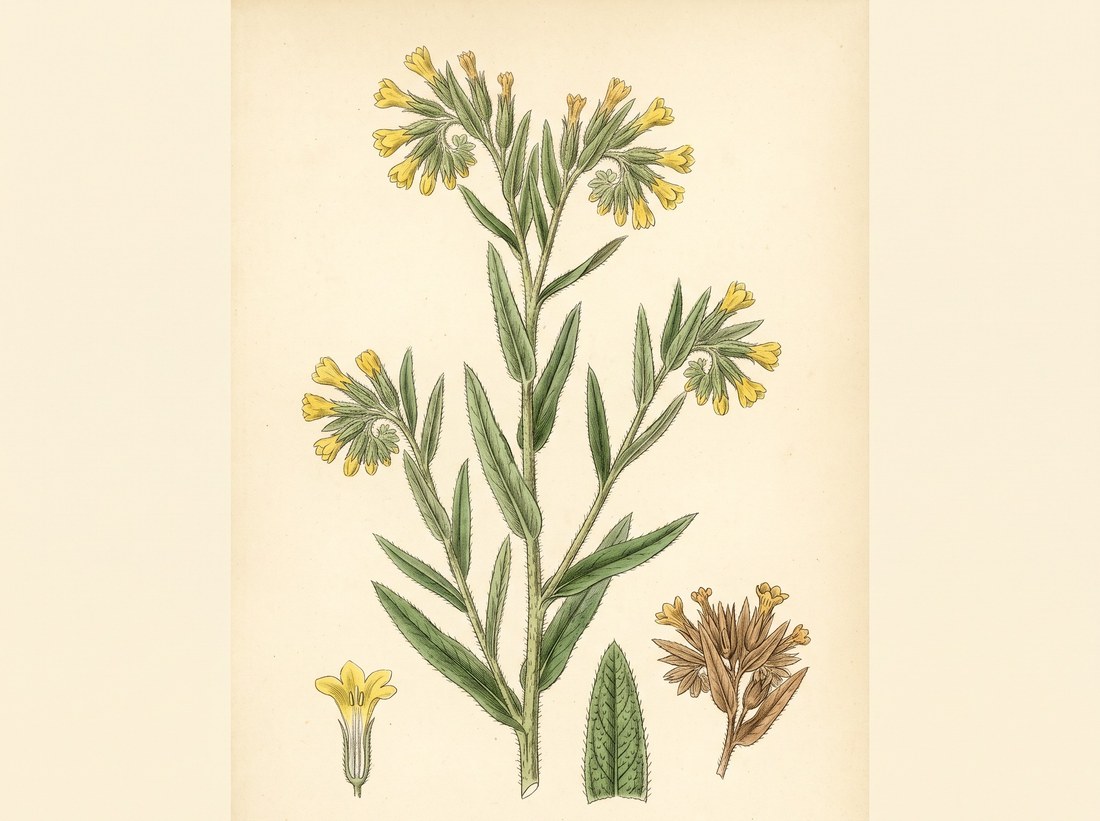 GojihvaOnosma bracteatum
 Golden RagwortSenecio aureus
 GoldenrodSolidago spp.
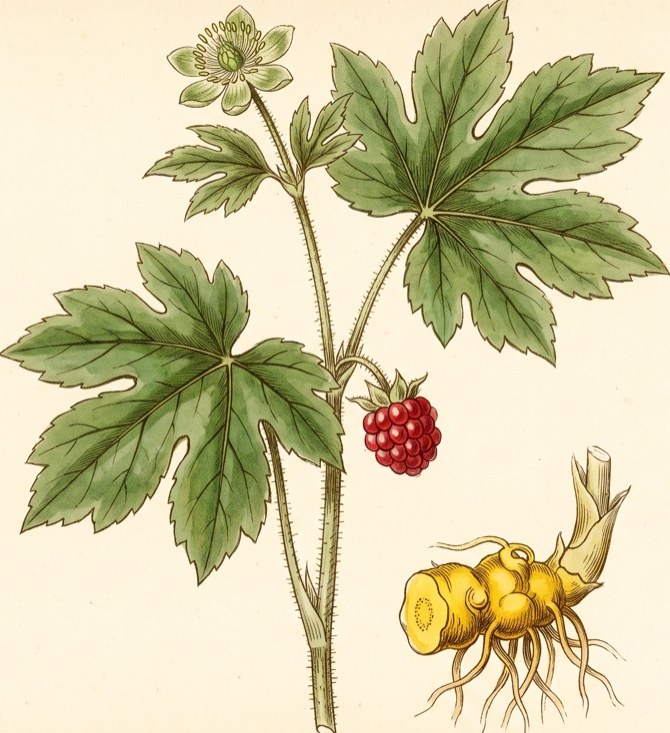 GoldensealHydrastis canadensis
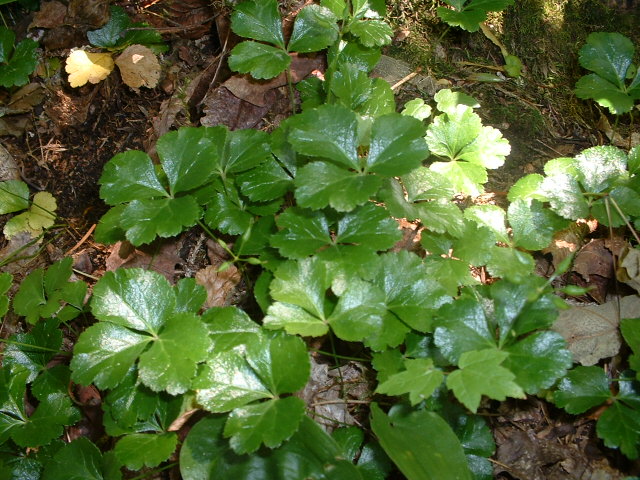 GoldthreadCoptis trifolia
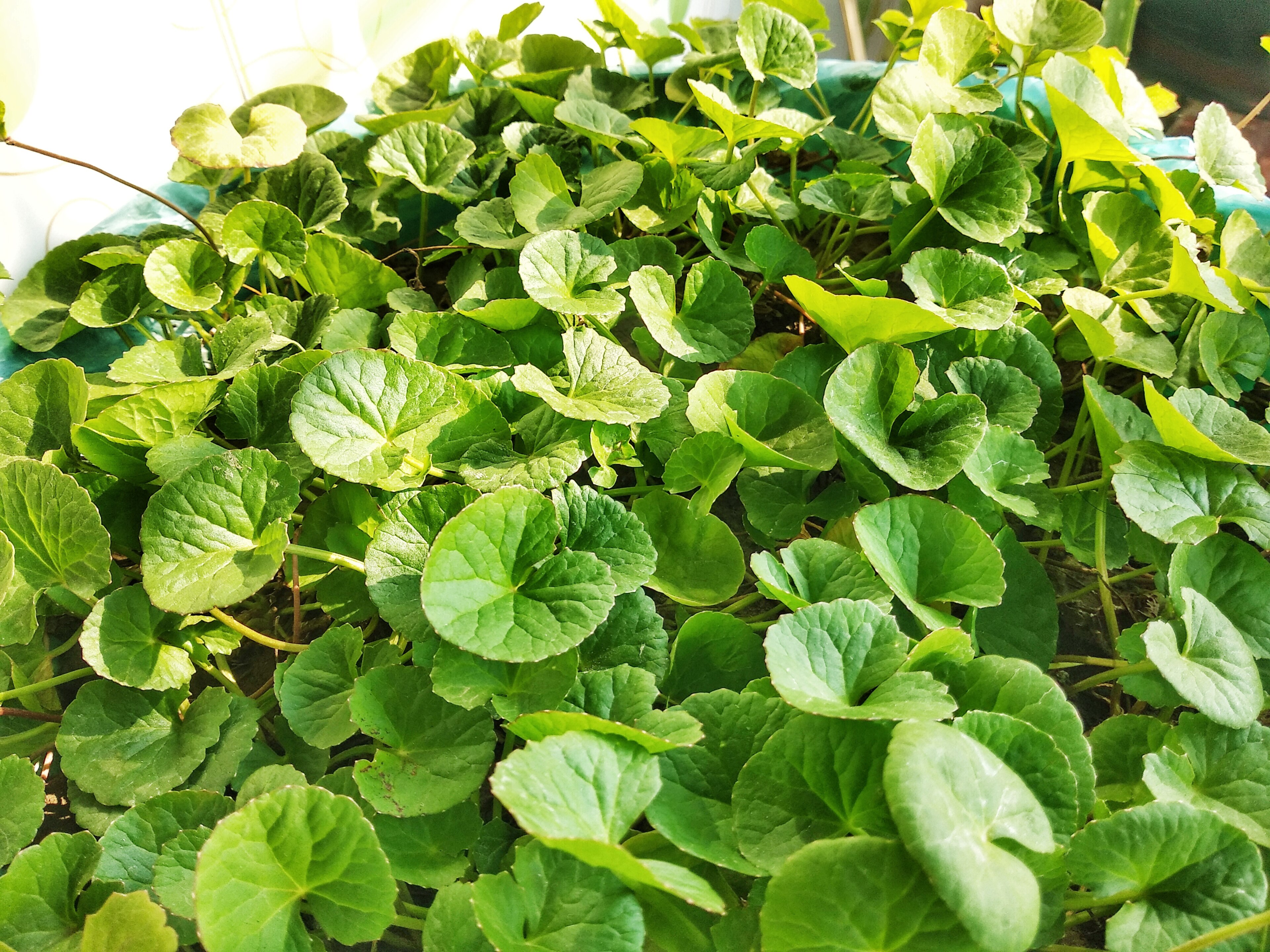 Gotu kolaCentella asiatica
The whole plate is in the library. The compass, Compare, the Sky of eleven hundred plants and the formulary open with an email address and a password, free, with the formula builder and its safety engine. Herbert without limit, his formulating, clients, the handouts and the labels are the paid room.
Open the library, free