Western Herbalism
Jalap
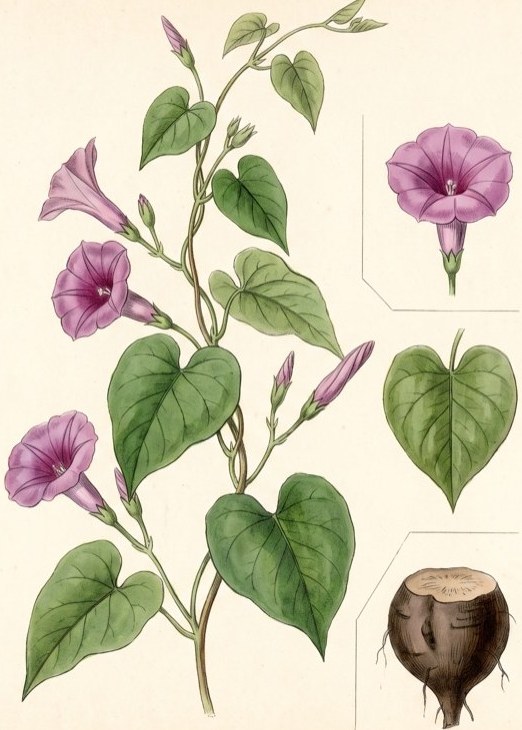
Ipomea jalapa
Also known as Jalap root, True jalap.
Jalap is the dried tuberous root of a Mexican morning glory relative in the Convolvulaceae, long exported from the region around Xalapa (Jalapa), Veracruz, from which it takes its name. The root is rich in resinous glycosides that act as a powerful hydragogue cathartic, and it held a firm place in nineteenth century regular and eclectic medicine as one of the standard drastic purgatives, usually combined with other agents to offset its harshness. It is now used rarely, if at all, in modern practice, but it remains of historical and pharmacognostic interest as one of the classic resin purgatives alongside scammony and colocynth.

Ask Herbert about Jalap. Herbert is the master herbalist inside Bountiful Herbs: he answers from this plate and eleven hundred others, with dosing, pairing and cautions. Your first ten questions are free.
Ask HerbertActions
Indications what the tradition reached for it in
- Severe constipation unresponsive to gentler laxatives
- Ascites and edema requiring hydragogue purgation
- Bowel evacuation prior to older-style depletive protocols
- Intestinal parasites (historical use)
- Portal congestion with constipation (historical eclectic use)
- Torpid bowel with accumulated fecal mass
- Dropsy of hepatic or renal origin (historical)
- Puerperal or febrile constipation requiring brisk action (historical, used cautiously)
Specific indications
Obstinate constipation with a bloated, torpid abdomen where milder laxatives have failed to move the bowel
Dropsical swelling where a brisk watery stool is wanted to draw fluid from the tissues
Safety
Recognised toxicity. This plant carries a toxicity flag in the record; it is for trained practitioners only.
Low dose botanical. Used in drop doses in the classical practice; not a plant to dose freely.
Pregnancy: Avoid in pregnancy: a drastic hydragogue cathartic capable of provoking severe pelvic and uterine congestion and violent purgation.
Breastfeeding: Avoid in lactation due to lack of safety data and the risk of transferring purgative constituents or provoking maternal fluid and electrolyte loss.
The record lists 10 contraindications; open the plate in the library to read them in full.
In practice
In older practice jalap resin was almost never given alone. It was combined with a carminative such as ginger or with a milder laxative like cream of tartar (the old 'compound powder of jalap') to reduce griping, and it was frequently paired with calomel in the historical 'blue mass and jalap' purge intended for rapid, thorough bowel evacuation, particularly in dropsy or febrile states where a brisk watery stool was the therapeutic goal.
Dosing as the sources wrote it
| Preparation | As written | Metric |
|---|---|---|
| Powdered root (historical, resin cathartic dose) | 0.3-1 g powdered root as a single dose, rarely repeated | 300-1000 mg |
| Resin extract (historical compound jalap powder) | 0.1-0.3 g resin, usually combined with a carminative or mild laxative | 100-300 mg |
| It is oftenest given in powder, of which the average dose is from ten to twenty grains | 648-1296 mg | |
| Some writers direct a drachm as a dose, but this is too drastic | 3888-3888 mg | |
| Dose, from eight to fifteen grains | 518-972 mg | |
| Dose, from fifteen to twenty drops | 0.3-0.4 mL |
Doses are reproduced from the sources for practitioners and are not a recommendation for any person.
From the sources
Overview. Jalap is the dried tuberous root of a Mexican morning glory relative in the Convolvulaceae, long exported from the region around Xalapa (Jalapa), Veracruz, from which it takes its name. The root is rich in resinous glycosides that act as a powerful hydragogue cathartic, and it held a firm place in nineteenth century regular and eclectic medicine as one of the standard drastic purgatives, usually combined with other agents to offset its harshness. It is now used rarely, if at all, in modern practice, but it remains of historical and pharmacognostic interest as one of the classic resin purgatives alongside scammony and colocynth.
Clinical Notes. In older practice jalap resin was almost never given alone. It was combined with a carminative such as ginger or with a milder laxative like cream of tartar (the old 'compound powder of jalap') to reduce griping, and it was frequently paired with calomel in the historical 'blue mass and jalap' purge intended for rapid, thorough bowel evacuation, particularly in dropsy or febrile states where a brisk watery stool was the therapeutic goal.
Action and Therapy. Jalap is an irritant cathartic operating energetically and producing large liquid stools. It gripes considerably and sometimes causes nausea and vomiting. Large doses produce violent hypercatharsis, sometimes resulting in death.
Therapy. Jalap is an active cathartic. With the older physicians it was commonly used, but the modern school apparently does not often find a need for it. It produces large alvine or watery evacuations with griping, and extreme nausea in some cases. Hypercatharsis and continued colic are induced by it. It influences the small intestines most directly. In cases of chronic inactivity of the intestinal tract, with persistent constipation and inactivity of the glandular organs, it will increase their action; will cleanse the entire tract and stimulate normal action. It is an old remedy for dropsy. It is superseded by other and more satisfactory agents.
Drawn from Cook's Physio-Medical Dispensatory; Scudder's Specific Medication and Specific Medicines; King's American Dispensatory, 18th edition (Felter and Lloyd); Ellingwood's American Materia Medica, Therapeutics and Pharmacognosy, and the Bountiful Herbs editorial.
In formulas
Jalap stands in 29 documented formulas in the library, among them Compound Infusion of Senna, Pulvis Glycyrrhizae Compositus, Pulvis Jalapae Compositus, hòu chẽ wán, Yu gòng sắn, dão shùi wán.
Often paired with
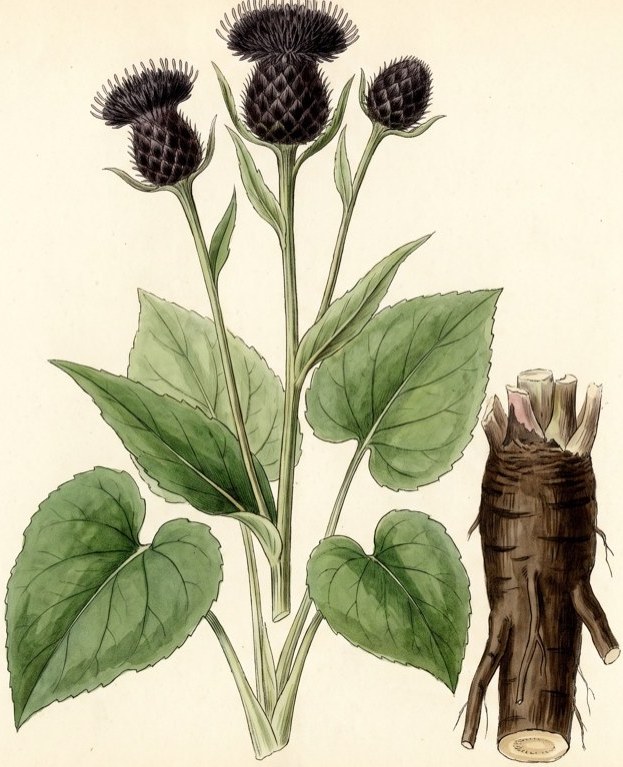 costusSaussurea costus
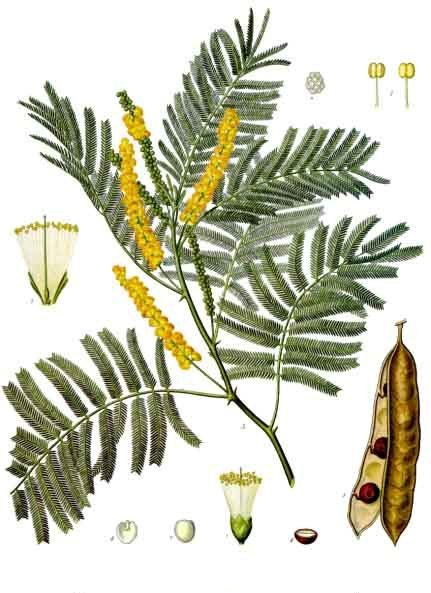 cutch treeAcacia catechu
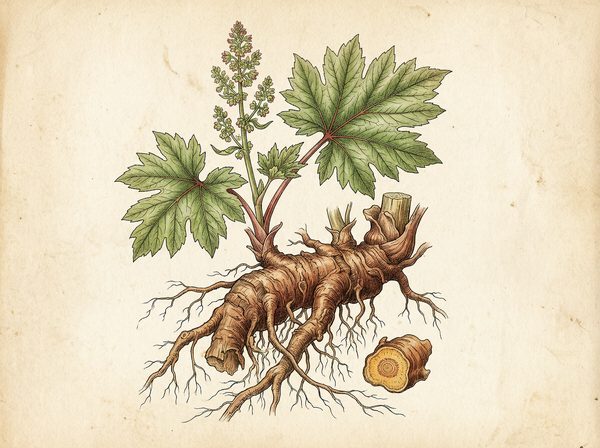 Chinese RhubarbRheum palmatum
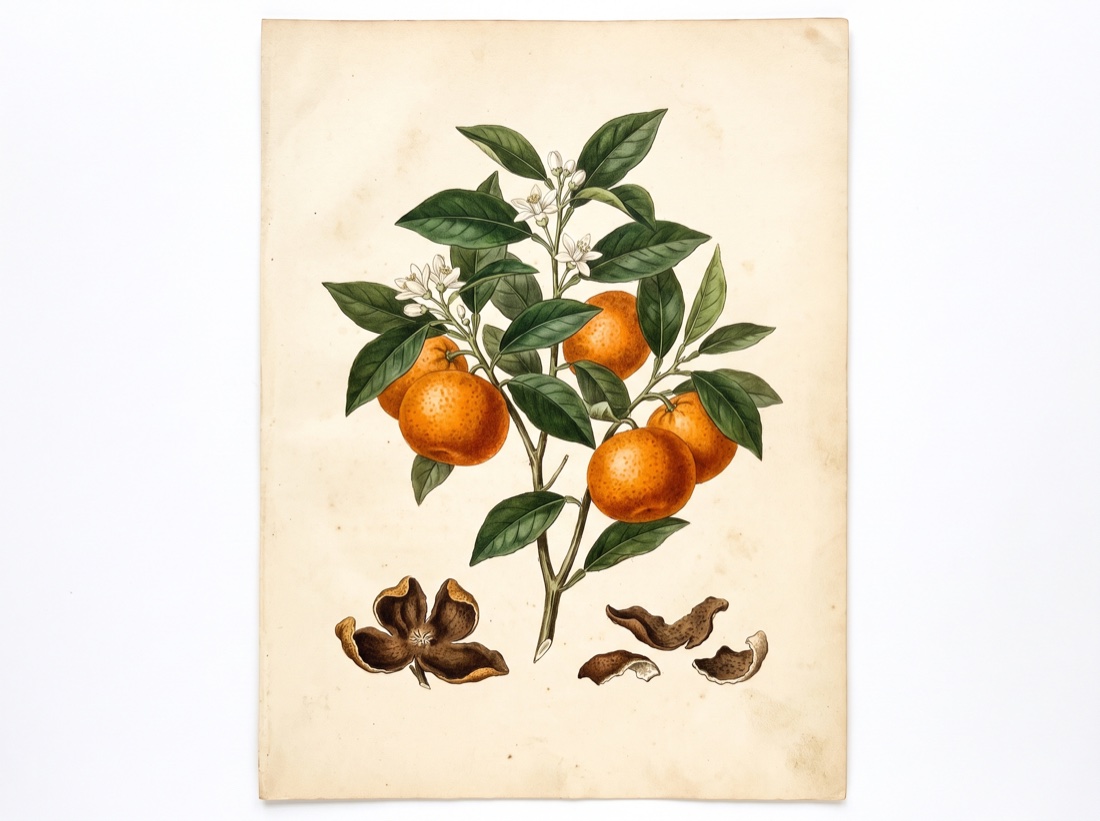 tangerineCitrus reticulata
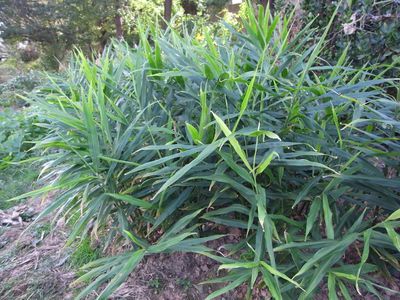 GingerZingiber officinale
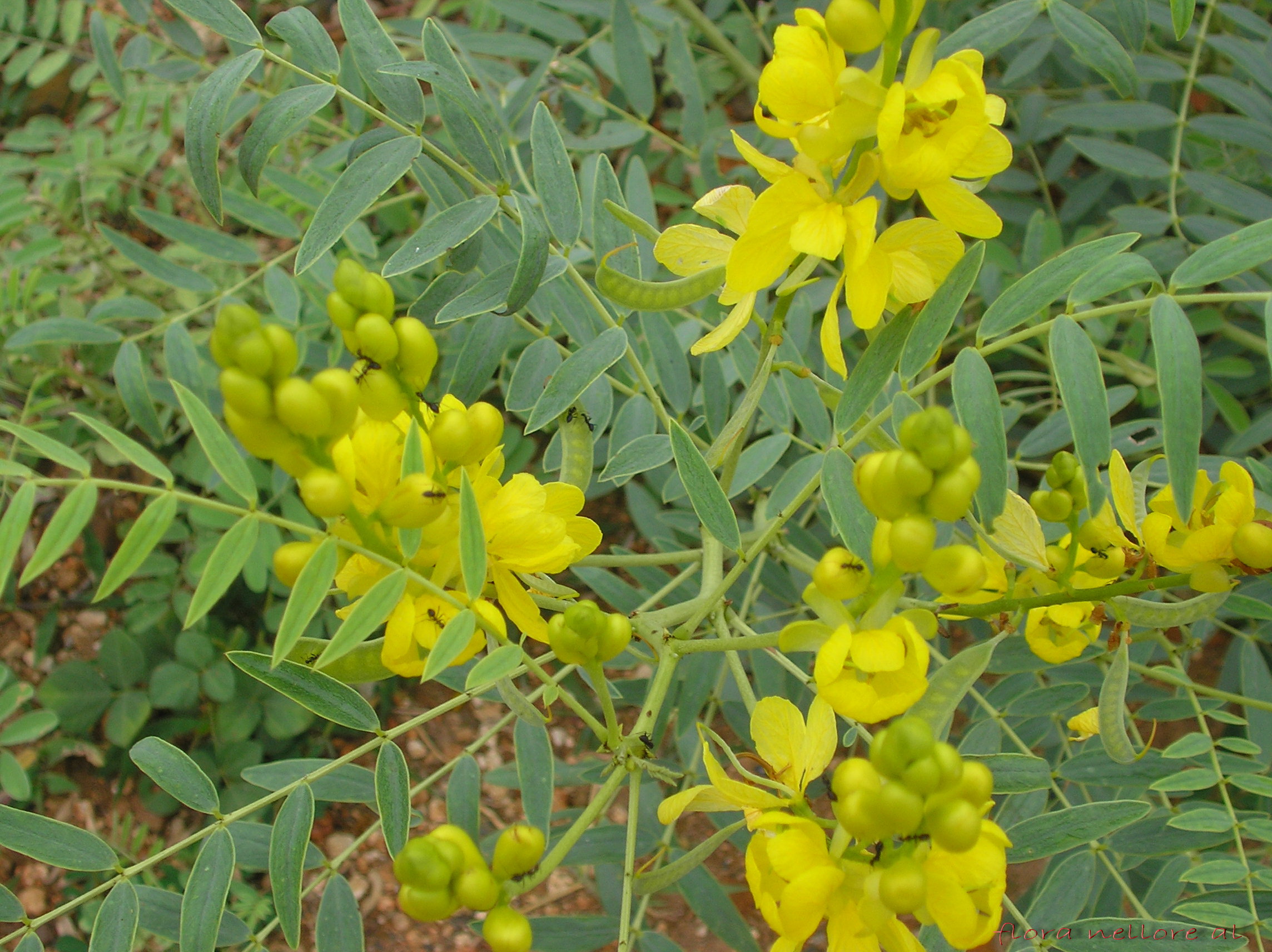 SennaSenna alexandrina
Nearby on the shelf
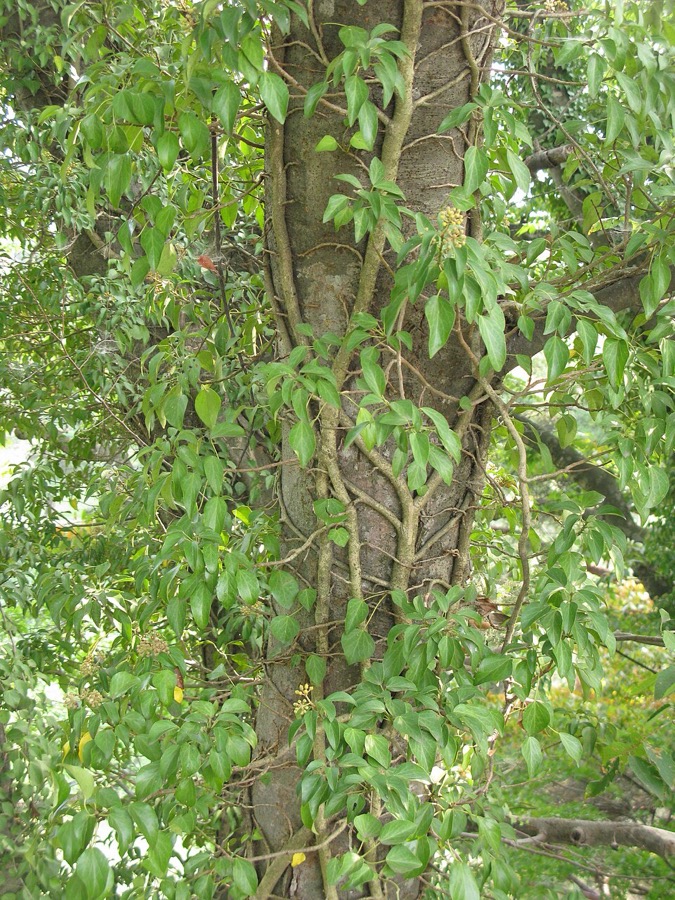 IvyHedera
 Ivy gourdCoccinia grandis
 JaborandiPilocarpus jaborandi
 JacarandaJacaranda
 Jamaican dogwoodPiscidia piscipula
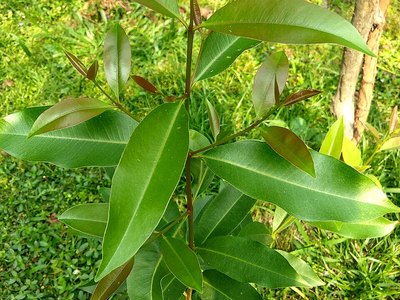 JambulSyzygium cumini
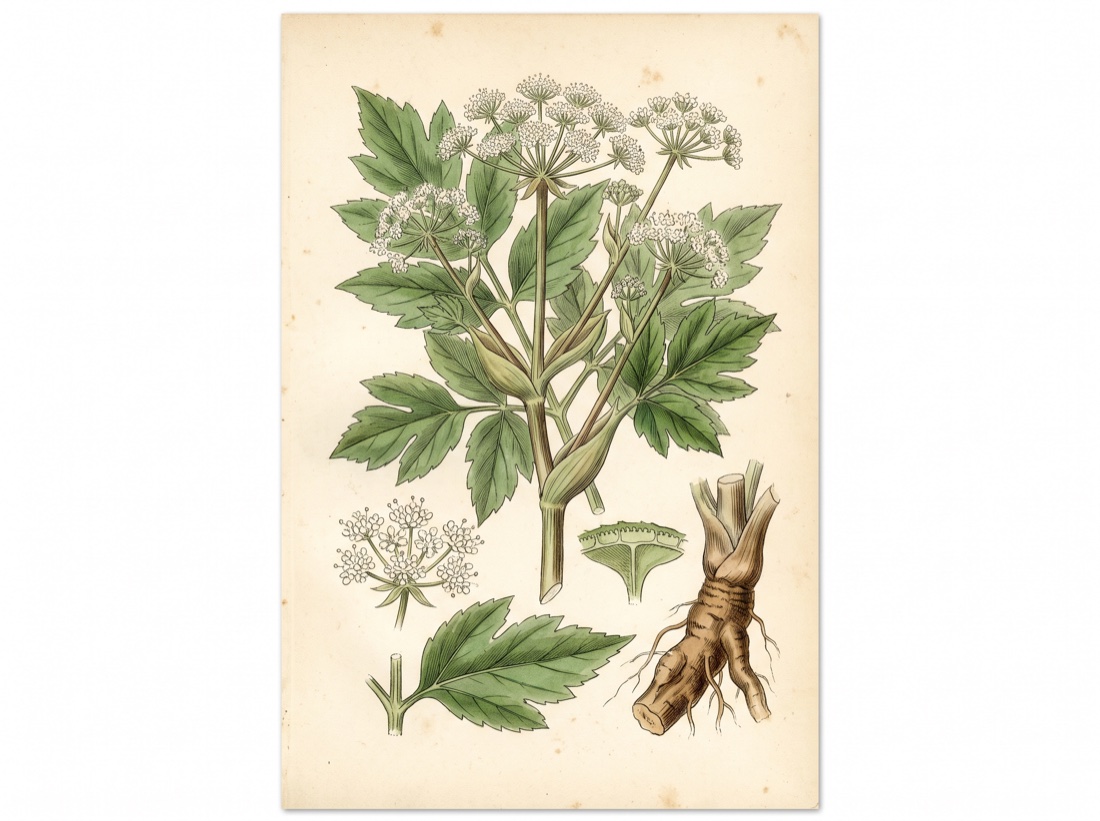 Japanese angelicaAngelica acutiloba
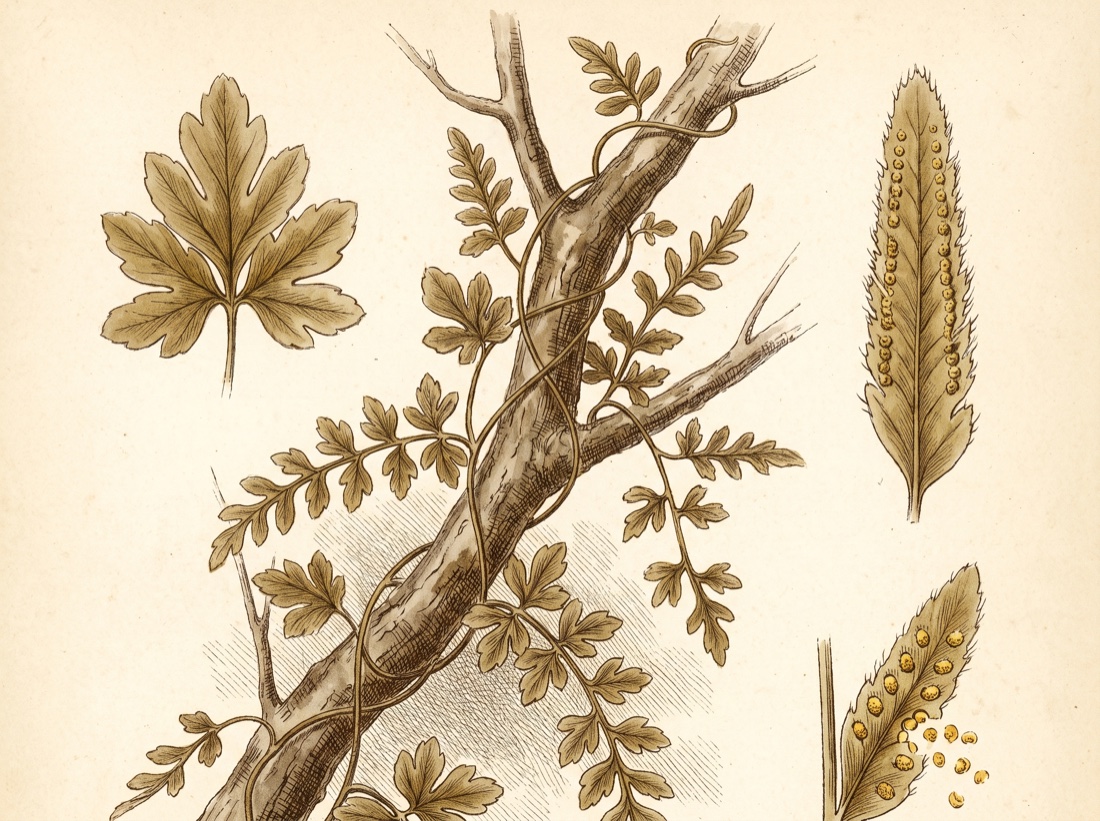 Japanese climbing fernLygodium japonicum
The whole plate is in the library. The compass, Compare, the Sky of eleven hundred plants and the formulary open with an email address and a password, free, with the formula builder and its safety engine. Herbert without limit, his formulating, clients, the handouts and the labels are the paid room.
Open the library, free