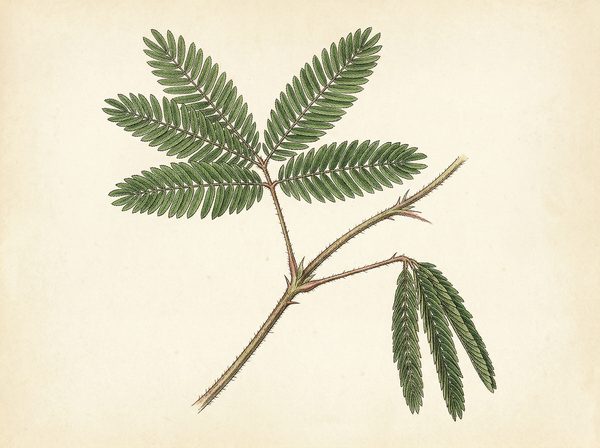
Western and Ayurvedic herbalism
Sensitive plant
Mimosa pudica
Also known as touch-me-not, shame plant, humble plant, sleeping grass, Laajvanti, Lajjalu, Lajjalu, Namaskari, Samanga.
Mimosa pudica is a low, prickly, creeping herb of waste ground and roadsides throughout the warmer parts of India and the tropics, native to Central and South America and long naturalized, famous for the leaflets that fold shut at a touch. Ayurveda names it Lajjalu, the bashful one, and values it as a cooling astringent for bleeding, discharges, diarrhea and wounds, and as an ingredient of Pushyanuga churna for women's complaints. It is a plant of the roadside pharmacy rather than of the great tonics.

Ask Herbert about Sensitive plant. Herbert is the master herbalist inside Bountiful Herbs: he answers from this plate and eleven hundred others, with dosing, pairing and cautions. Your first ten questions are free.
Ask HerbertActions
Indications what the tradition reached for it in
- Diarrhea and dysentery with blood and mucus
- Bleeding hemorrhoids
- Heavy menstrual bleeding
- Leukorrhea and vaginal discharge
- Bleeding gums and minor hemorrhage (topical)
- Slow healing wounds and ulcers (topical)
- Fistula and sinus tracts (topical, traditional)
- Glandular swellings and inflamed lymph nodes (poultice)
- Insect and minor snake bite first aid (poultice, adjunct only)
- Uterine prolapse (adjunct, traditional)
- Epilepsy (traditional adjunct)
- Urinary burning and gravel (seed, traditional)
- Sinus
- Cuts
- Scabies
- Alopecia
- Sopha
- Leprosy
- Abscess
- Urinary dysfunction
- Stomach worms
- Mild urinary discomfort
- Flatulence
- Nervous tension
- Intestinal worms
- Fistula
- Sores
- Burning sensation
- Urogenital infection
- Syphilis
Specific indications
Bright red bleeding from piles with loose stools and a hot, irritable disposition, where a cooling astringent is wanted internally and as a leaf paste externally
Heavy periods with clots in a pitta woman who also has leukorrhea between cycles, the picture Pushyanuga churna was built for
A chronic, weeping, slow healing ulcer or fistula opening that needs drying and contracting rather than moistening
Watery, frequent diarrhea with streaks of blood in a child or adult after a gut infection, once the acute phase and dehydration are managed
Safety
Pregnancy: Limited safety data in pregnancy
The record lists 8 contraindications; open the plate in the library to read them in full.
In practice
Lajjalu is reached for when the problem is loss of fluid or blood from a hot, irritated tissue: bloody diarrhea, bleeding piles, menorrhagia, leukorrhea, weeping wounds. The root decoction or whole plant churna is given with rice water, honey or buttermilk; for uterine bleeding it is taken as part of Pushyanuga churna with rice water and honey, or as its own powder with Lodhra, Ashoka and Nagakeshara.
In Ayurveda
Rasa: kashaya (astringent), tikta (bitter). Virya: sheeta (cooling). Vipaka: katu (pungent). Guna: laghu (light), ruksha (dry). Dosha: pacifies kapha and pitta; may aggravate vata in excess. Karma: sangrahi (binds and absorbs, antidiarrheal); raktastambhana (checks bleeding); vranaropana (heals wounds); shothahara (reduces swelling); kushthaghna (useful in skin disease); yonidoshahara (corrects vaginal disorders); arshoghna (relieves hemorrhoids); vishaghna (counters poison); dahaprashamana (relieves burning); kaphapittahara (pacifies kapha and pitta). Classical indications: atisara (diarrhea); pravahika (dysentery); raktatisara (bloody diarrhea); raktarsha (bleeding hemorrhoids); raktapradara (menorrhagia); shvetapradara (leukorrhea); yonisrava (vaginal discharge); vrana (wounds and ulcers); raktapitta (bleeding disorders); kushtha (skin disease); visha (poisoning, including bites); mutrakrichra (dysuria). The whole plant, and especially the root, is used as kwatha and churna for diarrhea, bleeding and discharges; the fresh leaf and root are ground into a kalka for wounds, piles, glandular swellings and bites; the leaf swarasa is applied to bleeding piles and taken in small doses for hemorrhage; the seed is a minor drug for urinary complaints. It stands in the classical uterine compound Pushyanuga churna. Classical formulations: Pushyanuga churna, Lajjalu churna, Lajjalu kwatha, Lajjalu moola kalka, Samangadi churna. Described in: Charaka Samhita, Sushruta Samhita, Bhavaprakasha Nighantu, Dhanvantari Nighantu, Raja Nighantu, Kaiyadeva Nighantu, Ayurvedic Pharmacopoeia of India.
Dosing as the sources wrote it
| Preparation | As written | Metric |
|---|---|---|
| Churna | 3-6 g whole plant or root powder twice daily with rice water or honey | 3000-6000 mg |
| Kwatha | 50-100 mL root decoction twice daily | 50-100 mL |
| Swarasa | 10-20 mL fresh leaf juice twice daily | 10-20 mL |
| Compound churna (Pushyanuga) | 3-6 g twice daily with rice water and honey | 3000-6000 mg |
| Kalka, topical | 5-10 g fresh leaf and root paste applied to wounds, piles or bites | 5000-10000 mg |
| Decoction | Decoction (root/leaf) 10-20g | 10000-20000 mg |
Doses are reproduced from the sources for practitioners and are not a recommendation for any person.
From the sources
Overview. Mimosa pudica is a low, prickly, creeping herb of waste ground and roadsides throughout the warmer parts of India and the tropics, native to Central and South America and long naturalized, famous for the leaflets that fold shut at a touch. Ayurveda names it Lajjalu, the bashful one, and values it as a cooling astringent for bleeding, discharges, diarrhea and wounds, and as an ingredient of Pushyanuga churna for women's complaints. It is a plant of the roadside pharmacy rather than of the great tonics.
Clinical Notes. Antifertility effects documented in animal studies (roots) Cooling tikta-kashaya rasa in Ayurveda subdues kapha-pitta Contains toxic alkaloid mimosine but standard doses non-toxic (LD50 >1000mg/kg IP rats) Used in Ayurvedic formulations like Samangaadi Churna for bleeding piles Promising for wound healing antimicrobial Mostly preclinical data limited human clinical trials Pharmacognosy s Himalaya Herb Ask Ayurveda
Clinical Notes. Lajjalu is reached for when the problem is loss of fluid or blood from a hot, irritated tissue: bloody diarrhea, bleeding piles, menorrhagia, leukorrhea, weeping wounds. The root decoction or whole plant churna is given with rice water, honey or buttermilk; for uterine bleeding it is taken as part of Pushyanuga churna with rice water and honey, or as its own powder with Lodhra, Ashoka and Nagakeshara.
primary-actions. Sensitive Plant acts primarily as: Astringent, Anti-inflammatory, Vulnerary, Diuretic, Antimicrobial, Anticonvulsant, Antidepressant. Secondary actions include Aphrodisiac, Antifertility, Antioxidant, Nervine, Antispasmodic, Tonic.
In formulas
Sensitive plant stands in 6 documented formulas in the library, among them Mṛtasaṅjīvanī Surā, Kuṭajāvaleha, Arimedādi Taila, Grahaṇīmihira Taila, Kāṅkāyana Guṭikā, Pīyūṣavallī Rasa.
Often paired with
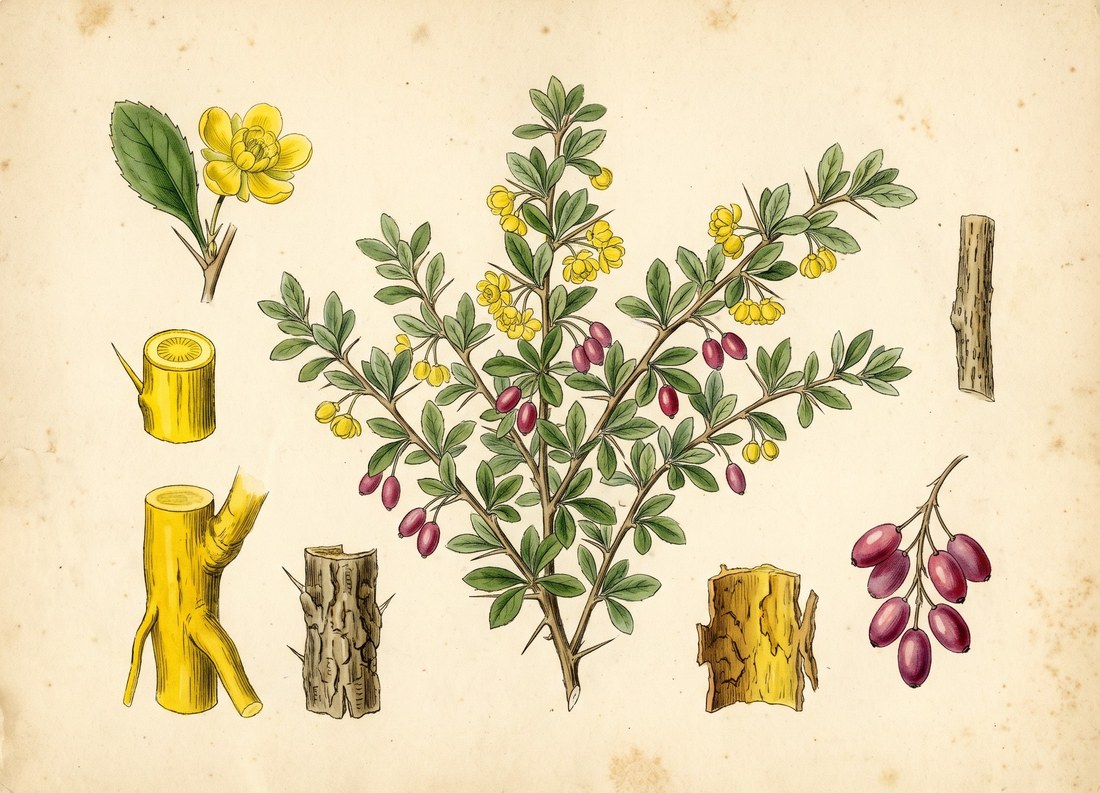 Indian barberryBerberis aristata
 nut grassCyperus rotundus
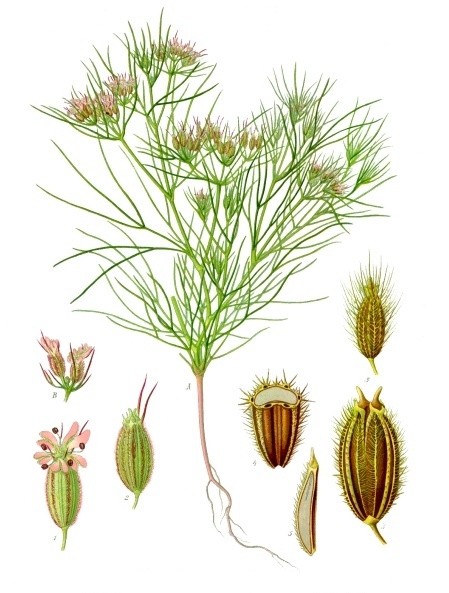 CuminCuminum cyminum
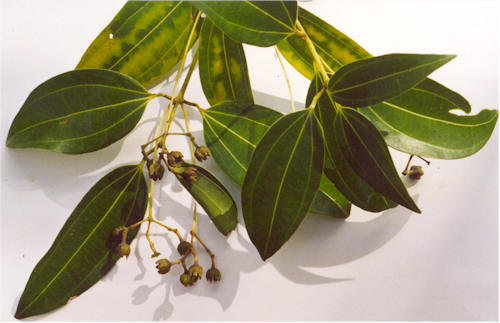 Ceylon cinnamonCinnamomum zeylanicum
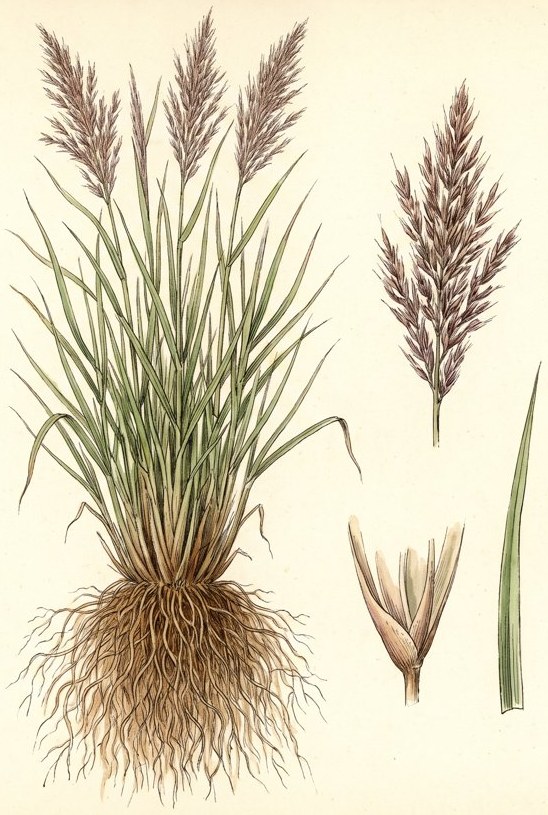 vetiverChrysopogon zizanioides
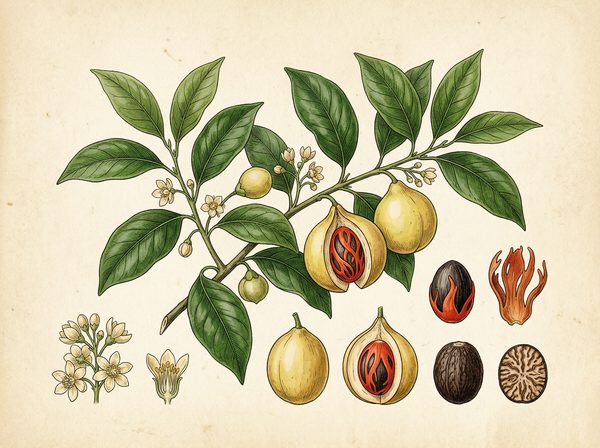 nutmegMyristica fragrans
Nearby on the shelf
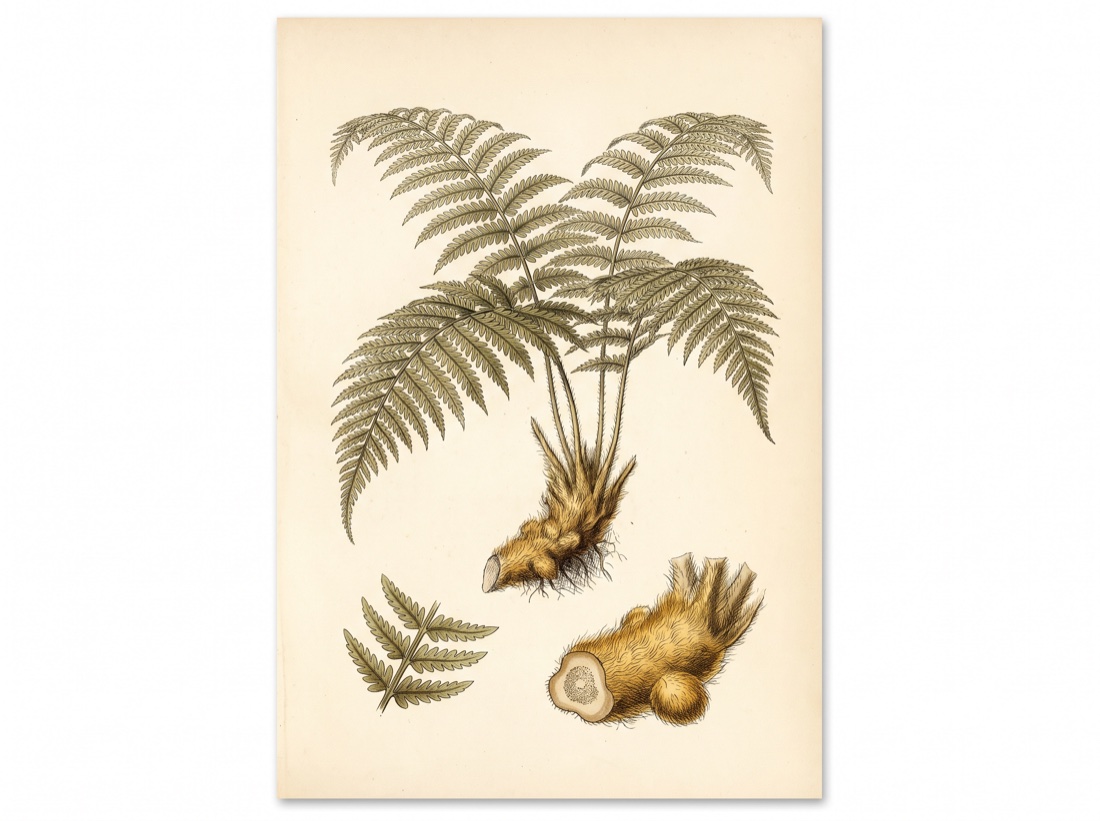 Scythian lambCibotium barometz
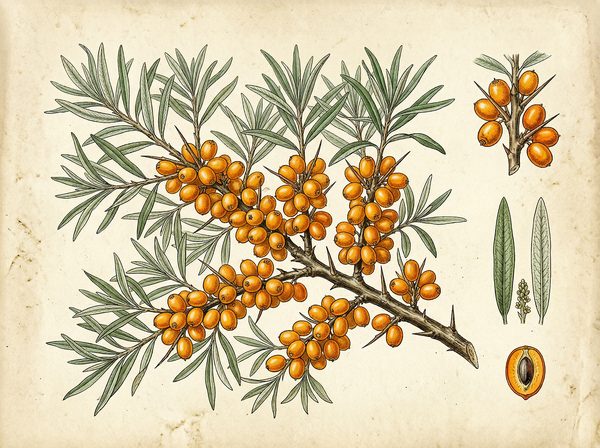 Sea BuckthornHippophae rhamnoides
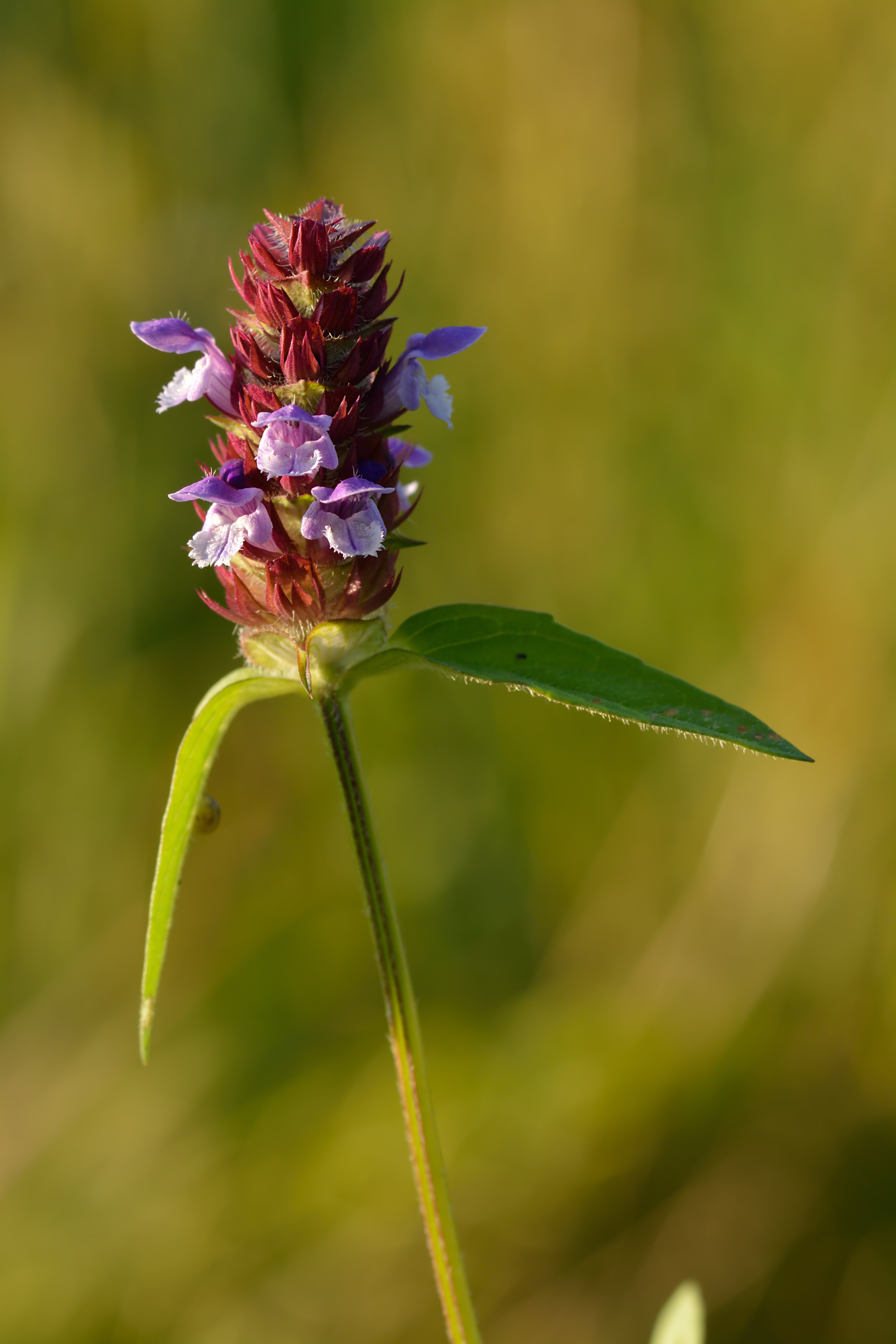 Self-HealPrunella vulgaris
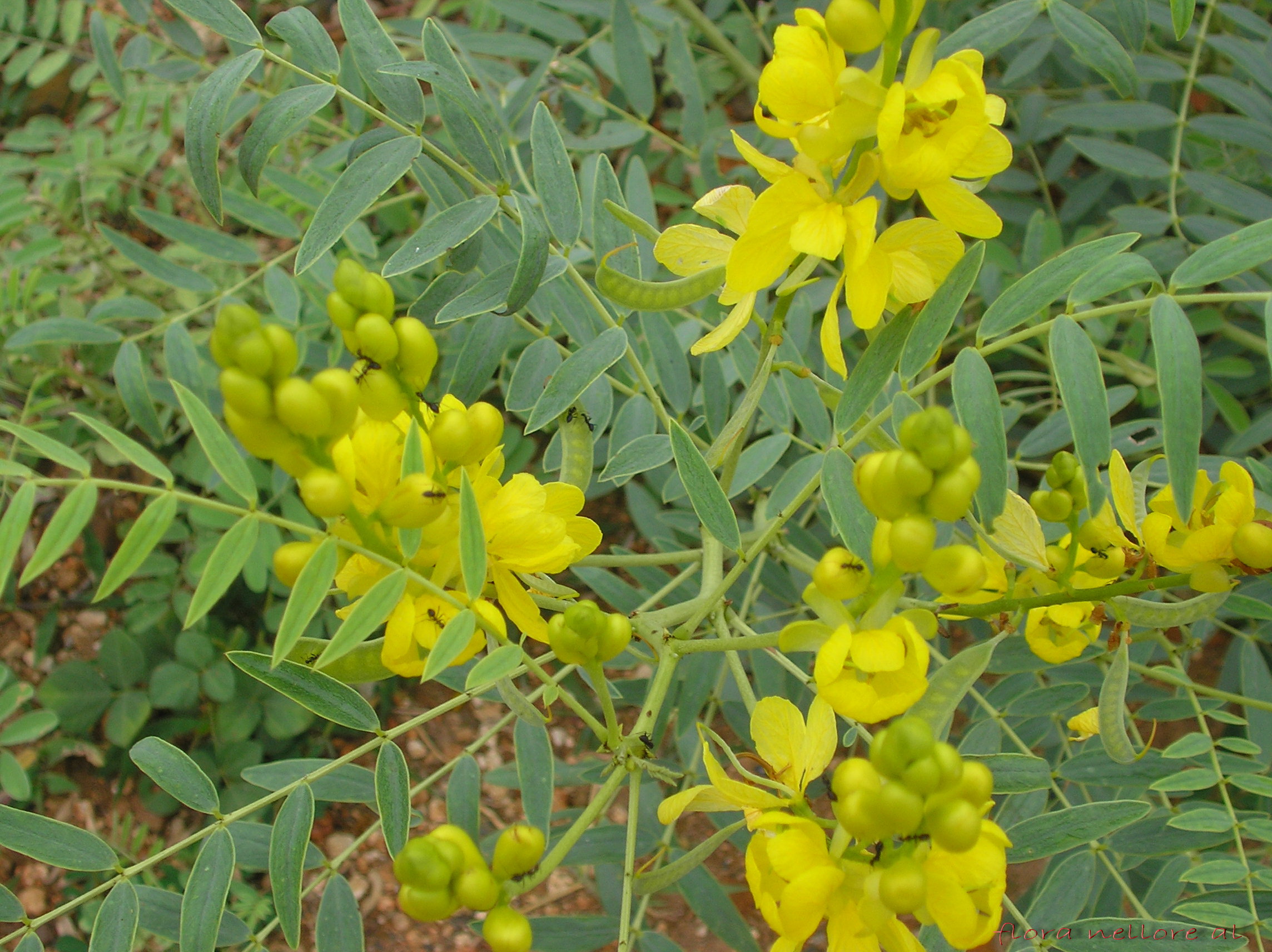 SennaSenna alexandrina
 SerpentariaAristolochia serpentaria
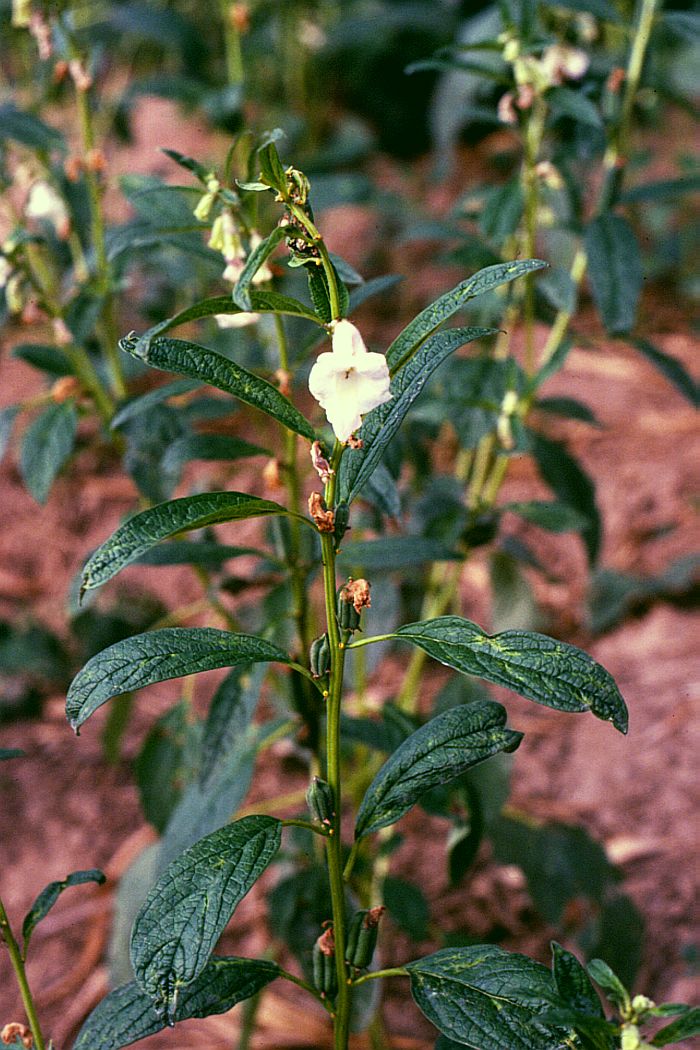 SesameSesamum indicum
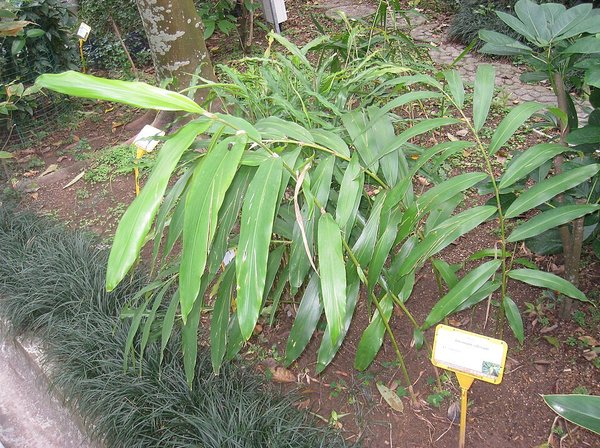 Sha RenAmomum villosum
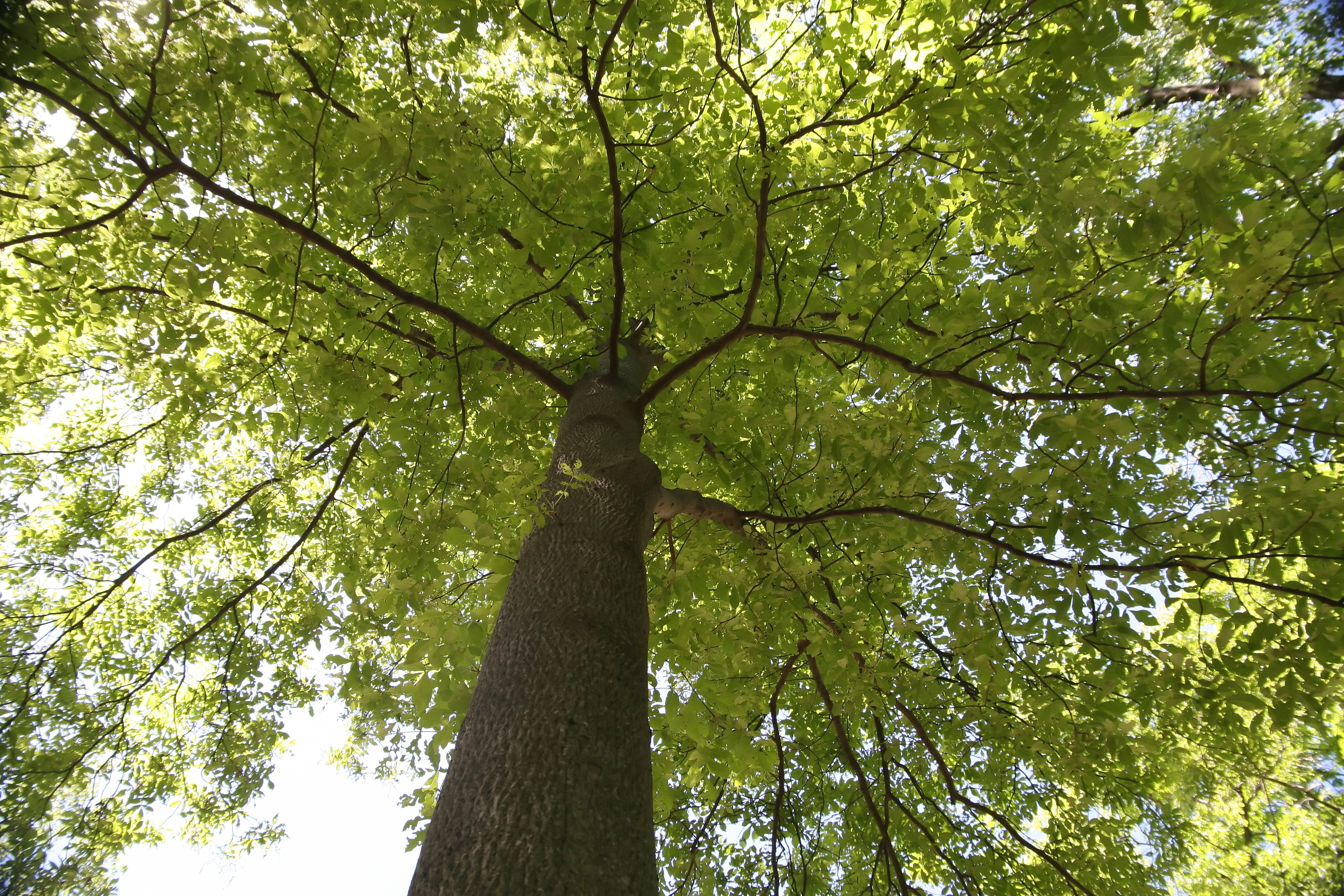 Shagbark hickoryCarya alba
The whole plate is in the library. The compass, Compare, the Sky of eleven hundred plants and the formulary open with an email address and a password, free, with the formula builder and its safety engine. Herbert without limit, his formulating, clients, the handouts and the labels are the paid room.
Open the library, free