Western Herbalism
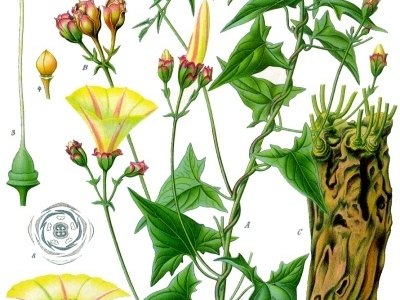
Scammony
Convolvulus scammonia
Also known as Syrian scammony, Convolvulus, Levant scammony.
Scammony is a twining perennial vine of the bindweed family native to the eastern Mediterranean and Western Asia, long cultivated and wildcrafted in Syria, Turkey, and Greece. The medicine of tradition is not the leaf or flower but the resin obtained by incising the thick perennial root and collecting the exuded milky juice, which dries into the drug known as scammony resin or Aleppo scammony. It held a place in older Western herbal and eclectic practice as one of the classic drastic resin purgatives, grouped with jalap and other convolvulaceous cathartics, and was almost always dispensed compounded rather than alone because of its harshness.

Ask Herbert about Scammony. Herbert is the master herbalist inside Bountiful Herbs: he answers from this plate and eleven hundred others, with dosing, pairing and cautions. Your first ten questions are free.
Ask HerbertActions
Indications what the tradition reached for it in
- Obstinate constipation
- Dropsy and fluid retention (historical use)
- Intestinal worms (historical use)
- Bilious congestion
- Torpid bowel unresponsive to milder laxatives
- Cerebral congestion with constipation (historical)
- Ascites (historical, as a hydragogue)
- Habitual costiveness in combination formulas
Specific indications
Severe, obstinate constipation in a robust patient where gentler laxatives have failed, historically combined with aromatics to offset griping
Dropsical swelling attributed to fluid retention, dosed briefly as a hydragogue purge under old eclectic and physiomedical protocols
Safety
Recognised toxicity. This plant carries a toxicity flag in the record; it is for trained practitioners only.
Low dose botanical. Used in drop doses in the classical practice; not a plant to dose freely.
Pregnancy: Avoid entirely: a drastic resin purgative capable of causing violent catharsis and pelvic congestion, unsuitable in pregnancy.
Breastfeeding: Avoid: no safety data and a strongly irritant action on the gut make it inappropriate during breastfeeding.
The record lists 11 contraindications; open the plate in the library to read them in full.
In practice
Scammony resin was historically reserved for cases of stubborn constipation or dropsical states that had not responded to milder measures, and it was almost never given as a simple. Practitioners combined it with carminatives such as ginger or cinnamon, or compounded it into pills with other resins, specifically to blunt the severe griping and tenesmus the crude resin can produce on its own.
Dosing as the sources wrote it
| Preparation | As written | Metric |
|---|---|---|
| Historical resin dose (compounded) | 0.06-0.3 g scammony resin as part of a compounded pill, single dose | 60-300 mg |
| Historical powdered resin | 0.1-0.2 g powdered resin, rarely used alone, single dose | 100-200 mg |
| Dose for an adult, ten to fifteen grains | 648-972 mg | |
| Dose, thirty to fifty grains | 1944-3240 mg | |
| Dose, ten to fifteen grains | 648-972 mg | |
| Regina Scammoniae, Resin of Scammony | Dose, from three to eight grains. | 194-518 mg |
Doses are reproduced from the sources for practitioners and are not a recommendation for any person.
From the sources
Overview. Scammony is a twining perennial vine of the bindweed family native to the eastern Mediterranean and Western Asia, long cultivated and wildcrafted in Syria, Turkey, and Greece. The medicine of tradition is not the leaf or flower but the resin obtained by incising the thick perennial root and collecting the exuded milky juice, which dries into the drug known as scammony resin or Aleppo scammony. It held a place in older Western herbal and eclectic practice as one of the classic drastic resin purgatives, grouped with jalap and other convolvulaceous cathartics, and was almost always dispensed compounded rather than alone because of its harshness.
Clinical Notes. Scammony resin was historically reserved for cases of stubborn constipation or dropsical states that had not responded to milder measures, and it was almost never given as a simple. Practitioners combined it with carminatives such as ginger or cinnamon, or compounded it into pills with other resins, specifically to blunt the severe griping and tenesmus the crude resin can produce on its own.
Therapy. Scammony is a vermifuge and is useful in combination with other vermifuges to increase their action. It also acts as a cathartic for their removal, as its cathartic influence is of considerable importance. It is hydragogue and irritating in large doses and more or less depressing. It has a certain eliminative influence, and like podophyllum, has been given in conjunc. tion with alteratives. It is greatly superseded in this line of action, by many other of our agents better known.
Properties and Uses. The resin above described is the part used. It is an active stimulant, operating on the bowels, and producing prompt watery stools. It will usually cause an evacuation in two hours, and often proves griping.
Drawn from Cook's Physio-Medical Dispensatory; Scudder's Specific Medication and Specific Medicines; King's American Dispensatory, 18th edition (Felter and Lloyd); Ellingwood's American Materia Medica, Therapeutics and Pharmacognosy, and the Bountiful Herbs editorial.
Often paired with
 aloe veraAloe vera
 May applePodophyllum peltatum
 Socotrine aloesAloes socotrina
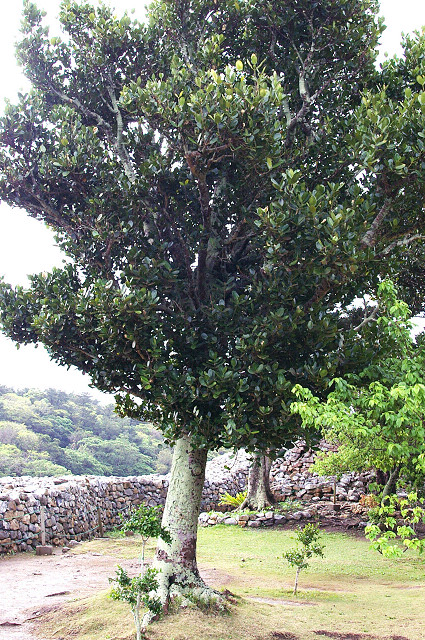 GambogeCambogia
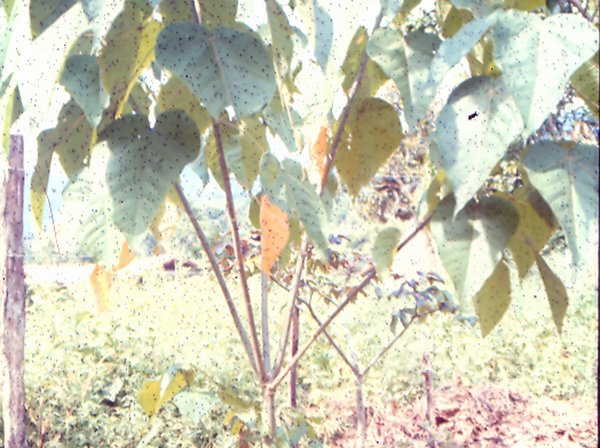 Sangre de DragoCroton lechleri
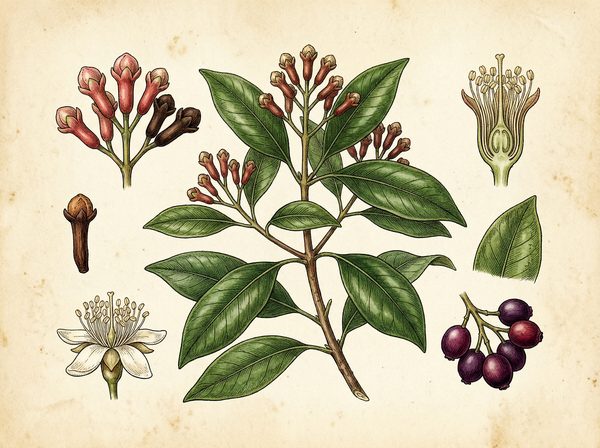 cloveSyzygium aromaticum
Nearby on the shelf
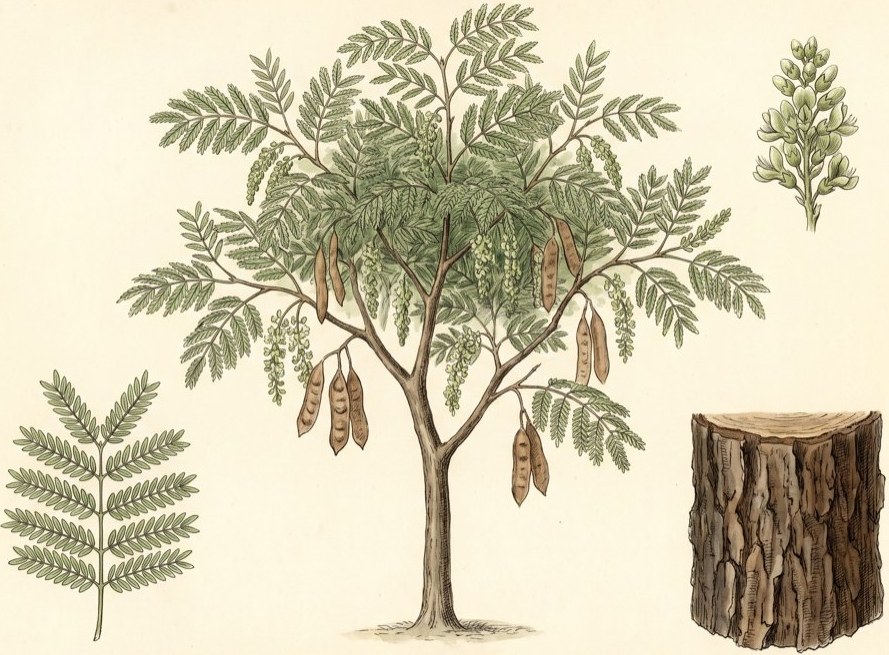 Sassy barkErythrophleum
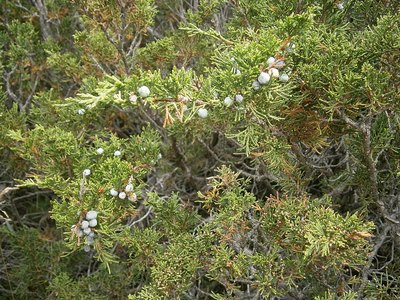 SavinJuniperus sabina
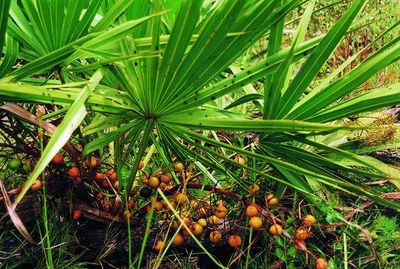 Saw palmettoSerenoa repens
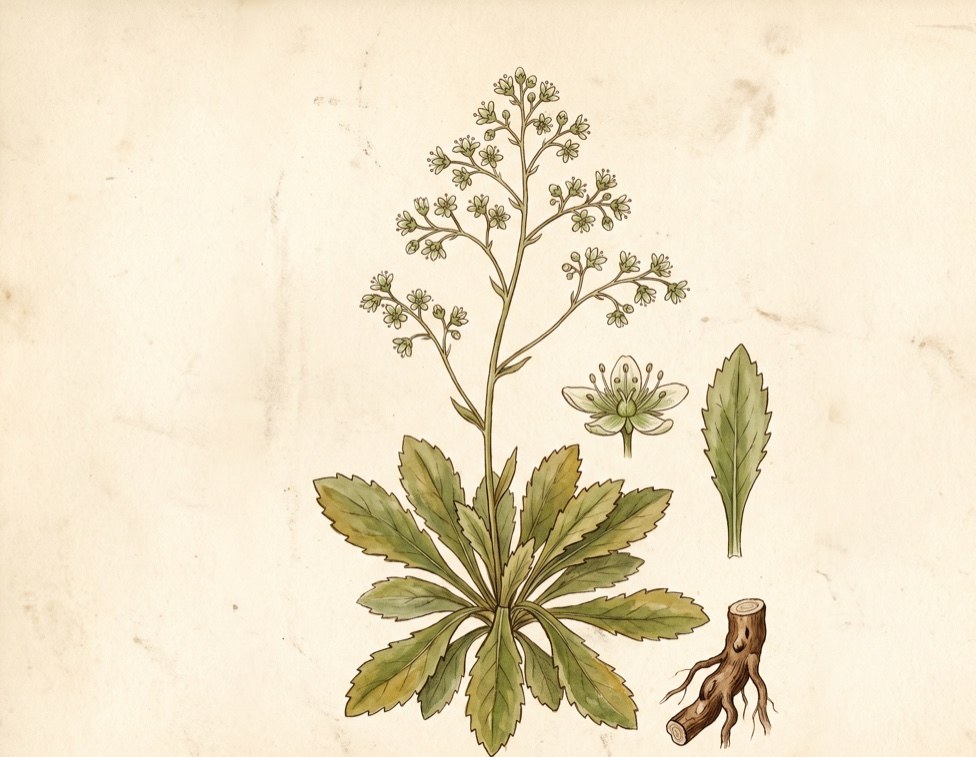 SaxifrageSaxifraga pennsylvanica
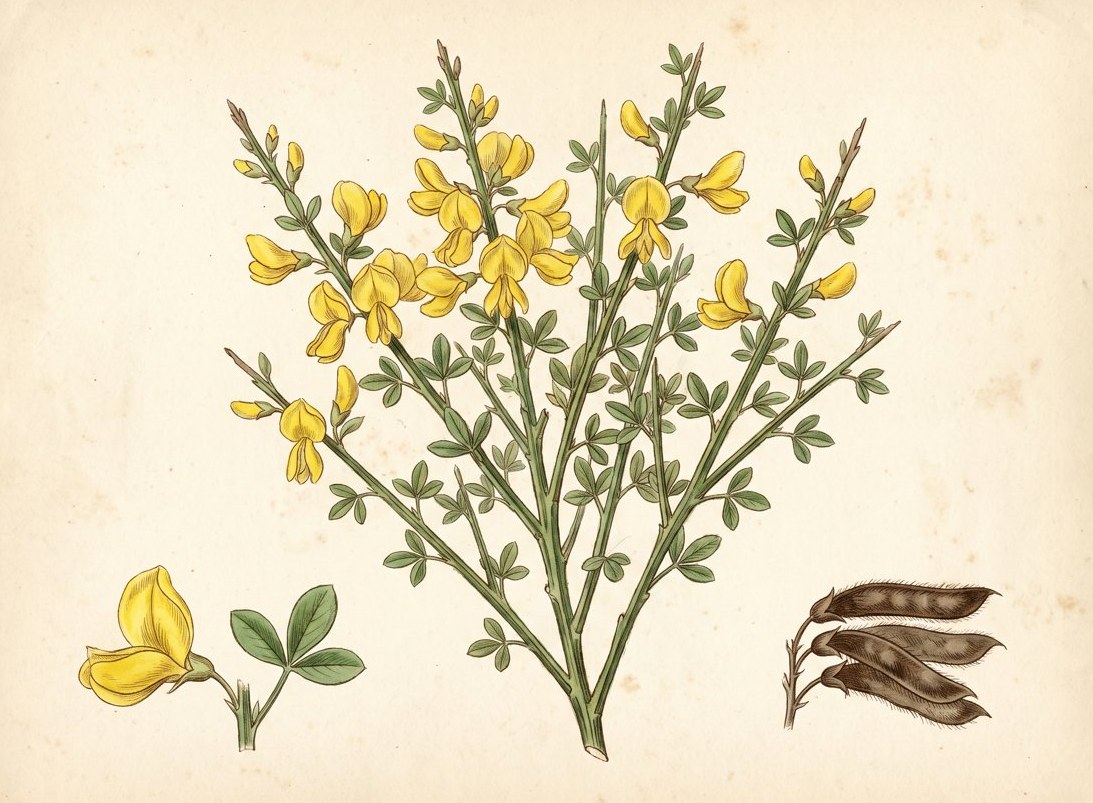 Scotch BroomCytisus scoparius
 Scotch PinePinus sylvestris
 Scythian lambCibotium barometz
 Sea BuckthornHippophae rhamnoides
The whole plate is in the library. The compass, Compare, the Sky of eleven hundred plants and the formulary open with an email address and a password, free, with the formula builder and its safety engine. Herbert without limit, his formulating, clients, the handouts and the labels are the paid room.
Open the library, free