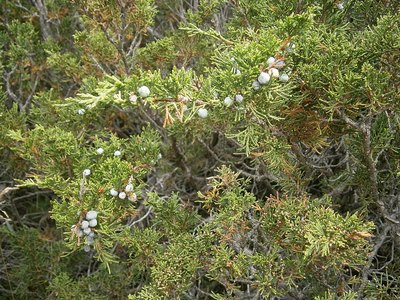
Western Herbalism
Savin
Juniperus sabina
Also known as Savin juniper, Sabine, Savine, Savin-tops.
Savin is a low, spreading evergreen shrub of the juniper family, native to the mountains of central and southern Europe and parts of western Asia, now also naturalized elsewhere and widely planted as an ornamental. The young leafy twigs, and the essential oil distilled from them, were the parts used medicinally. Physiomedicalist and earlier eclectic writers classed savin among the strongly heating, irritant stimulants, valued in small doses for its action on the kidneys, uterus and skin but regarded even in their own day as a hazardous and unreliable emmenagogue.

Ask Herbert about Savin. Herbert is the master herbalist inside Bountiful Herbs: he answers from this plate and eleven hundred others, with dosing, pairing and cautions. Your first ten questions are free.
Ask HerbertActions
Indications what the tradition reached for it in
- Amenorrhea (historical, dangerous use)
- Warts (topical, historical)
- Chronic skin ulcers (topical, historical)
- Threadworm (historical)
Specific indications
Suppressed menses where an irritant emmenagogue was historically sought, use now abandoned due to toxicity
Stubborn warts treated topically with the oil or ointment in old practice
Safety
Recognised toxicity. This plant carries a toxicity flag in the record; it is for trained practitioners only.
Low dose botanical. Used in drop doses in the classical practice; not a plant to dose freely.
The record lists 7 contraindications; open the plate in the library to read them in full.
In practice
Historical texts describe savin twigs and oil as powerful local and systemic irritants: applied externally the oil was used to raise a blister or to slough away warts and indolent ulcers, and taken internally in small infused doses it was said to excite the kidneys and stimulate uterine contraction, hence its old reputation as an emmenagogue.
Dosing as the sources wrote it
| Preparation | As written | Metric |
|---|---|---|
| Historical infusion (not recommended) | historically 0.5-1 g dried twig as infusion, now considered unsafe at any dose | 500-1000 mg |
| Topical oil (historical, not recommended) | crude oil applied externally to warts in historical practice, not advised today | |
| The oil (Oleum Sabinae), given 2 or 3 times a day, in doses of from 10 or 15 drops on sugar, will, in most cases, cause abortion, but it is apt to violently affect the stomach and bowels at the same time, bringing life into extreme danger. | 0.45 mL | |
| It is sometimes combined with oils of tansy, pennyroyal, or hemlock, as an emmenagogue and abortivant, and given in doses of 2 to 5 drops. | 0.04-0.1 mL | |
| powdered leaves | Dose of the powdered leaves, from 5 to 15 grains in syrup, 3 times a day; of the fluid extract, from 5 to 10 drops; of the strong tincture (℥viii to alcohol, 76 per cent, Oj), from 1 to 5 drops; of the infusion, from ½ to 2 fluid ounces. | 324-972 mg |
| These are sometimes powdered and administered successfully as a vermifuge, the dose being from 10 grains to ½ drachm, in some convenient vehicle, and repeated every 4 hours through the day. | 648-1944 mg |
Doses are reproduced from the sources for practitioners and are not a recommendation for any person.
From the sources
Overview. Savin is a low, spreading evergreen shrub of the juniper family, native to the mountains of central and southern Europe and parts of western Asia, now also naturalized elsewhere and widely planted as an ornamental. The young leafy twigs, and the essential oil distilled from them, were the parts used medicinally. Physiomedicalist and earlier eclectic writers classed savin among the strongly heating, irritant stimulants, valued in small doses for its action on the kidneys, uterus and skin but regarded even in their own day as a hazardous and unreliable emmenagogue.
Clinical Notes. Historical texts describe savin twigs and oil as powerful local and systemic irritants: applied externally the oil was used to raise a blister or to slough away warts and indolent ulcers, and taken internally in small infused doses it was said to excite the kidneys and stimulate uterine contraction, hence its old reputation as an emmenagogue.
Properties and Uses. The twigs and leaves are strongly stimulating, exciting the kidneys, uterus, and skin. They are sometimes used by infusion to promote the menstrual flow; but act so powerfully, and with so much irritation both to the stomach and uterus, as to be an injudicious and even a dangerous emmenagogue.
Description, Medical Uses, and Dosage. (See Sabina). This preparation contains the active constituents of savine, and has a dark, brownish-green color. It precipitates when mixed with water, Dose, 2 to 15 minims.
Drawn from Cook's Physio-Medical Dispensatory; King's American Dispensatory, 18th edition (Felter and Lloyd), and the Bountiful Herbs editorial.
Often paired with
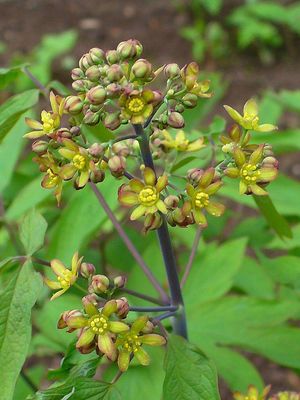 Blue cohoshCaulophyllum thalictroides
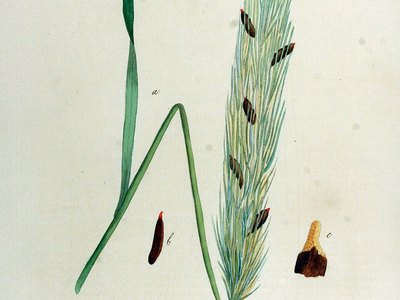 ErgotSecale Cornutum
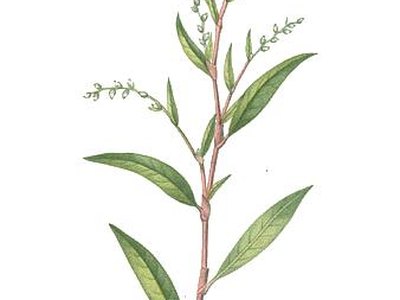 SmartweedPolygonum hydropiper
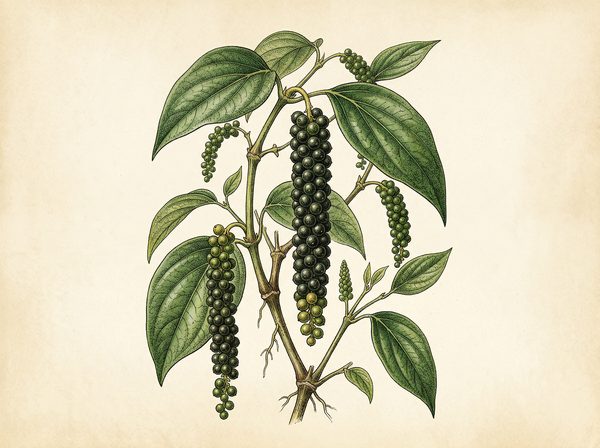 black pepperPiper nigrum
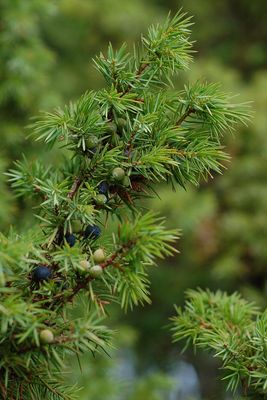 JuniperJuniperus communis
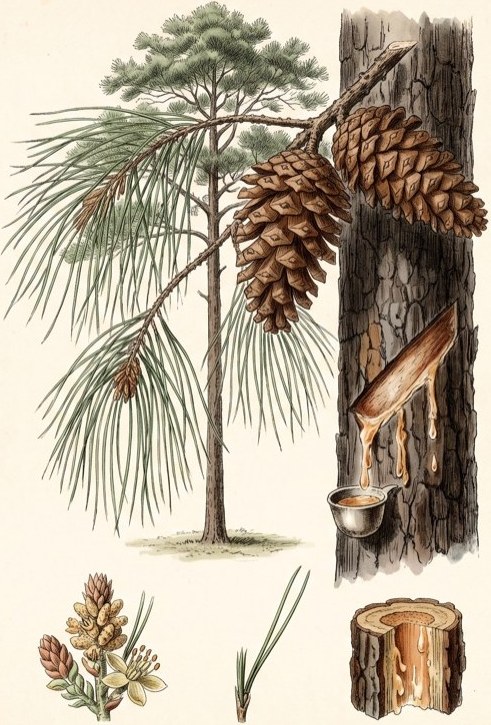 TurpentineOleum Terebinthinae
Nearby on the shelf
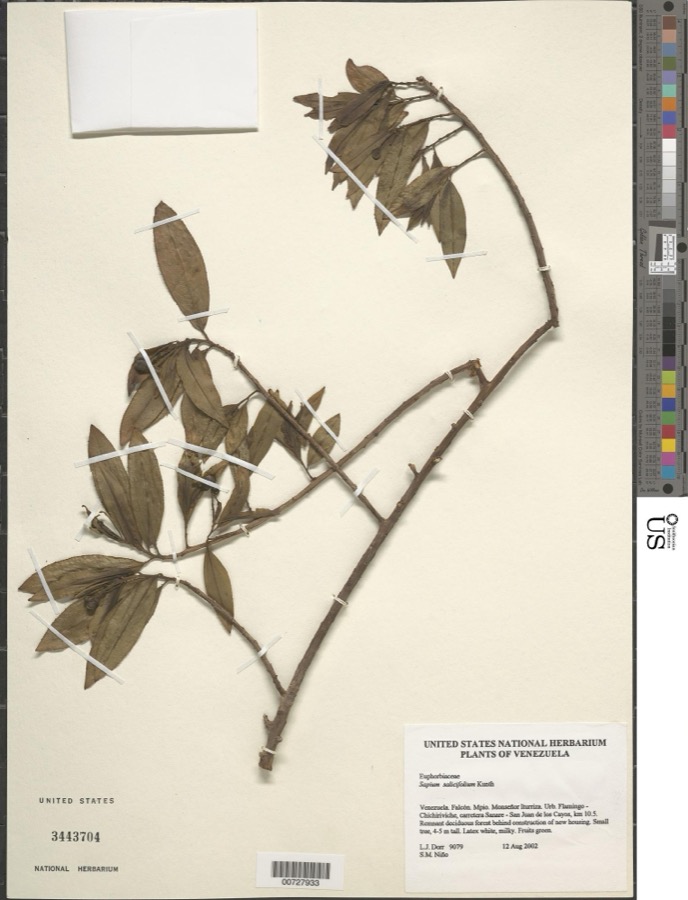 SapiumSapium salicifolium
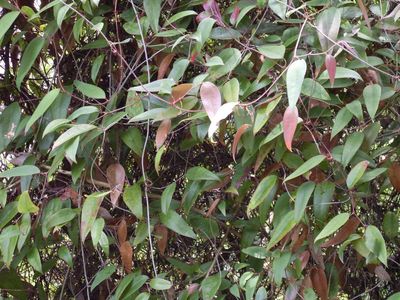 SarsaparillaSmilax spp.
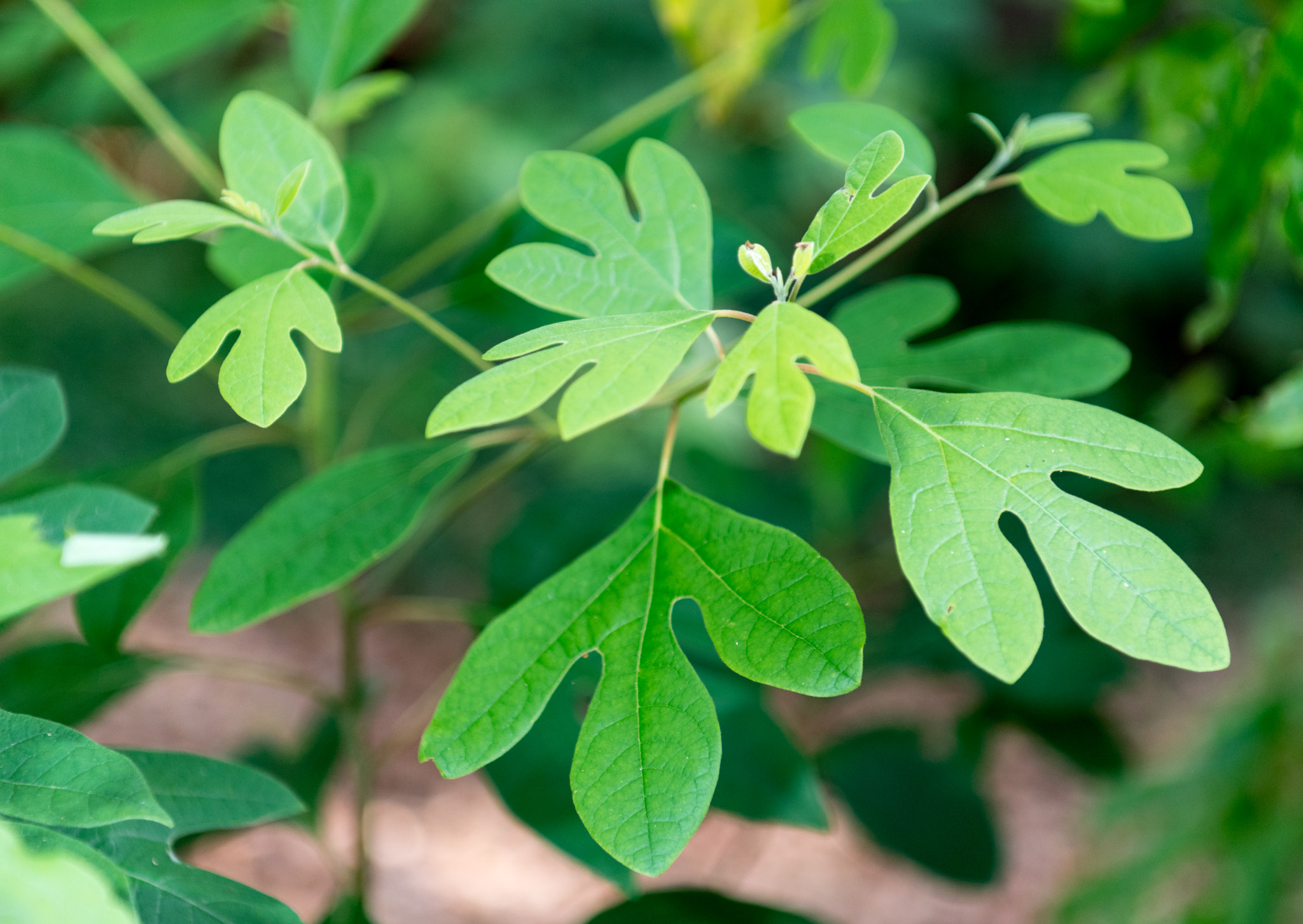 SassafrasSassafras albidum
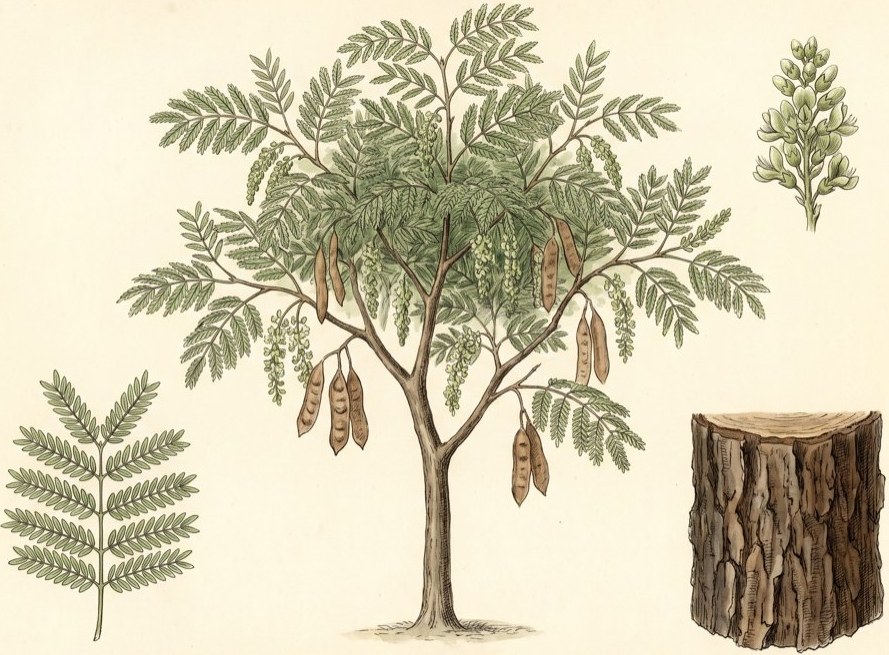 Sassy barkErythrophleum
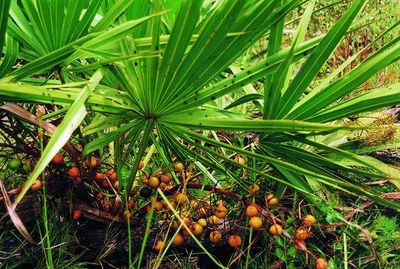 Saw palmettoSerenoa repens
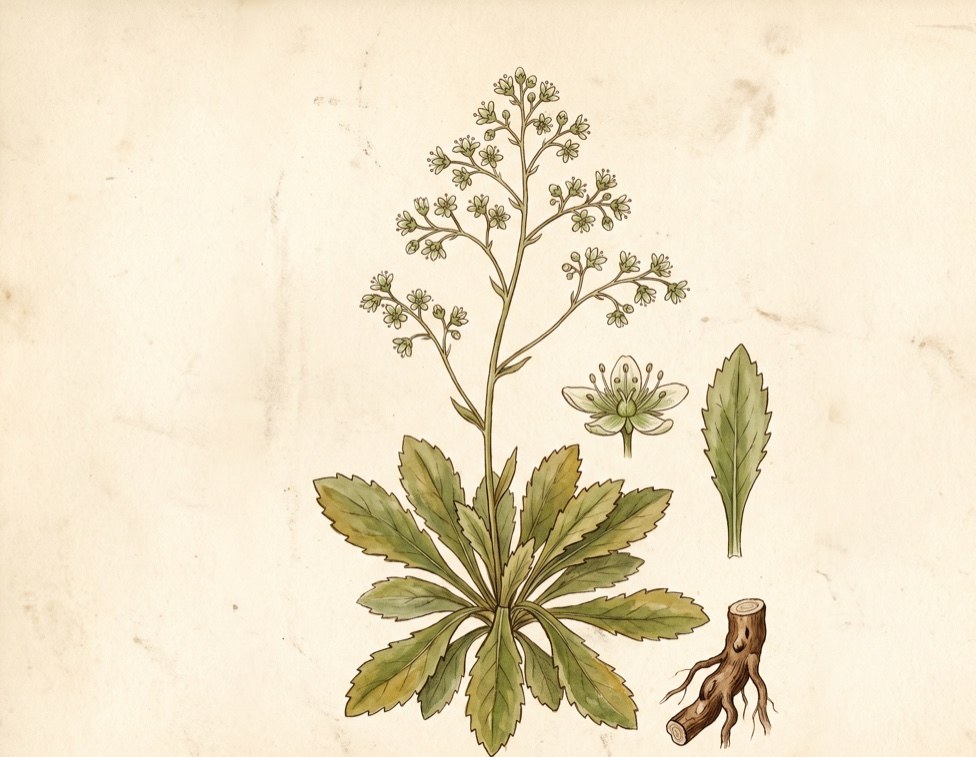 SaxifrageSaxifraga pennsylvanica
 ScammonyConvolvulus scammonia
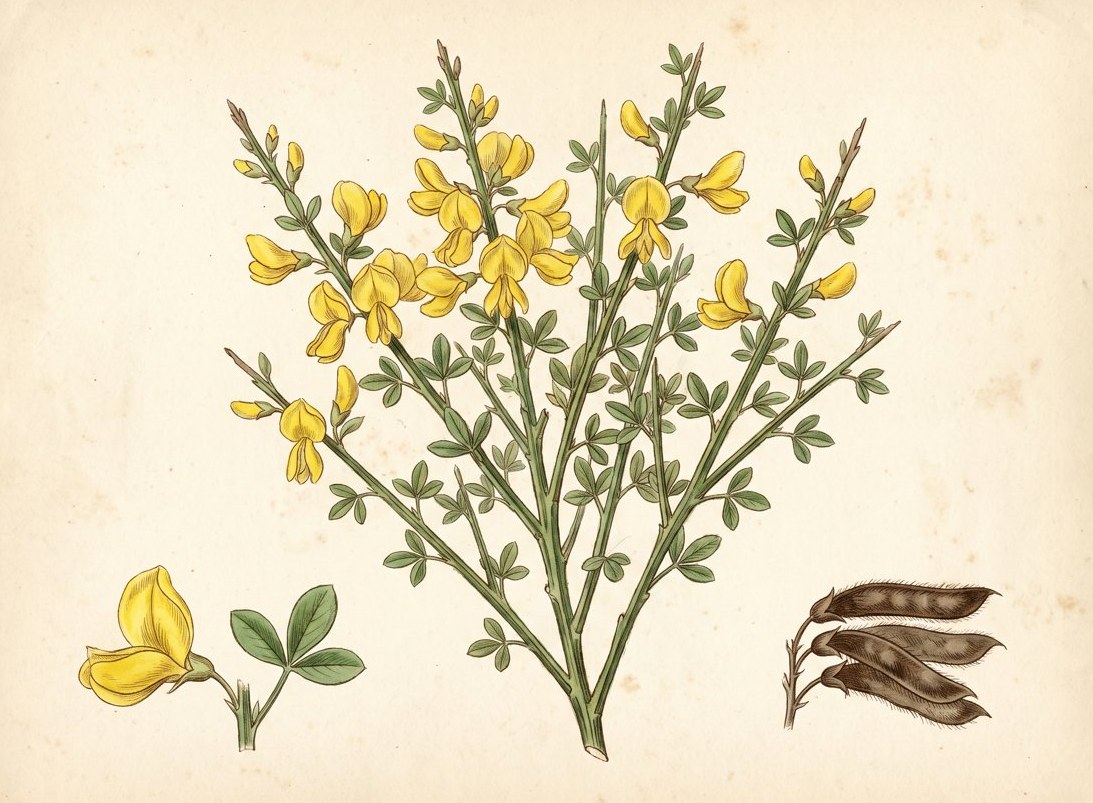 Scotch BroomCytisus scoparius
The whole plate is in the library. The compass, Compare, the Sky of eleven hundred plants and the formulary open with an email address and a password, free, with the formula builder and its safety engine. Herbert without limit, his formulating, clients, the handouts and the labels are the paid room.
Open the library, free