Western Herbalism
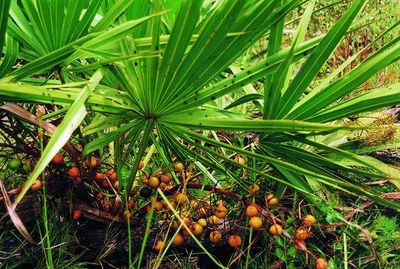
Saw palmetto
Serenoa repens
Also known as Sabal palm, Sabal, Serenoa, Jacks, Serenoa or saw palmetto, Sabal serrulata.
Saw Palmetto is a nerve sedative, expectorant, and a nutritive tonic, acting kindly upon the digestive tract and tending to improve the appetite, digestion, and assimilation. Its most direct action appears to be upon the reproductive organs when undergoing waste of tissue; in some nutritional way it is asserted to enlarge the breasts, ovaries, and testicles, while the paradoxical claim is also made that it reduces hypertrophy of the prostate.

Ask Herbert about Saw palmetto. Herbert is the master herbalist inside Bountiful Herbs: he answers from this plate and eleven hundred others, with dosing, pairing and cautions. Your first ten questions are free.
Ask HerbertActions
Indications what the tradition reached for it in
- Incontinence
- Orchitis
- Impotence
- Cold (head)
- Rosacea
- Menstrual irregularities
- Prostatitis (chronic)
- Male pattern baldness
- Decreased libido
- Epididymitis
- Cystitis (subacute)
- Interstitial cystitis
- Bronchitis
- Benign prostatic hyperplasia (stages I and II)
- Cysts (ovarian)
- Psoriasis
- Polycystic ovarian syndrome
- Urethritis
- Hirsuitism
- Cystitis (chronic)
- Acne (cystic)
- Orchialgia
- Testicular atrophy
- Sore throat
- Colic
- Cramps
- Debility
- Fatigue
- Inflammation
- Muscle spasms
Safety
Pregnancy: Limited safety data in pregnancy
The record lists 4 contraindications; open the plate in the library to read them in full.
Dosing as the sources wrote it
| Preparation | As written | Metric |
|---|---|---|
| Tincture (1:2-1:3) | 3-5 ml TID | 3-5 mL |
| Decoction | 1-2 tsp/c dried berry BID-TID | |
| Standardized extract (akaliposterolic extract) | 80-95% fatty acids and sterols 320-480 mg/d | 80-480 mg |
| Dried fruit 0.5-1.0 g as a decoction three times daily | 500-1000 mg | |
| · Dried berry: 2-4 g | 2000-4000 mg | |
| · Liquid extract (1:2): 2-4.5 mL/day | 2-4.5 mL |
Doses are reproduced from the sources for practitioners and are not a recommendation for any person.
From the sources
Action and Therapy. Saw Palmetto is a nerve sedative, expectorant, and a nutritive tonic, acting kindly upon the digestive tract and tending to improve the appetite, digestion, and assimilation. Its most direct action appears to be upon the reproductive organs when undergoing waste of tissue; in some nutritional way it is asserted to enlarge the breasts, ovaries, and testicles, while the paradoxical claim is also made that it reduces hypertrophy of the prostate.
Therapy. It is a sedative to all irritable conditions of these organs, and is a profound nutritive tonic, operating much like phosphorus. It increases the size and secreting power of the mammary glands where they are abnormally small and inactive.
Physiological Action. The attention of the profession was called to this palm by Goss and others, from its superior fat producing properties in animals. It was observed as soon as the berries matured that the animals which fed upon them grew very sleek and fat.
Specific Indications. Relaxation with copious catarrhal secretion; lark of development or wasting of testicles, ovaries, or mammae; prostatic irritation with painful micturition, and dribbling of urine, especially in the aged; tenderness in the glands and other parts of the reproductive organs.
Drawn from King's American Dispensatory, 18th edition (Felter and Lloyd); Ellingwood's American Materia Medica, Therapeutics and Pharmacognosy; Felter's Eclectic Materia Medica, Pharmacology and Therapeutics, and the Bountiful Herbs editorial.
Often paired with
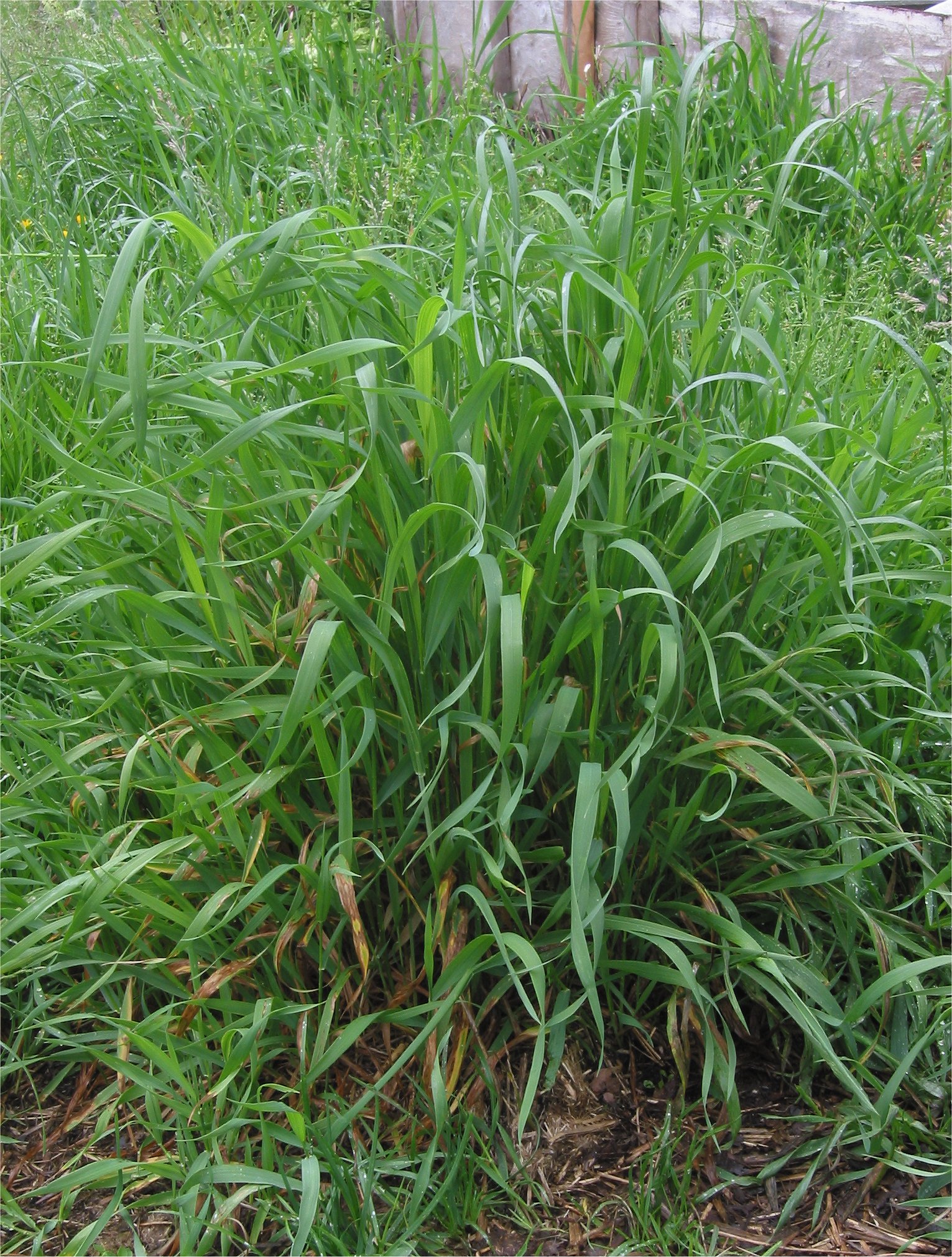 Couch GrassElymus repens
Nearby on the shelf
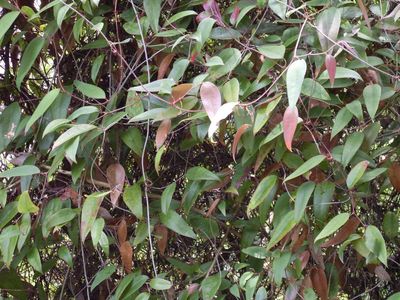 SarsaparillaSmilax spp.
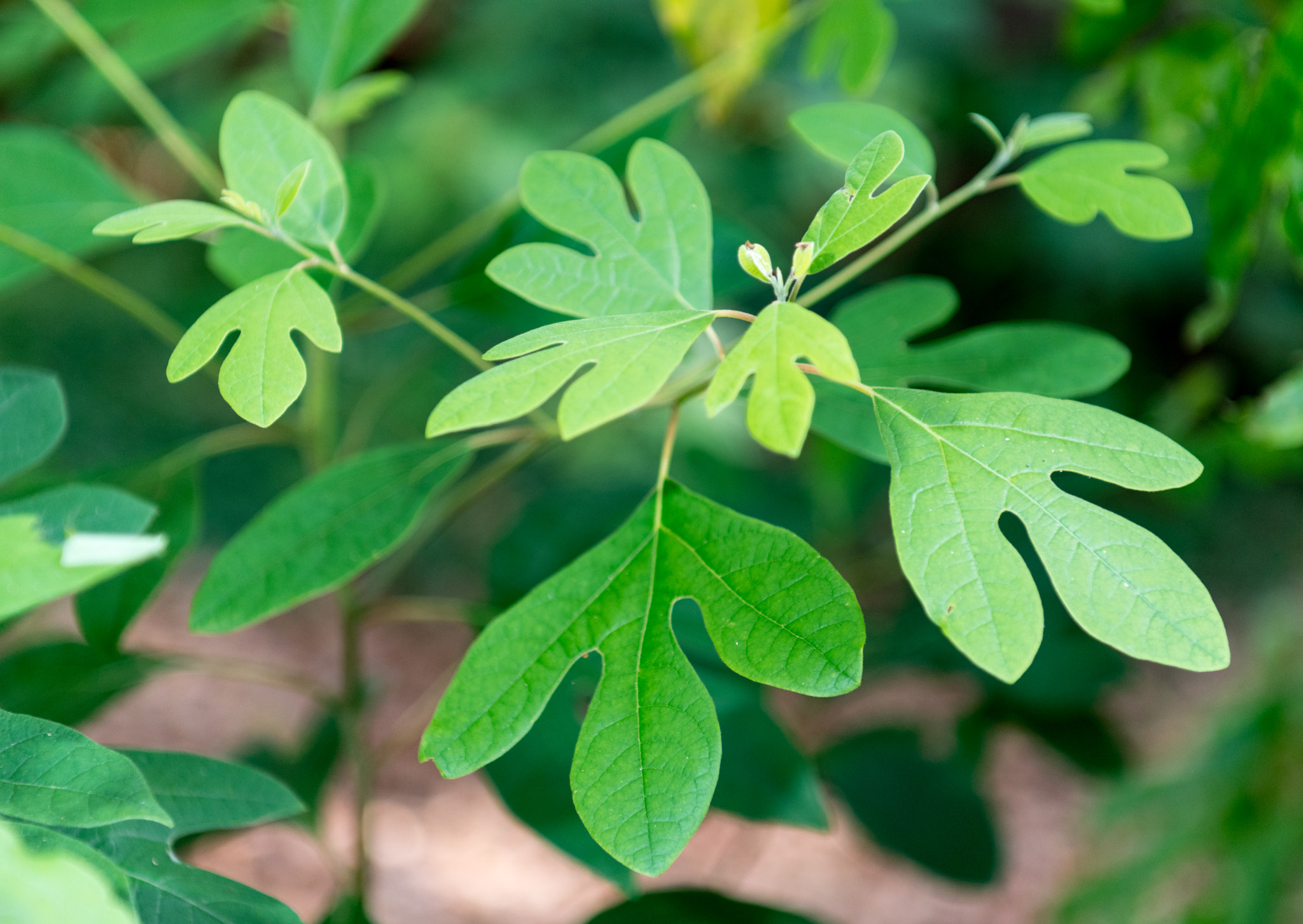 SassafrasSassafras albidum
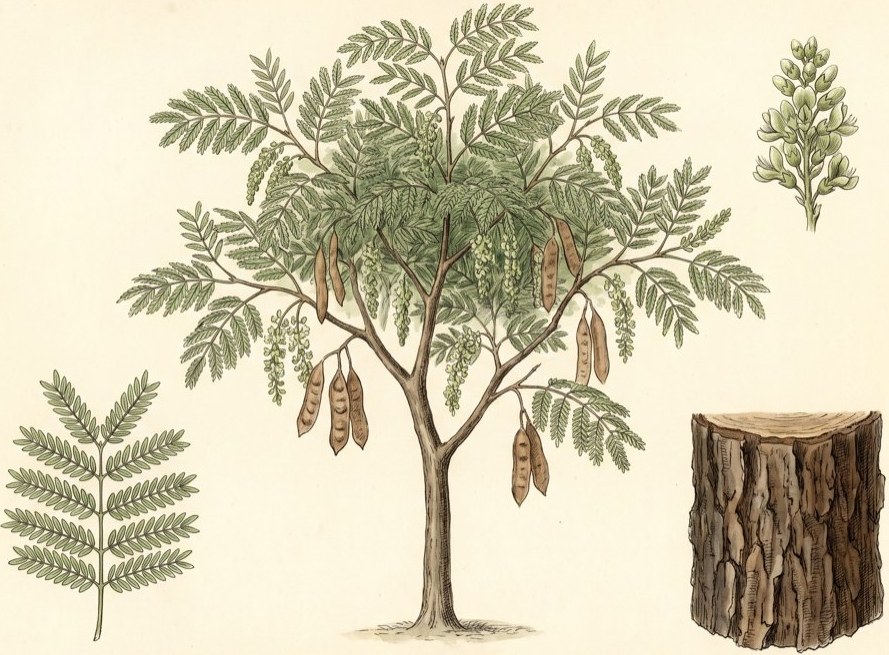 Sassy barkErythrophleum
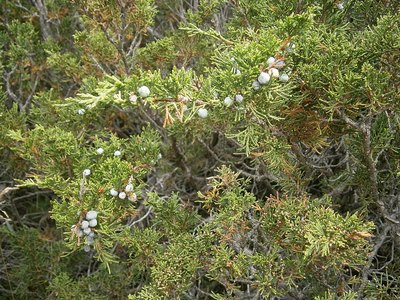 SavinJuniperus sabina
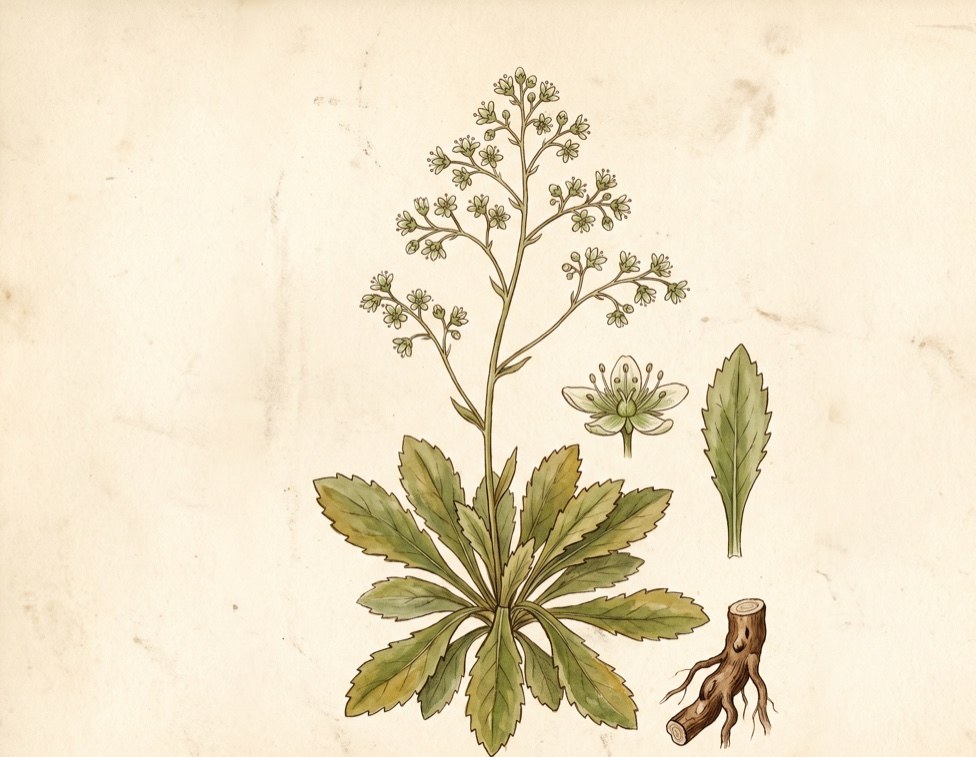 SaxifrageSaxifraga pennsylvanica
 ScammonyConvolvulus scammonia
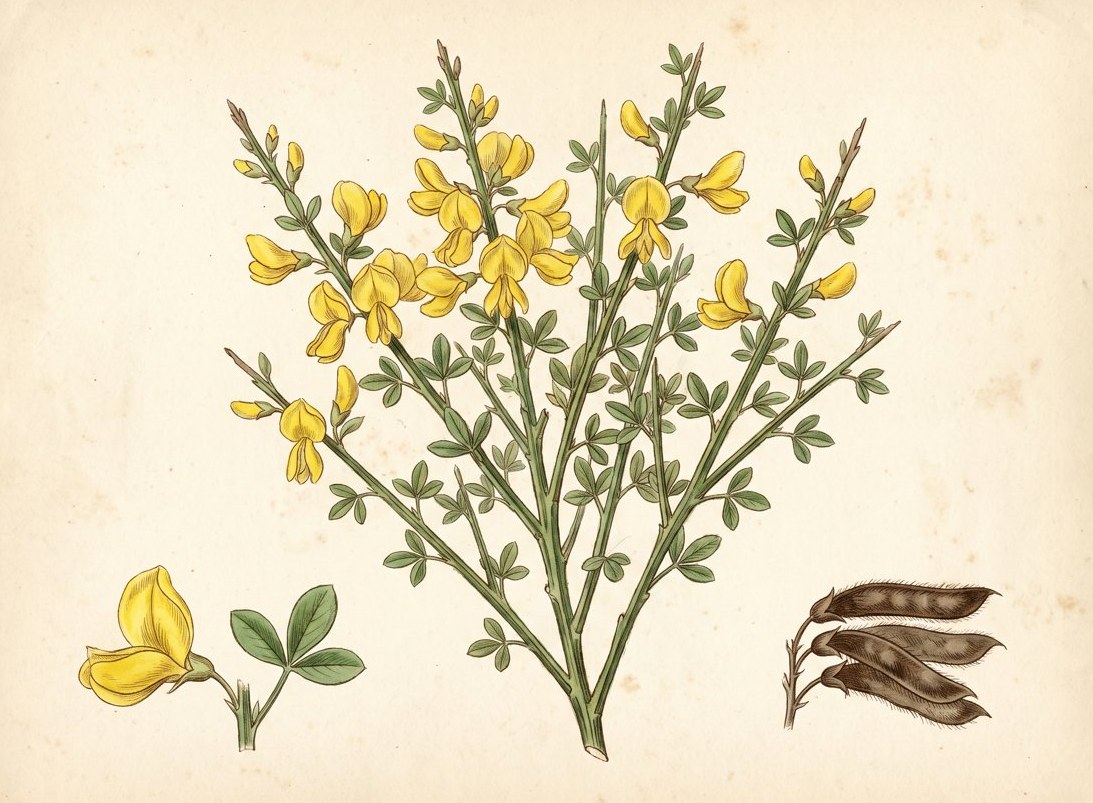 Scotch BroomCytisus scoparius
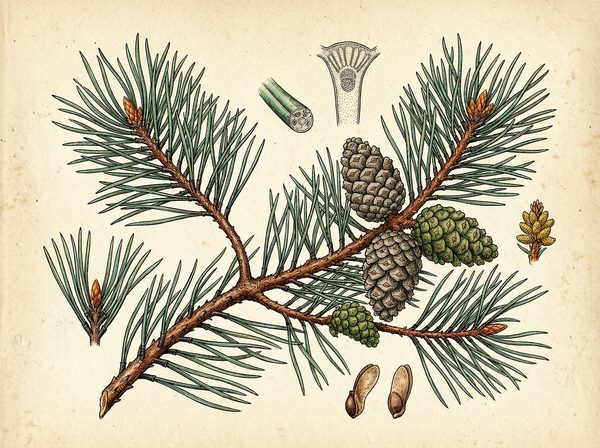 Scotch PinePinus sylvestris
The whole plate is in the library. The compass, Compare, the Sky of eleven hundred plants and the formulary open with an email address and a password, free, with the formula builder and its safety engine. Herbert without limit, his formulating, clients, the handouts and the labels are the paid room.
Open the library, free