Western Herbalism
Gamboge
Cambogia
Also known as Camboge, Gutti, Gummi-resina gutti, Cambodia, Gutta gamba.
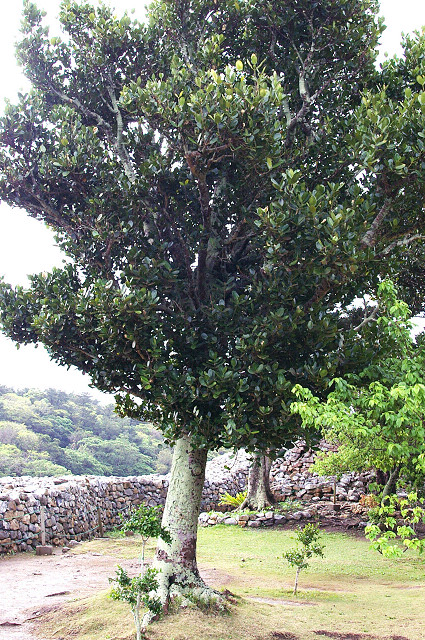
Gamboge is the dried gum-resin obtained by tapping the bark of Garcinia hanburyi, a tree native to Cambodia, Thailand, and Vietnam, historically traded through Cambodia and named for that region. The resin exudes as a yellow latex that hardens into orange-brown cylindrical sticks or masses, and it was once a well-known trade item in both Eastern and Western pharmacy. In nineteenth century eclectic and regular medicine it was valued as an intensely powerful cathartic for dropsical states and stubborn constipation, but it was always combined with other agents and given in very small repeated doses because of its harshness.

Ask Herbert about Gamboge. Herbert is the master herbalist inside Bountiful Herbs: he answers from this plate and eleven hundred others, with dosing, pairing and cautions. Your first ten questions are free.
Ask HerbertActions
Indications what the tradition reached for it in
- Severe obstinate constipation
- Dropsy with ascites or edema
- Tapeworm infestation (historical use)
- Fluid retention requiring rapid catharsis
- Adjunct cathartic in compound purgative pills
- Chronic constipation unresponsive to milder laxatives
Specific indications
Marked abdominal dropsy where rapid watery evacuation is sought and gentler purgatives have failed
Obstinate constipation in a robust patient with no sign of intestinal or peritoneal inflammation
Safety
Recognised toxicity. This plant carries a toxicity flag in the record; it is for trained practitioners only.
Low dose botanical. Used in drop doses in the classical practice; not a plant to dose freely.
Pregnancy: Avoid entirely: a violent irritant hydragogue cathartic with documented fatal gastroenteritis, unsuitable and unsafe in pregnancy.
Breastfeeding: Avoid entirely: no safety data exist and its irritant, potentially toxic action makes it unsuitable during lactation.
The record lists 9 contraindications; open the plate in the library to read them in full.
In practice
Gamboge was never dispensed as a simple remedy. Eclectic physicians combined small fractions of a grain with other cathartics such as scammony, elaterium, or croton oil, and with an antispasmodic like hyoscyamus to blunt griping, forming a compound pill that was repeated hourly until the bowel moved.
Dosing as the sources wrote it
| Preparation | As written | Metric |
|---|---|---|
| Compound cathartic pill (historical) | 15-60 mg gamboge resin combined with other purgatives in a single pill, repeated every 1-2 hours until bowel movement occurs | 15-60 mg |
| Simple pill (historical, not recommended) | not advised as a standalone dose; historical texts describe only fractional combination doses | |
| Dose, 1 to 3 grains. | 64.8-194 mg | |
| yet when combined with other cathartics it forms a safe and excellent physic. It may, however, be safely administered alone in moderate doses, by reducing it to a state of fine division with other comparatively inert powders, as sulphate or bitartrate of potassium. It thus operates effectually as a hydragogue, without occasioning much tormina or constitutional exhaustion. In medicinal doses, it is a drastic, hydragogue cathartic, causing nausea, griping, and copious watery stools, on which account it is often used in dropsy, in combination with squills, cream of tartar, etc. It has also been used for the expulsion of tapeworm, in torpor of the bowels, dysmenorrhoea, etc. Two grains of sulphate of quinine combined with 1 1/4 grains of gamboge, and administered 3 times a day, have been highly recommended in cases of long-continued constitutional debility, with constipation. United with an alkali, it proves diuretic. | 81 mg | |
| Dose, in pill, powder, or alkaline solution, from 1 to 15 grains; the larger doses given in small quantities, and repeated at short intervals until it operates. | 64.8-972 mg |
Doses are reproduced from the sources for practitioners and are not a recommendation for any person.
From the sources
Overview. Gamboge is the dried gum-resin obtained by tapping the bark of Garcinia hanburyi, a tree native to Cambodia, Thailand, and Vietnam, historically traded through Cambodia and named for that region. The resin exudes as a yellow latex that hardens into orange-brown cylindrical sticks or masses, and it was once a well-known trade item in both Eastern and Western pharmacy. In nineteenth century eclectic and regular medicine it was valued as an intensely powerful cathartic for dropsical states and stubborn constipation, but it was always combined with other agents and given in very small repeated doses because of its harshness.
Clinical Notes. Gamboge was never dispensed as a simple remedy. Eclectic physicians combined small fractions of a grain with other cathartics such as scammony, elaterium, or croton oil, and with an antispasmodic like hyoscyamus to blunt griping, forming a compound pill that was repeated hourly until the bowel moved.
Action and Therapy. Gamboge is a drastic hydragogue cathartic. It is never used alone, but in pills, with other substances, chiefly where dropsical conditions prevail and it is desired to treat them by purgation. It is exceedingly active and has caused death by gastro-enteritis. Full doses should never be given, but repeated small doses in pills or in alkaline solutions, until results are obtained. Alkalies best counteract its drastic effects.
Action, Medical Uses, and Dosage. This is a quick and certain cathartic, useful in dropsy, obstinate constipation, etc. The dose is 1 pill, repeated every 1 or 2 hours, until it operates. It is contraindicated when inflammation of any of the abdominal viscera is present.
Drawn from King's American Dispensatory, 18th edition (Felter and Lloyd); Felter's Eclectic Materia Medica, Pharmacology and Therapeutics, and the Bountiful Herbs editorial.
Often paired with
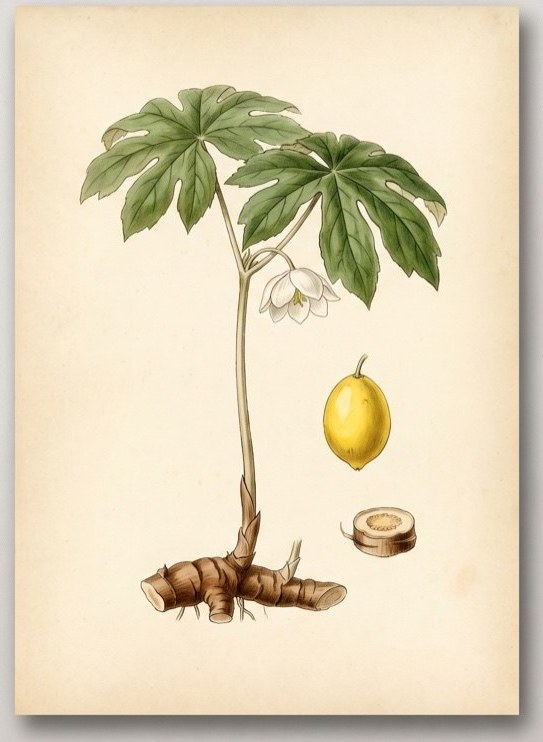 May applePodophyllum peltatum
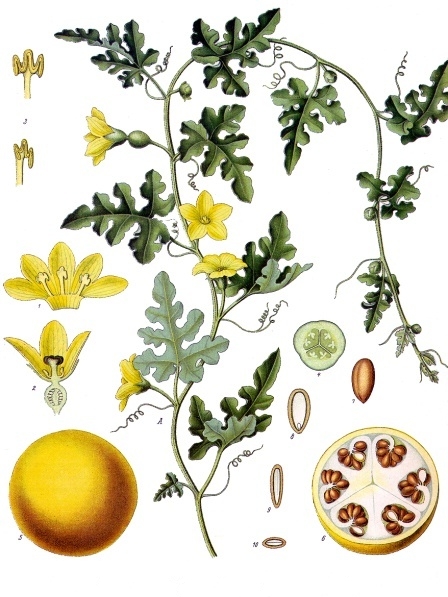 ColocynthCitrullus colocynthis
 ScammonyConvolvulus scammonia
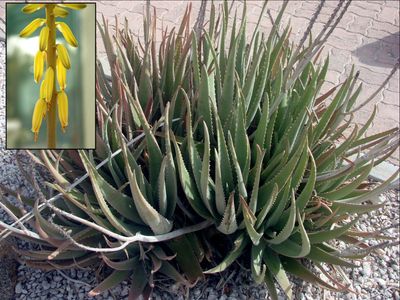 aloe veraAloe vera
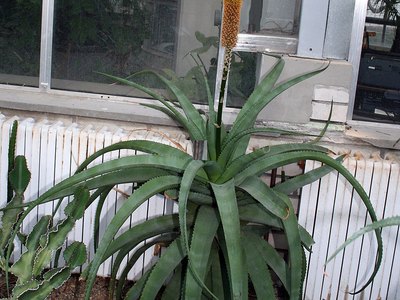 Socotrine aloesAloes socotrina
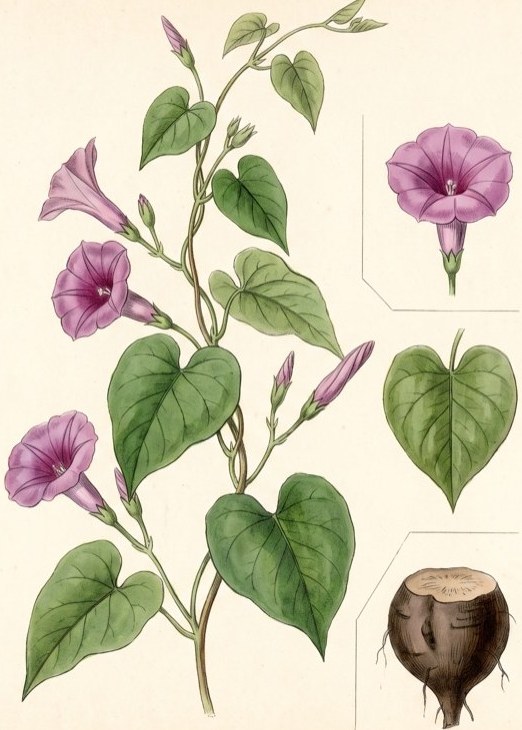 JalapIpomea jalapa
Nearby on the shelf
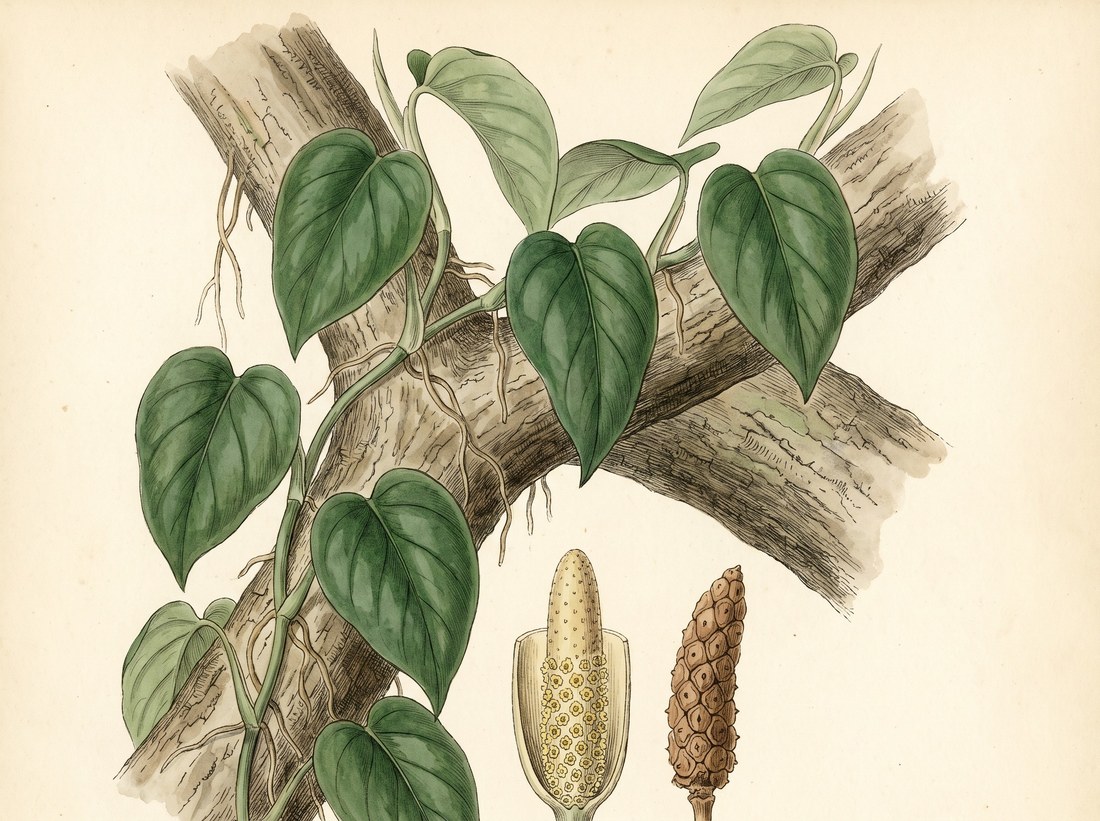 Gaja pippaliScindapsus officinalis
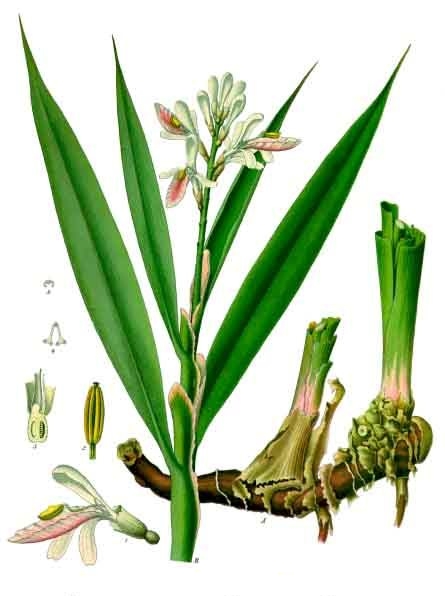 GalangalAlpinia officinarum
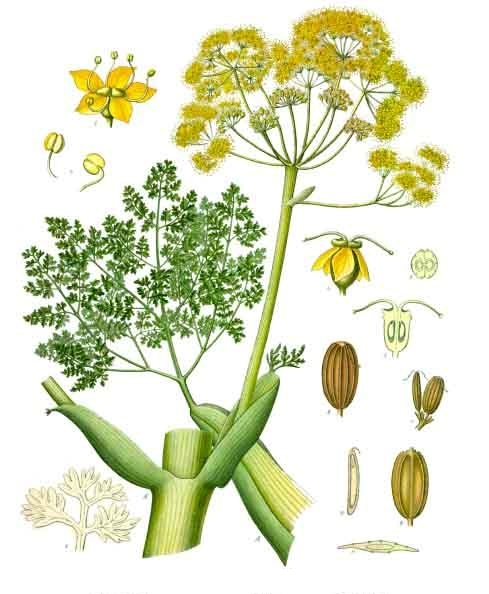 GalbanumGalbanum officinale
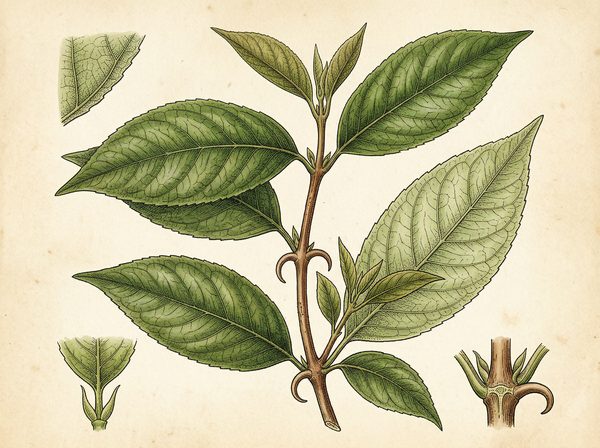 GambirUncaria gambir
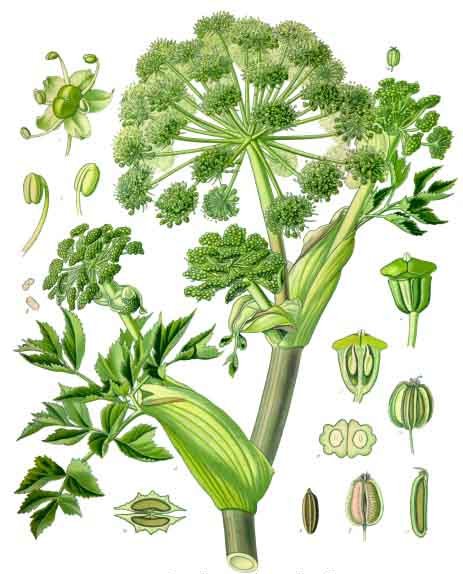 Garden AngelicaAngelica archangelica
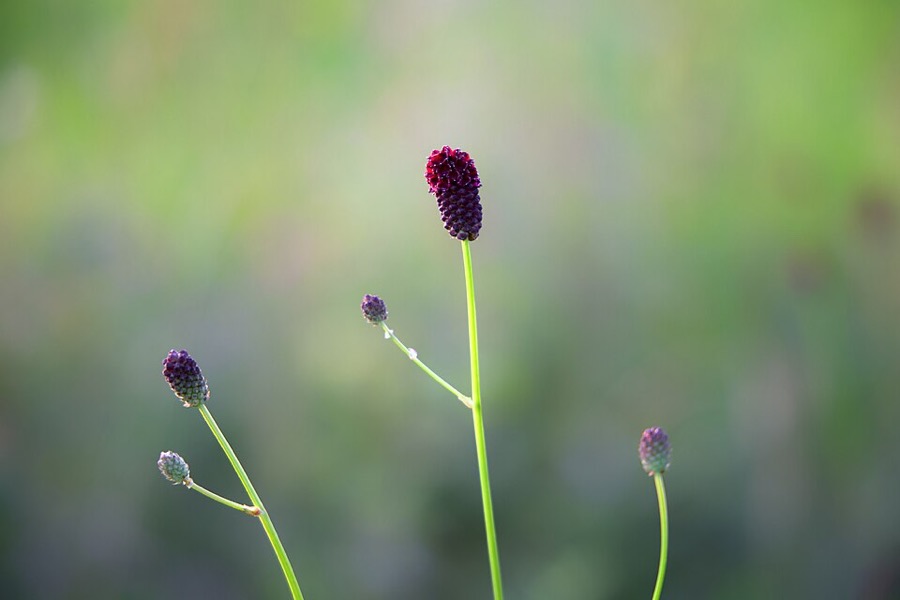 Garden BurnetSanguisorba officinalis
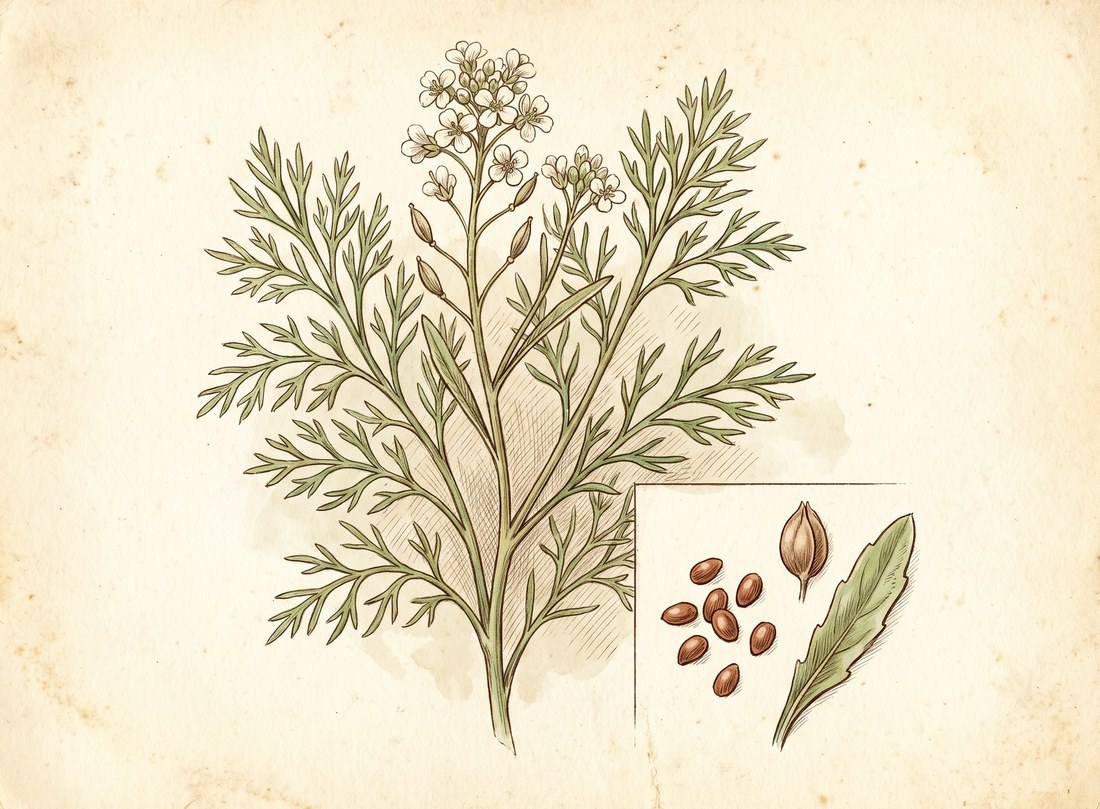 Garden cressLepidium sativum
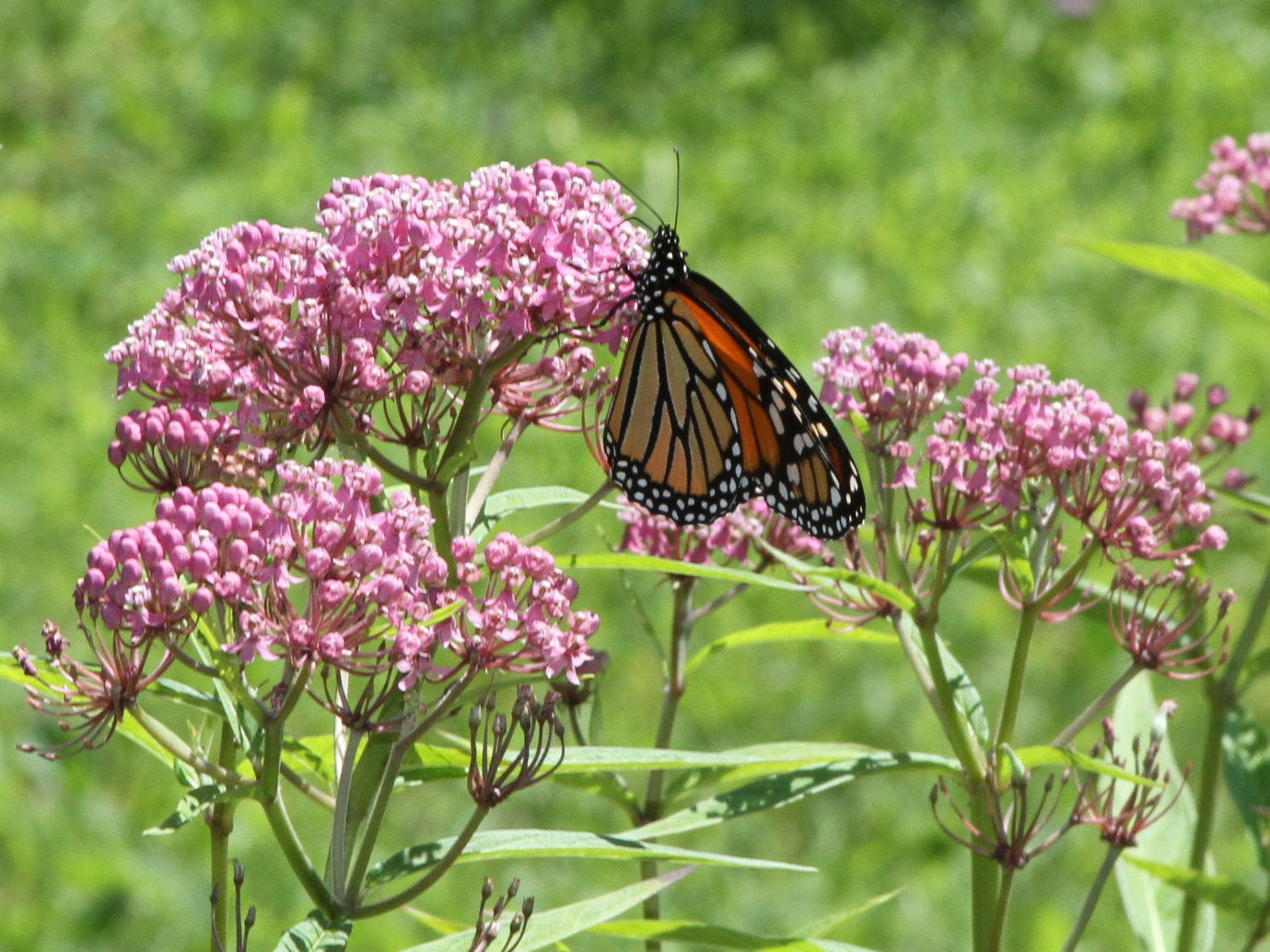 Garden silkweedAsclepias currasavica
The whole plate is in the library. The compass, Compare, the Sky of eleven hundred plants and the formulary open with an email address and a password, free, with the formula builder and its safety engine. Herbert without limit, his formulating, clients, the handouts and the labels are the paid room.
Open the library, free