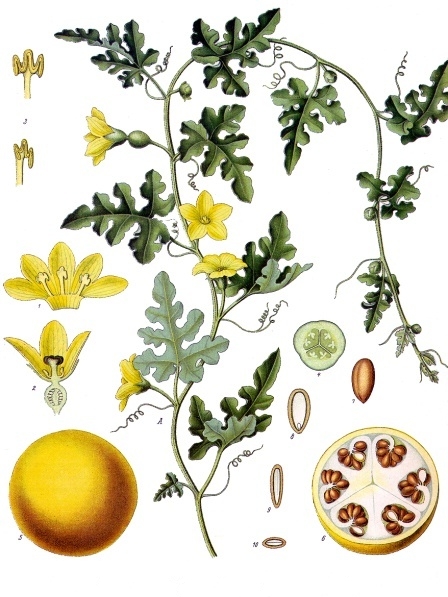
Western and Ayurvedic herbalism
Colocynth
Citrullus colocynthis
Also known as Bitter apple, Bitter cucumber, Colocynthis, Vine of Sodom, Desert gourd, Lemon Juice, Colocynth Pulp, wild gourd, Indravaruni, Indrayana, Gavakshi.
Citrullus colocynthis is a trailing, drought-tolerant vine of the cucumber family native to the deserts of North Africa, the Mediterranean basin, and the Middle East, now naturalized more widely in arid regions. The dried, peeled pulp of the small round fruit, intensely bitter and traditionally called colocynth or bitter apple, was one of the most powerful plant purgatives used in Western and Eclectic medicine and appears also in classical Arabic and Ayurvedic materia medica. Its use has receded almost entirely from modern practice because the margin between an effective purgative dose and a dangerous one is extremely narrow.

Ask Herbert about Colocynth. Herbert is the master herbalist inside Bountiful Herbs: he answers from this plate and eleven hundred others, with dosing, pairing and cautions. Your first ten questions are free.
Ask HerbertActions
Indications what the tradition reached for it in
- Severe obstinate constipation unresponsive to gentler measures
- Ascites and dropsy (historical hydragogue use)
- Intestinal parasites (historical)
- Congestive headache with sluggish bowels (Eclectic use)
- Cerebral congestion with constipation (Eclectic use)
- Chronic sluggish liver with constipation (as component of compound cathartic pills)
- Rheumatic and neuralgic pain (topical/historical)
- Amenorrhea from pelvic congestion (historical, rarely used)
- Obstinate constipation with abdominal distension (purified pulp, short course)
- Ascites and dropsy (traditional, drastic use)
- Type 2 diabetes as an adjunct (small doses, with monitoring)
- Intestinal worms (traditional)
- Jaundice and splenic enlargement (root decoction, traditional)
- Chronic skin disease with constipation
- Joint pain and sciatica (topical paste or oil)
- Hair loss and premature graying (topical oil)
- Abscesses and boils (topical)
- Amenorrhea from stagnation (traditional, contraindicated in pregnancy)
Specific indications
Torpid bowel with hard, dry stool and cerebral fullness or headache, calling for a brief, forceful hydragogue action rather than a gentle laxative
Ascites or generalized dropsy where a drastic catharsis was historically used to draw fluid from the bowel when other measures had failed
Safety
Recognised toxicity. This plant carries a toxicity flag in the record; it is for trained practitioners only.
Low dose botanical. Used in drop doses in the classical practice; not a plant to dose freely.
Pregnancy: Avoid entirely in pregnancy: the plant is a violent uterine and intestinal irritant with historical use as an abortifacient and no established safe dose.
Breastfeeding: Not for use while breastfeeding
The record lists 8 contraindications; open the plate in the library to read them in full.
In practice
Colocynth belongs to the small group of drastic cathartics, alongside croton oil and gamboge, that nineteenth century Eclectic and regular physicians reserved for cases of stubborn constipation, dropsy, or cerebral congestion that had not responded to gentler remedies.
In Ayurveda
Rasa: tikta (bitter), katu (pungent). Virya: ushna (heating). Vipaka: katu (pungent). Guna: laghu (light), ruksha (dry), tikshna (sharp). Dosha: pacifies kapha and pitta by purgation; aggravates vata if overused. Prabhava: rechana (drastic purgative, its defining action). Karma: rechana (purgative); bhedana (breaks up accumulated stool); krimighna (anthelmintic); kushthaghna (clears skin disease); jvaraghna (reduces fever); shothahara (reduces swelling); plihaghna (reduces splenic enlargement); garbhashaya shodhana (cleanses the uterus, emmenagogue); pramehaghna (reduces urinary disorders including diabetes); keshya (promotes hair, as an oil). Classical indications: udara (abdominal distension and ascites); gulma (abdominal mass); vibandha (obstinate constipation); kamala (jaundice); pandu (anemia); pliha vriddhi (splenomegaly); kushtha (skin diseases); krimi (worms); shotha (edema); jvara (fever); prameha (urinary disorders including diabetes); khalitya (hair loss, topical oil). The dried fruit pulp, freed of seeds and purified by frying in ghee or boiling, is the purgative drug and is given in very small amounts as churna or within compound pills; the root is milder and used in decoction for edema and jaundice. The seed oil and a fruit-infused oil are applied to the scalp, and the fruit pulp is used as a paste for joint pain and abscesses. Classical formulations: Indravaruni taila, Indravarunyadi kwatha, Indravaruni phala majja churna (purified), Ichchhabhedi rasa (as a companion purgative in some recipes). Described in: Charaka Samhita, Sushruta Samhita, Ashtanga Hridaya, Bhavaprakasha Nighantu, Dhanvantari Nighantu, Raja Nighantu, Kaiyadeva Nighantu, Ayurvedic Pharmacopoeia of India.
Dosing as the sources wrote it
| Preparation | As written | Metric |
|---|---|---|
| Powdered fruit pulp (historical Eclectic purgative dose, not recommended for routine use) | 30-130 mg once, under professional supervision only | 30-130 mg |
| Compound extract of colocynth (historical compounded laxative pill) | 300-1300 mg once | 300-1300 mg |
| Specific medicine colocynth (historical Eclectic tincture) | 0.003-0.2 mL, in water, once | 0-0.2 mL |
| Extractum Colocynthidis, Extract of Colocynth | Dose, from one-half to two grains. | 32.4-130 mg |
| Extractum Colocynthidis Compositum , Compound Extract of Colocynth | Dose, from five to twenty grains. | 324-1296 mg |
| Specific Medicine Colocynth | Dose, from one-twentieth to three minims. | 0-0.18 mL |
Doses are reproduced from the sources for practitioners and are not a recommendation for any person.
From the sources
Overview. Citrullus colocynthis is a trailing, drought-tolerant vine of the cucumber family native to the deserts of North Africa, the Mediterranean basin, and the Middle East, now naturalized more widely in arid regions. The dried, peeled pulp of the small round fruit, intensely bitter and traditionally called colocynth or bitter apple, was one of the most powerful plant purgatives used in Western and Eclectic medicine and appears also in classical Arabic and Ayurvedic materia medica. Its use has receded almost entirely from modern practice because the margin between an effective purgative dose and a dangerous one is extremely narrow.
Overview. Citrullus colocynthis is a trailing desert gourd with bitter, apple-sized fruits that grows wild on the sands of Rajasthan, Gujarat, the Punjab and Sindh, and across Arabia, North Africa and the Mediterranean. Ayurveda knows it as Indravaruni, a sharp bitter purgative used for hard constipation, ascites, jaundice and worms, and the fruit is one of the drugs the classical texts require to be purified before use. The same fruit was the colocynth of the Greek and Arab pharmacies, and it is a poison in any but small doses.
Clinical Notes. Colocynth belongs to the small group of drastic cathartics, alongside croton oil and gamboge, that nineteenth century Eclectic and regular physicians reserved for cases of stubborn constipation, dropsy, or cerebral congestion that had not responded to gentler remedies.
Clinical Notes. The Ayurvedic practitioner uses Indravaruni sparingly and with respect. Its place is the strong rechana: hard, stubborn constipation with distension in a strong kapha patient, ascites and dropsy, jaundice with a loaded bowel, and skin disease that follows chronic constipation.
Drawn from King's American Dispensatory, 18th edition (Felter and Lloyd); Ellingwood's American Materia Medica, Therapeutics and Pharmacognosy; Felter's Eclectic Materia Medica, Pharmacology and Therapeutics, and the Bountiful Herbs editorial.
In formulas
Colocynth stands in 27 documented formulas in the library, among them Abhayāriṣta, Mṛtasaṅjīvanī Surā, Mṛdvīkāriṣṭa, Paṭolamūlādi Kvātha Cūrṇa, Kalyāṇaka Ghṛta, Bṛhat Phala Ghṛta.
Often paired with
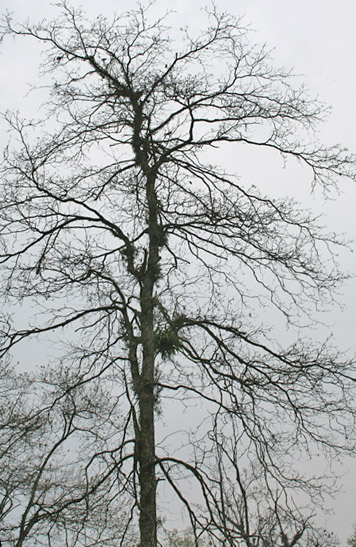 chebulic myrobalanTerminalia chebula
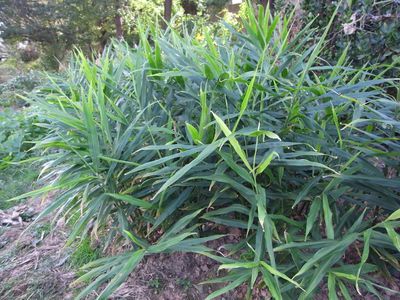 GingerZingiber officinale
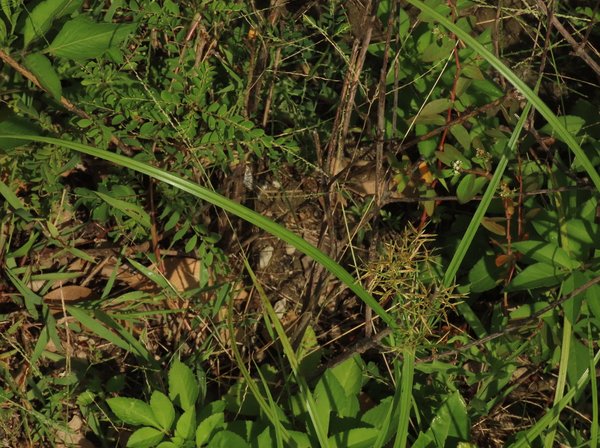 nut grassCyperus rotundus
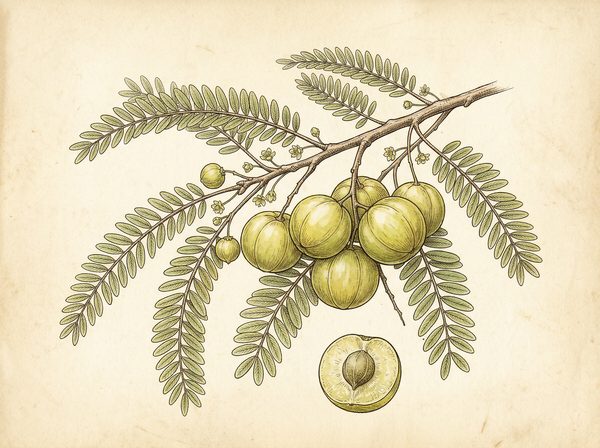 Indian gooseberryPhyllanthus emblica
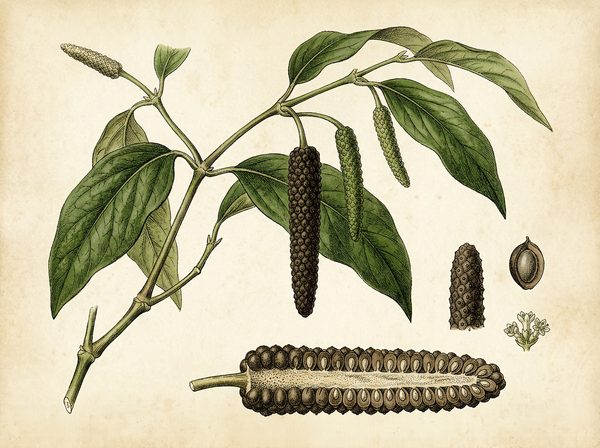 long pepperPiper longum
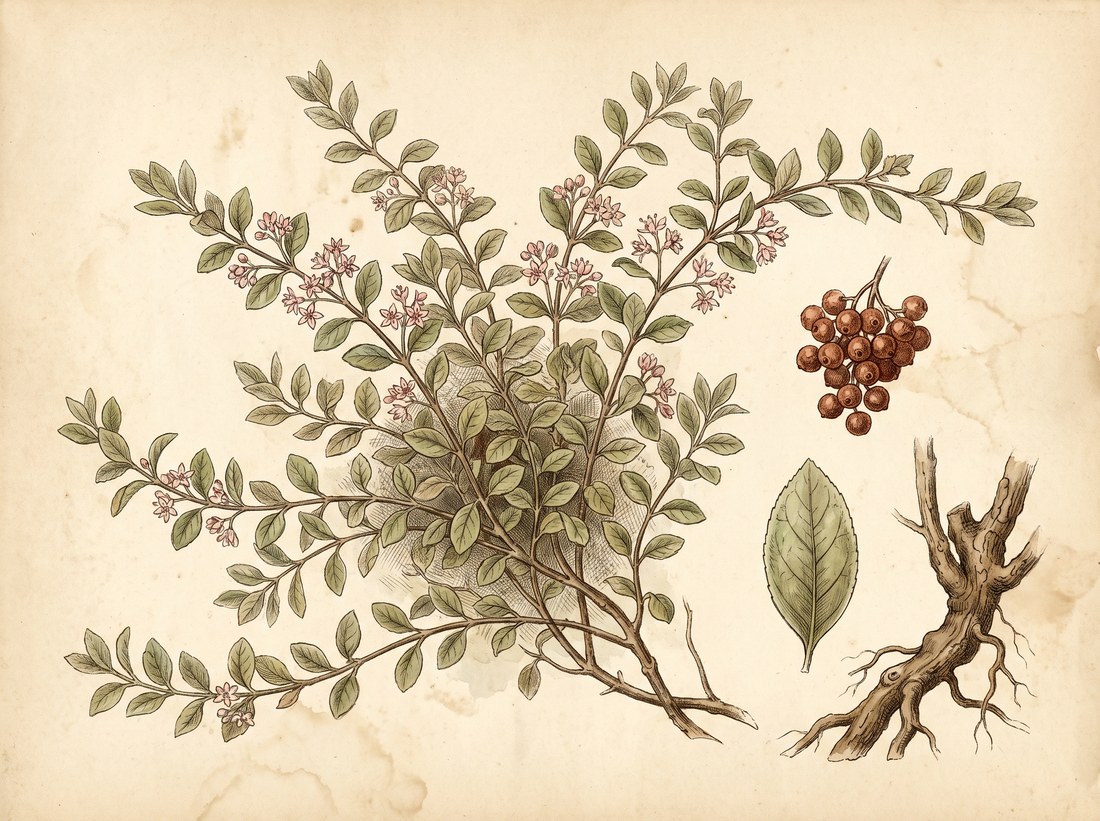 false black pepperEmbelia ribes
Nearby on the shelf
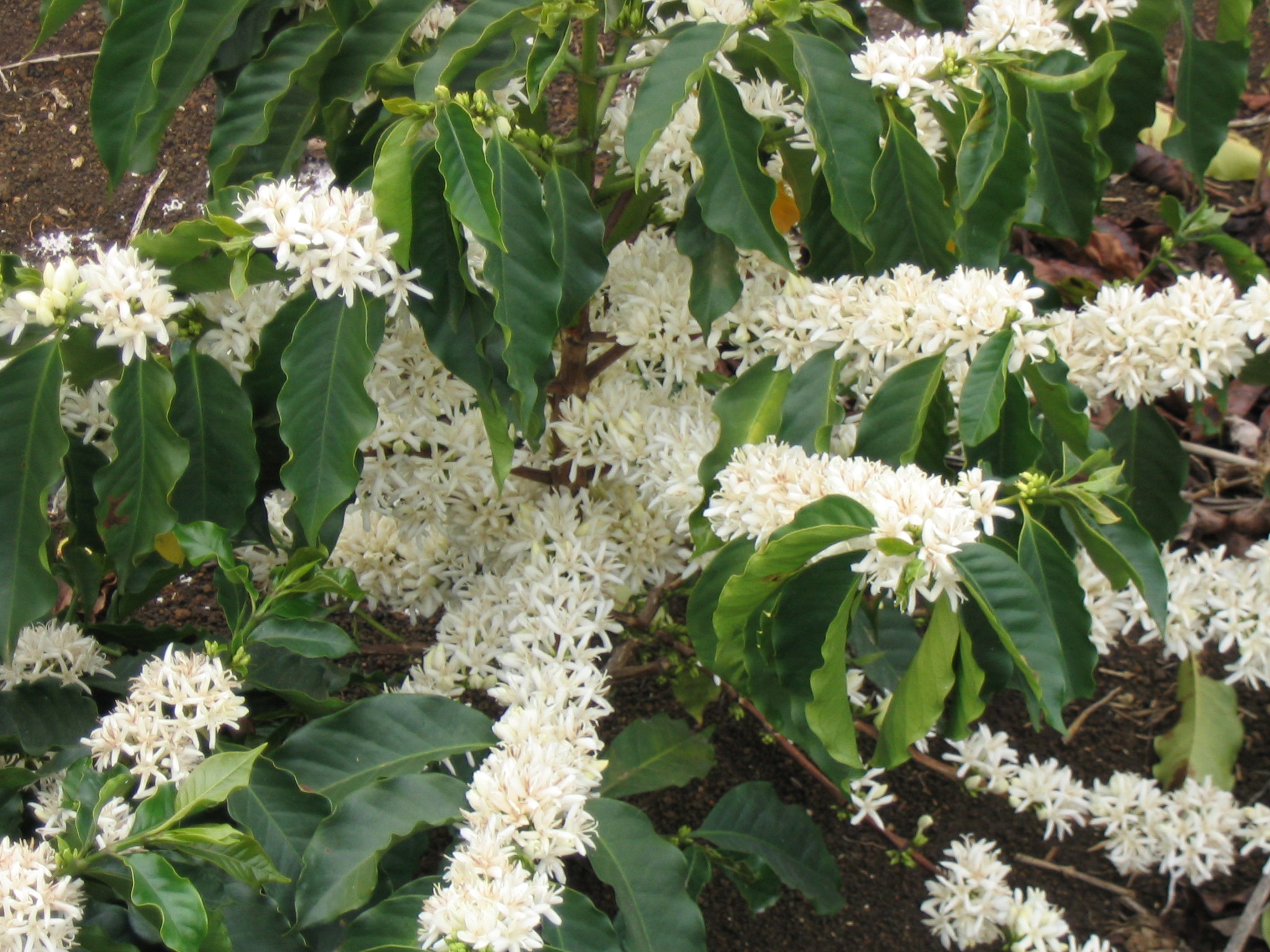 CoffeeCoffea arabica
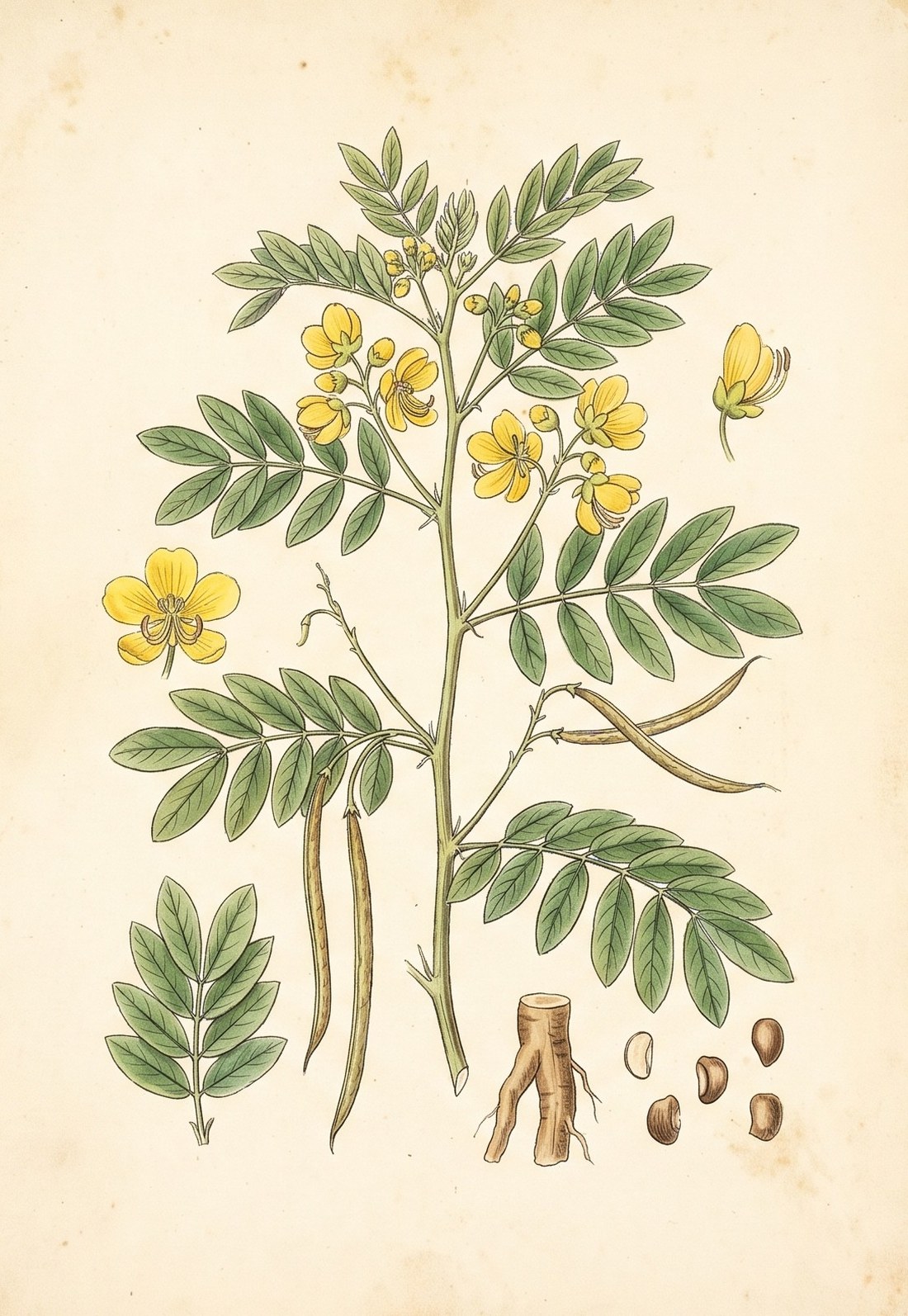 Coffee sennaSenna occidentalis
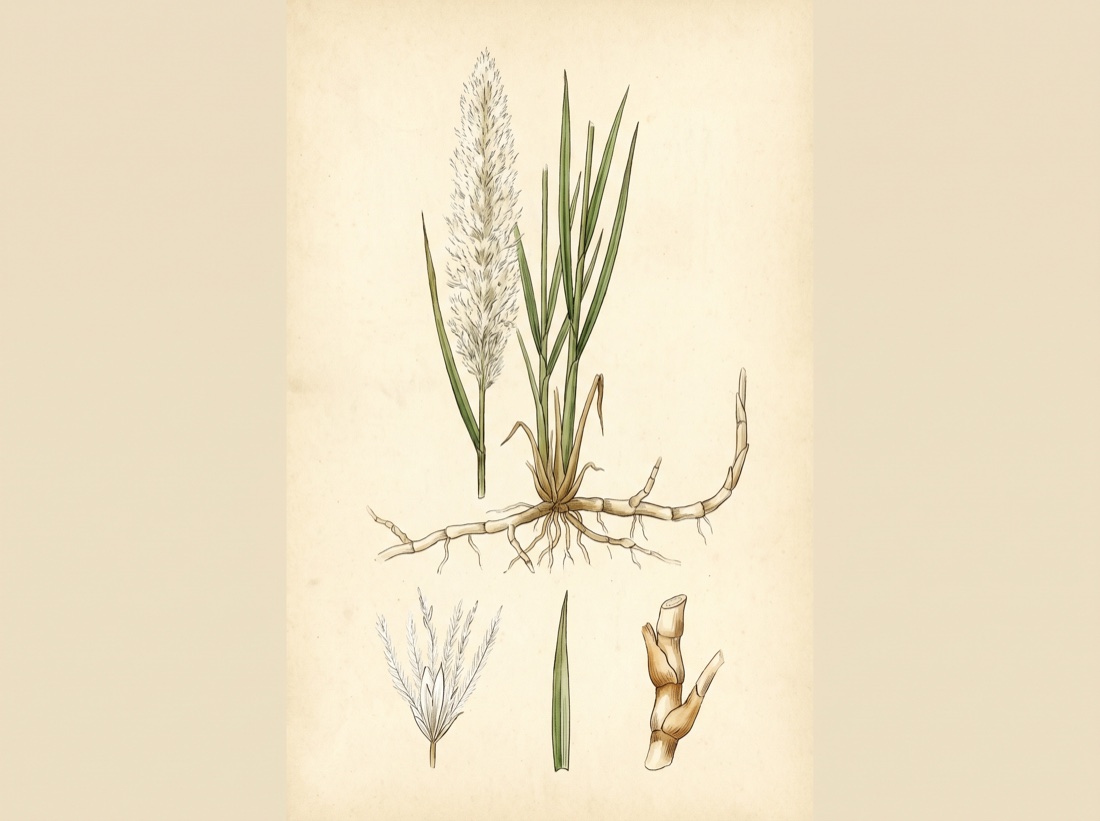 CogongrassImperata cylindrica
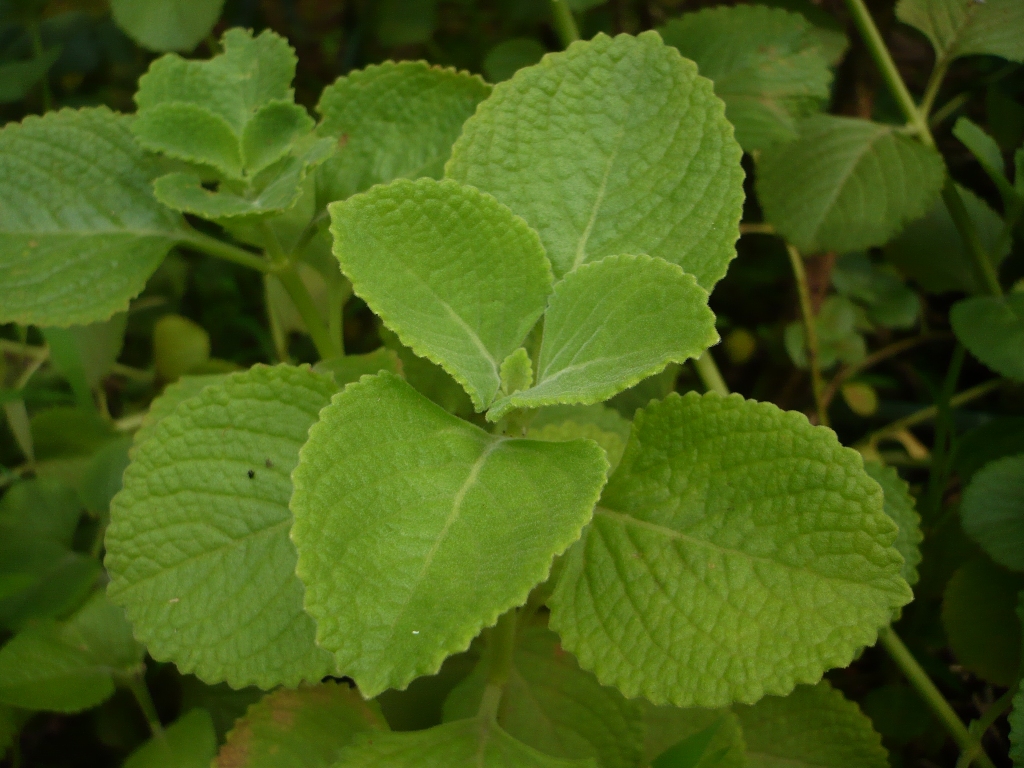 ColeusColeus forskohlii
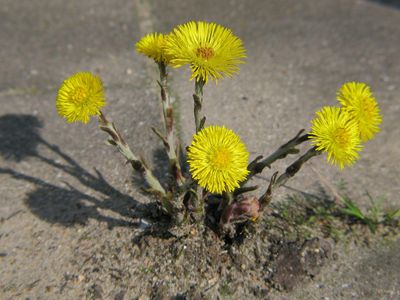 ColtsfootTussilago farfara
 ColumbineAquilegia vulgaris
 ComfreySymphytum officinale
 Common goldenrodSolidago altissima
The whole plate is in the library. The compass, Compare, the Sky of eleven hundred plants and the formulary open with an email address and a password, free, with the formula builder and its safety engine. Herbert without limit, his formulating, clients, the handouts and the labels are the paid room.
Open the library, free