Western Herbalism
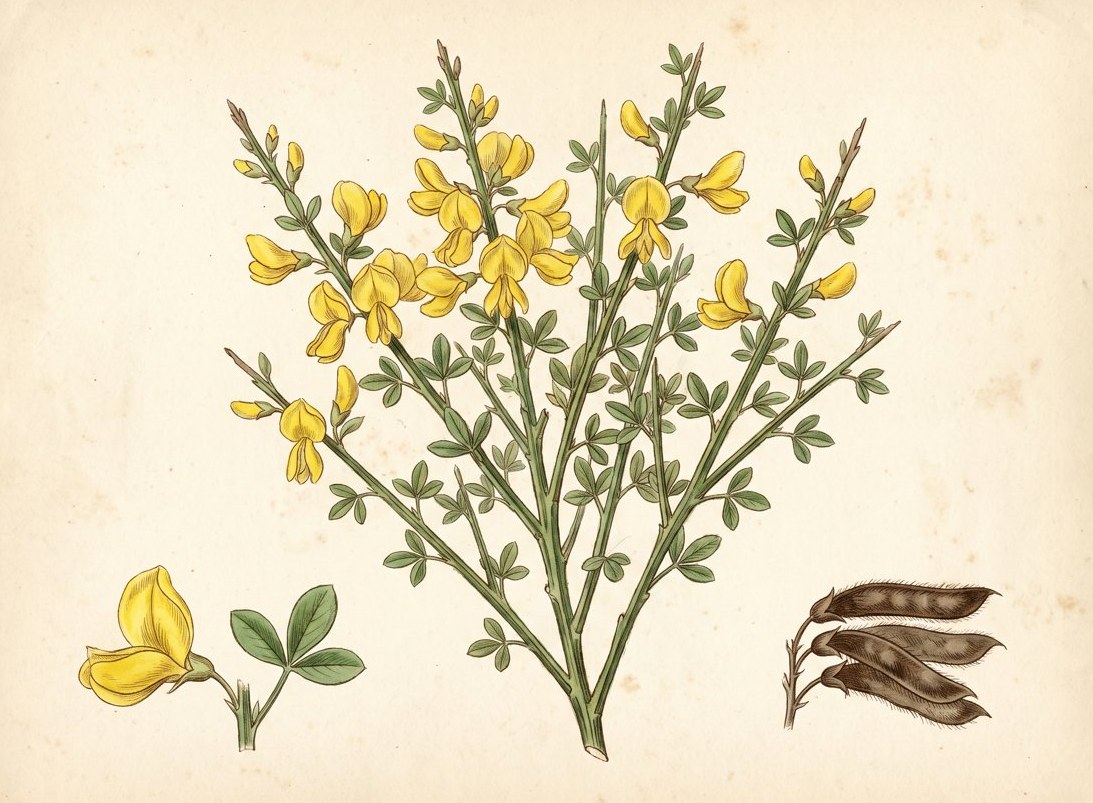
Scotch Broom
Cytisus scoparius
Also known as Broom Tops, Hogweed, Scoparius, Broom, Irish Broom.
Excessive doses of broom have produced impaired vision, staggering gait, and profuse vomiting and purging. The effects of broom are in milder degree practically those of its chief alkaloid, sparteine. When the latter is not desirable, aqueous preparations of the crude drug may be used; and indeed, they often succeed in causing profound diuresis when the alkaloid fails.

Ask Herbert about Scotch Broom. Herbert is the master herbalist inside Bountiful Herbs: he answers from this plate and eleven hundred others, with dosing, pairing and cautions. Your first ten questions are free.
Ask HerbertActions
Indications what the tradition reached for it in
- Functional cardiac arrhythmia and tachycardia
- Ectopic/atrial irritability and palpitations
- Postpartum hemorrhage (as an oxytocic)
- Edema and fluid retention (diuretic)
- Low blood pressure states historically supported by sparteine
- All uses require professional supervision
- Cardiac dropsy
- Myocardial weakness
- Tachycardia
- Profuse menstruation
- Specifically for functional palpitation with lowered blood pressure
Safety
Recognised toxicity. This plant carries a toxicity flag in the record; it is for trained practitioners only.
Low dose botanical. Used in drop doses in the classical practice; not a plant to dose freely.
Breastfeeding: Lactation (source flag notSafeInLactation)
The record lists 9 contraindications; open the plate in the library to read them in full.
Dosing as the sources wrote it
| Preparation | As written | Metric |
|---|---|---|
| Low dose only and short term, under supervision | Low dose only and short term, under supervision: Dried tops 1-2 g as decoction | 1000-2000 mg |
| Liquid extract 1-2 ml (1:1 in 25% alcohol) | 1-2 mL | |
| Tincture 0.5-2.0 ml (1:5 in 45% alcohol) up to three times daily | 0.5-2 mL | |
| Dried tops 1-2 g as a decoction | 1000-2000 mg | |
| (G7) Liquid extract 1-2 mL (1 : 1 in 25% alcohol) | 1-2 mL | |
| (G7) Tincture 0.5-2.0 mL (1 : 5 in 45% alcohol) | 0.5-2 mL |
Doses are reproduced from the sources for practitioners and are not a recommendation for any person.
From the sources
Action and Therapy. Excessive doses of broom have produced impaired vision, staggering gait, and profuse vomiting and purging. The effects of broom are in milder degree practically those of its chief alkaloid, sparteine. When the latter is not desirable, aqueous preparations of the crude drug may be used; and indeed, they often succeed in causing profound diuresis when the alkaloid fails.
Therapy. Asthenic dropsies, dropsy with feebleness and loss of appetite, hydrothorax without inflammation, dropsy from, heart disease. It has cured diabetes, mellitus. It should not be given in acute kidney troubles, or in dropsy from disease of the liver or spleen.
Properties and Uses. The young shoots of this shrub have been used in medicine, though not in much repute at the present time. They are largely stimulant, and moderately relaxant, acting somewhat slowly but decidedly. Their chief influence is expended upon the kidneys, from which they secure the elimination of a very large amount of watery materials.
Action, Medical Uses, and Dosage. Administered to certain animals, as the dog, cat, etc., even in small doses, M. Chevallier found laburnum to occasion emesis, muscular debility, increased pulse, accelerated respiration, somnolence, spasms, and finally death.
Drawn from Cook's Physio-Medical Dispensatory; King's American Dispensatory, 18th edition (Felter and Lloyd); Ellingwood's American Materia Medica, Therapeutics and Pharmacognosy; Felter's Eclectic Materia Medica, Pharmacology and Therapeutics, and the Bountiful Herbs editorial.
Often paired with
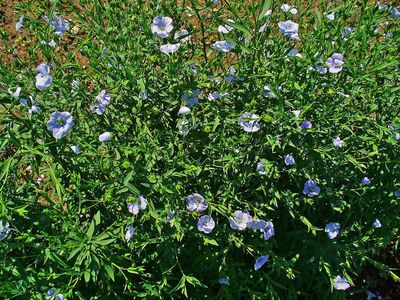 flaxLinum usitatissimum
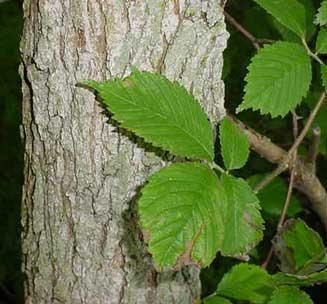 Slippery elmUlmus rubra
Nearby on the shelf
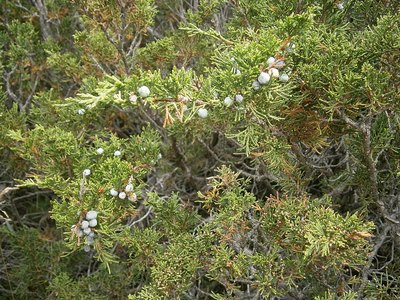 SavinJuniperus sabina
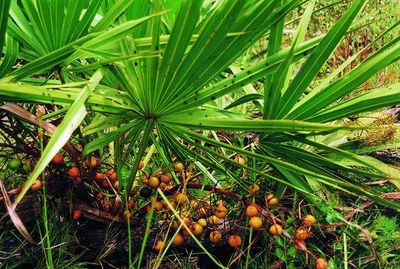 Saw palmettoSerenoa repens
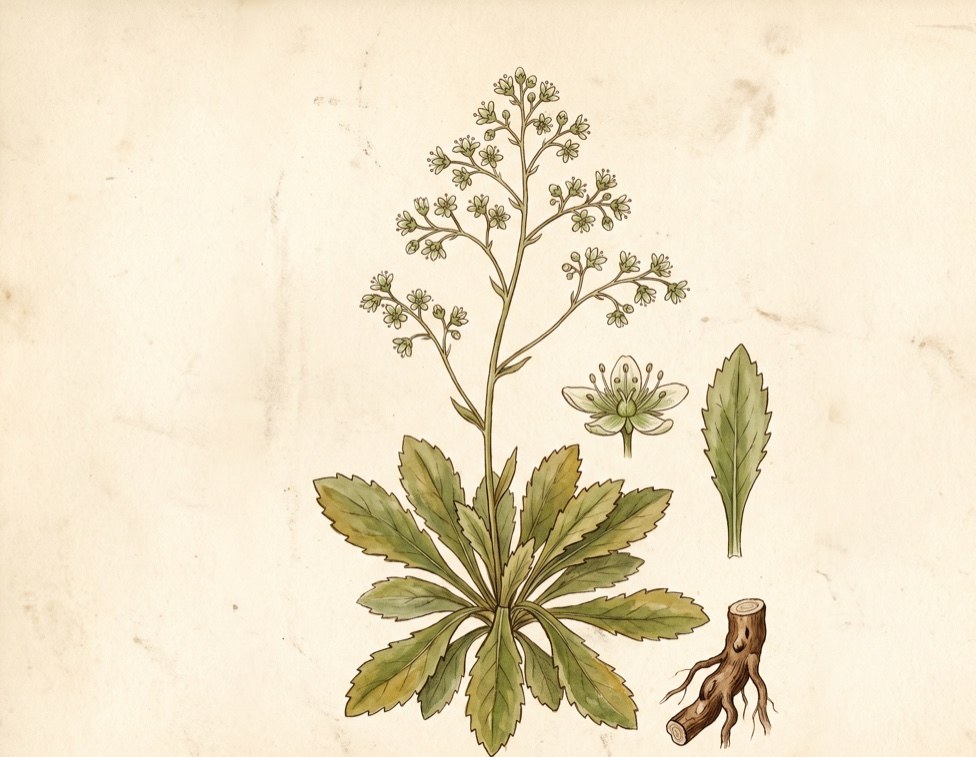 SaxifrageSaxifraga pennsylvanica
 ScammonyConvolvulus scammonia
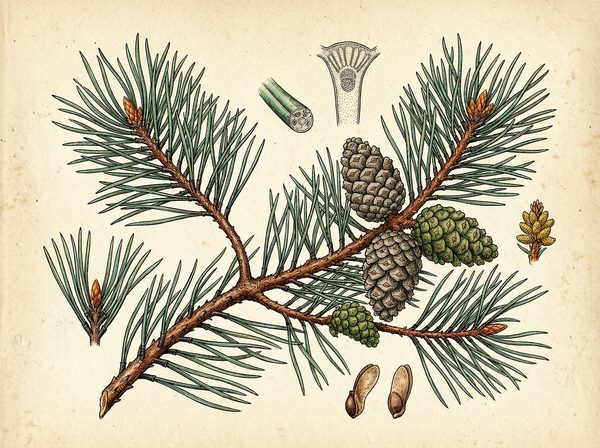 Scotch PinePinus sylvestris
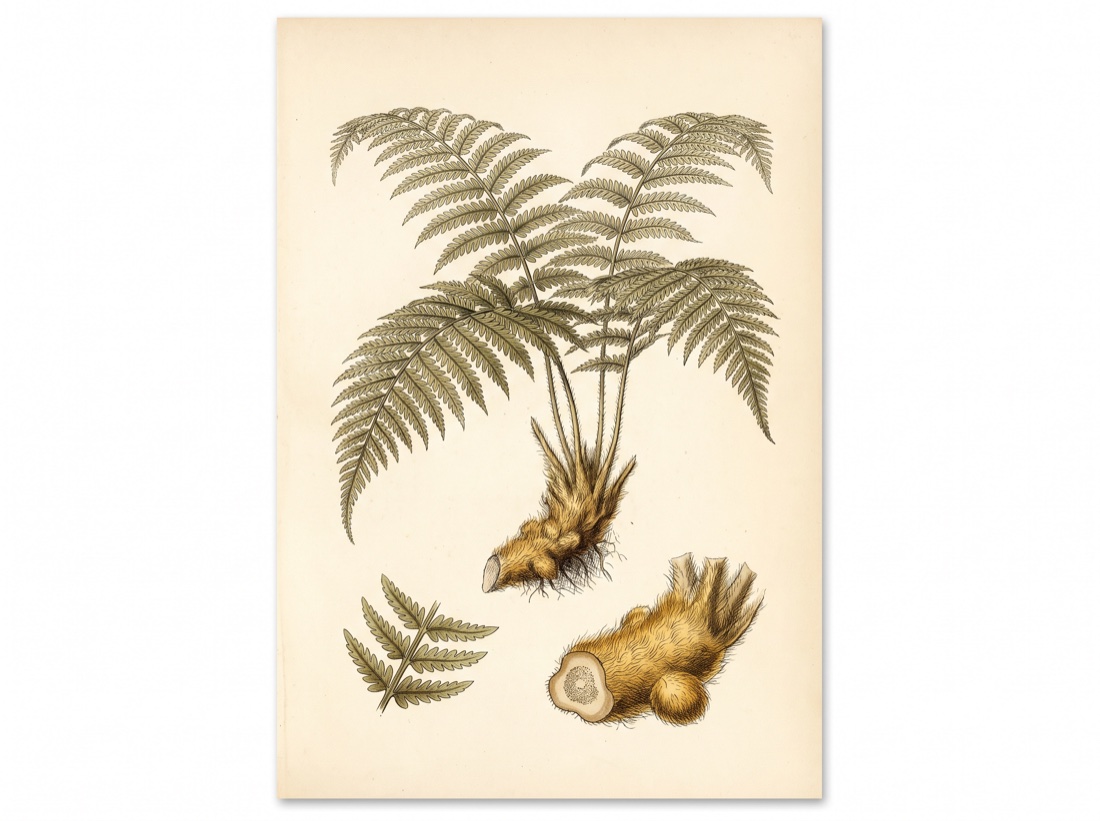 Scythian lambCibotium barometz
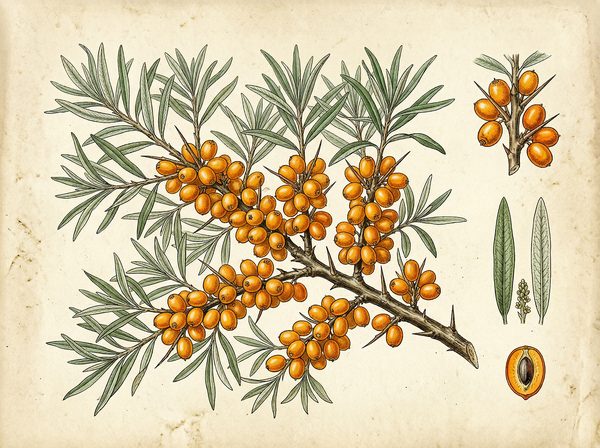 Sea BuckthornHippophae rhamnoides
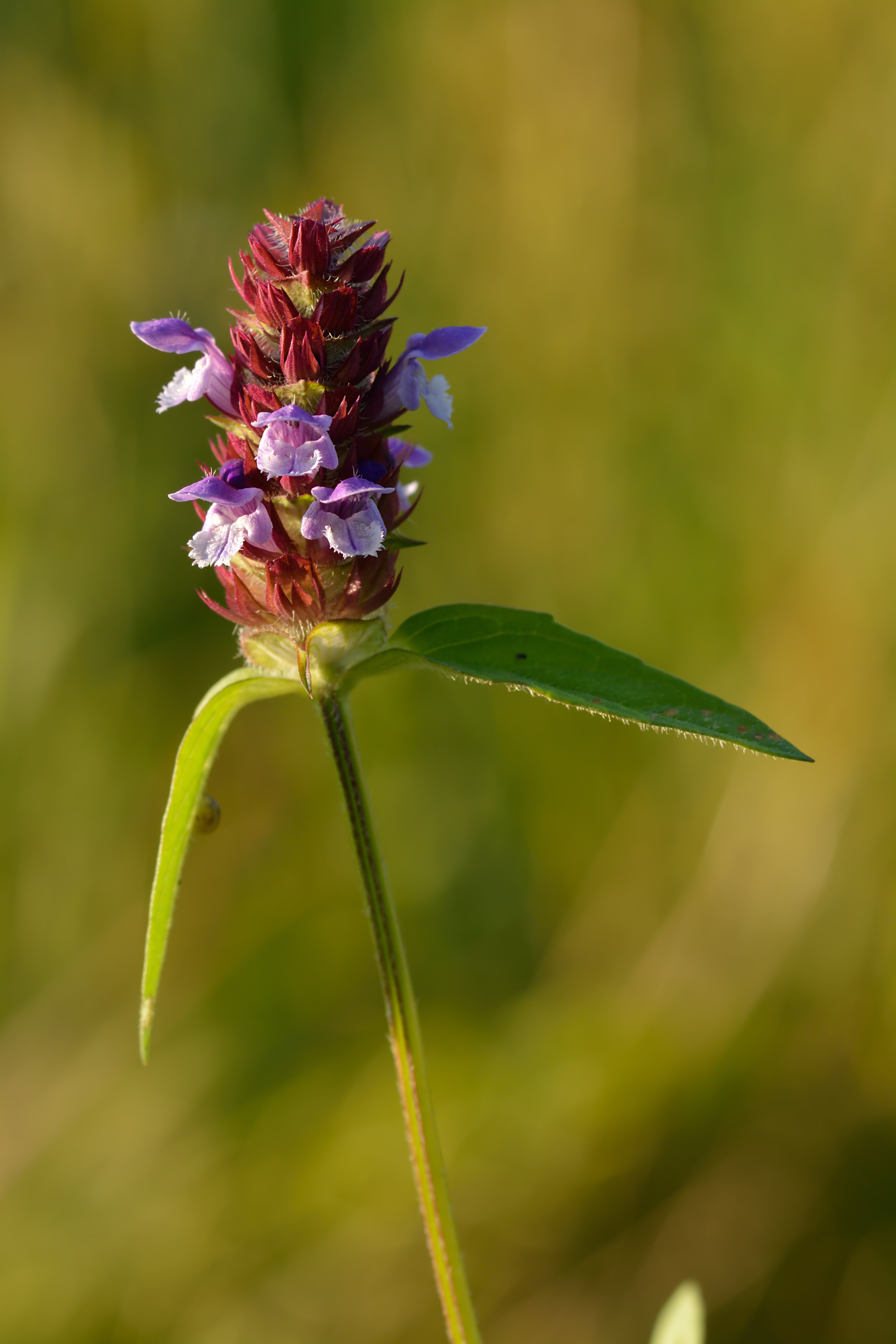 Self-HealPrunella vulgaris
The whole plate is in the library. The compass, Compare, the Sky of eleven hundred plants and the formulary open with an email address and a password, free, with the formula builder and its safety engine. Herbert without limit, his formulating, clients, the handouts and the labels are the paid room.
Open the library, free