Ayurvedic Herbalism
Rajmahal hemp
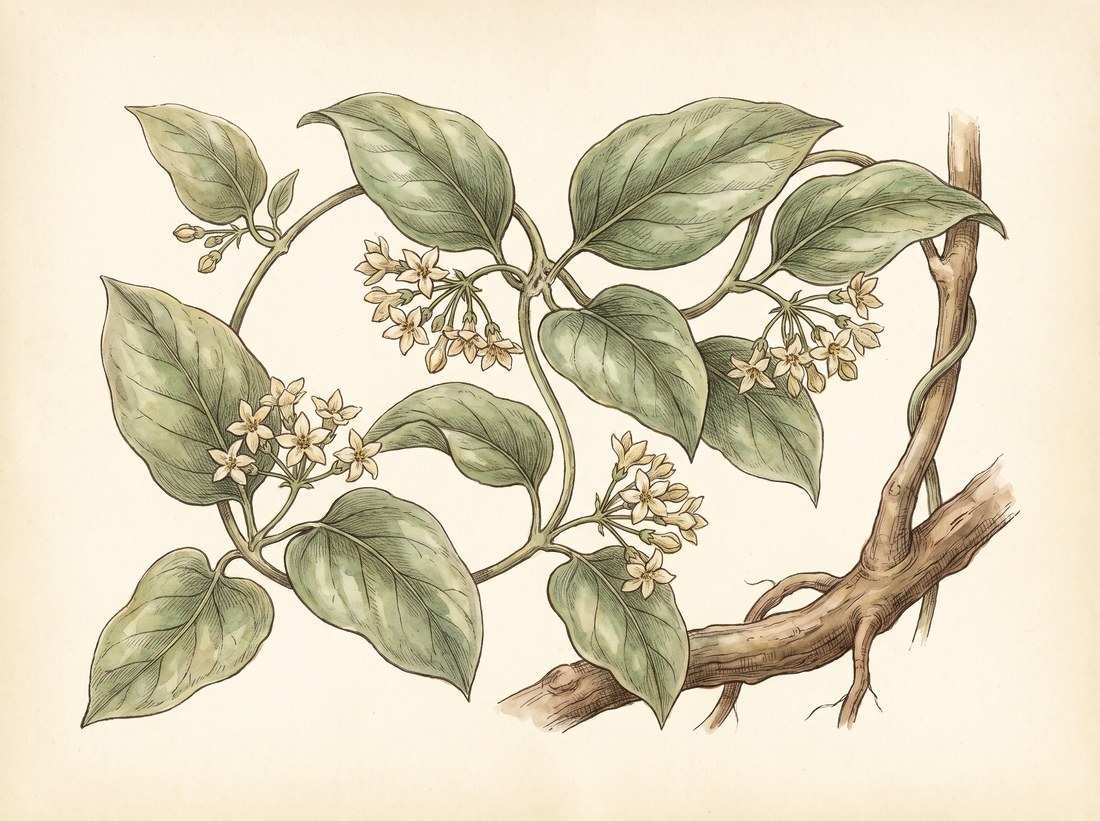
Marsdenia tenacissima
Also known as murva, tong guan teng (Chinese name), Murva, Moorva, Devi.
Marsdenia tenacissima is a stout twining shrub of the milkweed family with milky latex and broad velvety leaves, found in the sub-Himalayan tract, the northeastern hills and the Eastern Ghats and across Southeast Asia into southern China; its bark yields a fiber strong enough for bowstrings, which is the tenacity of its name. Ayurveda takes it as one identity of Murva, a bitter, astringent, heating root for skin disease, fever, prameha and blood impurity, and a member of the classical bitter ghees. In China the stem is Tong Guan Teng, a modern adjunct in cancer care.
Ask Herbert about Rajmahal hemp. Herbert is the master herbalist inside Bountiful Herbs: he answers from this plate and eleven hundred others, with dosing, pairing and cautions. Your first ten questions are free.
Ask HerbertActions
Indications what the tradition reached for it in
- Chronic skin disease with itching and heat
- Early diabetes and urinary disorders (traditional)
- Chronic low-grade fever with poor digestion
- Recurrent boils and blood impurity patterns (in Maha manjishthadi kwatha)
- Breast milk that disagrees with the infant (traditional)
- Nausea and thirst in febrile illness
- Chronic bronchitis and asthma (stem, Chinese use)
- Adjunct to chemotherapy for gastric and lung cancer (stem extract, specialist use)
- Anemia with sluggish digestion (traditional)
- Intestinal worms (traditional)
Specific indications
Itchy, hot, weeping skin eruptions in a patient with a coated tongue, poor appetite and a tendency to fever
A nursing mother whose infant develops colic and loose stools on her milk, and who herself has a heavy, damp digestion
The patient with lingering low fever after infection who is thirsty, nauseated and off food
A cancer patient under an integrative team who is losing weight and blood counts on chemotherapy, for whom the stem extract is being considered as an adjunct
Safety
The record lists 7 contraindications; open the plate in the library to read them in full.
In practice
The Ayurvedic practitioner rarely gives Murva alone. Its home is in the tikta group: Mahatiktaka ghrita for chronic skin disease, gout and bleeding disorders of pitta type, Maha manjishthadi kwatha for boils, eczema and blood impurity, and Murvadi kwatha for fever with thirst and vomiting.
In Ayurveda
Rasa: tikta (bitter), kashaya (astringent), madhura (sweet). Virya: ushna (heating). Vipaka: katu (pungent). Guna: guru (heavy), ruksha (dry). Dosha: regarded as tridoshahara, pacifying kapha and pitta most and vata through its sweetness and heat. Karma: deepana (kindles digestion); pachana (digests ama); jvaraghna (relieves fever); kushthaghna (relieves skin disease); pramehahara (corrects urinary and metabolic disorders); hridya (supports the heart); stanyashodhana (purifies breast milk); raktashodhana (purifies blood); krimighna (anthelmintic); trishnahara (relieves thirst); chardighna (stops vomiting); kandughna (relieves itching). Classical indications: prameha (urinary disorders including diabetes); kushtha (skin disease); jvara (fever); hridroga (heart disease); raktapitta (bleeding disorders); trishna (thirst); chardi (vomiting); kandu (itching); pandu (anemia); stanyadushti (disordered breast milk); krimi (worms); visarpa (spreading skin inflammation). The dried root is the classical drug, given as churna with honey or as kwatha, and included in the great bitter ghees and blood-cleansing decoctions. The tough stem, source of a strong fiber, is the part used in Chinese medicine and in modern anticancer extracts. Classical formulations: Mahatiktaka ghrita, Maha manjishthadi kwatha, Murvadi kwatha, Tiktaka ghrita, Panchatikta ghrita guggulu (some versions), Murva churna. Described in: Charaka Samhita, Sushruta Samhita, Ashtanga Hridaya, Bhavaprakasha Nighantu, Dhanvantari Nighantu, Raja Nighantu, Kaiyadeva Nighantu, Madanapala Nighantu, Ayurvedic Pharmacopoeia of India.
Dosing as the sources wrote it
| Preparation | As written | Metric |
|---|---|---|
| Churna | 1-3 g powdered root twice daily with honey | 1000-3000 mg |
| Kwatha | 40-80 mL decoction twice daily | 40-80 mL |
| Ghrita (Mahatiktaka) | 5-10 g medicated ghee daily with warm water | 5000-10000 mg |
Doses are reproduced from the sources for practitioners and are not a recommendation for any person.
From the sources
Overview. Marsdenia tenacissima is a stout twining shrub of the milkweed family with milky latex and broad velvety leaves, found in the sub-Himalayan tract, the northeastern hills and the Eastern Ghats and across Southeast Asia into southern China; its bark yields a fiber strong enough for bowstrings, which is the tenacity of its name. Ayurveda takes it as one identity of Murva, a bitter, astringent, heating root for skin disease, fever, prameha and blood impurity, and a member of the classical bitter ghees. In China the stem is Tong Guan Teng, a modern adjunct in cancer care.
Clinical Notes. The Ayurvedic practitioner rarely gives Murva alone. Its home is in the tikta group: Mahatiktaka ghrita for chronic skin disease, gout and bleeding disorders of pitta type, Maha manjishthadi kwatha for boils, eczema and blood impurity, and Murvadi kwatha for fever with thirst and vomiting.
Ayurvedic Profile. Rasa: tikta (bitter), kashaya (astringent), madhura (sweet). Virya: ushna (heating). Vipaka: katu (pungent). Guna: guru (heavy), ruksha (dry). Dosha: regarded as tridoshahara, pacifying kapha and pitta most and vata through its sweetness and heat.
In formulas
Rajmahal hemp stands in 17 documented formulas in the library, among them Ayaskṛti, Kuṭajāriṣta, Mṛdvīkāriṣṭa, Karpūrādyarka, Maha Yogarāja Guggulu, Amṛtaprāśa Ghṛta.
Often paired with
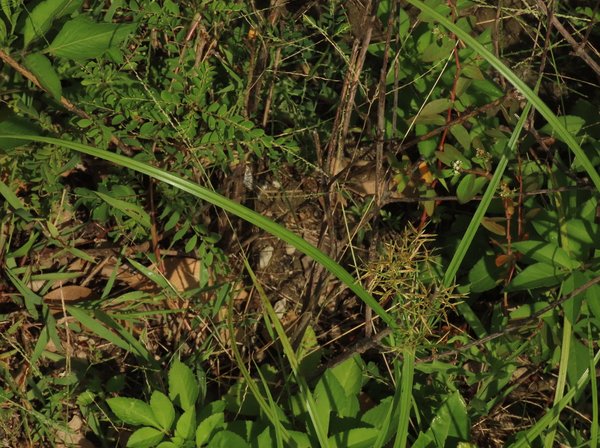 nut grassCyperus rotundus
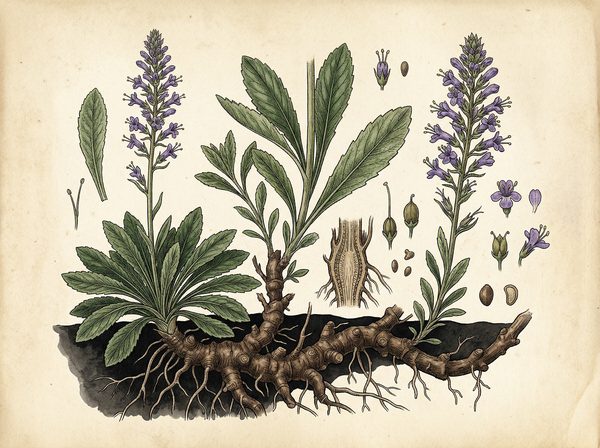 kutkiPicrorhiza kurroa
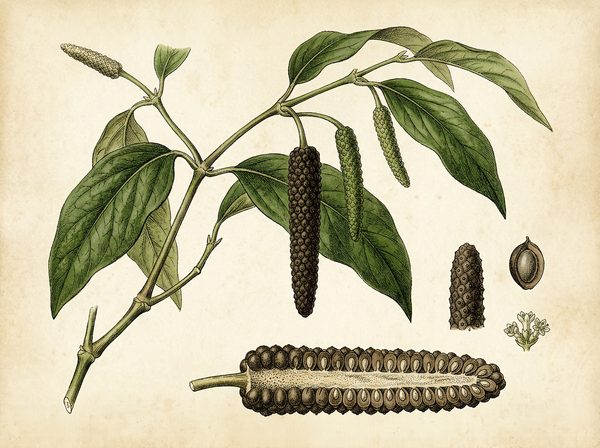 long pepperPiper longum
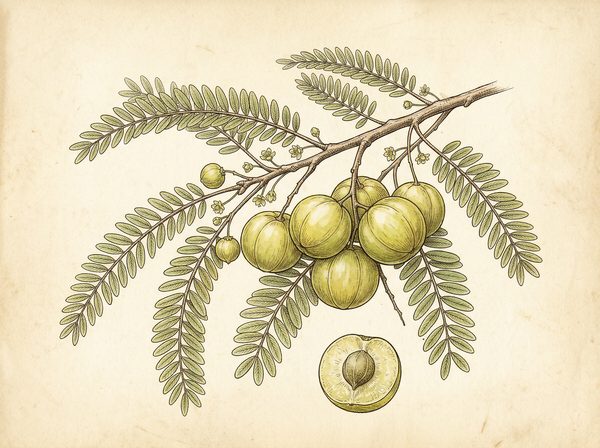 Indian gooseberryPhyllanthus emblica
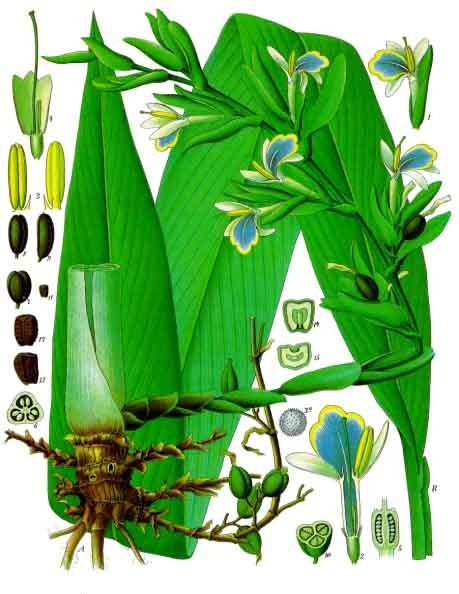 cardamomElettaria cardamomum
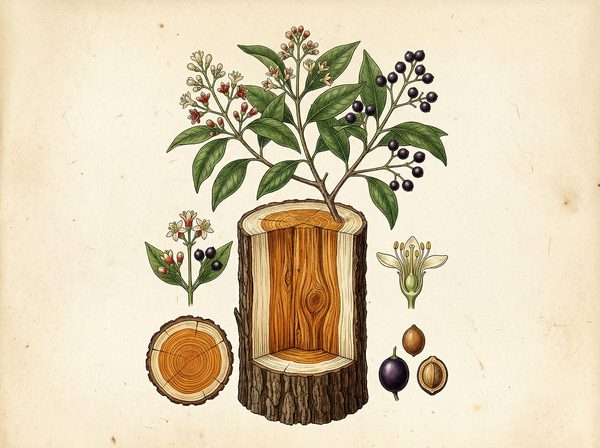 sandalwoodSantalum album
Nearby on the shelf
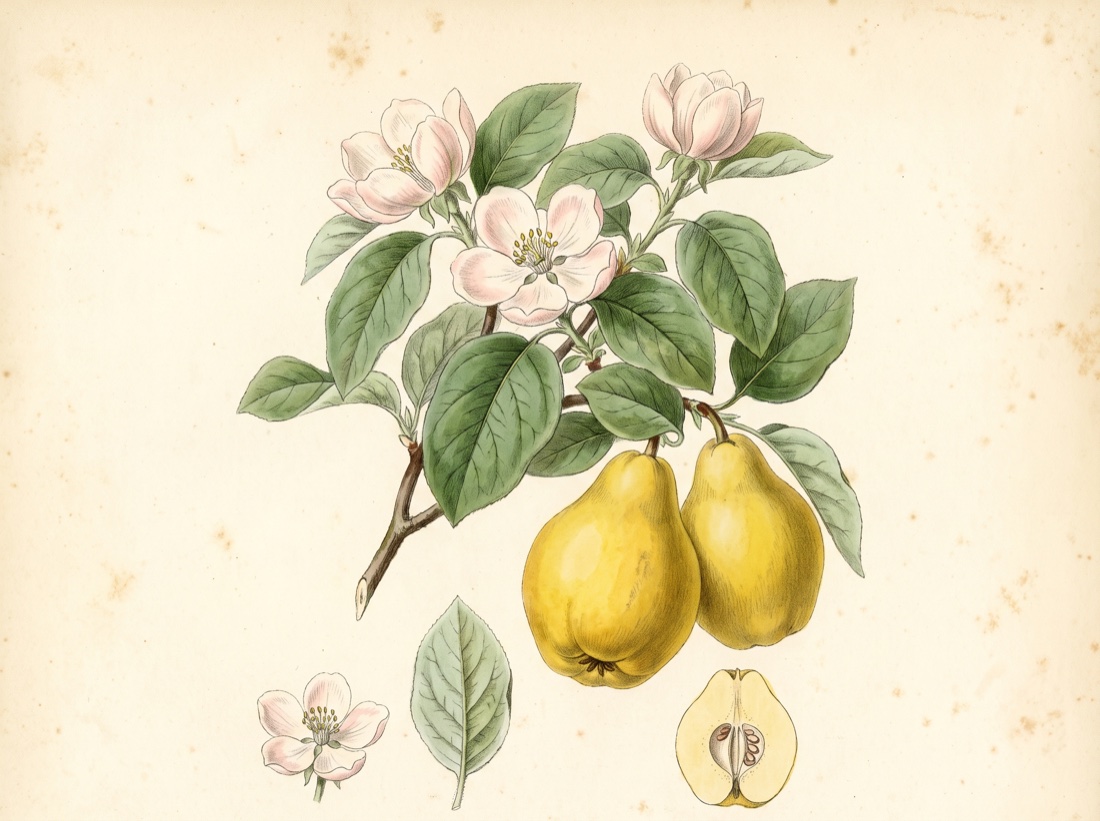 QuinceCydonium vulgaris
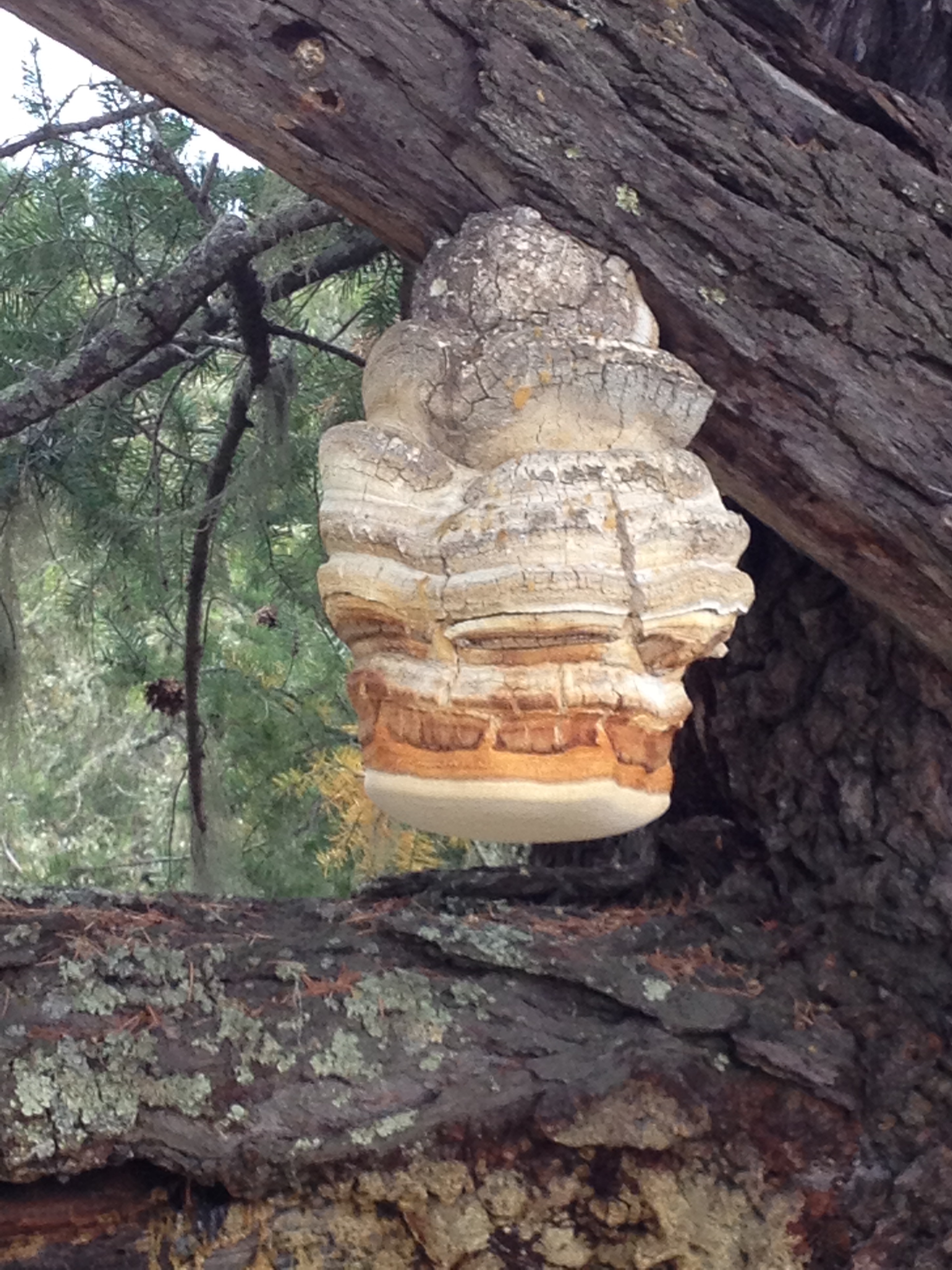 Quinine conkBoletus laricis
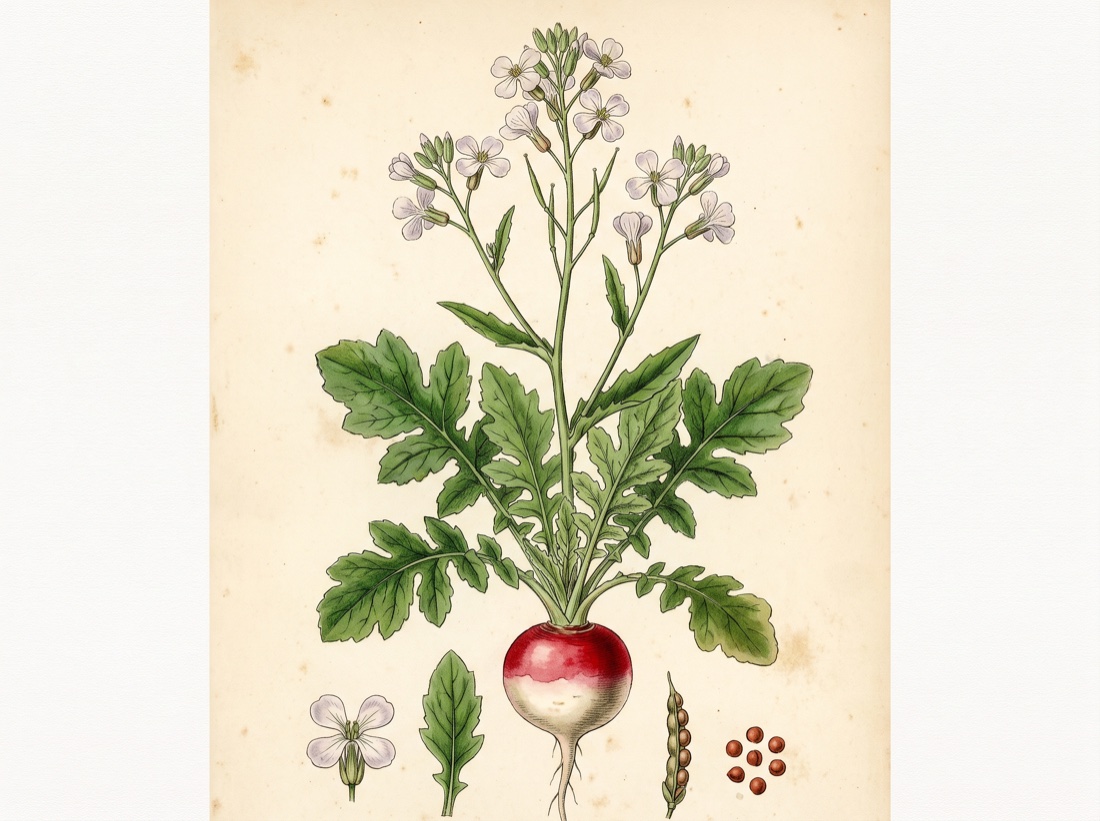 Radish seedRaphanus sativus
 RagweedAmbrosia artemisiaefolia
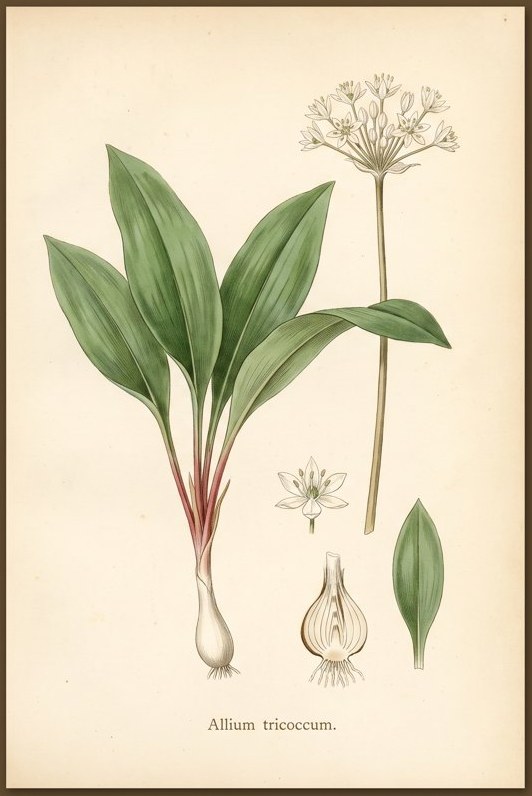 RampsAllium tricoccum
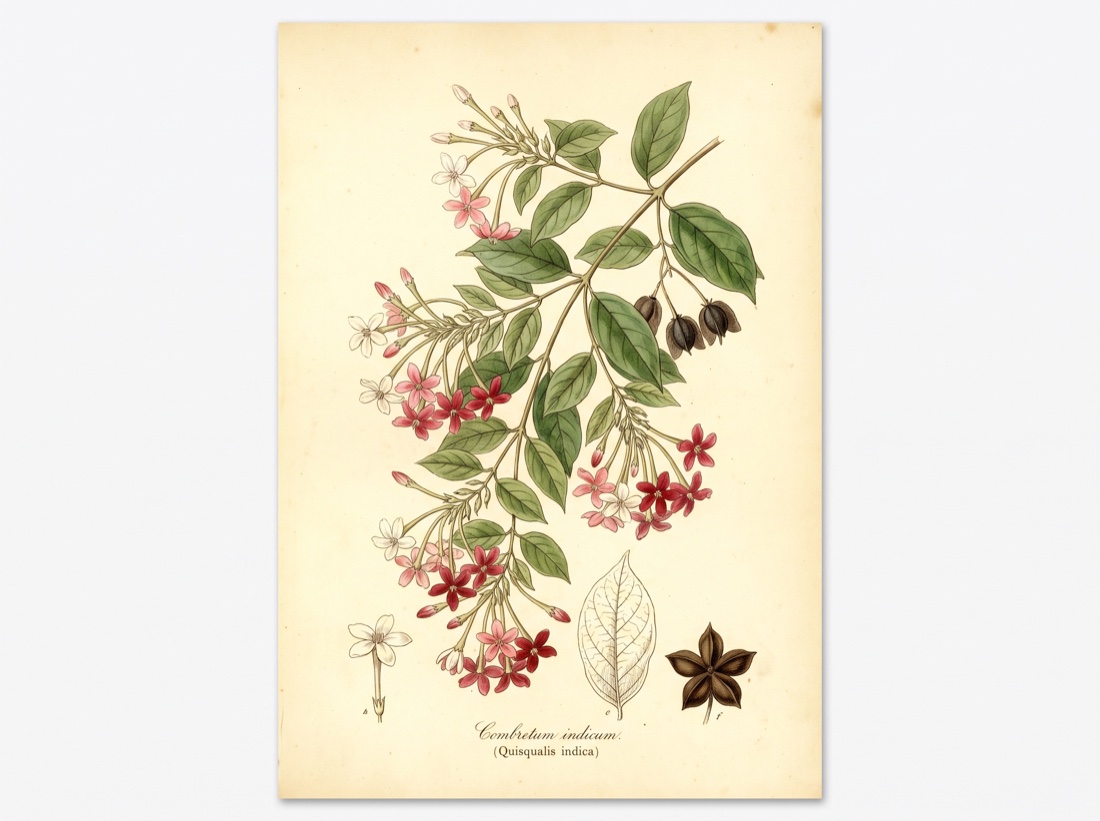 Rangoon creeperCombretum indicum
 RaspberryRubus ideas
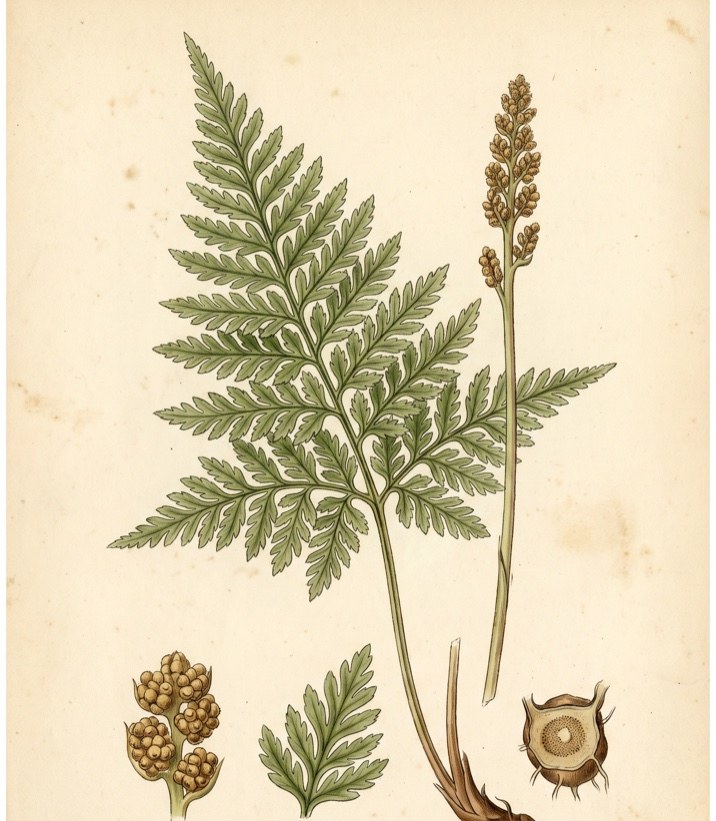 Rattlesnake fernBotrychium virginicum
The whole plate is in the library. The compass, Compare, the Sky of eleven hundred plants and the formulary open with an email address and a password, free, with the formula builder and its safety engine. Herbert without limit, his formulating, clients, the handouts and the labels are the paid room.
Open the library, free