Western Herbalism
Rattlesnake fern
Botrychium virginicum
Also known as Rattlesnake moonwort, Virginia grape fern, Moonwort (regional, imprecise), Moonwort.
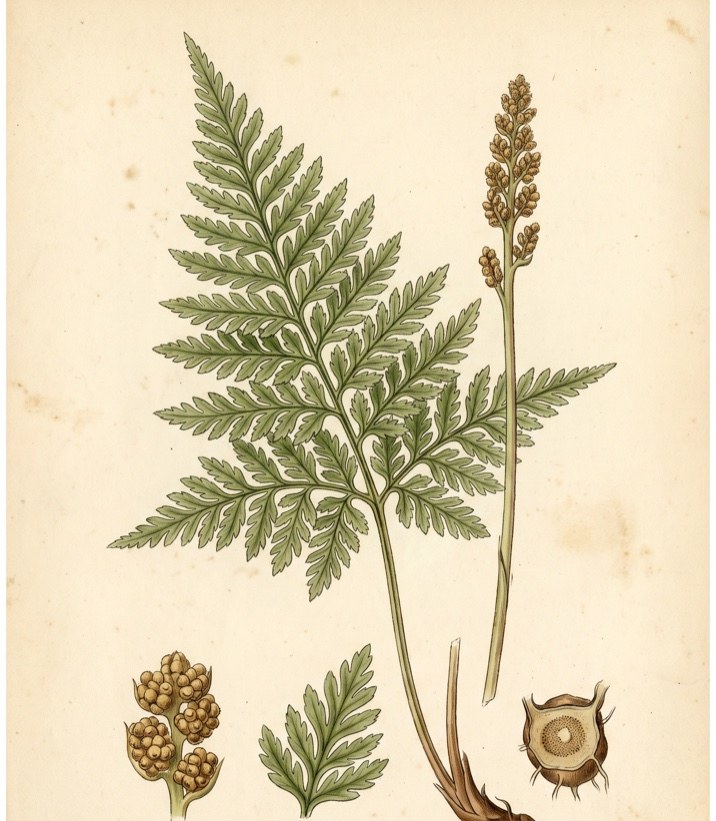
Botrychium virginicum, the rattlesnake fern, is a small, delicate fern of the adder's-tongue family found at the edges of open deciduous woods across eastern North America. It sends up a single divided frond partway along its stipe, topped by a distinctive tawny, grape-like fruiting spike. The whole fresh plant, and sometimes the root, was gathered by nineteenth century American folk and physiomedicalist practitioners, who classed it among the gentle relaxant remedies used for wounds and chest complaints, though it never became a mainstay of the materia medica.

Ask Herbert about Rattlesnake fern. Herbert is the master herbalist inside Bountiful Herbs: he answers from this plate and eleven hundred others, with dosing, pairing and cautions. Your first ten questions are free.
Ask HerbertActions
Indications what the tradition reached for it in
- Minor wounds and cuts
- Chronic dry cough
- Bronchial irritation
- General debility
- Skin ulcers (topical)
- Snakebite (folk poultice, unproven)
- Chest complaints with tightness
- Slow-healing sores
Specific indications
A slow-healing wound or ulcer where the surrounding tissue looks pale and lax, calling for a gentle relaxant vulnerary poultice
A lingering dry, irritative cough in a person of generally weak constitution, where a mild demulcent pectoral is wanted rather than a stimulating expectorant
Safety
Pregnancy: Avoid in pregnancy: no safety data exist for this plant.
Breastfeeding: Avoid in lactation: no safety data exist for this plant.
The record lists 3 contraindications; open the plate in the library to read them in full.
In practice
This is a minor historical remedy rather than a plant in active clinical use today. Nineteenth century physiomedicalist writers, working within Cook's framework of relaxant, astringent and stimulant tissue effects, placed rattlesnake fern among the mild relaxant vulneraries, applied fresh or as a poultice to wounds and skin sores, and occasionally taken as an infusion for lingering coughs in people of weak constitution.
Dosing as the sources wrote it
| Preparation | As written | Metric |
|---|---|---|
| Infusion (historical) | 1-2 g dried frond in 150 mL water, once daily | 1000-2000 mg |
| Tincture (1:5, historical) | 1-2 mL up to twice daily | 1-2 mL |
Doses are reproduced from the sources for practitioners and are not a recommendation for any person.
From the sources
Overview. Botrychium virginicum, the rattlesnake fern, is a small, delicate fern of the adder's-tongue family found at the edges of open deciduous woods across eastern North America. It sends up a single divided frond partway along its stipe, topped by a distinctive tawny, grape-like fruiting spike. The whole fresh plant, and sometimes the root, was gathered by nineteenth century American folk and physiomedicalist practitioners, who classed it among the gentle relaxant remedies used for wounds and chest complaints, though it never became a mainstay of the materia medica.
Clinical Notes. This is a minor historical remedy rather than a plant in active clinical use today. Nineteenth century physiomedicalist writers, working within Cook's framework of relaxant, astringent and stimulant tissue effects, placed rattlesnake fern among the mild relaxant vulneraries, applied fresh or as a poultice to wounds and skin sores, and occasionally taken as an infusion for lingering coughs in people of weak constitution.
Properties and Uses. My attention was called to this plant by a farmer in central New York, who said its decoction would prove reliable as an antiperiodic. Preparing an ounce of the fresh plant in a pint of hot water, and giving two fluid ounces of warm infusion once an hour, it induced a gentle and warm perspiration, and soothed the nervous system.
Conservation. Locally uncommon in parts of its native range due to habitat loss and slow reproduction; wildcrafting is discouraged and it should not be harvested from wild populations.
Drawn from Cook's Physio-Medical Dispensatory, and the Bountiful Herbs editorial.
Nearby on the shelf
 Rajmahal hempMarsdenia tenacissima
 RampsAllium tricoccum
 Rangoon creeperCombretum indicum
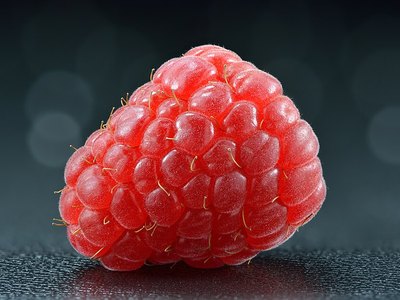 RaspberryRubus ideas
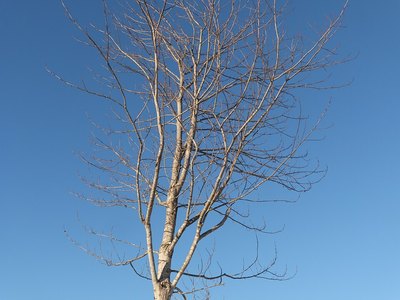 Red alderAlnus rubra
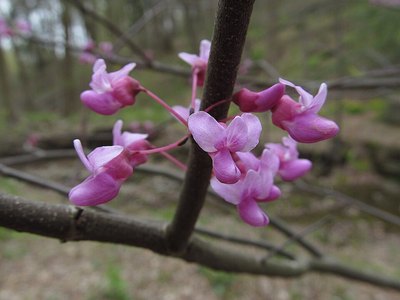 Red budCercis canadensis
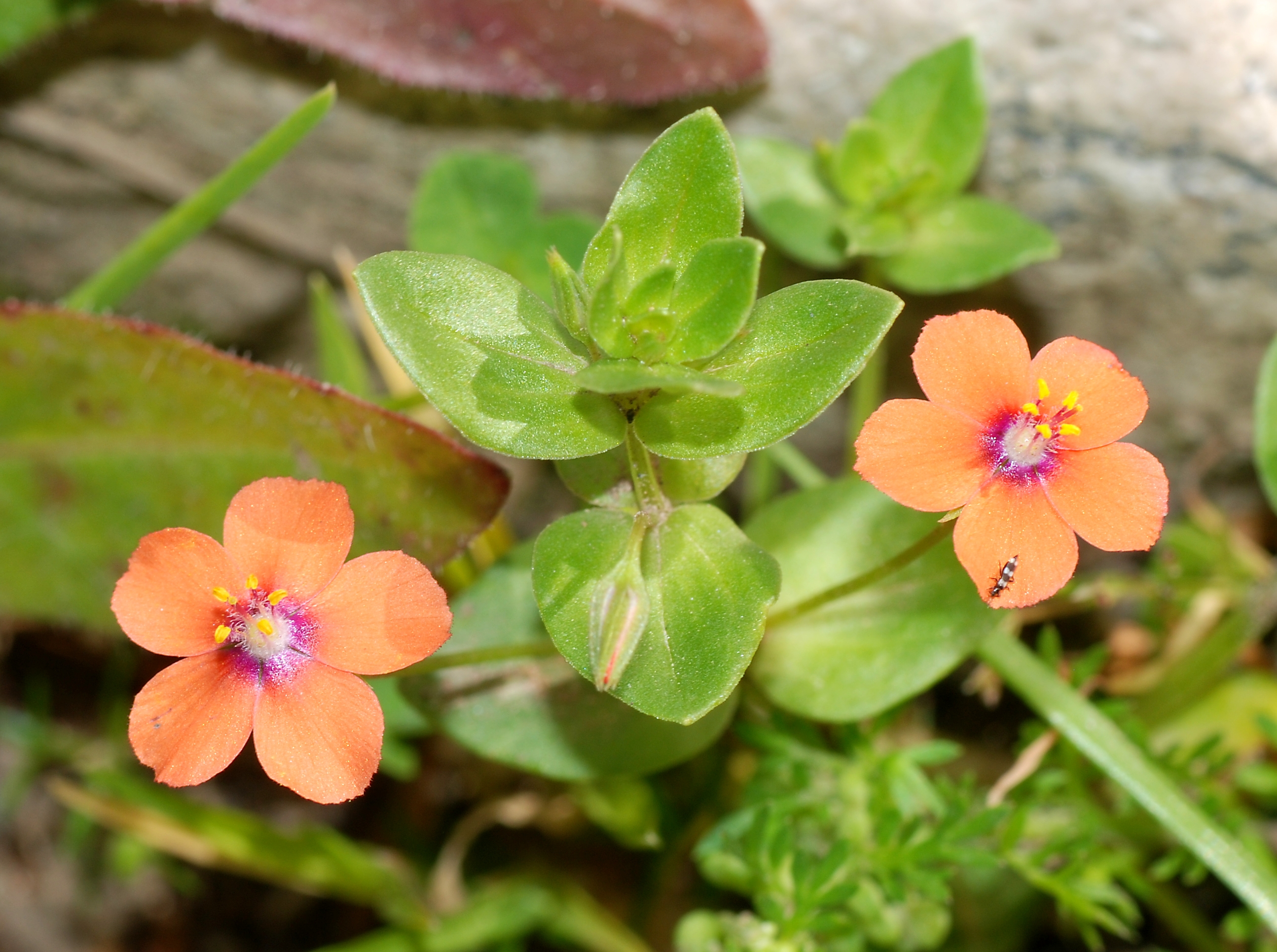 Red ChickweedAnagallis Arvensis
 Red cloverTrifolium pratense
The whole plate is in the library. The compass, Compare, the Sky of eleven hundred plants and the formulary open with an email address and a password, free, with the formula builder and its safety engine. Herbert without limit, his formulating, clients, the handouts and the labels are the paid room.
Open the library, free