Western Herbalism
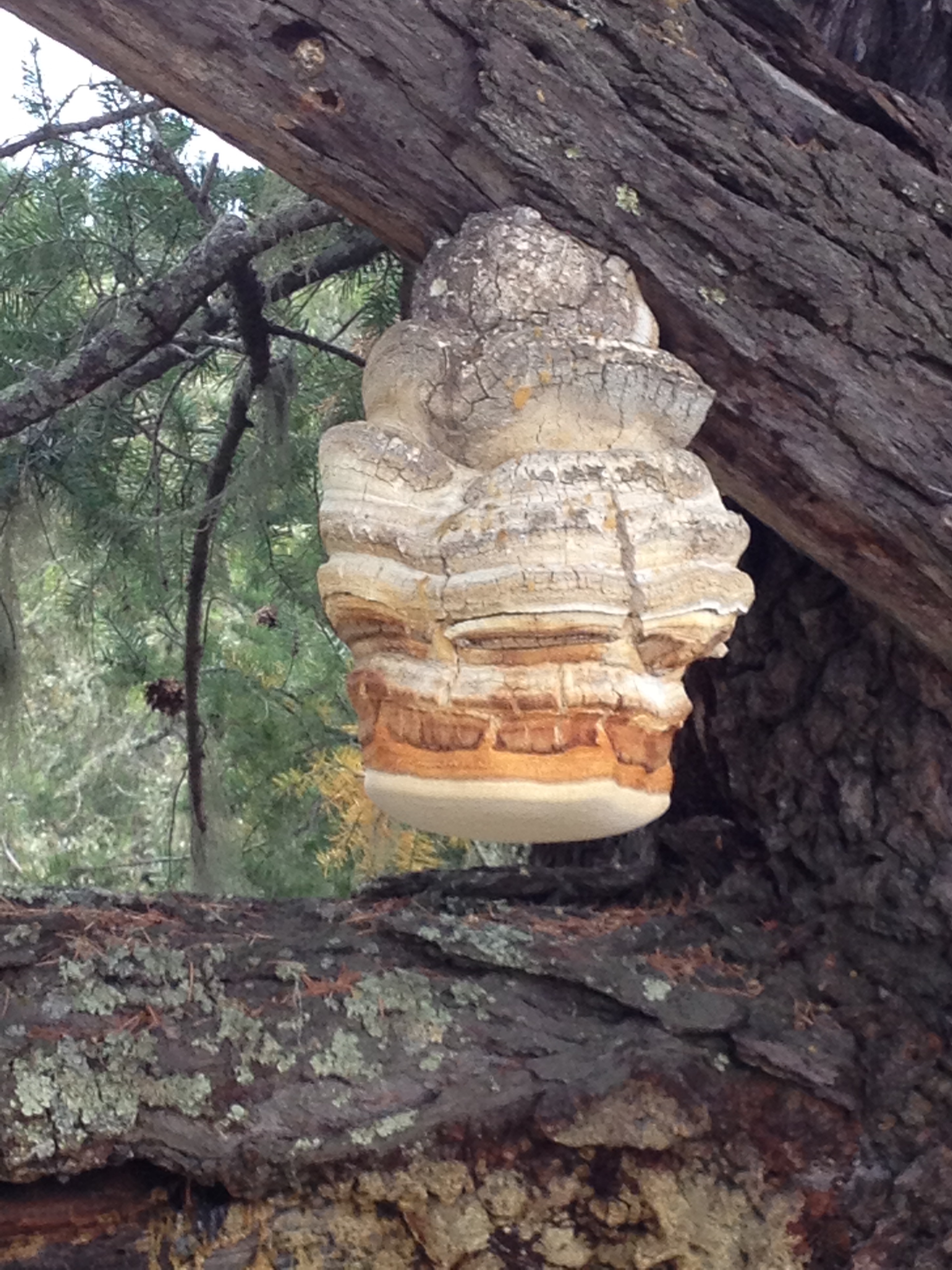
Quinine conk
Boletus laricis
Also known as Agarikon, Larch bracket fungus, White agaric, Larch agaric, Purging agaric, Fungus agaric, Spunk, Boletus.
This is a large, hard, woody bracket fungus that grows on old larch and other conifer trees across the northern temperate forests of Europe, Asia, and North America. The fruiting body was harvested, dried, and shaved or powdered for use in Western and eclectic medicine, where it was valued in two opposite ways depending on dose: as a strong purgative when given generously, and as an agent to check excessive sweating when given in very small amounts. It has largely disappeared from clinical use but survives in mycological and historical materia medica as one of the most storied fungi of old-growth conifer forests.

Ask Herbert about Quinine conk. Herbert is the master herbalist inside Bountiful Herbs: he answers from this plate and eleven hundred others, with dosing, pairing and cautions. Your first ten questions are free.
Ask HerbertActions
Indications what the tradition reached for it in
- Night sweats of chronic lung disease
- Colliquative sweats with hectic fever
- Hyperhidrosis
- Chills alternating with flushes of heat
- Atonic constipation
- Sluggish biliary function
- Chronic bronchitis with profuse secretion
- Tapeworm infestation (historical use)
Specific indications
Profuse night sweats with hectic fever and wasting, as seen in advanced pulmonary disease, calling for very small doses of the tincture.
Alternating chills and flushes of heat with aching in the back and drenching, colliquative perspiration.
Safety
Low dose botanical. Used in drop doses in the classical practice; not a plant to dose freely.
Pregnancy: Avoid in pregnancy: the purgative and physiologically active agaric acid content has no established safety data and historical use was reserved for grave chronic disease only.
Breastfeeding: Avoid in lactation due to absence of safety data and potent physiological activity at even small doses.
The record lists 6 contraindications; open the plate in the library to read them in full.
In practice
Eclectic physicians reached for this fungus almost exclusively in its minim doses, for the drenching night sweats and hectic fevers of consumptive patients, where the picture was one of chills alternating with flushes and profuse, weakening perspiration.
Dosing as the sources wrote it
| Preparation | As written | Metric |
|---|---|---|
| Tincture (historical, 1:10) | 0.05-0.3 mL (one to five drops) for anhidrotic effect | 0.05-0.3 mL |
| Specific Boletus (historical) | 0.01-0.3 mL (one-quarter drop to five drops) | 0.01-0.3 mL |
| Powdered agaricin | 4-16 mg as a single dose (historical, cathartic use) | 4-16 mg |
| Dose, 1/2 to 5 drops. | 0.01-0.1 mL | |
| Dose, 1/10 to 1/3 grain. | 6.48-21.6 mg | |
| The dose for these purposes is from the fraction of a drop to 5 drops of the specific medicine. | 0.1 mL |
Doses are reproduced from the sources for practitioners and are not a recommendation for any person.
From the sources
Overview. This is a large, hard, woody bracket fungus that grows on old larch and other conifer trees across the northern temperate forests of Europe, Asia, and North America. The fruiting body was harvested, dried, and shaved or powdered for use in Western and eclectic medicine, where it was valued in two opposite ways depending on dose: as a strong purgative when given generously, and as an agent to check excessive sweating when given in very small amounts. It has largely disappeared from clinical use but survives in mycological and historical materia medica as one of the most storied fungi of old-growth conifer forests.
Clinical Notes. Eclectic physicians reached for this fungus almost exclusively in its minim doses, for the drenching night sweats and hectic fevers of consumptive patients, where the picture was one of chills alternating with flushes and profuse, weakening perspiration.
Action and Therapy. This fungus is remarkable for the high per cent (79) of resins it contains. It is a decided nerve stimulant and antiperiodic. Boletus is but little used, but occasionally will be needed in irregular intermittents, not reached by quinine medication and presenting alternate chills and flashes of heat, accompanied by a heavy bearing down pain in the back.
Therapy. The remedy is applicable to all conditions of malarial origin. It is especially useful in those localities where malaria and the results of malaria prevail. The symptoms are languor, dullness, and general malaise, long continued, with the usual results, such as disordered digestion, lack of appetite, heavily coated tongue, pale mucous membranes.
Drawn from King's American Dispensatory, 18th edition (Felter and Lloyd); Ellingwood's American Materia Medica, Therapeutics and Pharmacognosy; Felter's Eclectic Materia Medica, Pharmacology and Therapeutics, and the Bountiful Herbs editorial.
Often paired with
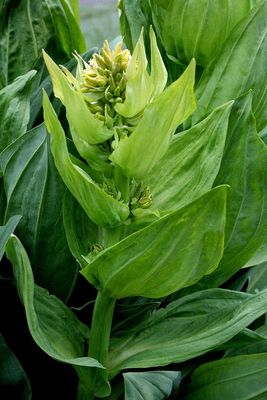 GentianGentiana lutea
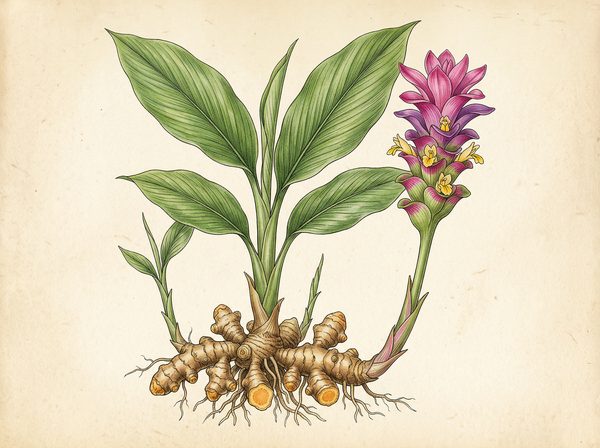 zedoaryCurcuma zedoaria
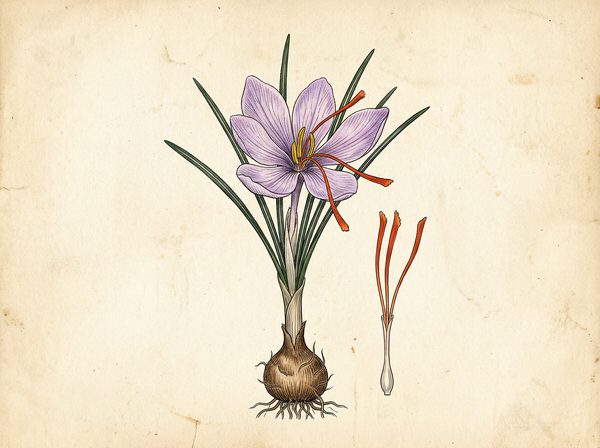 saffronCrocus sativus
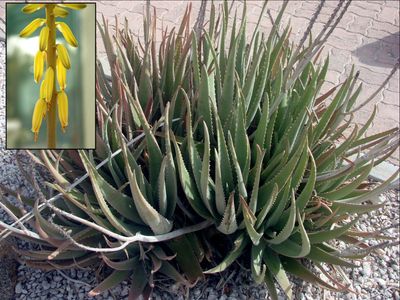 aloe veraAloe vera
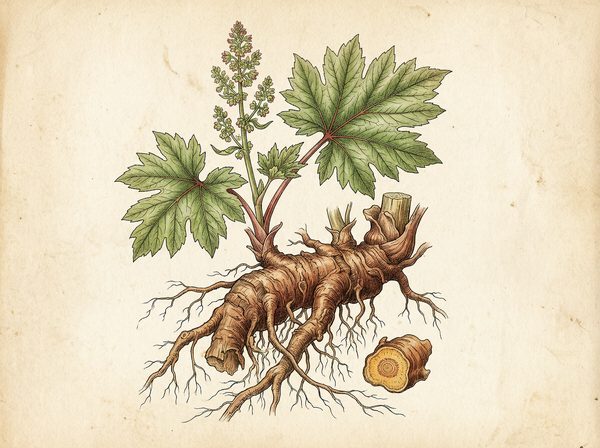 Chinese RhubarbRheum palmatum
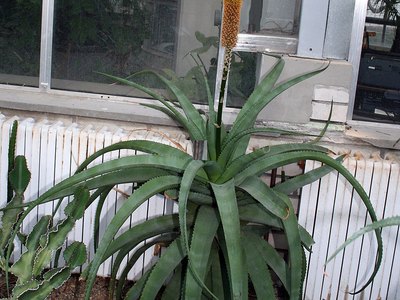 Socotrine aloesAloes socotrina
Nearby on the shelf
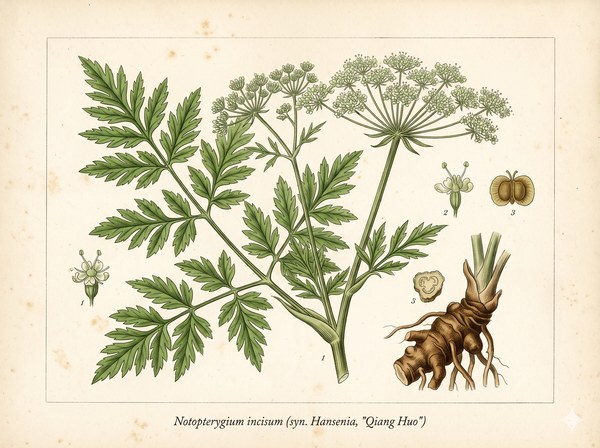 Qiang HuoNotopterygium incisum
 QuassiaQuassia amara
 QuillajaQuillaja
 QuinceCydonium vulgaris
 Radish seedRaphanus sativus
 RagweedAmbrosia artemisiaefolia
 Rajmahal hempMarsdenia tenacissima
 RampsAllium tricoccum
The whole plate is in the library. The compass, Compare, the Sky of eleven hundred plants and the formulary open with an email address and a password, free, with the formula builder and its safety engine. Herbert without limit, his formulating, clients, the handouts and the labels are the paid room.
Open the library, free