Western Herbalism
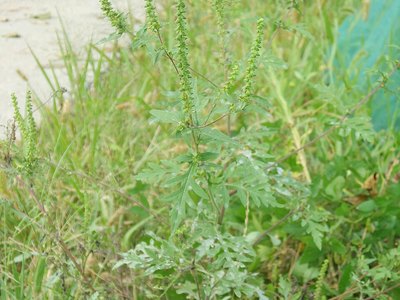
Ragweed
Ambrosia artemisiaefolia
Also known as Common ragweed, Roman wormwood, Bitterweed, Hogweed, Annual ragweed, Rag weed, Bitter weed, Hog weed.
Ambrosia artemisiifolia, common ragweed, is a widespread annual weed of the aster family found throughout North America along roadsides, fields, and disturbed ground. The leafy aerial parts were used by physiomedicalist and eclectic practitioners of the nineteenth century as a bitter, astringent remedy for lax bowel conditions and minor bleeding, and topically for bites and skin irritation. The plant is far better known today as one of the principal sources of allergenic autumn pollen than as a medicine, and its therapeutic use has largely fallen out of practice.

Ask Herbert about Ragweed. Herbert is the master herbalist inside Bountiful Herbs: he answers from this plate and eleven hundred others, with dosing, pairing and cautions. Your first ten questions are free.
Ask HerbertActions
Indications what the tradition reached for it in
- Diarrhea
- Dysentery
- Intestinal worms
- Uterine hemorrhage
- Bleeding hemorrhoids
- Insect bites and stings
- Poison ivy dermatitis
- Sluggish digestion with relaxed bowel tone
- Minor wounds and skin irritation
Specific indications
Watery, relaxed diarrhea or early dysentery where tissue tone is lax and a bitter astringent is wanted to bind and tone
Passive bleeding from bowel or uterus in a person with generally relaxed, atonic tissue
Fresh insect bite, sting, or contact dermatitis calling for a topical astringent wash or poultice
Safety
Pregnancy: Not rated in modern safety compendia; traditional use is thin and unconfirmed, so avoid in pregnancy as a precaution.
Breastfeeding: Not rated in modern safety compendia; avoid during lactation given the absence of safety data.
The record lists 4 contraindications; open the plate in the library to read them in full.
In practice
In the older physiomedical literature ragweed was reached for when tissue tone was judged relaxed rather than tense or inflamed, a bitter astringent infusion being used to firm lax bowel in diarrhea or early dysentery, often combined with a warming carminative such as ginger to offset any griping.
Dosing as the sources wrote it
| Preparation | As written | Metric |
|---|---|---|
| Infusion of dried aerial parts | 1-2 g dried leaf as infusion, up to 30-60 mL several times daily | 1000-2000 mg |
| Tincture (1:5, 40%) | 1-2 mL three times daily | 1-2 mL |
| Dose, one to two fluid ounces every two, three, or four hours, pro re nata | 29.57-59.15 mL |
Doses are reproduced from the sources for practitioners and are not a recommendation for any person.
From the sources
Overview. Ambrosia artemisiifolia, common ragweed, is a widespread annual weed of the aster family found throughout North America along roadsides, fields, and disturbed ground. The leafy aerial parts were used by physiomedicalist and eclectic practitioners of the nineteenth century as a bitter, astringent remedy for lax bowel conditions and minor bleeding, and topically for bites and skin irritation. The plant is far better known today as one of the principal sources of allergenic autumn pollen than as a medicine, and its therapeutic use has largely fallen out of practice.
Clinical Notes. In the older physiomedical literature ragweed was reached for when tissue tone was judged relaxed rather than tense or inflamed, a bitter astringent infusion being used to firm lax bowel in diarrhea or early dysentery, often combined with a warming carminative such as ginger to offset any griping.
Properties and Uses. The leaves are stimulating and astringing, bitter, and permanent in action. An infusion is useful in diarrhea and dysentery of a passive character; in uterine, gastric, and pulmonic hemorrhages; and in degenerate leucorrhea as an injection and drink.
Description. Natural Order, Compositae. Stem one to three feet high, slender, pale- green, pubescent when young, branched; leaves twice pinnatifid, nearly smooth, light-green; flowers small, green, sterile ones in terminal racemes, fertile in the axils of upper leaves. A somewhat common nuisance along roads, in meadows, and through fields everywhere.
Drawn from Cook's Physio-Medical Dispensatory, and the Bountiful Herbs editorial.
Often paired with
 LavenderLavandula spp.
 nutmegMyristica fragrans
 PeppermintMentha piperita
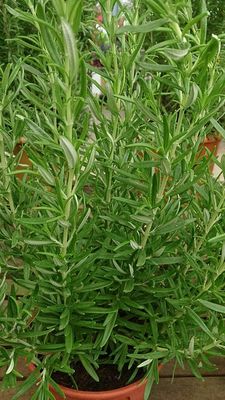 RosemaryRosmarinus officinalis
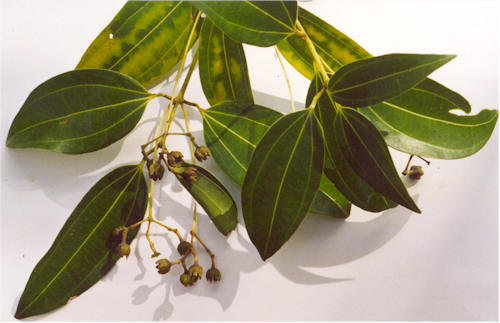 Ceylon cinnamonCinnamomum zeylanicum
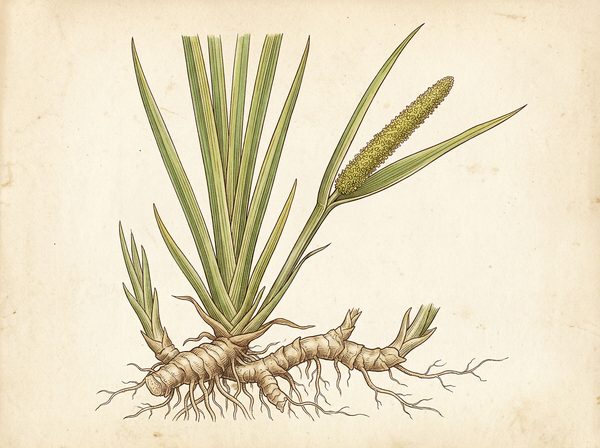 sweet flagAcorus calamus
Nearby on the shelf
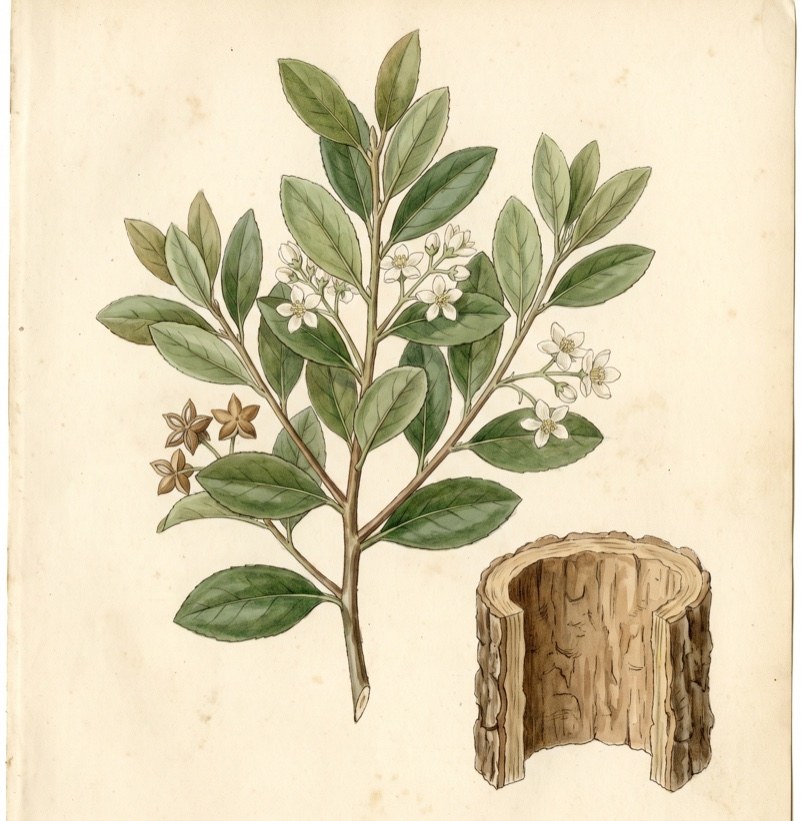 QuillajaQuillaja
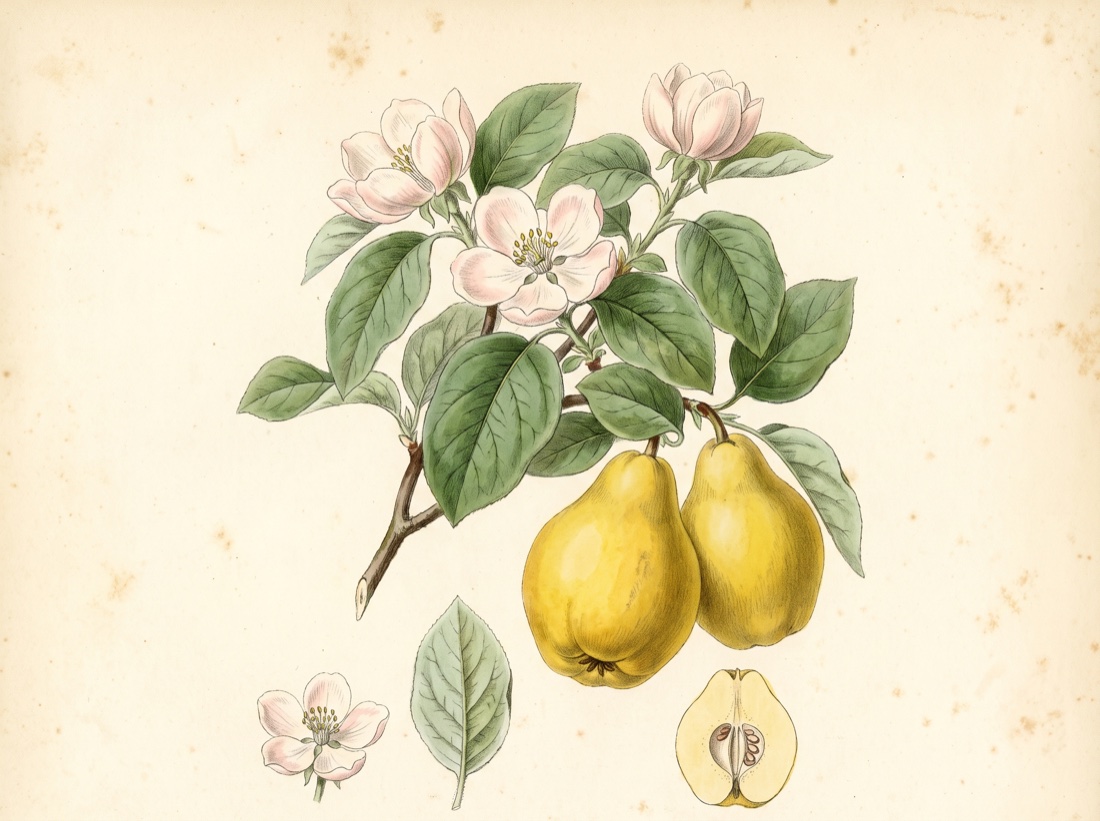 QuinceCydonium vulgaris
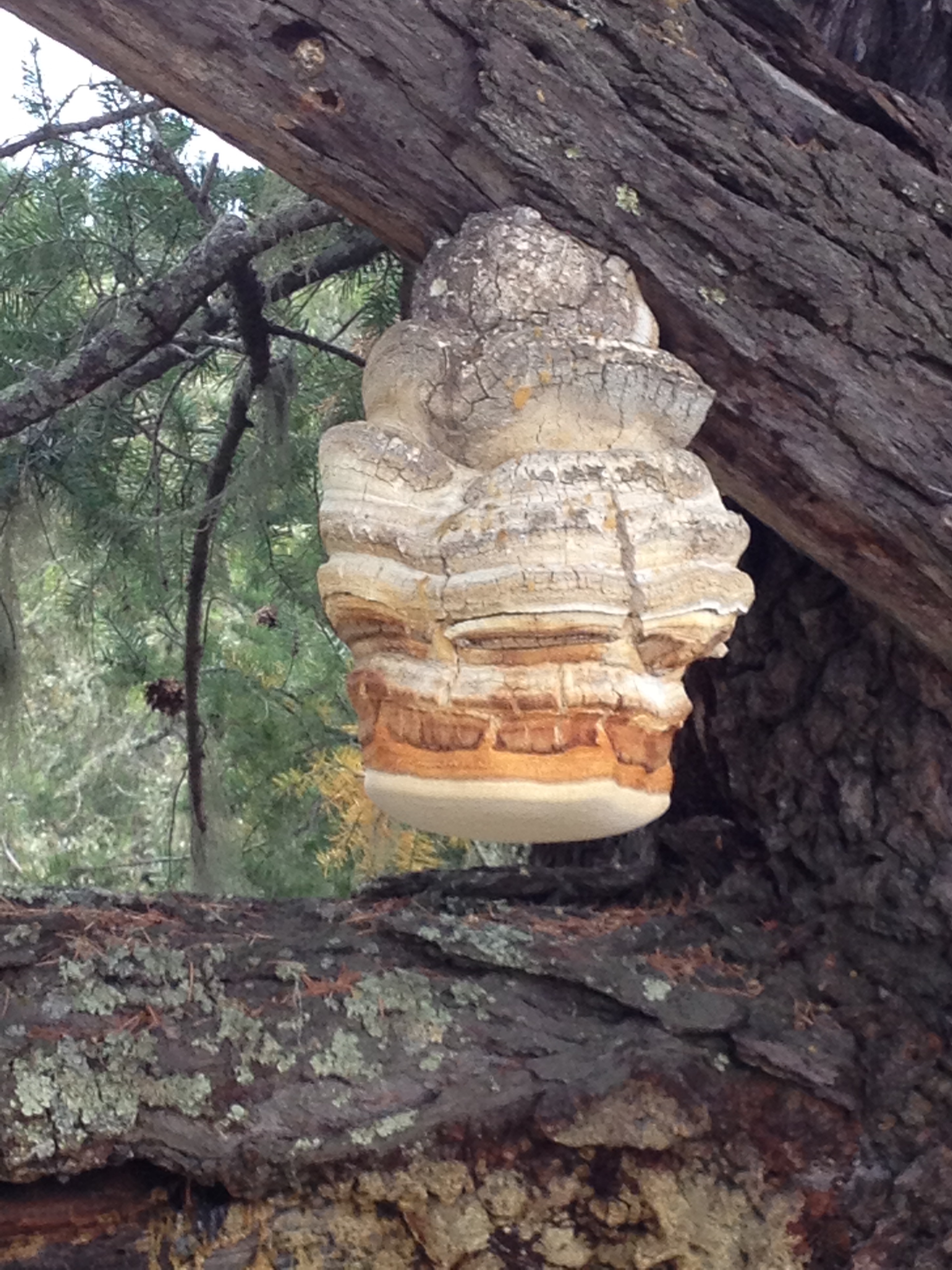 Quinine conkBoletus laricis
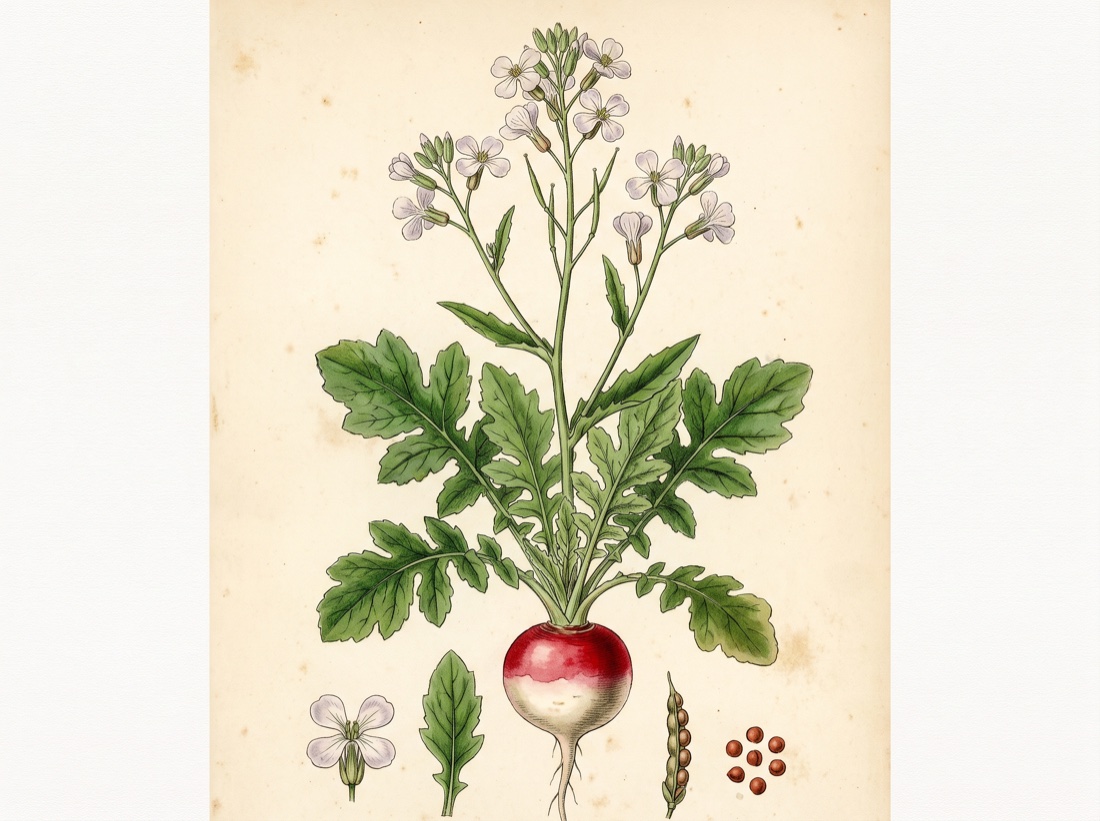 Radish seedRaphanus sativus
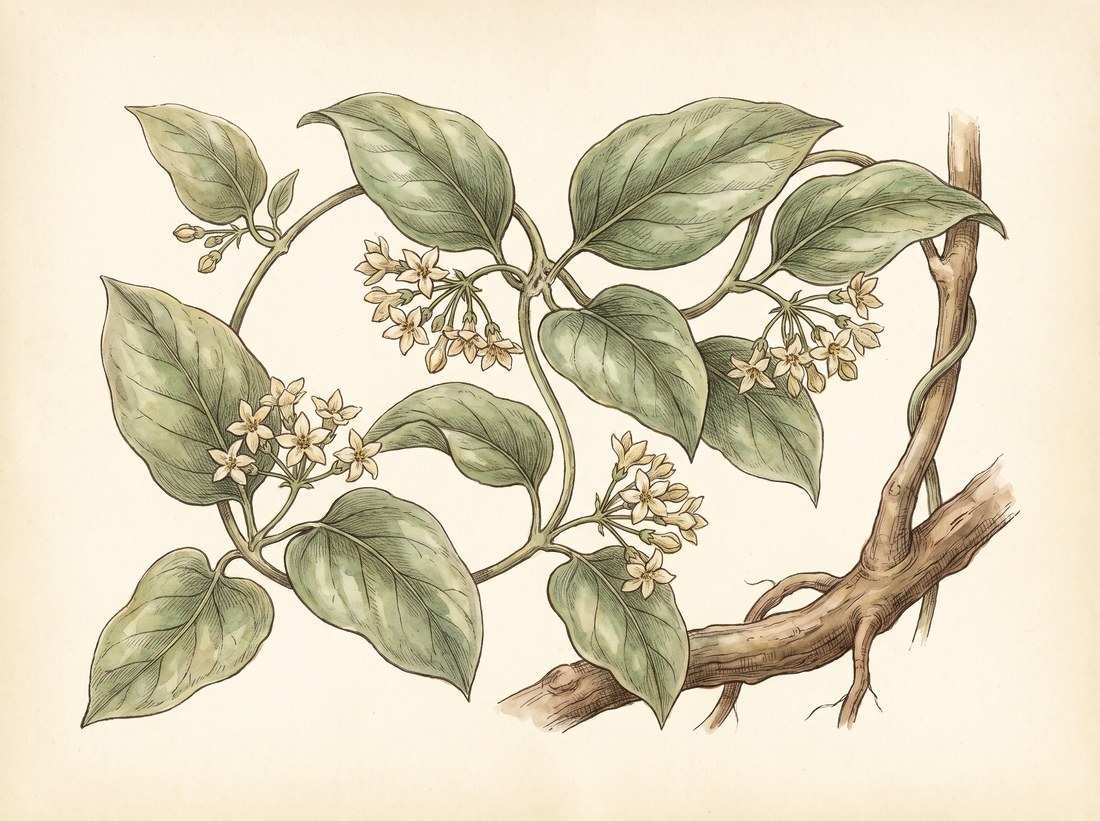 Rajmahal hempMarsdenia tenacissima
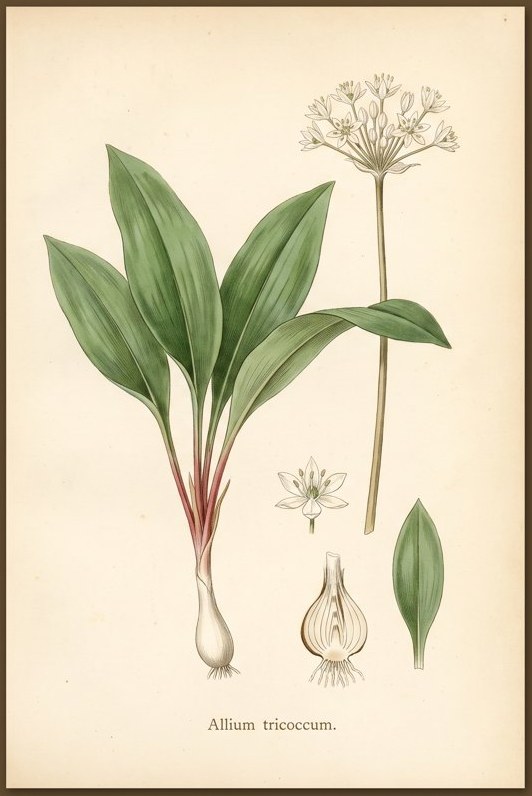 RampsAllium tricoccum
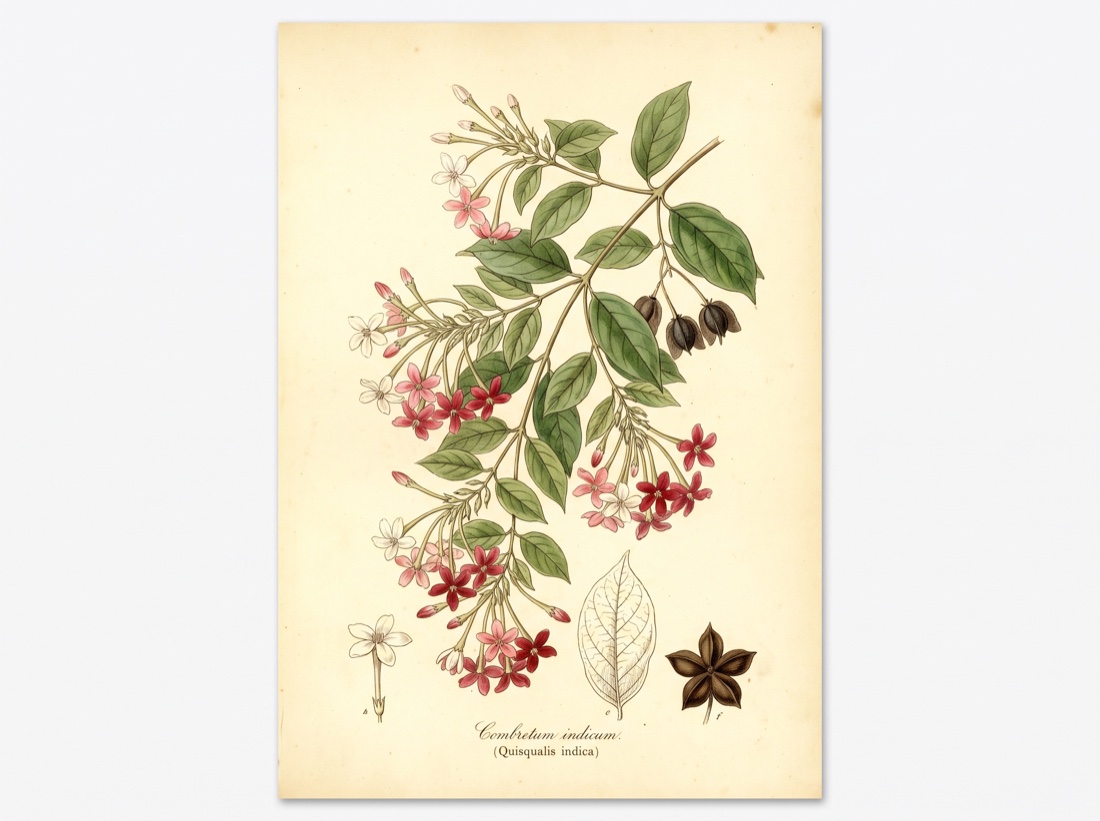 Rangoon creeperCombretum indicum
 RaspberryRubus ideas
The whole plate is in the library. The compass, Compare, the Sky of eleven hundred plants and the formulary open with an email address and a password, free, with the formula builder and its safety engine. Herbert without limit, his formulating, clients, the handouts and the labels are the paid room.
Open the library, free