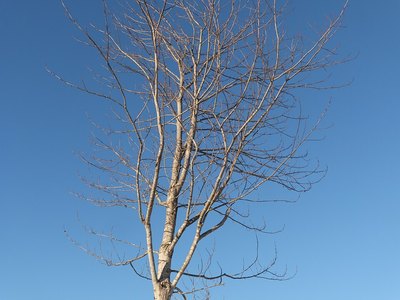
Western Herbalism
Red alder
Alnus rubra
Also known as Alnus, Tag alder, Oregon alder, Western alder.
Alnus rubra, red alder, is a fast-growing deciduous tree of the birch family native to the Pacific coast of North America, where it thrives in moist lowland and riparian sites. The inner bark is the part used medicinally. It entered Eclectic practice in the nineteenth century as an alterative for chronic skin and glandular complaints, valued for its perceived ability to improve nutrition and eliminate waste through the skin and lymphatics.

Ask Herbert about Red alder. Herbert is the master herbalist inside Bountiful Herbs: he answers from this plate and eleven hundred others, with dosing, pairing and cautions. Your first ten questions are free.
Ask HerbertActions
Indications what the tradition reached for it in
- Chronic skin eruptions with poor healing
- Scrofulous glandular swellings
- Chronic eczema
- Psoriasis
- Indolent or sluggish ulcers
- Lymphatic congestion
- General debility with poor tissue nutrition
- Chronic catarrh of mucous membranes
- Low-grade chronic skin infection
Specific indications
Chronic skin disease in a patient whose tissue nutrition and waste elimination both seem sluggish
Scrofulous or indurated glandular swellings in a debilitated, poorly nourished patient
Safety
Pregnancy: Avoid in pregnancy due to lack of modern safety data on internal use.
Breastfeeding: Avoid in lactation due to lack of modern safety data.
The record lists 3 contraindications; open the plate in the library to read them in full.
In practice
Eclectic physicians reached for alder bark in chronic, low-grade conditions where the skin looked unhealthy and healing was slow: indolent eruptions, scrofulous glandular swellings, and general states of poor tissue nutrition with sluggish elimination.
Dosing as the sources wrote it
| Preparation | As written | Metric |
|---|---|---|
| Tincture (1:5, 45% alcohol) | 1-4 mL three times daily | 1-4 mL |
| Bark decoction | 2-4 g dried bark simmered gently, taken up to three times daily | 2000-4000 mg |
| Topical wash or poultice | strong decoction applied externally to skin lesions as needed | |
| Specific Medicine Alnus | Dose, from one to sixty minims. | 0.06-3.7 mL |
| It can be given as high as thirty drops at a dose, four times a day and will undoubtedly add something to our list of good remedies for this disease. | 0.6 mL |
Doses are reproduced from the sources for practitioners and are not a recommendation for any person.
From the sources
Overview. Alnus rubra, red alder, is a fast-growing deciduous tree of the birch family native to the Pacific coast of North America, where it thrives in moist lowland and riparian sites. The inner bark is the part used medicinally. It entered Eclectic practice in the nineteenth century as an alterative for chronic skin and glandular complaints, valued for its perceived ability to improve nutrition and eliminate waste through the skin and lymphatics.
Clinical Notes. Eclectic physicians reached for alder bark in chronic, low-grade conditions where the skin looked unhealthy and healing was slow: indolent eruptions, scrofulous glandular swellings, and general states of poor tissue nutrition with sluggish elimination.
Therapy. This agent combines both alterative and tonic astringent properties. It removes waste products, improves the tone of mucous structures and increases the secretory action of the glands of these structures.
Specific indications and reasoning. (TAG ALDER.) Preparation.-Prepare a tincture from the recent bark Sviij. to Alcohol 50° Oj. Dose gtta. j. to xx. We may employ the Alnus in infusion, or in the form of tincture with dilute alcohol; the first being preferable if we wish its greatest influence.
Drawn from Scudder's Specific Medication and Specific Medicines; Ellingwood's American Materia Medica, Therapeutics and Pharmacognosy, and the Bountiful Herbs editorial.
Often paired with
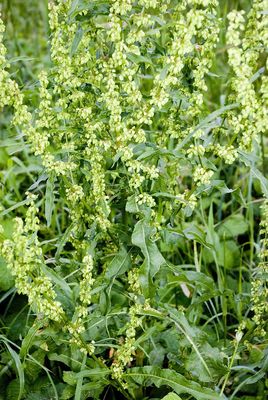 Curly dockRumex crispus
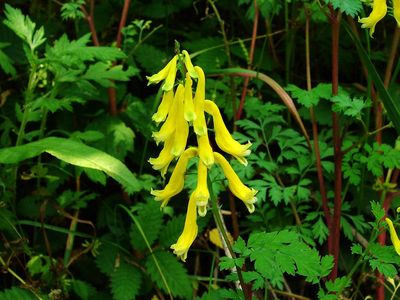 CorydalisCorydalis spp.
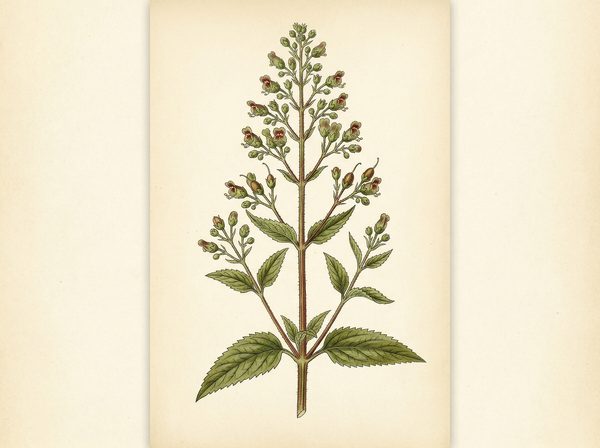 FigwortScrophularia nodosa
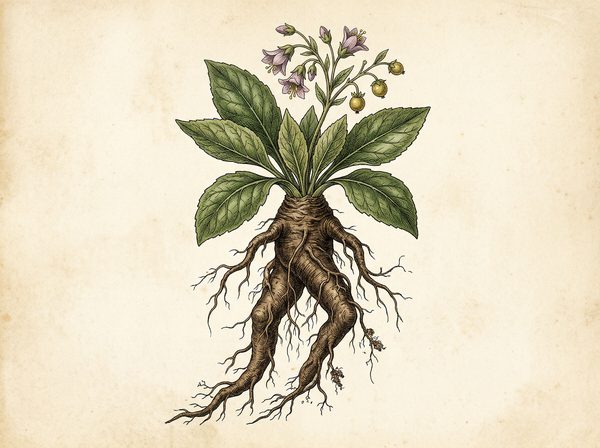 MandrakeMandragora officinarum
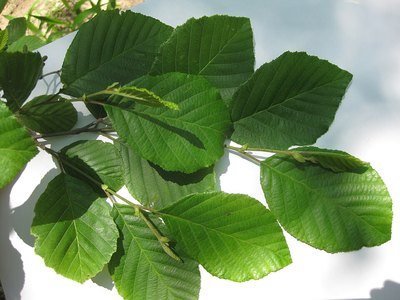 Tag AlderAlnus Serrulata
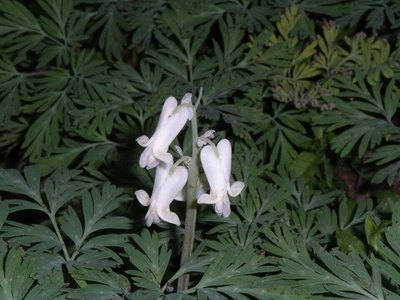 CorydalisDicentra canadensis
Nearby on the shelf
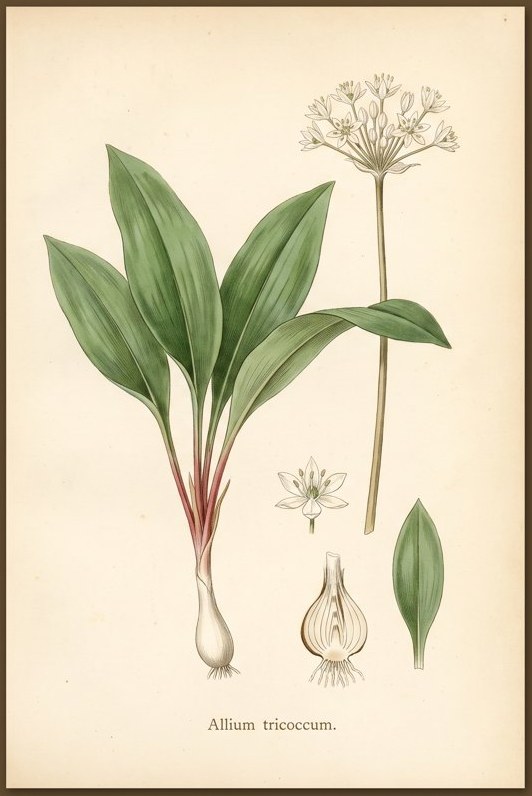 RampsAllium tricoccum
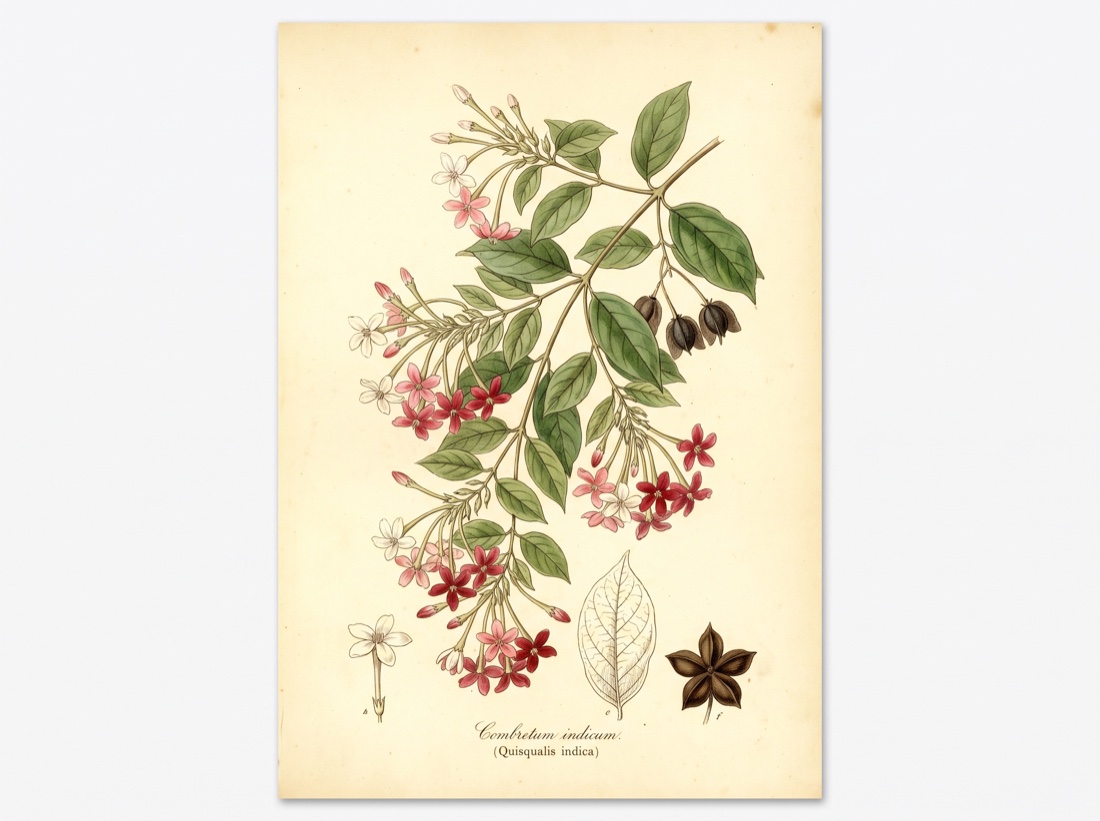 Rangoon creeperCombretum indicum
 RaspberryRubus ideas
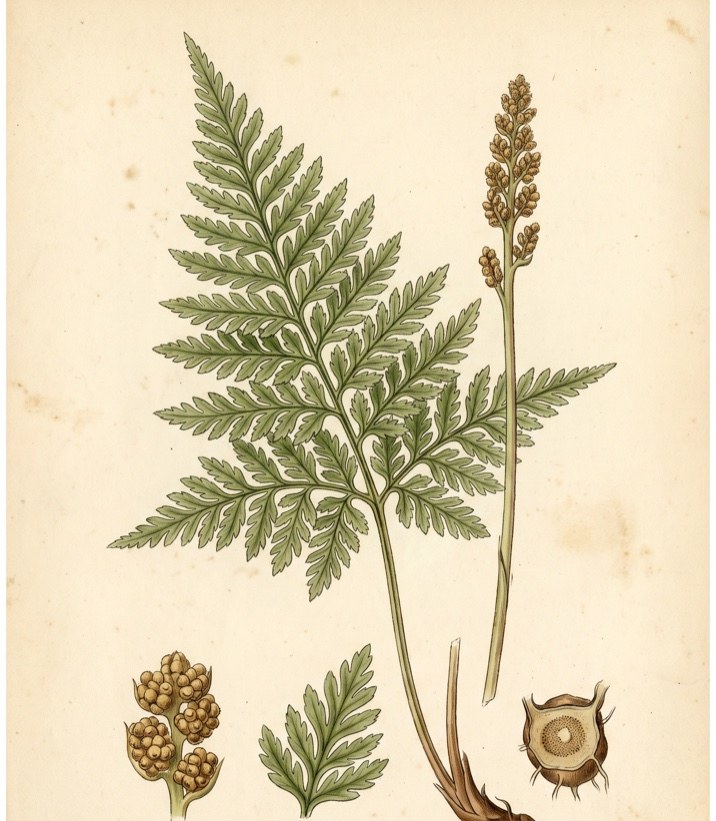 Rattlesnake fernBotrychium virginicum
 Red budCercis canadensis
 Red ChickweedAnagallis Arvensis
 Red cloverTrifolium pratense
 Red mulberryMorus Rubra
The whole plate is in the library. The compass, Compare, the Sky of eleven hundred plants and the formulary open with an email address and a password, free, with the formula builder and its safety engine. Herbert without limit, his formulating, clients, the handouts and the labels are the paid room.
Open the library, free