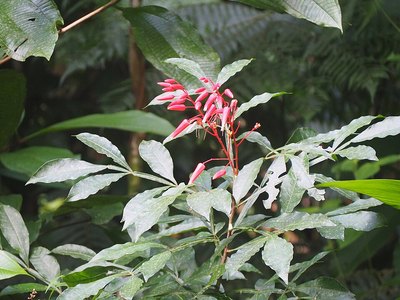
Western Herbalism
Quassia
Quassia amara
Also known as Bitterwood, Amargo, Bitter ash, Surinam quassia, Simaruba Excelsa, Quassia Wood, Bitter Wood, etc.
Quassia amara is a small tree native to Central America and northern South America, whose intensely bitter heartwood has long been used in the Caribbean and Latin America both as a tonic bitter and as a folk insecticide. Eclectic and earlier European physicians prized it as one of the purest bitters available, largely free of astringency, making it useful where a clean stimulus to appetite and digestion was wanted without additional tannic effect. The wood is typically prepared as a cold infusion, tincture, or fluid extract, and quassin, its principal bitter constituent, remains a reference standard for bitterness in pharmacognosy.

Ask Herbert about Quassia. Herbert is the master herbalist inside Bountiful Herbs: he answers from this plate and eleven hundred others, with dosing, pairing and cautions. Your first ten questions are free.
Ask HerbertActions
Indications what the tradition reached for it in
- Anorexia
- Dyspepsia with poor appetite
- Atonic constipation
- Intestinal worms, especially pinworm
- Sluggish digestion in convalescence
- Head lice (topical)
- Threadworm in children
- General debility with poor digestive tone
Specific indications
Poor appetite and weak digestion in a debilitated patient who needs a simple bitter to restart the digestive reflex before food is tolerated
Pinworm or threadworm infestation in children, given as a mild enema or oral infusion where gentler anthelmintics are preferred
Safety
Low dose botanical. Used in drop doses in the classical practice; not a plant to dose freely.
Pregnancy: Not rated in modern safety handbooks; traditional caution suggests avoiding therapeutic doses in pregnancy given lack of safety data.
Breastfeeding: Not rated in modern safety handbooks; avoid therapeutic use during lactation pending safety data.
The record lists 4 contraindications; open the plate in the library to read them in full.
In practice
Quassia is one of the cleanest bitters in the old materia medica: pour cold water over shaved wood or chips and let it stand, and the resulting infusion is bitter but not astringent, gentle enough for a weak or convalescent stomach.
Dosing as the sources wrote it
| Preparation | As written | Metric |
|---|---|---|
| Cold infusion | 1-2 g wood chips steeped in 150 mL cold water for several hours, taken in divided doses before meals | 1000-2000 mg |
| Tincture (1:5, 45%) | 1-2 mL three times daily before meals | 1-2 mL |
| Fluid extract (1:1) | 0.5-2 mL daily, divided doses | 0.5-2 mL |
| Dose, one-third of a grain. | 64.8-64.8 mg | |
| Extractum Quassiae Fluidum, Fluid Extract of Quassia | Dose, from ten minims to one dram. | 3888 mg |
| Tinctura Quassiae, Tincture of Quassia | Dose, from one-half dram to one dram. | 1944-3888 mg |
Doses are reproduced from the sources for practitioners and are not a recommendation for any person.
From the sources
Overview. Quassia amara is a small tree native to Central America and northern South America, whose intensely bitter heartwood has long been used in the Caribbean and Latin America both as a tonic bitter and as a folk insecticide. Eclectic and earlier European physicians prized it as one of the purest bitters available, largely free of astringency, making it useful where a clean stimulus to appetite and digestion was wanted without additional tannic effect. The wood is typically prepared as a cold infusion, tincture, or fluid extract, and quassin, its principal bitter constituent, remains a reference standard for bitterness in pharmacognosy.
Clinical Notes. Quassia is one of the cleanest bitters in the old materia medica: pour cold water over shaved wood or chips and let it stand, and the resulting infusion is bitter but not astringent, gentle enough for a weak or convalescent stomach.
Action and Therapy. Quassia is a bitter stomachic and tonic. A cold infusion (1 to 100 of cold water) used as an injection is one of the most useful agents to remove ascarides. An acidulated infusion may be employed to lessen the craving for alcoholics.
Therapy. It is one of the best of what is known as “stomach bitters.” In debility of the stomach or intestinal structures, and inactivity of the secreting organs, the tonic effects of this agent are most pronounced.
Drawn from King's American Dispensatory, 18th edition (Felter and Lloyd); Ellingwood's American Materia Medica, Therapeutics and Pharmacognosy; Felter's Eclectic Materia Medica, Pharmacology and Therapeutics, and the Bountiful Herbs editorial.
Often paired with
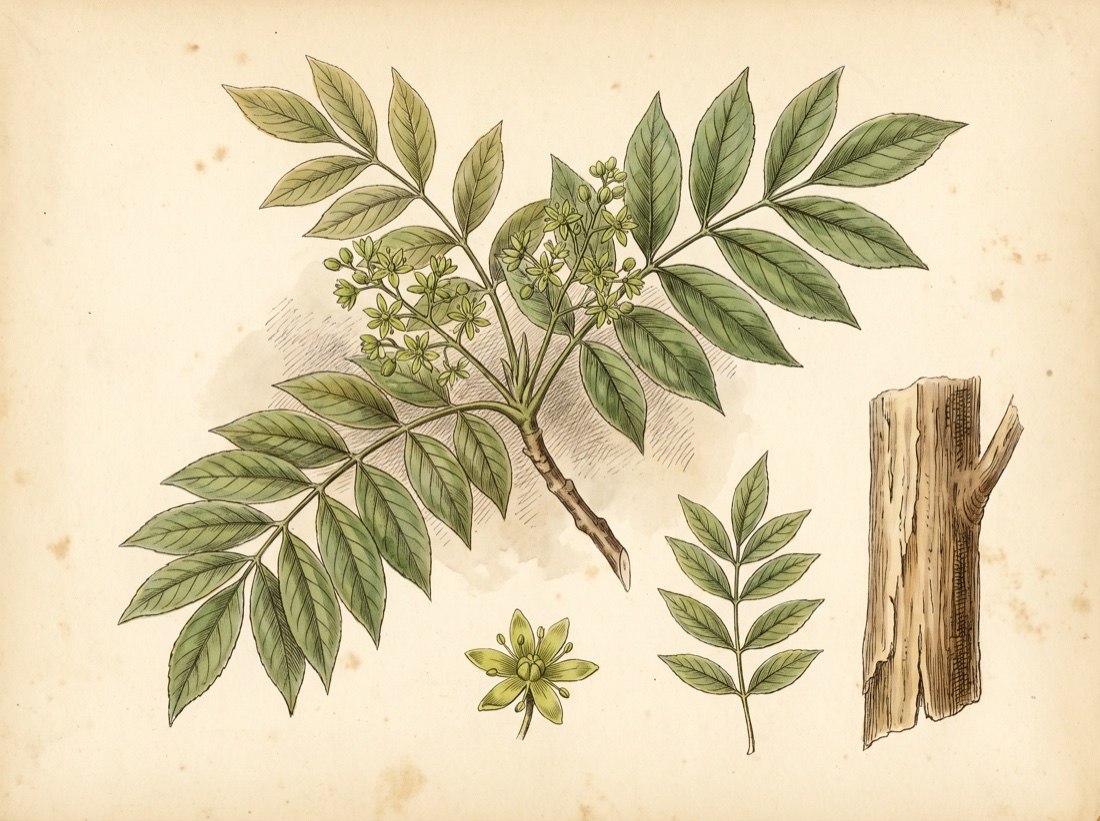 BitterwoodPicrasma excelsa
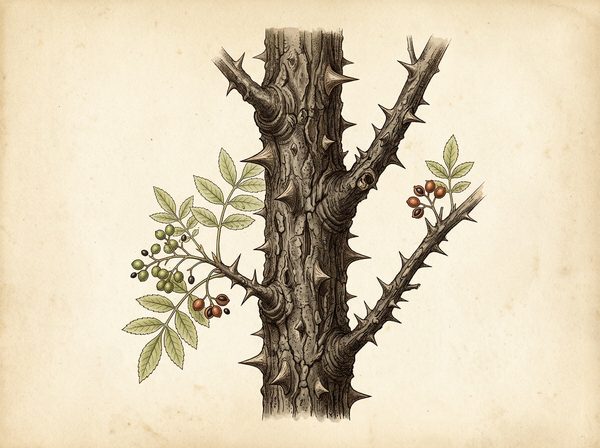 Prickly AshZanthoxylum americanum
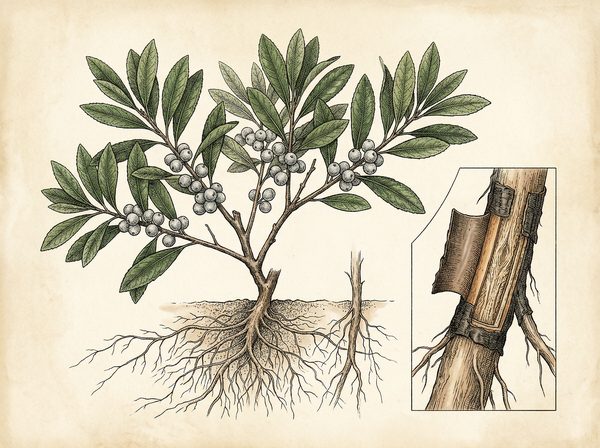 BayberryMyrica cerifera
 Nux VomicaStrychnos nux-vomica
 Blue cohoshCaulophyllum thalictroides
 Culver's rootVeronicastrum virginicum
Nearby on the shelf
 Purple loosestrifeLythrum
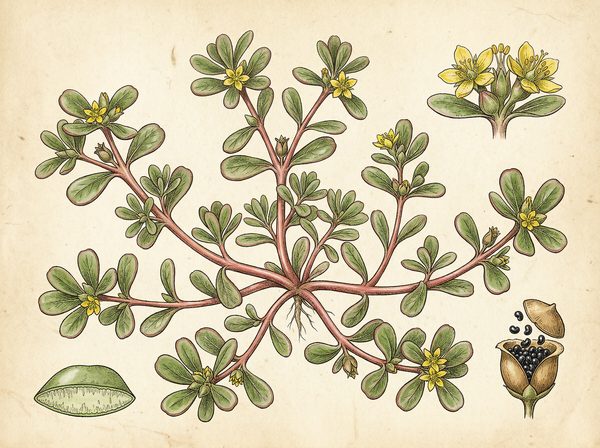 PurslanePortulaca oleracea
 PygeumPrunus africana
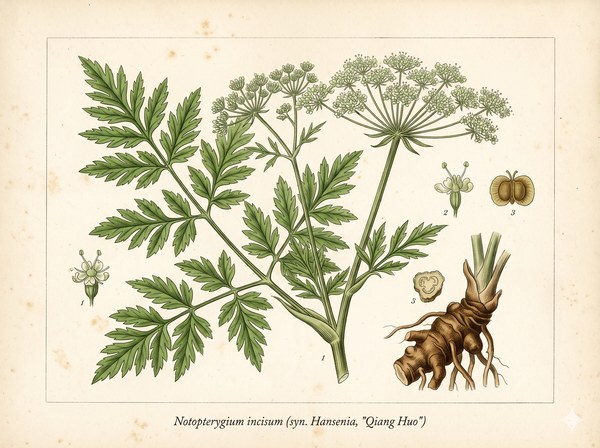 Qiang HuoNotopterygium incisum
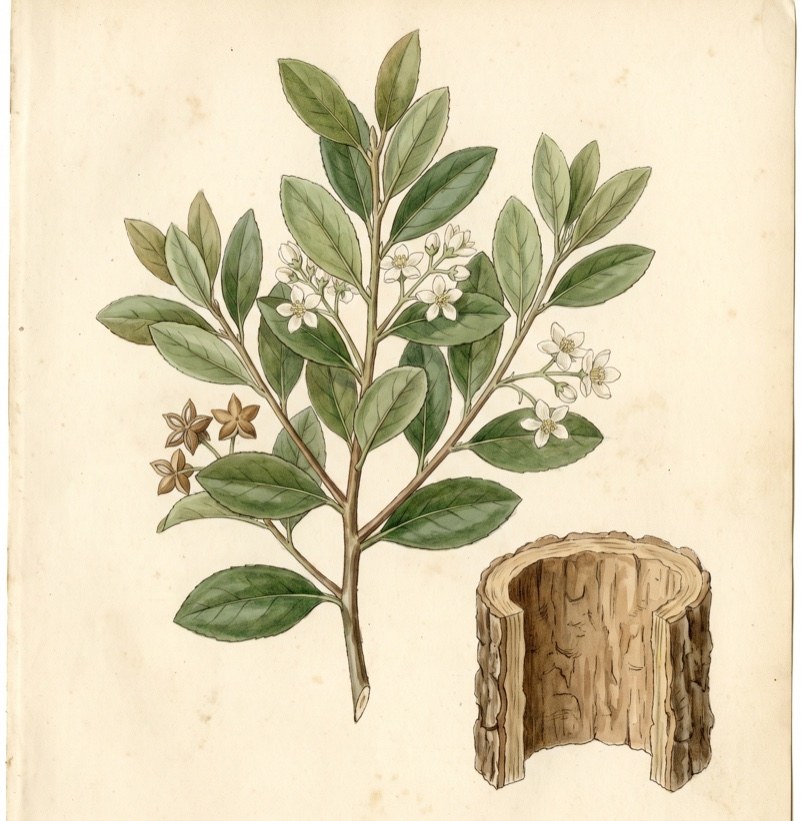 QuillajaQuillaja
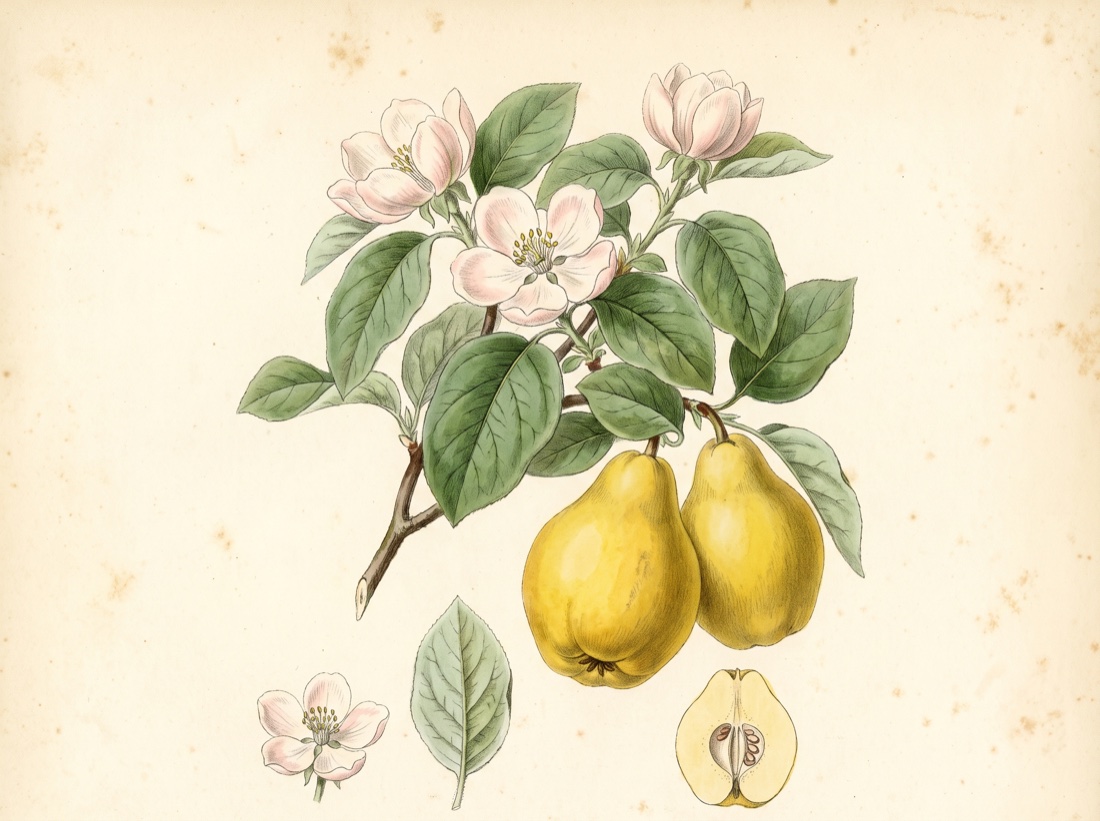 QuinceCydonium vulgaris
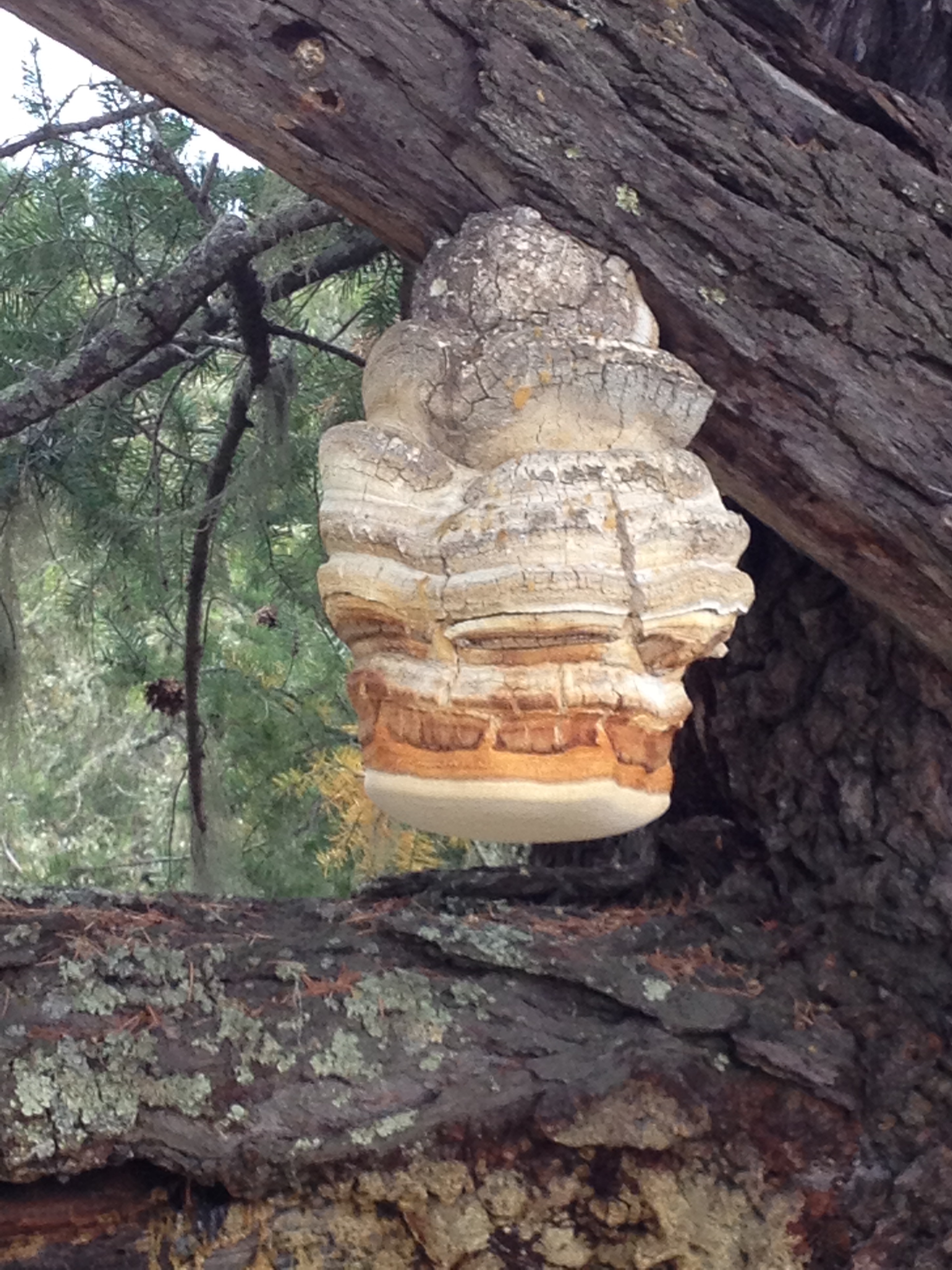 Quinine conkBoletus laricis
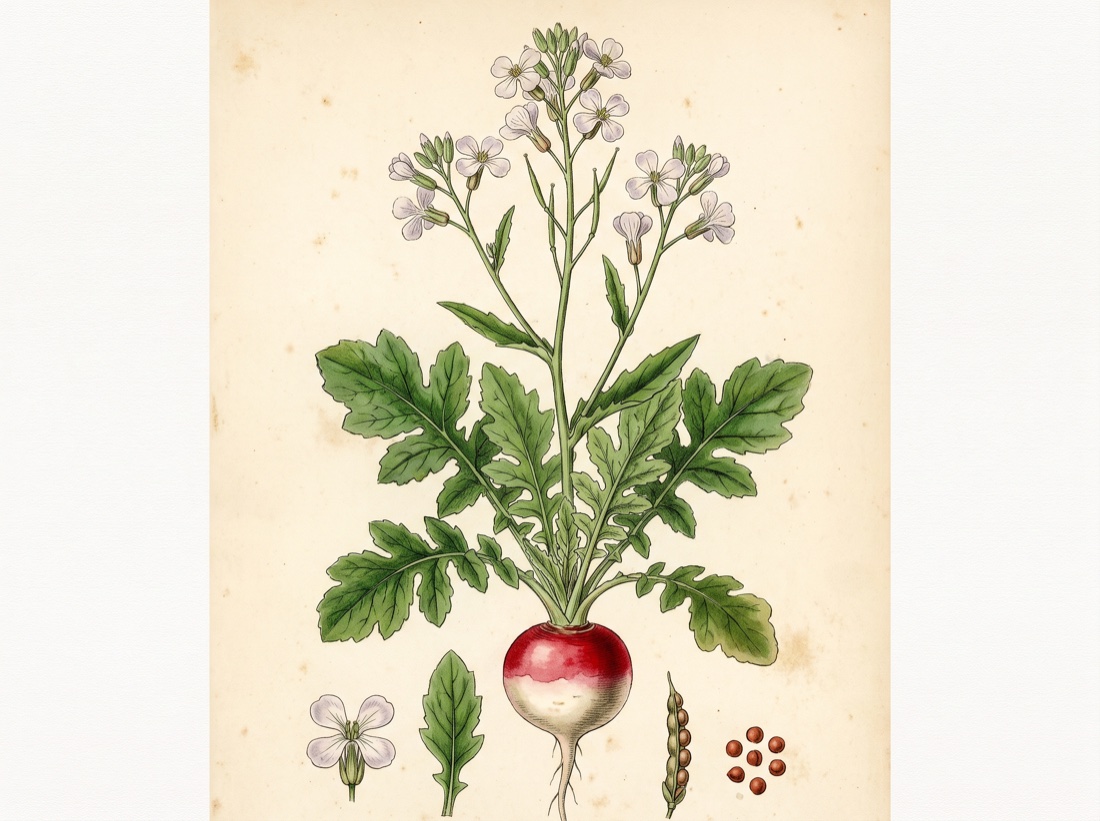 Radish seedRaphanus sativus
The whole plate is in the library. The compass, Compare, the Sky of eleven hundred plants and the formulary open with an email address and a password, free, with the formula builder and its safety engine. Herbert without limit, his formulating, clients, the handouts and the labels are the paid room.
Open the library, free