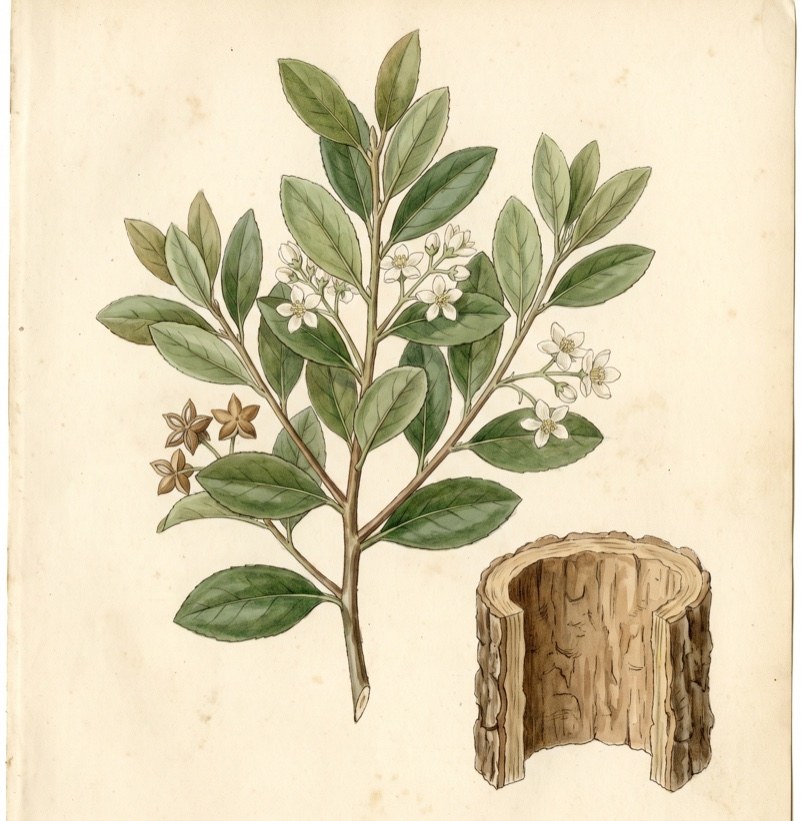
Western Herbalism
Quillaja
Quillaja
Also known as Soap bark, Soap-tree bark, Quillaia, Panama bark, Murillo bark, AND SYNONYM: Soap-tree bark, Soap bark; Quillaia (Pharm, 1880).
Quillaja is a large evergreen tree native to the temperate forests of central Chile and Peru, long valued for the saponin-rich inner bark that lathers readily in water, giving it the common name soap bark. Eclectic physicians used a tincture and fluid extract of the bark chiefly as a reflex expectorant for dry, unproductive coughs, and pharmacists used the bark and its saponin extract as a foaming and emulsifying agent in syrups and other galenicals. The bark remains widely used today as a natural surfactant in cosmetics, shampoos, and beverages, and its purified saponins (notably QS-21) are of considerable interest as vaccine adjuvants.

Ask Herbert about Quillaja. Herbert is the master herbalist inside Bountiful Herbs: he answers from this plate and eleven hundred others, with dosing, pairing and cautions. Your first ten questions are free.
Ask HerbertActions
Indications what the tradition reached for it in
- Chronic bronchitis with thick mucus
- Unproductive cough
- Dry, tenacious sputum
- Chronic catarrh of the respiratory tract
- Dandruff and oily scalp (external)
- Seborrheic dermatitis (external wash)
- As a pharmaceutic foaming/emulsifying agent in cough syrups
- Adjuvant use in topical hair and skin cleansing preparations
Specific indications
Persistent, dry, irritative cough with scanty, sticky sputum that will not loosen
Oily scalp with dandruff where a mild saponin-rich wash is used externally to cleanse without harsh detergents
Safety
Low dose botanical. Used in drop doses in the classical practice; not a plant to dose freely.
Pregnancy: Avoid internal use in pregnancy given the irritant, hemolytic saponin content and lack of safety data.
Breastfeeding: Avoid internal use during lactation due to insufficient safety data and gastrointestinal irritant potential.
The record lists 6 contraindications; open the plate in the library to read them in full.
In practice
In eclectic and early physiomedical practice, small doses of quillaja tincture were given for chronic bronchial catarrh with thick, tenacious mucus that resisted expectoration, on the theory that the saponin content acted reflexively on the bronchial mucosa to stimulate secretion and loosen sputum, much as senega or ipecacuanha do in higher doses.
Dosing as the sources wrote it
| Preparation | As written | Metric |
|---|---|---|
| Tincture of soap bark (1:5 or similar, historical) | 0.06-1.2 mL (1-20 minims) as needed, well diluted | 0.06-1.2 mL |
| Fluid extract (historical eclectic dosing) | 0.1-0.5 mL diluted in water, up to three times daily | 0.1-0.5 mL |
| External wash/shampoo (bark decoction or extract) | As a topical wash, diluted per product, not for internal use | |
| infusion | Dose of infusion (bark℥ss to water Oj), ½ to 1 ounce, several times a day; of the syrup, flʒi to flʒij. | 15552-31103 mg |
Doses are reproduced from the sources for practitioners and are not a recommendation for any person.
From the sources
Overview. Quillaja is a large evergreen tree native to the temperate forests of central Chile and Peru, long valued for the saponin-rich inner bark that lathers readily in water, giving it the common name soap bark. Eclectic physicians used a tincture and fluid extract of the bark chiefly as a reflex expectorant for dry, unproductive coughs, and pharmacists used the bark and its saponin extract as a foaming and emulsifying agent in syrups and other galenicals. The bark remains widely used today as a natural surfactant in cosmetics, shampoos, and beverages, and its purified saponins (notably QS-21) are of considerable interest as vaccine adjuvants.
Clinical Notes. In eclectic and early physiomedical practice, small doses of quillaja tincture were given for chronic bronchial catarrh with thick, tenacious mucus that resisted expectoration, on the theory that the saponin content acted reflexively on the bronchial mucosa to stimulate secretion and loosen sputum, much as senega or ipecacuanha do in higher doses.
Drawn from King's American Dispensatory, 18th edition (Felter and Lloyd), and the Bountiful Herbs editorial.
Often paired with
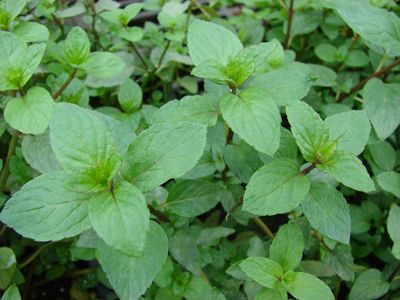 PeppermintMentha piperita
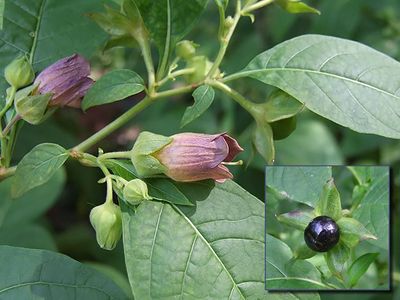 Deadly nightshadeAtropa belladonna
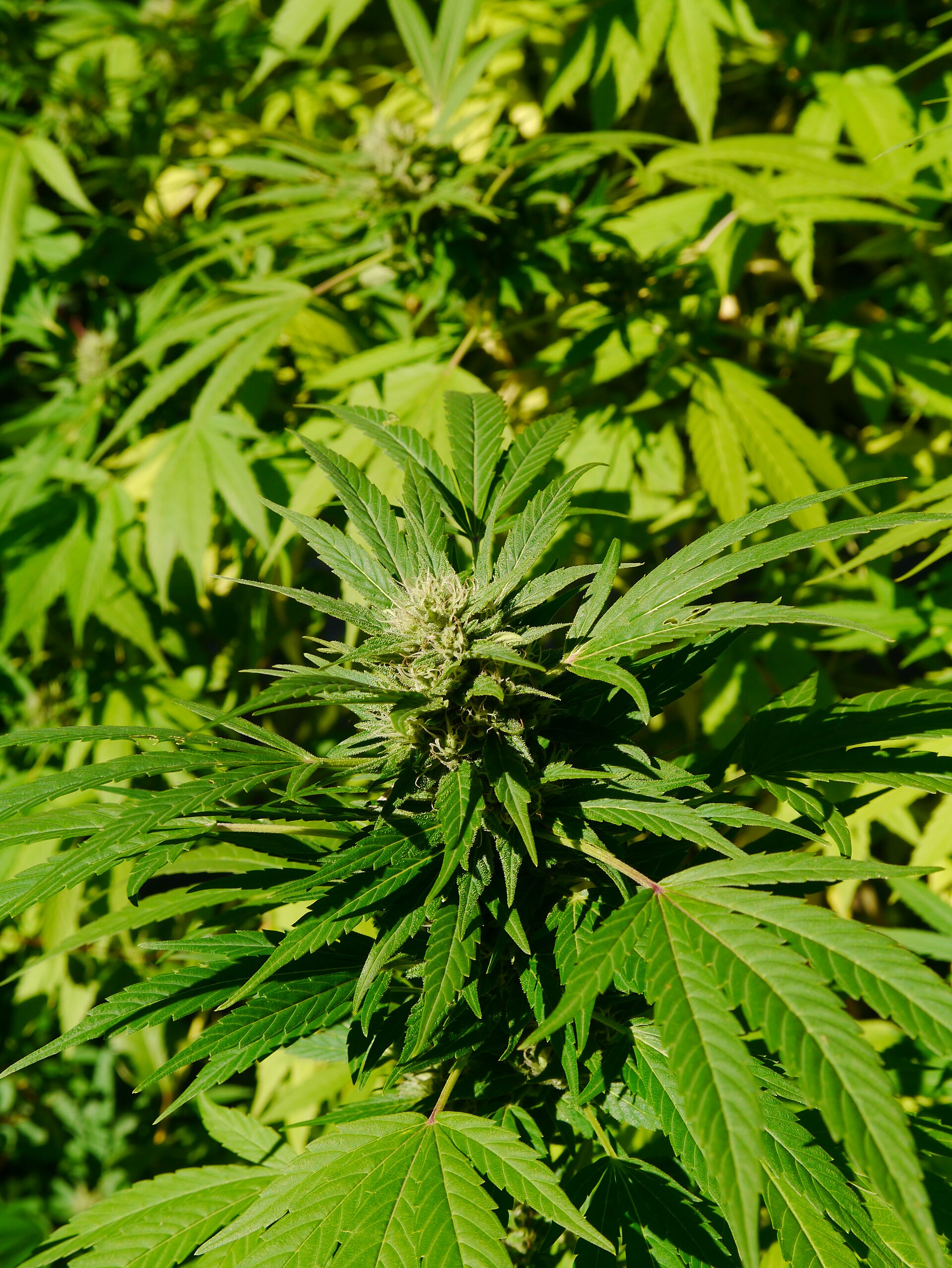 MarijuanaCannabis sativa
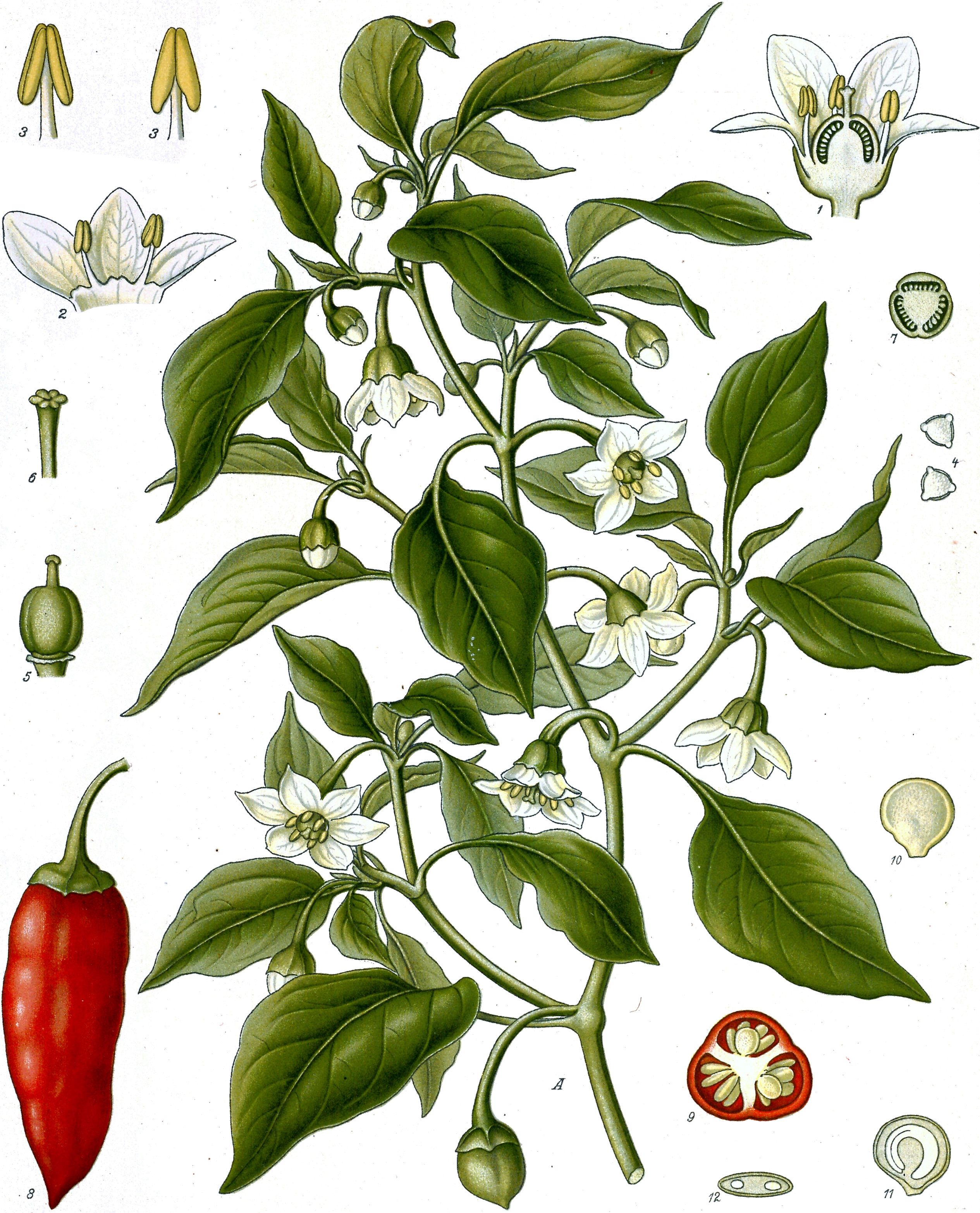 CayenneCapsicum frutescens
 Licorice rootGlycyrrhiza glabra
 Opium poppyPapaver somniferum
Nearby on the shelf
 PurslanePortulaca oleracea
 PygeumPrunus africana
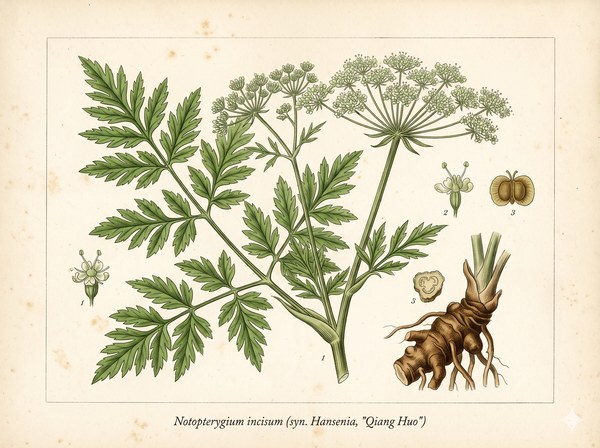 Qiang HuoNotopterygium incisum
 QuassiaQuassia amara
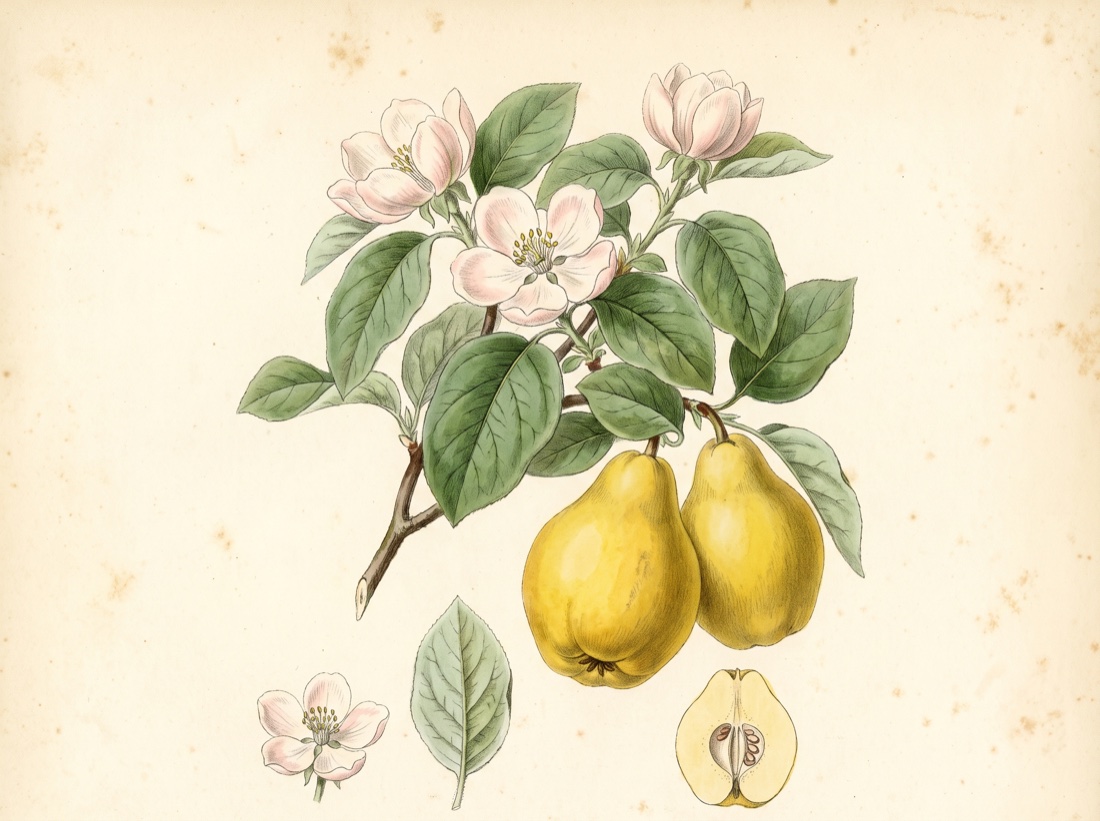 QuinceCydonium vulgaris
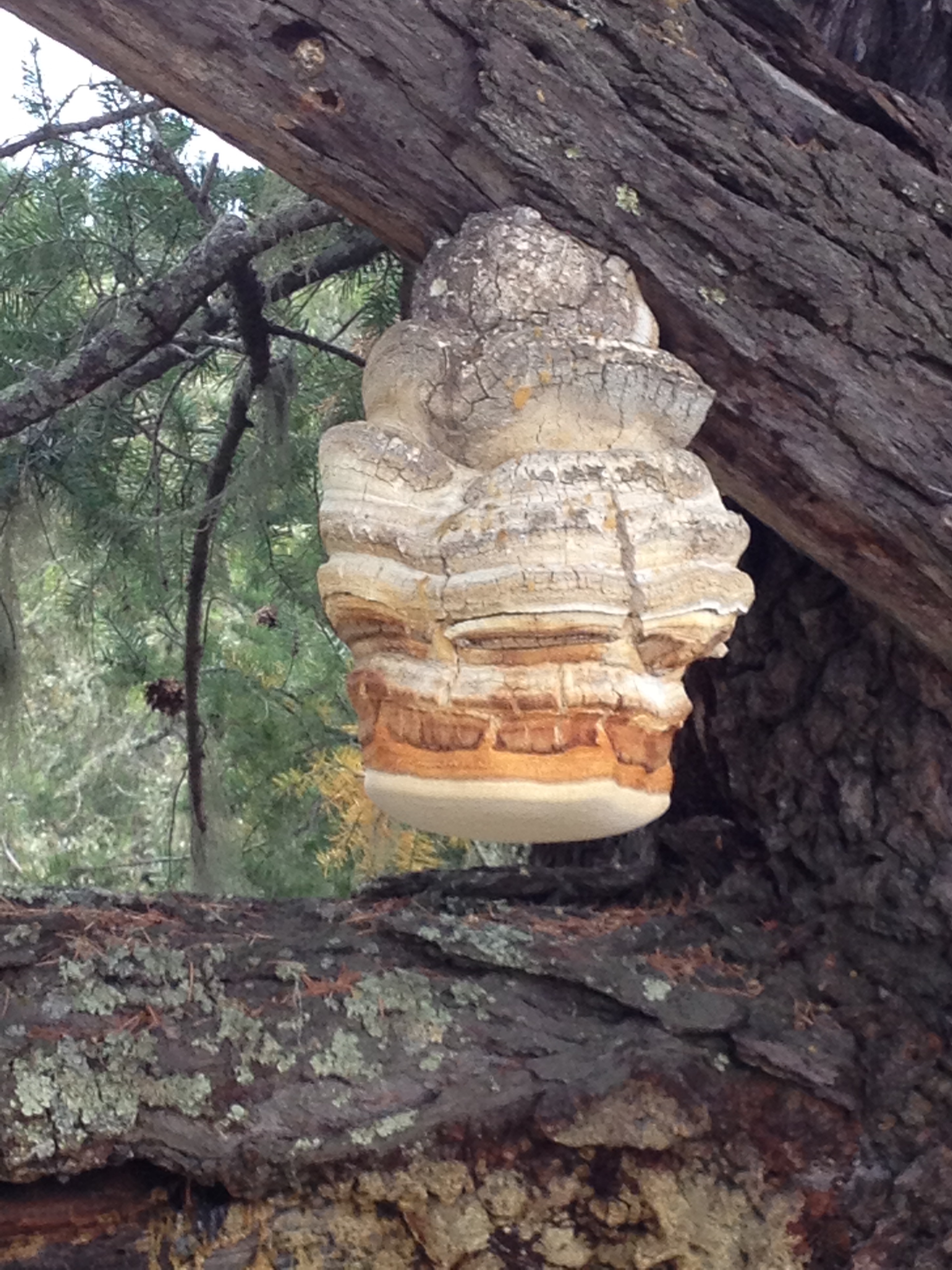 Quinine conkBoletus laricis
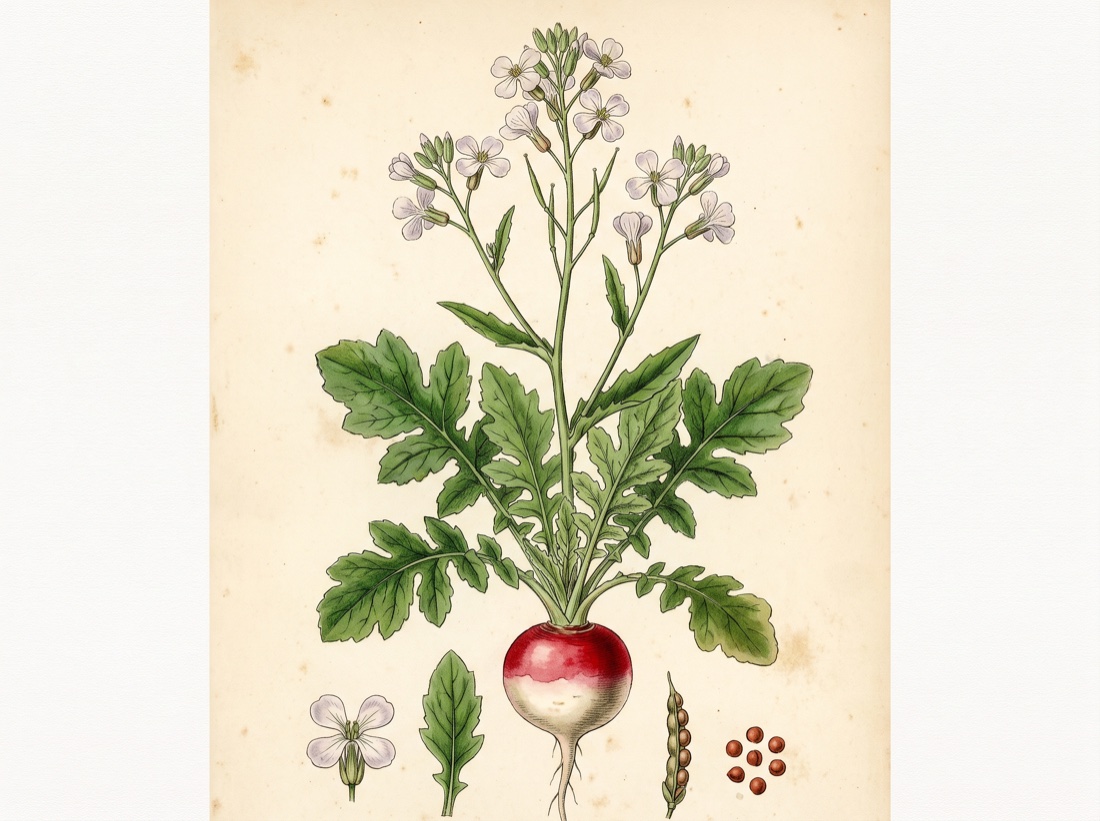 Radish seedRaphanus sativus
 RagweedAmbrosia artemisiaefolia
The whole plate is in the library. The compass, Compare, the Sky of eleven hundred plants and the formulary open with an email address and a password, free, with the formula builder and its safety engine. Herbert without limit, his formulating, clients, the handouts and the labels are the paid room.
Open the library, free