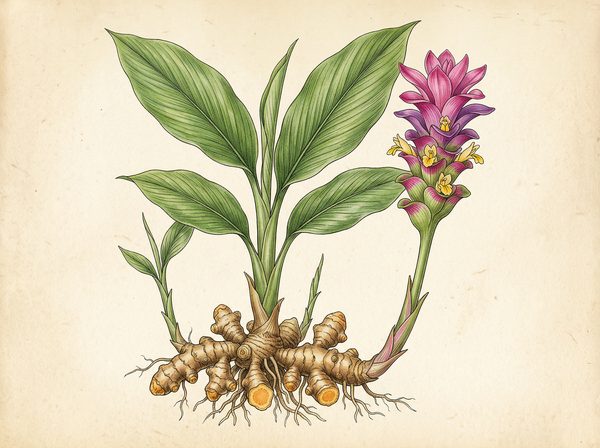
Chinese and Ayurvedic herbalism
Zedoary
Curcuma zedoaria
Also known as white turmeric, wild turmeric, kachur, Karchura, Shati (shared with Hedychium in some texts), Dravida.
Curcuma zedoaria is a stout rhizomatous herb of the ginger family with large leaves marked by a purple midrib and pale yellow flowers in a cone of pink bracts. Native to India and Indonesia, it is cultivated and half wild in the wetter parts of eastern and southern India, Bengal, Assam, Kerala and Sri Lanka. The rhizome, camphoraceous and bitter, is the Karchura of Ayurveda, an aromatic digestive and expectorant for kapha, a topical for swellings and skin, and, as a washed starch, a convalescent food. It is a cousin of turmeric and is also used in Chinese medicine to move blood.

Ask Herbert about Zedoary. Herbert is the master herbalist inside Bountiful Herbs: he answers from this plate and eleven hundred others, with dosing, pairing and cautions. Your first ten questions are free.
Ask HerbertActions
Indications what the tradition reached for it in
- Flatulent dyspepsia with heaviness after meals
- Colic and abdominal cramping
- Cough with thick sputum
- Bronchial asthma of kapha type (adjunct)
- Hiccup and nausea
- Loss of appetite in convalescence (starch as food)
- Sprains, bruises and swellings (paste, topical)
- Skin eruptions, itching and fungal patches (topical)
- Mouth ulcers and bad breath (rinse)
- Amenorrhea with cold and stagnation (traditional)
- Intestinal worms in children (fresh juice, traditional)
- Seizures
- Colic
- Indigestion
- Chest/abdominal pain from Qi stagnation/food stagnation
- Ascites
- Griping
- Flatulence
- Intestinal worms
- Joint pain
- Constipation
- Rhinitis
- Dysuria
- Spleen enlargement
- Asthma
- Dyspepsia
- Hysteria
- Cancer (uterus)
- Abdominal tumors
- Loss of appetite
Specific indications
A cold, sluggish kapha patient with gas, bloating and a heavy chest after rich food, for the powder with honey before meals
A child with a rattling wet cough and no appetite, for a small dose of the aromatic powder with honey
A sprained ankle or a hot bruise that needs to be warmed and moved, for the fresh rhizome paste bound over it
Convalescence from fever or dysentery with weak digestion, for the bland rhizome starch as a first food
Safety
Pregnancy: Avoid medicinal doses in pregnancy: the rhizome is heating, moves blood and is a traditional emmenagogue, and the related Chinese use is contraindicated in pregnancy; no safety class is stated here with confidence.
Breastfeeding: Lactation (source flag notSafeInLactation)
The record lists 8 contraindications; open the plate in the library to read them in full.
In practice
The Ayurvedic physician uses Karchura as a sharp aromatic for kapha in the chest and gut. The powder with honey is given for cough with sticky mucus, hiccup, bloating and colic, often alongside Pippali, Shati (Hedychium) and Vasa for the chest or with Hingu and Shunthi for the abdomen.
In Ayurveda
Rasa: katu (pungent), tikta (bitter). Virya: ushna (heating). Vipaka: katu (pungent). Guna: laghu (light), tikshna (sharp), ruksha (dry). Dosha: pacifies kapha and vata; aggravates pitta in excess. Karma: deepana (kindles digestion); pachana (digestive of ama); kaphahara (reduces kapha); kasahara (relieves cough); shvasahara (relieves dyspnea); shothahara (reduces swelling); mukhashodhana (cleans the mouth); vranaropana (heals wounds); vishaghna (counters poison); arshoghna (relieves hemorrhoids); artavajanana (promotes menstruation). Classical indications: kasa (cough); shvasa (asthma, dyspnea); hikka (hiccup); agnimandya (weak digestion); ajirna (indigestion); shula (colic); arsha (hemorrhoids); kushtha (skin diseases); vrana (wounds); mukharoga (mouth disorders); gulma (abdominal mass); visha (poisoning). The dried rhizome is used as a fine churna with honey for cough and digestion, as a decoction in compound kwathas for respiratory and abdominal complaints, as fresh juice for colic and worms in children, and as a paste on wounds, sprains and skin eruptions. The starch of the rhizome is a bland food for convalescents and infants. Classical formulations: Karchura churna, Karchuradi kwatha, Karchura lepa (topical paste), Kachora starch (Shoti starch, convalescent food), Regional compound powders for kasa and shvasa. Described in: Charaka Samhita, Sushruta Samhita, Bhavaprakasha Nighantu, Dhanvantari Nighantu, Raja Nighantu, Kaiyadeva Nighantu, Ayurvedic Pharmacopoeia of India.
Dosing as the sources wrote it
| Preparation | As written | Metric |
|---|---|---|
| Churna | 1-3 g powdered rhizome twice daily with honey or warm water | 1000-3000 mg |
| Kwatha | 50-100 mL decoction twice daily | 50-100 mL |
| Swarasa | 5-10 mL fresh rhizome juice daily for adults | 5-10 mL |
| Lepa, topical | 10-20 g fresh rhizome paste applied to sprains, bruises or skin eruptions | 10000-20000 mg |
| Starch | 10-20 g rhizome starch cooked as gruel for convalescents | 10000-20000 mg |
| Powder | Powder 1-3 g | 1000-3000 mg |
Doses are reproduced from the sources for practitioners and are not a recommendation for any person.
From the sources
Overview. Curcuma zedoaria is a stout rhizomatous herb of the ginger family with large leaves marked by a purple midrib and pale yellow flowers in a cone of pink bracts. Native to India and Indonesia, it is cultivated and half wild in the wetter parts of eastern and southern India, Bengal, Assam, Kerala and Sri Lanka. The rhizome, camphoraceous and bitter, is the Karchura of Ayurveda, an aromatic digestive and expectorant for kapha, a topical for swellings and skin, and, as a washed starch, a convalescent food. It is a cousin of turmeric and is also used in Chinese medicine to move blood.
Clinical Notes. The Ayurvedic physician uses Karchura as a sharp aromatic for kapha in the chest and gut. The powder with honey is given for cough with sticky mucus, hiccup, bloating and colic, often alongside Pippali, Shati (Hedychium) and Vasa for the chest or with Hingu and Shunthi for the abdomen.
primary-actions. Zedoary acts primarily as: Carminative, Emmenagogue, Digestive tonic, Anti-inflammatory, Antineoplastic. Secondary actions include Antimicrobial, Analgesic, Anthelmintic, Expectorant.
indications. Zedoary is traditionally indicated for: Seizures, Colic, Indigestion, Chest/abdominal pain from Qi stagnation/food stagnation, Ascites, Griping, Flatulence, Intestinal worms, Joint pain, Constipation, Rhinitis, Dysuria, Spleen enlargement, Asthma, Dyspepsia, and 37 further conditions.
In formulas
Zedoary stands in 5 documented formulas in the library, among them Karpūrādyarka, Dādhika Ghṛta, Ārdraka Khaṇḍa Avaleha, Aśvagandhādi Cūrṇa.
Often paired with
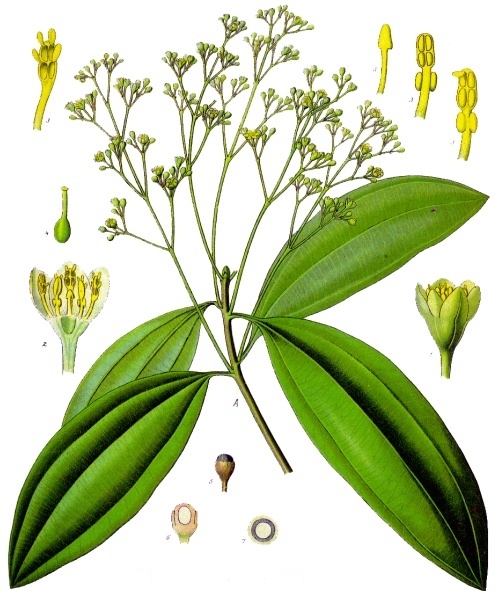 Indian bay leafCinnamomum tamala
 nut grassCyperus rotundus
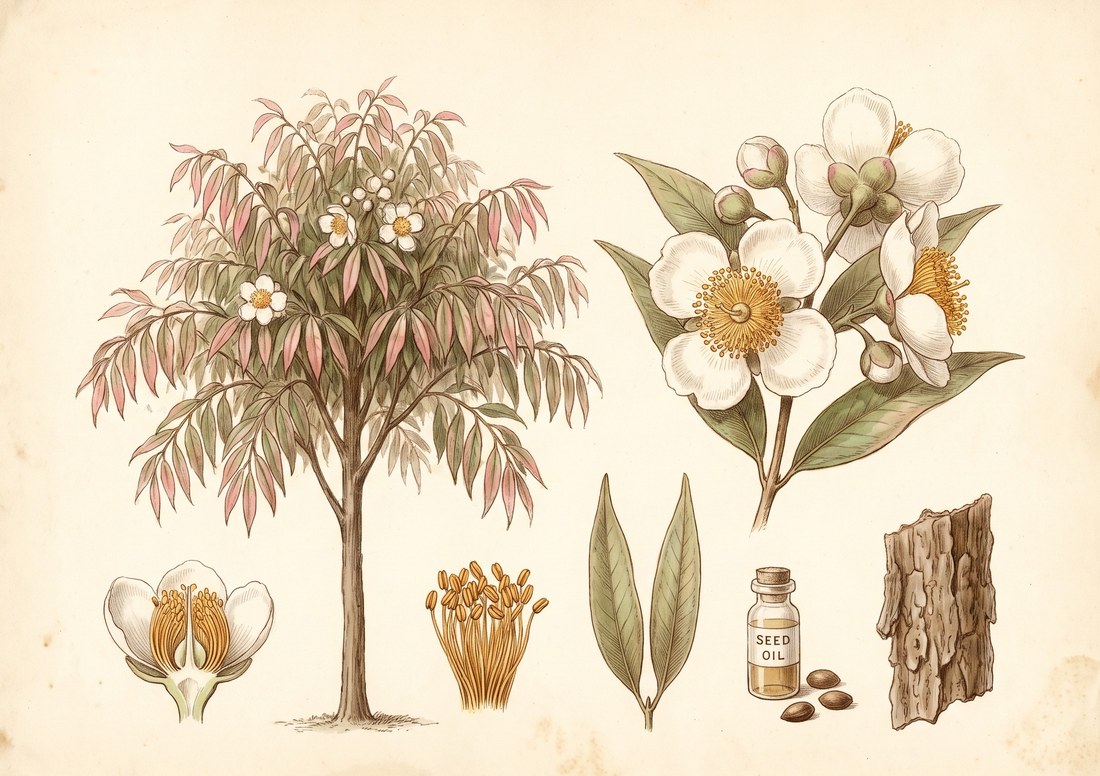 Ceylon ironwoodMesua ferrea
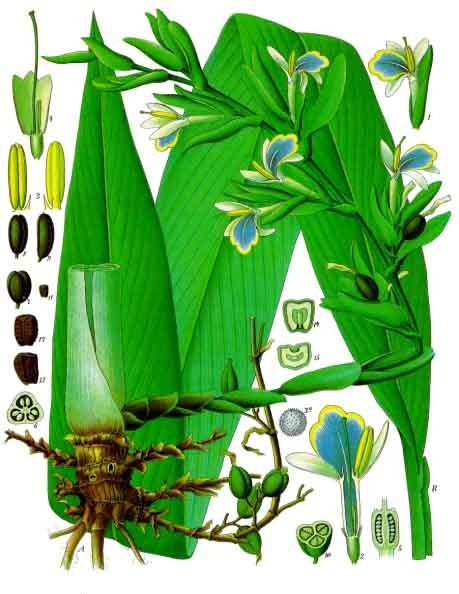 cardamomElettaria cardamomum
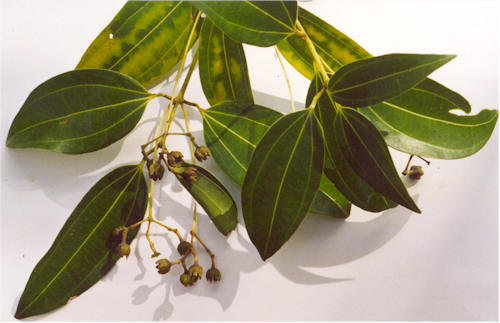 Ceylon cinnamonCinnamomum zeylanicum
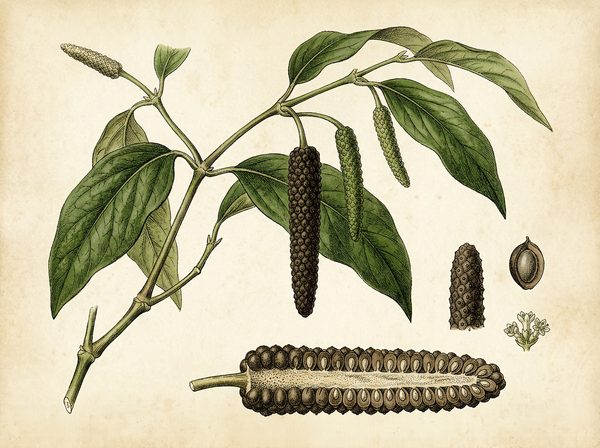 long pepperPiper longum
Nearby on the shelf
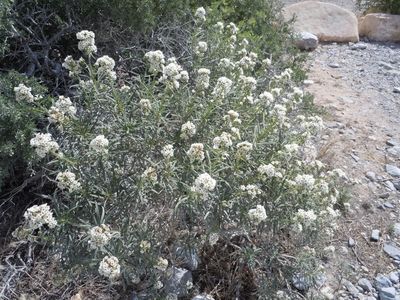 Yerba santaEriodictyon californicum
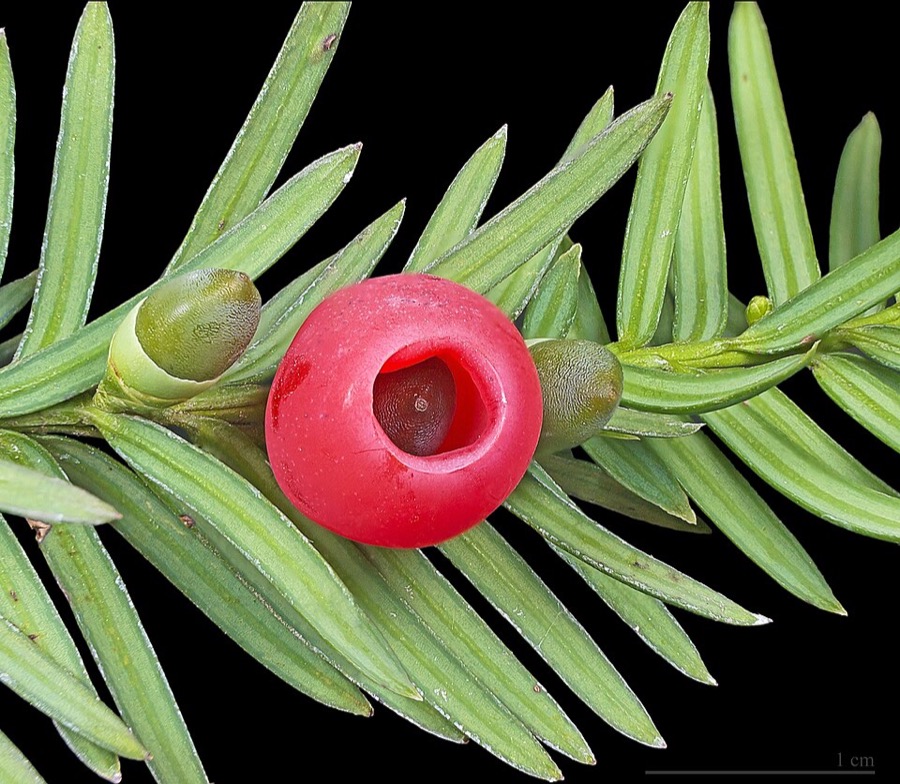 YewTaxus baccata
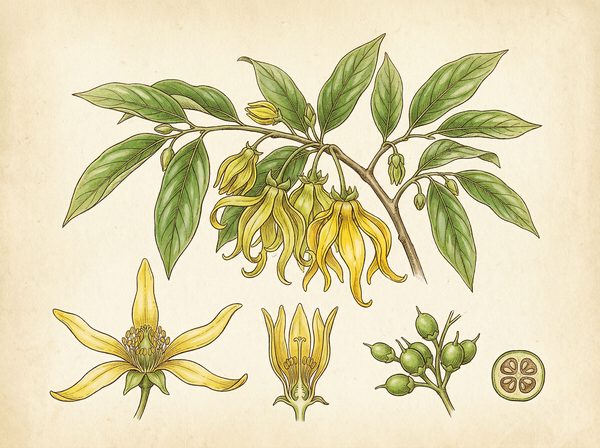 Ylang YlangCananga odorata
 YohimbePausinystalia johimbe
 Zhe Bei MuFritillaria thunbergii
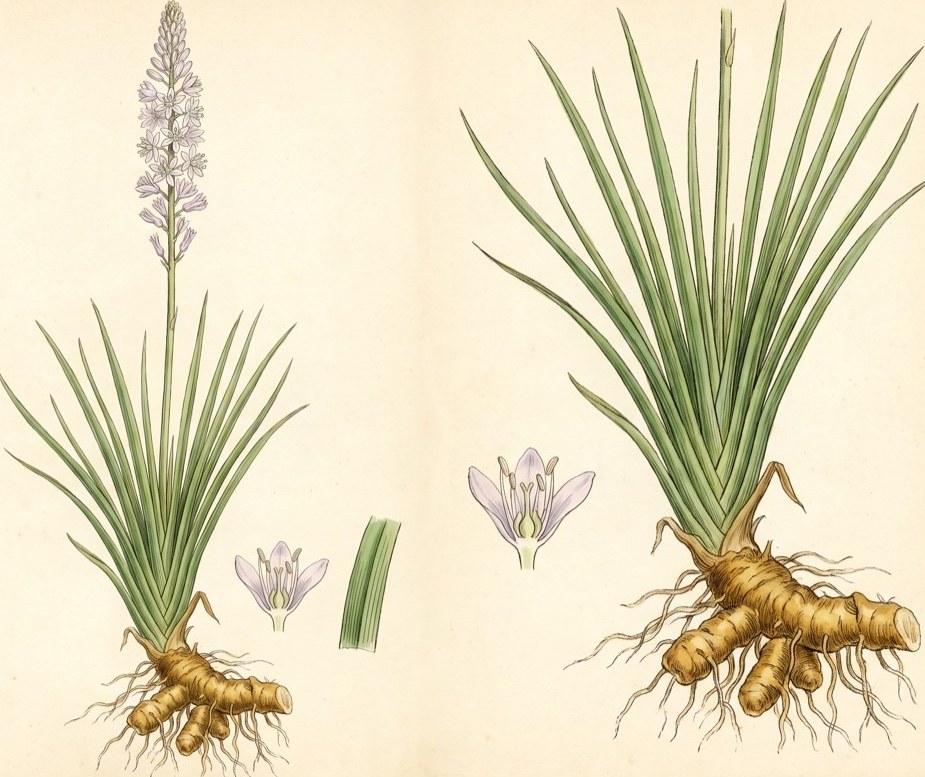 Zhi MuAnemarrhena asphodeloides
 Zhi ZiGardenia jasminoides
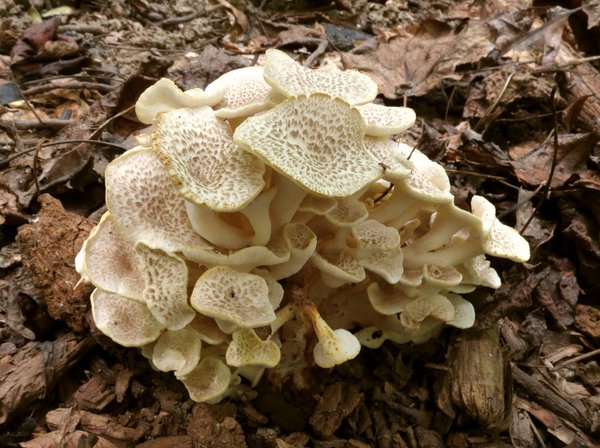 Zhu LingPolyporus umbellatus
The whole plate is in the library. The compass, Compare, the Sky of eleven hundred plants and the formulary open with an email address and a password, free, with the formula builder and its safety engine. Herbert without limit, his formulating, clients, the handouts and the labels are the paid room.
Open the library, free