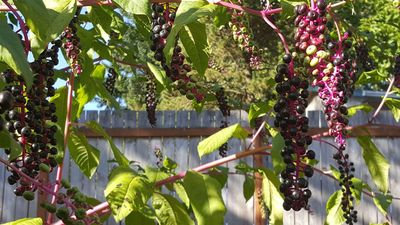
Western Herbalism
Poke root
Phytolacca americana
Also known as Poke weed, Poke, Pocan, Pokeberry, Pokeweed, Red Plant, Score, Garget.
Root=dried Berry is anti-rheumatic Plant is emetic w/o preparation Affinity for glands of throat, skin, lymph, buccal, tonsillar, nose, testes, ovaries Likely ineffective to treat rhuematoid arthritis Part of Turska's formula

Ask Herbert about Poke root. Herbert is the master herbalist inside Bountiful Herbs: he answers from this plate and eleven hundred others, with dosing, pairing and cautions. Your first ten questions are free.
Ask HerbertActions
Indications what the tradition reached for it in
- Cysts (ovarian)
- Tonsillitis
- Pharyngitis
- Orchitis
- Lymph nodes (hard, painful, enlarged)
- Cysts (breast)
- Mumps
- Abscess
- Lymphadenopathy (axillary)
- Lymphadenopathy (cervical)
- Mastitis
- Inflammation
- Chronic skin conditions
- Metabolic waste accumulation
- Immune weakness
- Recurrent infections
- Rheumatism
- Arthritis
- Joint pain
- Infection
- Respiratory catarrh
- Laryngitis
- Adenitis
- Skin infections (e
Safety
Recognised toxicity. This plant carries a toxicity flag in the record; it is for trained practitioners only.
Low dose botanical. Used in drop doses in the classical practice; not a plant to dose freely.
Pregnancy: Not safe. Phytolacca is contraindicated during pregnancy and nursing.
Pregnancy, our record's flag: Caution. Use with care in pregnancy (our record's flag)
Pregnancy, our record's flag: Not safe. Not for use in pregnancy (our record's flag)
Pregnancy, a modern clinical reference: Pokeroot is reputed to affect the menstrual cycle and is documented to exhibit uterine stimulant activity in animals; In view of this and the documented toxic effects, pokeroot should not be used during pregnancy and lactation
Pregnancy, published rating: Not safe. Has caused, or carries substantial risk of, fetal malformation or irreversible damage (Mills & Bone D)
Breastfeeding: Not safe. Phytolacca is contraindicated during pregnancy and nursing.
Breastfeeding, our record, read from the sentence: Caution. May use in breastfeeding patients for mastitis, but must be completely removed from breast before feeding
Breastfeeding, our record's flag: Not safe. Not for use while breastfeeding (our record's flag)
Breastfeeding, a modern clinical reference: In view of this and the documented toxic effects, pokeroot should not be used during pregnancy and lactation
Breastfeeding, published rating: Not safe. Contraindicated while breastfeeding (Mills & Bone X); Brinker notes: constituents potentially toxic to small children
The record lists 6 contraindications; open the plate in the library to read them in full.
Dosing as the sources wrote it
| Preparation | As written | Metric |
|---|---|---|
| Tincture (1:5) | 1-30 gtts TID, acute:10-30 gtts TID | |
| Topical oil | Apply w/ heat 2-6 x/day to enlarged lymph nodes | |
| Dried root 0.06-0.3 g as an decoction three times daily | 60-300 mg | |
| Liquid extract 0.1-0.5 mL (1:1 in 45% alcohol) three times daily. | 0.1-0.5 mL | |
| The dose may range from one to two fluid ounces three times a day | 29.57-59.15 mL | |
| Fluid Extract of Phytolacca Root | Dose, from five to thirty minims. | 0.308-1.85 mL |
Doses are reproduced from the sources for practitioners and are not a recommendation for any person.
From the sources
Clinical Notes. Root=dried Berry is anti-rheumatic Plant is emetic w/o preparation Affinity for glands of throat, skin, lymph, buccal, tonsillar, nose, testes, ovaries Likely ineffective to treat rhuematoid arthritis Part of Turska's formula
Therapy. External. A poultice of poke root has given relief to felons and mammary inflammation. If used early resolution may take place; if suppuration occurs it will hasten that process. Locke advised the specific medicine with glycerin (2 fluidrachms to 1 fluidounce) for external use in mammitis.
Therapy. This agent must now have especial attention in its influence in the treatment of acute inflammations of the throat. It makes but little difference what forms of throat disease we have, from the simplest forms of pharyngitis, through all the variations of tonsillitis, to the extreme forms of diphtheria, this remedy may be given in conjunction with other indicated agents.
Properties and Uses. The berries of this plant are relaxant, with a peculiar and not very unpleasant taste, and a slow action. Their chief power is expended on the glandular structures, mildly but persistently securing a better flow of saliva, urine, and perspiration, and freer action of the bowels.
Drawn from Cook's Physio-Medical Dispensatory; King's American Dispensatory, 18th edition (Felter and Lloyd); Ellingwood's American Materia Medica, Therapeutics and Pharmacognosy; Felter's Eclectic Materia Medica, Pharmacology and Therapeutics, and the Bountiful Herbs editorial.
Often paired with
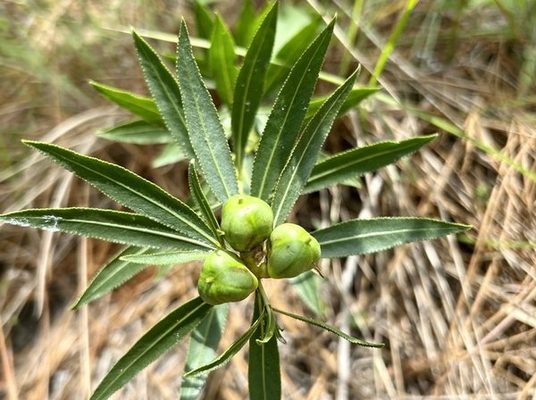 StillingiaStillingia sylvatica
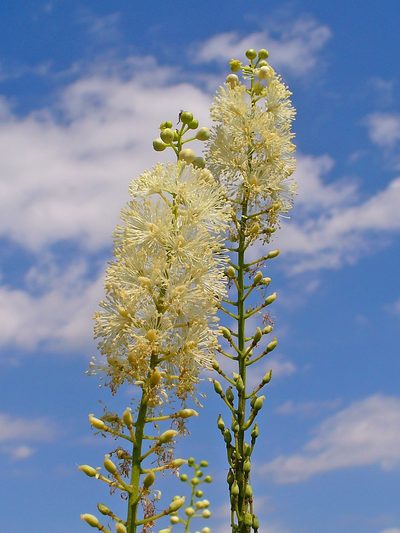 Black cohoshActaea racemosa
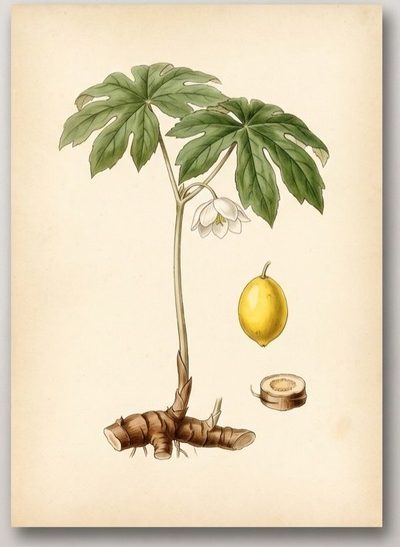 May applePodophyllum peltatum
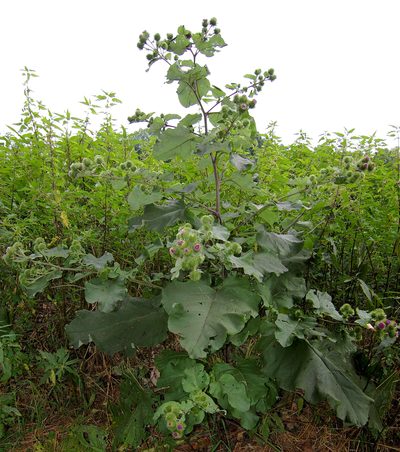 BurdockArctium lappa
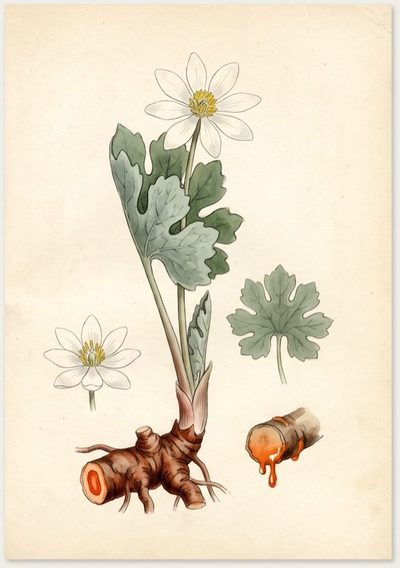 BloodrootSanguinaria canadensis
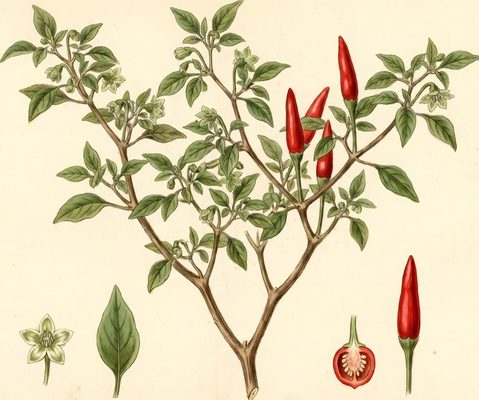 CayenneCapsicum frutescens
Nearby on the shelf
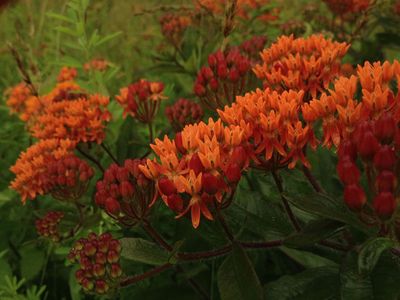 Pleurisy rootAsclepias tuberosa
 Pointed gourdTrichosanthes dioica
 Poison HemlockConium maculatum
 Poison ivyToxicodendron radicans
 PoleoHedeoma oblongifolia
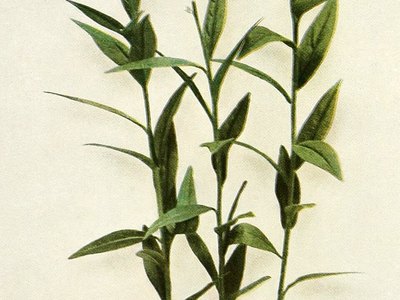 PolygalaPolygala senega
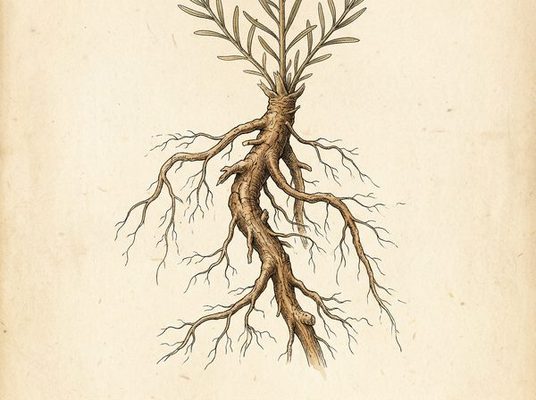 Polygala rootPolygala tenuifolia
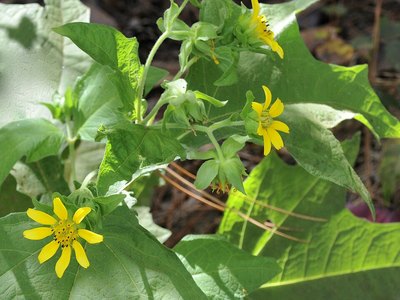 PolymniaPolymnia uvedalia
The whole plate is in the library. The compass, Compare, the Sky of eleven hundred plants and the formulary open with an email address and a password, free, with the formula builder and its safety engine. Herbert in full, his formulating, clients, the handouts and the labels are the paid room.
Open the library, free