Western Herbalism
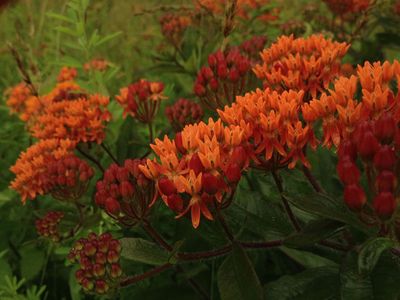
Pleurisy root
Asclepias tuberosa
Also known as Butterfly weed, Asclepias, White root, Swallow-wort, Wind, Root, Etc, Orange Swallow-wort.
Asclepias is one of the most important medicines for broncho-pulmonic inflammations and catarrhs, and an agent for re-establishing suppressed secretion of the skin. It is the most perfect diaphoretic we possess, so completely does it counterfeit the normal process of insensible perspiration.

Ask Herbert about Pleurisy root. Herbert is the master herbalist inside Bountiful Herbs: he answers from this plate and eleven hundred others, with dosing, pairing and cautions. Your first ten questions are free.
Ask HerbertActions
Indications what the tradition reached for it in
- Pleuritis
- Pneumonia
- Cough (secondary to respiratory infection, a mild fever, and pain w/ breathing or coughing)
- Cough (wet, secondary to respiratory tract infections)
- Congestion (respiratory, lingering)
- Cough (unproductive)
- Respiratory infection
- Pain (w/ breathing)
- Bronchitis
- Cough (painful)
- Pleural effusion
- Pleurisy
- Cough
- Inflammation
- Respiratory congestion
- Infection
- Respiratory complaints
- Common cold
- Flu
- Pneumonitis
- Influenza
- Specifically for pleurisy
Safety
Pregnancy: Not for use in pregnancy
Breastfeeding: Lactation
The record lists 4 contraindications; open the plate in the library to read them in full.
Dosing as the sources wrote it
| Preparation | As written | Metric |
|---|---|---|
| Decoction | 1 tsp/c TID | |
| Tincture (1:5) | 1-2 ml TID | 1-2 mL |
| Dried root 1-4 g as an infusion three times daily | 1000-4000 mg | |
| (G7) Liquid extract 1-4 mL (1:1 in 45% alcohol) three times daily | 1-4 mL | |
| (G7) Tincture 1-5 mL (1 : 10 in 45% alcohol) three times daily | 1-5 mL | |
| Dose, two to five grams every two or four hours | 2000-5000 mg |
Doses are reproduced from the sources for practitioners and are not a recommendation for any person.
From the sources
Therapy. Asclepias is one of the most important medicines for broncho-pulmonic inflammations and catarrhs, and an agent for re-establishing suppressed secretion of the skin. It is the most perfect diaphoretic we possess, so completely does it counterfeit the normal process of insensible perspiration.
Therapy. It is beneficial in acute pleuritis specifically, also in bronchitis, pneumonitis and peritonitis. It has distinct expectorant properties. In tight and painful coughs with difficult respiration, especially where there is a general suspension of secretion, with dry skin and mucous membranes, and in soreness of the chest from coughing, it is a most excellent remedy.
Properties and Uses. The root of this plant is probably one of the most reliable and serviceable relaxing diaphoretics in the whole Materia Medica. It diffuses itself with only moderate rapidity, but maintains its influence with considerable pertinacity.
Action, Medical Uses, and Dosage. Very useful diaphoretic in coughs, colds, and as a drink in febrile diseases. Two drachms of the powder may be infused in ½ pint of boiling water, sweetened, and drank in wineglassful doses, every 1 or 2 hours. Or in common colds, the ½ pint of warm infusion may be taken at a draught, and repeated in an hour if necessary (Wm. S. Merrell).
Drawn from Cook's Physio-Medical Dispensatory; Scudder's Specific Medication and Specific Medicines; King's American Dispensatory, 18th edition (Felter and Lloyd); Ellingwood's American Materia Medica, Therapeutics and Pharmacognosy, and the Bountiful Herbs editorial.
Often paired with
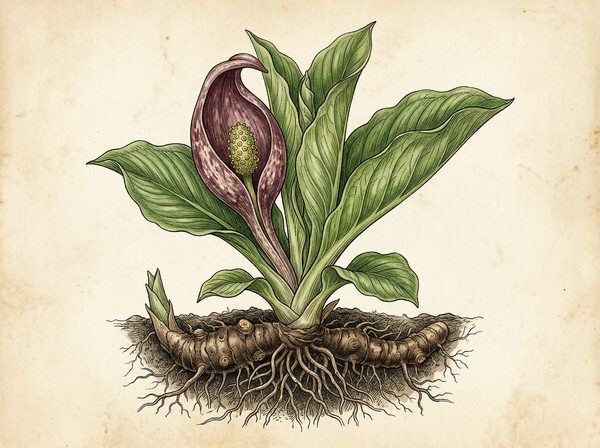 Skunk CabbageSymplocarpus foetidus
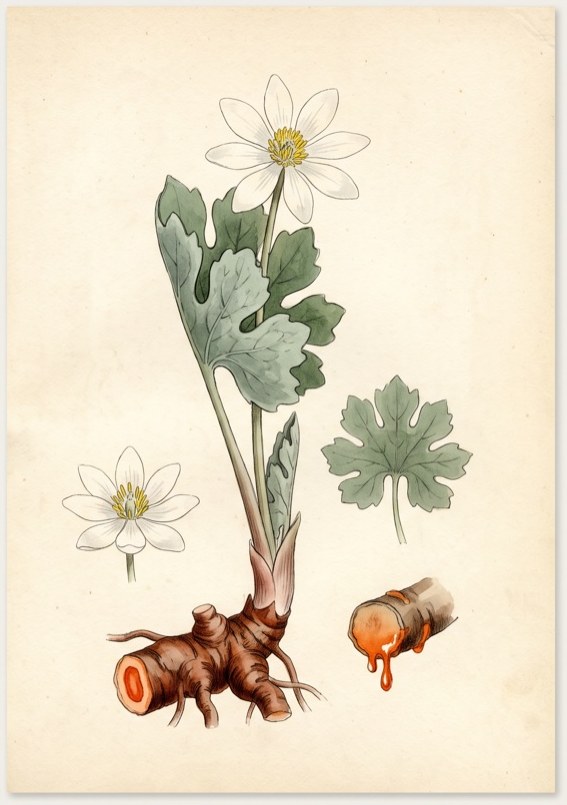 BloodrootSanguinaria canadensis
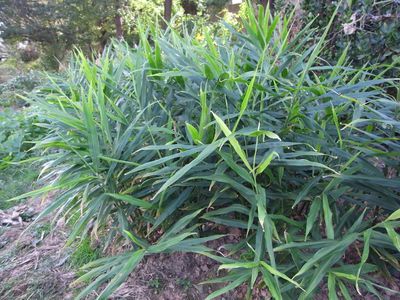 GingerZingiber officinale
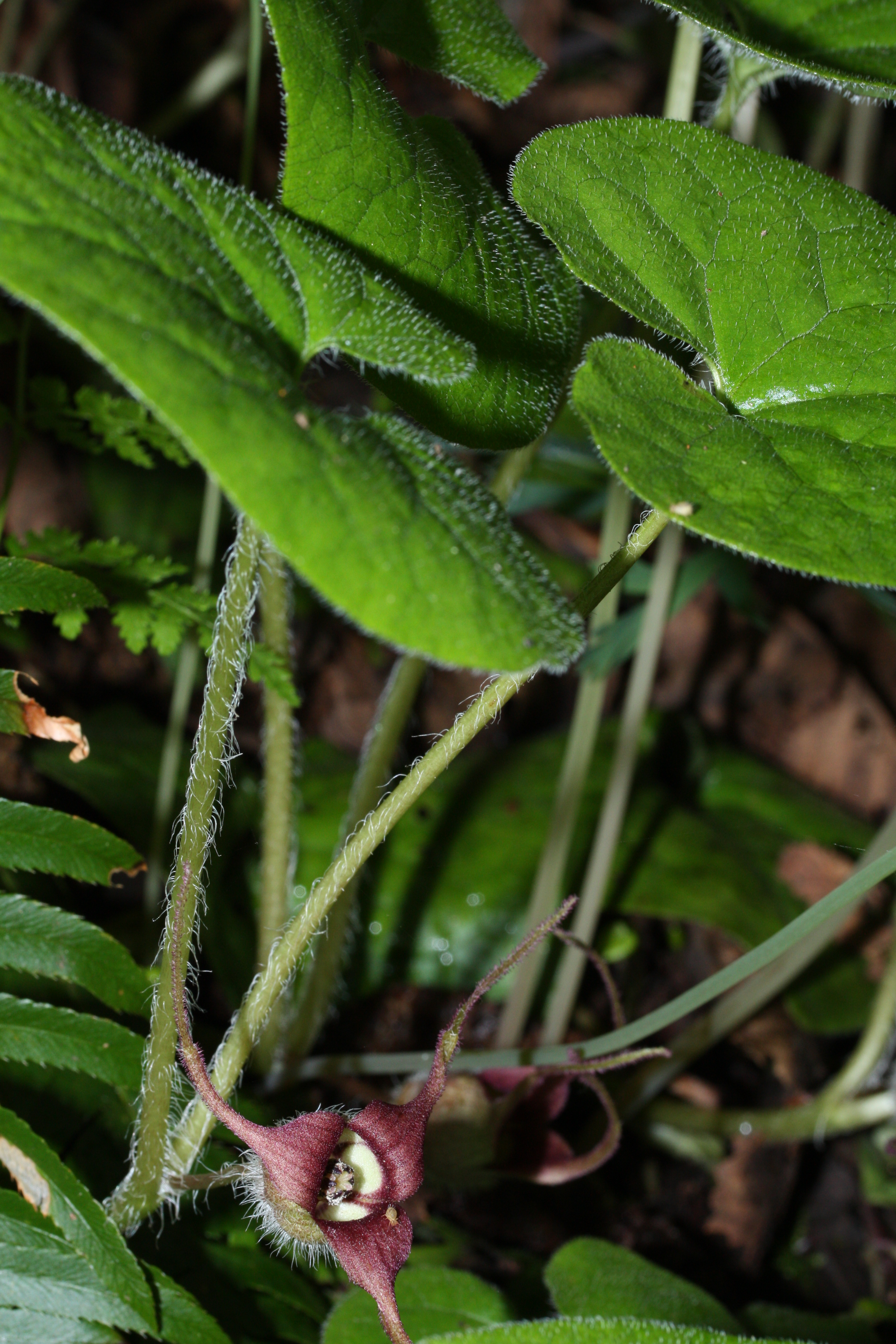 Wild GingerAsarum Candense
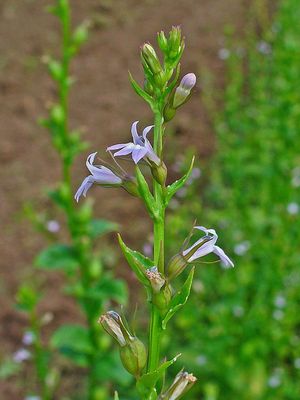 Indian tobaccoLobelia inflata
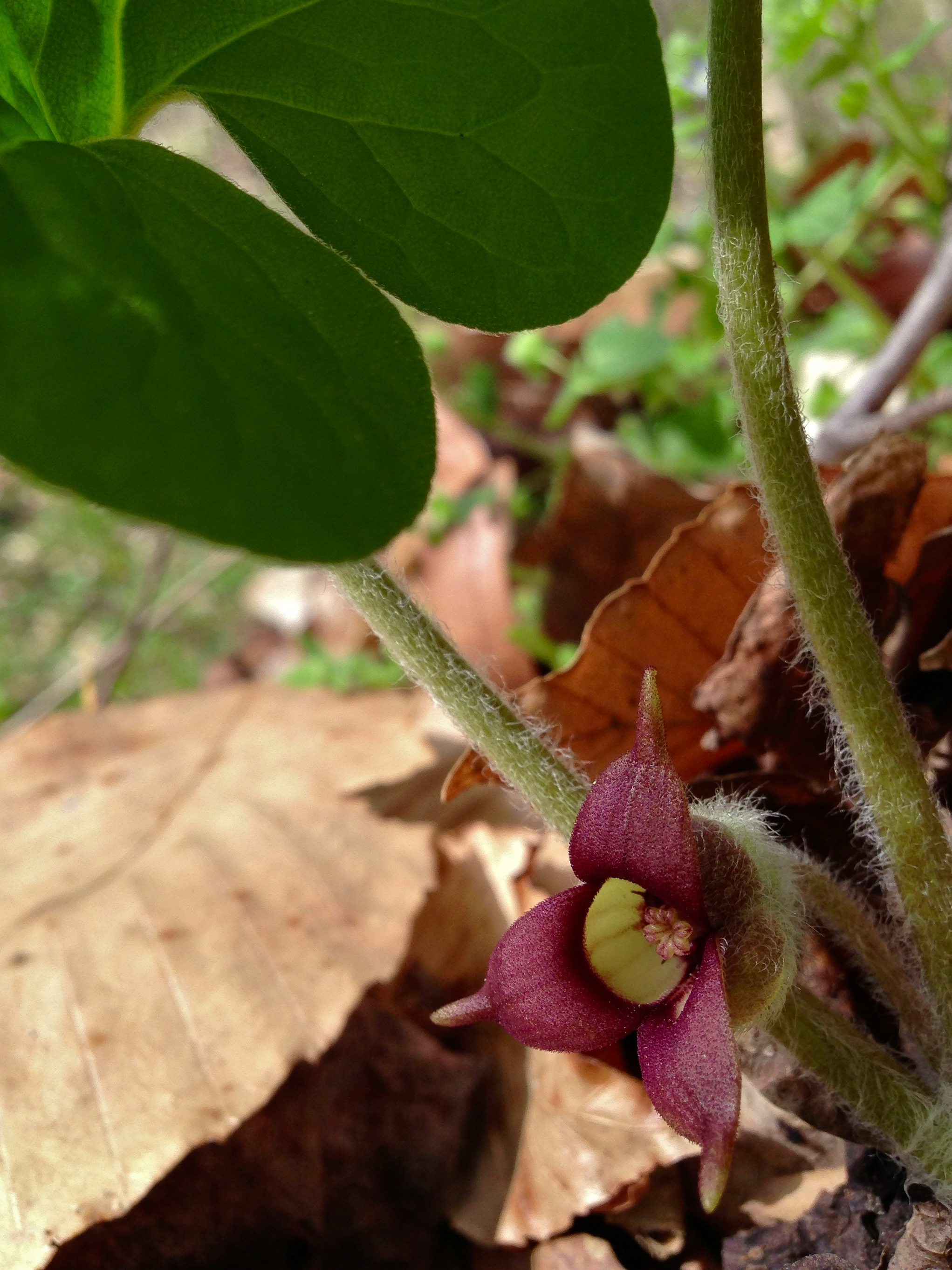 AsarumAsarum canadense
Nearby on the shelf
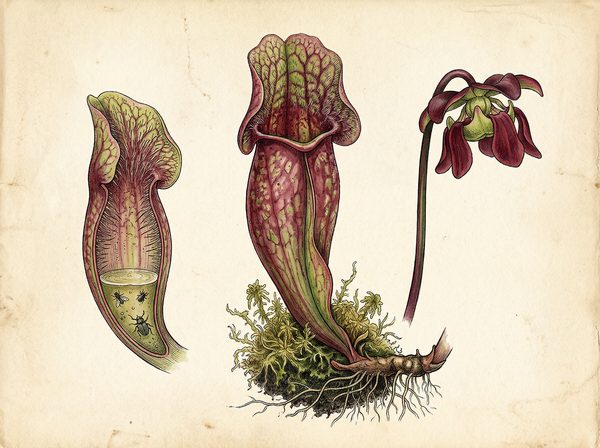 Pitcher PlantSarracenia purpurea
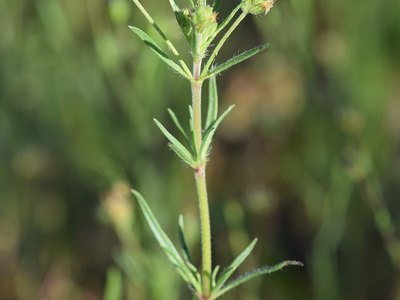 Plantago afraPlantago afra
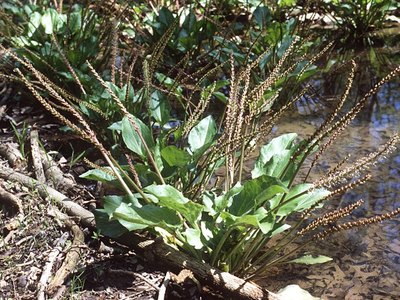 Plantago cordataPlantago cordata
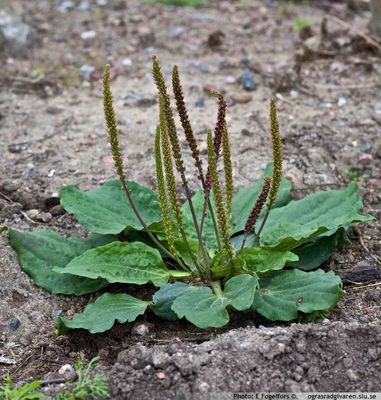 PlantainPlantago lanceolata
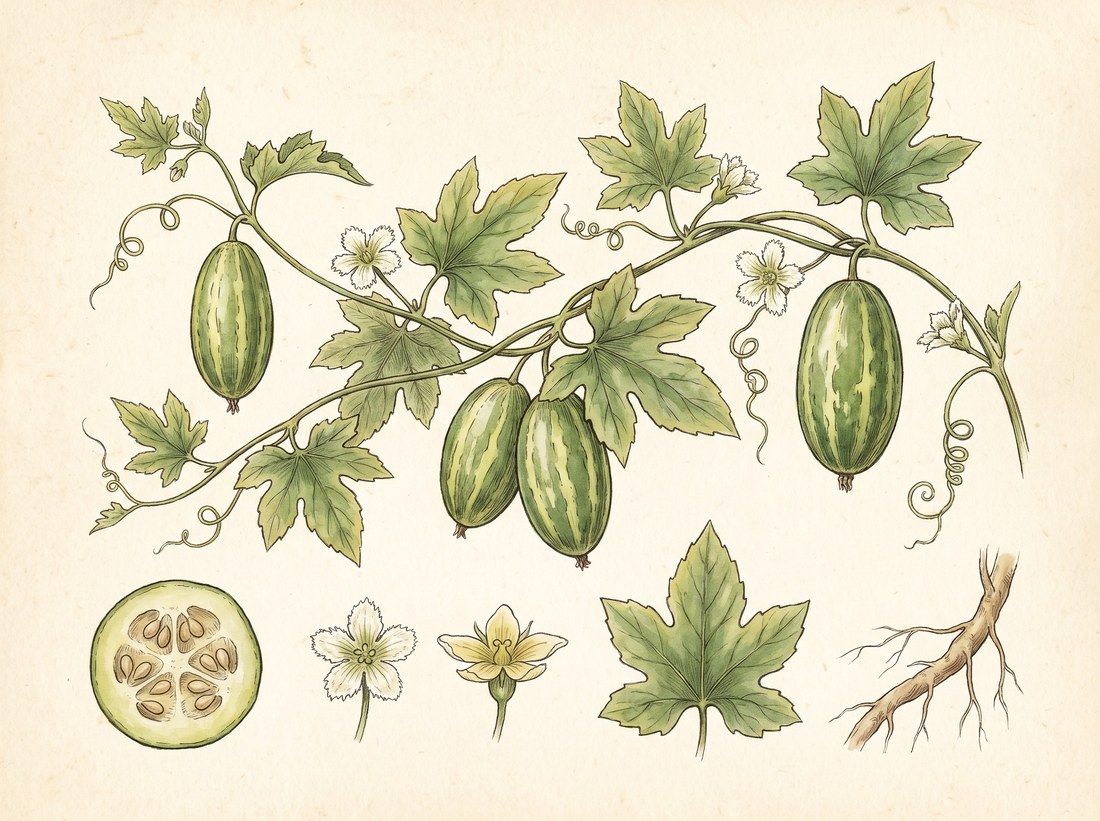 Pointed gourdTrichosanthes dioica
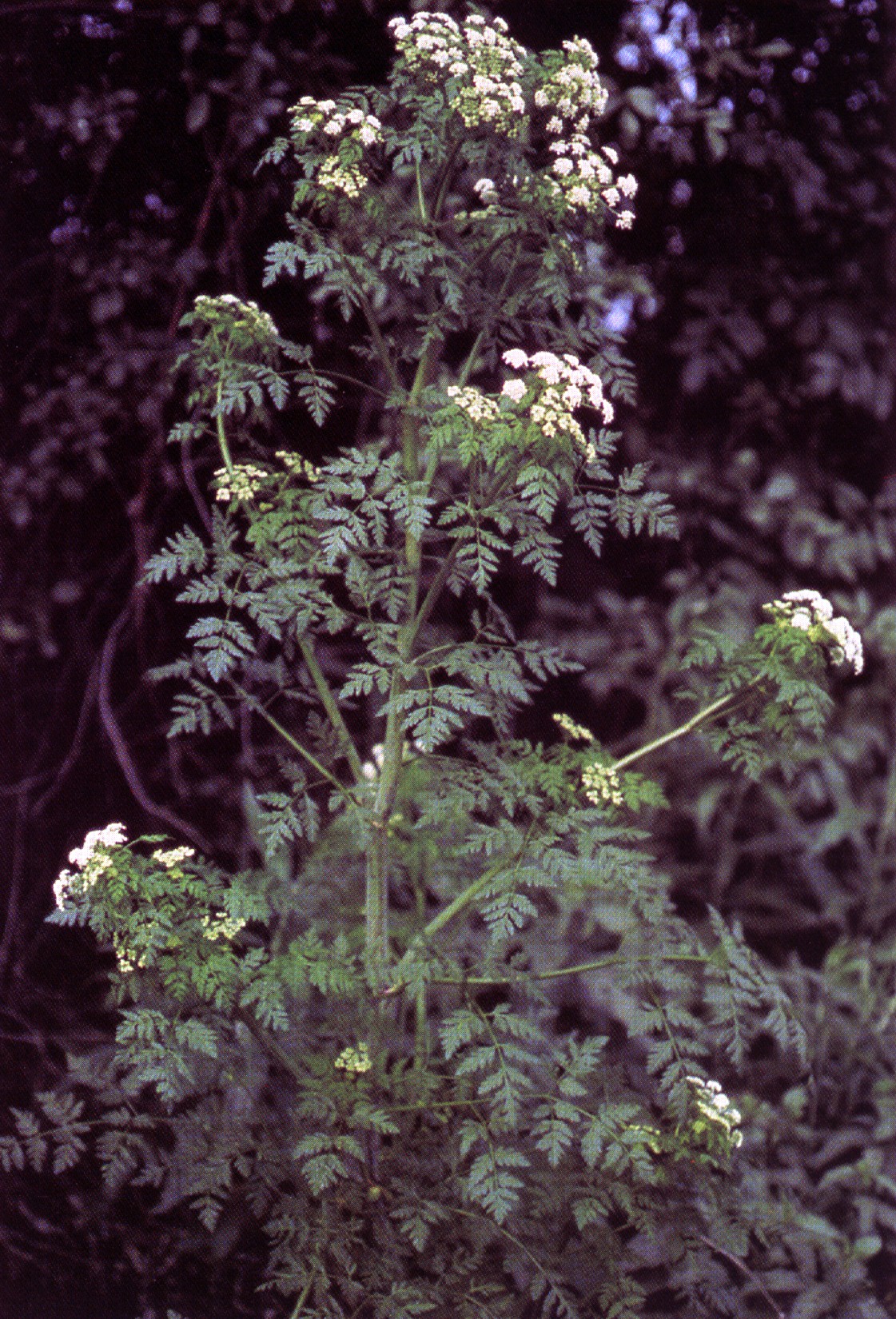 Poison HemlockConium maculatum
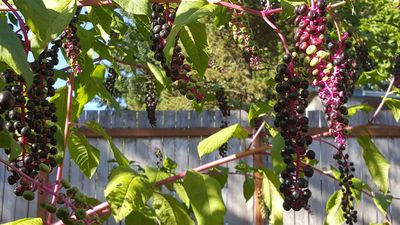 Poke rootPhytolacca americana
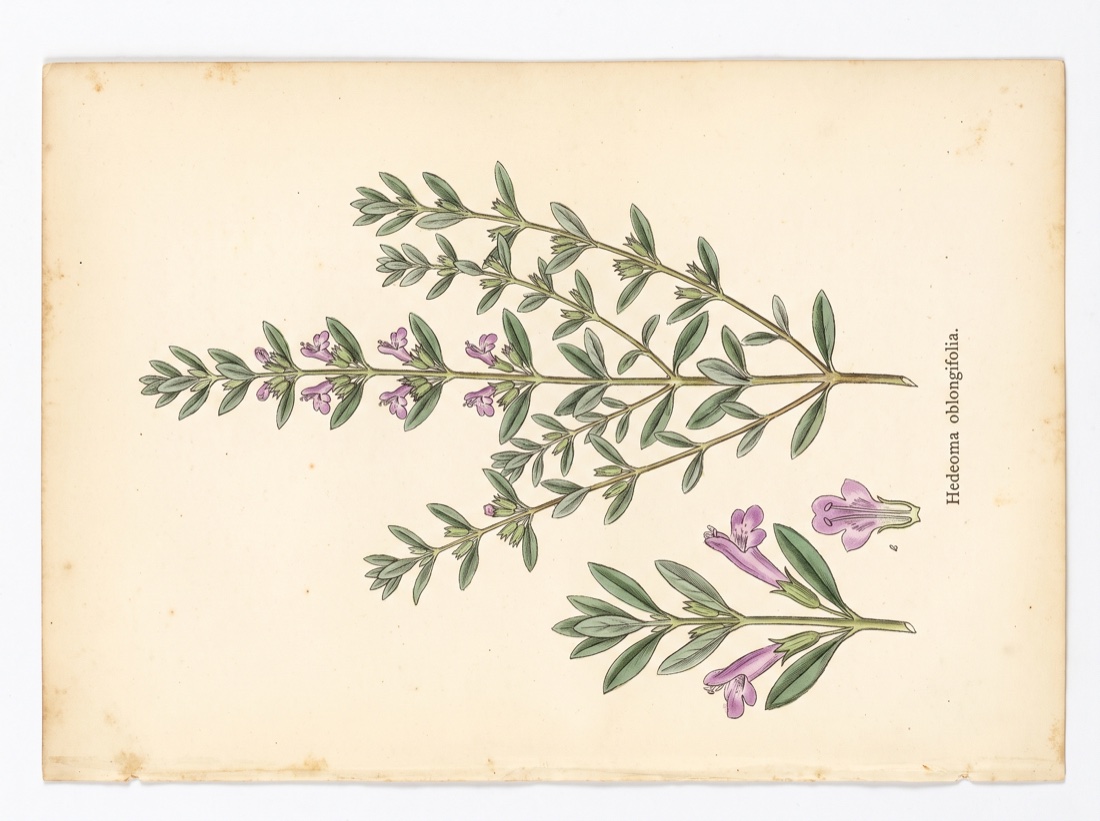 PoleoHedeoma oblongifolia
The whole plate is in the library. The compass, Compare, the Sky of eleven hundred plants and the formulary open with an email address and a password, free, with the formula builder and its safety engine. Herbert without limit, his formulating, clients, the handouts and the labels are the paid room.
Open the library, free