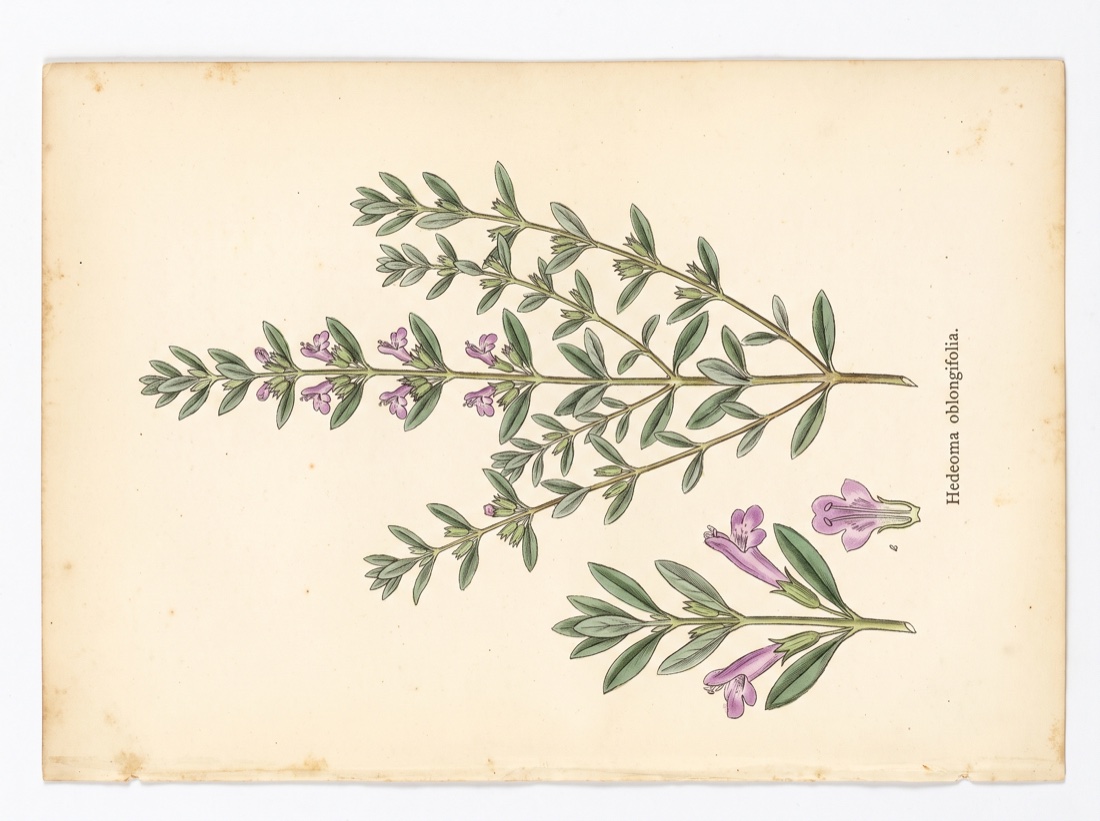
Western Herbalism
Poleo
Hedeoma oblongifolia
Also known as poleo chino, oblongleaf false pennyroyal, false pennyroyal, mock pennyroyal, Mexican pennyroyal.
Poleo is a small, aromatic mint of rocky slopes and canyons in Arizona, New Mexico, western Texas and northern Mexico, one of several Hedeoma species that carry a sharp pennyroyal scent. The leaves and flowering tops are used, most often as a hot tea. It is a household remedy of the Hispanic Southwest for stomach upset, colds and menstrual complaints, and it belongs to the same chemical group as American pennyroyal (Hedeoma pulegioides) and European pennyroyal (Mentha pulegium), which sets both its virtues and its limits.

Ask Herbert about Poleo. Herbert is the master herbalist inside Bountiful Herbs: he answers from this plate and eleven hundred others, with dosing, pairing and cautions. Your first ten questions are free.
Ask HerbertActions
Indications what the tradition reached for it in
- Flatulent dyspepsia and colic
- Nausea and queasy stomach
- Colds and feverish chills (hot tea)
- Stuffy head cold with congestion
- Delayed or scanty menses (traditional)
- Menstrual cramps (traditional)
- Headache with digestive upset (traditional)
- Cough with chest congestion (traditional)
- Infant colic (very weak tea, traditional; see cautions)
Specific indications
A bloated, gassy stomach after a heavy meal with a chilly feeling, where a hot cup of aromatic tea brings a belch and a sweat
The first hours of a head cold with chills and a stuffy nose, treated with a hot minty tea and bed rest
Safety
Recognised toxicity. This plant carries a toxicity flag in the record; it is for trained practitioners only.
Low dose botanical. Used in drop doses in the classical practice; not a plant to dose freely.
Pregnancy: Contraindicated: a traditional emmenagogue and abortifacient in New Mexico, and pulegone is hepatotoxic and fetotoxic, so no internal use in pregnancy.
Breastfeeding: Avoid: not rated by the safety handbooks, and pulegone and its metabolites may pass into milk and stress the infant liver.
The record lists 8 contraindications; open the plate in the library to read them in full.
In practice
Poleo is a warming carminative and diaphoretic in the pennyroyal mold: a hot tea for gas, colic, nausea and the chilly first stage of a cold. In the Southwest it is a household tea in the way peppermint is elsewhere, and in ordinary amounts, a teaspoon of dried herb per cup once or twice a day for a few days, that tradition has a long record.
Dosing as the sources wrote it
| Preparation | As written | Metric |
|---|---|---|
| Infusion | 1-2 g dried herb per cup up to three times daily for no more than 7 days | 1000-2000 mg |
| Tincture (1:5, 45%) | 1-2 mL up to three times daily for no more than 7 days | 1-2 mL |
Doses are reproduced from the sources for practitioners and are not a recommendation for any person.
From the sources
Overview. Poleo is a small, aromatic mint of rocky slopes and canyons in Arizona, New Mexico, western Texas and northern Mexico, one of several Hedeoma species that carry a sharp pennyroyal scent. The leaves and flowering tops are used, most often as a hot tea. It is a household remedy of the Hispanic Southwest for stomach upset, colds and menstrual complaints, and it belongs to the same chemical group as American pennyroyal (Hedeoma pulegioides) and European pennyroyal (Mentha pulegium), which sets both its virtues and its limits.
Clinical Notes. Poleo is a warming carminative and diaphoretic in the pennyroyal mold: a hot tea for gas, colic, nausea and the chilly first stage of a cold. In the Southwest it is a household tea in the way peppermint is elsewhere, and in ordinary amounts, a teaspoon of dried herb per cup once or twice a day for a few days, that tradition has a long record.
Nearby on the shelf
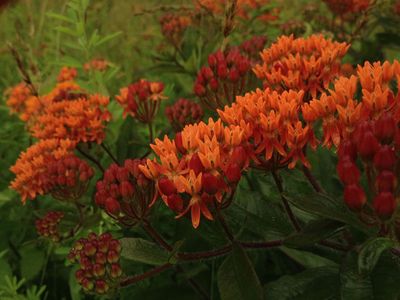 Pleurisy rootAsclepias tuberosa
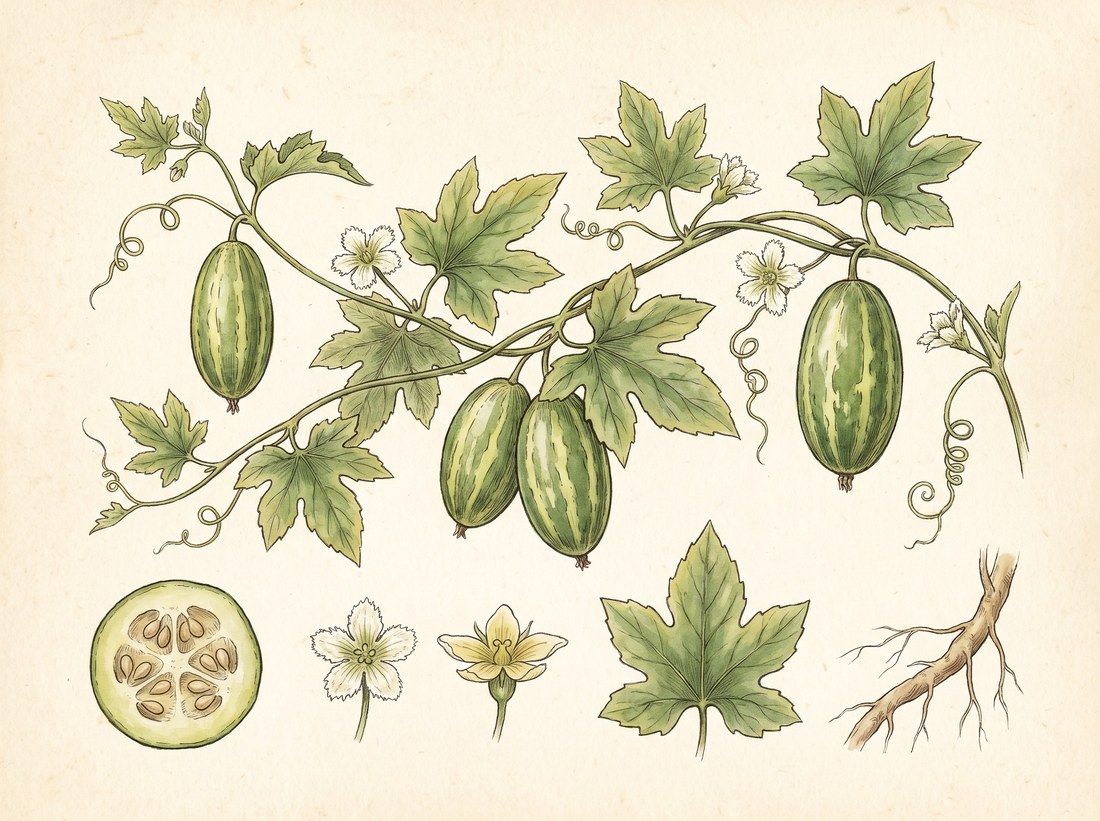 Pointed gourdTrichosanthes dioica
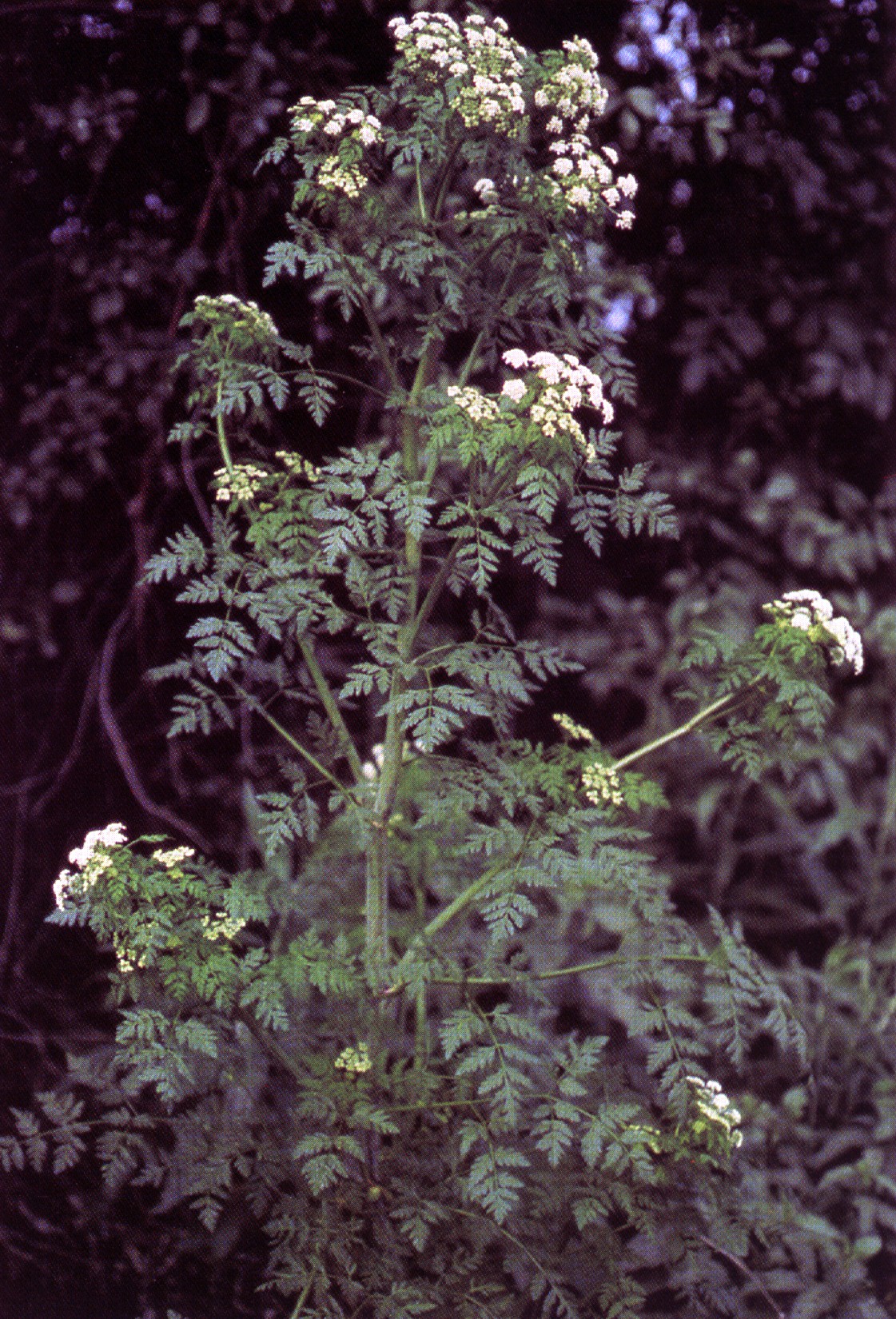 Poison HemlockConium maculatum
 Poke rootPhytolacca americana
 PolygalaPolygala senega
 Polygala rootPolygala tenuifolia
 PolymniaPolymnia uvedalia
 PomegranatePunica granatum
The whole plate is in the library. The compass, Compare, the Sky of eleven hundred plants and the formulary open with an email address and a password, free, with the formula builder and its safety engine. Herbert without limit, his formulating, clients, the handouts and the labels are the paid room.
Open the library, free