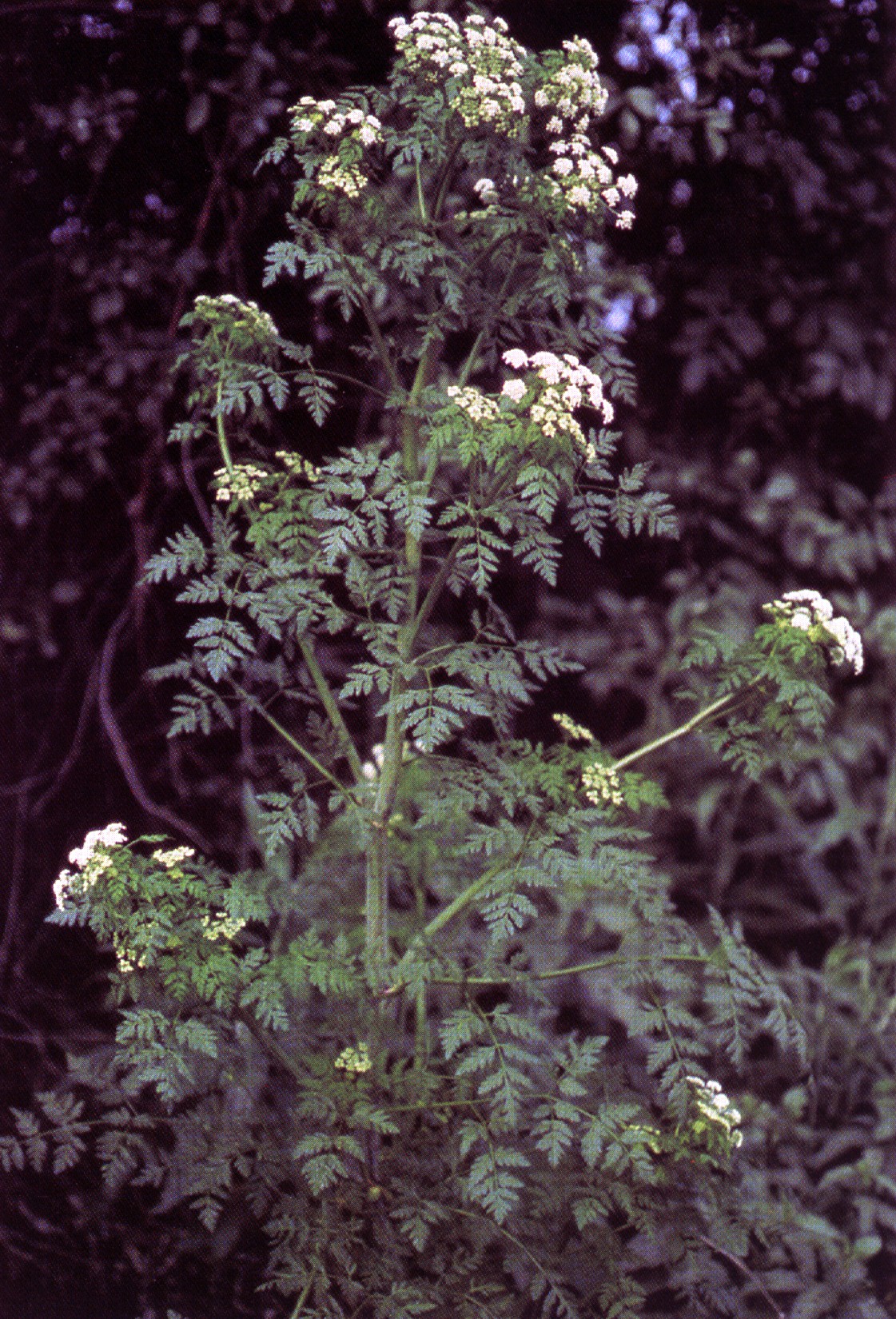
Western Herbalism
Poison Hemlock
Conium maculatum
Also known as Hemlock, Spotted Hemlock, Conium, Poison Parsley.
Historically used in Eclectic medicine ( ) as standardized preparation but extremely hazardous due to narrow therapeutic window and high toxicity. No modern pharmacopoeial approval for internal use found primarily external or homeopathic in dilution today. All parts poisonous mistaken for edible umbelliferae.

Ask Herbert about Poison Hemlock. Herbert is the master herbalist inside Bountiful Herbs: he answers from this plate and eleven hundred others, with dosing, pairing and cautions. Your first ten questions are free.
Ask HerbertActions
Indications what the tradition reached for it in
- Syphilitic pains
- Chorea
- Nervous excitation
- Ovarian torpor
- Goitre
- Cardiovascular excitability
- Whooping cough
- Intermittent fevers
- Scrofula
- Acute mania
- Glandular enlargements
- Genital feebleness
- Rheumatism
- Excessive lactation
- Bronchitis
- Itch
- Epilepsy
- Mammary tumors
- Toothache
- Ulcers
- Convulsive cough
- Insomnia
- Laryngismus stridulus
- Tetanus
- Neuralgia
- Painful tumors
- Sterility
- Cancer pain
- Tuberculous affections
- Anxiety
Safety
Recognised toxicity. This plant carries a toxicity flag in the record; it is for trained practitioners only.
Low dose botanical. Used in drop doses in the classical practice; not a plant to dose freely.
Pregnancy: Pregnancy Caution
Breastfeeding: lactation
The record lists 3 contraindications; open the plate in the library to read them in full.
Dosing as the sources wrote it
| Preparation | As written | Metric |
|---|---|---|
| Fluid extract/specific conium | Fluid extract/specific conium 1/10-3 drops | 0-0.06 mL |
| ethereal extract | ethereal extract 1/8-1/2 grain | 8.1-32.4 mg |
| coniine | coniine 1/30-1/6 grain | 2.16-10.8 mg |
| inspissated juice/leaves | inspissated juice/leaves 1-3 grains 3-4x/day | 64.8-194 mg |
| leaf tea | leaf tea 1g/100mL water | 1000-1000 mg |
| fruit powder | fruit powder 1g max | 1000-1000 mg |
Doses are reproduced from the sources for practitioners and are not a recommendation for any person.
From the sources
Clinical Notes. Historically used in Eclectic medicine ( ) as standardized preparation but extremely hazardous due to narrow therapeutic window and high toxicity. No modern pharmacopoeial approval for internal use found primarily external or homeopathic in dilution today. All parts poisonous mistaken for edible umbelliferae.
Therapy. External. Locally applied extract of conium, or the powdered drug, relieves the pain of cancerous growths and ulcers. Locke advised, Rx. English Extract of Conium, 2 drachms; Petrolatum, 6 ounces. Mix.
Therapy. The anodyne and antispasmodic soothing properties of the agent suggest its use in spasmodic affections and irregular muscular movenients ... movements attended by extreme activity of the motor nerves. In paralysis agitans , in chorea and in hysteria, in delirium tremens and acute mania it is thus advised.
Action and Toxicology. Conium does not affect the intellectual portion of the brain; and it acts but feebly on the spinal cord. It does, however, powerfully depress the peripheral motor endings, and in excessive amounts, the sensory terminals.
Drawn from King's American Dispensatory, 18th edition (Felter and Lloyd); Ellingwood's American Materia Medica, Therapeutics and Pharmacognosy; Felter's Eclectic Materia Medica, Pharmacology and Therapeutics, and the Bountiful Herbs editorial.
Often paired with
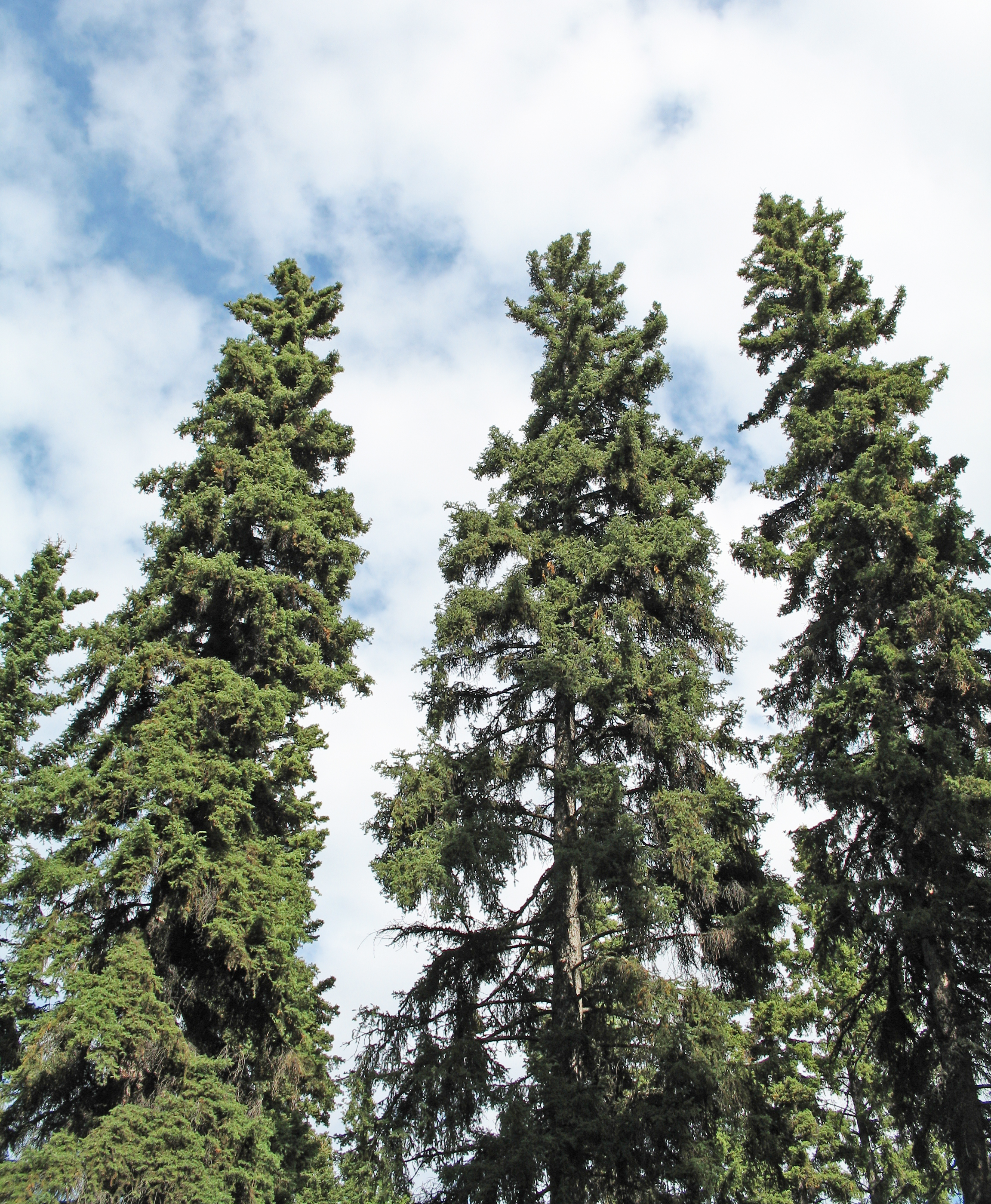 Eastern HemlockAbies Canadensis
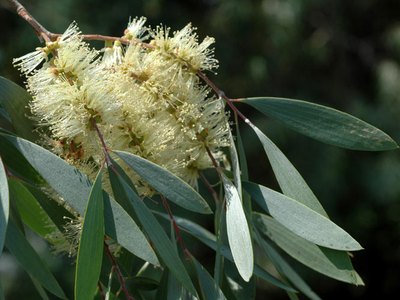 CajeputMelaleuca cajuputi
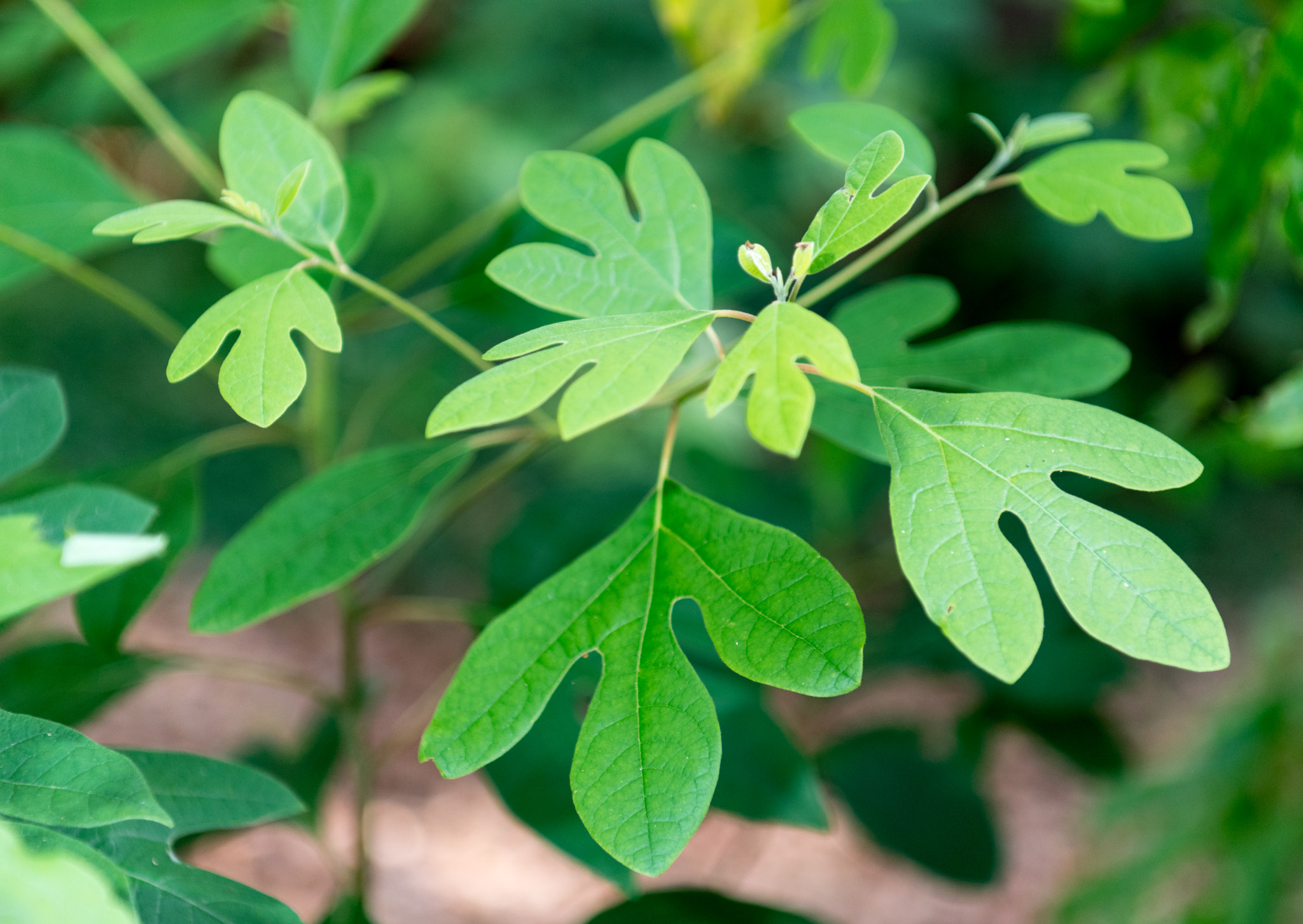 SassafrasSassafras albidum
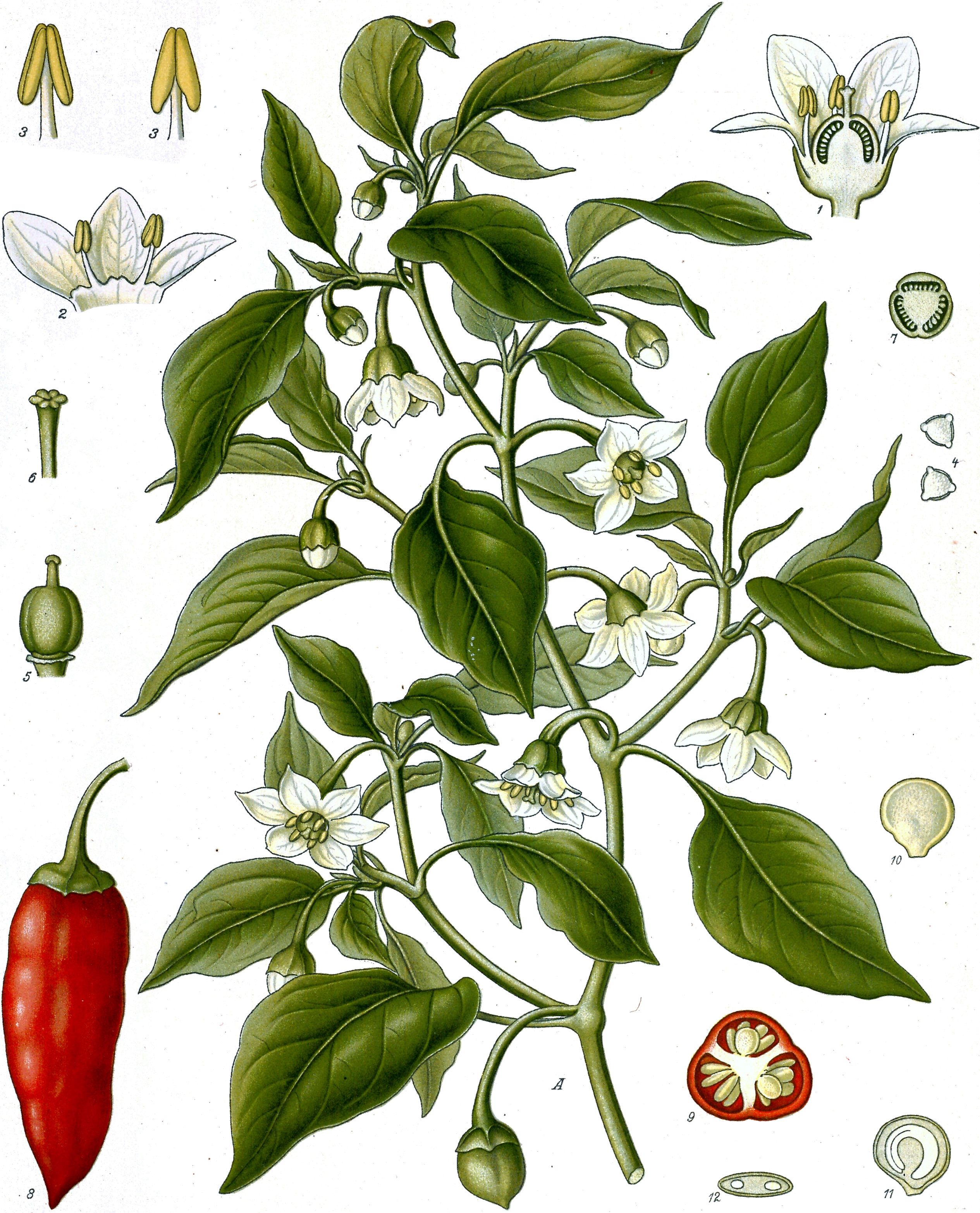 CayenneCapsicum frutescens
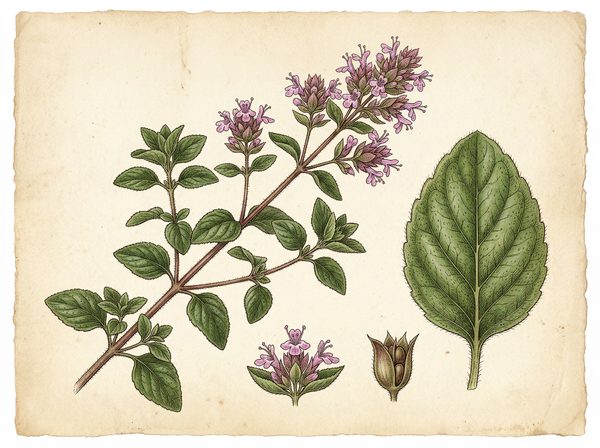 OreganoOriganum vulgare
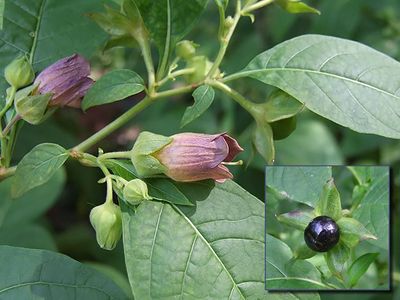 Deadly nightshadeAtropa belladonna
Nearby on the shelf
 Plantago cordataPlantago cordata
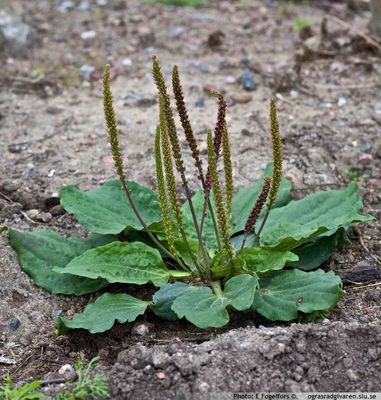 PlantainPlantago lanceolata
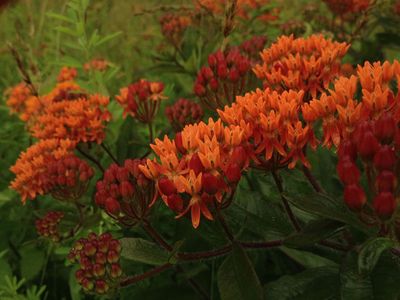 Pleurisy rootAsclepias tuberosa
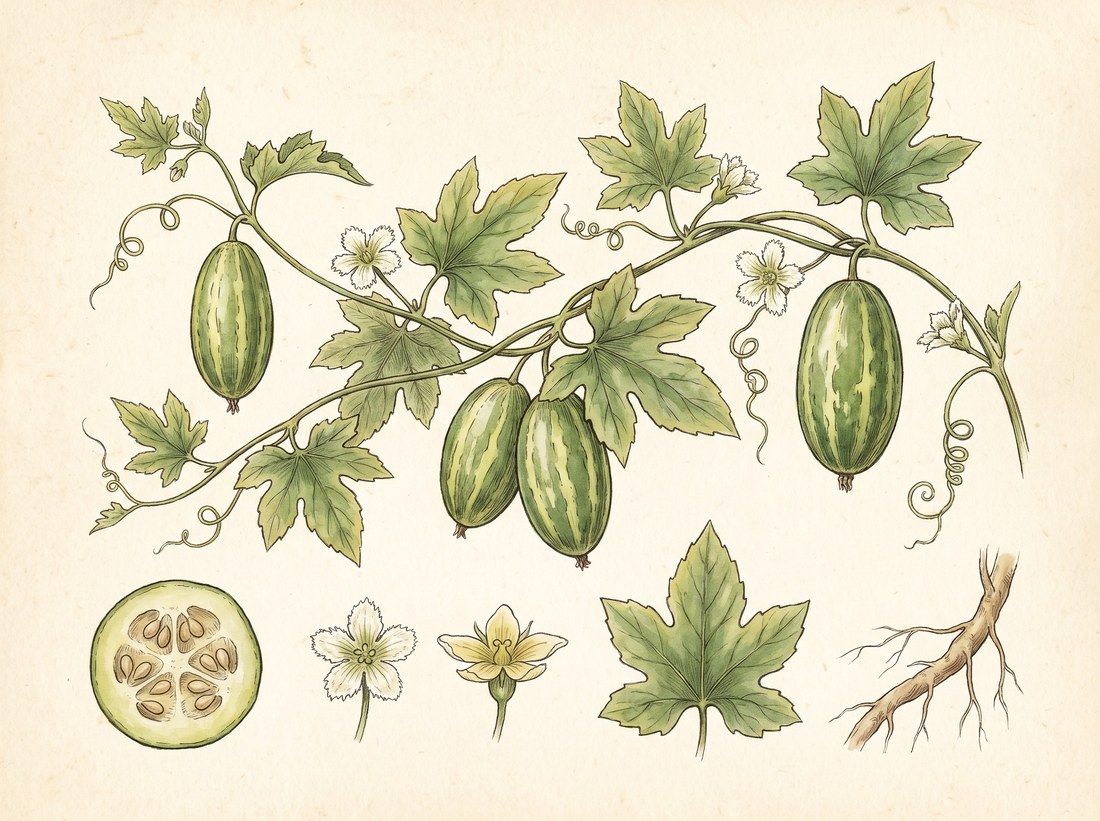 Pointed gourdTrichosanthes dioica
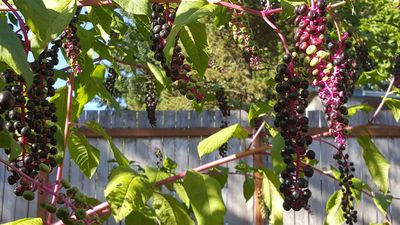 Poke rootPhytolacca americana
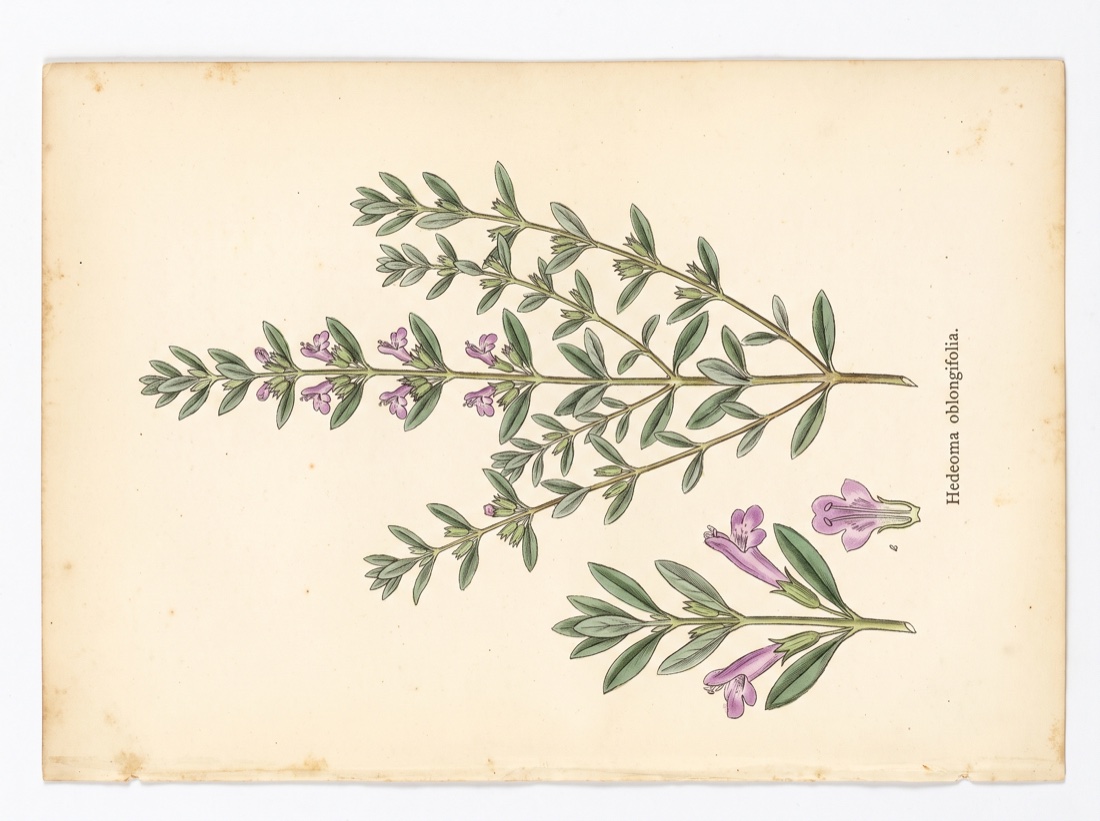 PoleoHedeoma oblongifolia
 PolygalaPolygala senega
 Polygala rootPolygala tenuifolia
The whole plate is in the library. The compass, Compare, the Sky of eleven hundred plants and the formulary open with an email address and a password, free, with the formula builder and its safety engine. Herbert without limit, his formulating, clients, the handouts and the labels are the paid room.
Open the library, free