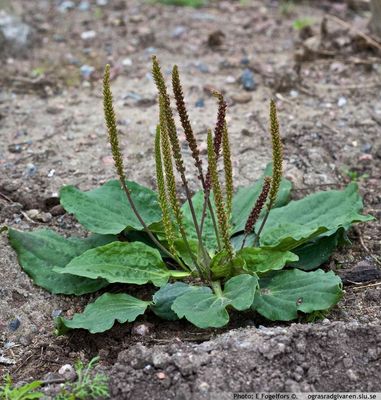
Western Herbalism
Plantain
Plantago lanceolata
Also known as Ribwort, Common Plantain, General Plantain, Greater Plantain, eur, pro parte, Plantago, Rib wort.
External. The crushed leaves very promptly relieve the distressing symptoms caused by punctures from the horny appendages of larvae of lepidoptera and the irritation produced by certain caterpillars, as well as the stings of insects and bites of spiders.
Ask Herbert about Plantain. Herbert is the master herbalist inside Bountiful Herbs: he answers from this plate and eleven hundred others, with dosing, pairing and cautions. Your first ten questions are free.
Ask HerbertActions
Indications what the tradition reached for it in
- Cuts
- Wounds
- Poison oak rash
- Urinary tract infection
- Infection
- Skin abrasions
- Poison ivy rash
- Hematuria
- Congestion (respiratory)
- Cough
- Irritated skin conditions
- Bronchitis
- Bites
- Stings
- Sepsis
- Hemorrhoids
- Burns
- Bleeding
- Diarrhea
- Dry cough
- Hemorrhage
- Mucosal irritation
- Respiratory congestion
- Sore throat
- Respiratory complaints
- Urinary complaints
- Excessive discharge
- Chronic skin conditions
- Metabolic waste accumulation
- Cystitis with haematuria
Safety
Pregnancy: Caution. A modern clinical reference: In vitro uterotonic activity has been documented for plantain; In view of this, and the lack of information on safety, use of plantain should be avoided during pregnancy and lactation.
Breastfeeding: Caution. A modern clinical reference: In view of this, and the lack of information on safety, use of plantain should be avoided during pregnancy and lactation.
The record lists 4 contraindications; open the plate in the library to read them in full.
Dosing as the sources wrote it
| Preparation | As written | Metric |
|---|---|---|
| Cold infusion/Infusion | 1 Tbs/c TID | |
| Tincture (1:5) | 3-5 ml TID | 3-5 mL |
| Dried leaf 2-4 g as an infusion three times daily | 2000-4000 mg | |
| Liquid extract 2-4 mL (1 : 1 in 25% alcohol) three times daily. Tincture 2-4 mL (1 : 5 in 45% alcohol) three times daily | ||
| Dose, 1 to 60 drops. | ||
| The tops and roots, in strong decoction, have been highly recommended in syphilitic, mercurial, and scrofulous diseases, in the dose of from 2 to 4 fluid ounces, 3 or 4 times a day. |
Doses are reproduced from the sources for practitioners and are not a recommendation for any person.
From the sources
Action and Therapy. External. The crushed leaves very promptly relieve the distressing symptoms caused by punctures from the horny appendages of larvae of lepidoptera and the irritation produced by certain caterpillars, as well as the stings of insects and bites of spiders.
Therapy. The remedy is of value in the internal treatment of all diseases of the blood. Scrofula, syphilis, specific or non-specific glandular disease, and mercurial poisoning. It is used in ulcerations of the mucous membrane, due to depraved conditions.
Properties and Uses. The roots and leaves are diffusively relaxant and stimulant, leaving behind a gentle tonic impression. They are not of strong power, and a concentrated decoction (or fluid extract) is required for internal use.
Action, Medical Uses, and Dosage. Plantain is alterative, diuretic, and antiseptic, once considered vulnerary. The tops and roots, in strong decoction, have been highly recommended in syphilitic, mercurial, and scrofulous diseases, in the dose of from 2 to 4 fluid ounces, 3 or 4 times a day.
Drawn from Cook's Physio-Medical Dispensatory; King's American Dispensatory, 18th edition (Felter and Lloyd); Ellingwood's American Materia Medica, Therapeutics and Pharmacognosy; Felter's Eclectic Materia Medica, Pharmacology and Therapeutics, and the Bountiful Herbs editorial.
In formulas
Plantain stands in 33 documented formulas in the library, among them sou feng shun qi wan, qing xin lian zi yin, lóng dǎn xiè gàn tāng, zhù jing wán, zhù jing wán jia jiǎn fang, jia wei shen qi wan.
Nearby on the shelf
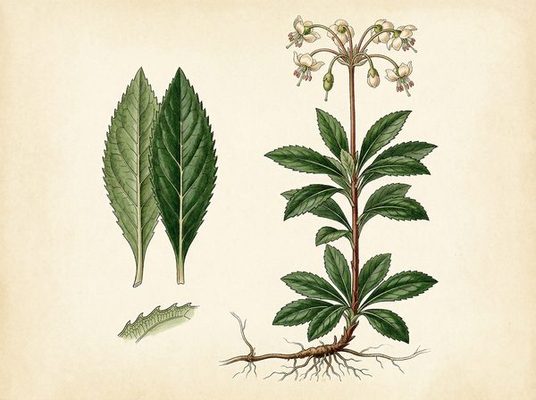 PipsissewaChimaphila umbellata
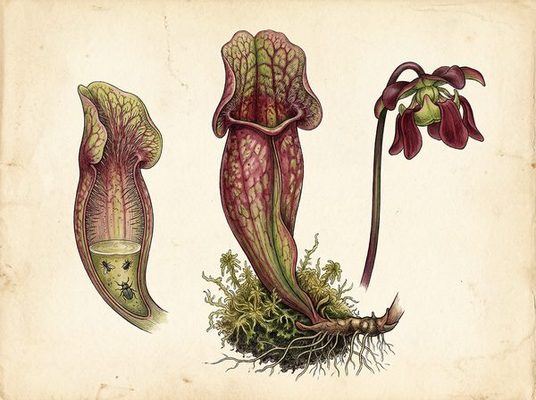 Pitcher PlantSarracenia purpurea
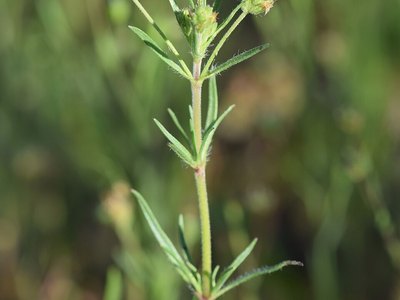 Plantago afraPlantago afra
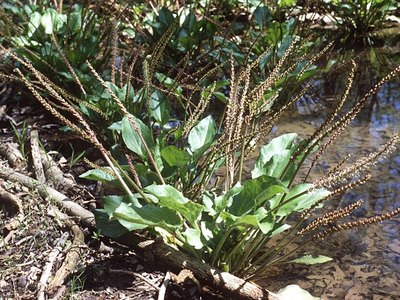 Plantago cordataPlantago cordata
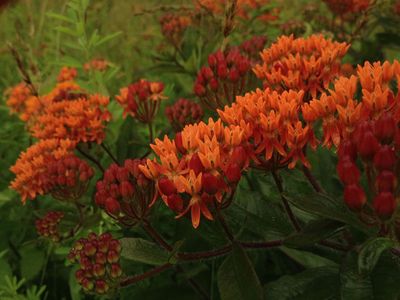 Pleurisy rootAsclepias tuberosa
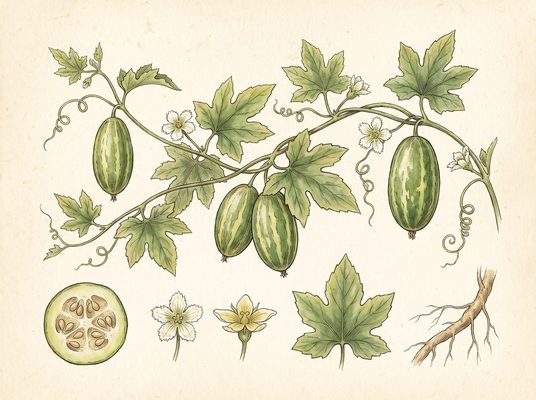 Pointed gourdTrichosanthes dioica
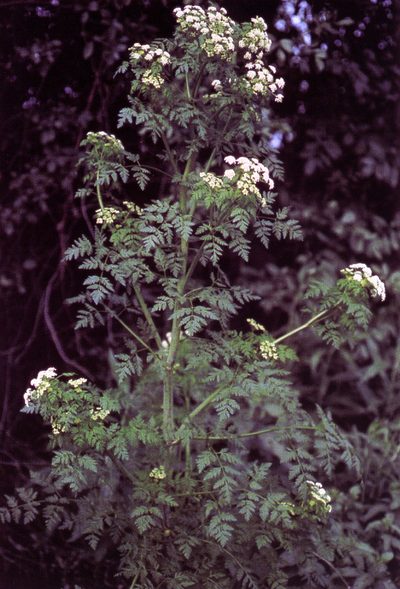 Poison HemlockConium maculatum
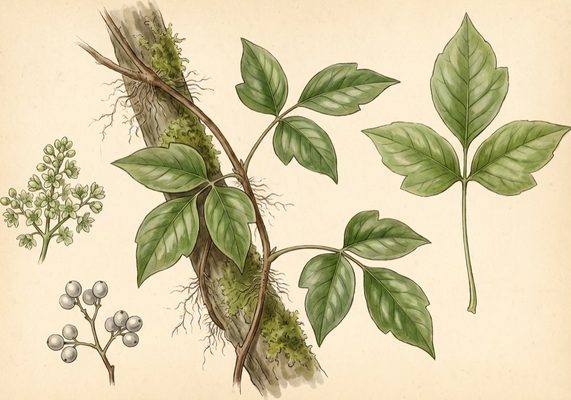 Poison ivyToxicodendron radicans
The whole plate is in the library. The compass, Compare, the Sky of eleven hundred plants and the formulary open with an email address and a password, free, with the formula builder and its safety engine. Herbert in full, his formulating, clients, the handouts and the labels are the paid room.
Open the library, free