Ayurvedic Herbalism
Pilu
Salvadora persica
Also known as toothbrush tree, miswak, mustard tree, arak, salt bush, Pilu, Guda phala, Sahasrangi.
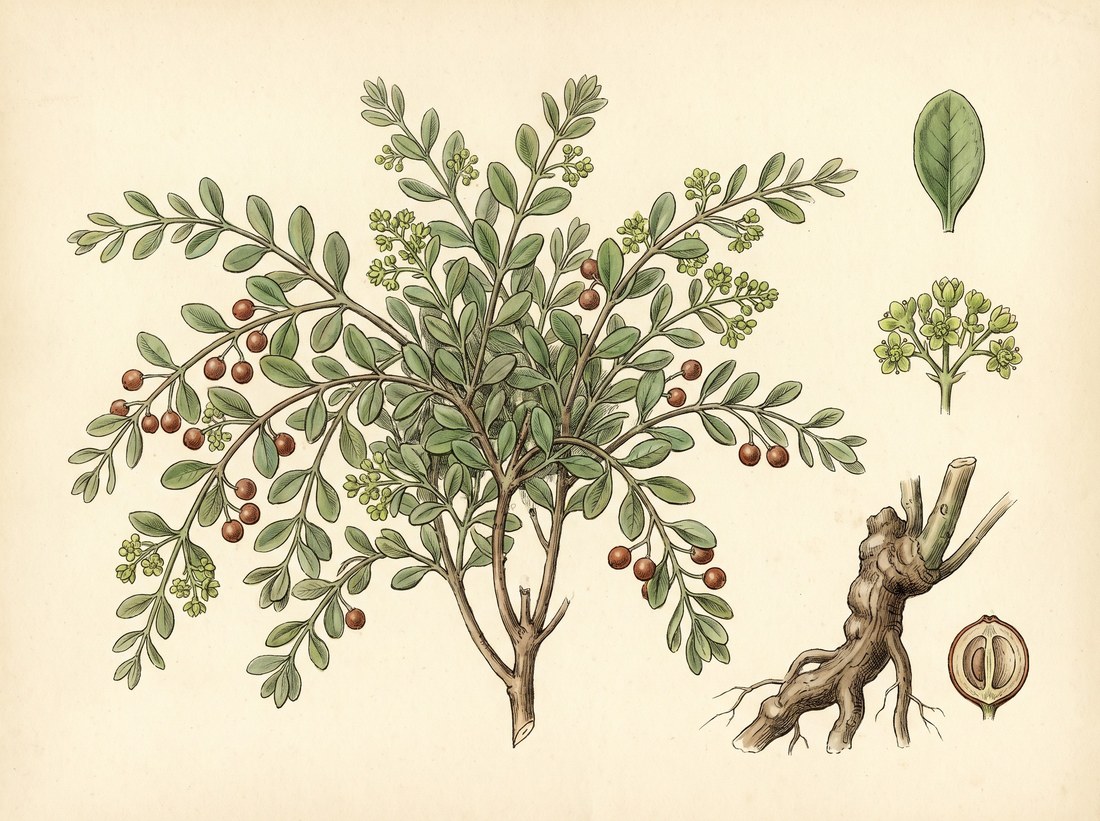
Salvadora persica is a small evergreen tree or shrub with drooping branches and fleshy leaves, at home in the arid and saline soils of Rajasthan, Gujarat, the Deccan and Sind and across the Middle East and Africa, where it is grazed by camels and its sweet, salty fruit is eaten. It is Pilu in Ayurveda, a hot, sharp, digestive plant whose root bark and fruit are used for weak digestion, hemorrhoids, worms and stones, but its worldwide fame is as miswak or arak, the chewing stick whose frayed end has cleaned teeth across the Islamic world and India for well over a millennium. Ayurveda names it among the woods fit for the daily tooth cleaning stick prescribed in the classical routine.

Ask Herbert about Pilu. Herbert is the master herbalist inside Bountiful Herbs: he answers from this plate and eleven hundred others, with dosing, pairing and cautions. Your first ten questions are free.
Ask HerbertActions
Indications what the tradition reached for it in
- Dental plaque and gingivitis (chewing stick and mouth rinse)
- Bleeding, receding gums and periodontal disease
- Halitosis and mouth ulcers
- Dental caries prevention
- Weak digestion with heaviness and gas (root bark)
- Hemorrhoids with constipation (traditional)
- Constipation in the elderly (ripe fruit)
- Urinary gravel and small stones (traditional)
- Rheumatic pain and swelling (leaf poultice)
- Intestinal worms (traditional)
- Splenic congestion and abdominal fullness (traditional)
Specific indications
A patient with plaque, bleeding gums and bad breath who wants a plant based daily oral hygiene tool instead of a chemical rinse
Periodontal disease with receding gums in someone who will use the frayed stick correctly and regularly
Sluggish digestion with gas and a slow bowel in a cold kapha constitution, where a warming, sharp root bark decoction is chosen
A cold, stiff, swollen joint in a desert or dry region patient where the pungent leaf poultice is the local remedy
Safety
Pregnancy: Use of the chewing stick is safe in pregnancy and widespread; avoid internal medicinal use of the root bark as a precaution since no published safety class is known to us, the plant is heating and there are no safety data, although the ripe fruit is a food.
The record lists 7 contraindications; open the plate in the library to read them in full.
In practice
The Ayurvedic morning routine calls for dantadhavana, chewing and brushing the teeth with a fresh twig of a bitter, astringent or pungent plant, and Pilu is one of the woods named for it alongside Nimba, Khadira and Karanja.
In Ayurveda
Rasa: katu (pungent), tikta (bitter), madhura (sweet, ripe fruit), lavana (salty, slight). Virya: ushna (heating). Vipaka: katu (pungent). Guna: laghu (light), ruksha (dry), tikshna (sharp). Dosha: pacifies kapha and vata; aggravates pitta in excess. Karma: deepana (kindles digestion); pachana (digestive); bhedana (breaks up and purges accumulations); kaphahara (reduces kapha); vatahara (pacifies vata); krimighna (anthelmintic, antimicrobial); dantya (good for the teeth); mukhashodhana (cleanses the mouth); shothahara (reduces swelling); mutrala (diuretic); arshoghna (relieves hemorrhoids). Classical indications: dantaroga (diseases of the teeth and gums); mukharoga (diseases of the mouth); agnimandya (weak digestion); gulma (abdominal bloating and mass); arsha (hemorrhoids); krimi (worms); ashmari (urinary stones); shotha (swelling); pliharoga (splenic enlargement); vibandha (constipation); kushtha (skin disease); shvasa and kasa (dyspnea and cough). The soft fibrous twig and root are chewed and frayed into a brush for cleaning the teeth and gums; the root bark and stem are decocted and powdered for digestion, hemorrhoids and stones; the sweet ripe fruit is eaten and given for constipation and as a mild tonic; the pungent leaf is used as a poultice for swelling and rheumatic pain, and the seed oil is applied to the skin. Classical formulations: Pilu twig as dantadhavana (tooth cleaning stick), Pilu kwatha, Pilu mula churna, Pilu phala (ripe fruit) as a mild laxative food, Pilu patra lepa (leaf poultice), Pilu taila (seed oil, external). Described in: Charaka Samhita, Sushruta Samhita, Ashtanga Hridaya, Bhavaprakasha Nighantu, Dhanvantari Nighantu, Raja Nighantu, Kaiyadeva Nighantu.
Dosing as the sources wrote it
| Preparation | As written | Metric |
|---|---|---|
| Dantadhavana | 1-2 sticks 15-20 cm long, frayed end used to clean teeth for 5-10 minutes once or twice daily | |
| Mouth rinse | 10-15 mL extract rinse twice daily after brushing | 10-15 mL |
| Churna | 1-3 g powdered root bark twice daily with warm water | 1000-3000 mg |
| Kwatha | 40-80 mL root bark decoction twice daily | 40-80 mL |
| Ripe fruit | 10-20 g fresh ripe fruit eaten daily as a mild laxative | 10000-20000 mg |
Doses are reproduced from the sources for practitioners and are not a recommendation for any person.
From the sources
Overview. Salvadora persica is a small evergreen tree or shrub with drooping branches and fleshy leaves, at home in the arid and saline soils of Rajasthan, Gujarat, the Deccan and Sind and across the Middle East and Africa, where it is grazed by camels and its sweet, salty fruit is eaten. It is Pilu in Ayurveda, a hot, sharp, digestive plant whose root bark and fruit are used for weak digestion, hemorrhoids, worms and stones, but its worldwide fame is as miswak or arak, the chewing stick whose frayed end has cleaned teeth across the Islamic world and India for well over a millennium. Ayurveda names it among the woods fit for the daily tooth cleaning stick prescribed in the classical routine.
Clinical Notes. The Ayurvedic morning routine calls for dantadhavana, chewing and brushing the teeth with a fresh twig of a bitter, astringent or pungent plant, and Pilu is one of the woods named for it alongside Nimba, Khadira and Karanja.
In formulas
Pilu stands in 1 documented formula in the library, among them Miśraka Sneha.
Often paired with
 prickly chaff flowerAchyranthes aspera
 areca nutAreca catechu
 beautyberryCallicarpa macrophylla
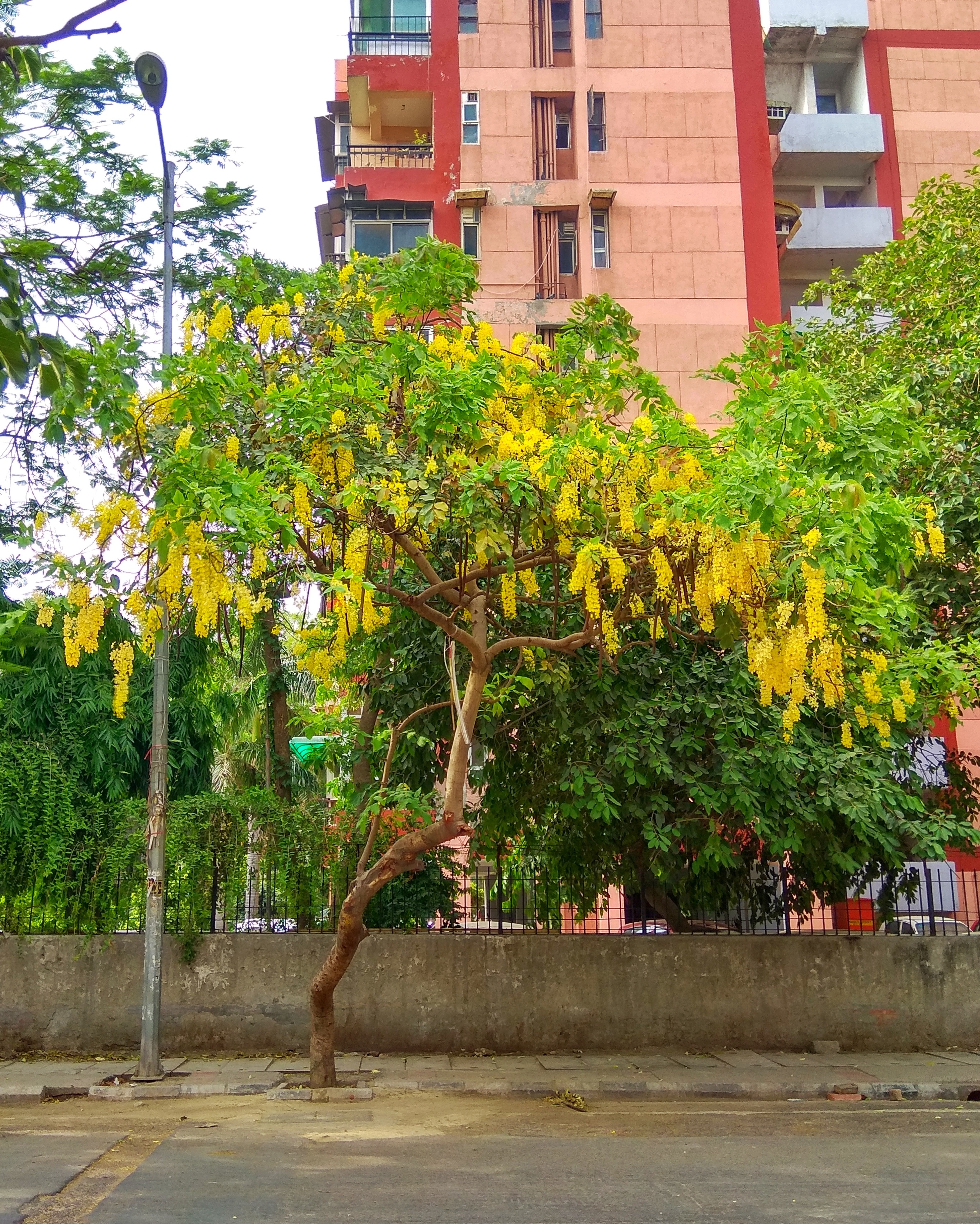 golden shower treeCassia fistula
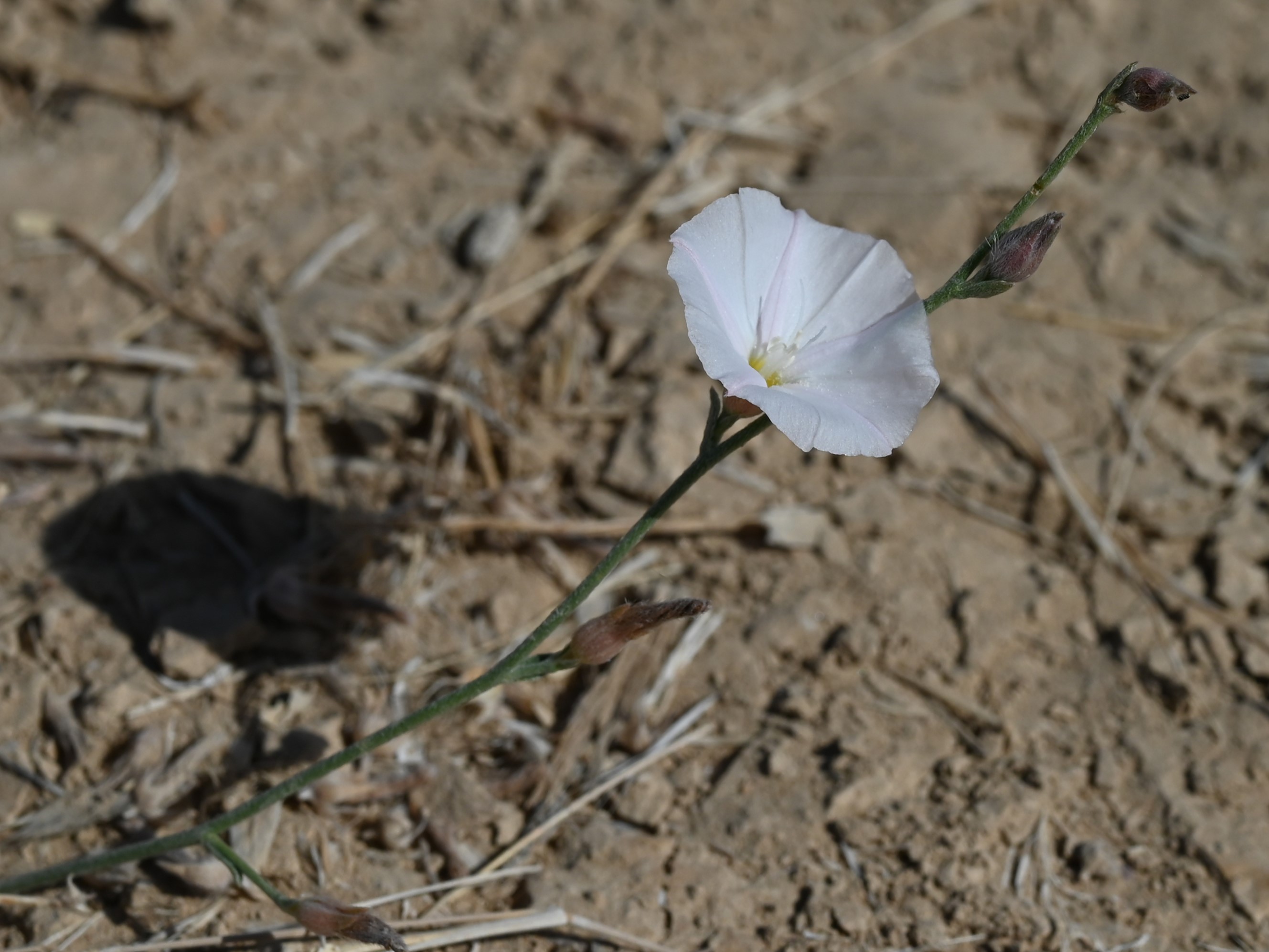 shankhpushpiConvolvulus pluricaulis
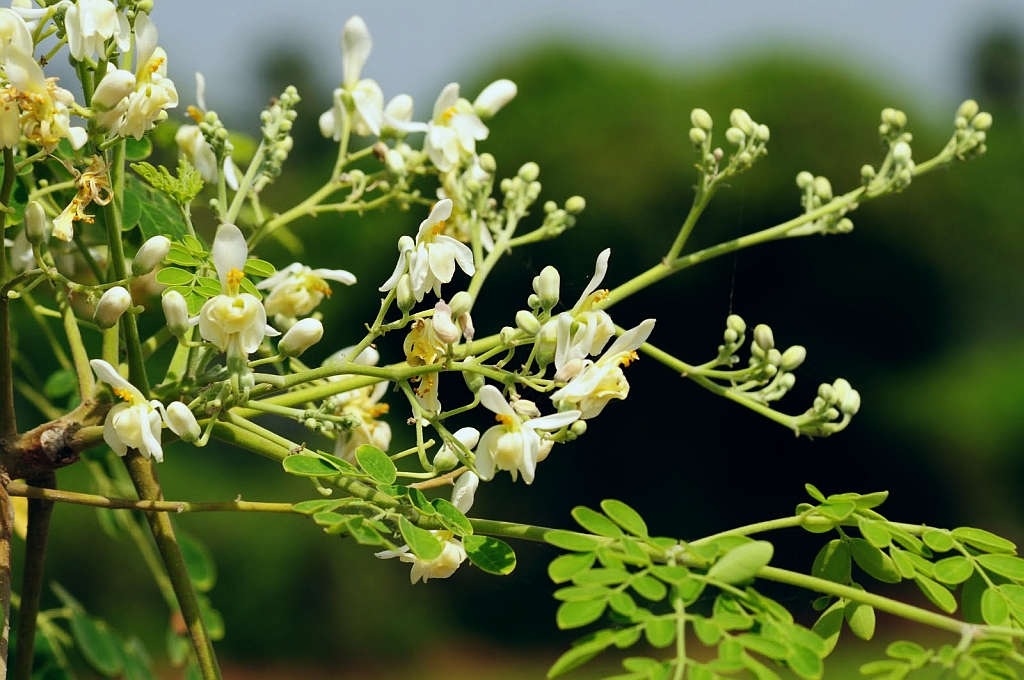 moringaMoringa oleifera
Nearby on the shelf
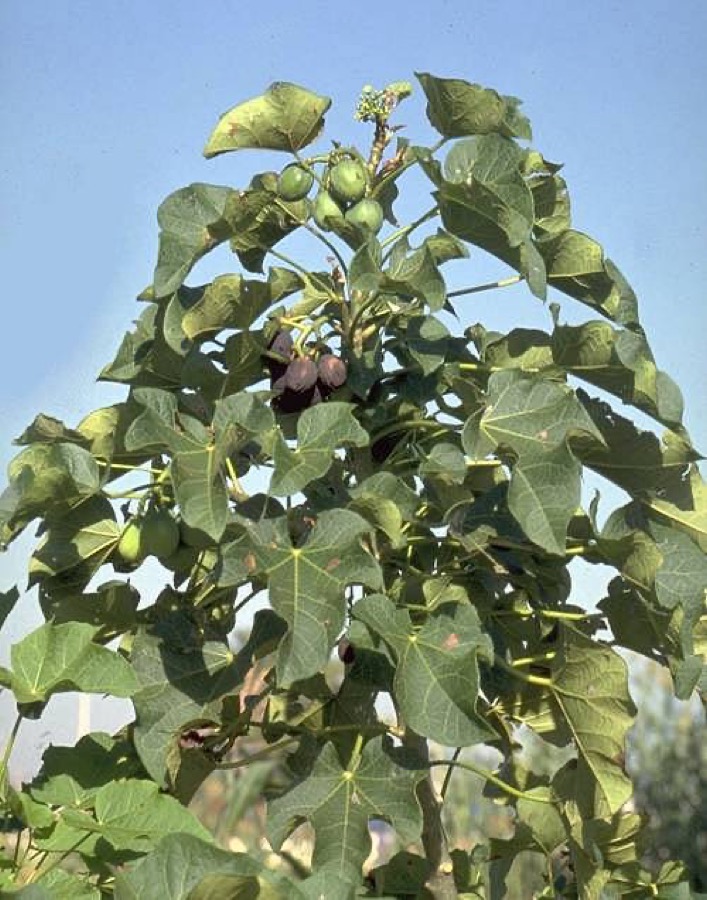 Physic NutCurcas Purgans
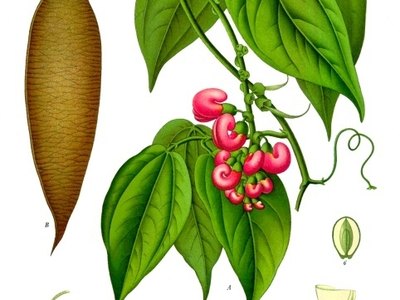 PhysostigmaPhysostigma venenosum
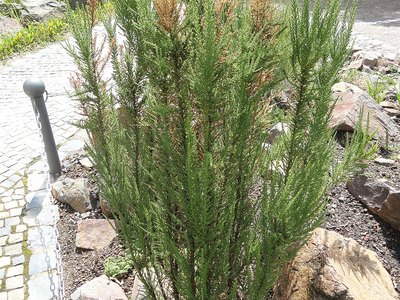 PichiFabiana imbricata
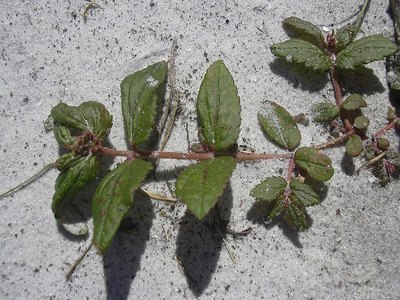 Pillbearing SpurgeChamaesyce hirta
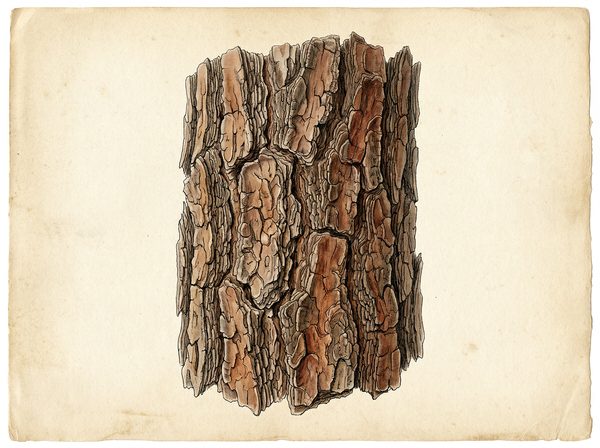 Pine BarkPinus pinaster
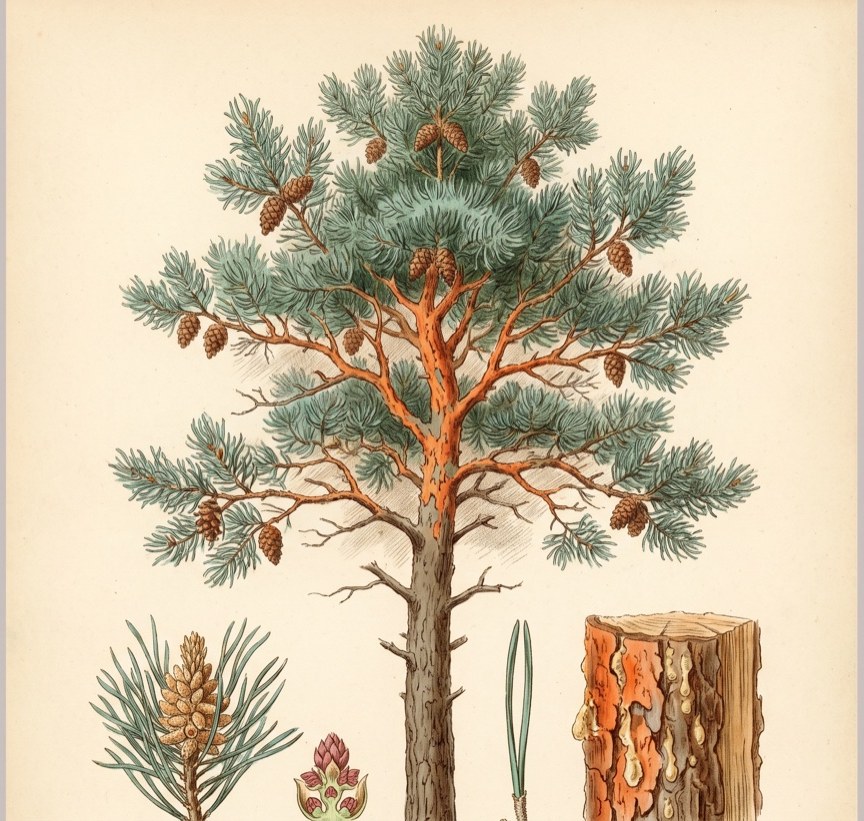 Pine tarPix Liquida
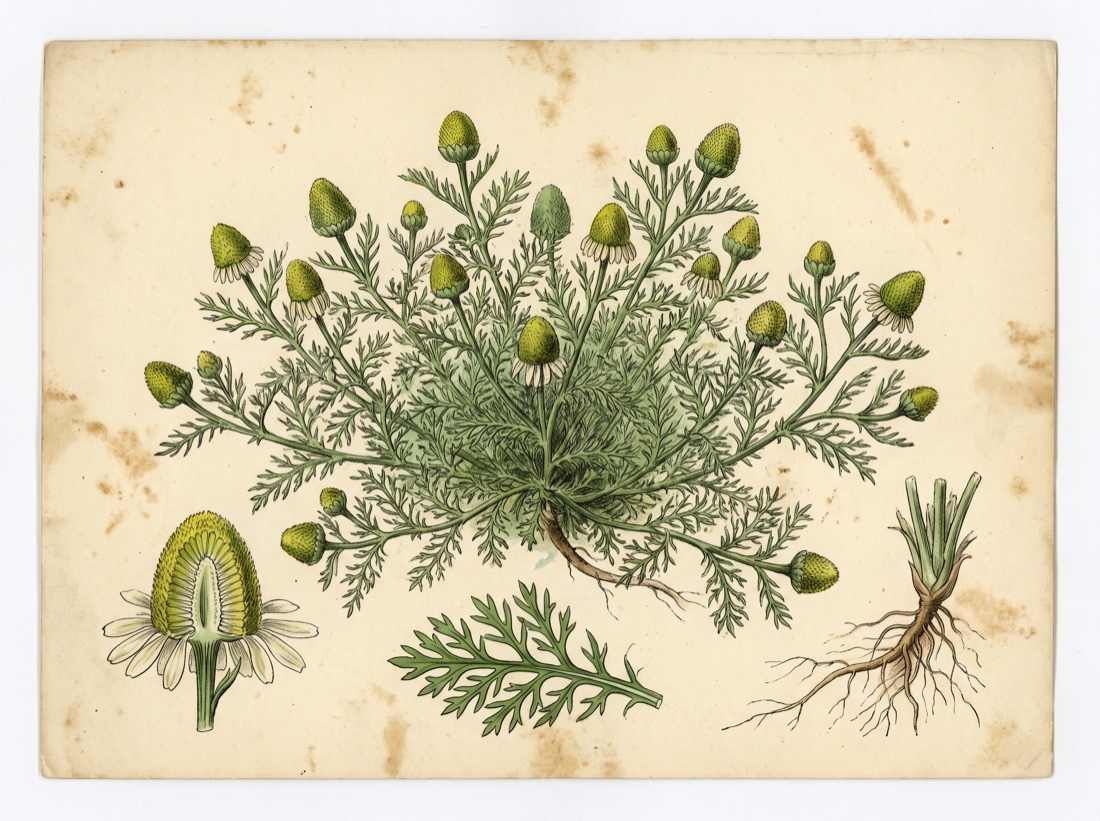 PineappleweedMatricaria discoidea
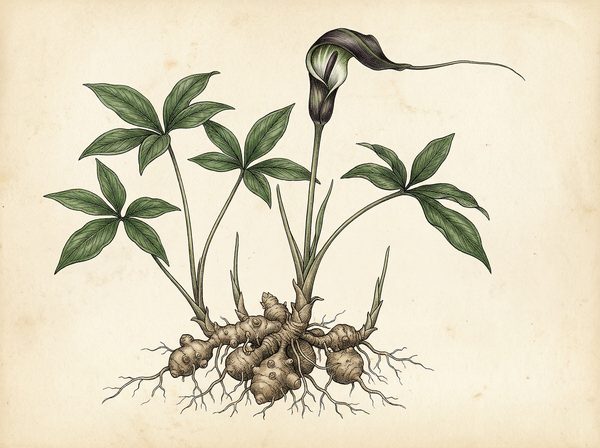 PinelliaPinellia ternata
The whole plate is in the library. The compass, Compare, the Sky of eleven hundred plants and the formulary open with an email address and a password, free, with the formula builder and its safety engine. Herbert without limit, his formulating, clients, the handouts and the labels are the paid room.
Open the library, free