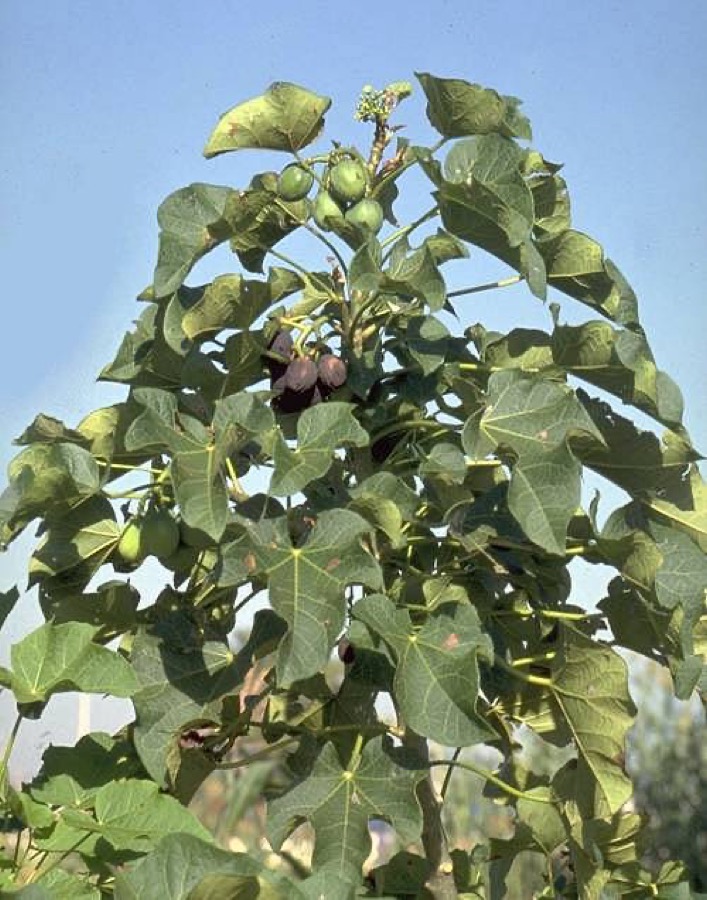
Western Herbalism
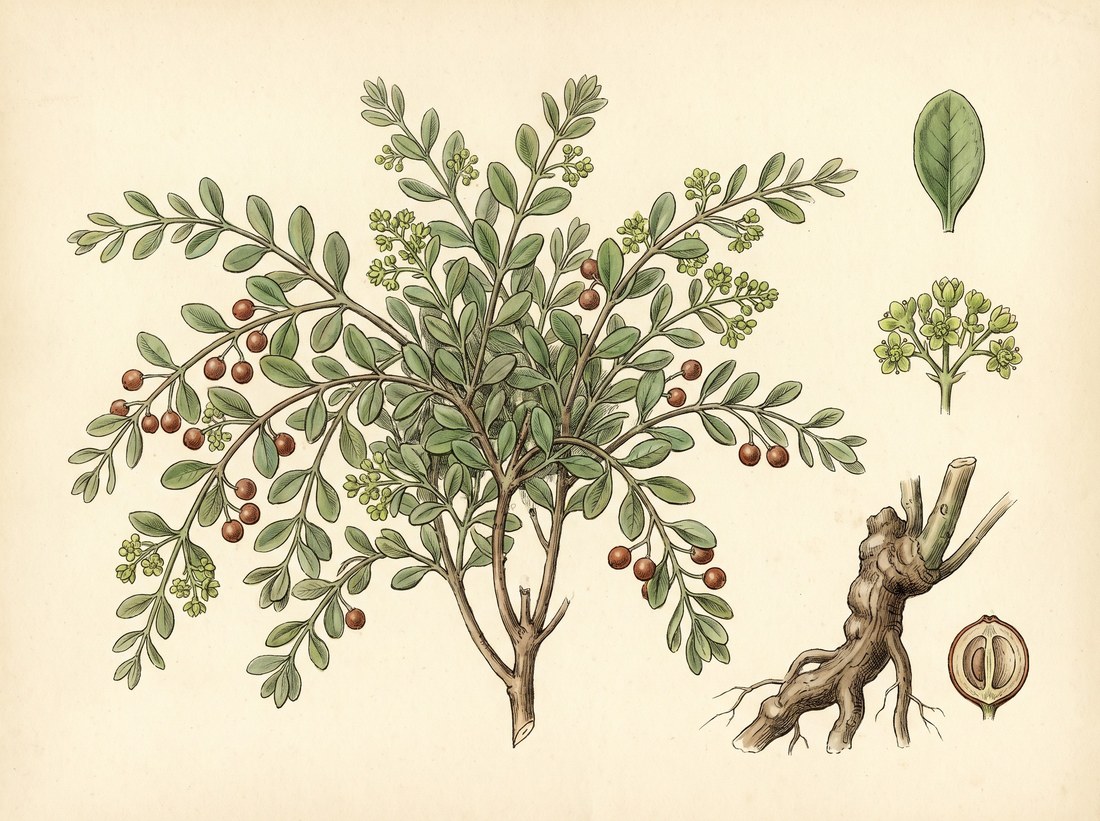
Physic Nut
Curcas Purgans
Also known as Purging Nut, Barbadoes Nut, Barbados Nut.
Jatropha curcas, long recorded under the older name Curcas purgans, is a small tree or shrub native to tropical America and now widely naturalized throughout the tropics and subtropics. The seed oil was historically pressed and used, in minute and dangerous doses, as a violent purgative in the manner of croton oil, while the fresh leaves and latex found a place in folk medicine for wounds and skin complaints. Internal use of any part of the plant has been abandoned in modern practice because the margin between a purgative dose and a poisonous one is far too narrow.

Ask Herbert about Physic Nut. Herbert is the master herbalist inside Bountiful Herbs: he answers from this plate and eleven hundred others, with dosing, pairing and cautions. Your first ten questions are free.
Ask HerbertActions
Indications what the tradition reached for it in
- Constipation (historical drastic purgative, now abandoned)
- Non-healing skin ulcers (topical)
- Wounds (topical latex)
- Ringworm and other superficial fungal skin lesions (topical oil)
- Scabies (traditional topical)
- Rheumatic and muscular pain (rubefacient rub)
- Warts (topical latex, traditional)
- Minor cuts and abrasions (hemostatic latex)
Specific indications
Chronic, sluggish skin ulcers that fail to heal, dressed with the fresh leaf or its expressed latex.
Stubborn ringworm patches treated with the seed oil applied externally, never taken by mouth because of its toxicity.
Safety
Recognised toxicity. This plant carries a toxicity flag in the record; it is for trained practitioners only.
Low dose botanical. Used in drop doses in the classical practice; not a plant to dose freely.
Pregnancy: Avoid entirely, both oral and unsupervised topical use, because the seeds and oil are toxic and traditionally reputed to be abortifacient.
Breastfeeding: Avoid, since there is no safety data and the plant poses a well-documented poisoning risk if any part is ingested.
The record lists 8 contraindications; open the plate in the library to read them in full.
In practice
This plant no longer has a place in internal prescribing. The old eclectic and domestic use of the expressed seed oil as a harsh cathartic, similar in concept to croton oil, was always recognized as risky, and it has been entirely superseded by safer purgatives.
Dosing as the sources wrote it
| Preparation | As written | Metric |
|---|---|---|
| Topical oil (traditional) | Applied externally to skin lesions once or twice daily, not for internal use | |
| Fresh leaf poultice or latex | Applied topically to wounds or ulcers once daily, changed as needed | |
| The oil, in the dose of 10 or 12 minims, is a cathartic, somewhat resembling croton oil in its action, though less severe. | 0.74-0.74 mL | |
| Doses of | Doses of ʒii to ʒiii act gently and efficiently. | 7776-11664 mg |
| An active purgative in overdoses; a mild evacuant and cholagogue in doses of 1/4 drachm to 2 fluid drachms of the fluid extract. | 972 mg |
Doses are reproduced from the sources for practitioners and are not a recommendation for any person.
From the sources
Overview. Jatropha curcas, long recorded under the older name Curcas purgans, is a small tree or shrub native to tropical America and now widely naturalized throughout the tropics and subtropics. The seed oil was historically pressed and used, in minute and dangerous doses, as a violent purgative in the manner of croton oil, while the fresh leaves and latex found a place in folk medicine for wounds and skin complaints. Internal use of any part of the plant has been abandoned in modern practice because the margin between a purgative dose and a poisonous one is far too narrow.
Clinical Notes. This plant no longer has a place in internal prescribing. The old eclectic and domestic use of the expressed seed oil as a harsh cathartic, similar in concept to croton oil, was always recognized as risky, and it has been entirely superseded by safer purgatives.
Action and Uses. Nutritive and demulcent. Used as a light and agreeable nourishment for the sick. It makes an excellent nourishment for infants about the time of weaning, and is less apt to turn sour on their stomach than any other farinaceous food. For the sick and convalescent, its flavor may be improved by raisins, sugar, prunes, lemon-juice, wine, spices, etc., as may be required.
Description. Tapioca is a very pure starch in the form of irregular, warty grains, seldom larger than a pea, white, tasteless, and inodorous. Boiling water dissolves it almost entirely, or, if in small proportion to the tapioca, it forms with it a translucent, tasteless jelly, and firmer than is made with most varieties of starch.
Drawn from King's American Dispensatory, 18th edition (Felter and Lloyd), and the Bountiful Herbs editorial.
Nearby on the shelf
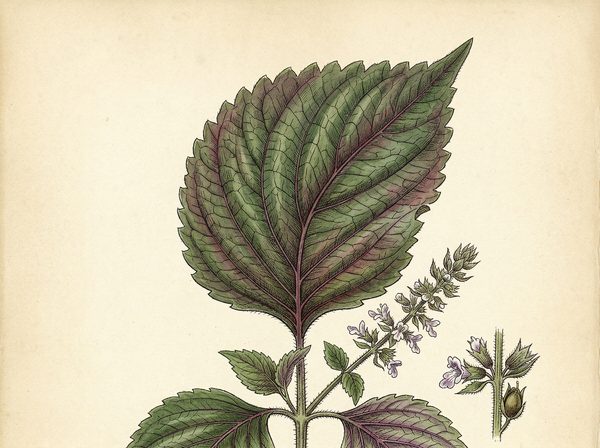 PerillaPerilla frutescens
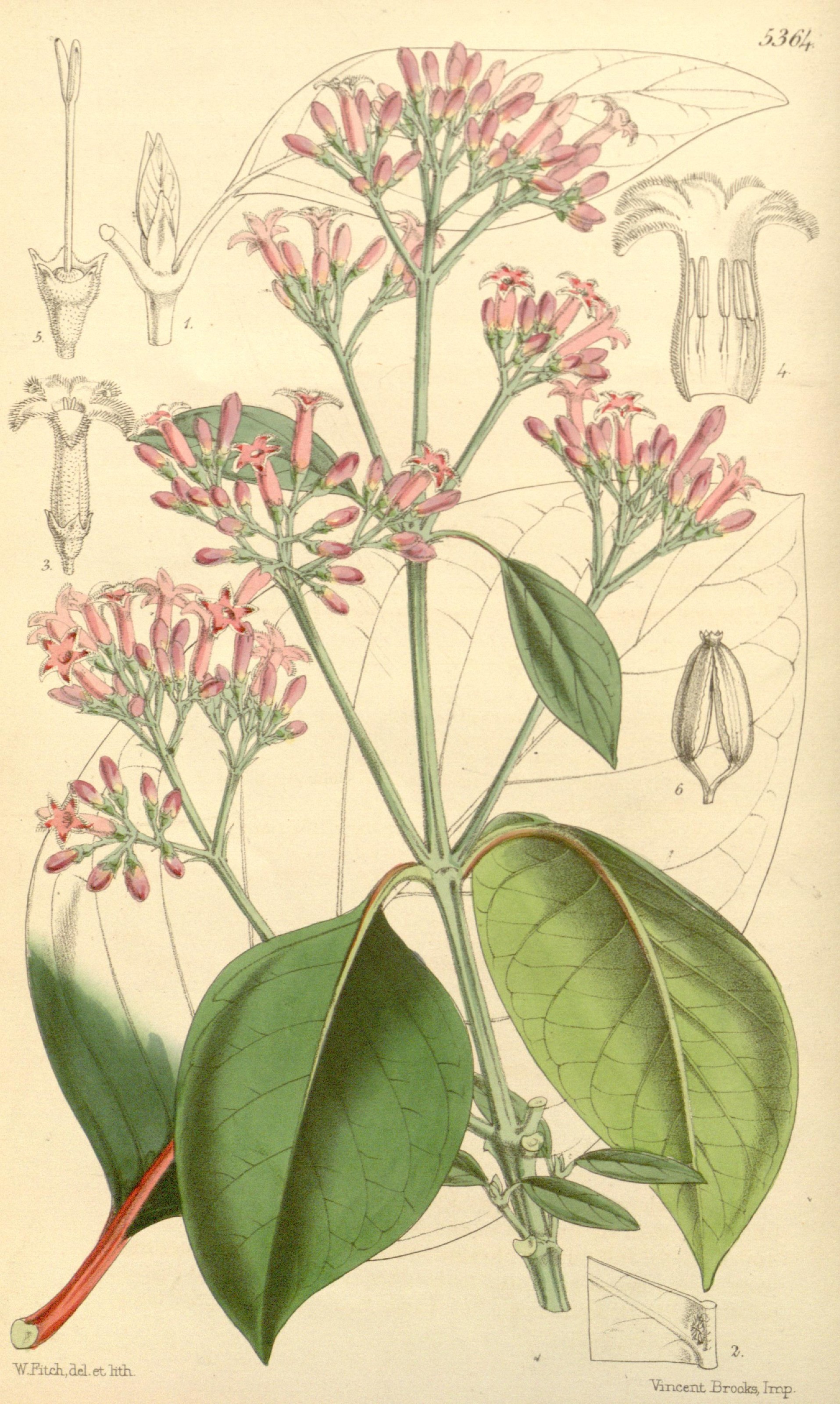 Peruvian BarkCinchona officinalis
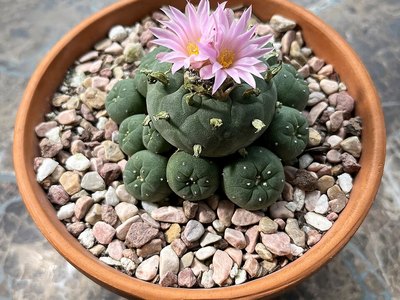 PeyoteLophophora williamsii
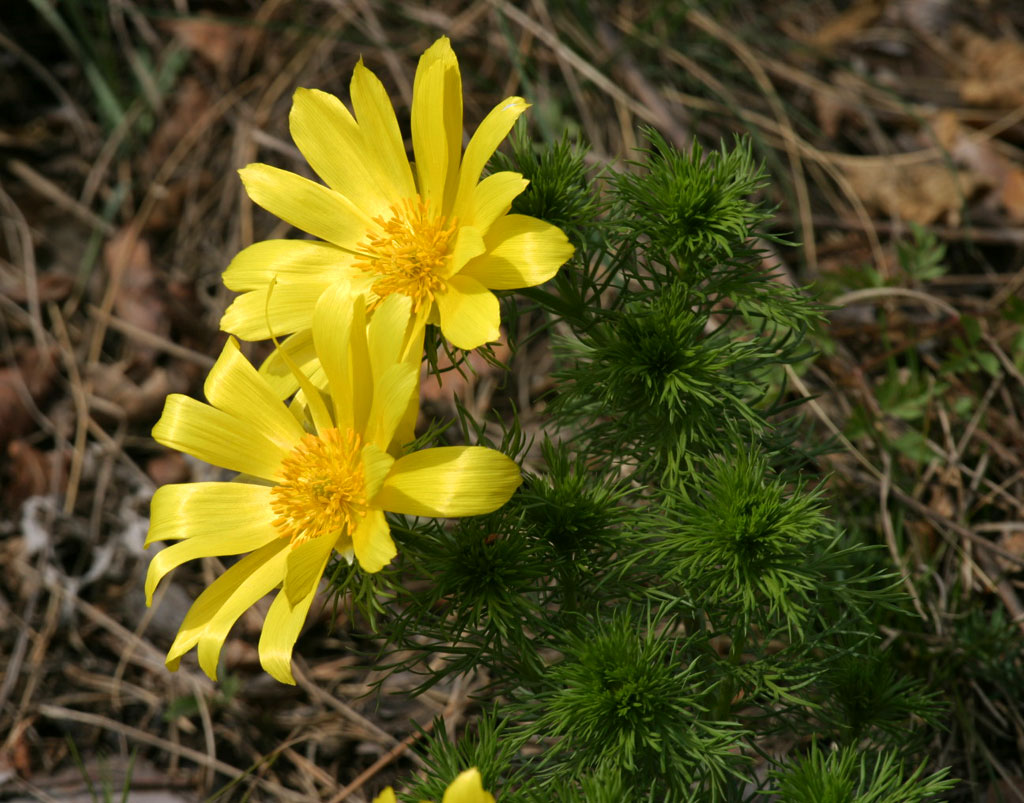 Pheasants eyeAdonis vernalis
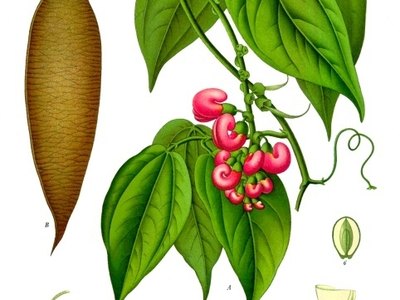 PhysostigmaPhysostigma venenosum
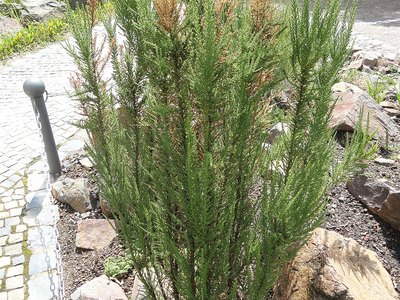 PichiFabiana imbricata
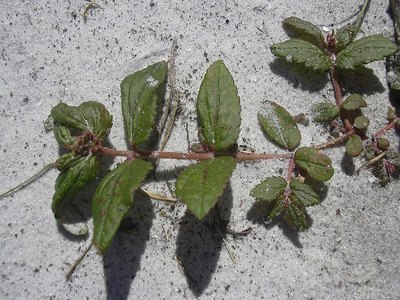 Pillbearing SpurgeChamaesyce hirta
 PiluSalvadora persica
The whole plate is in the library. The compass, Compare, the Sky of eleven hundred plants and the formulary open with an email address and a password, free, with the formula builder and its safety engine. Herbert without limit, his formulating, clients, the handouts and the labels are the paid room.
Open the library, free