Western Herbalism
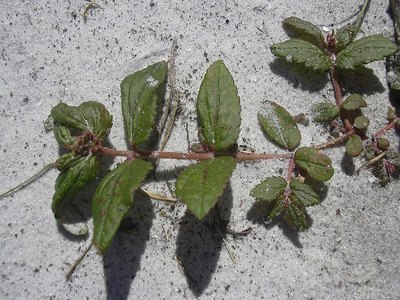
Pillbearing Spurge
Chamaesyce hirta
Also known as Snakeweed, Pill-bearing Spurge, Cat’s Hair, Queensland Asthma Weed, Snake-weed, Flowery-headed spurge, Asthma weed.
Euphorbia hirta, long known in older dispensatories as Euphorbia pilulifera, is a small prostrate, hairy annual weed found throughout tropical and subtropical regions including the southern United States, Africa, and Asia. The whole flowering plant, harvested and dried, was adopted by Eclectic physicians in the nineteenth century as a specific for spasmodic asthma and irritative coughs, and it has a long parallel history in Ayurvedic and other traditional systems as a remedy for asthma, bronchitis, and diarrheal disease. It is a minor but distinctive herb in the modern Western respiratory materia medica.

Ask Herbert about Pillbearing Spurge. Herbert is the master herbalist inside Bountiful Herbs: he answers from this plate and eleven hundred others, with dosing, pairing and cautions. Your first ten questions are free.
Ask HerbertActions
Indications what the tradition reached for it in
- Respiratory disorders
- Asthma
- Bronchitis
- Catarrh
- Laryngeal spasm
- Intestinal amoebiasis
- Bronchial asthma
- Spasmodic cough
- Chronic bronchitis in the elderly
- Whooping cough
- Emphysema with dyspnea
- Cardiac-related dyspnea (historical use)
- Acute diarrhea
- Dysentery
- Insufficient lactation (traditional)
Specific indications
Spasmodic and dyspneic breathing with bronchial irritation.
Safety
The record lists 2 contraindications; open the plate in the library to read them in full.
Dosing as the sources wrote it
| Preparation | As written | Metric |
|---|---|---|
| Herb 120-300 mg as an infusion | 120-300 mg | |
| (G7) Liquid Extract of Euphorbia (BPC 1949) 0.12 -0.3 mL | 0.12-0.3 mL | |
| Euphorbia Tincture (BPC 1923) 0.6 -2.0 mL. | 0.6-2 mL | |
| Dose, 1 to 30 drops. | 0.02-0.6 mL | |
| ordinary tincture | Dose of ordinary tincture, from 10 to 60 drops, as an anti-asthmatic, for which purpose it is highly valued in Australia. | 0.2-1.2 mL |
| Dried herb infusion | 1-2 g dried herb as tea, up to three times daily | 1000-2000 mg |
Doses are reproduced from the sources for practitioners and are not a recommendation for any person.
From the sources
Overview. Euphorbia hirta, long known in older dispensatories as Euphorbia pilulifera, is a small prostrate, hairy annual weed found throughout tropical and subtropical regions including the southern United States, Africa, and Asia. The whole flowering plant, harvested and dried, was adopted by Eclectic physicians in the nineteenth century as a specific for spasmodic asthma and irritative coughs, and it has a long parallel history in Ayurvedic and other traditional systems as a remedy for asthma, bronchitis, and diarrheal disease. It is a minor but distinctive herb in the modern Western respiratory materia medica.
Clinical Notes. This is a plant most herbalists reach for in bronchospasm with a wheezy, tight-chested quality rather than a simple productive cough. The Eclectics valued it particularly for asthma of recent onset following a cold, and for the harsh, teasing cough seen in chronic bronchitis of older patients, where they combined it with expectorants such as grindelia or lobelia in a syrup base to soften its somewhat bitter, acrid taste.
Action and Therapy. A remedy for spasmodic asthma and coughs of a convulsive character due to recent colds. It is somewhat anodyne as well as antispasmodic and expectorant, and is asserted useful in the irritative, teasing, and paroxysmal coughs of the chronic bronchitis of old persons and consumptives. It is also said to relieve dyspnea of cardiac origin and to be of some use in emphysema. It may be administered in syrup, if desired.
Action, Medical Uses, and Dosage. Euphorbia is emetic, diaphoretic, expectorant, and epispastic. Small doses are expectorant and diaphoretic. Larger doses produce emesis usually without much pain or spasm, nausea or giddiness. Overdoses will produce dangerous hyperemesis, or hypercatharsis, or both, and not infrequently give rise to an unpleasant inflammatory state of the alimentary canal.
Drawn from King's American Dispensatory, 18th edition (Felter and Lloyd); Felter's Eclectic Materia Medica, Pharmacology and Therapeutics, and the Bountiful Herbs editorial.
Nearby on the shelf
 Pheasants eyeAdonis vernalis
 Physic NutCurcas Purgans
 PhysostigmaPhysostigma venenosum
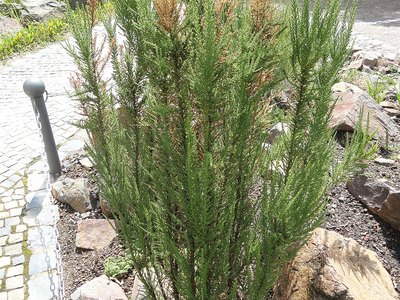 PichiFabiana imbricata
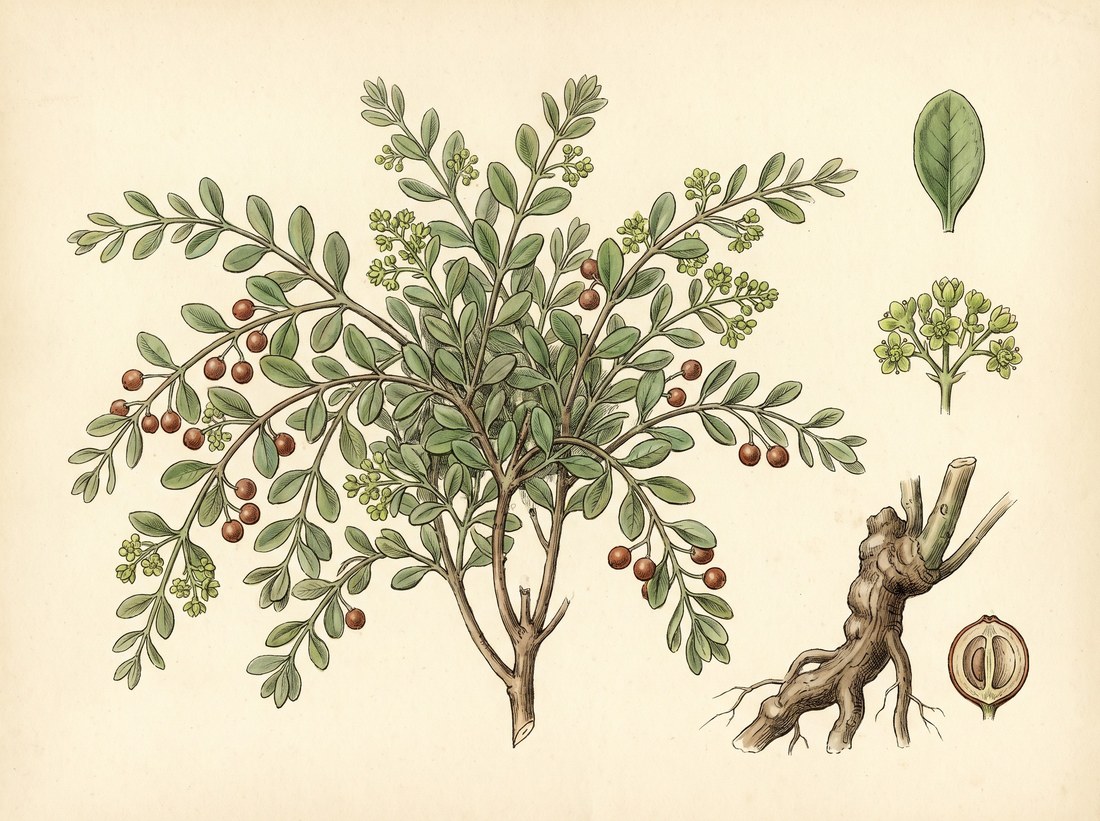 PiluSalvadora persica
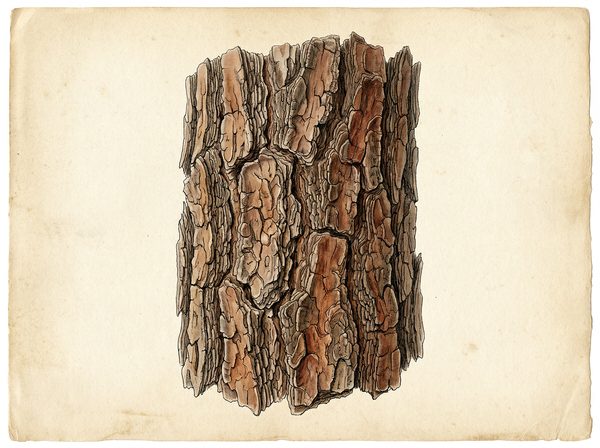 Pine BarkPinus pinaster
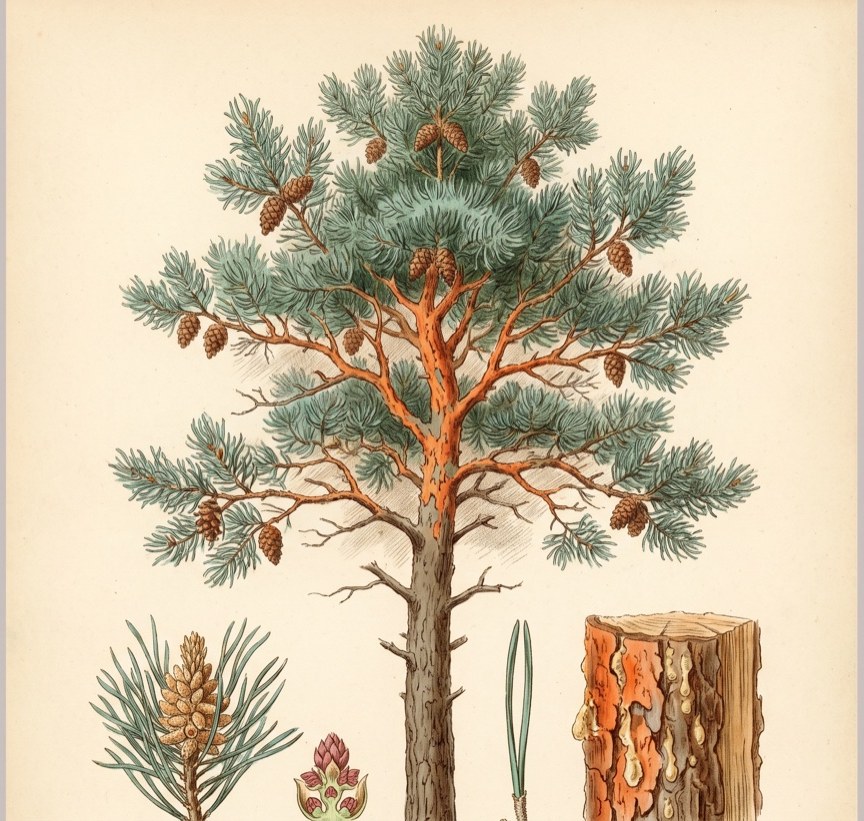 Pine tarPix Liquida
 PineappleweedMatricaria discoidea
The whole plate is in the library. The compass, Compare, the Sky of eleven hundred plants and the formulary open with an email address and a password, free, with the formula builder and its safety engine. Herbert without limit, his formulating, clients, the handouts and the labels are the paid room.
Open the library, free