Ayurvedic Herbalism
Shankhpushpi
Convolvulus pluricaulis
Also known as shankhapushpi, bindweed (Indian), morning glory (dwarf Indian), Shankhapushpi, Shankhini, Kshirapushpi.
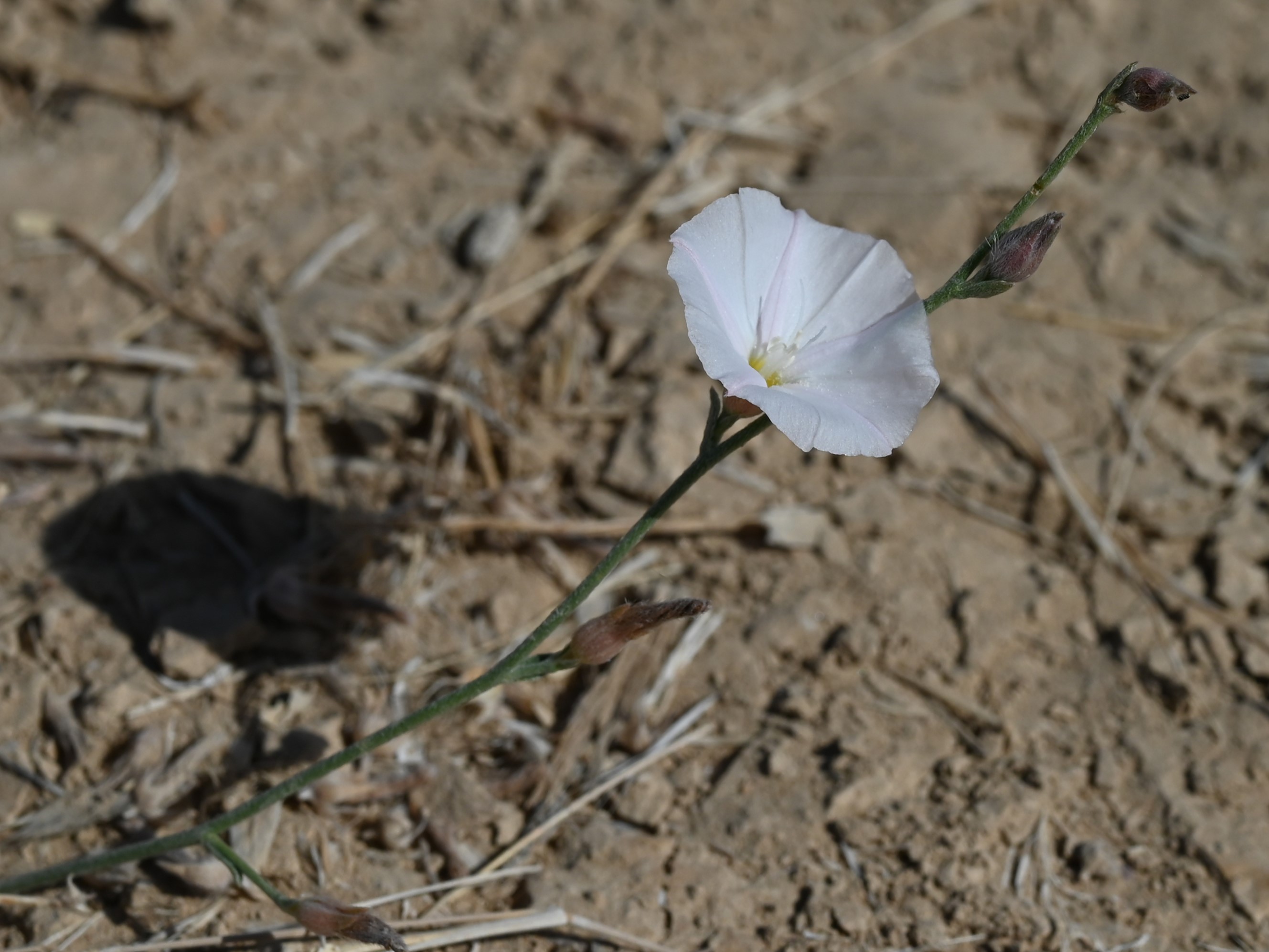
Convolvulus pluricaulis is a small prostrate perennial with narrow hairy leaves and white to pale pink funnel flowers, growing on sandy and rocky ground across the plains of northern and central India, Rajasthan and Gujarat. The current accepted botanical name is Convolvulus prostratus, but pharmacopoeias and research still use Convolvulus pluricaulis. It is the plant most often supplied as Shankhapushpi, the conch-flowered herb that the Charaka Samhita names among the four medhya rasayanas, the rejuvenatives of the intellect. It is cooling, calming and mildly astringent, the gentle counterpart to Brahmi.

Ask Herbert about Shankhpushpi. Herbert is the master herbalist inside Bountiful Herbs: he answers from this plate and eleven hundred others, with dosing, pairing and cautions. Your first ten questions are free.
Ask HerbertActions
Indications what the tradition reached for it in
- Poor memory and concentration in students and the elderly
- Anxiety with restlessness and a racing mind
- Insomnia with mental overactivity
- Nervous exhaustion after prolonged mental work
- Epilepsy (adjunct to conventional care)
- Mild depression with agitation
- Attention difficulties in children (traditional)
- Hypertension with anxiety (traditional)
- Headache of tension type
- Vertigo and dizziness of vata type
- Premature graying and hair loss (traditional)
- Alzheimer's disease
- Dementia
- Poor intelligence
- Cognitive decline
- Sun stroke
- Depression
- Manic disorders
- Hypercholesterolemia
- Neurodegenerative diseases
- Memory loss
- Epilepsy
- Mental fatigue
- Diabetes
- Stress
- Hallucinations
- Anxiety
- Hypertension
- Insomnia
- Bleeding disorders
Specific indications
The anxious, overworked student whose mind will not settle at night and who forgets what was read that afternoon
An older person with a quick temper, poor sleep and slipping recall who does not tolerate warming tonics
A hot, restless child who cannot sit still or hold attention, where a cooling nervine is wanted
Chronic anxiety with palpitations and a dry mouth in a thin pitta-vata patient
Safety
The record lists 4 contraindications; open the plate in the library to read them in full.
In practice
Shankhapushpi is the Ayurvedic nervine for the mind that is hot, quick and tired. The classical form is the fresh juice of the whole plant with a little cumin and milk, taken in the morning; the dried powder with milk or honey is the practical substitute.
In Ayurveda
Rasa: tikta (bitter), kashaya (astringent), madhura (sweet). Virya: sheeta (cooling). Vipaka: madhura (sweet). Guna: snigdha (unctuous), picchila (slimy). Dosha: pacifies all three doshas, especially vata and pitta. Prabhava: medhya (specific action on the intellect). Karma: medhya (promotes intellect and memory); rasayana (rejuvenative); nidrajanana (promotes sleep); manasika roga hara (relieves mental disorders); smritivardhaka (improves memory); keshya (benefits the hair); kanthya (benefits the voice); vishaghna (counters poison); grahi (binds the bowel); vishahara (anti-toxic). Classical indications: smritinasha (loss of memory); unmada (mania, psychosis); apasmara (epilepsy); anidra (insomnia); chittodvega (anxiety); bhrama (dizziness); jvara (fever); kasa (cough); raktapitta (bleeding disorders); visha (poisoning); atisara (diarrhea). The whole flowering plant is used fresh as swarasa with honey or milk, dried as churna, decocted as kwatha, cooked into ghrita, and fermented into Saraswatarishta. It is one of the four medhya rasayanas of the Charaka Samhita and is given as juice with cumin and milk in that text. Classical formulations: Shankhapushpi churna, Saraswatarishta, Brahmi vati, Manasamitra vataka, Shankhapushpi ghrita, Saraswata churna, Medhya rasayana. Described in: Charaka Samhita, Ashtanga Hridaya, Bhavaprakasha Nighantu, Raja Nighantu, Kaiyadeva Nighantu, Ayurvedic Pharmacopoeia of India.
Dosing as the sources wrote it
| Preparation | As written | Metric |
|---|---|---|
| Churna | 3-6 g powdered whole plant daily with milk or honey | 3000-6000 mg |
| Swarasa | 10-20 mL fresh juice daily with milk | 10-20 mL |
| Kwatha | 50-100 mL decoction twice daily | 50-100 mL |
| Arishta | 12-24 mL Saraswatarishta twice daily after food | 12-24 mL |
| Paste | Paste 1 - 2 g | 1000-2000 mg |
| Decoction | Decoction 50 - 100 ml/day | 50-100 mL |
Doses are reproduced from the sources for practitioners and are not a recommendation for any person.
From the sources
Overview. Convolvulus pluricaulis is a small prostrate perennial with narrow hairy leaves and white to pale pink funnel flowers, growing on sandy and rocky ground across the plains of northern and central India, Rajasthan and Gujarat. The current accepted botanical name is Convolvulus prostratus, but pharmacopoeias and research still use Convolvulus pluricaulis. It is the plant most often supplied as Shankhapushpi, the conch-flowered herb that the Charaka Samhita names among the four medhya rasayanas, the rejuvenatives of the intellect. It is cooling, calming and mildly astringent, the gentle counterpart to Brahmi.
Clinical Notes. Shankhapushpi is the Ayurvedic nervine for the mind that is hot, quick and tired. The classical form is the fresh juice of the whole plant with a little cumin and milk, taken in the morning; the dried powder with milk or honey is the practical substitute.
primary-actions. Shankhpushpi acts primarily as: Nervine, Nootropic, Anxiolytic, Sedative, Antidepressant. Secondary actions include Anticonvulsant, Antioxidant, Hypolipidemic, Antiulcer, Hepatoprotective.
indications. Shankhpushpi is traditionally indicated for: Alzheimer's disease, Dementia, Poor intelligence, Cognitive decline, Sun stroke, Depression, Manic disorders, Hypercholesterolemia, Neurodegenerative diseases, Memory loss, Epilepsy, Mental fatigue, Diabetes, Stress, Hallucinations, and 15 further conditions.
In formulas
Shankhpushpi stands in 6 documented formulas in the library, among them Miśreyārka, Brāhma Rasāyana, Miśraka Sneha, Mānasamitra Vaṭaka, Abhraka Bhasma, Brāhmī Vaṭī.
Often paired with
 long pepperPiper longum
 baelAegle marmelos
 Ceylon leadwortPlumbago zeylanica
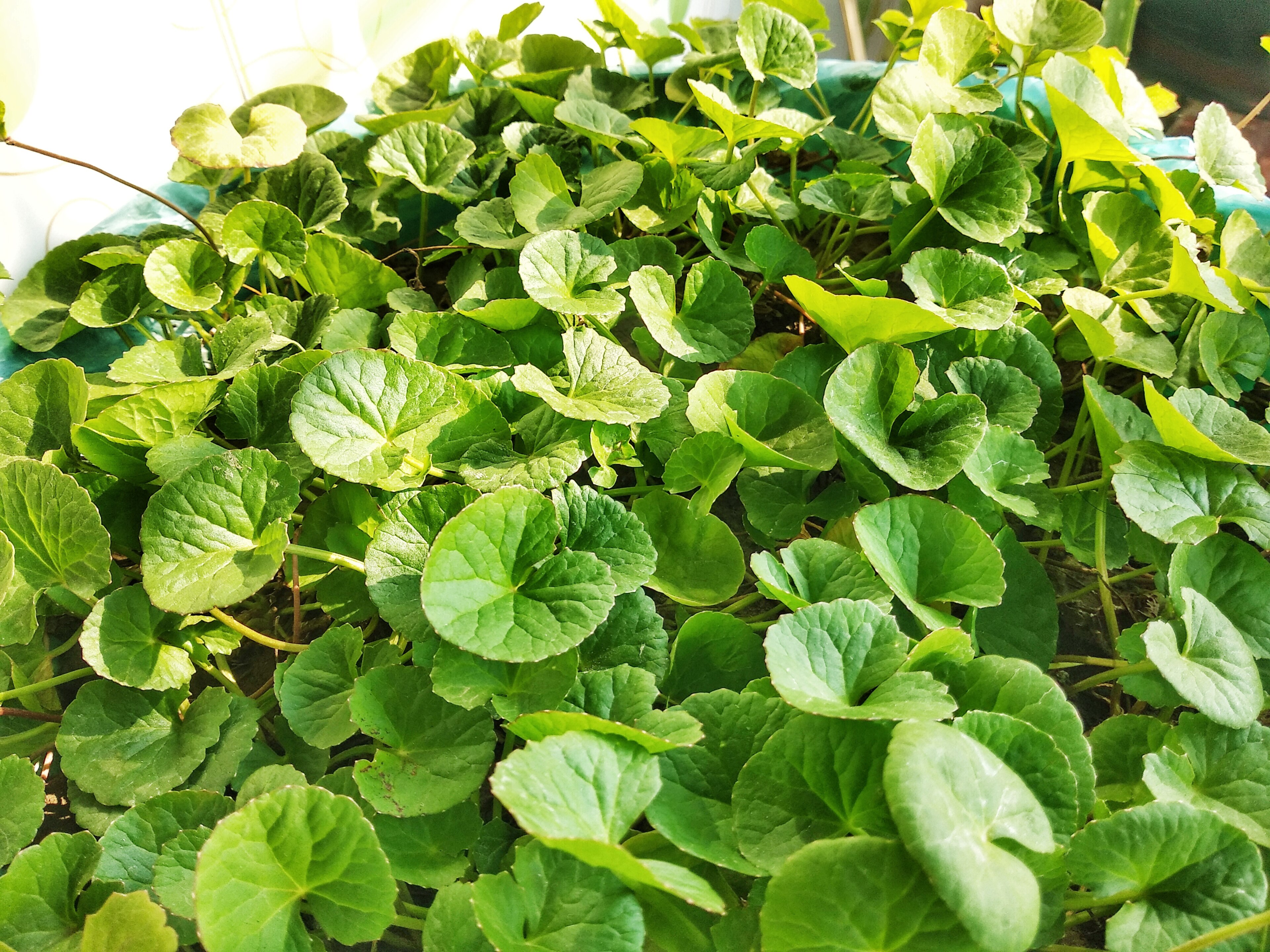 gotu kolaCentella asiatica
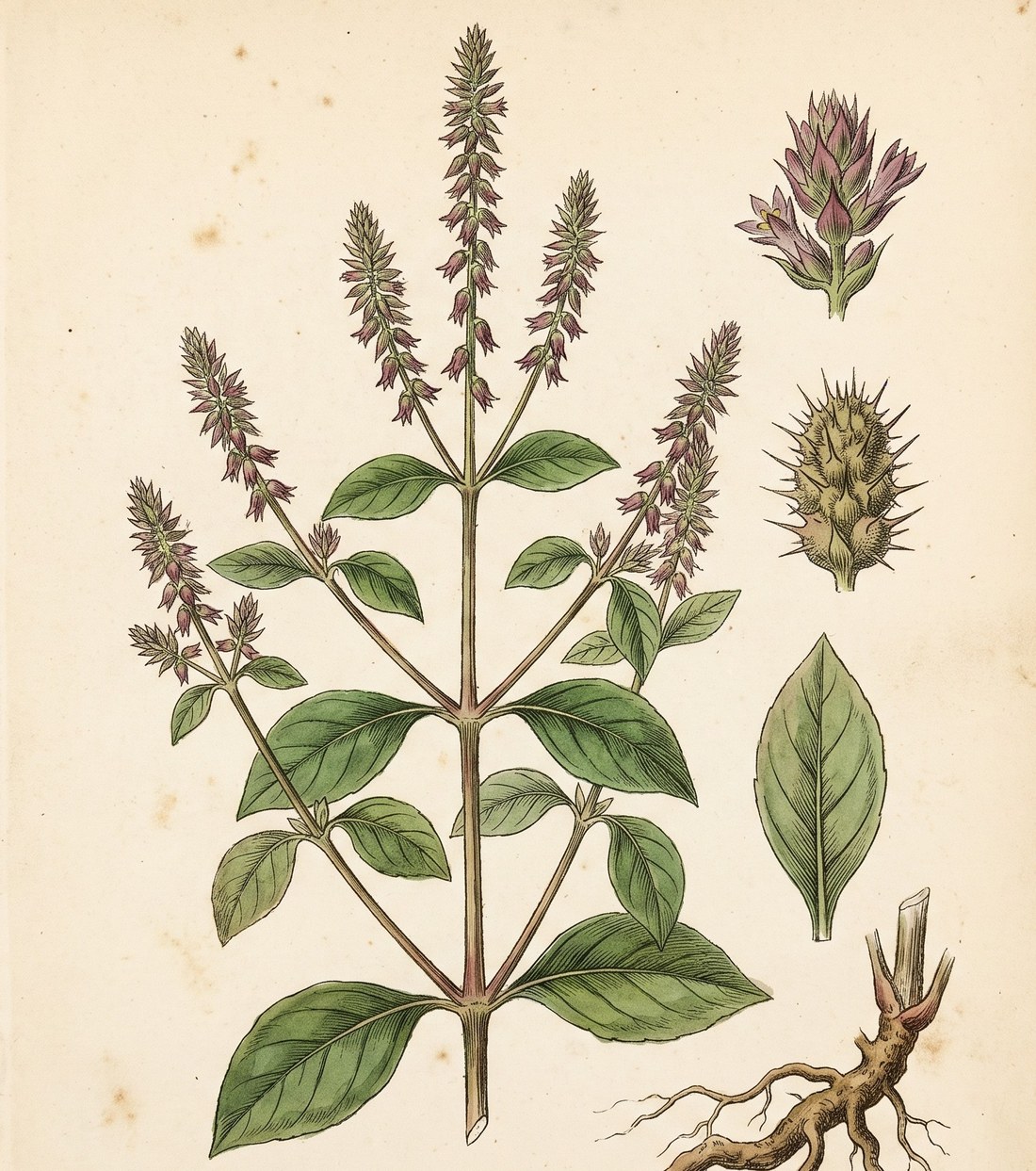 prickly chaff flowerAchyranthes aspera
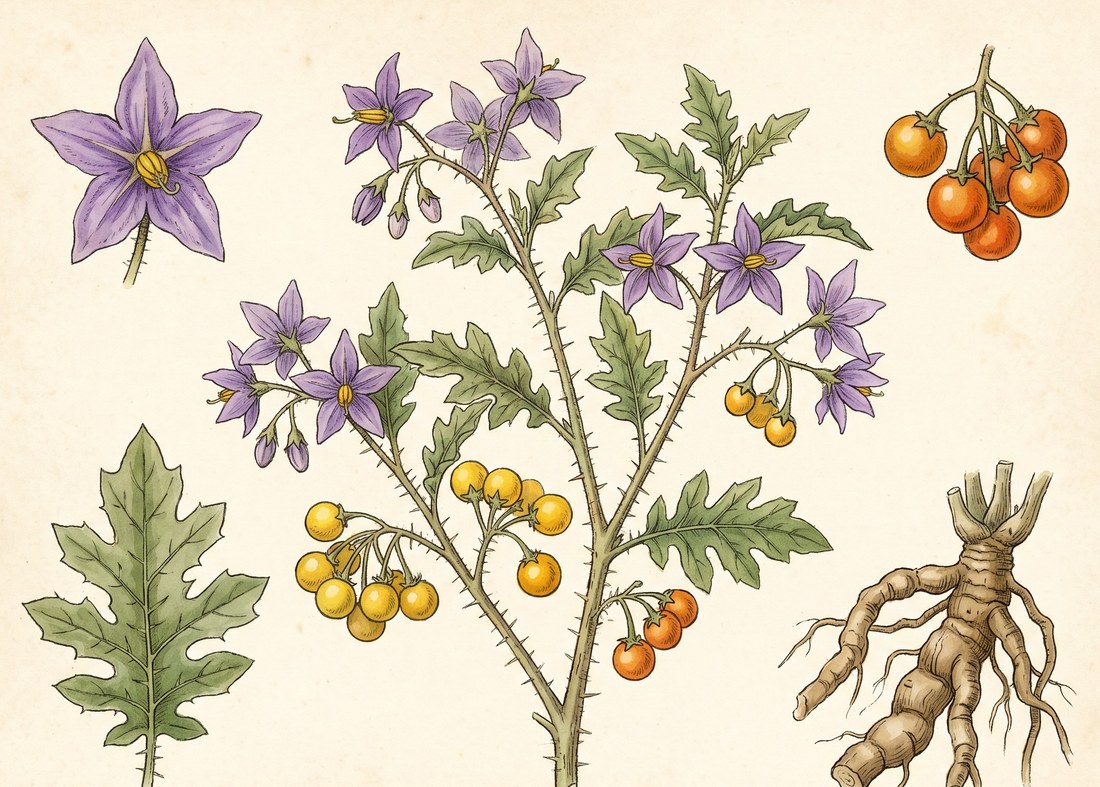 Indian nightshadeSolanum indicum
Nearby on the shelf
 Shagbark hickoryCarya alba
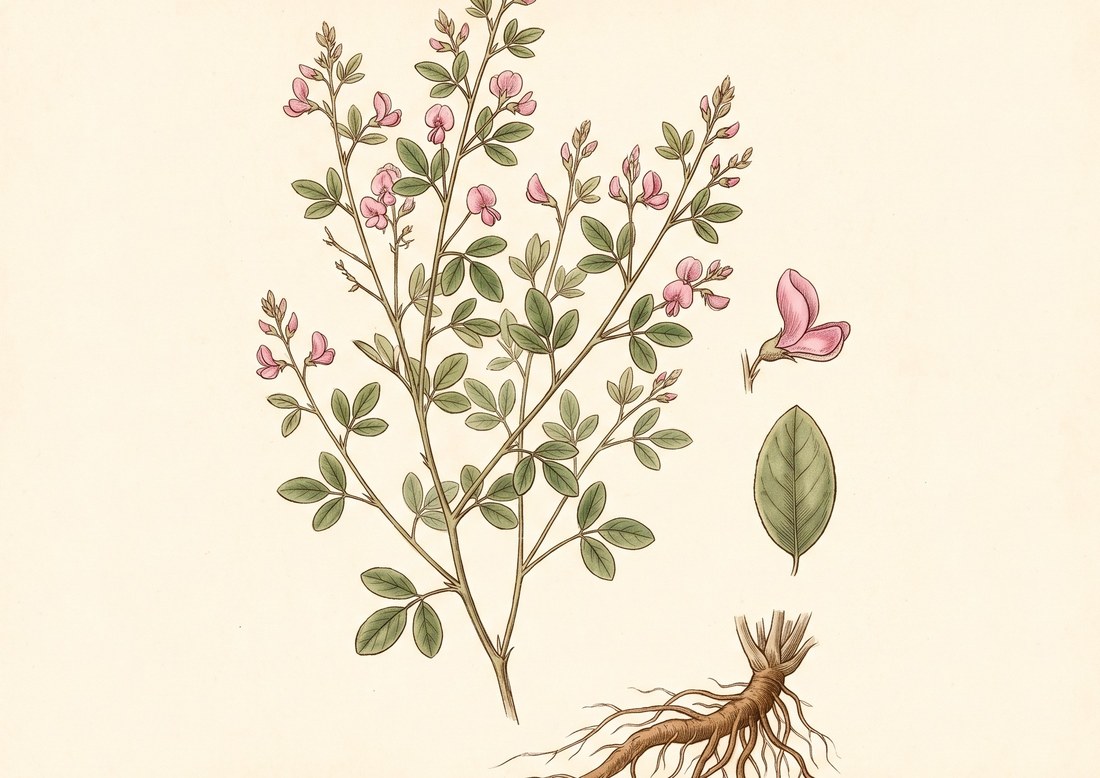 ShalparniDesmodium gangeticum
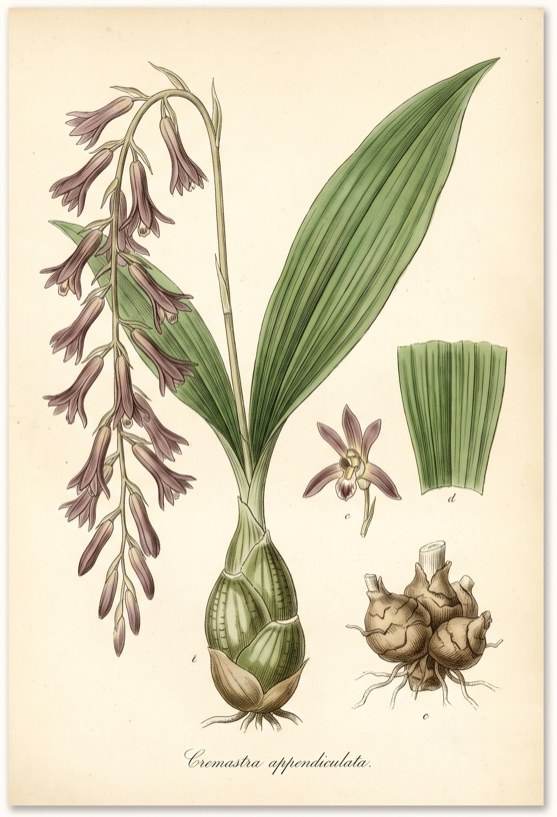 Shan Ci GuCremastra appendiculata
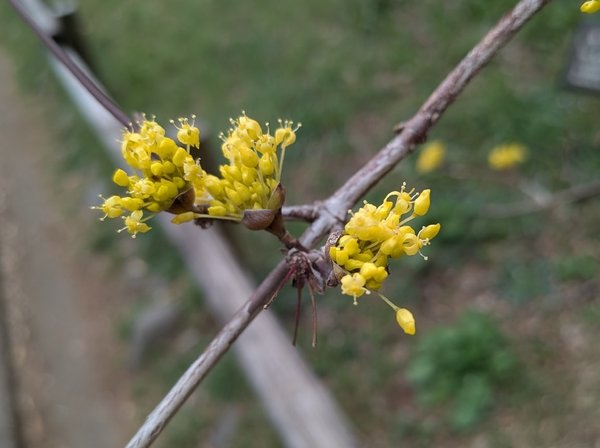 Shan Zhu YuCornus officinalis
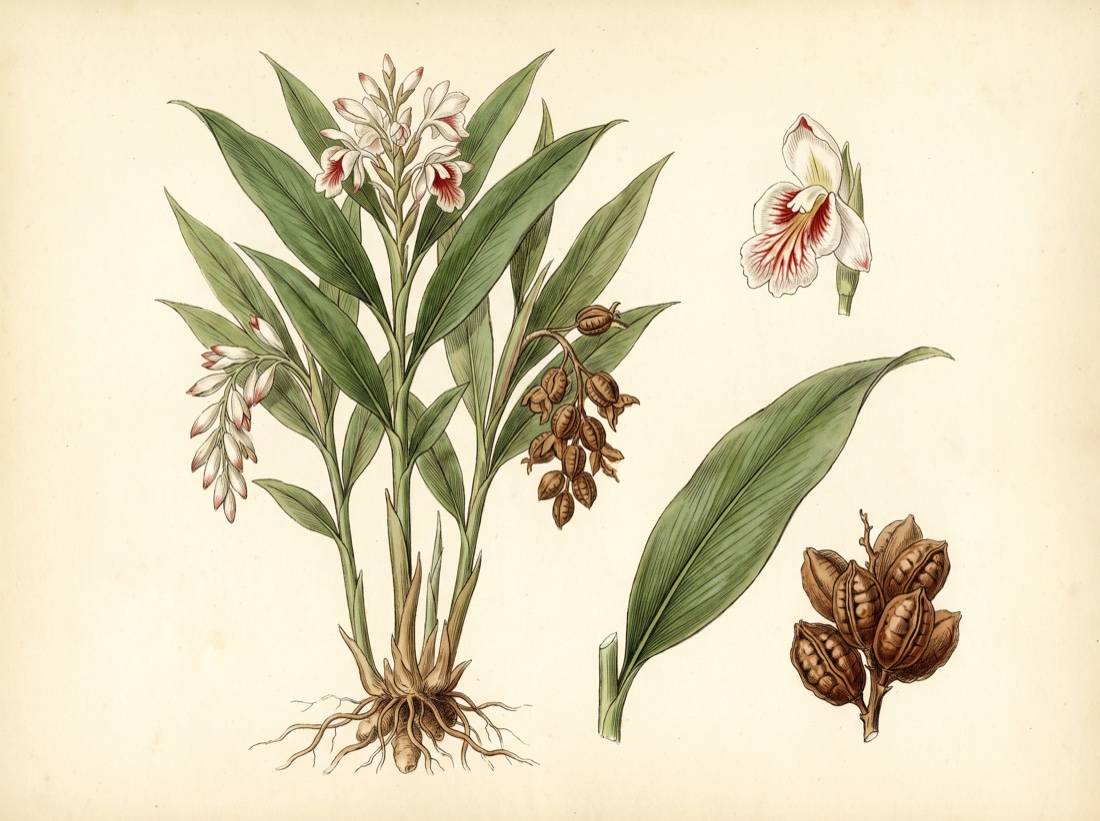 Sharp-leaf galangalAlpinia oxyphylla
 ShatavariAsparagus racemosus
 Sheep SorrelRumex acetosella
 Sheng maActaea cimicifuga
The whole plate is in the library. The compass, Compare, the Sky of eleven hundred plants and the formulary open with an email address and a password, free, with the formula builder and its safety engine. Herbert without limit, his formulating, clients, the handouts and the labels are the paid room.
Open the library, free