Ayurvedic Herbalism
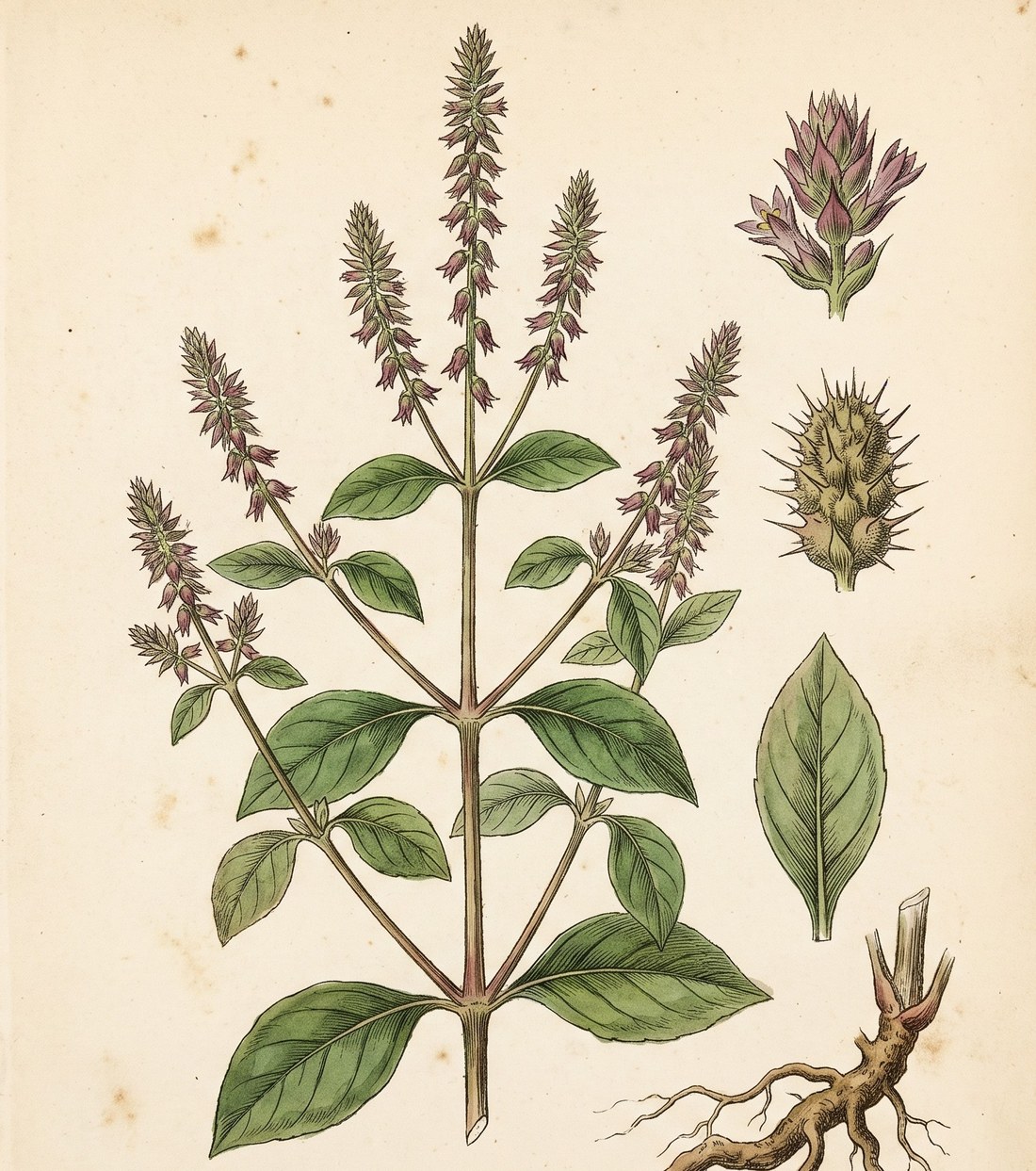
Prickly chaff flower
Achyranthes aspera
Also known as devil's horsewhip, chaff-flower, apamarga, Apamarga, Shikhari, Mayuraka.
Achyranthes aspera is an erect, rough-stemmed annual or short-lived perennial weed of the amaranth family, with long spikes of reflexed prickly flowers that catch on clothing, growing on roadsides and wasteland throughout India and the warm regions of the world. In Ayurveda it is Apamarga, a sharp, warming, scraping plant used for urinary stones, hemorrhoids, swellings, skin disease and sluggish digestion, and the source of Apamarga kshara, the alkaline ash that gives the classical Kshara sutra its caustic power. Every part is used, from the root as a toothbrush to the seeds as a hunger-suppressing gruel.

Ask Herbert about Prickly chaff flower. Herbert is the master herbalist inside Bountiful Herbs: he answers from this plate and eleven hundred others, with dosing, pairing and cautions. Your first ten questions are free.
Ask HerbertActions
Indications what the tradition reached for it in
- Urinary gravel and small stones
- Painful, scanty urination with heaviness
- Hemorrhoids and anal fistula (as Kshara sutra or kshara)
- Edema with sluggish digestion
- Chronic sinus congestion and post-nasal drip
- Chronic cough with sticky phlegm
- Poor appetite and bloating with a coated tongue
- Itching skin conditions with dampness
- Intestinal worms (adjunct)
- Ear pain and discharge (leaf juice or oil, topical)
- Insect bites and scorpion sting (topical paste, first aid)
- Gum disease and plaque (twig or mouthwash)
Specific indications
A kapha patient with recurring small urinary stones or gravel, heaviness in the lower abdomen and sluggish urination, given Apamarga kshara in water or the decoction with Gokshura and Pashanabheda
Chronic hemorrhoids or a fistula for which an Ayurvedic surgeon proposes Kshara sutra, the medicated thread that is the plant's most famous use
Heavy, congested sinuses and a wet cough in a cold, damp patient with poor appetite, where the sharp, scraping plant clears both the head and the digestion
A weeping, itchy skin eruption in a damp, sluggish constitution, treated with the decoction inside and a leaf paste outside
Safety
Pregnancy: Contraindicated in pregnancy: no published safety class is known to us, but the plant has abortifacient and uterine-stimulant activity in animal studies and the tradition itself avoids it.
Breastfeeding: Not recommended in medicinal doses during lactation for lack of data; culinary use of the young leaf as a vegetable is customary in some regions.
The record lists 9 contraindications; open the plate in the library to read them in full.
In practice
Apamarga is a scraper. The Ayurvedic practitioner reaches for it when kapha has settled as stones, growths, swellings or dampness in a patient with a low digestive fire, and it is given as swarasa of the fresh plant, as decoction with honey, or as the kshara, which is taken in tiny amounts in water for urinary calculi or applied by surgeons as Kshara sutra to hemorrhoids and fistula.
In Ayurveda
Rasa: katu (pungent), tikta (bitter). Virya: ushna (heating). Vipaka: katu (pungent). Guna: laghu (light), ruksha (dry), tikshna (sharp), sara (mobile). Dosha: pacifies kapha and vata; aggravates pitta in excess. Prabhava: the kshara (alkaline ash) prepared from the whole plant is the tradition's foremost lithotriptic and caustic, and the seeds taken as gruel are said to suppress hunger. Karma: deepana (kindles digestion); pachana (digests ama); chedana (scrapes and detaches adherent kapha); bhedana (breaks up masses and loosens the bowel); vamana (emetic, in the classical emetic groups); mutrala (diuretic); ashmarighna (breaks urinary stones); shothahara (reduces swelling); krimighna (anthelmintic); raktashodhana (purifies the blood); kandughna (relieves itching); dantya (benefits the teeth); vishaghna (counters poisons, especially scorpion sting); shirovirechana (clears the head). Classical indications: ashmari (urinary calculus); mutrakrichra (painful urination); arsha (hemorrhoids); udara (abdominal enlargement); shotha (swelling); kandu (itching); kushtha (skin disease); krimi (worms); agnimandya (weak digestion); ajirna (indigestion); hridroga (heart disease); karnashula (ear pain); dantashula (toothache); vrischika damsha (scorpion sting); pratishyaya (rhinitis); kasa (cough); apasmara (epilepsy, in compound formulas); kshudhanigraha (hunger suppression during fasting, seeds). The whole plant is used fresh as swarasa, dried as churna and kwatha, and burned to yield Apamarga kshara, the alkaline ash that is the classical lithotriptic and the base of Kshara sutra threads for fistula and hemorrhoids. The seeds (Apamarga tandula) are cooked as a gruel, the root is used as a toothbrush and in pastes, and the leaf juice is dropped into the ear or applied to bites and stings. Medicated oils and ghee carry the plant for ear and skin disease. Classical formulations: Apamarga kshara, Apamarga kshara taila, Kshara sutra, Apamarga tandula churna, Apamargadi taila, Ksharashtaka. Described in: Charaka Samhita, Sushruta Samhita, Ashtanga Hridaya, Bhavaprakasha Nighantu, Dhanvantari Nighantu, Raja Nighantu, Kaiyadeva Nighantu, Madanapala Nighantu, Ayurvedic Pharmacopoeia of India.
Dosing as the sources wrote it
| Preparation | As written | Metric |
|---|---|---|
| Churna | 3-6 g powdered whole plant or root twice daily with honey or water | 3000-6000 mg |
| Kwatha | 50-100 mL decoction twice daily | 50-100 mL |
| Swarasa | 10-20 mL fresh plant juice once or twice daily | 10-20 mL |
| Kshara | 250-500 mg plant ash once or twice daily in water for short courses | 250-500 mg |
| Tandula (seed gruel) | 5-10 g seeds cooked in milk once daily | 5000-10000 mg |
Doses are reproduced from the sources for practitioners and are not a recommendation for any person.
From the sources
Overview. Achyranthes aspera is an erect, rough-stemmed annual or short-lived perennial weed of the amaranth family, with long spikes of reflexed prickly flowers that catch on clothing, growing on roadsides and wasteland throughout India and the warm regions of the world. In Ayurveda it is Apamarga, a sharp, warming, scraping plant used for urinary stones, hemorrhoids, swellings, skin disease and sluggish digestion, and the source of Apamarga kshara, the alkaline ash that gives the classical Kshara sutra its caustic power. Every part is used, from the root as a toothbrush to the seeds as a hunger-suppressing gruel.
Clinical Notes. Apamarga is a scraper. The Ayurvedic practitioner reaches for it when kapha has settled as stones, growths, swellings or dampness in a patient with a low digestive fire, and it is given as swarasa of the fresh plant, as decoction with honey, or as the kshara, which is taken in tiny amounts in water for urinary calculi or applied by surgeons as Kshara sutra to hemorrhoids and fistula.
Ayurvedic Profile. Rasa: katu (pungent), tikta (bitter). Virya: ushna (heating). Vipaka: katu (pungent). Guna: laghu (light), ruksha (dry), tikshna (sharp), sara (mobile). Dosha: pacifies kapha and vata; aggravates pitta in excess.
In formulas
Prickly chaff flower stands in 12 documented formulas in the library, among them Miśreyārka, Mahā Paṅcagavya Ghṛtā, Miśraka Sneha, Vastyāmayāntaka Ghṛta, Jyotiṣmatī Taila, Mahā Viṣagarbha Taila.
Often paired with
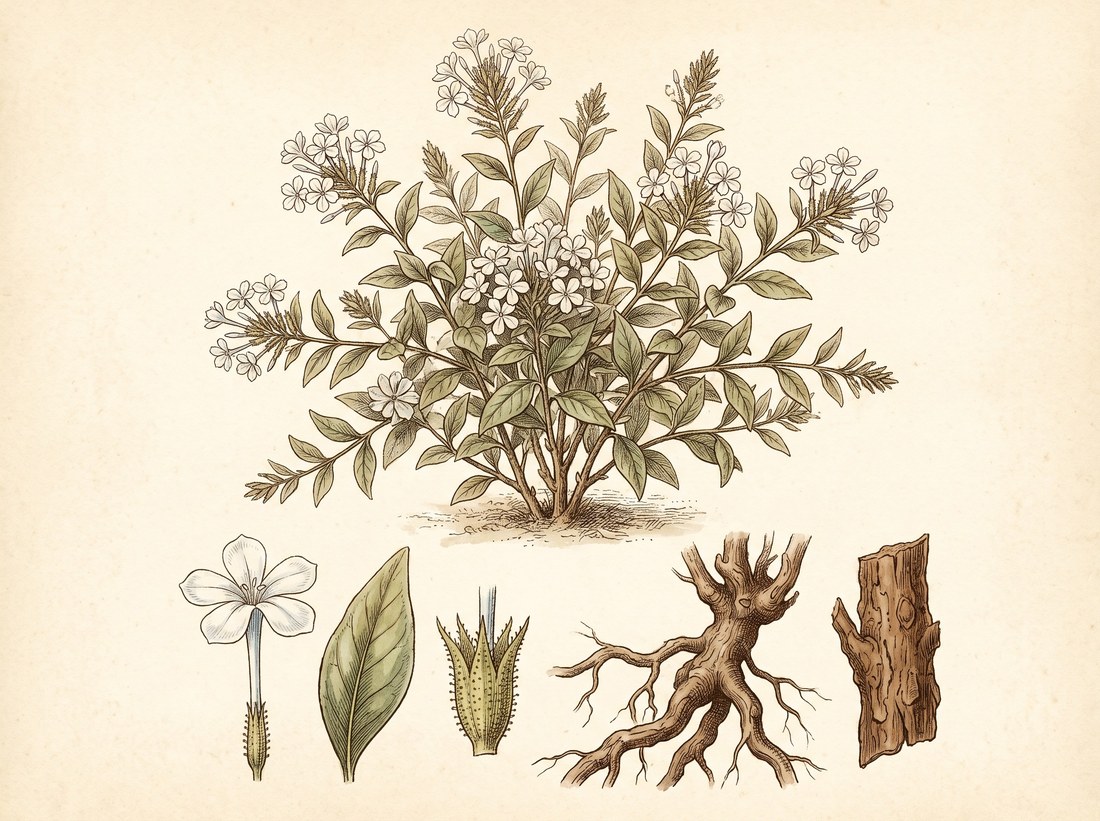 Ceylon leadwortPlumbago zeylanica
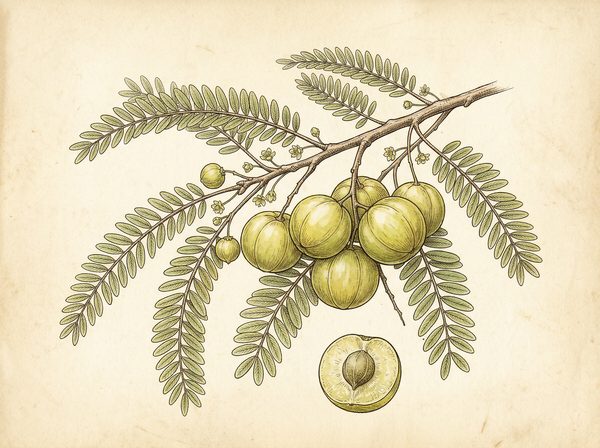 Indian gooseberryPhyllanthus emblica
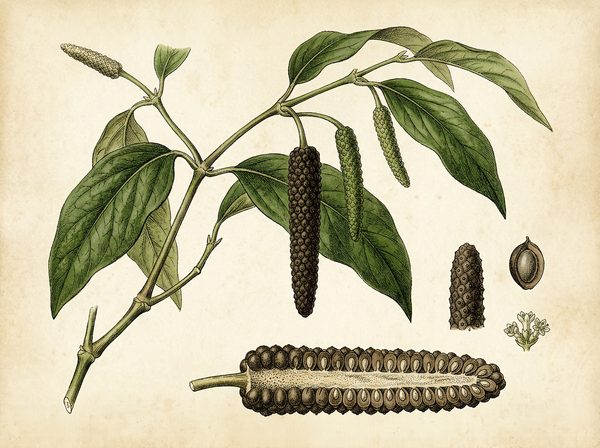 long pepperPiper longum
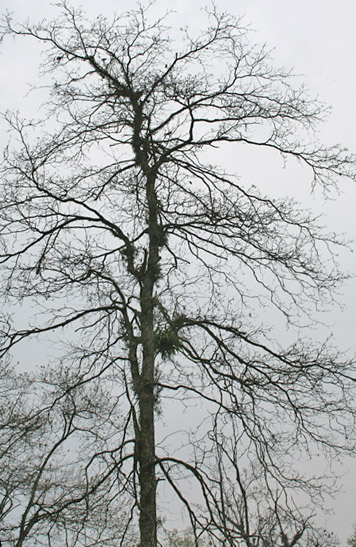 chebulic myrobalanTerminalia chebula
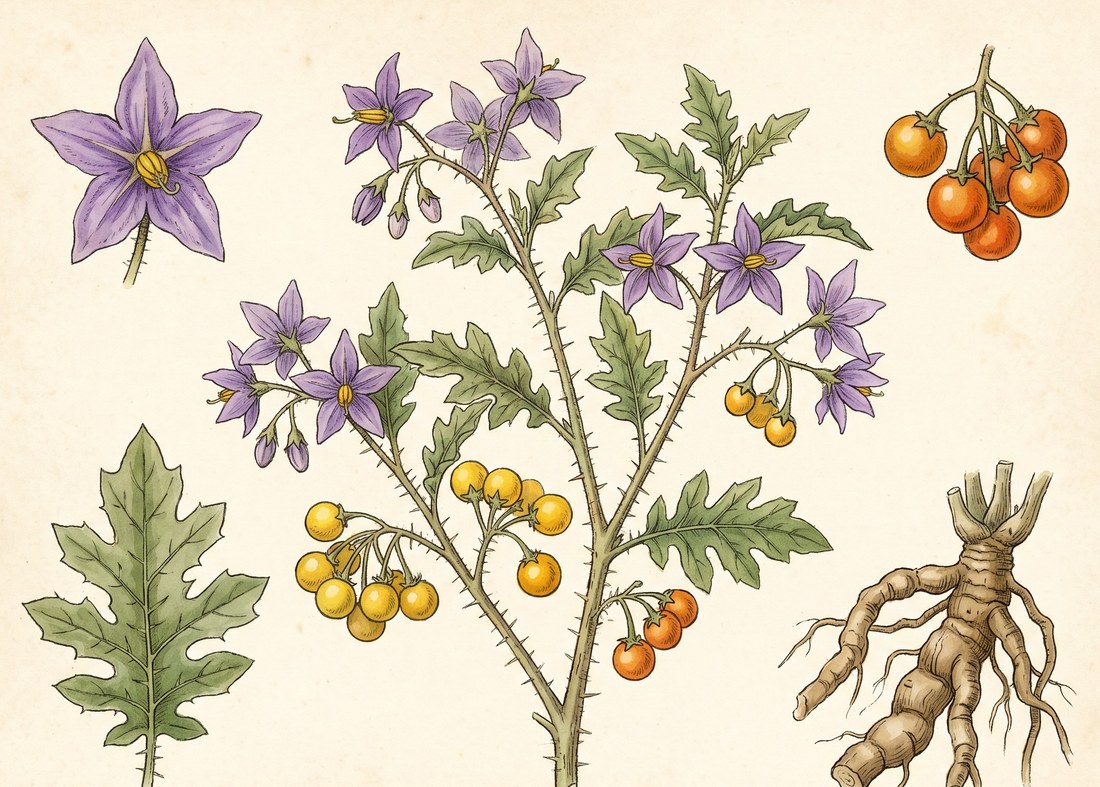 Indian nightshadeSolanum indicum
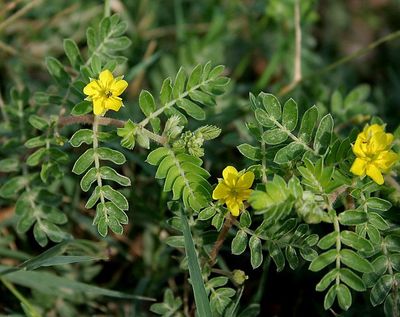 puncture vineTribulus terrestris
Nearby on the shelf
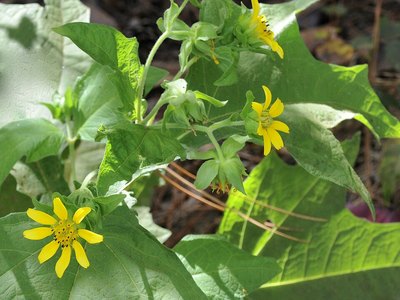 PolymniaPolymnia uvedalia
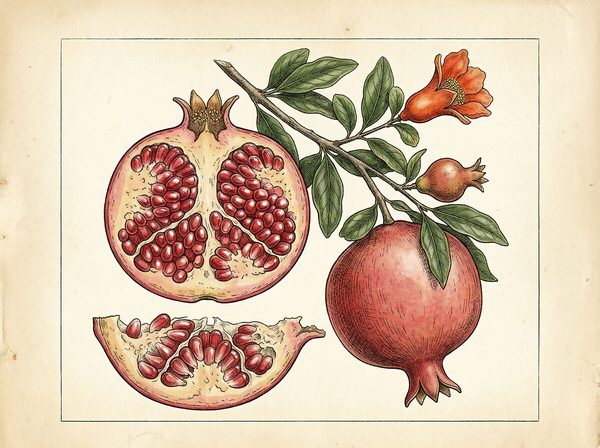 PomegranatePunica granatum
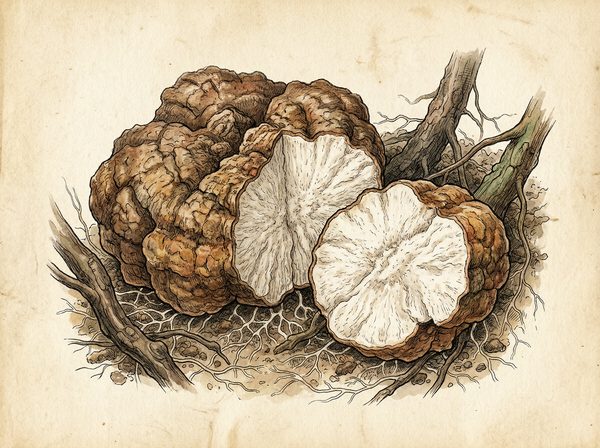 PoriaWolfiporia extensa
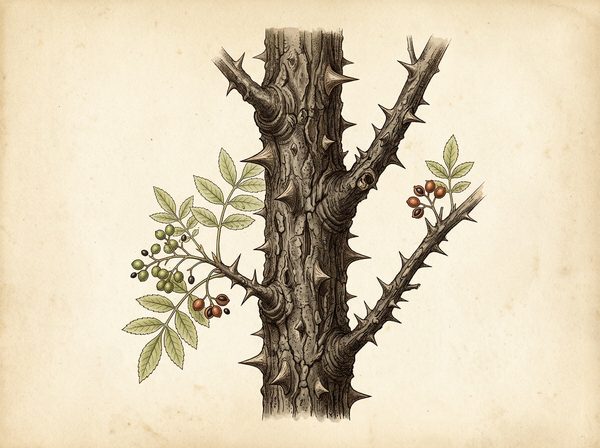 Prickly AshZanthoxylum americanum
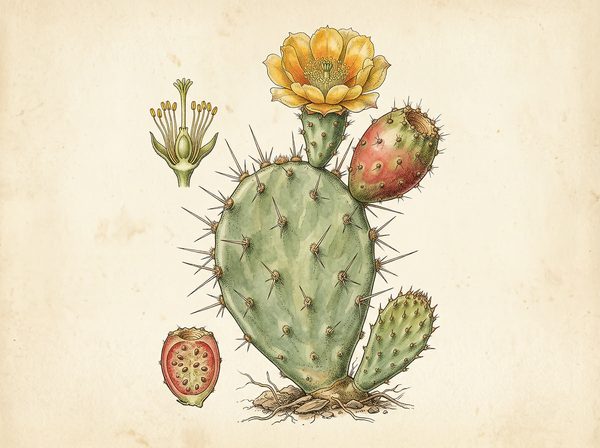 Prickly PearOpuntia ficus-indica
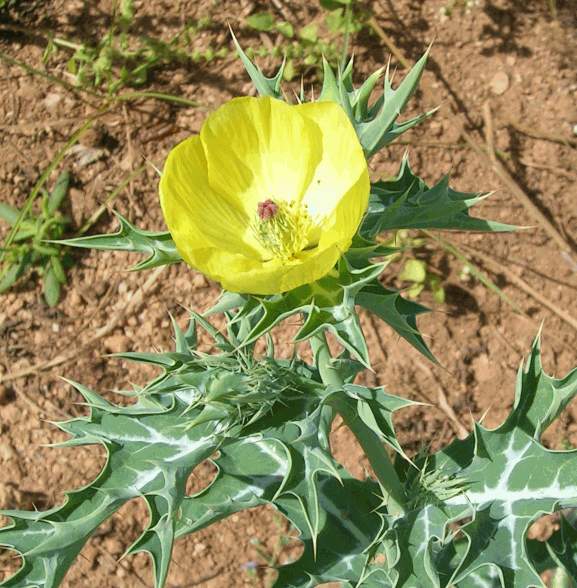 Prickly PoppyArgemone
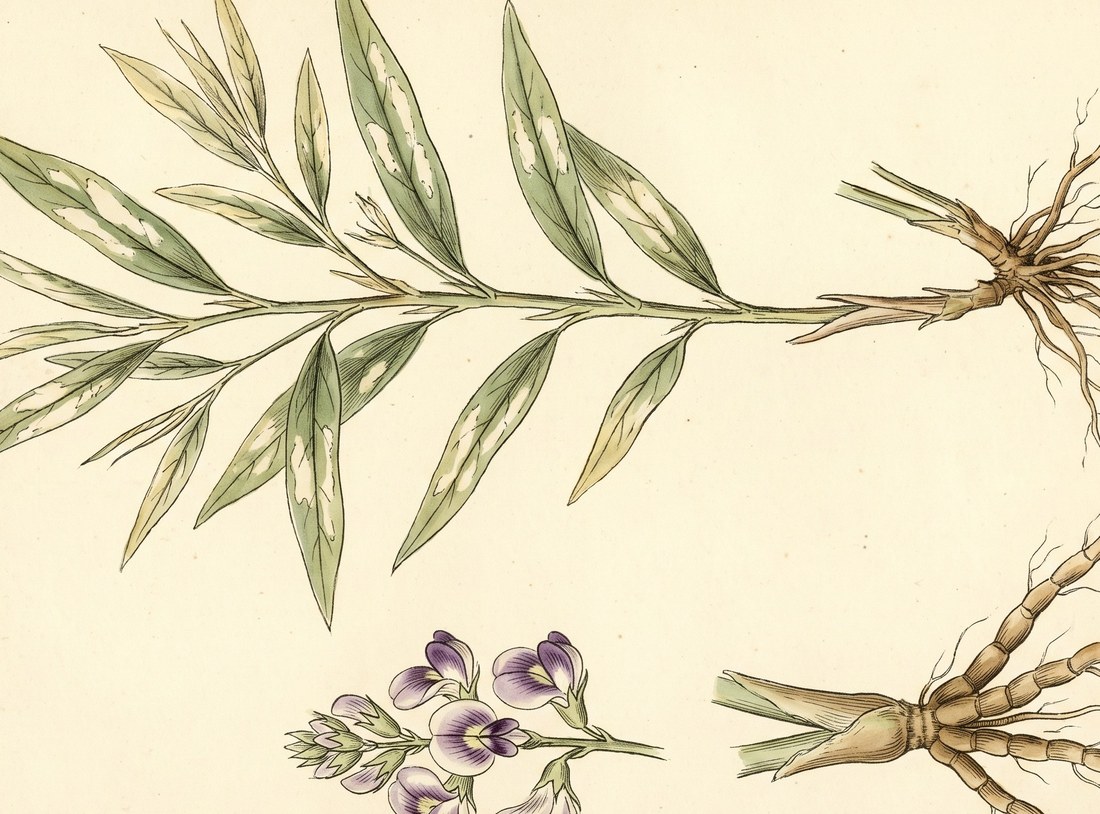 PrishniparniUraria picta
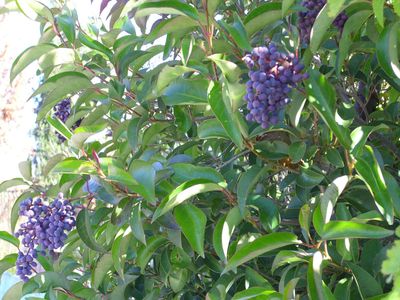 PrivetLigustrum lucidum
The whole plate is in the library. The compass, Compare, the Sky of eleven hundred plants and the formulary open with an email address and a password, free, with the formula builder and its safety engine. Herbert without limit, his formulating, clients, the handouts and the labels are the paid room.
Open the library, free