Western Herbalism
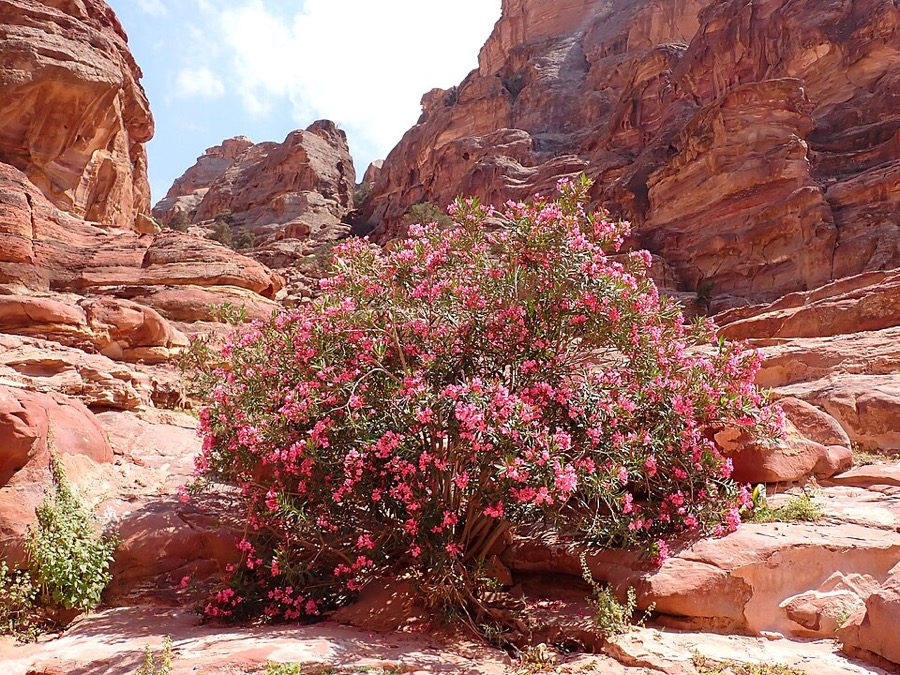
Oleander
Nerium oleander
Also known as Laurier rose.
According to Orfila, Kurzak, and others, all parts of the oleander plant are poisonous. From experiments upon birds and the lower animals, it was determined that both the voluntary and involuntary muscles were paralyzed by it, and the voluntary muscles were somewhat convulsed.

Ask Herbert about Oleander. Herbert is the master herbalist inside Bountiful Herbs: he answers from this plate and eleven hundred others, with dosing, pairing and cautions. Your first ten questions are free.
Ask HerbertSafety
Recognised toxicity. This plant carries a toxicity flag in the record; it is for trained practitioners only.
Pregnancy: Not safe. Do not use in pregnancy. A natural products monograph describes potent cardiac glycosides that are lethal in small amounts and records use of oleander as an abortifacient.
Breastfeeding: Not safe. Do not use while breastfeeding. A natural products monograph describes potent cardiac glycosides that are lethal in small amounts, and no safe dose is known.
Dosing as the sources wrote it
| Preparation | As written |
|---|---|
| The dose, in infusion or tincture, represents from 1 to 3 grains of fresh bark or, dried fruit. |
Doses are reproduced from the sources for practitioners and are not a recommendation for any person.
From the sources
Action, Medical Uses, and Dosage. According to Orfila, Kurzak, and others, all parts of the oleander plant are poisonous. From experiments upon birds and the lower animals, it was determined that both the voluntary and involuntary muscles were paralyzed by it, and the voluntary muscles were somewhat convulsed.
History and Chemical Composition. The leaves of this ornamental shrub, grow wild in northern Africa, western Asia, and the south of Europe. They have been used in the treatment of epilepsy, but without apparent benefit. All parts of the shrub are cardiac poisons.
Botanical Source. The oleander bush is an arborescent shrub, having branches ternately divided, and coated with an almost smooth bark of a grayish or greenish-gray color. The smooth, coriaceous, deep-green, almost sessile leaves, are in whorls of three; above, they are glossy; beneath, grayish or pale-green. They are linear-lanceolate, acuminate, entire, marked with delicate, feather veins, and about 4 to 6 inches long. The flowers are beautiful, and of a rose or white color, and waxy appearance.
Related Species. Nerium odorum, Aiton (Nerium odoratum, Lamarck). India. Wild and cultivated. Closely resembles the preceding plant, but its flowers are fragrant, its leaves longer, and has a paracorolla which is fringed.
Drawn from King's American Dispensatory, 18th edition (Felter and Lloyd), and the Bountiful Herbs editorial.
Often paired with
 crown flowerCalotropis gigantea
 Ceylon leadwortPlumbago zeylanica
 Indian spurge treeEuphorbia neriifolia
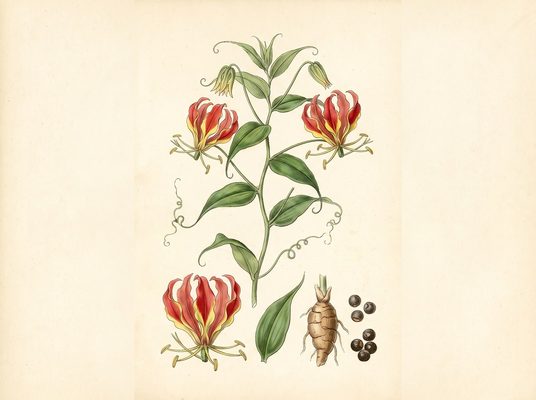 glory lilyGloriosa superba
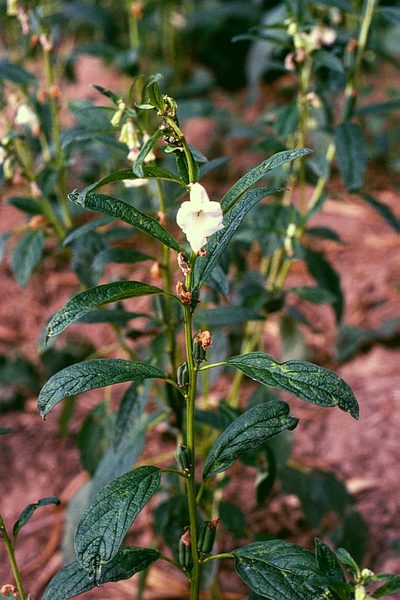 sesameSesamum indicum
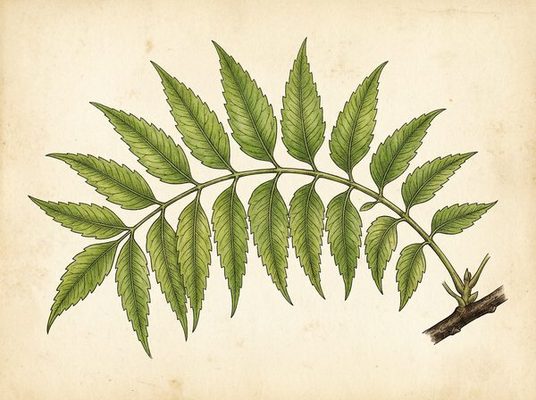 neemAzadirachta indica
Nearby on the shelf
 Ochroleucous gentianGentiana ochroleuca
 OcotilloFouquieria splendens
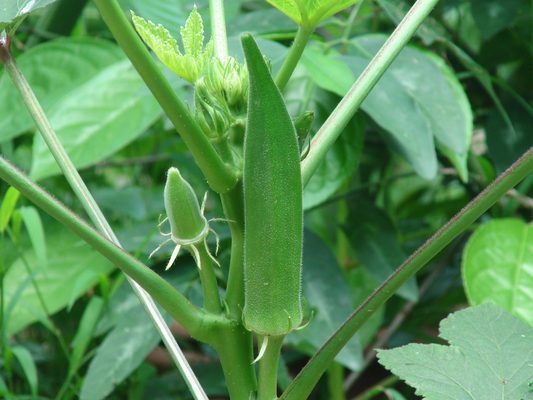 OkraAbelmoschus esculentus
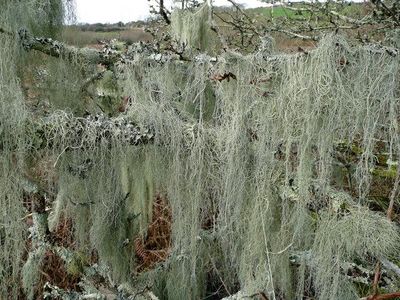 Old man's beardUsnea spp.
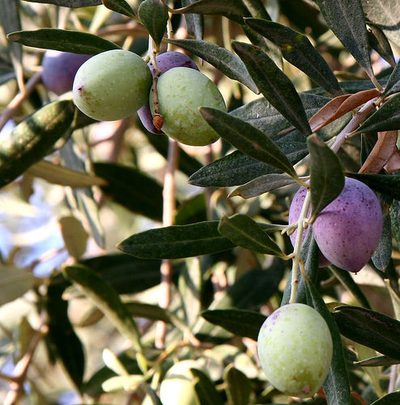 OliveOlea europaea
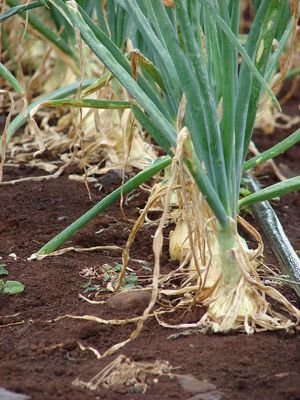 OnionAllium cepa
 Opium poppyPapaver somniferum
 OreganoOriganum vulgare
The whole plate is in the library. The compass, Compare, the Sky of eleven hundred plants and the formulary open with an email address and a password, free, with the formula builder and its safety engine. Herbert in full, his formulating, clients, the handouts and the labels are the paid room.
Open the library, free