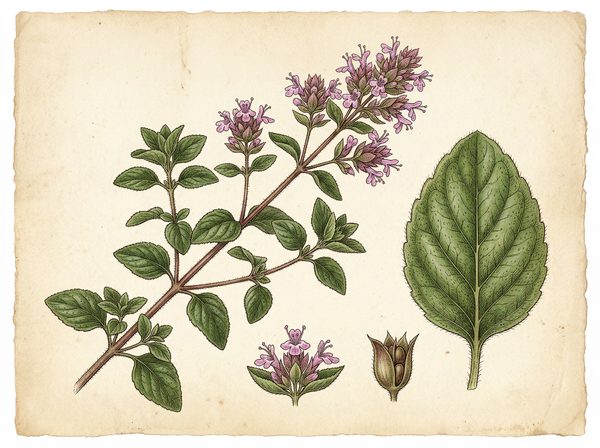
Western Herbalism
Oregano
Origanum vulgare
Also known as Origanum, Wild marjoram.
Most clinical data on essential oil or extracts leaf traditionally used for GI and respiratory support prolonged use may disrupt gut flora due to antimicrobial strength

Ask Herbert about Oregano. Herbert is the master herbalist inside Bountiful Herbs: he answers from this plate and eleven hundred others, with dosing, pairing and cautions. Your first ten questions are free.
Ask HerbertActions
Indications what the tradition reached for it in
- Gingivitis
- Bacterial skin infections
- Bronchial catarrh
- Respiratory infection
- Inflammation
- Acute gastroenteritis
- Pain
- Abdominal cramps
- Nausea
- Toothache
- Fungal infections
- Ulcers
- Cough
- Gas
- Gastrointestinal distress
- Parasitic infections
- Fever
- Oral infections
- Dysentery
- Vomiting
- Bloating
- Indigestion
- Colitis
- Abdominal distension
- Amenorrhea
- Bronchitis
- Colic
- Cramps
- Digestive discomfort
- Edema
Safety
Pregnancy: Pregnancy Caution
The record lists 3 contraindications; open the plate in the library to read them in full.
Dosing as the sources wrote it
| Preparation | As written | Metric |
|---|---|---|
| Dried leaf tea: 2 tsp/cup, steep 10-15 min, 3x daily | ||
| Tincture: 1-2 ml (1:5) 1-3x daily | 1-2 mL | |
| Topical (diluted in carrier) | Topical: typical 1% in carrier; face/sensitive avoid; dermal maximum 1.1%. Carvacrol-rich; among the most aggressive skin oils. | |
| Internal (oral) | Internal (oral), practitioner-guided: 1-2 drops well diluted in a teaspoon of carrier oil, 2-3x daily, in 10-14 day courses (or standardized 140-200 mg capsules); never neat. Carvacrol is a strong irritant neat and long courses disrupt gut flora, so cycle courses (7-day break) and work with a practitioner. | |
| In ½ to 1 drachm doses a saturated tincture (1 in 4) of the stalks and leaves has been used as a demulcent expectorant. | 1944-3888 mg |
Doses are reproduced from the sources for practitioners and are not a recommendation for any person.
From the sources
Clinical Notes. Most clinical data on essential oil or extracts leaf traditionally used for GI and respiratory support prolonged use may disrupt gut flora due to antimicrobial strength
Properties and Uses. This plant is rarely used internally; but is a diaphoretic stimulant quite similar to monarda. The principal use made of it is as an external stimulant and rubefacient, for which purposes its oil is one of the most desirable of all the essential oils. It is much more stimulating than spearmint, more so than hemlock, but not so much so as cloves or cajeput. The Stimulating Liniment and Opodeldoc contain it as an important ingredient; and it is similarly combined with other volatile oils in liniments of all grades of stimulation. Medical Herbalism journal and medherb.com The Physiomedical Dispensatory by William Cook, M.D., 1869
Action, Medical Uses, and Dosage. Oil of origanum is stimulant and rubefacient, and is chiefly employed in the form of liniment as an application to various parts suffering from painful affections. As with many other essential oils, it affords relief in toothache upon being applied to the decayed tooth by means of lint or cotton. It is very seldom administered internally.
primary-actions. Oregano acts primarily as: Antimicrobial, Antifungal, Antibacterial, Carminative, Antispasmodic, Anti-inflammatory. Secondary actions include Antioxidant, Expectorant, Diuretic, Emmenagogue, Stomachic.
Drawn from Cook's Physio-Medical Dispensatory; Scudder's Specific Medication and Specific Medicines; King's American Dispensatory, 18th edition (Felter and Lloyd), and the Bountiful Herbs editorial.
Often paired with
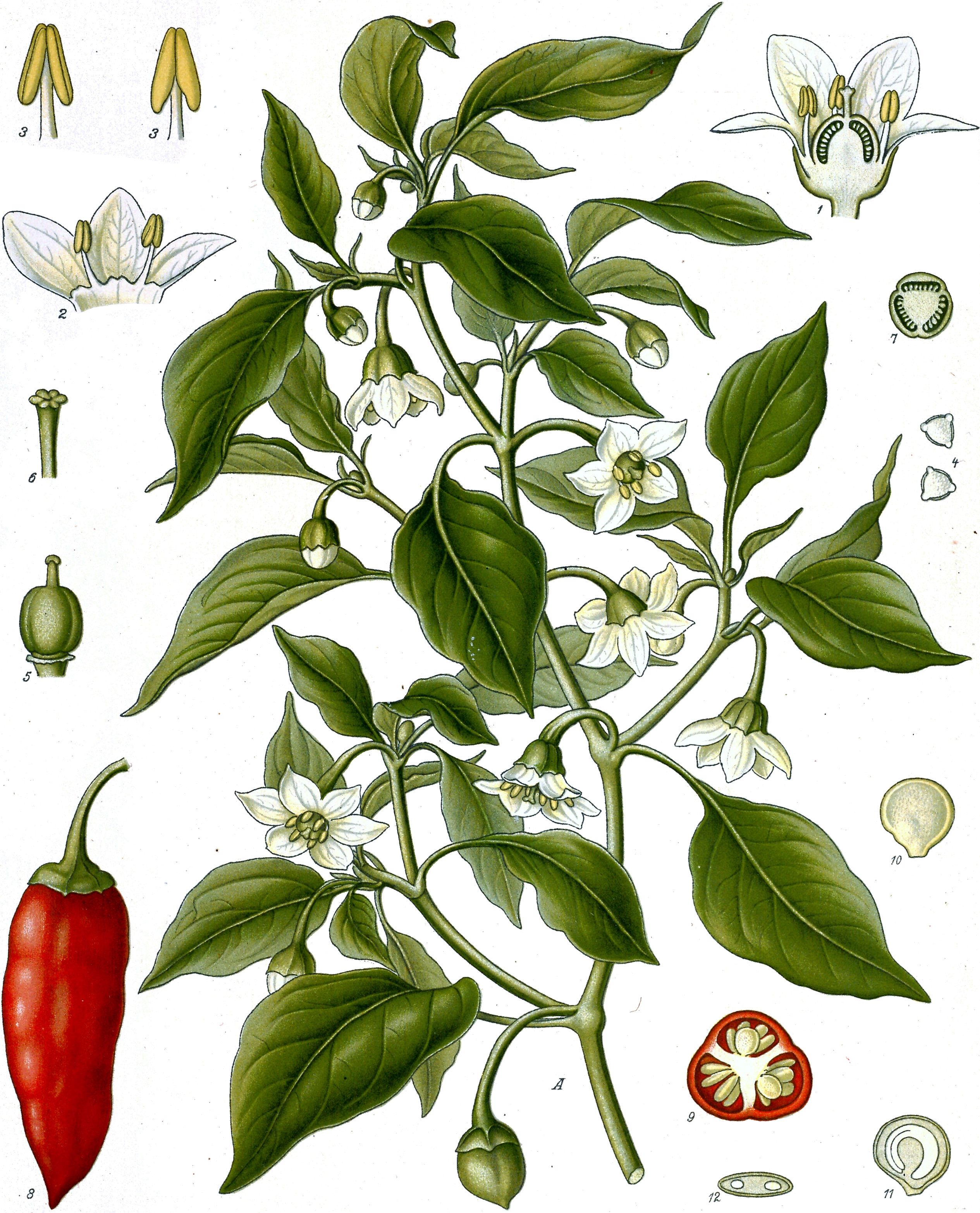 CayenneCapsicum frutescens
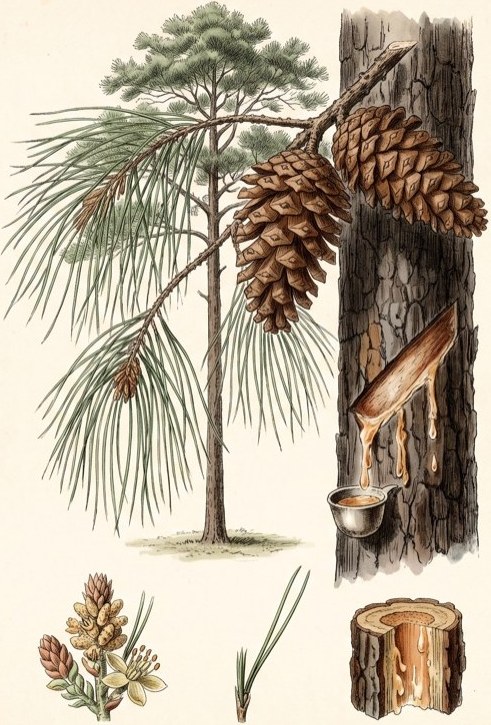 TurpentineOleum Terebinthinae
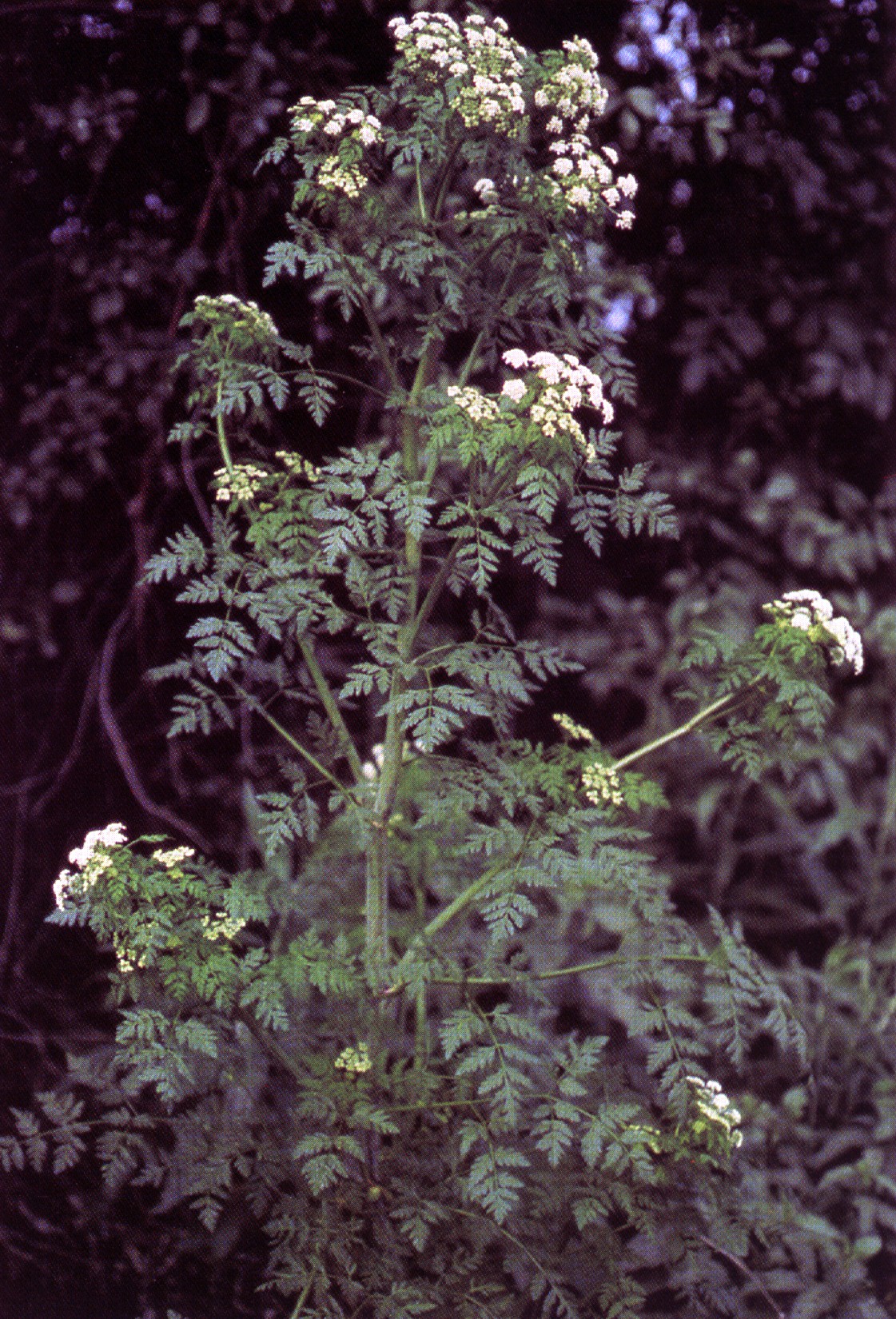 Poison HemlockConium maculatum
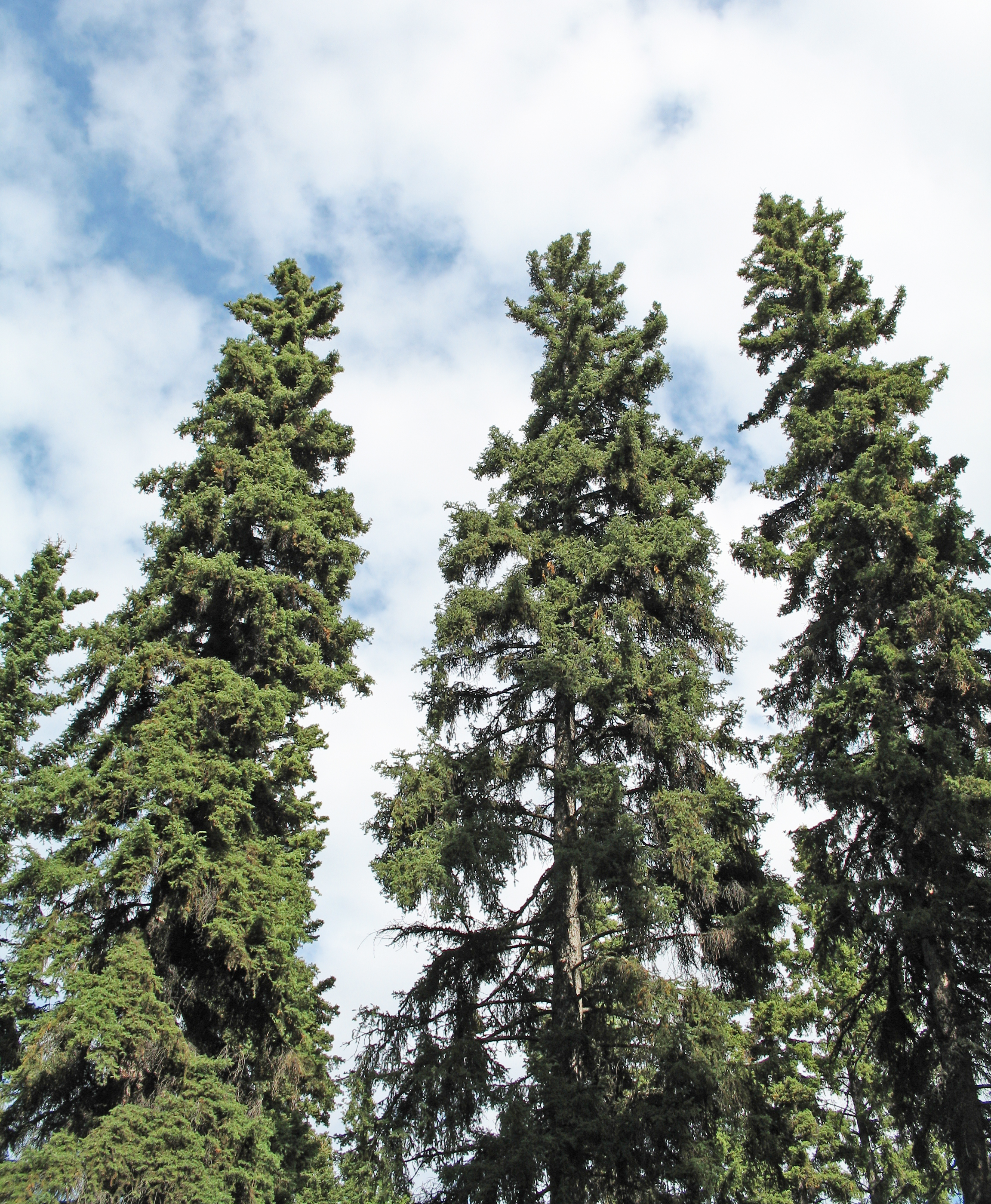 Eastern HemlockAbies Canadensis
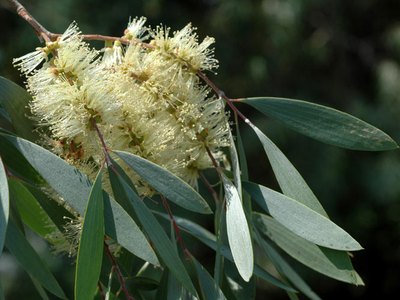 CajeputMelaleuca cajuputi
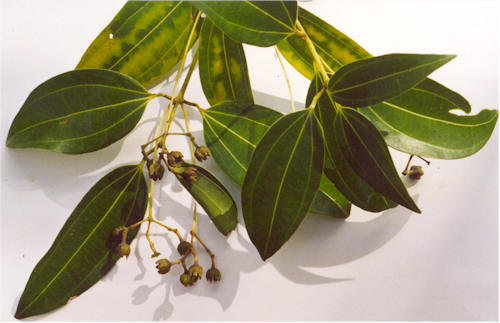 Ceylon cinnamonCinnamomum zeylanicum
Nearby on the shelf
 OliveOlea europaea
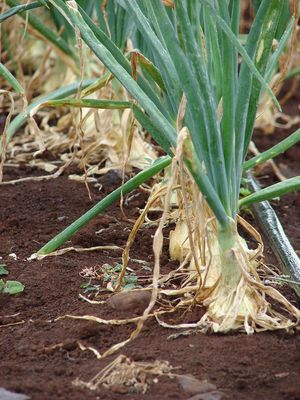 OnionAllium cepa
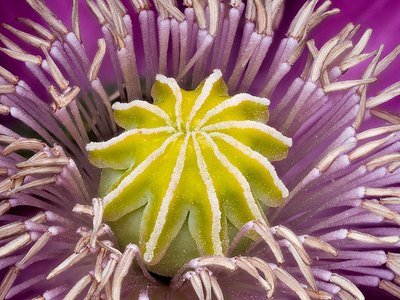 Opium poppyPapaver somniferum
 OrangeOrange
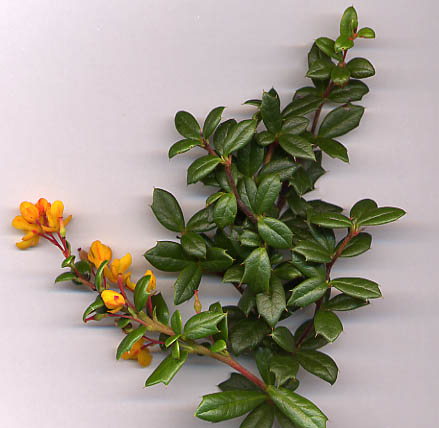 Oregon grapeBerberis aquifolium
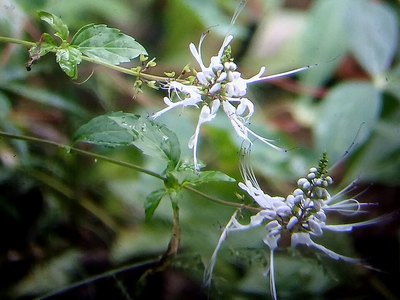 Orthosiphon aristatus var. aristatusOrthosiphon aristatus var. aristatus
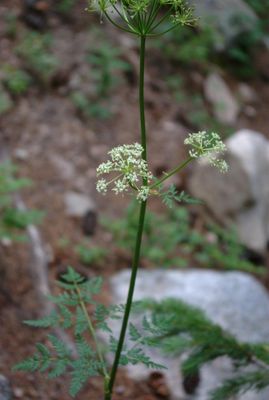 OshaLigusticum porteri
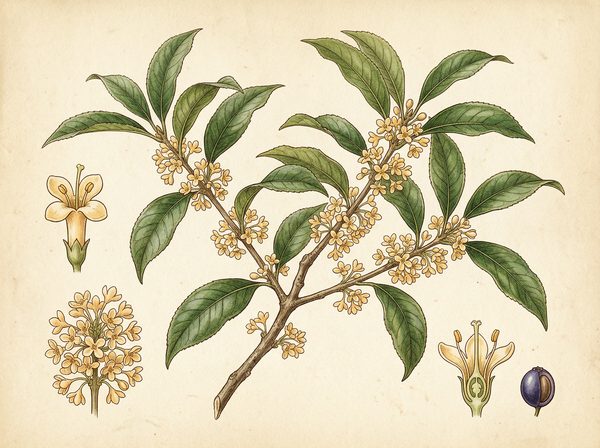 OsmanthusOsmanthus fragrans
The whole plate is in the library. The compass, Compare, the Sky of eleven hundred plants and the formulary open with an email address and a password, free, with the formula builder and its safety engine. Herbert without limit, his formulating, clients, the handouts and the labels are the paid room.
Open the library, free