Western Herbalism
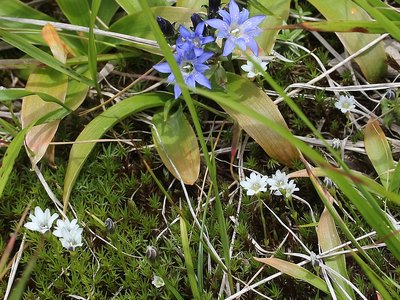
Ochroleucous gentian
Gentiana Ochroleuca
Also known as Marsh gentian, Yellowish-white gentian, Straw-colored gentian, Sampson snakeroot, American gentian, Striped gentian, Yellow gentian, Sampson.
Gentiana ochroleuca is an old name applied by nineteenth century American botanical writers to a native gentian of the southeastern United States, bearing greenish-white to straw-colored flowers and a stout, branched root. It is now generally regarded as the same plant known botanically as Gentiana villosa, one of several native American gentians (including the closed and striped gentians) that Eclectic and physiomedical practitioners used interchangeably with the European Gentiana lutea as a bitter tonic root. The dried root was the part employed, given before meals to rouse a flagging appetite and support digestion in the weak or convalescent.

Ask Herbert about Ochroleucous gentian. Herbert is the master herbalist inside Bountiful Herbs: he answers from this plate and eleven hundred others, with dosing, pairing and cautions. Your first ten questions are free.
Ask HerbertActions
Indications what the tradition reached for it in
- Poor appetite
- Atonic dyspepsia
- Sluggish digestion
- Convalescent debility
- Gastric insufficiency
- Flatulent dyspepsia
- Anorexia following illness
- General weakness with slow digestion
Specific indications
Weak, slow digestion with poor appetite in a convalescent patient, pale tongue and low vitality
Bitter taste on the tongue used deliberately, a few minutes before meals, to prime salivary and gastric secretion in someone who eats without appetite
Safety
Pregnancy: Limited safety data in pregnancy
The record lists 4 contraindications; open the plate in the library to read them in full.
In practice
This American gentian was used by nineteenth century practitioners much as European gentian root is used today: as a simple bitter, taken shortly before meals to stimulate salivary and gastric secretion in patients whose appetite and digestion have become sluggish, particularly after acute illness or in states of general debility.
Dosing as the sources wrote it
| Preparation | As written | Metric |
|---|---|---|
| Dried root infusion or decoction | 1-2 g dried root steeped or gently simmered, taken before meals | 1000-2000 mg |
| Tincture (1:5, 45%) | 1-3 mL three times daily before meals | 1-3 mL |
| Dose, ten to fifteen grains | 648-972 mg | |
| Dose, from ½ to 4 fluid ounces, every ½ hour, gradually increased as the stomach can bear it, at the same time lengthening the intervals between the doses. | 14.79-118 mL |
Doses are reproduced from the sources for practitioners and are not a recommendation for any person.
From the sources
Overview. Gentiana ochroleuca is an old name applied by nineteenth century American botanical writers to a native gentian of the southeastern United States, bearing greenish-white to straw-colored flowers and a stout, branched root. It is now generally regarded as the same plant known botanically as Gentiana villosa, one of several native American gentians (including the closed and striped gentians) that Eclectic and physiomedical practitioners used interchangeably with the European Gentiana lutea as a bitter tonic root. The dried root was the part employed, given before meals to rouse a flagging appetite and support digestion in the weak or convalescent.
Clinical Notes. This American gentian was used by nineteenth century practitioners much as European gentian root is used today: as a simple bitter, taken shortly before meals to stimulate salivary and gastric secretion in patients whose appetite and digestion have become sluggish, particularly after acute illness or in states of general debility.
Properties and Uses. This root is a tonic of about equally relaxing and stimulating properties; slow in its action, but intense and permanent. Most writers (especially Dr. J. King, of the Eclectic Dispensatory) class it as an astringent; but it possesses no astringent property whatever, and is, on the contrary, a mild laxative.
Action, Medical Uses, and Dosage. Gentiana quinqueflora, Five-flowered gentian, sometimes called Gall-weed, on account of its intense bitterness, has been found of much service in headache, liver affections, jaundice, etc., and is greatly superior in its action to the official root. This is certainly a valuable tonic and cholagogue, and deserves further investigation. It is regarded a valuable agent in chronic gastro-intestinal atony. Dose of a saturated tincture of the recent root, from 5 to 40 drops.
Drawn from Cook's Physio-Medical Dispensatory; King's American Dispensatory, 18th edition (Felter and Lloyd), and the Bountiful Herbs editorial.
Often paired with
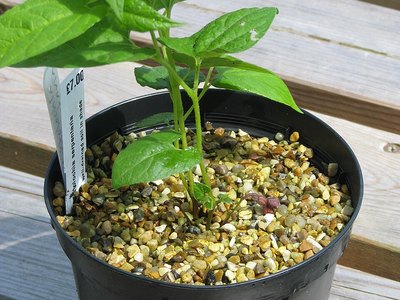 SerpentariaAristolochia serpentaria
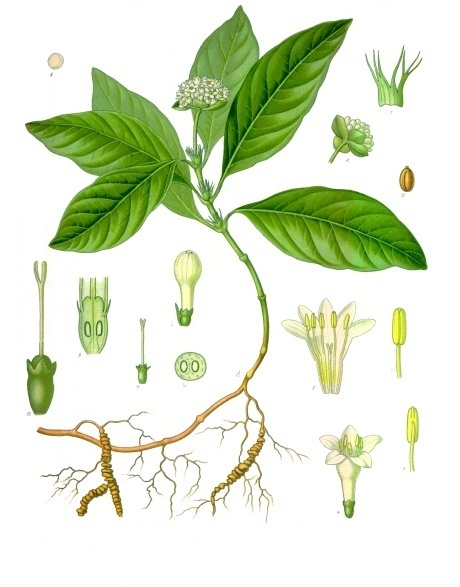 IpecacCarapichea ipecacuanha
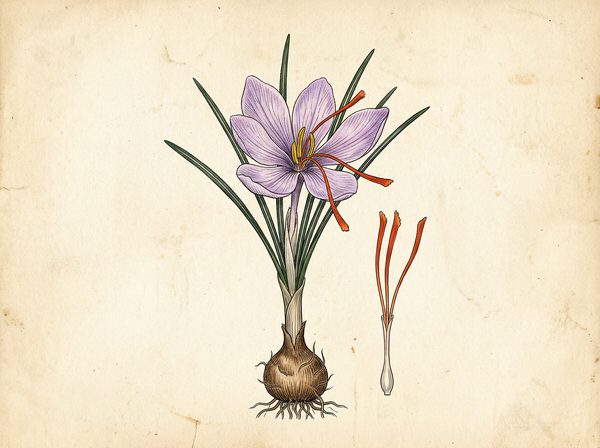 saffronCrocus sativus
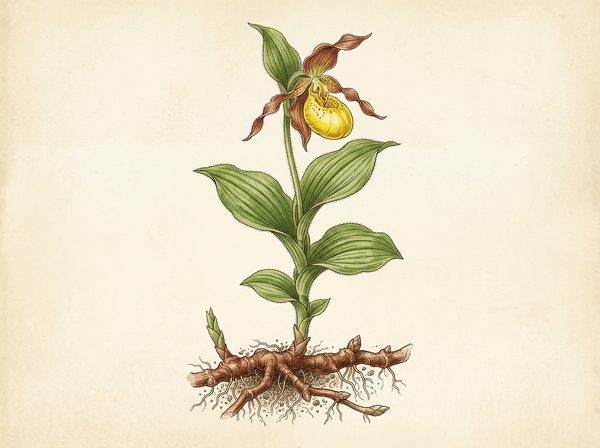 Lady's SlipperCypripedium pubescens
 Opium poppyPapaver somniferum
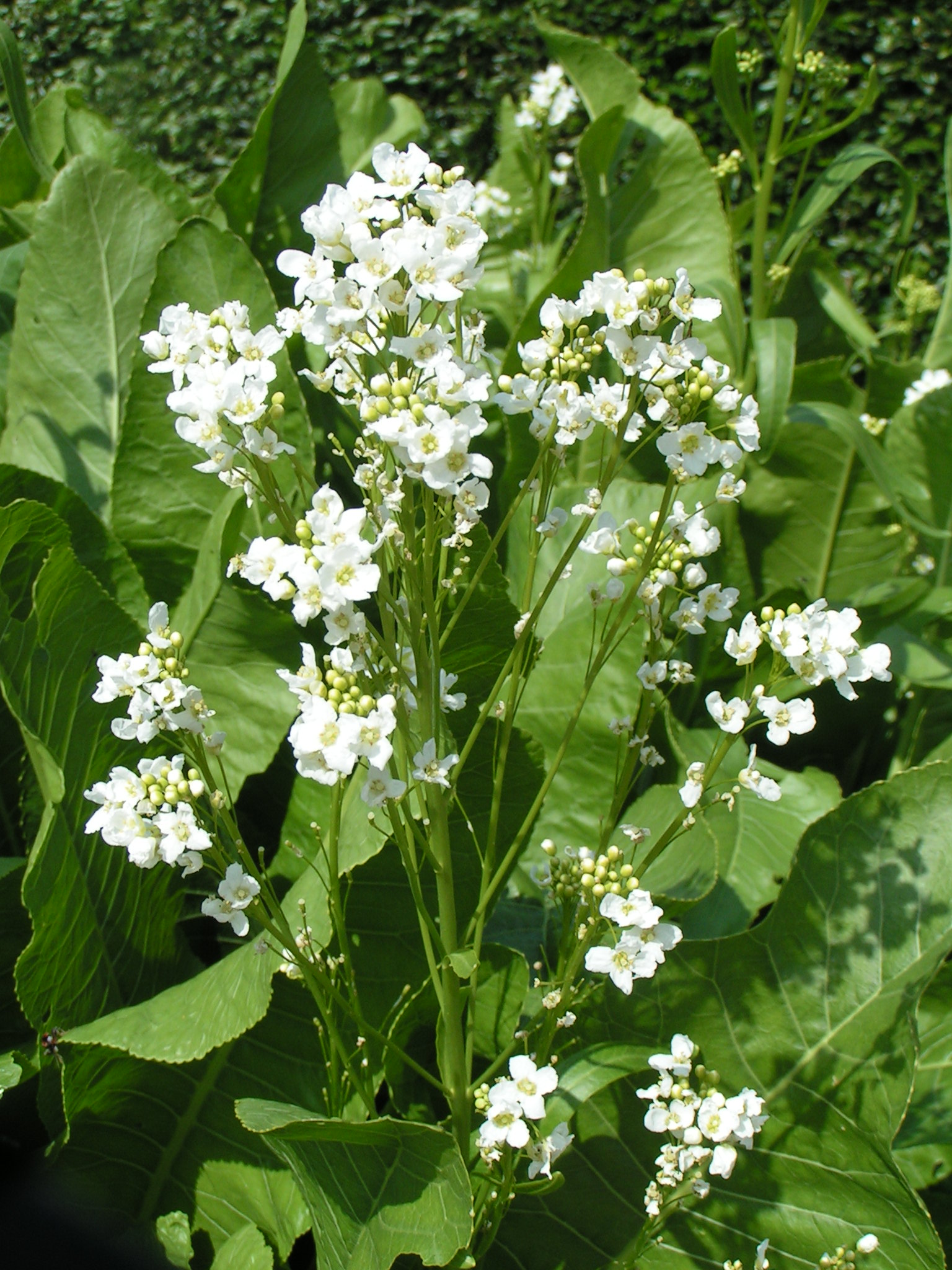 HorseradishArmoracia rusticana
Nearby on the shelf
 NutgallGalla
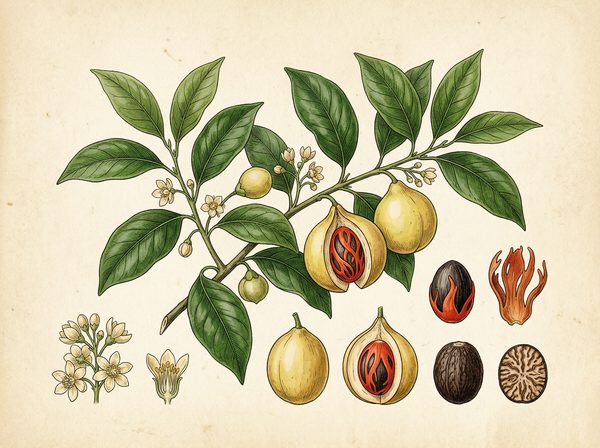 NutmegMyristica fragrans
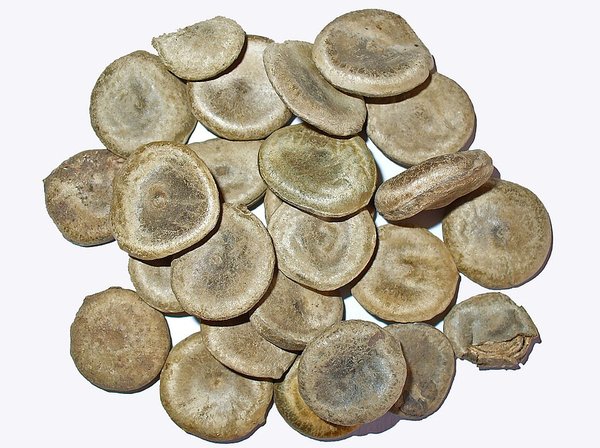 Nux VomicaStrychnos nux-vomica
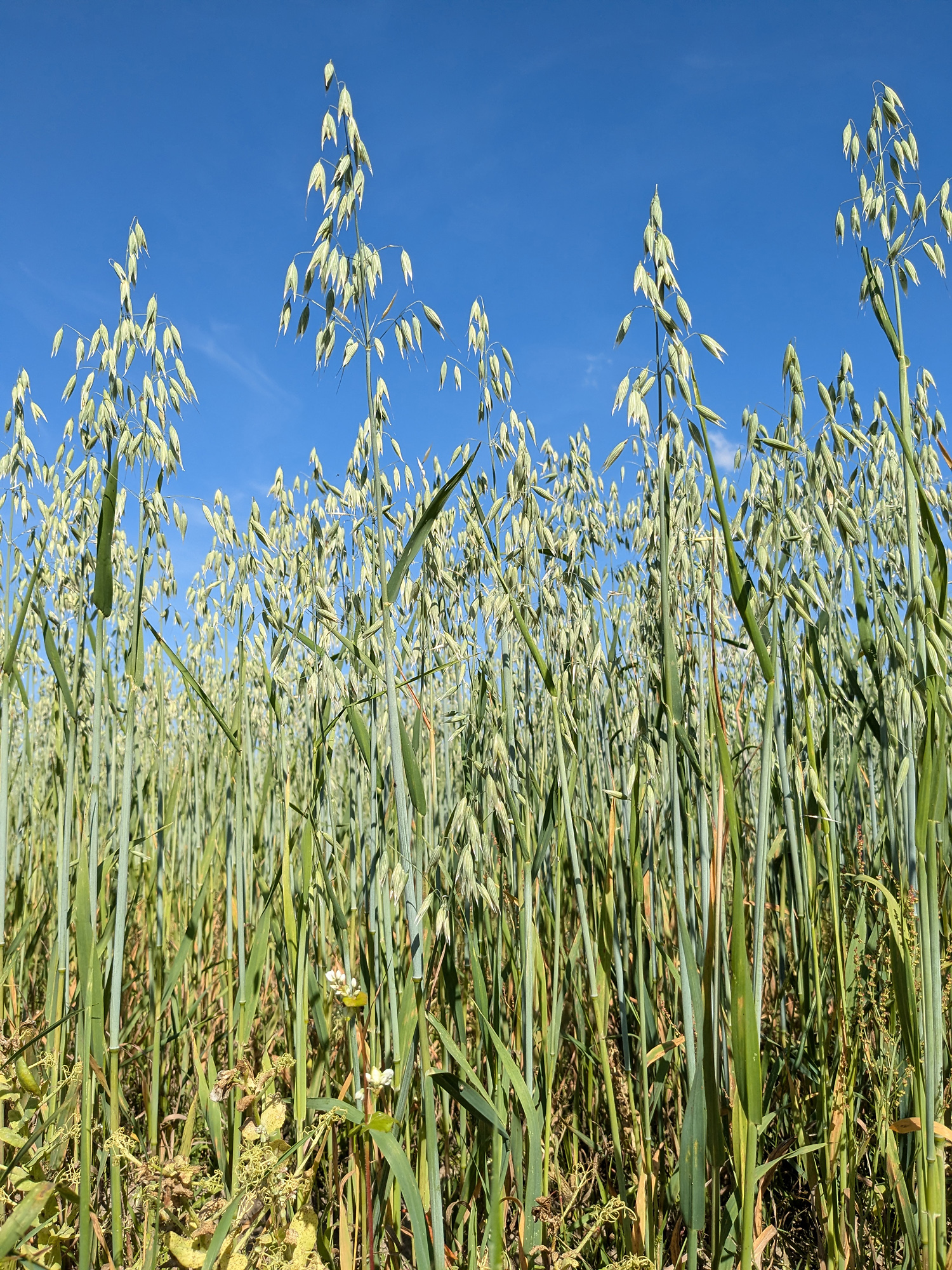 OatAvena sativa
 OcotilloFouquieria splendens
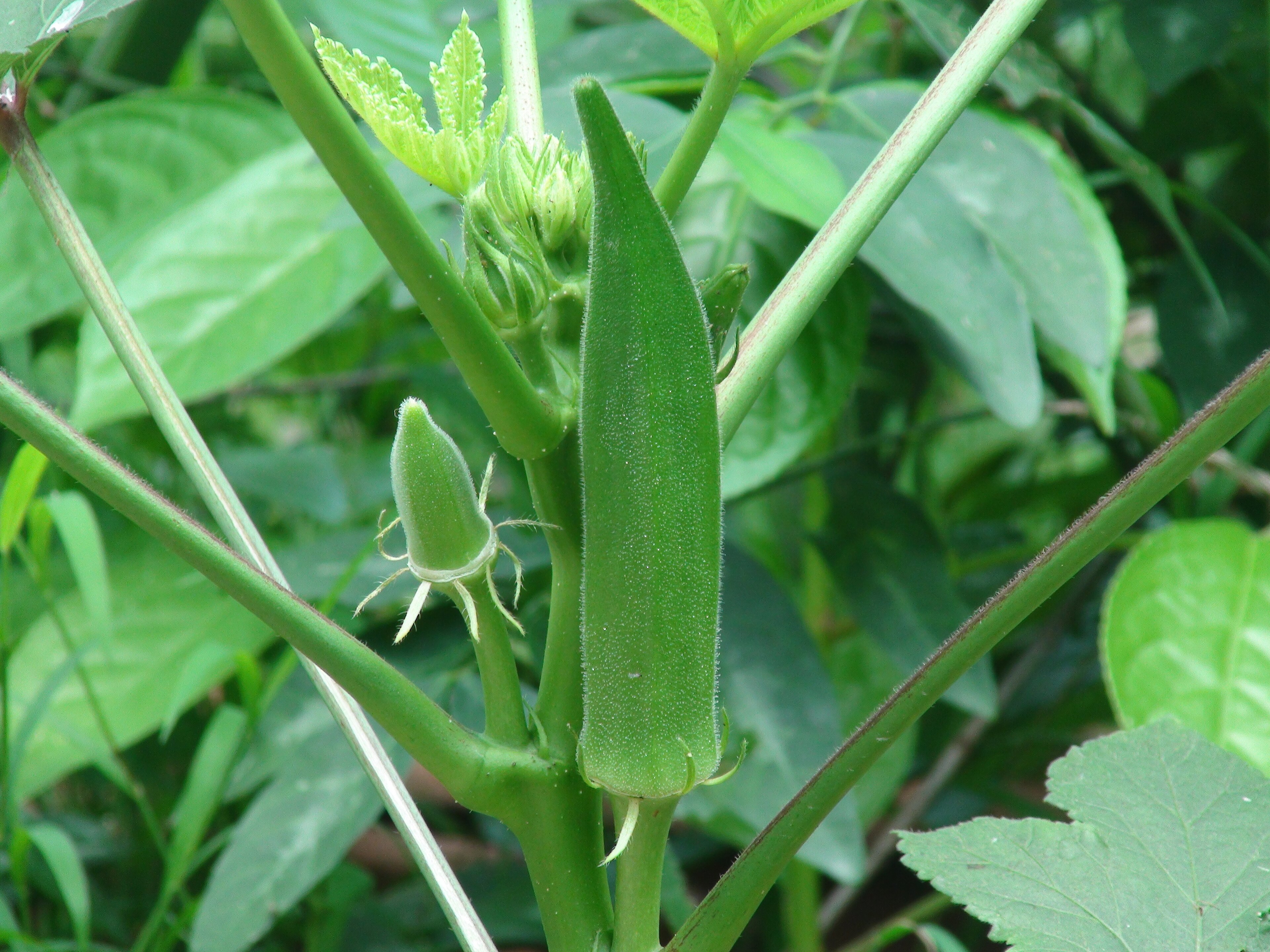 OkraHibiscus Esculentus
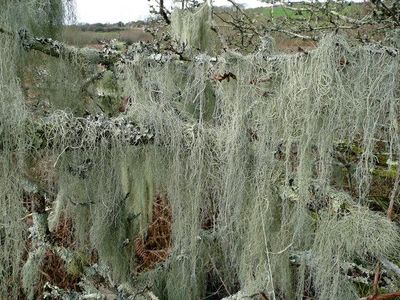 Old man's beardUsnea spp.
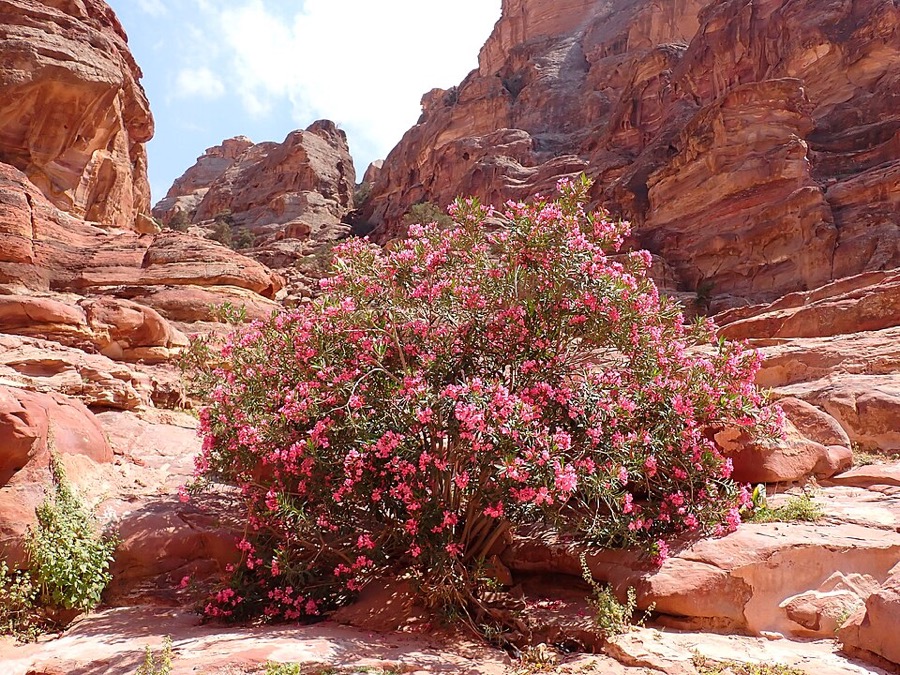 OleanderOleander
The whole plate is in the library. The compass, Compare, the Sky of eleven hundred plants and the formulary open with an email address and a password, free, with the formula builder and its safety engine. Herbert without limit, his formulating, clients, the handouts and the labels are the paid room.
Open the library, free