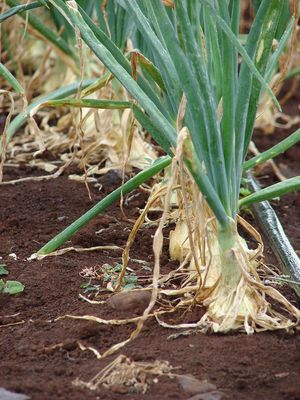
Western and Ayurvedic herbalism
Onion
Allium cepa
Also known as bulb onion, red onion, white onion, shallot (aggregatum group), Palandu, Sukandaka, Mukhadushaka.
Allium cepa, the common onion, is a biennial bulb of the amaryllis family grown in every Indian state and eaten in nearly every Indian kitchen, with Maharashtra, Karnataka and Gujarat the great producers. Ayurveda calls it Palandu and treats it as a warming, sweet-pungent food-medicine that calms vata, builds strength and virility, clears phlegm and kindles the appetite, while noting that it is heavy, increases kapha and is set aside by those keeping a sattvic diet. It is the gentler counterpart of garlic, and the two are often named together.

Ask Herbert about Onion. Herbert is the master herbalist inside Bountiful Herbs: he answers from this plate and eleven hundred others, with dosing, pairing and cautions. Your first ten questions are free.
Ask HerbertActions
Indications what the tradition reached for it in
- Productive cough and bronchitis (juice with honey)
- Common cold and sinus congestion
- Raised cholesterol and triglycerides (dietary)
- Type 2 diabetes and metabolic syndrome as a dietary adjunct
- Hypertension as a dietary adjunct
- Sluggish digestion with poor appetite
- Hemorrhoids (traditional, raw bulb and juice)
- Boils, abscesses and earache (poultice)
- Heat exhaustion in summer (raw onion)
- Fainting and nosebleed (juice as nasal drops, traditional)
- Low libido and debility (seed, traditional)
- Hypertrophic scars (topical extract gel, modest evidence)
- Pleuritis
- Cough (hacking)
- Diabetes
- Gastrointestinal bacterial infection
- Pneumonia
- Respiratory infection (w/ congestion and difficulty breathing)
- Loss of appetite
- Hypertension
- Ulcers
- Hyperlipidemia
- Allergies
- Congestion (respiratory)
- Dysentery
- Cough (spastic)
- Colds
- Bronchitis
- Asthma
- Cough
Specific indications
A cold, thin vata patient with a wet cough, poor appetite and no strength, for whom a spoon of onion juice in honey twice a day is both food and medicine
The overweight, cold, congested patient with high cholesterol and sluggish digestion who will eat raw or lightly cooked onion daily but not take capsules
A hot pitta patient who wants garlic's warmth without its heat, since onion is the milder brother
A boil or earache in a child where a roasted onion poultice draws and soothes
Safety
Pregnancy: Pregnancy and Lactation=considered safe, consuming onions may increase colic in infants
Breastfeeding: Pregnancy and Lactation=considered safe, consuming onions may increase colic in infants
The record lists 7 contraindications; open the plate in the library to read them in full.
In practice
The Ayurvedic practitioner sees Palandu as a vata remedy that works through nourishment. It is given raw to the thin and debilitated, cooked in ghee to the convalescent, and in summer a raw onion with the midday meal is the household guard against heat stroke.
In Ayurveda
Rasa: katu (pungent), madhura (sweet). Virya: ushna (heating), less so than garlic. Vipaka: madhura (sweet). Guna: guru (heavy), snigdha (unctuous), tikshna (sharp). Dosha: pacifies vata; increases kapha and, in excess, pitta and rakta; the cooked bulb is gentler than the raw. Karma: vatahara (pacifies vata); balya (strengthening); vrishya (aphrodisiac); brimhana (nourishing, builds tissue); deepana (kindles digestion); pachana (digestive); ruchya (improves taste); kaphanissaraka (expectorant); shothahara (reduces swelling, topical); krimighna (anthelmintic); vedanasthapana (relieves pain, topical). Classical indications: vatavyadhi (vata disorders, neuralgia and joint pain); arsha (hemorrhoids); kasa (cough); shvasa (dyspnea); agnimandya (weak digestion); aruchi (loss of appetite); krimi (worms); kshaya (wasting); murchha (fainting, juice as nasal drops); raktapitta of the nose (epistaxis, juice as nasal drops); ushnaghata (heat stroke, raw onion in summer); shotha and vidradhi (swellings and abscesses, poultice). The fresh bulb is eaten raw or cooked as food-medicine, its juice is taken with honey for cough and dropped into the nose for fainting and nosebleed, and the warmed or roasted bulb is applied as a poultice to boils, earache and painful joints. The seeds are used as a vrishya powder with milk. Classical formulations: Palandu svarasa with honey (cough), Palandu nasya (fainting and epistaxis), Palandu kalka (poultice), Palandu beeja churna (seed powder), Palandu taila (regional hair and ear oil). Described in: Charaka Samhita, Sushruta Samhita, Ashtanga Hridaya, Bhavaprakasha Nighantu, Dhanvantari Nighantu, Raja Nighantu, Kaiyadeva Nighantu.
Dosing as the sources wrote it
| Preparation | As written | Metric |
|---|---|---|
| Svarasa (juice) | 10-20 mL fresh bulb juice once or twice daily with equal honey | 10-20 mL |
| Dietary | 50-100 g raw or lightly cooked onion daily with meals | 50000-100000 mg |
| Nasya | 2-4 drops fresh juice into each nostril for fainting or nosebleed | 0.04-0.08 mL |
| Beeja churna (seed) | 1-3 g seed powder daily with warm milk | 1000-3000 mg |
| Kalka, topical | 20-40 g roasted bulb pulp applied warm to boils or painful joints | 20000-40000 mg |
| Syrup | 1 tsp q few hrs as needed |
Doses are reproduced from the sources for practitioners and are not a recommendation for any person.
From the sources
Overview. Allium cepa, the common onion, is a biennial bulb of the amaryllis family grown in every Indian state and eaten in nearly every Indian kitchen, with Maharashtra, Karnataka and Gujarat the great producers. Ayurveda calls it Palandu and treats it as a warming, sweet-pungent food-medicine that calms vata, builds strength and virility, clears phlegm and kindles the appetite, while noting that it is heavy, increases kapha and is set aside by those keeping a sattvic diet. It is the gentler counterpart of garlic, and the two are often named together.
Clinical Notes. The Ayurvedic practitioner sees Palandu as a vata remedy that works through nourishment. It is given raw to the thin and debilitated, cooked in ghee to the convalescent, and in summer a raw onion with the midday meal is the household guard against heat stroke.
Action and Therapy. External. Onion is rubefacient. A poultice of onion with vinegar gives relief to inflamed corns and bunions. Roasted onion makes an efficient poultice for acute broncho-pulmonic inflammations, especially of young children, when local applications are desired.
primary-actions. Onion acts primarily as: Antimicrobial, Expectorant (relaxing), Hypolipidemic, Anti-inflammatory, Antioxidant, Cardioprotective, Antithrombotic, Mucolytic. Secondary actions include Stomachic.
Drawn from King's American Dispensatory, 18th edition (Felter and Lloyd); Felter's Eclectic Materia Medica, Pharmacology and Therapeutics, and the Bountiful Herbs editorial.
Nearby on the shelf
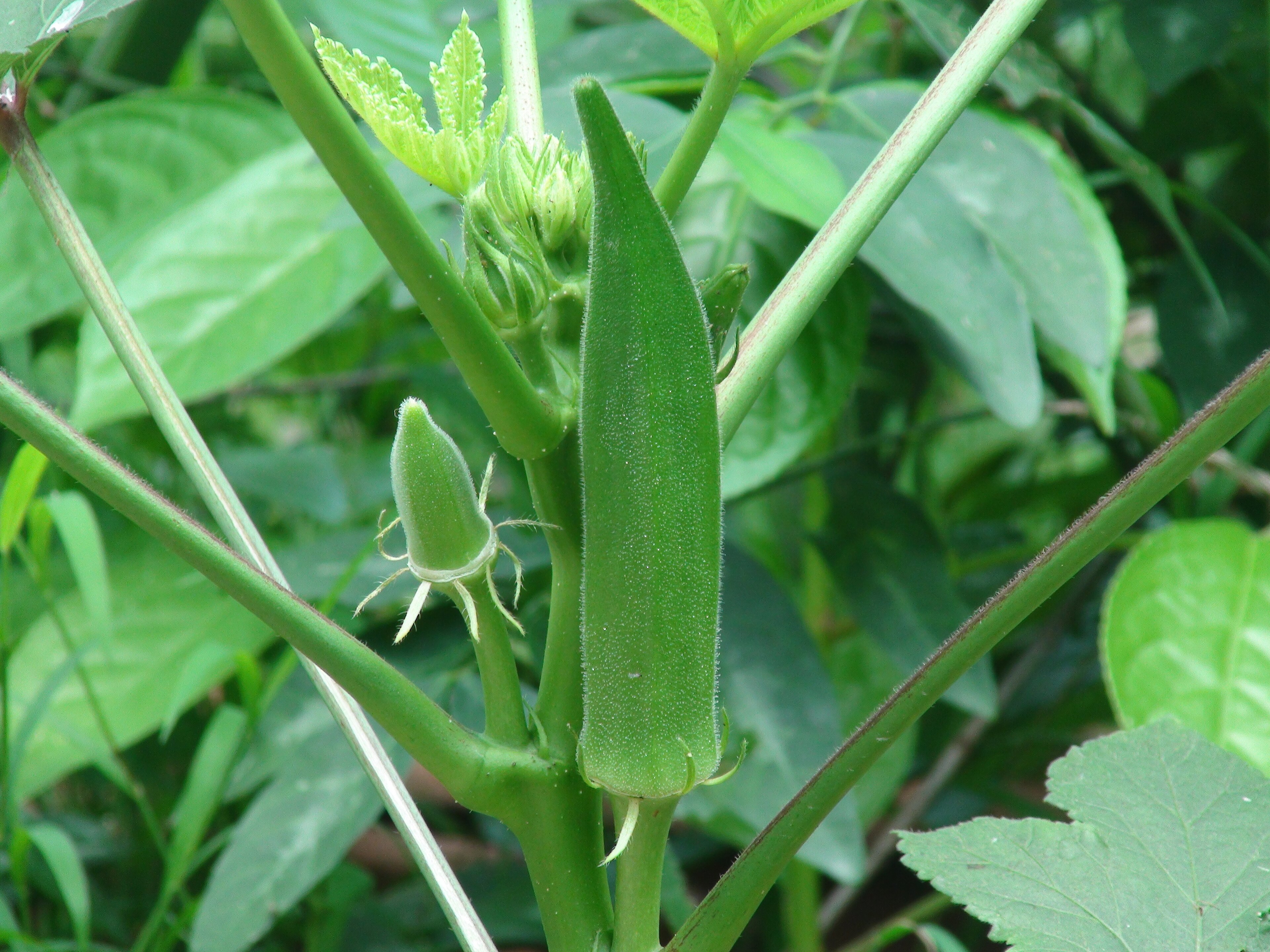 OkraHibiscus Esculentus
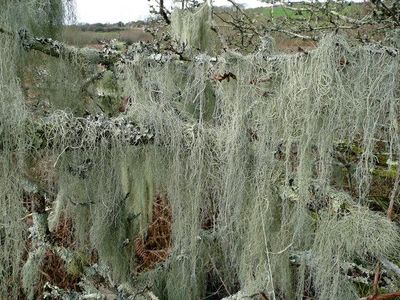 Old man's beardUsnea spp.
 OleanderOleander
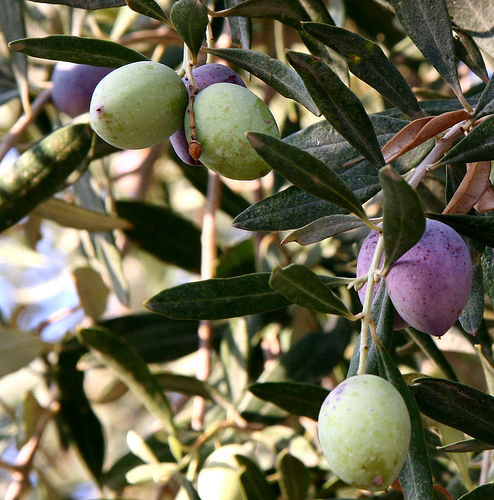 OliveOlea europaea
 Opium poppyPapaver somniferum
 OrangeOrange
 OreganoOriganum vulgare
 Oregon grapeBerberis aquifolium
The whole plate is in the library. The compass, Compare, the Sky of eleven hundred plants and the formulary open with an email address and a password, free, with the formula builder and its safety engine. Herbert without limit, his formulating, clients, the handouts and the labels are the paid room.
Open the library, free