Ayurvedic Herbalism
Marking nut
Semecarpus anacardium
Also known as Indian marking nut, oriental cashew, bhilawa, Bhallataka, Aruskara, Agnimukha.
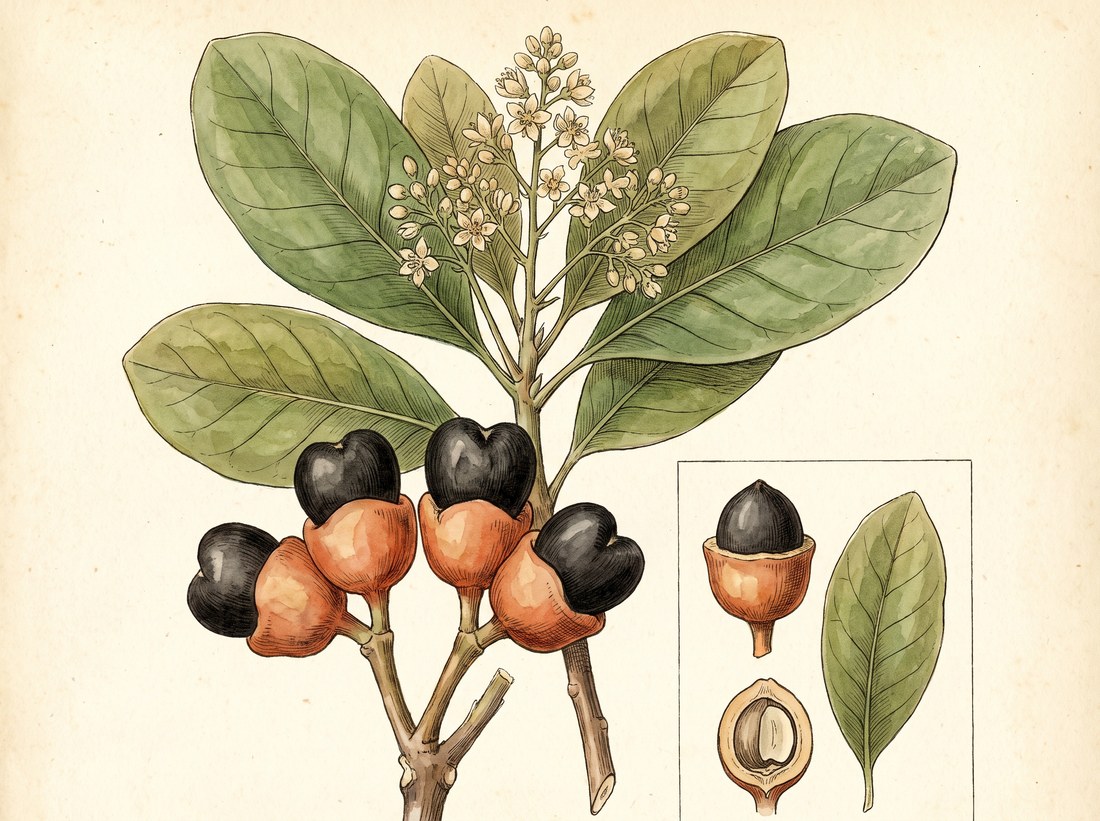
Semecarpus anacardium is a deciduous tree of the cashew family found in the dry deciduous forests of the sub-Himalayan tract, central India and the Deccan, fruiting in black, heart-shaped nuts that sit on a fleshy orange cup. Ayurveda names the fruit Bhallataka, the marking nut, and treats it with the respect due to fire: it is the hottest drug of the classical materia medica, a powerful digestive, alterative and rejuvenative for kapha and vata disorders, used only after careful purification and with milk and ghee to shield the tissues. The caustic juice that gives the tree its name was once used by washermen to mark linen and raises blisters on unprotected skin.

Ask Herbert about Marking nut. Herbert is the master herbalist inside Bountiful Herbs: he answers from this plate and eleven hundred others, with dosing, pairing and cautions. Your first ten questions are free.
Ask HerbertActions
Indications what the tradition reached for it in
- Rheumatoid arthritis and amavata (purified, supervised)
- Chronic hemorrhoids with sluggish digestion
- Chronic malabsorption with cold, heavy digestion
- Chronic skin disease of kapha type including leukoderma
- Obesity with cold, damp constitution
- Intestinal worms (traditional)
- Cancer as an adjunct in classical Ayurvedic oncology (purified, supervised)
- Chronic low-grade fever with poor digestion
- Sciatica and vata disorders with coldness
- Warts and corns (oil, topical, expert use only)
Specific indications
A cold, heavy, sluggish kapha-vata patient with painful, stiff, swollen joints that are worse in the morning and in wet weather, whose digestion is weak
Chronic hemorrhoids with constipation, poor appetite and a feeling of coldness in a patient who tolerates heat well
Long-standing kapha skin disease with thick, pale, itching patches unresponsive to gentler alteratives
The patient of firm, cool constitution with a chronic wasting or growth disorder for whom the tradition prescribes escalating rasayana courses under close supervision
Safety
Recognised toxicity. This plant carries a toxicity flag in the record; it is for trained practitioners only.
Low dose botanical. Used in drop doses in the classical practice; not a plant to dose freely.
Pregnancy: Contraindicated: the fruit is an intensely heating, blood-moving and vesicant drug, traditionally forbidden in pregnancy, and no published safety class is known to us.
Breastfeeding: Contraindicated: the tradition withholds it from nursing mothers, and the vesicant phenols could pass to the infant.
The record lists 12 contraindications; open the plate in the library to read them in full.
In practice
The Ayurvedic practitioner regards Bhallataka as a specialist's drug. It is chosen for deep, cold, chronic kapha-vata disease: amavata with swollen stiff joints, chronic hemorrhoids, grahani with cold undigested stool, obesity, kapha skin disease and the wasting disorders the texts group under kshaya and arbuda.
In Ayurveda
Rasa: katu (pungent), tikta (bitter), kashaya (astringent). Virya: ushna (heating), regarded as the hottest drug of the materia medica and named Agnimukha for it. Vipaka: madhura (sweet). Guna: laghu (light), snigdha (unctuous), tikshna (sharp, penetrating). Dosha: pacifies kapha and vata strongly; aggravates pitta and rakta and is contraindicated in pitta constitutions. Prabhava: medhya and rasayana despite its fire; the texts treat it as a rejuvenative whose heat digests ama and rebuilds tissue when properly purified and dosed. Karma: deepana (kindles digestion); pachana (digests ama); bhedana (breaks up and expels accumulations); medhya (promotes intellect); rasayana (rejuvenative); krimighna (anthelmintic); kushthaghna (relieves skin disease); arshoghna (relieves hemorrhoids); vatahara (pacifies vata); kaphahara (reduces kapha); shukrala (increases semen); vrishya (aphrodisiac). Classical indications: arsha (hemorrhoids); kushtha (skin diseases including leprosy); grahani (chronic malabsorption); gulma (abdominal mass); udara (abdominal enlargement); krimi (worms); medoroga (obesity); shvitra (leukoderma); vatavyadhi (neuromuscular disorders); amavata (rheumatoid arthritis); jvara (chronic fever); kaphaja and vataja disorders generally. The mature fruit, purified by rubbing off the outer layer with brick powder, soaking, and boiling in milk or coconut water (shodhana), is the drug. It is given as milk decoction (kshira paka), in ghee, as the confection Amritabhallataka with Guduchi, in Bhallataka rasayana with gradual dose escalation, and in compound pills. The oil expressed from the pericarp is a strong vesicant used externally in tiny amounts for warts and corns. The tradition never gives the unpurified fruit internally. Classical formulations: Bhallataka rasayana, Amritabhallataka avaleha, Bhallataka kshira paka, Bhallatakadi modaka, Sanjivani vati, Bhallataka taila (external), Bhallatakasava. Described in: Charaka Samhita, Sushruta Samhita, Ashtanga Hridaya, Bhavaprakasha Nighantu, Dhanvantari Nighantu, Raja Nighantu, Kaiyadeva Nighantu, Madanapala Nighantu, Ayurvedic Pharmacopoeia of India.
Dosing as the sources wrote it
| Preparation | As written | Metric |
|---|---|---|
| Churna | 125-250 mg purified fruit powder daily with milk and ghee, purified material only | 125-250 mg |
| Kshira paka | 50-100 mL milk decoction of one purified fruit daily, purified material only | 50-100 mL |
| Avaleha (Amritabhallataka) | 3-6 g daily with warm milk, purified material only | 3000-6000 mg |
| Taila, topical | 1-2 drops applied only to the wart or corn, purified material only | 0.02-0.04 mL |
Doses are reproduced from the sources for practitioners and are not a recommendation for any person.
From the sources
Overview. Semecarpus anacardium is a deciduous tree of the cashew family found in the dry deciduous forests of the sub-Himalayan tract, central India and the Deccan, fruiting in black, heart-shaped nuts that sit on a fleshy orange cup. Ayurveda names the fruit Bhallataka, the marking nut, and treats it with the respect due to fire: it is the hottest drug of the classical materia medica, a powerful digestive, alterative and rejuvenative for kapha and vata disorders, used only after careful purification and with milk and ghee to shield the tissues. The caustic juice that gives the tree its name was once used by washermen to mark linen and raises blisters on unprotected skin.
Clinical Notes. The Ayurvedic practitioner regards Bhallataka as a specialist's drug. It is chosen for deep, cold, chronic kapha-vata disease: amavata with swollen stiff joints, chronic hemorrhoids, grahani with cold undigested stool, obesity, kapha skin disease and the wasting disorders the texts group under kshaya and arbuda.
Ayurvedic Profile. Rasa: katu (pungent), tikta (bitter), kashaya (astringent). Virya: ushna (heating), regarded as the hottest drug of the materia medica and named Agnimukha for it. Vipaka: madhura (sweet). Guna: laghu (light), snigdha (unctuous), tikshna (sharp, penetrating).
In formulas
Marking nut stands in 11 documented formulas in the library, among them Madhūkāsava, Kuṭajāvaleha, Amṛtaprāśa Ghṛta, Elādi Ghṛta, Dhānvantara Ghṛta, Paṅcatikta Ghṛta.
Often paired with
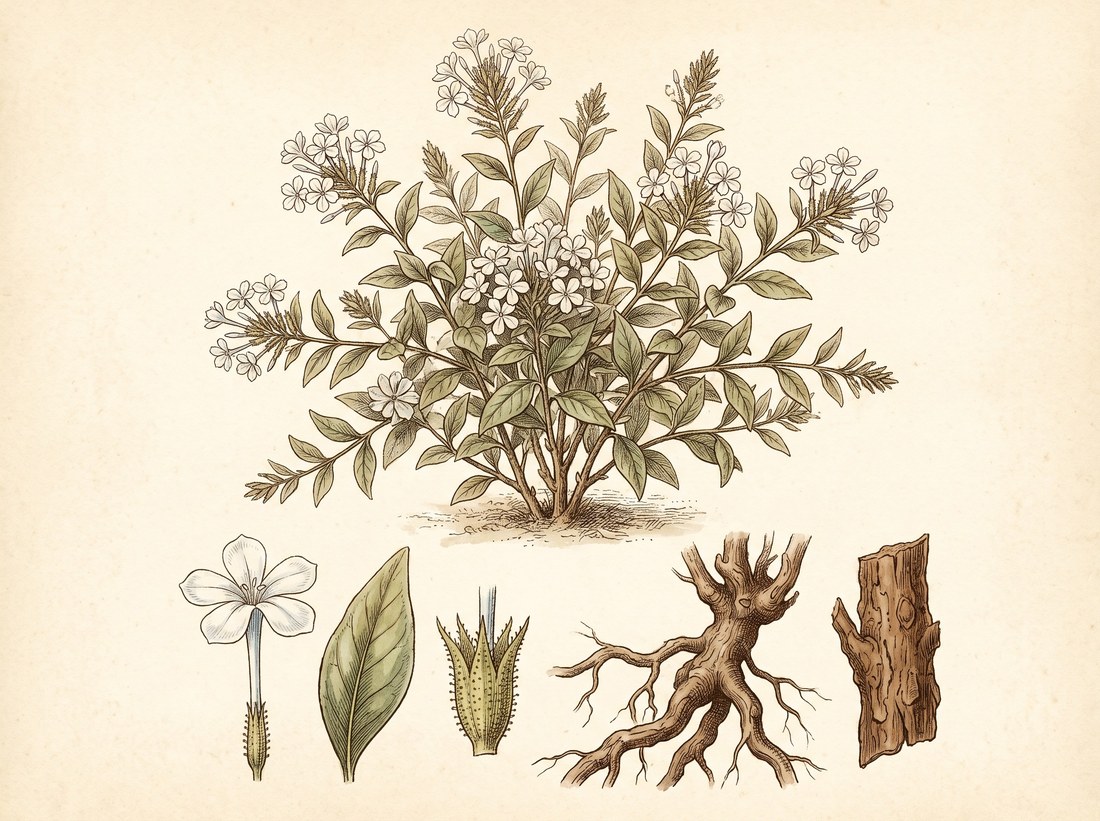 Ceylon leadwortPlumbago zeylanica
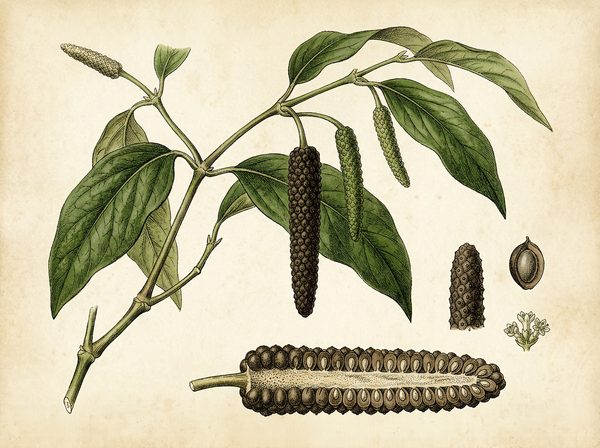 long pepperPiper longum
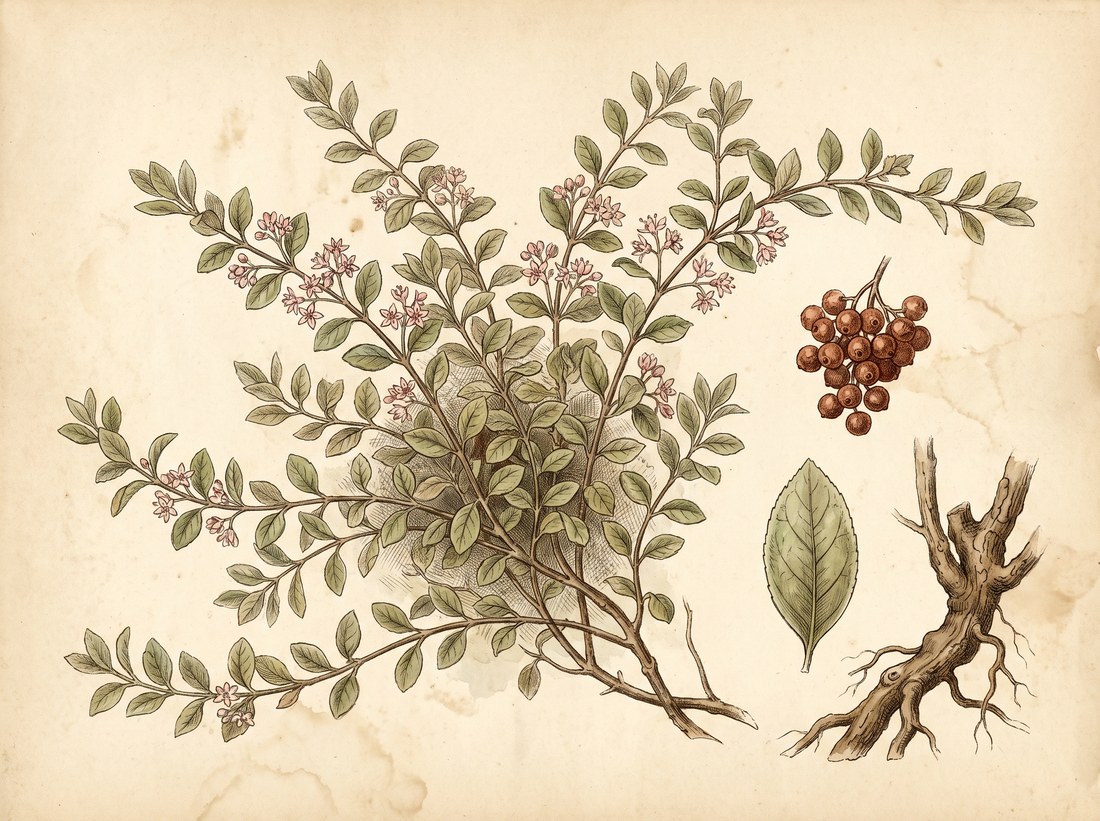 false black pepperEmbelia ribes
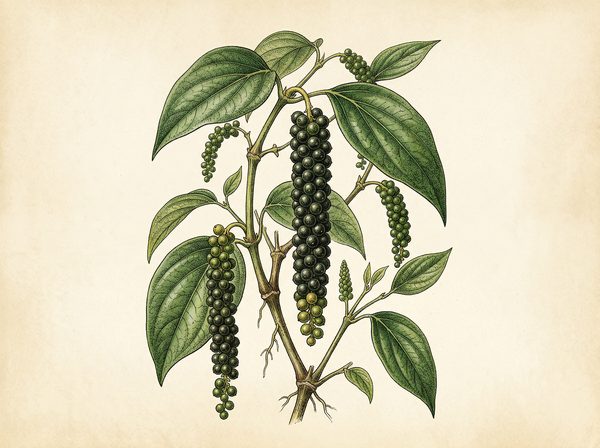 black pepperPiper nigrum
 chebulic myrobalanTerminalia chebula
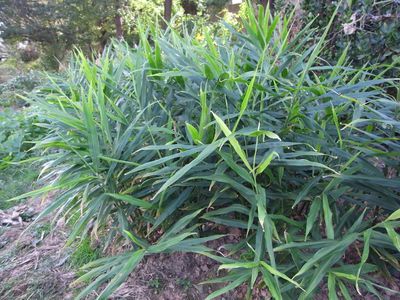 GingerZingiber officinale
Nearby on the shelf
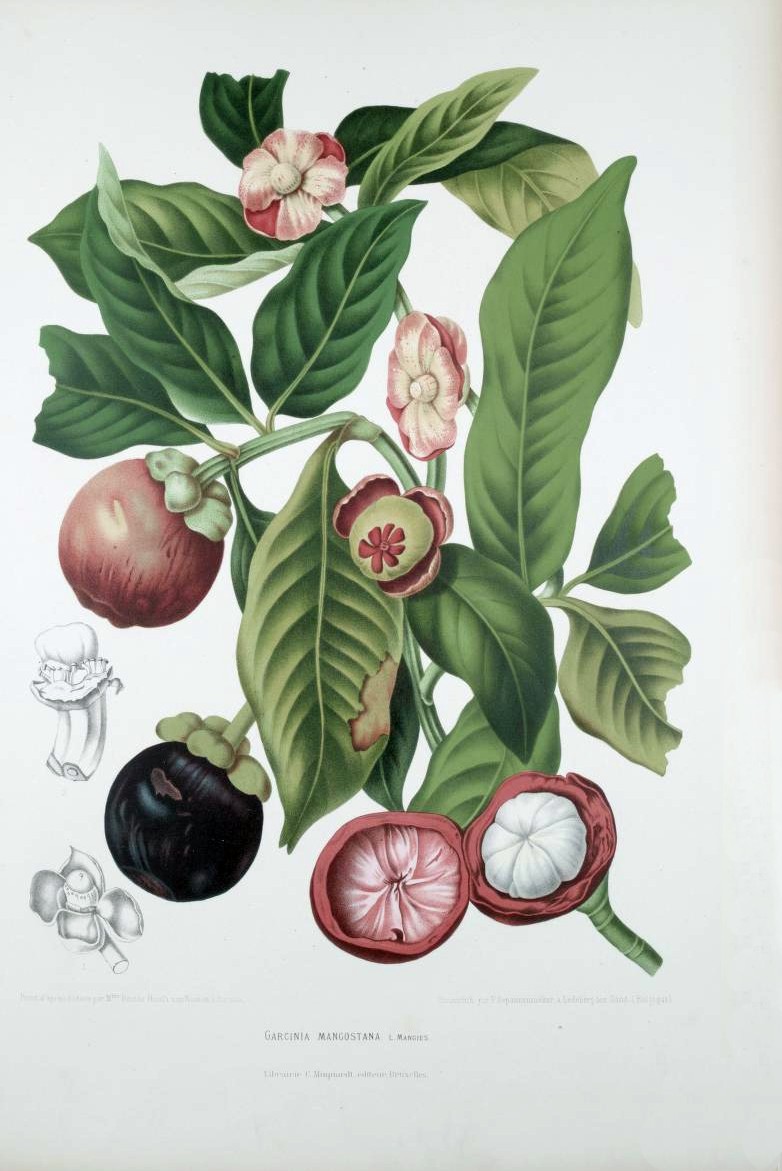 MangosteenGarcinia mangostana
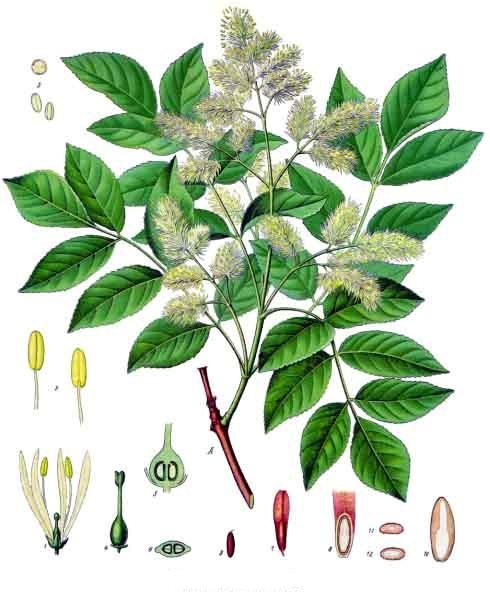 Manna ashFraxinus ornus
 MarijuanaCannabis sativa
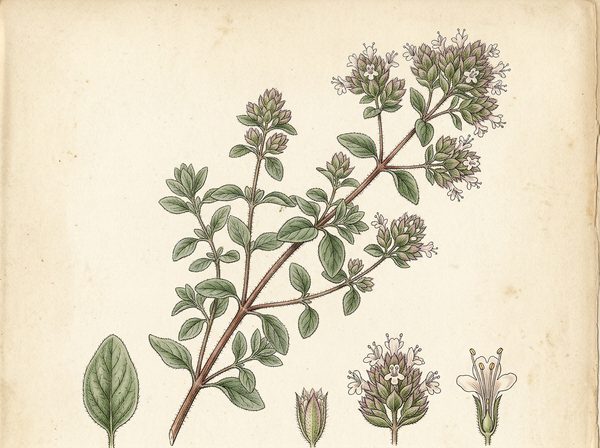 MarjoramOriganum majorana
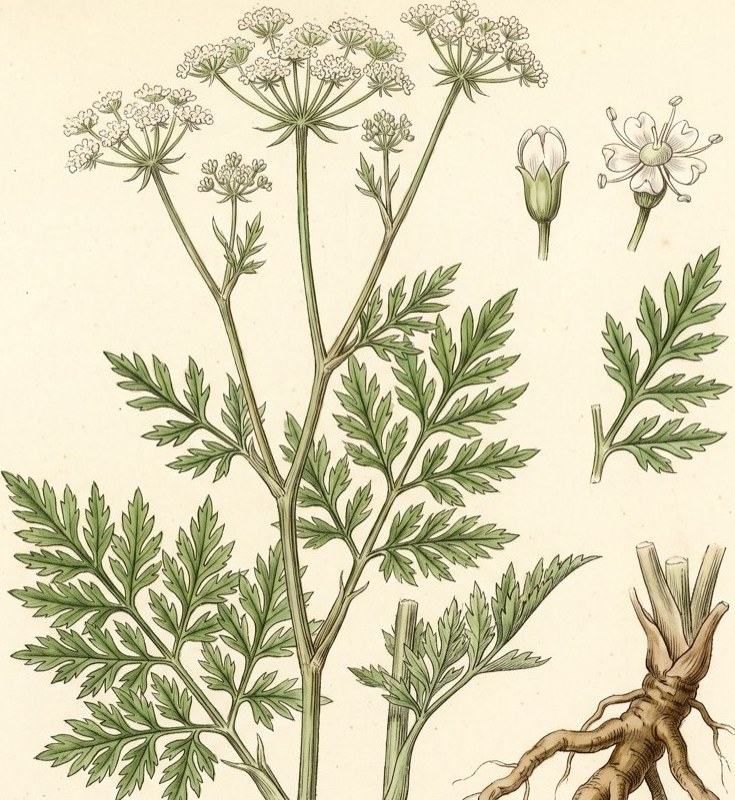 Marsh ParsleySelinum
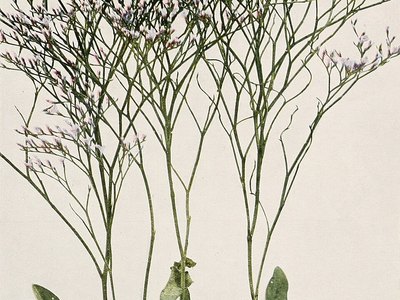 Marsh rosemaryStatice caroliniana
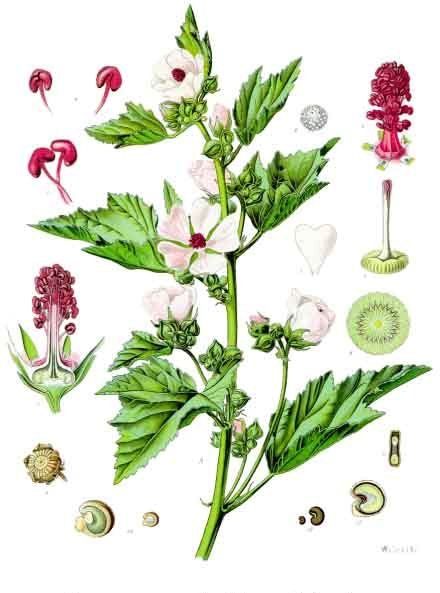 MarshmallowAlthaea officinalis
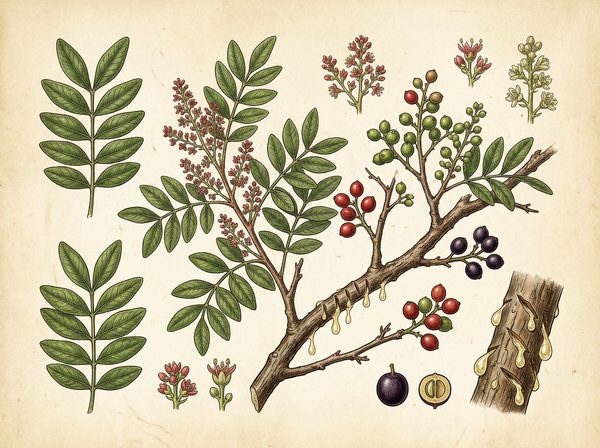 MasticPistacia lentiscus
The whole plate is in the library. The compass, Compare, the Sky of eleven hundred plants and the formulary open with an email address and a password, free, with the formula builder and its safety engine. Herbert without limit, his formulating, clients, the handouts and the labels are the paid room.
Open the library, free