Ayurvedic Herbalism
False black pepper
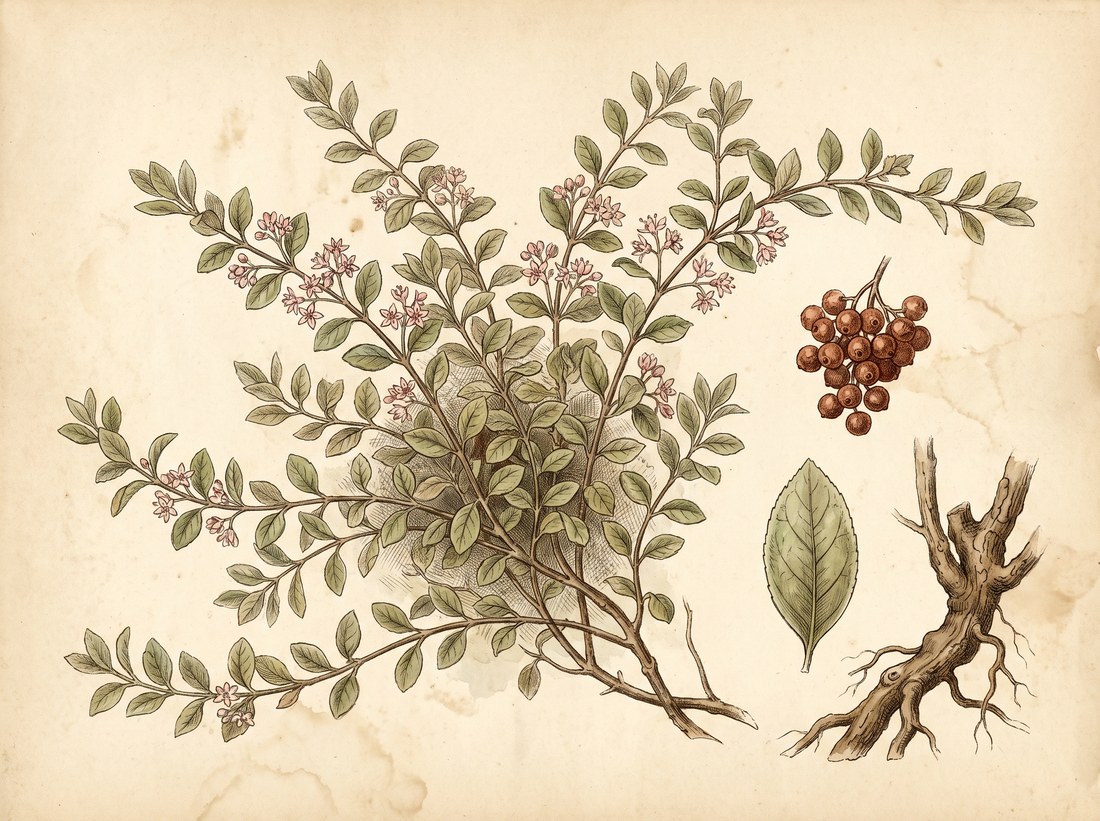
Embelia ribes
Also known as embelia, vidanga, white-flowered embelia, Vidanga, Krimighna, Jantunashana.
Embelia ribes is a large scrambling shrub of the Primulaceae, formerly placed in the Myrsinaceae, that grows in the hill forests of the Western Ghats, the eastern Himalaya, central India and Sri Lanka. Its small round berries, dried until they look like black pepper, are the Vidanga of Ayurveda, the classical drug of first choice for intestinal worms and one of the most valued digestive and fat-reducing herbs. Heavy demand and wild collection have made true Vidanga scarce and adulterated in the market.

Ask Herbert about False black pepper. Herbert is the master herbalist inside Bountiful Herbs: he answers from this plate and eleven hundred others, with dosing, pairing and cautions. Your first ten questions are free.
Ask HerbertActions
Indications what the tradition reached for it in
- Intestinal worms, especially tapeworm and threadworm
- Chronic bloating and flatulence with sluggish digestion
- Constipation with a heavy, cold abdomen
- Obesity with poor digestive fire
- Recurrent parasitic infestation in children (with supervision)
- Chronic skin conditions linked to poor digestion
- Halitosis and dental decay (traditional)
- Metabolic syndrome with dyslipidemia (adjunct, traditional)
- Headache with heaviness and congestion (snuff, traditional)
- Dysbiosis after antibiotics or travel
Specific indications
A child or adult with anal itching at night, grinding of teeth, variable appetite and a pale, puffy face, where worms are suspected
A heavy, cold, congested patient with a doughy abdomen, gas and a slow bowel who gains weight easily
Recurrent gut infestation after travel in a person whose digestion has stayed weak since
Skin eruptions and itching that flare with constipation and heavy food
Safety
Pregnancy: Avoid in pregnancy: no published safety class is known to us, animal studies show antifertility and anti-implantation effects, and the tradition regards Vidanga as too heating and sharp for pregnancy.
The record lists 9 contraindications; open the plate in the library to read them in full.
In practice
Vidanga is the anthelmintic that Ayurveda reaches for first, usually in a short course of a week to ten days followed by a mild purgative such as castor oil or Triphala to expel the worms. The classical anupana for worms is buttermilk or honey, taken in the early morning on an empty stomach, and the herb is combined with Palasha seed, Krimighna, Ativisha and Musta for stubborn infestations, or with Kutaja when there is dysentery.
In Ayurveda
Rasa: katu (pungent), kashaya (astringent). Virya: ushna (heating). Vipaka: katu (pungent). Guna: laghu (light), ruksha (dry), tikshna (sharp). Dosha: pacifies vata and kapha; aggravates pitta in excess. Prabhava: krimighna: the foremost classical anthelmintic. Karma: krimighna (anthelmintic); deepana (kindles digestion); pachana (digests ama); anulomana (regulates downward movement of the bowel); kaphahara (reduces kapha); vatahara (pacifies vata); medohara (reduces fat); rasayana (rejuvenative, in Vidanga rasayana); kushthaghna (relieves skin disease); shirovirechana (clears the head, as snuff). Classical indications: krimi (intestinal worms of all kinds); udara roga (abdominal disorders); adhmana (distension); ajirna (indigestion); vibandha (constipation); medoroga (obesity); kushtha (skin disease); shirahshula (headache, as snuff); danta krimi (dental caries); prameha (urinary disorders); shukra dosha (semen disorders). The dried berries, gathered ripe and sun dried until they resemble black pepper, are ground to churna and taken with buttermilk, honey or warm water; they are the leading herb of Vidangarishta and Vidangadi churna, enter many compound powders for worms and obesity, and are used as a fine snuff and in medicated oils. Classical formulations: Vidangarishta, Vidangadi churna, Vidangadi lauha, Krimikuthara rasa, Vidanga taila, Krimimudgara rasa, Vidanga rasayana. Described in: Charaka Samhita, Sushruta Samhita, Ashtanga Hridaya, Bhavaprakasha Nighantu, Dhanvantari Nighantu, Raja Nighantu, Madanapala Nighantu, Kaiyadeva Nighantu, Sharngadhara Samhita, Ayurvedic Pharmacopoeia of India.
Dosing as the sources wrote it
| Preparation | As written | Metric |
|---|---|---|
| Churna | 3-6 g powdered fruit once daily in the morning with buttermilk or honey for 7-10 days | 3000-6000 mg |
| Kwatha | 40-80 mL decoction once or twice daily | 40-80 mL |
| Arishta | 12-24 mL twice daily after food | 12-24 mL |
| Churna, pediatric | 0.5-2 g powdered fruit once daily with honey for 7 days, by age and weight | 500-2000 mg |
Doses are reproduced from the sources for practitioners and are not a recommendation for any person.
From the sources
Overview. Embelia ribes is a large scrambling shrub of the Primulaceae, formerly placed in the Myrsinaceae, that grows in the hill forests of the Western Ghats, the eastern Himalaya, central India and Sri Lanka. Its small round berries, dried until they look like black pepper, are the Vidanga of Ayurveda, the classical drug of first choice for intestinal worms and one of the most valued digestive and fat-reducing herbs. Heavy demand and wild collection have made true Vidanga scarce and adulterated in the market.
Clinical Notes. Vidanga is the anthelmintic that Ayurveda reaches for first, usually in a short course of a week to ten days followed by a mild purgative such as castor oil or Triphala to expel the worms. The classical anupana for worms is buttermilk or honey, taken in the early morning on an empty stomach, and the herb is combined with Palasha seed, Krimighna, Ativisha and Musta for stubborn infestations, or with Kutaja when there is dysentery.
Ayurvedic Profile. Rasa: katu (pungent), kashaya (astringent). Virya: ushna (heating). Vipaka: katu (pungent). Guna: laghu (light), ruksha (dry), tikshna (sharp). Dosha: pacifies vata and kapha; aggravates pitta in excess.
Conservation. Embelia ribes is over-collected from the wild and is listed as vulnerable in several Indian states; buy from cultivated or certified sustainable sources and expect adulteration in cheap material.
In formulas
False black pepper stands in 44 documented formulas in the library, among them Abhayāriṣta, Ayaskṛti, Kuṭajāriṣta, Daśamūlāriṣṭa, Drākṣāriṣṭa, Pippalyādyāsava.
Often paired with
 long pepperPiper longum
 chebulic myrobalanTerminalia chebula
 black pepperPiper nigrum
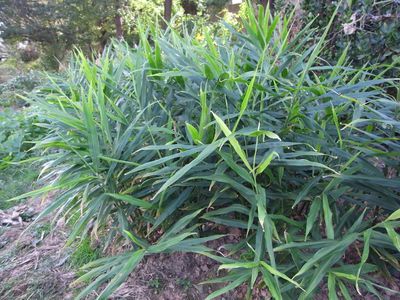 GingerZingiber officinale
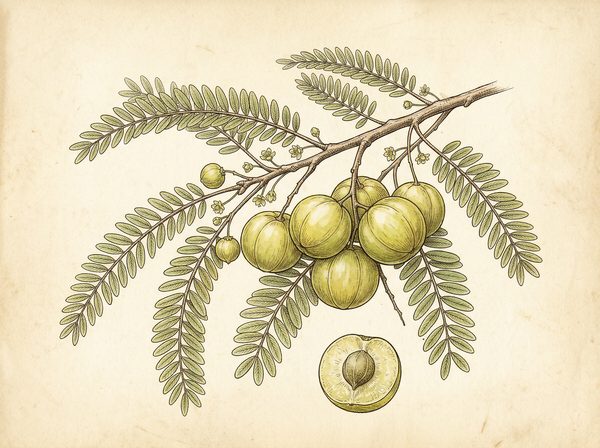 Indian gooseberryPhyllanthus emblica
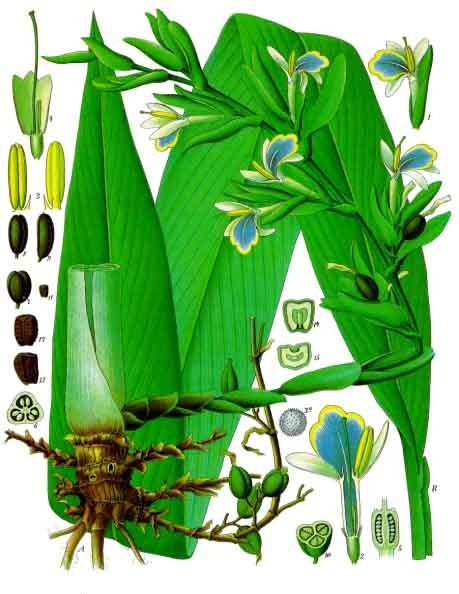 cardamomElettaria cardamomum
Nearby on the shelf
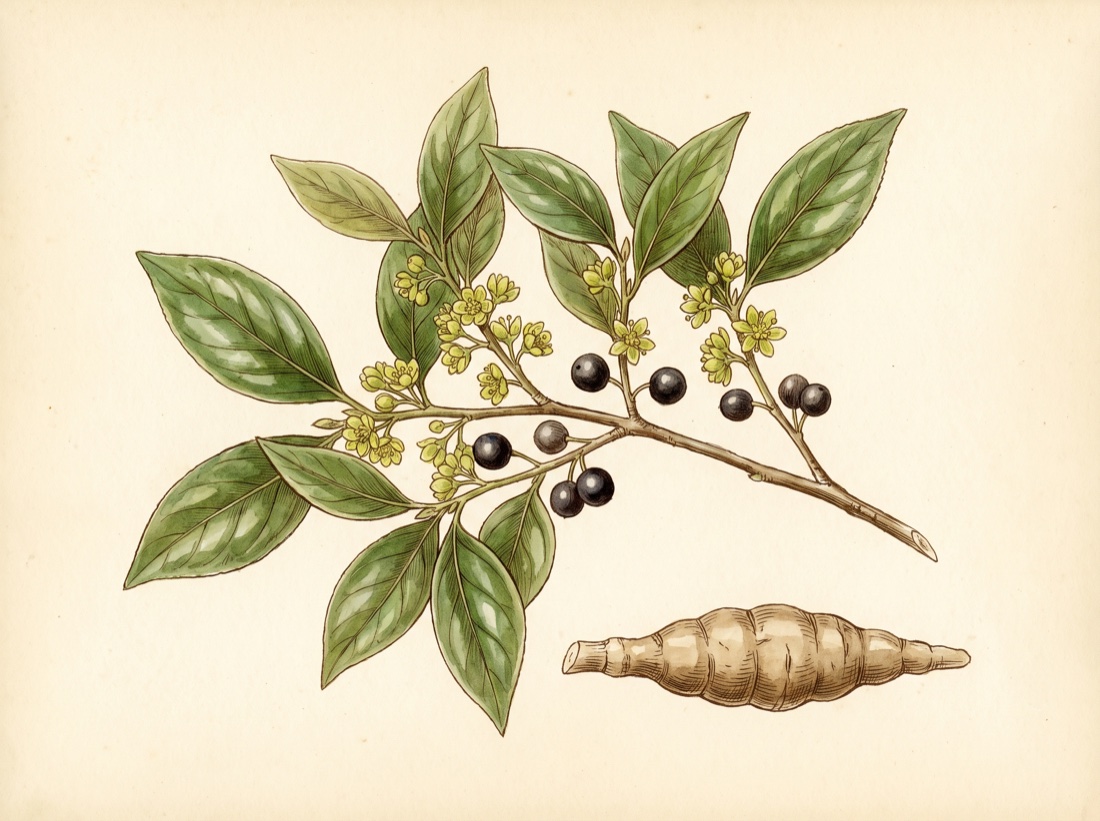 Evergreen linderaLindera aggregata
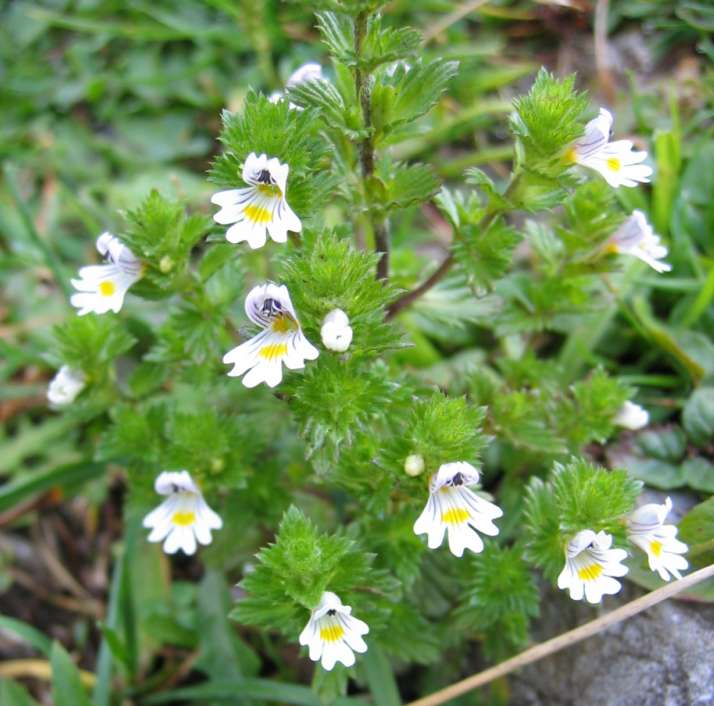 EyebrightEuphrasia stricta
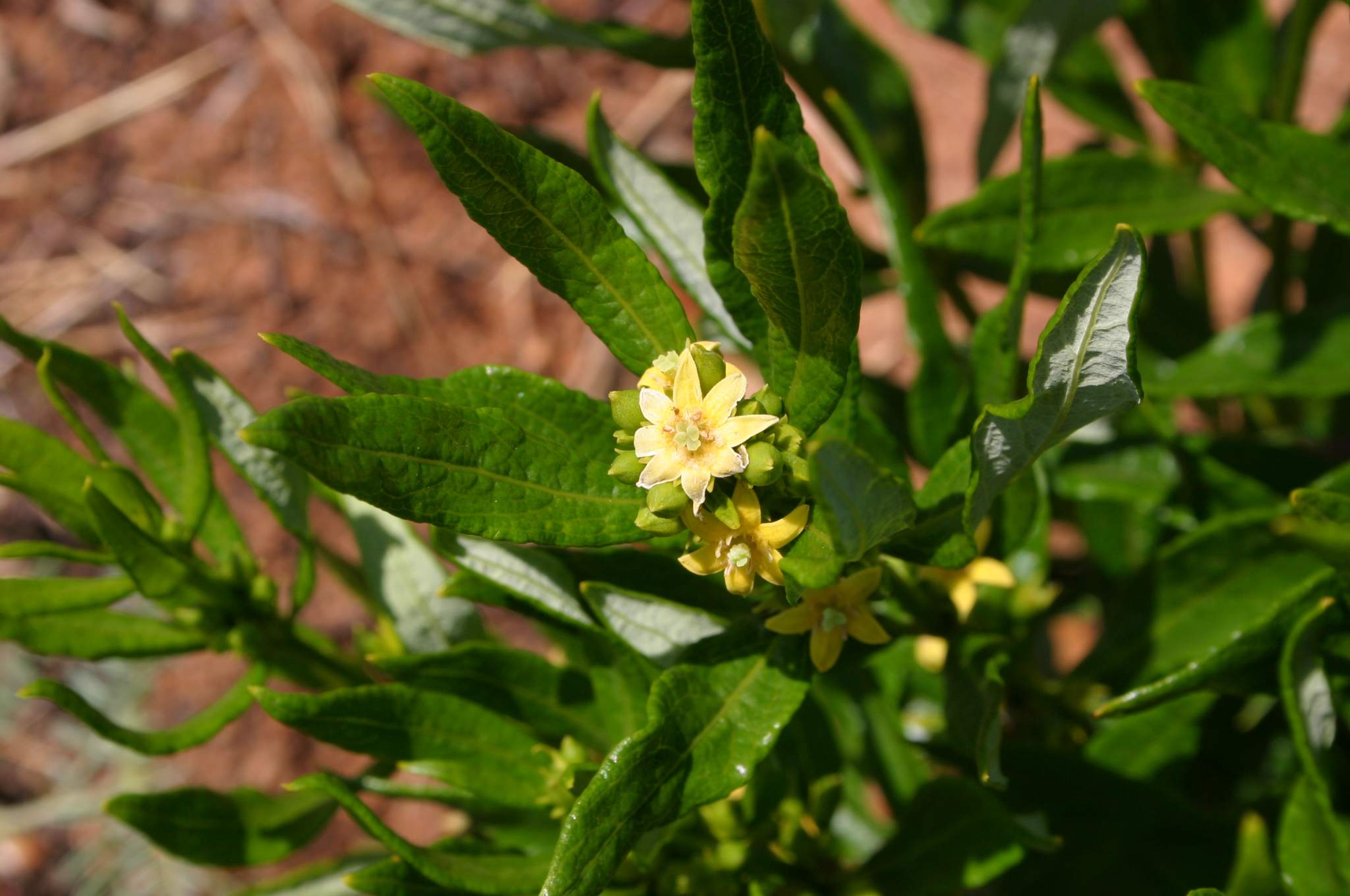 Fadogia AgrestisFadogia agrestis
 False AloeAgave Virginica
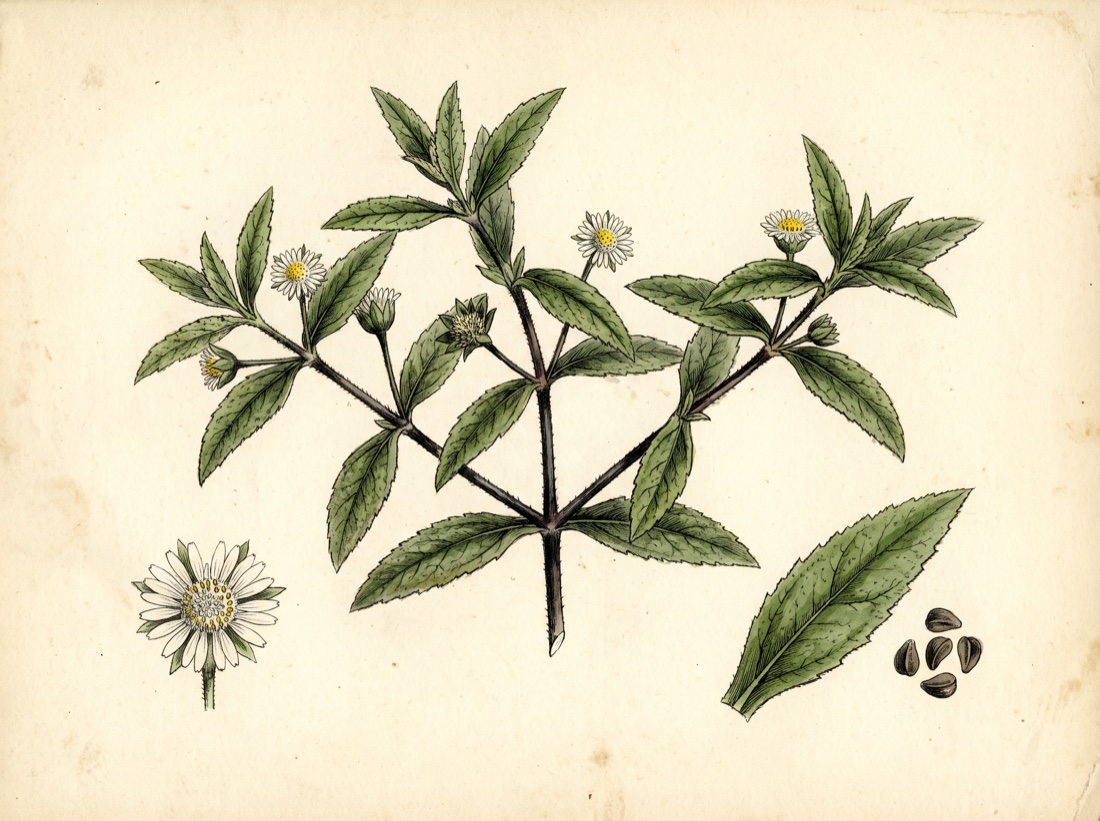 False daisyEclipta prostrata
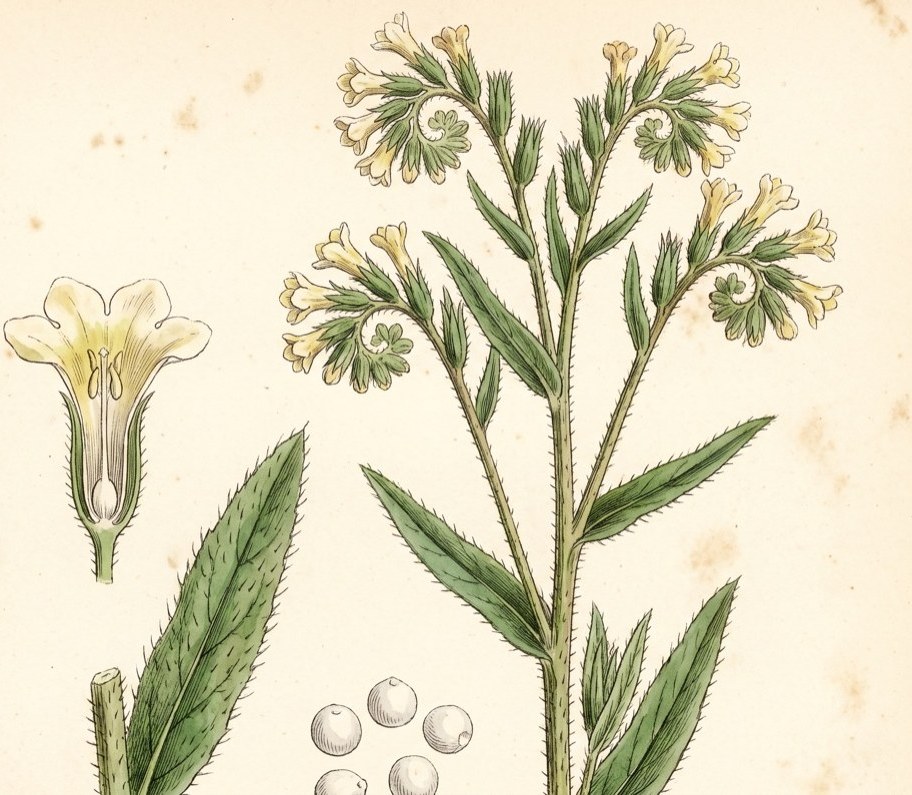 False GromwellOnosmodium
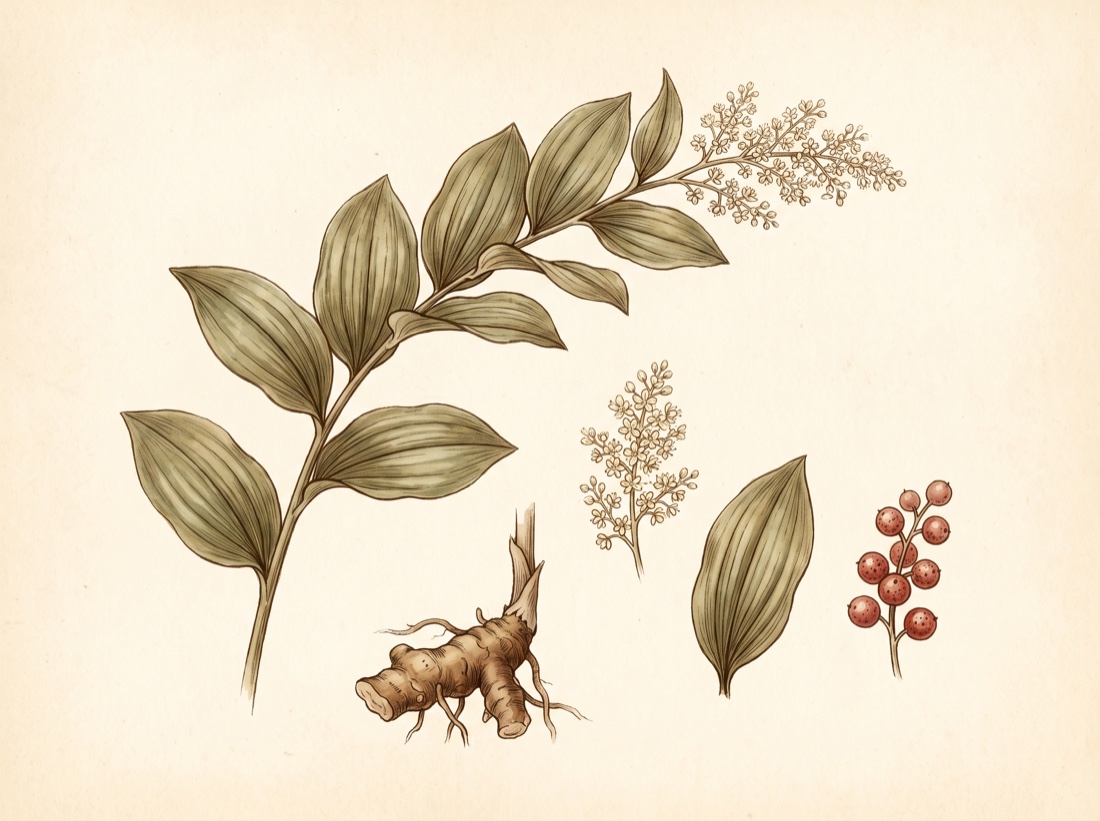 False Solomon's sealMaianthemum racemosum
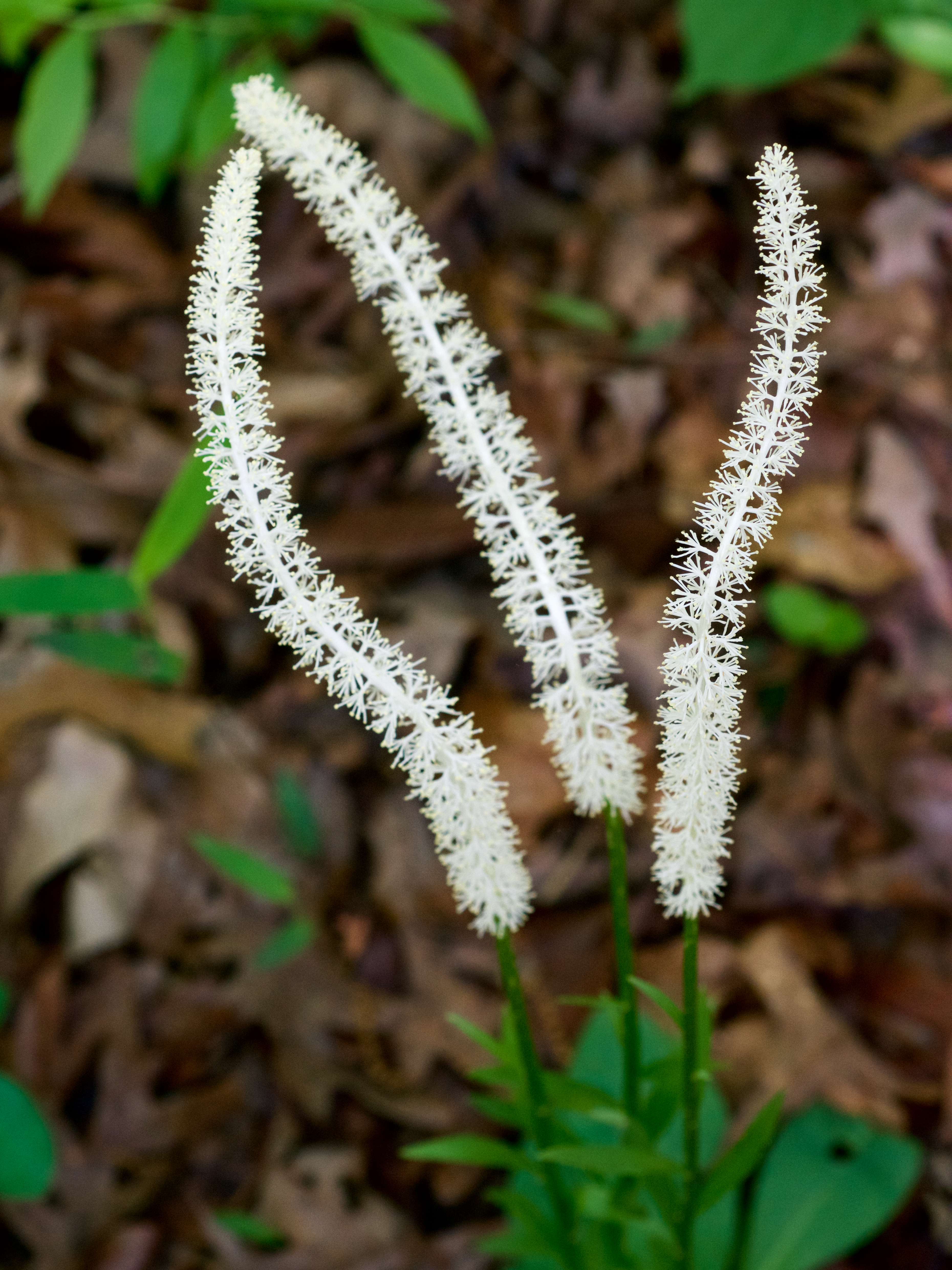 False unicornChamaelirium luteum
The whole plate is in the library. The compass, Compare, the Sky of eleven hundred plants and the formulary open with an email address and a password, free, with the formula builder and its safety engine. Herbert without limit, his formulating, clients, the handouts and the labels are the paid room.
Open the library, free