Western Herbalism
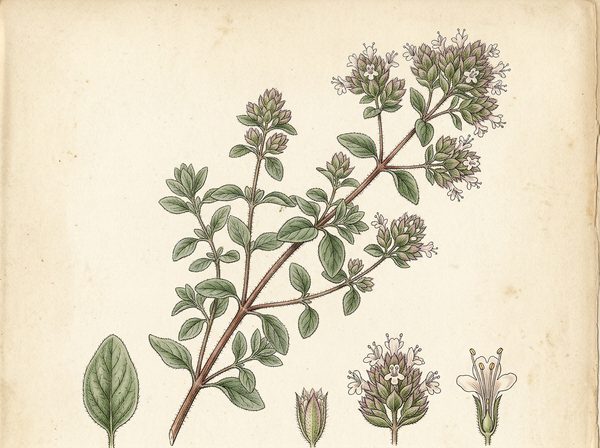
Marjoram
Origanum majorana
Also known as Sweet Marjoram.
Marjoram is traditionally indicated for: Dyspnea, Gastrointestinal disorders, Cramps, Flatulence, Whooping cough, Otitis, Bronchial coughs, Rheumatism, Asthma, Abdominal cramps, Hypertension, Headache, Colds, Mild spasmodic gastrointestinal complaints, Irritated skin around nostrils, and 21 further conditions.

Ask Herbert about Marjoram. Herbert is the master herbalist inside Bountiful Herbs: he answers from this plate and eleven hundred others, with dosing, pairing and cautions. Your first ten questions are free.
Ask HerbertActions
Indications what the tradition reached for it in
- Dyspnea
- Gastrointestinal disorders
- Cramps
- Flatulence
- Whooping cough
- Otitis
- Bronchial coughs
- Rheumatism
- Asthma
- Abdominal cramps
- Hypertension
- Headache
- Colds
- Mild spasmodic gastrointestinal complaints
- Irritated skin around nostrils
- Nervous tension
- Bloating
- Cardiac pain
- Indigestion
- Abdominal distension
- Bronchitis
- Colic
- Cough
- Digestive discomfort
- Edema
- Fluid retention
- Gas
- Infection
- Inflammation
- Muscle spasms
Safety
Pregnancy: Pregnancy Caution
Breastfeeding: Lactation (source flag notSafeInLactation)
The record lists 1 contraindication; open the plate in the library to read them in full.
Dosing as the sources wrote it
| Preparation | As written | Metric |
|---|---|---|
| Herbal tea | Herbal tea (2-4 g comminuted herba in 150 ml boiling water | 2000-4000 mg |
| 1-2 times daily | ||
| total daily | total daily 2-8 g) | 2000-8000 mg |
| Topical (diluted in carrier) | Topical: typical 1-3% in carrier; face/sensitive 0.5-1; dermal maximum 5%. Gentle relative of oregano but chemically very different ... mild and calming. | |
| Internal (oral) | Not recommended internally ... insufficient current safety data for the essential oil; use the culinary herb or tea instead. No established oral oil dose; use the culinary herb. | |
| Semi-solid extract (1:5 herba:ethanol 96% V/V then white petroleum jelly) for cutaneous use |
Doses are reproduced from the sources for practitioners and are not a recommendation for any person.
From the sources
indications. Marjoram is traditionally indicated for: Dyspnea, Gastrointestinal disorders, Cramps, Flatulence, Whooping cough, Otitis, Bronchial coughs, Rheumatism, Asthma, Abdominal cramps, Hypertension, Headache, Colds, Mild spasmodic gastrointestinal complaints, Irritated skin around nostrils, and 21 further conditions.
constituents. Notable constituents of Marjoram include: Essential oil (1-2%, terpinen-4-ol, cis-sabinene hydrate, γ-terpinene, α-terpineol, linalool, terpinenes, terpinols), Flavonoids (quercetin, luteolin, apigenin, rutin) (and others).
dose-reference. Reference preparation/dosing for Marjoram: Herbal tea (2-4 g comminuted herba in 150 ml boiling water; 1-2 times daily; total daily 2-8 g); Semi-solid extract (1:5 herba:ethanol 96% V/V then white petroleum jelly) for cutaneous use
safety-cautions. Marjoram - Contraindications: Hypersensitivity to the herb or Lamiaceae family members | Side effects: None known | Safety flags: not considered safe in pregnancy; not considered safe during lactation.
Nearby on the shelf
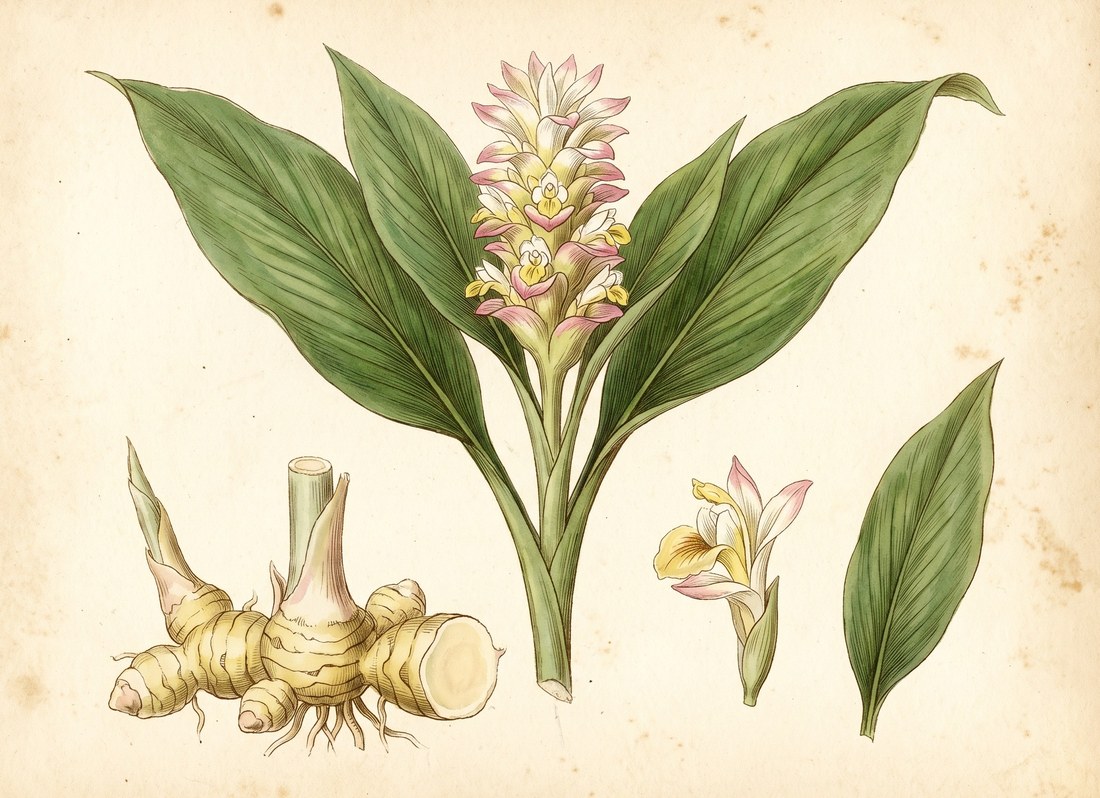 Mango gingerCurcuma amada
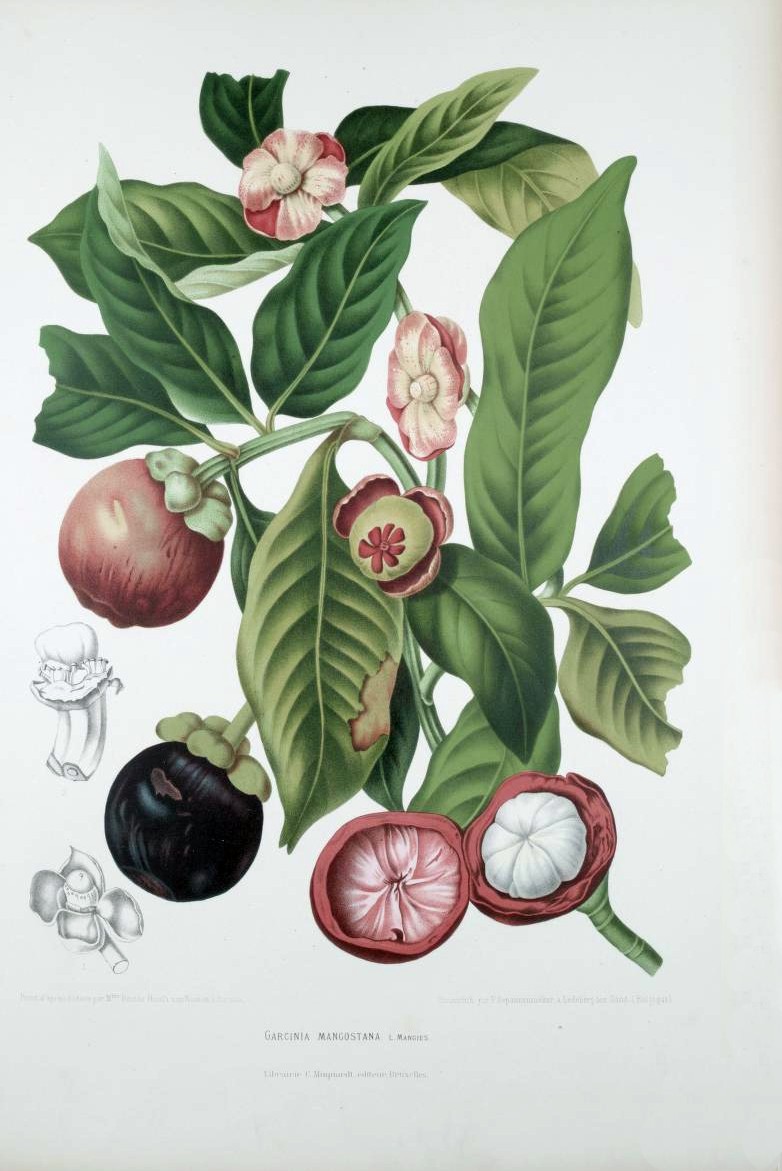 MangosteenGarcinia mangostana
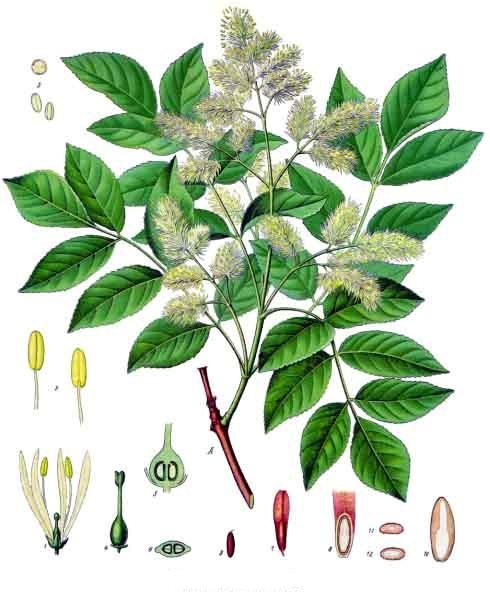 Manna ashFraxinus ornus
 MarijuanaCannabis sativa
 Marking nutSemecarpus anacardium
 Marsh ParsleySelinum
 Marsh rosemaryStatice caroliniana
 MarshmallowAlthaea officinalis
The whole plate is in the library. The compass, Compare, the Sky of eleven hundred plants and the formulary open with an email address and a password, free, with the formula builder and its safety engine. Herbert without limit, his formulating, clients, the handouts and the labels are the paid room.
Open the library, free